adventure

WORLD WILDLIFE DAY!

WORLD WILDLIFE DAY!

e e park

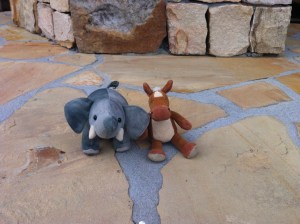
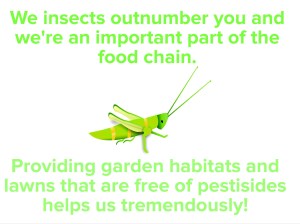
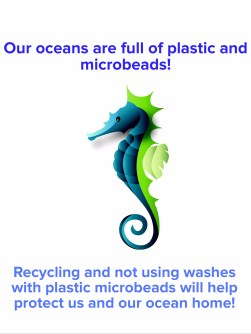
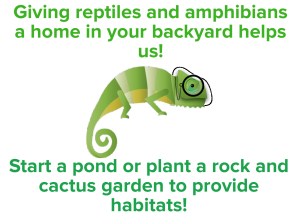
Today is World Wildlife Day and we here at the University are sharing ways you can help wildlife in your backyard and around the world! Each professor will be sharing their tips today and we have a great way to get involved too! So come join us and help us celebrate World Wildlife Day!

We’ll be participating in the #InOurHands campaign for the David Sheldrick Wildlife Trust! You simply draw an elephant on your hand, take a picture and share on social media. Add us and @DSWT on your tweet or tag us and the trust on Facebook! Elephants could be lost in the wild if we don’t help! To learn more about the campaign check out their website!

IMG_1424

IMG_1423

IMG_1421

IMG_1420

IMG_1422

Categories: adventure, Animals, Children, conservation, education, Environment, nature, science, wildlife | Tags: , , , , , , , , | 1 Comment

HOLEY MOLEY!!

HOLEY MOLEY!!

We’re on day three of our you choose week and we had a friend vote for moles! So of course we narrowed down to the star nosed mole! This crazy looking creature is sure to be popular, so let’s get moving and head underground to meet this wild animal!

star nosed mole2

Fun Facts:

  • The first thing you notice on a star nosed mole is the nose. It is compromised of 22 finger like projections, 11 on each nostril. Those projections are called tendrils.
  • Star nosed moles live in wetlands and moist habitats along the coast of Northeastern North America.FullSizeRender(36)
  • Star nosed moles can grow up to 8 inches and weigh up to 2 oz.
  • They are insectivores. They have 44 teeth to crunch up insect exoskeletons.
  • Star nosed mole nose projections are full of extremely sensitive receptors called Eimer’s organs. Other moles have these receptors, but the star nosed mole has 25,000 of them; more than any other animal!
  • IMG_0436
  • Star nosed moles are functionally blind, so those crazy looking tendrils give them a picture of their environment and of their prey! It can tell if a prey is edible in 8 milliseconds! WOW!
  • They can smell underwater too!
  • Their tendrils have no muscles or bones in them. They are not used as a scent organ. The mole has nostrils that use for smell.
  • Star nosed moles dig shallow tunnels in the wet ground. They are also excellent swimmers, using those wide front feet and back feet to help them swim.
  • They tend to be out on the ground more than other moles who stay in their burrows.

star nosed mole

We could on days and days about the star nosed moles. Those tendrils are unique in the animal kingdom. Scientists have been studying these critters for years and continue to learn so many things about them. They even think they may be able to pick up slight electrical fields! WOW! Our earth is full of so many crazy creatures that are so fascinating!

Categories: adventure, Animals, Children, conservation, education, Environment, mammals, nature, science, wildlife | Tags: , , , , , , , , , | 2 Comments

SUN BEARS!

SUN BEARS!!

As part of our you choose week- we’re going to meet the Sun Bear!

    sun bear

Fun Facts:

  • Sun bears are also called the dog bear or honey bear.
  • Sun bears are found in Southeast Asia in rainforests.

FullSizeRender(33)

  • Sun bears are omnivores. They eat fruit, eggs, honey and termites.
  • They can get up to 4 1/2 feet long and weigh up to 145 lbs.
  • Sun bears are listed by the IUCN as endangered.
  • They have sleek, smooth brown-black fur with a white-orangeish “sun” patch on their chest.
  • They have very loose skin around their neck.
  • Sun bears are the smallest member of the bear family.

IMG_0253

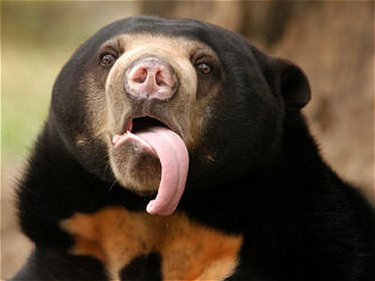
  • Sun bears have very long tongues that they can extend up to 10”. They use these tongues to get termites and honey.
  • Sun bears are nocturnal (active at night).
  • They spend most of their time in trees.

Sun bears are just so adorable. They are endangered mainly due to habitat loss. Helping protect their rainforest home by reducing, recycling and reusing! Yay for the 3 Rs!

sun bear2   sun bear3

Categories: adventure, Animals, Children, conservation, education, Environment, mammals, nature, science, wildlife | Tags: , , , , , , , , , | 2 Comments

ROCKING WITH THE LLAMAS!

ROCKING WITH THE LLAMAS!

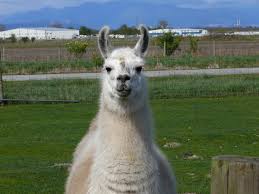
Happy Leap Day! We decided to ask our pals for this special day to choose the animal we spotlighted! We had our twitter friend ask to spotlight llamas! So here we go!

llama3

Llama Fun Facts:

  • Llamas are relatives of camels!
  • Llamas live in South America in the Andes Mountains.

FullSizeRender(35)

  • Llamas are herbivores. They eat plants and grasses.
  • They can get up to 9 ft tall and weigh up to 440 lbs.
  • They are very social in live in herds.
  • Llamas are intelligent animals.
  • Llamas came to South America around 3 million years ago from North America. They no longer live in North America.

llama2

  • Even though they are related to camels they have no dorsal hump.
  • Llamas are related to alpacas too. The domesticated llamas come in many different sizes and colors.

IMG_0254

  • Baby llamas can stand in about an hour after being born!
  • Llamas were domesticated by humans thousands of years ago. Even today they live among the people of the Andes mountains carrying goods on their backs.

llama

Llamas are so cute! We just love them! We even love to say llama! It rhymes with so many things like pajama and drama and mamma! There’s a poem in there somewhere. (Maybe one will pop up on Instagram).  We have llama in pajamas coloring sheet for you!

IMG_0256


Categories: adventure, Animals, Children, conservation, education, Environment, mammals, nature, science, wildlife | 2 Comments

DO A CHEER FOR POLAR BEARS!

DO A CHEER FOR POLAR BEARS!

e & e polar bear

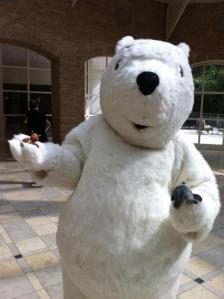
Happy International Polar Bear Day! Edmond is doing a cheer for polar bears! Join him!

GIVE US A P! P is Polar! Polar bears live in polar habitats near the arctic circle!

GIVE US A P!
P is Polar! Polar bears live in polar habitats near the arctic circle!


GIVE US AN O! O is for

GIVE US AN O!
O is for one pound! Baby polar bears weigh around one pound when they are born. They are pink and about 12 inches long!


GIVE US A L! L is for large! Polar bears are the largest land predator on earth!

GIVE US A L!
L is for large! Polar bears are the largest land predator on earth!


GIVE US AN A! A is for excellent! Polar bears are excellent swimmers! They are classified as marine mammals because they spend so much time in the water.

GIVE US AN A!
A is for awesome mom! Polar bears are awesome mothers. They look after their cubs for two years!


GIVE US A R! R is for reflect! Polar bear fur is translucent, not white! That fur reflects off the white snow giving them a white appearance!

GIVE US A R!
R is for reflect! Polar bear fur is translucent, not white! That fur reflects off the white snow giving them a white appearance!


GIVE US A B!! B is for black! Polar bears have black skin to help them absorb the heat from the sun!

GIVE US A B!!
B is for black! Polar bears have black skin to help them absorb the heat from the sun!


GIVE US AN E! E is for evolved! Scientists think polar bears evolved from brown bears!

GIVE US AN E!
E is for evolved! Scientists think polar bears evolved from brown bears!


GIVE US A B!! B is for black! Polar bears have black skin to help them absorb the heat from the sun! Their livers have 10 times more Vitamin A than any other animal on earth!

GIVE US A B!!
B is for black! Polar bears have black skin to help them absorb the heat from the sun! Their livers have 10 times more Vitamin A than any other animal on earth!


GIVE US A R! R is for really fat! Polar bears have up to 4 inches of blubber to keep them warm in those cold arctic habitats!

GIVE US A R!
R is for really fat! Polar bears have up to 4 inches of blubber to keep them warm in those cold arctic habitats!


We love our polar bear pals! These bears are losing their arctic habitats. We can help them by taking measures to use less energy at home, work or school by turning off those lights when you leave a room, unplug your laptop when you are done using it, ride your bike to work or carpool… All these help us keep our planet cleaner and safer!

Categories: adventure, Animals, Children, conservation, education, Environment, mammals, nature, science, Uncategorized, wildlife | Tags: , , , , , , , , , , | 2 Comments

OMNIVORE TEETH!

OMNIVORE TEETH!

So far we’ve talked about carnivore teeth and herbivore teeth and today we’re moving on to omnivore teeth! Omnivores are animals that eat both plants and animals. They have teeth to help them with both of those items.

Sloths eat plants, flowers and small insects. They have peg shaped teeth to break down plant material. They have no incisors.

Sloths eat plants, flowers and small insects. They have peg shaped teeth to break down plant material. They have no incisors.


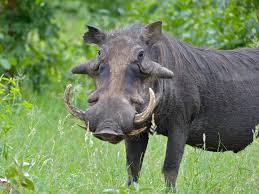
Warthogs are grazers. They also eat grubs, eggs and carrion.  Warthogs have 2 pair of tusks that grow outside of their mouth. The bottom tusks can get razor sharp by rubbing against the top tusks. They use their tusks for digging, fights with other warthogs and protecting themselves against predators.

Warthogs are grazers. They also eat grubs, eggs and carrion.
Warthogs have 2 pair of tusks that grow outside of their mouth. The bottom tusks can get razor sharp by rubbing against the top tusks. They use their tusks for digging, fights with other warthogs and protecting themselves against predators.


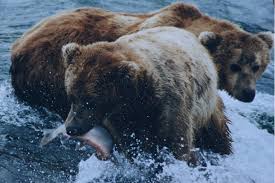
Bears are some of the most famous omnivores out there.

Bears are some of the most famous omnivores out there. They have chompers for eating fish, but love to eat berries and nuts too.


Seagulls are also omnivores. They are famous for eating all kinds of animals and plant material. Seagulls have many different types of hunting techniques. They use their beaks have no teeth.

Seagulls are also omnivores. They are famous for eating all kinds of animals and plant material. Seagulls have many different types of hunting techniques. They use their beaks have no teeth.


Raccoons are also omnivores. The have regular omnivore teeth, but their top incisors have one sharp edge to help them eat nuts, berries, rodents and frogs.

Raccoons are also omnivores. The have regular omnivore teeth, but their top incisors have one sharp edge to help them eat nuts, berries, rodents and frogs.


Omnivore teeth are a great combination of sharp teeth for eating animals and flat molar teeth to crush plant material! Some omnivores have neat teeth adaptations for eating! We think all animal teeth are super cool!


Categories: adventure, Animals, Children, conservation, education, Environment, nature, science, wildlife | Tags: , , , , , , , , | 1 Comment

HERBIVORES ROCK!!

HERBIVORES ROCK!!

IMG_3631

We loved talking about carnivore teeth yesterday and wow are they cool, but we both know who has the coolest teeth around! It’s herbivores like us! We have teeth to grind grass, bark, leaves and other vegetation. Herbivores have varied diets so we’ll share all kinds of herbivore teeth fun facts!

We elephants have some of the most unusual teeth of all the animal kingdom. We have large molars and six sets of them! We go through them during our lifetime! Our incisors are our tusks! Both male and female African elephants have tusks. Only the male Asian elephants have tusks. We elephants are right or left tusked- just like humans are right or left handed.

We elephants have some of the most unusual teeth of all the animal kingdom. We have large molars and six sets of them! We go through them during our lifetime! Our incisors are our tusks! Both male and female African elephants have tusks. Only the male Asian elephants have tusks.
We elephants are right or left tusked- just like humans are right or left handed.


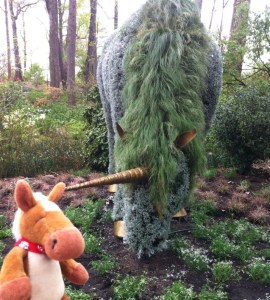
We horses and unicorns (ok they aren't real) :)... have jaws that move sideways to help us chew plant material better!

We horses and unicorns (Ok they aren’t real) :)… have jaws that move sideways to help us chew plant material better!


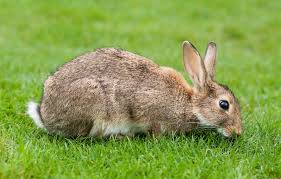
Rabbits have 28 teeth, including 4 incisors that grow throughout the rabbits lifetime!

Rabbits have 28 teeth, including 4 incisors that grow throughout the rabbits lifetime!


Beavers are rodents who use their large front incisors to chew down trees. The way they chew actually causes their teeth to get sharper. Their teeth are covered in an orange enamel!

Beavers are rodents who use their large front incisors to chew down trees. The way they chew actually causes their teeth to get sharper. Their teeth are covered in an orange enamel!


Honey bees are also herbivores! They don't have teeth to drink nectar and pollen.

Honey bees are also herbivores! They don’t have teeth to drink nectar and pollen.


Koala teeth act like scissors to help them cut through eucalyptus. These marsupials eat eucalyptus exclusively.

Koala teeth act like scissors to help them cut through eucalyptus. These marsupials eat eucalyptus exclusively.


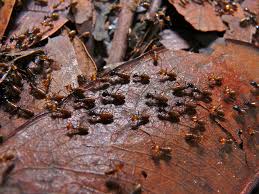
Most people don't realized that wood eaters, like these termites are herbivores too! Termite jaws are strong and powerful!

Most people don’t realized that wood eaters, like these termites are herbivores too! Termite jaws are strong and powerful!


We do love our herbivore friends! Herbivores are an important part of the food web! Each herbivore has a specialized diet! Give three cheers for the herbivores of the world and their teeth!

Categories: adventure, Animals, Children, conservation, education, Environment, nature, science, wildlife | Tags: , , , , , , , , , | 1 Comment

TEETH WEEK!

TEETH WEEK!

We’ve done feet week and now we’re doing teeth week! We’ll be covering carnivore teeth, herbivore teeth, omnivore teeth and animals that have no teeth at all!

First up today we’re sharing some fun facts about carnivore teeth! Carnivore teeth are built for eating meat. They have large canine teeth for ripping and crabbing prey. Some carnivore teeth are specialized to enable their prey with venom.
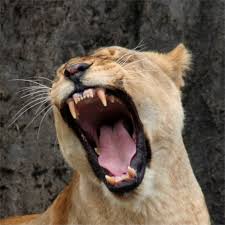
One of the first animals people think of when they think of carnivores is cats- big and small! This lion is showing off her large canines that are made for eating prey- zebras, gazelles and such.
One of the first animals people think of when they think of carnivores is cats- big and small! This lion is showing off her large canines that are made for eating prey- zebras, gazelles and such.


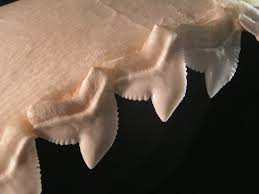
Shark teeth are serrated on the sides. It's like having a mouth full of steak knives! These teeth are perfect eating machines!

Shark teeth are serrated on the sides. It’s like having a mouth full of steak knives! These teeth are perfect eating machines!


The basking shark and whale shark are unlike all other sharks. These sharks filter plankton from the ocean.

The basking shark and whale shark are unlike all other sharks. These sharks filter plankton from the ocean.


Spiders are carnivores. Their teeth inject venom in their prey. Some snakes also have this capability.

Spiders are carnivores. Their teeth inject venom in their prey. Some snakes also have this capability.


Narwhals are one species of toothed whales. They have one unusual tooth adaptation. The males have a specialized large tooth that grows outside of their mouth. Scientists are not sure what this tooth is for yet.

Narwhals are one species of toothed whales. They have one unusual tooth adaptation. The males have a specialized large tooth that grows outside of their mouth. Scientists are not sure what this tooth is for yet.


Leopard seals are aggressive carnivores who live in Antarctica. Their cone shaped chompers are made for grabbing fish and penguins.

Leopard seals are aggressive carnivores who live in Antarctica. Their cone shaped chompers are made for grabbing fish and penguins.


Frogs have small cone shaped teeth in their top jaw. These "teeth" are not true teeth and are not used to grab prey or chew it. Frogs usually swallow their prey whole. They use those "teeth" to keep a hold of prey before they swallow it.

Frogs have small cone shaped teeth in their top jaw. These “teeth” are not true teeth and are not used to grab prey or chew it. Frogs usually swallow their prey whole. They use those “teeth” to keep a hold of prey before they swallow it.


One big group of carnivores are raptors! These birds use their specialized beaks to tear prey apart, like the fish that a bald eagle would eat.

One big group of carnivores are raptors! These birds use their specialized beaks to tear prey apart, like the fish that a bald eagle would eat. Those beaks contain no teeth!


Owls are also raptors. They use their beaks to grab rodents. They have no teeth to chew, so prey is swallowed whole.

Owls are also raptors. They use their beaks to grab rodents. They have no teeth to chew, so prey is swallowed whole.

Categories: adventure, Animals, Children, conservation, education, Environment, nature, science, wildlife | Tags: , , , , , , , , | 1 Comment

HIPPO SOCK PUPPET!!

HIPPO SOCK PUPPET!!

We just couldn’t get enough of hippos this week! So we made a hippo sock puppet and we’re giving you instructions on how to make one for yourself!

Materials:

IMG_0104

  • Grey sock
  • light grey felt
  • dark grey or black felt
  • white felt
  • scissors
  • black marker
  • fabric glue


Instructions:

IMG_0110

Cut two pair of teeth and eyes from the white felt. We just freehand cut!


Cut two nostrils from the dark grey felt. You could use black here too.

Cut two nostrils from the dark grey felt. You could use black here too.


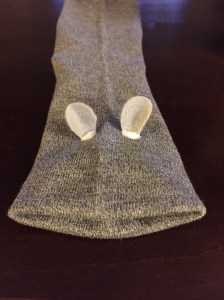
Cut two ears from the light grey felt.

Cut two ears from the light grey felt.


IMG_0108

Glue the ears to the top of the sock!


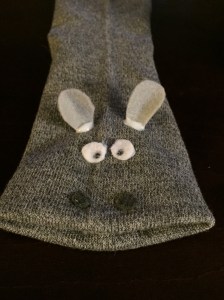
Glue the nostrils to the top front of the sock

Glue the nostrils to the top front of the sock


Glue the eyes on top near the ears. Take your black marker and draw a dot on each one.

Glue the eyes on top near the ears. Take your black marker and draw a dot on each one.


Glue on the four teeth. Two on top and two on bottom!

Glue on the four teeth. Two on top and two on bottom!

Let your sock puppet dry and then have a blast with your new hippo friend!

Categories: adventure, Animals, Children, conservation, crafts, education, Environment, mammals, nature, science, wildlife | Tags: , , , , , , , , , | 1 Comment

THREE CHEERS FOR PYGMY HIPPOS!

THREE CHEERS FOR PYGMY HIPPOS!!

pygmy hippo

Give us a P! P for Pygmy hippo! The petite cousins of the hippopotamus live in West Africa.

Give us a P!
P for Pygmy hippo! The petite cousins of the hippopotamus live in West Africa.


Give us a Y! Y rhymes with shy! The pygmy hippo is a shy and solitary animal!

Give us a Y!
Y rhymes with shy! The pygmy hippo is a shy and solitary animal!


Give us a G! G is for ground! Pygmy hippos spend much less time in water than their larger cousins! Their feet are less webbed too!

Give us a G!
G is for ground! Pygmy hippos spend much less time in water than their larger cousins! Their feet are less webbed too!


Give us a M! M is munchies! Pygmy hippos munch on grasses, leaves, fruits and ferns.

Give us a M!
M is munchies! Pygmy hippos munch on grasses, leaves, fruits and ferns.


Give us a Y! Y is for Young! Pygmy hippos give birth to one young/calf at a time.

Give us a Y!
Y is for Young! Pygmy hippos give birth to one young/calf at a time.


Give us a H! H is for habitat! Pygmy hippos live in rainforests, swamps and rivers.

Give us a H!
H is for habitat! Pygmy hippos live in rainforests, swamps and rivers.


Give us an I! I is for It's rare! Pygmy hippos are rare and scientist don't know much about them in the wild. They are listed by the IUCN as endangered.

Give us an I!
I is for It’s rare! Pygmy hippos are rare and scientist don’t know much about them in the wild. They are listed by the IUCN as endangered.


Give us a P! P is for Petite! Pygmy hippos weigh up to 500 pounds and grow up to 5 1/2 feet long.
Give us a P!
P is for Petite! Pygmy hippos weigh up to 500 pounds and grow up to 5 1/2 feet long.


Give us a P! P is for predator! The only known predator of the pygmy hippo is a leopard.

Give us a P!
P is for predator! The only known predator of the pygmy hippo is a leopard.


Give us an O! O is for out at night! The pygmy hippo is nocturnal! They have sensitive thin skin and the sun can be harmful, so they get their noms on at night!

Give us an O!
O is for out at night! The pygmy hippo is nocturnal! They have sensitive thin skin and the sun can be harmful, so they get their noms on at night!


Woot! Woot! Let’s give a cheer for pygmy hippos! They truly are one of our favorites! We think they are cutest little butterballs!

Categories: adventure, Animals, Children, conservation, education, Environment, mammals, nature, science, wildlife | Tags: , , , , , , , , , | 1 Comment

Blog at WordPress.com.