Animals

REPTILIAN TUESDAY #4

REPTILIAN TUESDAY#4

Whew! Did everyone make it through yet another Monday? We hope learning about the narwhal helped! We have another crazy animal for Reptilian Tuesday! This one FLIES! You heard us; this lizard glides through the trees! First you met a whale with a giant tusk and now a flying lizard! Who knew nature could be so awesome?

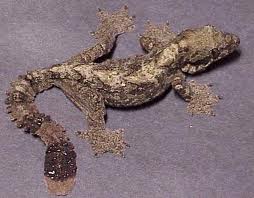
MEET THE KUHL’S FLYING GECKO!
Range/Habitat: Southeast Asia (including Thailand, Indonesia, and India)/Tropical forests

Diet:  Carnivore: insects

Length: 7-8”

Conservation Status: Common

Fun facts:

  • The Kuhl’s Flying Gecko has special flaps of skin down its body that it uses to help it glide from one tree to another.
  • They also have webbed that help them glide.
  • Their tails are flat and frilly! This adaptation also helps them glide around in the trees!
  • Kuhl’s flying gecko are arboreal (they live in the trees).
  • These geckos also have special toe pads that allow them to grip to almost any surface!
  • Their coloration helps them blend in or camouflage with the trees that they live in.

Who knew there was a flying lizard in the world? We were so excited to learn about this amazing reptile! Do you think an elephant and horse could ever fly?

Categories: Animals, Children, education, Environment | Leave a comment

MAMMAL MONDAY #4

MAMMAL MONDAY#4

Rise and shine another Monday has arrived! We have a really amazing mammal to get this week started! This animal could have been featured on Watery Wednesday since it calls the ocean its home, but we wanted to start off the week with this special creature! It’s been called the unicorn of the sea! A unicorn you say, but unicorns aren’t real! You’re right, unicorns aren’t real, but this wild looking whale is real! Come find out more about…

MEET THE NARWHAL!

Range/Habitat: Arctic/Arctic Ocean

Diet:  Carnivore: cod, mollusks, crustaceans

Length/Weight: 13-20 ft/ 2000-3,500 lbs

Conservation Status: Near Threatened


Fun facts:

  • The Narwhal is often called the unicorn of the sea.
  • They have the most northerly range of any mammal on the planet.
  • Narwhals have a modified upper incisor tooth that grows up to 9ft long.
  • This tooth looks like a horn. It grows through the upper mouth and is seen mostly in male Narwhals, but females can have small tusks.  Scientists aren’t completely sure what the purpose of the tusk is, but think it might be for attracting females.
  • The long tusk is made of ivory, just like an elephants tusks! Tusks are spiraled.
  • Narwhals have a thick layer of blubber, like other arctic animals that help keep them warm in the cold water.
  • Narwhals swim in groups called pods. Pods can include as many as 1000 individuals.
  • Narwhals are very communicative and use a wide range sounds, including clicks and whistles.
  • They suck food through their powerful lips and tongue.


Narwhals are amazing animals! They survive in very cold waters and grow this awesome long tusk that makes them look unique!  If you could pick a crazy adaptation like tusks what would it be? We’re still deciding on what we would like!

Categories: Animals, Children, education, Environment, mammals | Leave a comment

FEATHERY FRIDAY #3

FEATHERY FRIDAY#3

We’ve made it to another Fabulous Feathery Friday! And you’ll need to put on your glasses to see this tiny little Bee…

MEET THE BEE HUMINGBIRD!

Range/Habitat: Cuba

Diet:  Omnivore: nectar and tiny insects

Length/Weight: 2 ¼“ / 1/16 oz (about the weight of a penny)

Conservation Status: Near Threatened

Fun facts:

  • The Bee Hummingbird is the smallest bird in the world! It weighs about as much as a penny.
  • It has a long tube-like tongue it uses to suck in nectar from flowers.
  • Male Bee Hummingbird’s heads are iridescent (kind of like glitter), the females are not.
  • They can beat their wings at 80x per second. It is so fast that it can’t be seen by the human eye! (It can’t be seen by the elephant or horse eye either.) 😦
  • They are just barely larger than a bee.
  • Bee Hummingbird nests are only about 1” in diameter (just slightly larger than a quarter).
  • Bee Hummingbird eggs are about the size of a pea.

This teeny tiny bird has made our Feathery Friday! We’d loved to see one and their eggs; pretty sure we’ll need to use our magnifying glass!

Categories: Animals, Children, education, Environment | Tags: , , , , | Leave a comment

SUPER SURPRISE THURSDAY #3!

SUPER SURPRISE THURSDAY#3

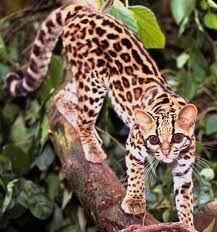
SURPRISE!! It’s Thursday, and we have a special little mammal for today’s Super Surprise! If you’re a bird or a rodent living in rainforest of Central and South America you don’t want to be caught by surprise by this stealthy feline!

MEET THE MARGAY!

Range/Habitat: Central-South America- Mexico to Argentina/Rainforest

Diet:  Carnivore: mice, rodents, birds and occasional fruit

Length/Weight: 18-31”/ 5 ½-8 ¾ lbs

Conservation Status: Near Threatened

Fun facts:

  • The Margay is an excellent climber. It is arboreal (it spends most of its time in trees).
  • They have large flexible paws that help them climb and grip branches. They have even been known to hang from a branch by one paw! WOW!
  • Their back ankles are able to turn 180 degrees, also helping them grip tree branches.
  • They are able to run head first down a tree (very unusual for cats-just ask your pet cat how hard this is). Clouded leopards are the only other cat known to do this.
  • They have long tails to help them balance.
  • Margays are nocturnal (active at night).
  • Margays have large eyes and ears to help them see and hear at night.
  • They have been observed mimicking (making similar sounds) monkey sounds to lure monkeys closer to them.

These special felines are amazing! They have some special adaptations to help them survive life in the trees. Can your pet cat make bird sounds to lure birds? Our cat friend can’t do that!

Categories: Animals, Children, education, Environment, Uncategorized | Leave a comment

WATERY WEDNESDAY #3

WATERY WEDNESDAY#3

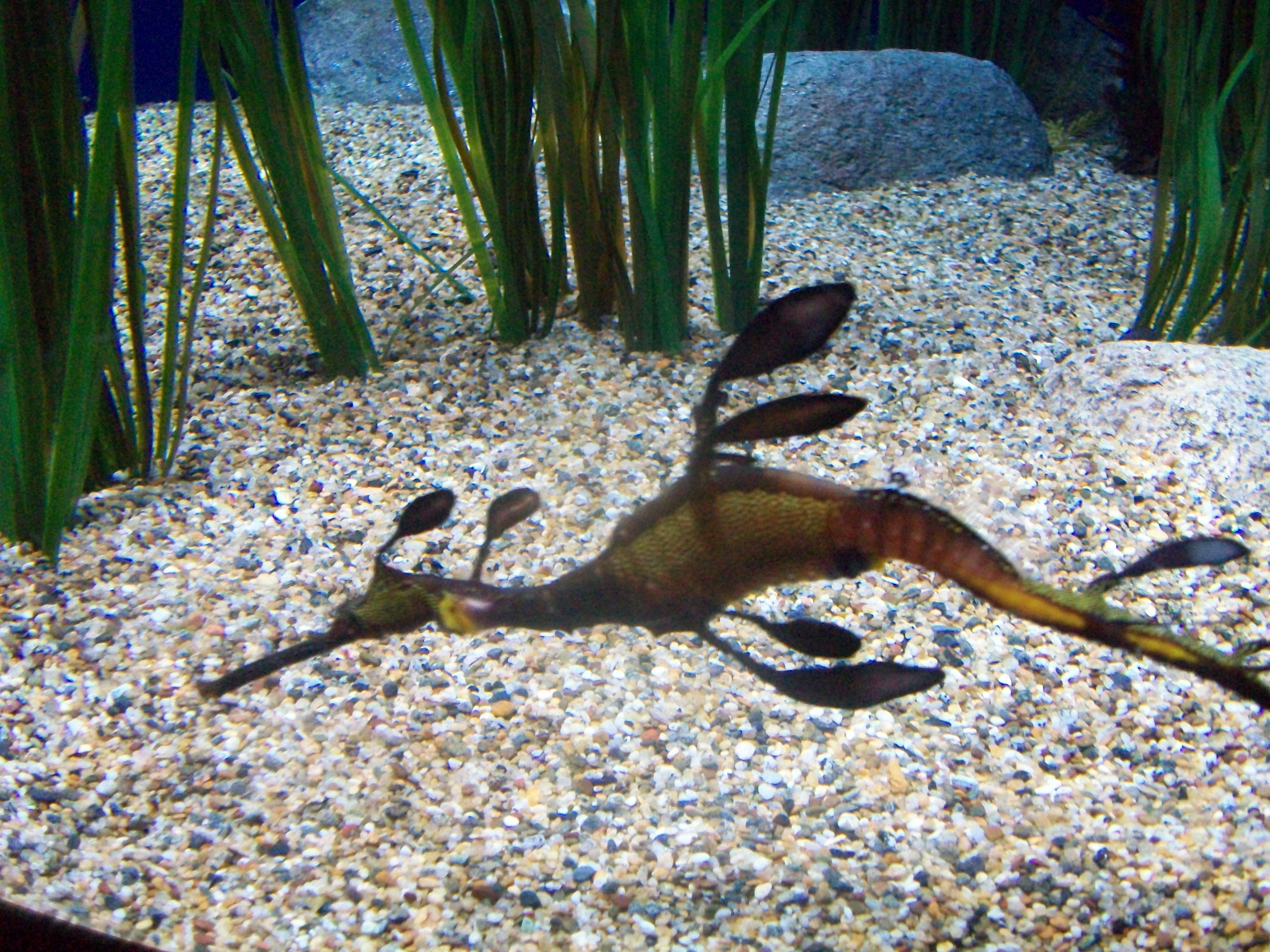
Watery Wednesday has arrived; and we have a wild looking sea creature for you today! This funny looking animal is called a dragon but it doesn’t breathe fire! It’s actually a member of the seahorse family! So let’s meet this not ferocious dragon!

MEET THE WEEDY SEA DRAGON!

Range/Habitat: South Australia/reefs and rocky shores

Diet: Carnivore: tiny crustaceans, zooplankton

Length: up to 18”

Conservation Status: Common

Fun facts:

  • The Weedy Sea dragon is one of the largest members of the sea horse family.
  • They have “leaf-like” flaps that help them blend in with sea weed and plants.
  • They don’t have a prehensile tail like other sea horses, so they cannot hold on to plants!
  • They use their large dorsal fin (on their back) to swim and tiny fins on the side of their heads to balance. Weedy Sea Dragons are not very good swimmers though.
  • The male Weedy sea dragon carries the fertilized egg on the undersurface of his tail. He carries them until they hatch.

We just love the Weedy Sea Dragon! It looks like it’s from another planet! But it’s not, it’s from Australia!

Categories: Animals, Children, education, Environment | Leave a comment

Reptilian Tuesday #3

REPTILIAN TUESDAY#3

It’s Tuesday and that means it is time meet another rocking reptile! And it’s a snake! Did some of you just scream and go hide? There’s no need to run and hide from our snake friends! Snakes aren’t scary; they’re very beneficial and are very important part of the food web. So have you uncovered your eyes? Come meet….

MEET THE SIDEWINDER!

Range/Habitat: Southwest US-North Mexico/Desert

Diet: Carnivore: lizards, small rodents

Length: 18-32”

Conservation Status: Common

Fun facts:

  • The Sidewinder is a rattlesnake. They have a rattle on the end of their tale they use to ward off predators.
  • Sidewinders are venomous.
  • Their color can vary from cream to yellowish-brown to pink, depending on their specific habitat.
  • Female sindwinders are smaller than males.
  • Instead of sliding forward like other snakes, sindwinders throw themselves forward making a diagonal path.
  • They are nocturnal during the hot summer months and diurnal during the cooler months.

See snakes can be really cool? Look at the pattern these animals make in the sand!

Categories: Animals, Children, education, Environment | 1 Comment

Mammal Monday # 3

MAMMAL MONDAY#3

Woohoo, it is Mammal Monday and we have a funny faced primate for today’s animal. Primates are mammals that include prosimians (includes lemurs, lorises and tarsiers) and monkeys and apes. Primates are pretty awesome group of mammals and we’re going to post a whole blog about primates very soon! Let’s meet today’s red faced monkey first!

MEET THE RED UAKARI!

Range/Habitat: South America (Brazil and Peru)/ Amazon River Basin-flooded forests

Diet:  Omnivore: seeds, fruits, flowers, and insects

Length/Weight: 15-22 ½ “/ 6 ½-7 ½ lb

Conservation Status: Endangered


Fun facts:

  • The Red Uakari is diurnal (active during the day) and arboreal (spends most of its time in trees).
  • They have hairless faces and foreheads.
  • The color can vary from pink to red. They also have long shaggy coats of fur that can vary in color from red to brown to orange!
  • The Uakari have very broad short tails, unlike most monkeys that live in trees.
  • They live in troops of up to 100 individuals, but will split up into smaller groups to look for food during the day.

These are some very unusual and colorful monkeys! They are also endangered… Can you think of anything we could do to help them?

Categories: Animals, Children, education, Environment | Leave a comment

FEATHERY FRIDAY #2

FEATHERY FRIDAY #2

Who’s ready for another Feathery Friday? WE ARE! Today’s bird has long powerful legs and funny crest of feathers on top of its head. Have a clue yet? Nope? Well look right here…

MEET THE SECRETARY BIRD!

Range/Habitat: Sub-Saharan Africa/grasslands, desert and savannahs

Diet: Carnivore: snakes, large insects, frogs, lizards and small mammals

Height/Weight: 4 ½ ft-5ft/ 5 ½ – 10lb

Conservation Status: Common

Fun facts:

  • Secretary birds are diurnal (they’re active during the day) and nests in Acacia trees at night.
  • They have long powerful legs that they use for striking prey.
  • It’s thought that they were named after English secretaries because the crests on their heads look like quills that secretaries used to write with, but it’s now thought that is it comes from an Arabic word meaning “hunter bird”.
  • Secretary birds walk more than they fly. They can walk up to 15 miles a day in search of food.
  • It is admired in Africa for its hunting skills, especially its ability to kill venomous snakes.
  • It’s even part of the Coat of Arms for South Africa.

The Secretary bird is one excellent predator! We love a bird that walks all day (elephants walk lots too). How much do you walk a day?

Categories: Animals, Children, education, Environment | Leave a comment

SUPER SURPRISE THURSDAY #2

SUPER SURPRISE THURSDAY #2

We’re so excited for another Super Surprise Thursday! Will today’s animal be a bird? Will it be a reptile? Or will it be mammal? It’s none of those! It’s an animal that it right at home on our Watery Wednesdays! Come meet today’s fish that takes its name from two different mammals!

MEET THE FOXFACE RABBITFISH!

Range/Habitat: Indo-Pacific Oceans/Coral Reefs

Diet:  Herbivore: algae

Length: 9-16”

Conservation Status: Common

Fun facts:

  • It’s called the Foxface Rabbitfish, because its small face resembles a fox and its diet and mouth are “rabbit-like”.
  • Foxface rabbitfish are very shy.
  • They have a single row of flat teeth for eating algae off coral reefs.
  • They have several rows of venomous spines along their dorsal fins and rear fins.  These are used to protect them from predators.
  • They are not harmful to humans, but being poked by a spine can hurt- OUCH.

Wow- the foxface rabbitfish has a funny name! If you could re-name it, what would you call it? We like bumble bee algae eating fishJ!

Categories: Animals, Children, education, Environment | Leave a comment

WATERY WEDNESDAY #2

WATERY WEDNESDAY #2

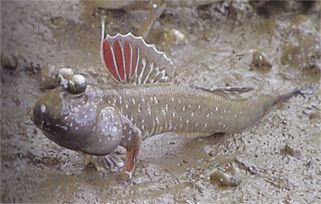
This Watery Wednesday brings us a very special little fish. This fish is amphibious meaning it not only lives in the water but can come out and spend time on land. Who could this special fish be? Let’s find out…

MEET THE ATLANTIC MUDSKIPPER!

Range/Habitat: West Africa, Indo-Pacific Oceans/mangroves, swamps and intertidal waters

Diet:  Carnivore: crabs, insects and small invertebrates

Length: 6-10”

Conservation Status: Common

Fun facts:

  • Mudskippers are amphibious, meaning they spend time in water and on land.
  • They can breathe in and out water. They use their gills in water and breathe through their skin and the lining of their mouth out on land.
  • They have to keep their skin moist on land in order to breathe.
  • They use their front (pectoral) fins to climb out of the water. The fins are modified to help them maneuver on land.
  • They also skip or jump across the muddy coast.
  • They have funny large eyes on top of their heads that help them see all around them.

Mudskippers are amazing little fish! Have you ever seen a fish on land before?


Categories: Animals, Children, education, Environment | Leave a comment

Blog at WordPress.com.