reptiles

REPTILIAN TUESDAY # 21

REPTILIAN TUESDAY # 21

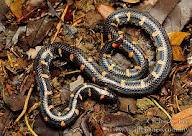
Who’s ready to meet a ssssssnake for Reptilian Tuesday? Ssssssshhhh… this snake burrows underground so we need to be very quiet so we can observe this pretty reptile!

MEET THE RED TAILED PIPE SNAKE!

Range/Habitat: Southeast Asia/ wetlands, swamps

Diet: Carnivore: snakes, eels

Length: 28-39”

Conservation Status: common


Fun Facts:

  • Red tailed pipe snakes get their name from the red patch on the bottom of their tails.
  • They raise their tails to mimic venomous snakes when threatened by predators.
  • They have shiny black, almost iridescent bodies.
  • Red tailed pipe snakes are excellent swimmers.
  • Red tail pipe snakes burrow underground.
  • They are constrictors and are non venomous.


Red tailed pipe snakes are small and beautiful snakes. Snakes are all so diverse in their size, coloration and habitat. They are all so important for their ecosystems too! Have you thanked a snake today? Do so from a distance J!


Categories: Animals, Children, education, Environment, nature, reptiles | Tags: , , , , , | Leave a comment

REPTILIAN TUESDAY # 20

REPTILIAN TUESDAY # 20

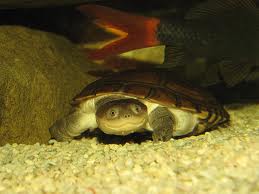
Happy 2012 everyone! We hope all our fans and supporters had a fabulous holiday! We’re back with loads of fun and fresh ideas! We’ll be celebrating animal holidays, coming up with crafts and having theme weeks once a month! We look forward to sharing all this fun, adventure and education with you! First up in 2012, a small turtle from Africa! Who wants to meet this cute little reptile? We do!

MEET THE AFRICAN HELMETED TURTLE!

Range/Habitat: Africa (South of Sahara)/ marshes, watering holes and rain pools

Diet: Omnivore: frogs, mollusks, invertebrates

Length: 6-7”

Conservation Status: common


Fun Facts:

  • African Helmeted Turtles have flat carapaces (top shells).
  • They are very slow and sluggish, even for turtles.
  • African helmeted turtles have glands that release a strong musky odor when they are threatened by predators.
  • They are also called the marsh terrapin.
  • African helmeted turtles aestivate during the dry season. Aestivation is a period of inactivity.


These tiny little turtles sure are neat, but be careful they can be a bit stinkyJ! But then again being stinky can be good, if it helps you keep predators away! Would you like to be stinky?

Categories: Animals, Children, education, Environment, nature, reptiles | Tags: , , , , , | Leave a comment

WATERY WEDNESDAY #18

WATERY WEDNESDAY# 18

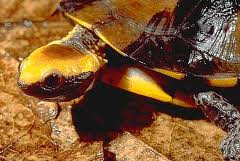
Woohoo it’s Watery Wednesday again and we have a reptile that lives in the shallows of rivers and ponds! What? Yep, we have a reptile for Watery Wednesday! Come meet this little turtle…

MEET THE TWIST NECKED TURTLE!

Range/Habitat: Northern South America/river-ponds

Diet: Carnivore: insects, snails, tadpoles

Length: 5 ½-6 ½”

Conservation Status: Common


Fun Facts:

  • Twist necked turtles do not pull their heads backwards into their shells, they pull them sideways.
  • They are relatively bad swimmers, and usually stay in shallow waters.
  • Twist necked turtles have very flat carapaces (top shells).

These neat little turtles have a very special adaptation as they pull their head in sideways and not backwards. They are one of the very few turtles who are able to do this on the planet! Neat! What kind of special adaptation do you have? Can you touch your nose with your tongue or make silly faces? Ellie can touch her back with her trunk!


Categories: Animals, Children, education, Environment, nature, reptiles | Tags: , , , , | Leave a comment

GREEN IGUANA DAY!

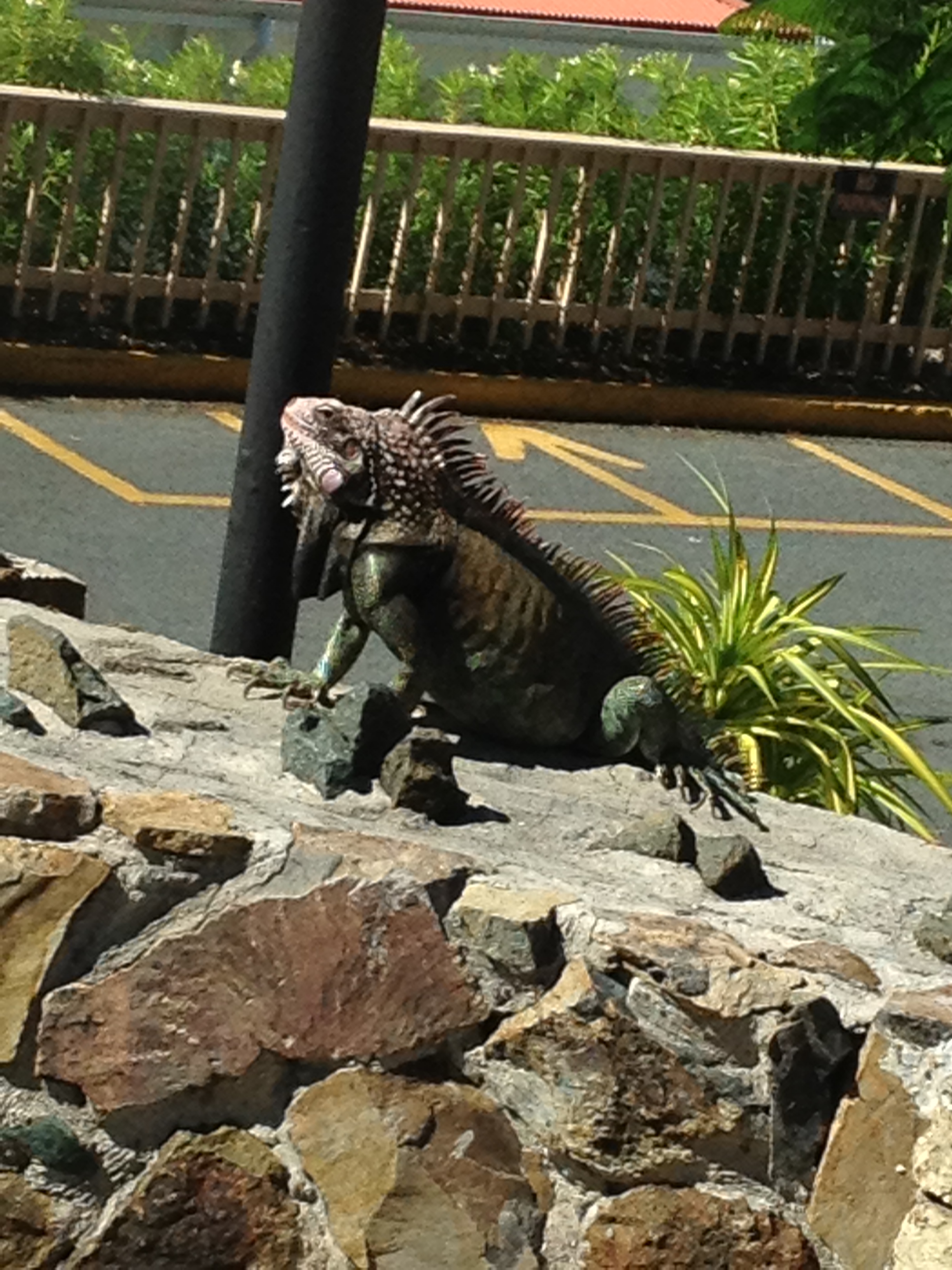
Green Iguana in St Thomas

HAPPY GREEN IGUANA DAY!

We’re celebrating green iguanas today! We saw so many while we were in St Thomas, so we thought we would post fun facts throughout the day! Checkout our twitter account: http://twitter.com/#!/EllieandEdmond and our Facebook page: http://www.facebook.com/pages/Ellie-and-Edmond/254090144618348 for fun facts and pictures!

Categories: Animals, Children, education, Environment, nature, reptiles | Tags: , , , , | Leave a comment

REPTILIAN TUESDAY #17

REPTILIAN TUESDAY # 17

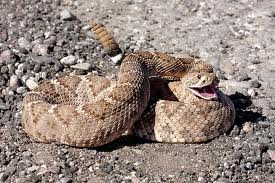
Reptilian Tuesday brings us a reptile that deserves respect and a lot of distance. Yes, we’ve found a very venomous snake that is beautiful as it is scary. So let’s meet…

MEET THE WESTERN DIAMONDBACK RATTLESNAKE!

Range/Habitat: Southwestern United States-North Mexico/desert-scrub-forest

Diet: Carnivore: small mammals, birds, lizards

Length: 3-6ft

Conservation Status: common

Fun Facts:

  • Western Diamondback Rattlesnakes are heavy, stocky snakes with a diamond pattern on their backs.
  • They have very dangerous venom and are dangerous to humans.
  • Western Diamondback Rattlesnakes have a segmented rattle on the end of their tails that they rattle to warn predators.
  • The rattles get longer after the snake sheds its skin. They can get up to 10 segments long.
  • Western diamondback rattlesnakes have no rattles when they are born.
  • They are ambush predators.
  • Western diamondback rattlesnakes are pit vipers; they have heat sensing pits between their eyes.

Western diamondback rattlesnakes are definitely a snake you should stay away from. They are an important part of the ecosystem though and are to be respected! Every animal has their place on our planet, cute or not!

Categories: Animals, Children, education, Environment, nature, reptiles | Tags: , , , , | Leave a comment

REPTILIAN TUESDAY # 16

REPTILIAN TUESDAY # 16

Well have we an odd reptile for you today! So we all know snakes have no legs right? And we all know lizards have 4 legs! But that last statement is not true! Yep folks, there are lizards out there with NO legs! What? Come meet this legless lizard!

MEET THE SLOW WORM!

Range/Habitat: Europe-Western Asia-Northern Africa/woodlands, yards

Diet: Carnivore: slugs, invertebrates

Length: 12-16”

Conservation Status: common


Fun Facts:

  • Slow worms are not worms or snakes, they are lizards without legs.
  • Slow worms are active at dawn and dusk.
  • They have long life spans; they can live up to 50 years.
  • Unlike snakes, slow worms have eyelids.
  • Young slow worms have a metallic stripe that the females keep throughout their lives.
  • They can lose their tails if caught by a predator, just like other kinds of lizards.
  • Slow worms hibernate in the winter.


Slow worms are a funny lizard. They slither around like a snake, but they aren’t snakes! Crazy! They are considered to be very beneficial to have in a garden because they eat pests that can destroy crops! How helpful of them!

Categories: Animals, Children, education, Environment, nature, reptiles | Tags: , , , , , | Leave a comment

REPTILIAN TUESDAY # 15

REPTILIAN TUESDAY # 15

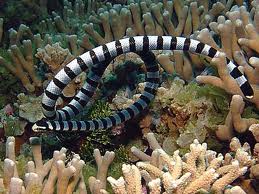
We’ve found another special reptile today! This snake could easily have been featured on Watery Wednesday too! Yep, we found a snake that calls the ocean its habitat! Neat! Come meet…

MEET THE BANDED SEA KRAIT!

Range/Habitat: Southern-South Eastern Asia/ tropical oceans-coral reefs

Diet: Carnivore: fish, eels

Length: 3 ¼-6 ½ ft

Conservation Status: Common


Fun Facts:

  • Banded Sea Kraits are members of the sea snake families. They spend most of their lives in the ocean.
  • Banded sea kraits are highly venomous. They are more deadly than most land snakes.
  • They are not harmful to humans, because they have short fangs and are very docile.
  • Banded sea kraits have paddle shaped tails that help them swim.
  • They come on shore to lay their eggs.


Sea kraits are incredible snakes! Did you know there were snakes that lived in the ocean? We saw one while we snorkeling in Indonesia! It was awesome! If you could go snorkeling what animals would you like to see?

Categories: Animals, Children, education, Environment, nature, reptiles | Tags: , , , , , | Leave a comment

Field Trip to Elachee Nature Center

FIELD TRIP! We waited and waited for a beautiful day to come so that we could go to the mountains of North Georgia and it finally came! And man what a perfect day; it was a little chilly, the sky was blue and the leaves were brightly colored! We decided to make our way to the Elachee Nature & Science Center for the morning!

We arrived and made our way in the center!
Elachee Nature & Science Center

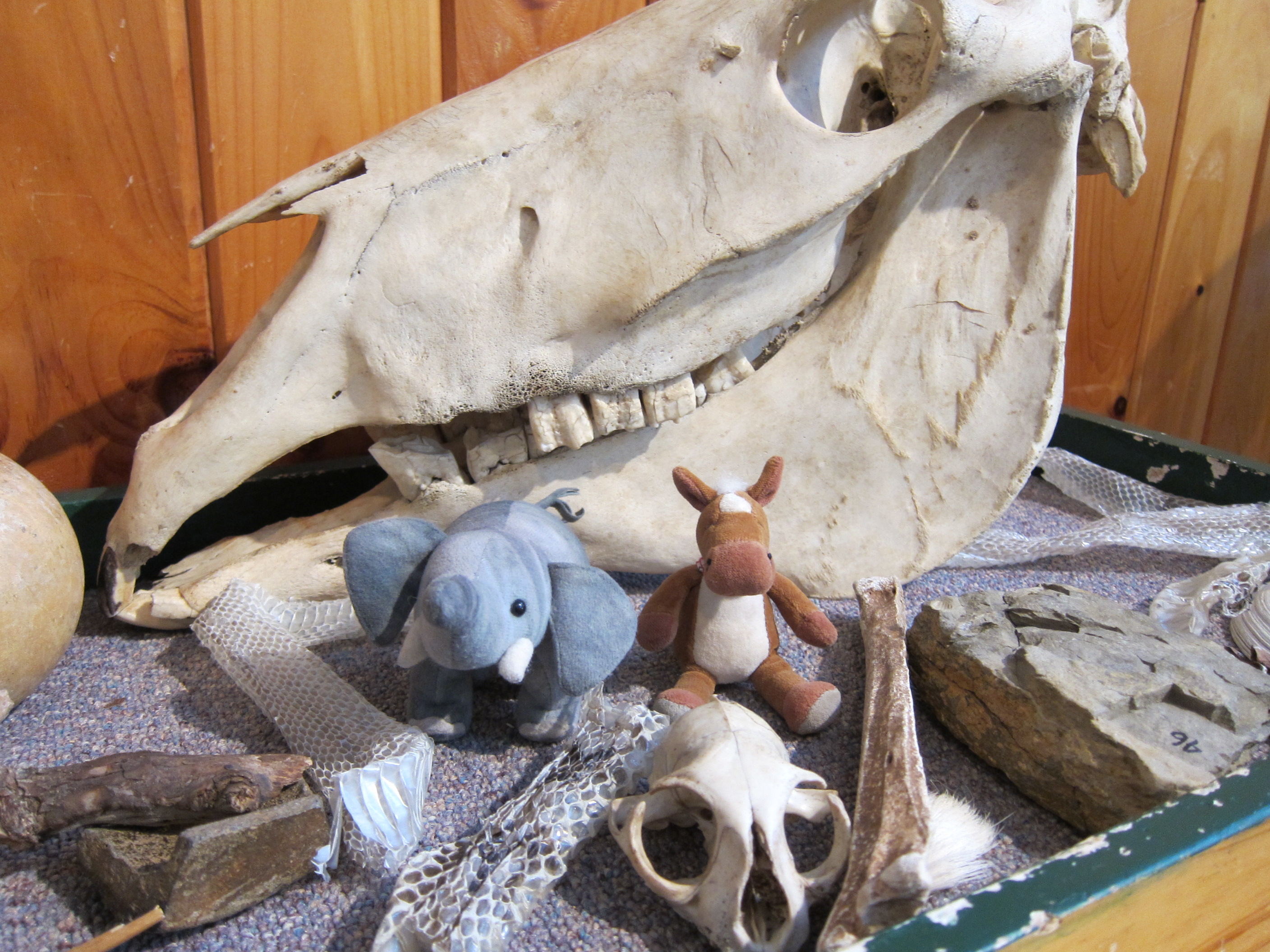
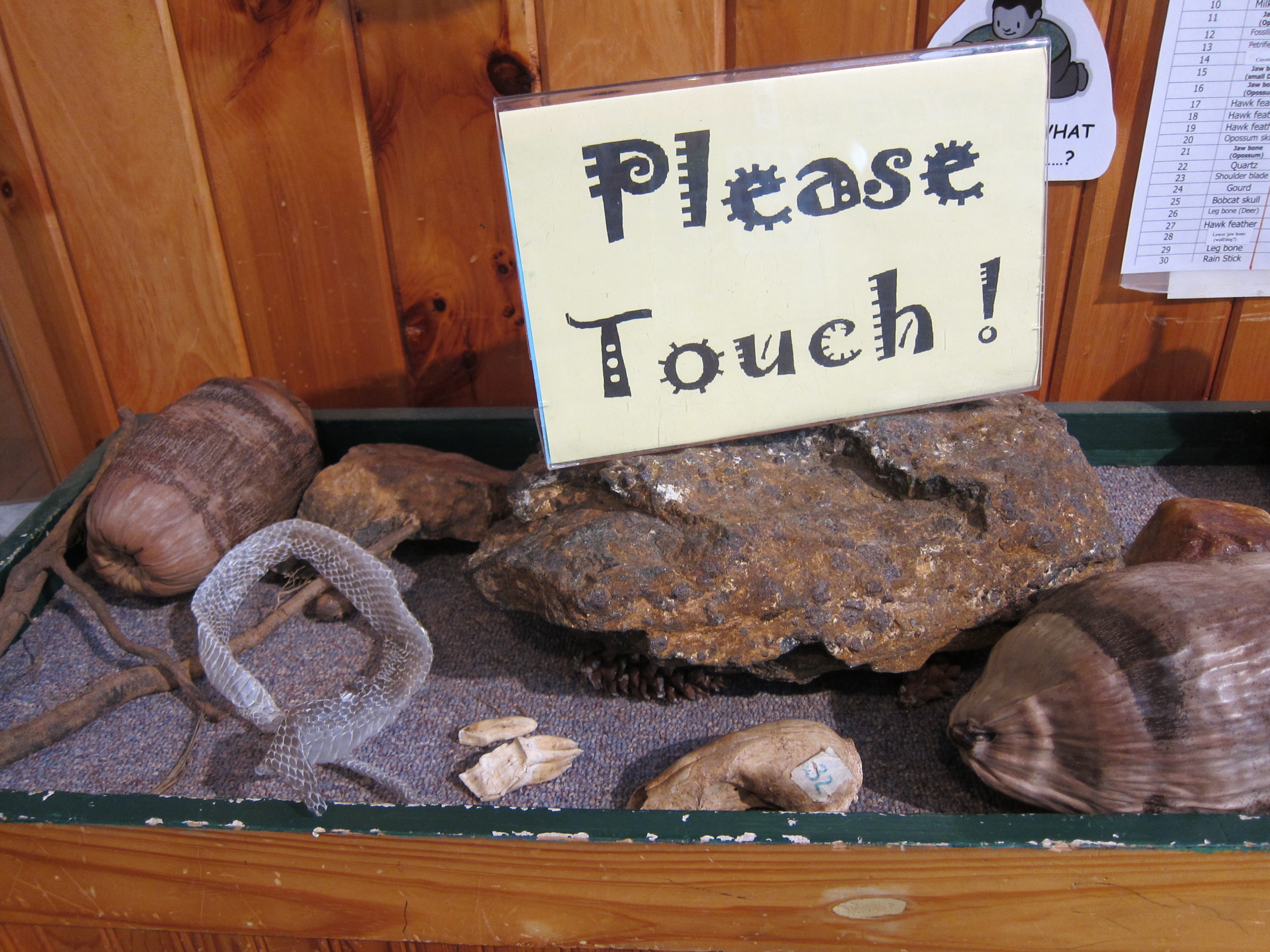
We spoke to very nice lady who worked there! She first showed us some great touch shelves full of skulls, snake sheds and all kinds of wonderful items!

Ellie and Edmond in front of a horse skull
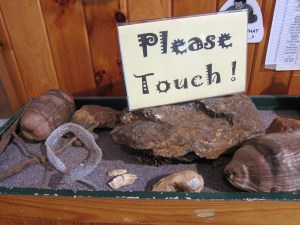
Touch shelves!

Can you believe they let you touch all these neat items? It was loads of fun!
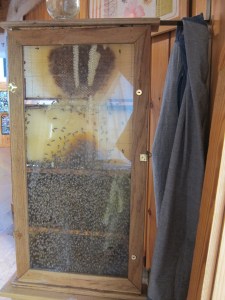
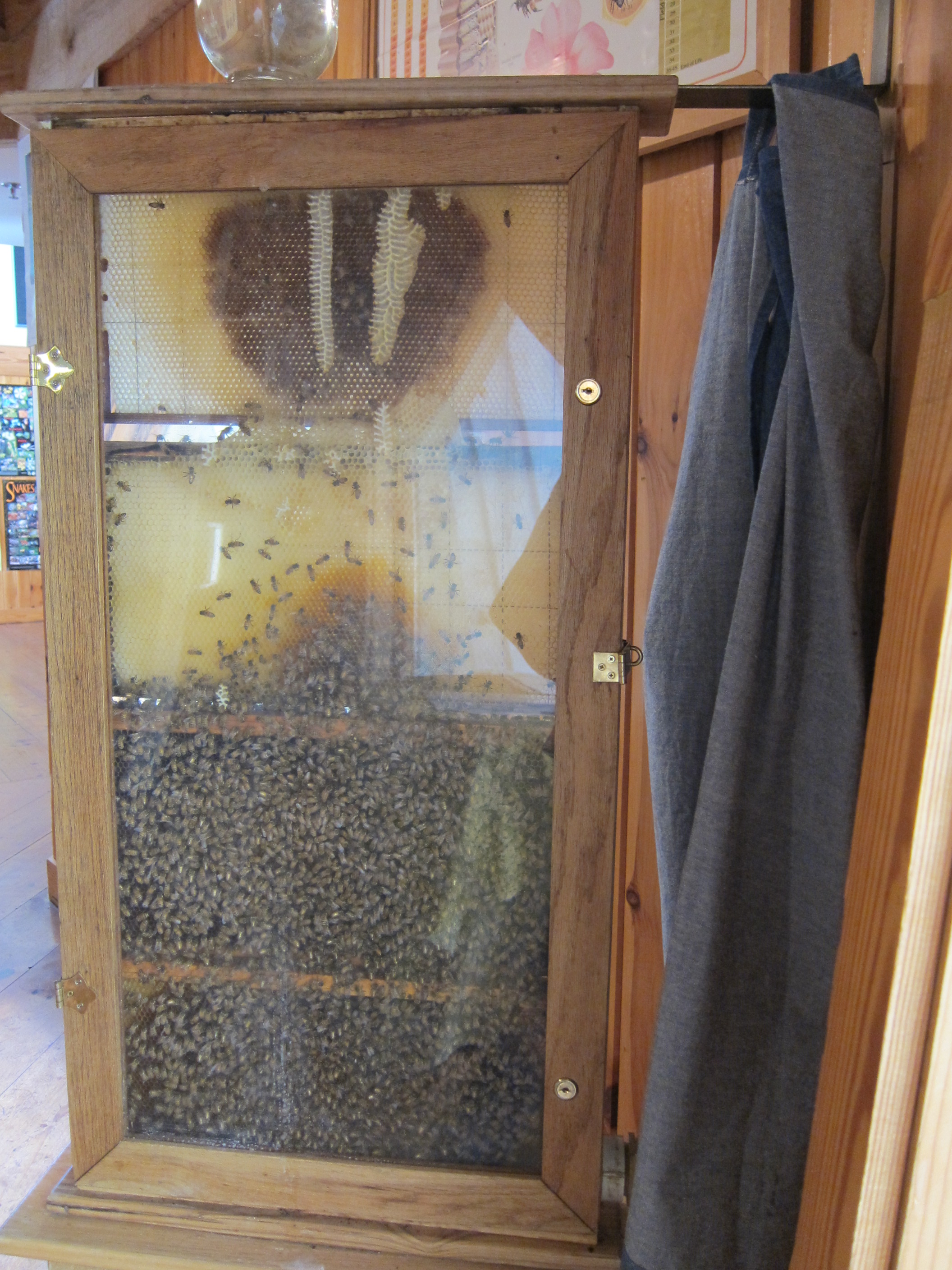
Here's the beehive!

Next we headed into the center’s museum! We first encountered BEES! Yes, you heard right folks, BEES! The nature center has a small hive of bees that live there! It’s really neat to watch them buzz about and make honey. The bees weren’t super active when we saw them, because they’re getting ready for the cooler temperatures!

The best part of the bees is that you can buy the honey that they make right there in the center!

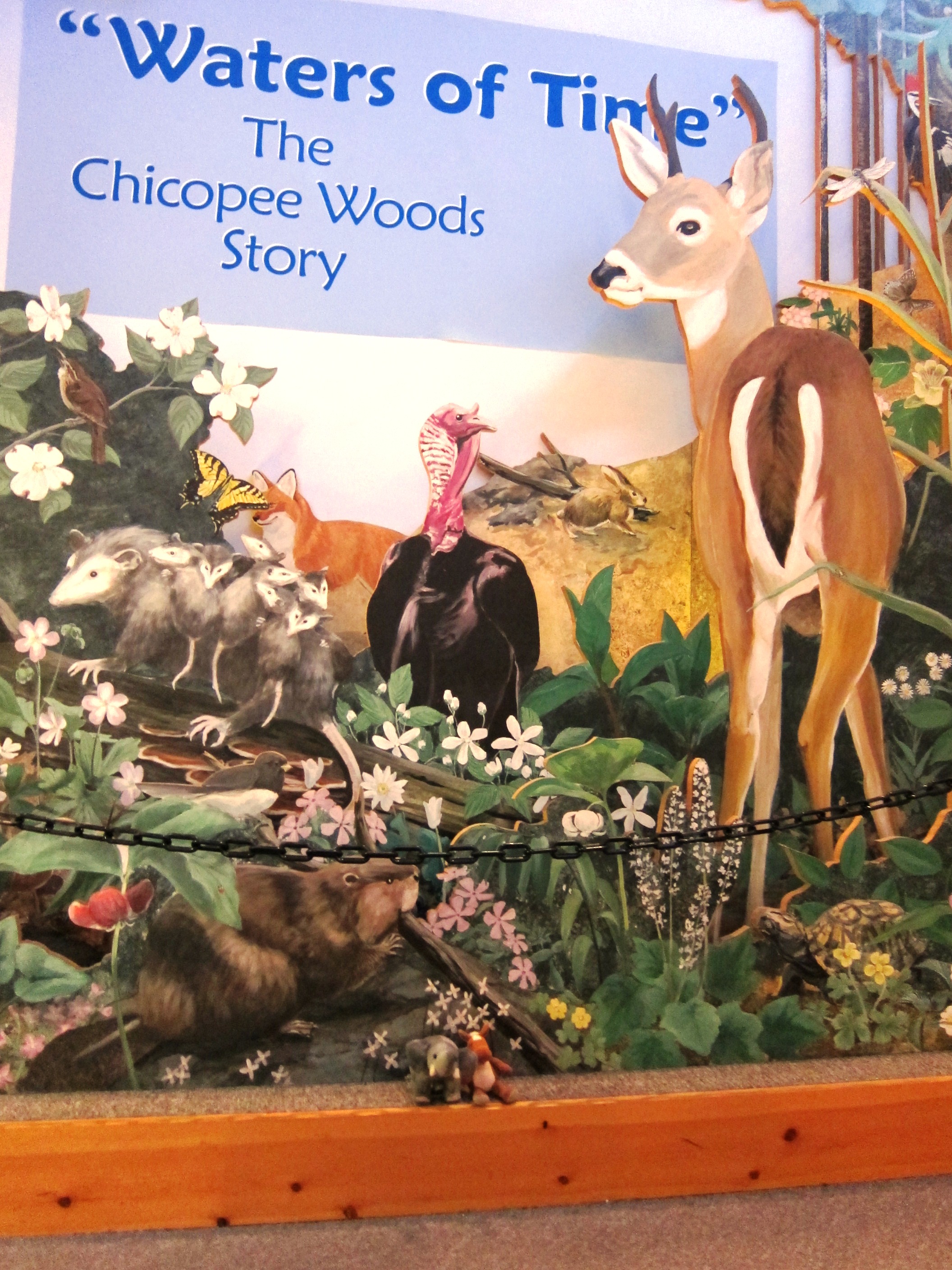
We moved into the Chicopee Woods story gallery of the museum! You go back in time and learn what today’s woods looked like all the way back to the time before the dinos; and you can do it without a time machine!

We'e about to learn the story of the Chicopee Woods!

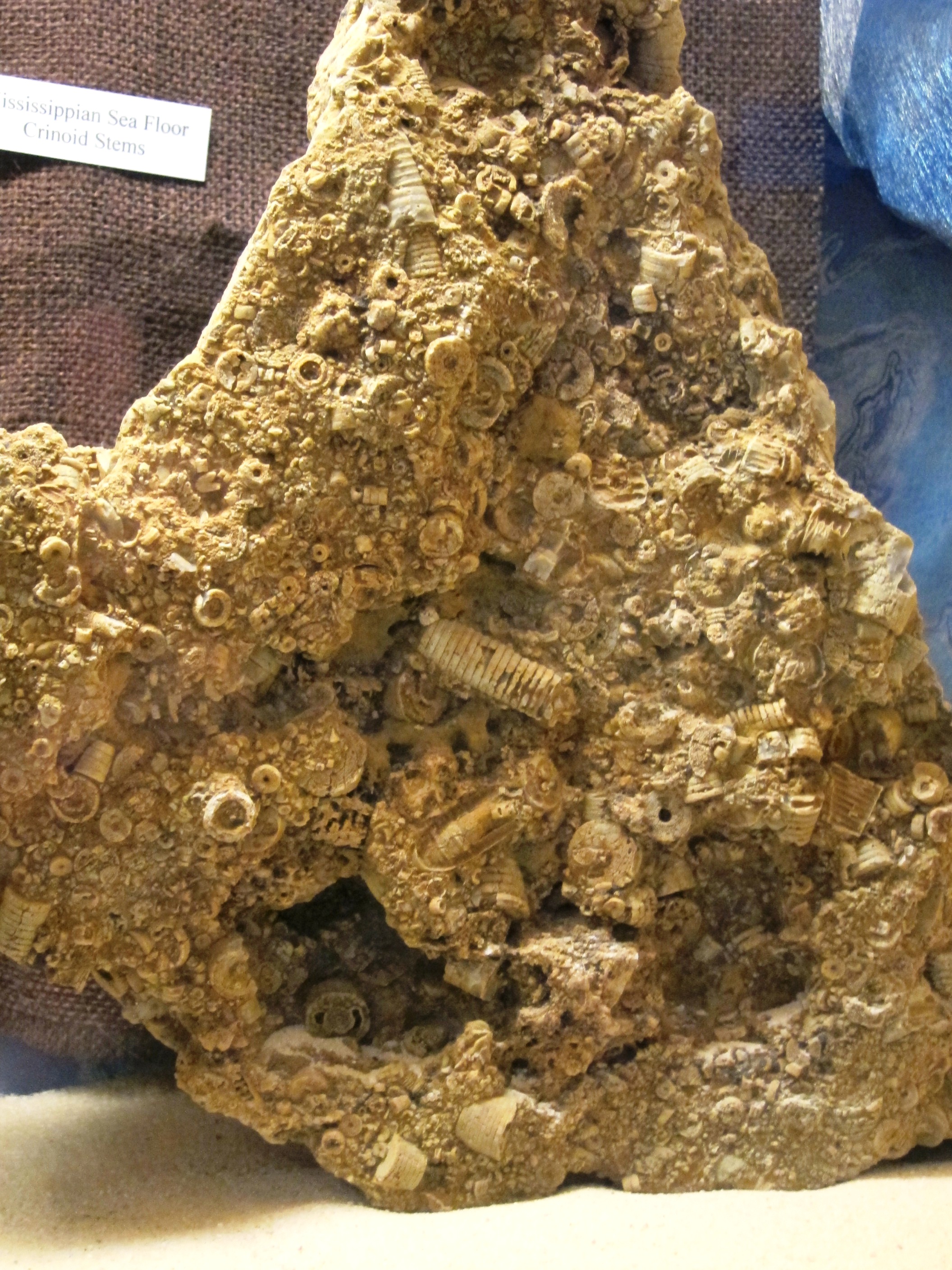
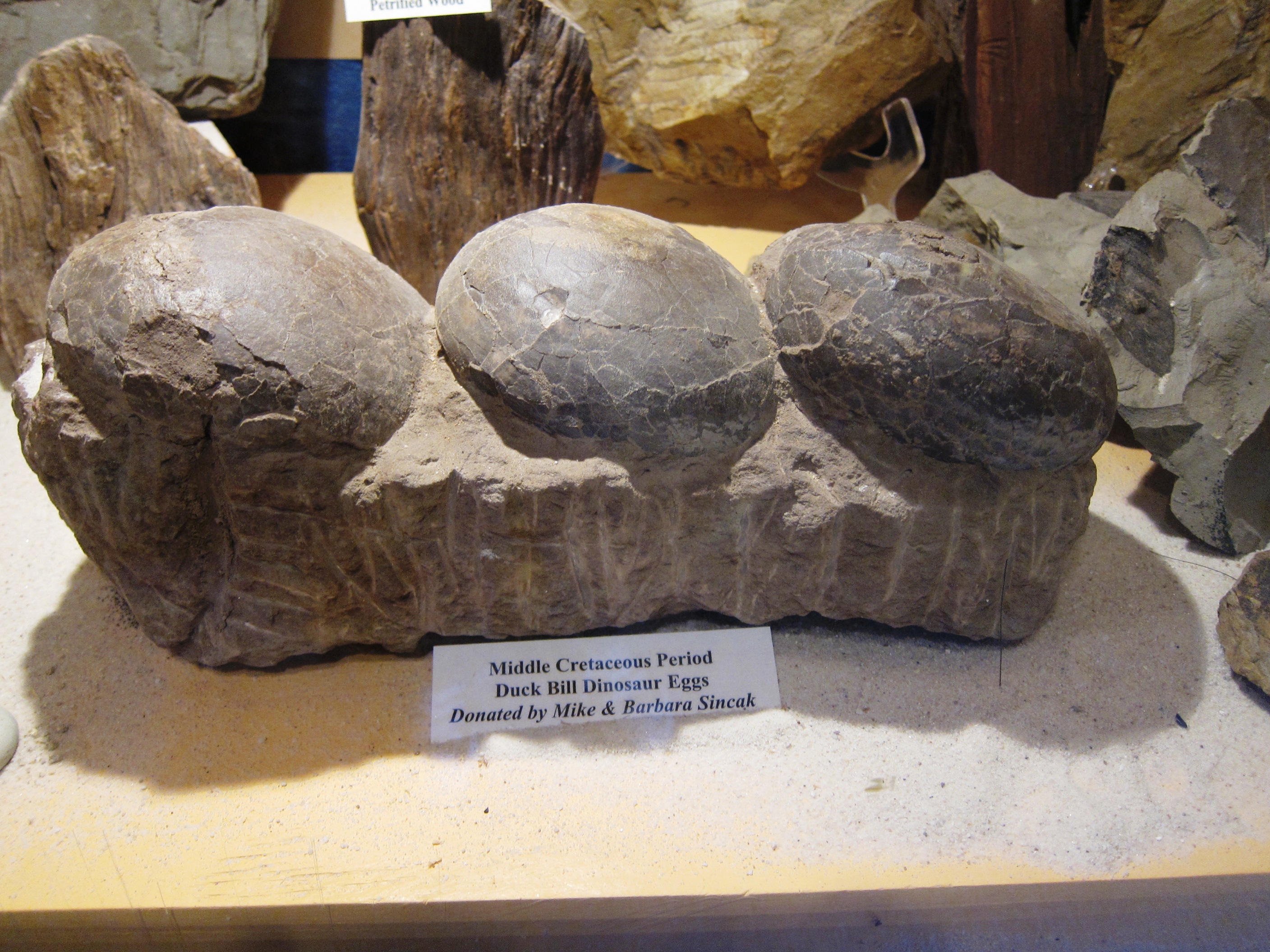
We found all kinds of different fossils that came from the area!

Fossils on the bottom of the sea floor!
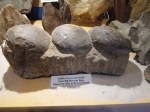
Fossilized Duck Billed Dinosaur Eggs!

The biggest fossil there was a Mosasaur!

Mosasaur!

Its name means river lizard and it lived during the last 25 million years of the Crustaceous period. This giant marine reptile, a distant relative of snakes, swam in the oceans! Yep, the Chicopee woods at one time were under water! Can you believe it? The center even shows you all the work it takes to dig and find fossils!

Digging for fossils!

Being a paleontologist is HARD work!

Edmond found a sign that said when horses first appeared!

Edmond learns about ancient horses!

Horses started out very small, about the size of a dog! Wow! Edmond was very excited to learn about his ancestors! Recent DNA studies show that horses were very spotty at one point!

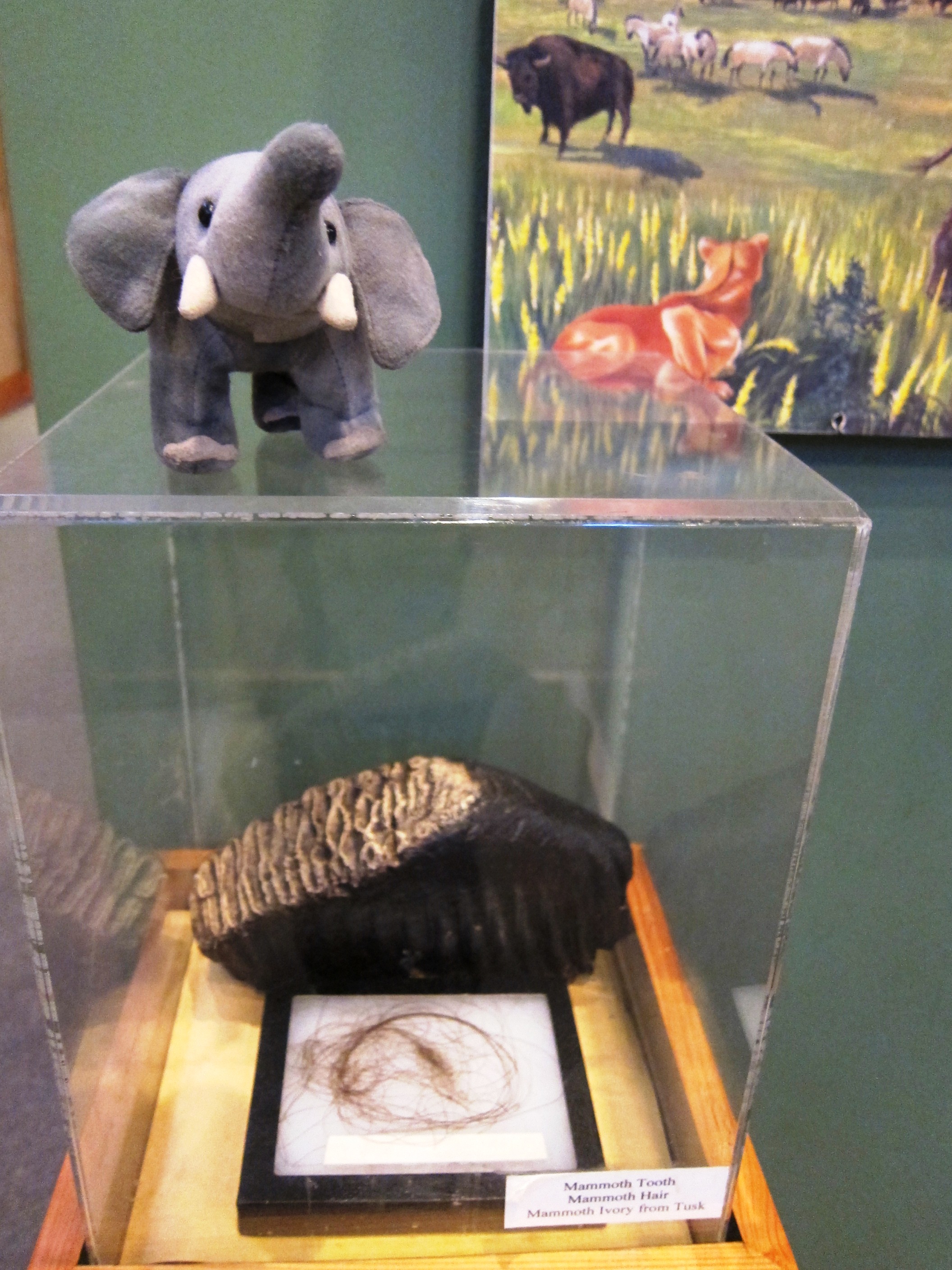
The day just got better when Ellie found a fossilized mammoth tooth and hair!

Ellie with the mammoth tooth and hair! That is one BIG tooth!

Did you know that mammoths are early relatives of the modern elephant? Turns out our Asian elephant cousins are more closely related to mammoths than African elephants, but we’re all still family!

As we wandered around we saw and learned all about the events and people that lived in this area throughout history! It was very interesting! We did find this lovely guide to some of the animals you might see in the woods surrounding the center!
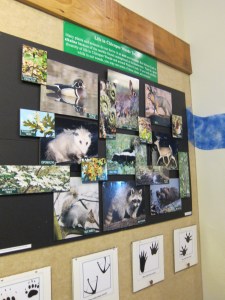
Animals you made find in the woods.

We were hoping to see all of them!

The other gallery in the museum talked all about space!

Enter to learn about the stars, planets, moon and sun!

It’s a neat space that talks about the moon and stars and sun. Ellie had to hold Edmond’s hoof because he’s afraid of the dark! Sadly, we didn’t take many pictures because we couldn’t get our camera in the right setting. Trust us, you will not be disappointed!

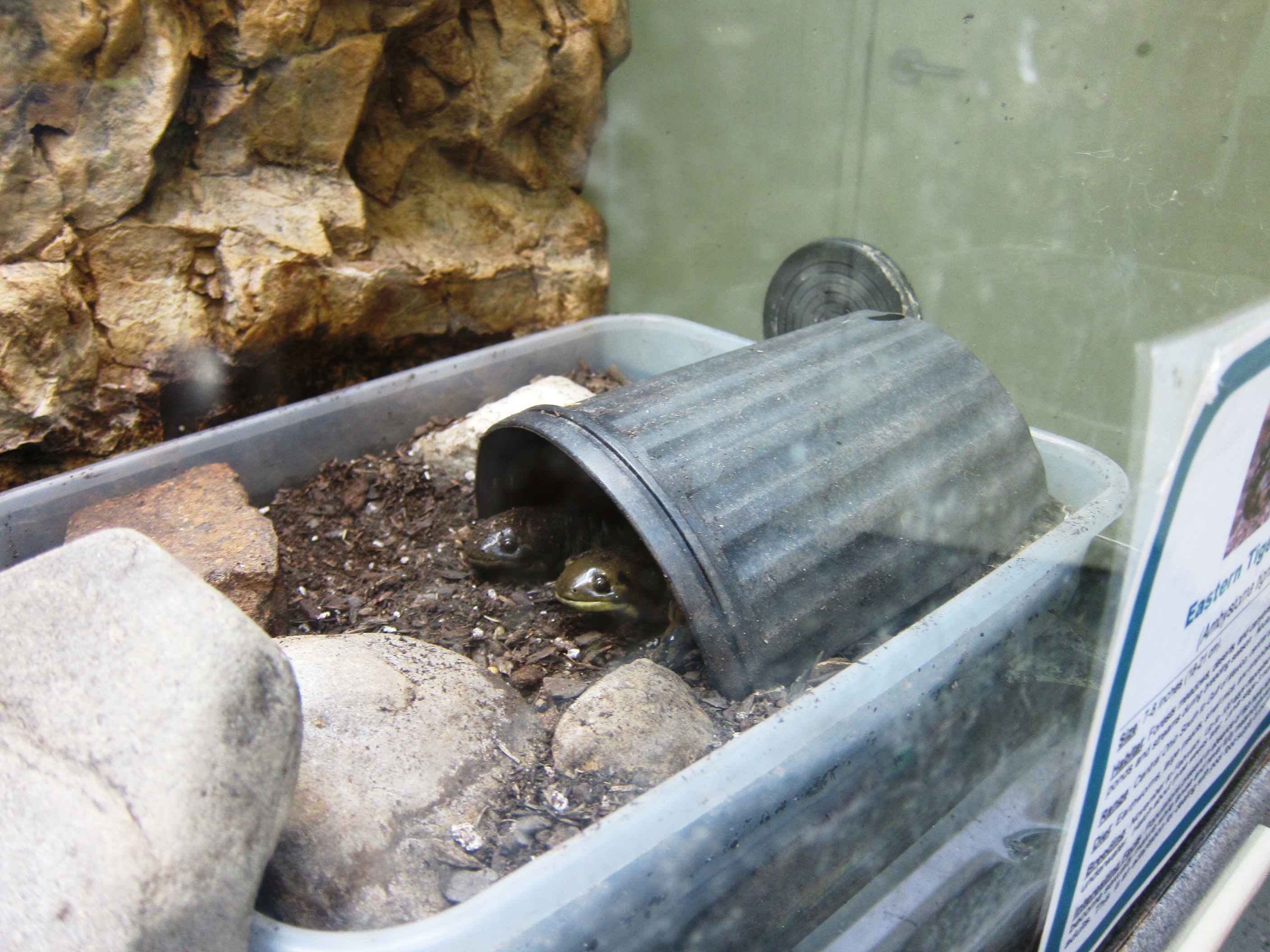
We then hit up the live animal room underneath the museum! They have all kinds of fun animals living at the center! We found snakes, salamanders, frogs and turtles!

Super cute Eastern Tiger Salamanders! We wondered if they could roar like a tiger! Probably not.

A red rat corn snake posed for us!

An Eastern box turtle is about to chow down on some salad! YUM!

You can even adopt some of these animals! No silly, you can’t take them home, but you can adopt them by helping pay for their care! We wondered if the animal writes you a thank note when you adopt them (that’s hard for snakes).

Our last stop for the day was the Chicopee Woods themselves! We went exploring around the outside of the center and found beautiful fall leaves, animals and scarecrows!
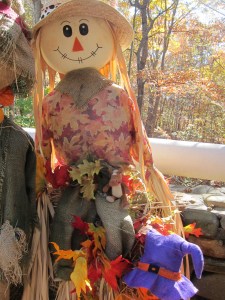
Edmond liked the scarecrow!

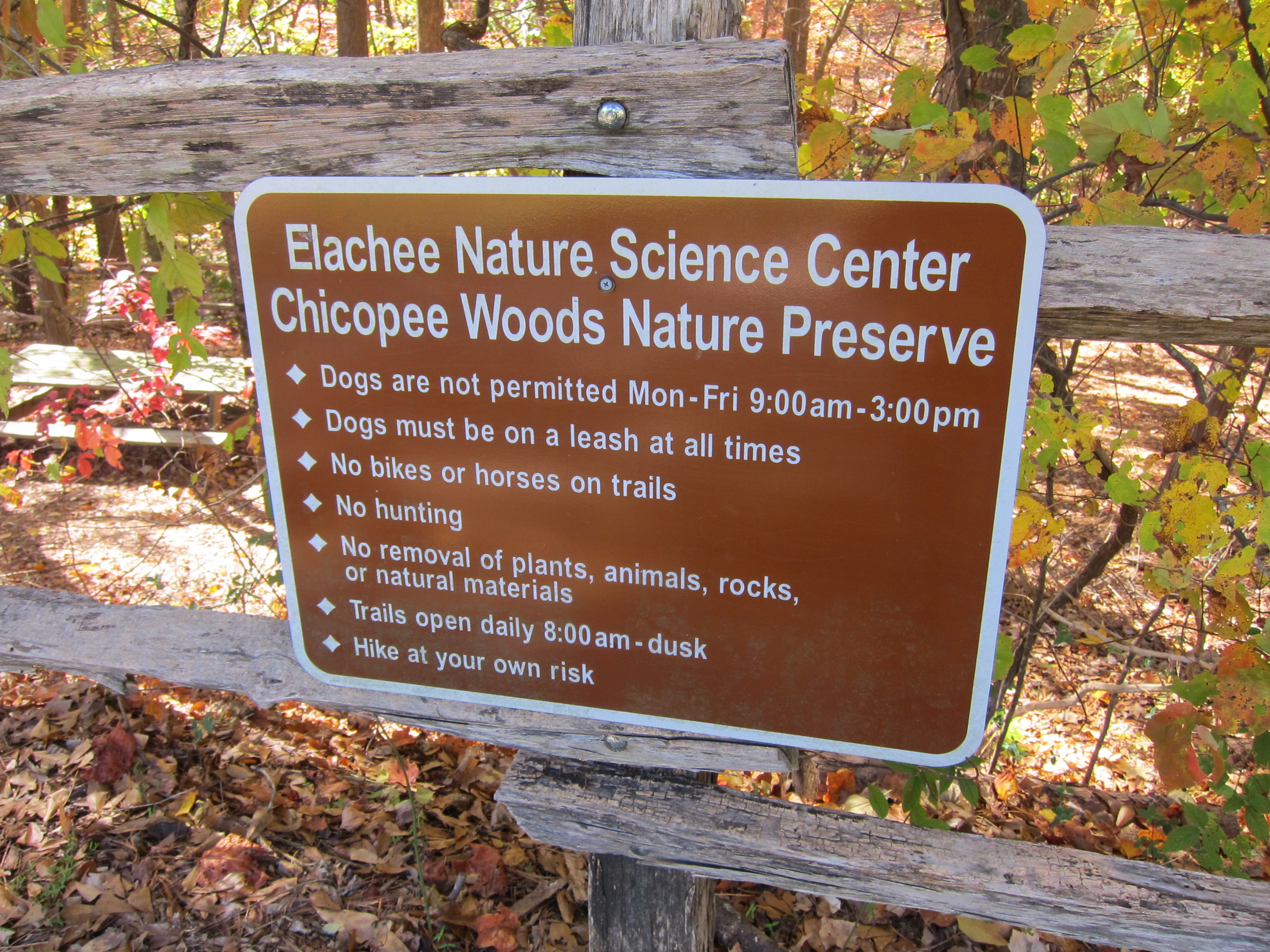
The center has loads of trails for you explore, just remember the rules J!

The woods are for everyone!

The nice lady at the center told us that volunteers help to maintain the trails for visitors! It’s so nice of them to do all that work for us to enjoy the woods!

We found these lovely lichen or fungus on a fallen tree!

Lichen or fungus on a tree! Pretty!

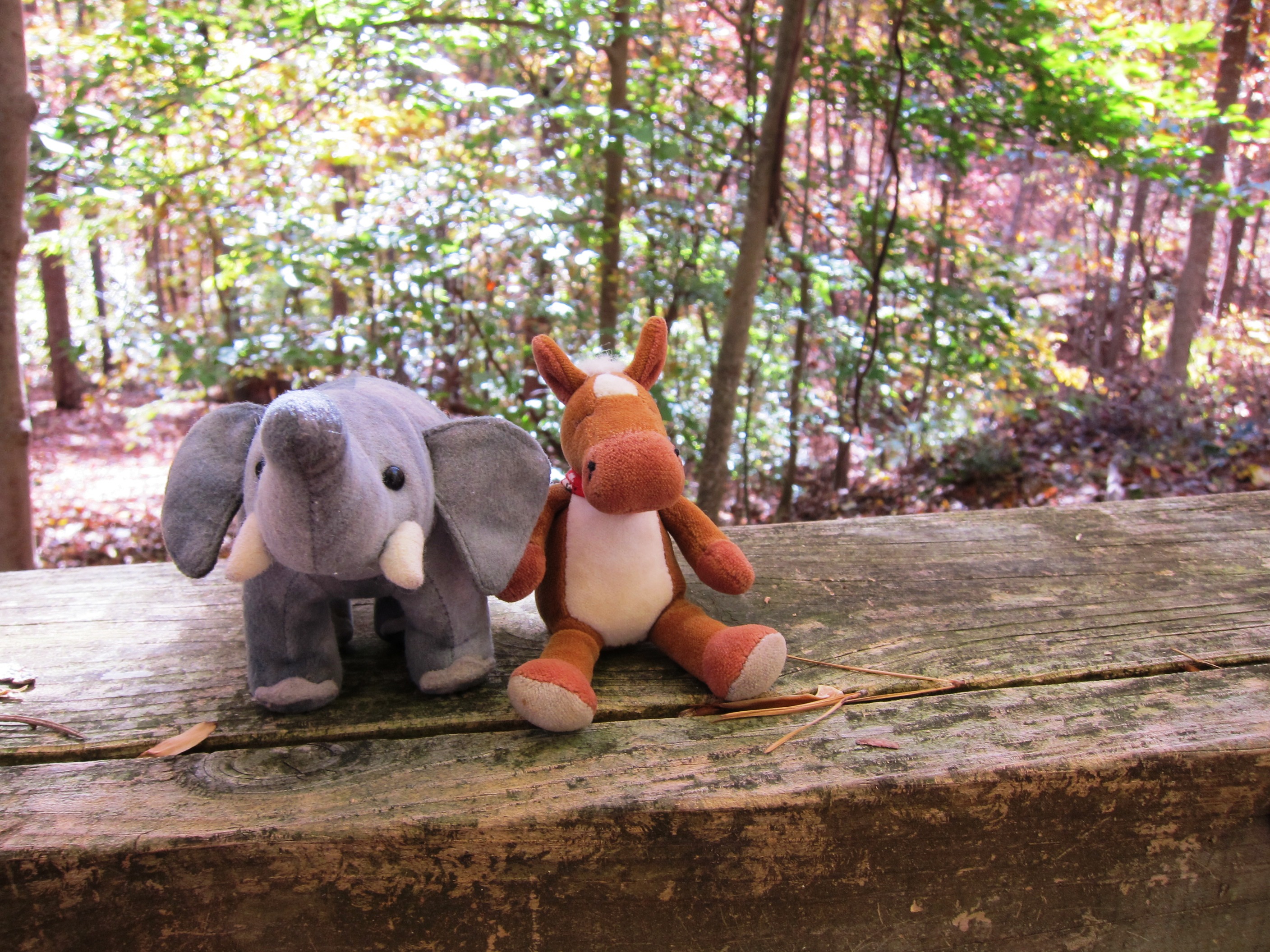
We really enjoyed exploring the trail!

Here we are on one of the trails!

Unfortunately the only animal we encountered was a squirrel, but he was pretty cute!

A squirrel grabs a quick bite near the picnic tables!

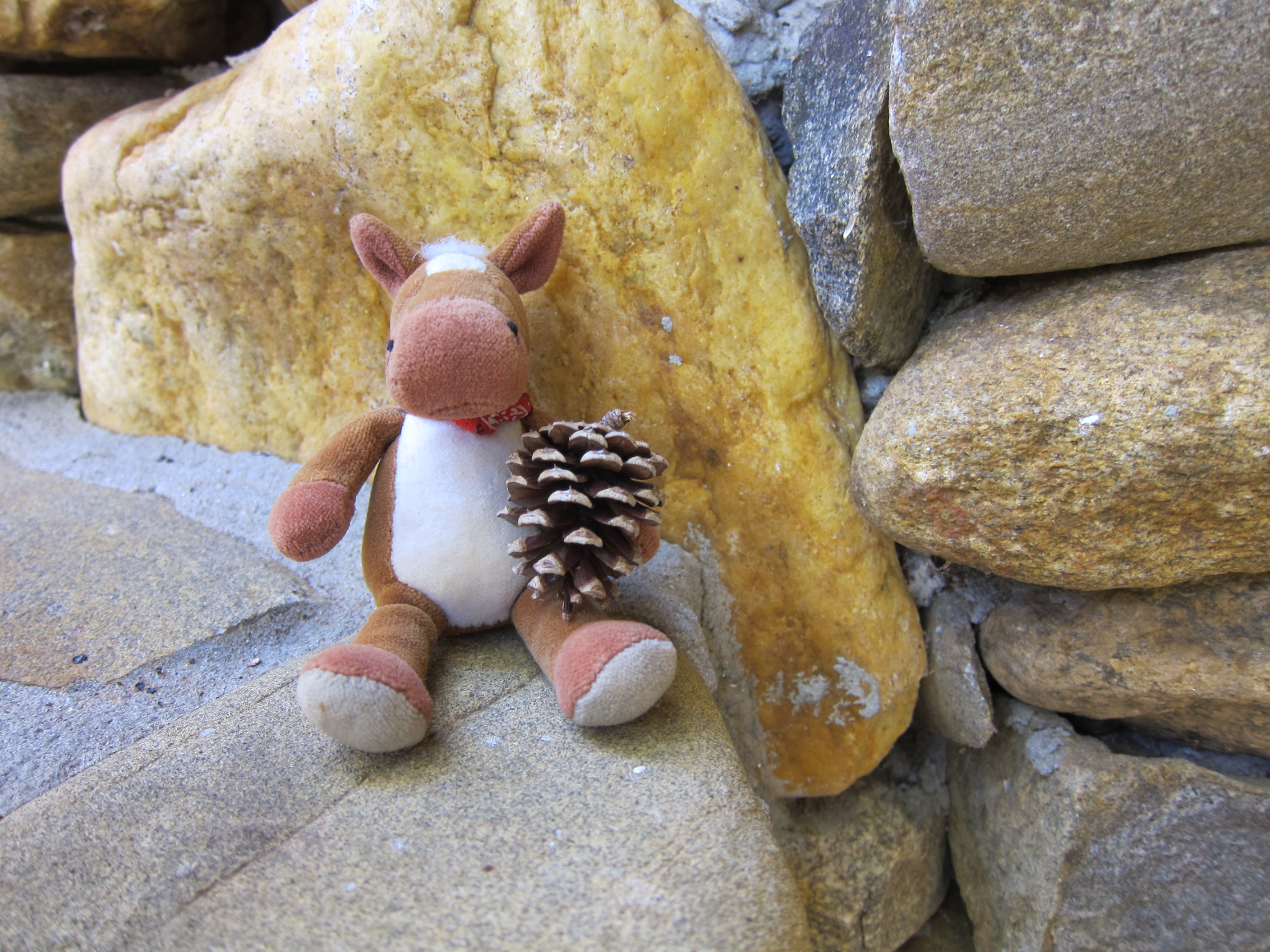
We’ll have to look harder for more animals next time! We did find some beautyberries and Edmond found a tiny pinecone and Ellie enjoyed hanging out in the leaves!

Beautyberries!

We called these the burnt marshmallow plant! :)!
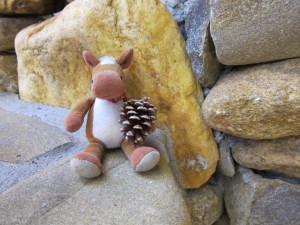
Edmond found a Edmond sized pinecone!

Ellie enjoyed playing in the leaves!

All in all we had a wonderful time at the Elachee Nature & Science Center! It’s really a gem just north of Atlanta! We’re definitely going back soon and highly recommend that you check it out too!

Categories: Animals, Atlanta, Children, education, Environment, Local, nature, reptiles | Tags: , , , , , , , | Leave a comment

REPTILIAN TUESDAY #13

REPTILIAN TUESDAY # 13

Welcome to Reptilian Tuesday! We have stumbled upon a fascinating lizard today! They get their name from a mammal who is known to roll up when threatened! It’s a pretty neat adaptation! Are you excited to meet this funny lizard? Come on and…

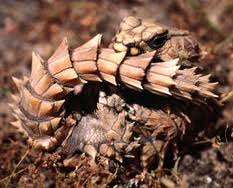
MEET THE ARMADILLO LIZARD!

Range/Habitat: Southern Africa/scrub-rocky outcrops

Diet: Carnivore: spiders, insects

Length: 6 ½-8 ½”

Conservation Status: Vulnerable


Fun Facts:

  • Armadillo lizards are covered in hard plates and spines on their neck and tails.
  • Armadillo lizards are named after armadillos, because of their special adaptation to protect themselves.
  • Armadillo lizards grab their tails with their mouths and curl up into balls when threatened.
  • They also hide in large cracks and crevices.
  • They live in small family groups. Females feed their young, a trait you don’t normally see in lizards.
  • Armadillo lizards hibernate in the winter.
  • They can live up to 25 years in captivity.


Armadillo lizards are bizarre looking lizards with their spikes and bony plates! How cool is that they grab their tails and ball up to hide from predators? Neat! These lizards are popular as pets! If you decide to get a lizard as a pet, make sure to do your homework, they have special needs to keep them happy! Also make sure you get your lizard from a good breeder. These lizards numbers are dwindling in the wild because of the pet trade, so let’s keep them there.


Categories: Animals, Children, education, Environment, nature, reptiles | Tags: , , , , , | Leave a comment

REPTILIAN TUESDAY # 13

REPTILIAN TUESDAY # 13

Who loves reptiles? We do and we hope you do too! Today’s reptile isn’t what we could call cuddly though, but they are magnificent and beautiful! Are you ready to meet our reptile? Let’s do it!

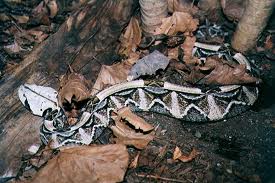
MEET THE GABOON VIPER!

Range/Habitat: West-Central Africa/rainforests

Diet: Carnivore: birds, rodents and small mammals

Length/Weight: 4 ft- 6 ½ ft/ up to 18ft

Conservation Status: Common

Fun Facts:

  • Gaboon vipers have thick bodies and are the heaviest snake in the viper family.
  • They also have the longest fangs of all venomous snakes, up to 2” long!
  • Gaboon vipers are known to be very docile and will only strike as a last resort. They are still best left alone.
  • They have beautiful geometric patterns in brown, tan and gold. Their coloration and pattern are excellent at helping them camouflage.
  • Gaboon vipers have large triangular heads and two tiny horns in-between their nostrils.
  • They are nocturnal (active at night).

Gaboon vipers are spectacular with their beautiful patterns.  We’re happy to observe them from a distance since they have such big fangs with venom!

Categories: Animals, Children, education, Environment, nature, reptiles | Tags: , , , , , | Leave a comment

Blog at WordPress.com.