Posts Tagged With: education

FEATHERY FRIDAY # 21

FEATHERY FRIDAY# 21

We have found a beautiful bird with a very funny name for today’s Feathery Friday bird! We’re heading into the Himalayan Mountains to find this shy little bird! Do you have your hiking shoes and binoculars? Let’s meet…

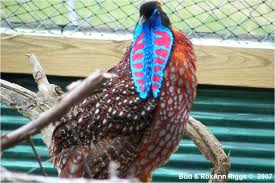
MEET THE TEMMICK’S TRAGONPAN!
Range/Habitat: Southeast Asia/ mountains-forests

Diet: Omnivore: plants, berries, insects

Length: 25”

Conservation Status: Common


Fun Facts:

  • Temmick’s Tragonpans are members of the pheasant family.
  • Temmick’s tragonpans are very shy.
  • Males have beautiful bright red and blue plumage on their wattles (throat area).
  • Males inflate their wattles and shake them to attract females during mating season.
  • Temmick’s tragonpans nest in bushes or low in trees. They make platform nests from sticks.
  • They can be found in high altitudes, as high as 14, 850 ft!


These beautiful shy birds like to live high up in the mountains! It would be quite the trek to make it to the top of those mountains to see these neat little birds! Would you like to take such an adventure? We’re ready when you are!
 

Categories: Animals, birds, Children, education, Environment, nature | Tags: , , , , , | 1 Comment

SUPER SURPRISE THURSDAY # 21

SUPER SURPRISE THURSDAY# 21

My, what big ears you have! We have found a special little mammal with very LARGE ears for today’s Super Surprise Thursday! Get out your sunglasses and sunscreen, because we’re heading to the African desert!

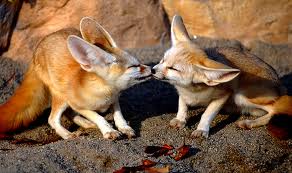
MEET THE FENNEC FOX!

Range/Habitat: Northern Africa-Asia/ desert

Diet: Omnivore: seeds, fruit, termites, eggs, lizards

Length/Weight: 9 ½-16”/ 2 ¼-13lb

Conservation Status: Common


Fun Facts:

  • Fennec foxes are the smallest member of the fox family.
  • Fennec fox are nocturnal (active at night).
  • They have unusually large ears that help them keep cool in the desert heat and warm at night.
  • Fennec fox also have fur on the bottom of their paws that protects them from the hot desert sand.
  • They live in small groups in underground dens.
  • They can survive several days without water, but will happily drink it when they find it.
  • Little is known about wild Fennec fox, most of what we know about them is from captive populations in zoos.
  • Fennec fox are the national animal of Algeria! Neat!


Wow, aren’t these little foxes really adorable with their large ears? We bet they have excellent hearing too! Did you know other animals use their ears to help them keep cool? Can you guess who that animal is? NO? It’s elephants!!


Categories: Animals, Children, education, Environment, mammals, nature | Tags: , , , , , | 2 Comments

WATERY WEDNESDAY # 21

WATERY WEDNESDAY# 21

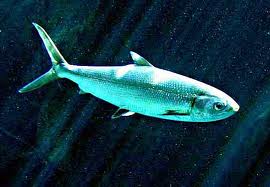
Welcome to Watery Wednesday! We have a neat silvery fish that lives in both fresh and salty water for you today! Who knew fish could do that? Well, let’s go meet them…

MEET THE MILKFISH!

Range/Habitat: Indo-Pacific oceans/ shorelines, marshes, mangroves

Diet: Omnivores: algae, invertebrates

Length/Weight: up to 6ft, up to 30lbs

Conservation Status: common


Fun Facts:

  • Milkfish have no teeth and are filter feeders.
  • Milkfish have long silvery bodies and unusual forked tails.
  • They are very fast swimmers.
  • Milk fish are found in schools (meaning a group of fish J).
  • They spend most of their lives in freshwaters environments. Then head out to the ocean to spawn.
  • Young milkfish spend the first few weeks of their lives in the ocean before heading back to the mangroves.


Milkfish sure are a neat fish because they spend part of their lives in the ocean and part of it in fresh water! Have you ever been to a mangrove before? They are pretty special habitats!


Categories: Animals, Children, education, Environment, fish, nature | Tags: , , , , , | Leave a comment

REPTILIAN TUESDAY # 21

REPTILIAN TUESDAY # 21

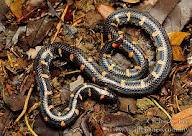
Who’s ready to meet a ssssssnake for Reptilian Tuesday? Ssssssshhhh… this snake burrows underground so we need to be very quiet so we can observe this pretty reptile!

MEET THE RED TAILED PIPE SNAKE!

Range/Habitat: Southeast Asia/ wetlands, swamps

Diet: Carnivore: snakes, eels

Length: 28-39”

Conservation Status: common


Fun Facts:

  • Red tailed pipe snakes get their name from the red patch on the bottom of their tails.
  • They raise their tails to mimic venomous snakes when threatened by predators.
  • They have shiny black, almost iridescent bodies.
  • Red tailed pipe snakes are excellent swimmers.
  • Red tail pipe snakes burrow underground.
  • They are constrictors and are non venomous.


Red tailed pipe snakes are small and beautiful snakes. Snakes are all so diverse in their size, coloration and habitat. They are all so important for their ecosystems too! Have you thanked a snake today? Do so from a distance J!


Categories: Animals, Children, education, Environment, nature, reptiles | Tags: , , , , , | Leave a comment

MAMMAL MONDAY # 21

MAMMAL MONDAY# 21

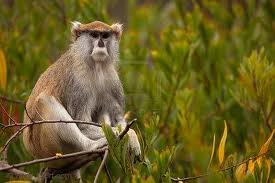
Who’s up and excited for Mammal Monday? We are! We found a desert loving primate for today! You better have your cameras ready, because this monkey sure is fast! Let’s get moving!

MEET THE PATAS MONKEY!

Range/Habitat: Western-Eastern Central Africa/ desert-grasslands

Diet: Omnivore: seeds, insects, tubers

Length/Weight: 23-35”/ 22-29lb

Conservation Status: Common


Fun Facts:

  • Patas Monkeys have long slim bodies, arms and legs.
  • Patas monkeys live in troops of 10-15 individual animals. The troops are made up of females, their offspring and one dominant male.
  • Patas monkeys have a white moustache and beard, that make them look like old men J.
  • They are very fast, probably the fastest primate on earth. They don’t climb trees to escape predators, but can outrun them.
  • Patas monkeys can run up to 34 miles per hour.
  • The male in the troop stands around the edge of the troop and acts as a guard and as a lookout.


These fast and regal looking monkeys are very special! Who wants to race a Patas monkey! Both Ellie and Edmond are pretty sure we could outrun one!


Categories: Animals, Children, education, Environment, mammals, nature | Tags: , , , , , | Leave a comment

FEATHERY FRIDAY # 20

FEATHERY FRIDAY# 20

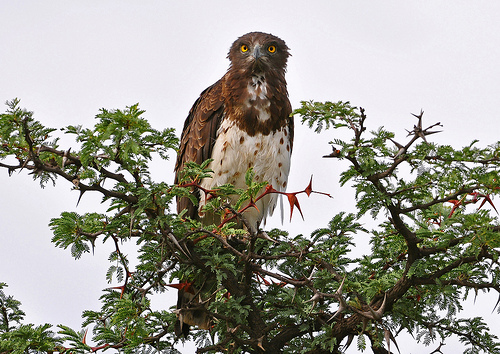
Happy Feathery Friday! We had a great day yesterday celebrating National Bird Day! We found a large bird of prey for today’s animal! They’re beautiful and they love to eat SNAKES! Are you to meet this majestic bird? Let’s do this!

MEET THE BLACK BREASTED SNAKE EAGLE!

Range/Habitat: East-Southern Africa/desert-grasslands

Diet: Carnivore: snakes, lizards, fish

Length/Weight: 26”/ 2 ¼-5 ½ lb

Conservation Status: Common


Fun Facts:

  • Black breasted snake eagles are large birds of prey.
  • They have special scales on their legs and feet to protect them from snake bites.
  • Black breasted snake eagles avoid venomous snakes.
  • They have large yellow eyes.
  • Both parents take care of the chicks.


Black breasted snake eagles are pretty birds and they sure have interesting taste in food. Can anyone say BBQ snake? Just kidding J!

Categories: Animals, birds, Children, education, Environment, nature | Tags: , , , , , | Leave a comment

SUPER SURPISE THURSDAY # 20

SUPER SURPRISE

THURSDAY# 20

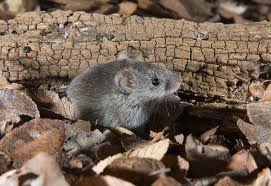
Tiny is great way to describe today’s Super Surprise Thursday animal! Do you have your night vision goggles out? Are you ready to go walking in a field? Be careful because this little mammal might be right under your feet!

MEET THE NORTHERN PYGMY MOUSE!

Range/Habitat: Southern United States-Central Mexico/grasslands-fields

Diet: Herbivore: plants, seeds

Length/Weight: 2-2 ½”/ 7-10 grams

Conservation Status: Common

Fun Facts:

  • The Northern Pygmy Mouse is the smallest rodent in North America.
  • They are about the size of a chicken egg.
  • Northern Pygmy mice are nocturnal (active at night).
  • They burrow under logs and plants.
  • They are active all year long.
  • Female Northern Pygmy mice can become pregnant at the age of 60 days.

These tiny little rodents sure are cute. Do you think it would be hard to spot one in the wild? We do! That’s why we bring them to you!

Categories: Animals, Children, education, Environment, mammals, nature | Tags: , , , , , | Leave a comment

WATERY WEDNESDAY # 20

WATERY WEDNESDAY# 20

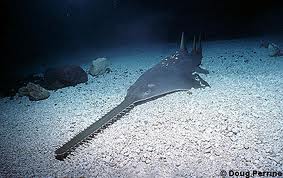
Happy Watery Wednesday! We have a very special and strange looking member of the shark and ray family for you today! These beautiful fish have a very special built-in tool on the front of their face! Do you have your goggles and wetsuit? Let’s dive in!

MEET THE SMALLTOOTH SAWFISH!

Range/Habitat: Eastern Atlantic Ocean (subtropical-tropical)/shallows, near coastline

Diet: Carnivore: fish, mollusks

Length/Weight: up to 20ft/550-660 lbs

Conservation Status: Critically endangered


Fun Facts:

  • Smalltooth Sawfish have a saw-like snout with 24-32 pairs of pointed “teeth”.
  • Smalltooth sawfish have long flat bodies.
  • They use their saw-like snout to dig prey out of the sand and to slash through schools of fish. They then eat the injured fish!
  • Their gills and mouth are on the bottom of their bodies.
  • Smalltooth sawfish have spiracles on top of their bodies. These help move water over their gills while they rest on the bottom of the ocean floor.
  • Smalltooth sawfish skeletons are made of cartilage (the same tissue that makes up human ears and noses). They are related to sharks and rays!


We think Smalltooth sawfish is a very special and odd looking fish! These neat fish are endangered. The Ocean Conservancy is working very hard to make sure they will be around for a long time! Our oceans wouldn’t be the same without these great fish!


Categories: Animals, Children, education, Environment, fish, nature | Tags: , , , , , | Leave a comment

REPTILIAN TUESDAY # 20

REPTILIAN TUESDAY # 20

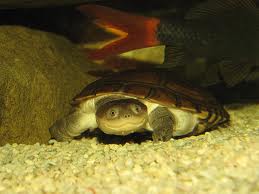
Happy 2012 everyone! We hope all our fans and supporters had a fabulous holiday! We’re back with loads of fun and fresh ideas! We’ll be celebrating animal holidays, coming up with crafts and having theme weeks once a month! We look forward to sharing all this fun, adventure and education with you! First up in 2012, a small turtle from Africa! Who wants to meet this cute little reptile? We do!

MEET THE AFRICAN HELMETED TURTLE!

Range/Habitat: Africa (South of Sahara)/ marshes, watering holes and rain pools

Diet: Omnivore: frogs, mollusks, invertebrates

Length: 6-7”

Conservation Status: common


Fun Facts:

  • African Helmeted Turtles have flat carapaces (top shells).
  • They are very slow and sluggish, even for turtles.
  • African helmeted turtles have glands that release a strong musky odor when they are threatened by predators.
  • They are also called the marsh terrapin.
  • African helmeted turtles aestivate during the dry season. Aestivation is a period of inactivity.


These tiny little turtles sure are neat, but be careful they can be a bit stinkyJ! But then again being stinky can be good, if it helps you keep predators away! Would you like to be stinky?

Categories: Animals, Children, education, Environment, nature, reptiles | Tags: , , , , , | Leave a comment

ORGANIZING WEEK

Hello everyone!

We are taking the week off from animal posts to do some research and get organized! We’re coming up with some fabulous ideas for the new year! We’re thinking of doing some theme weeks, maybe one a month and would love to hear your ideas! Please leave us your ideas in the comments! Thank you so much!

We are going to be posting about our animal adventures in St Thomas this week and we’ll be tweeting and posting fun stuff on Facebook, so check us out there!

Have a fabulous week and a wonderful New Years! We’ll be back in full animal mode next week!

Thank you for your support! We look forward to a great 2012!

Elle and Edmond!

Categories: Animals, Atlanta, Children, education, Environment, nature | Tags: , , , , , | Leave a comment

Blog at WordPress.com.