Posts Tagged With: fish

YEAR OF THE DRAGON WESNESDAY

YEAR OF THE DRAGON WEDNESDAY

Who’s ready to meet another dragon? We’ve travelled back to the land down under today to find this dragon. This dragon lives in the water and not on land! So grab your scuba gear and let’s dive in to find this wild and strange dragon!

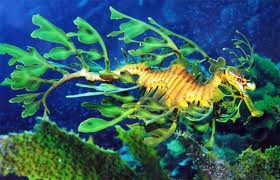
MEET THE LEAFY SEA DRAGON!
Range/Habitat: Southern Australian oceans/near kelp and sea grass

Diet: Carnivore: mysid shrimp, plankton

Length: up to 14”

Conservation Status: near threatened


Fun Facts:

  • Leafy Sea Dragons are relatives of the seahorse.
  • Leady sea dragons have leaf shaped appendages all over their bodies that help them camouflage.
  • They use their dorsal and pectoral fins to swim.
  • Male leafy sea dragons incubate the eggs in a pouch on their tales.
  • They have long thing snouts that suck in their tiny prey.
  • Leafy sea dragons are a fish!


Leafy sea dragons are the official marine emblem of South Australia! We think they’re pretty awesome with their strange leafy appendages! They look kind of like aliens! These special cousins to the sea horse are protected in Australia.
 

Categories: Animals, Children, dragons, education, Environment, fish, nature | Tags: , , , , , | Leave a comment

WATERY WEDNESDAY # 21

WATERY WEDNESDAY# 21

Welcome to Watery Wednesday! We have a neat silvery fish that lives in both fresh and salty water for you today! Who knew fish could do that? Well, let’s go meet them…

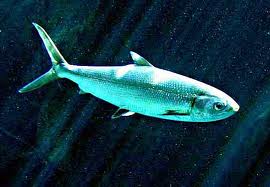
MEET THE MILKFISH!

Range/Habitat: Indo-Pacific oceans/ shorelines, marshes, mangroves

Diet: Omnivores: algae, invertebrates

Length/Weight: up to 6ft, up to 30lbs

Conservation Status: common


Fun Facts:

  • Milkfish have no teeth and are filter feeders.
  • Milkfish have long silvery bodies and unusual forked tails.
  • They are very fast swimmers.
  • Milk fish are found in schools (meaning a group of fish J).
  • They spend most of their lives in freshwaters environments. Then head out to the ocean to spawn.
  • Young milkfish spend the first few weeks of their lives in the ocean before heading back to the mangroves.


Milkfish sure are a neat fish because they spend part of their lives in the ocean and part of it in fresh water! Have you ever been to a mangrove before? They are pretty special habitats!


Categories: Animals, Children, education, Environment, fish, nature | Tags: , , , , , | Leave a comment

WATERY WEDNESDAY # 20

WATERY WEDNESDAY# 20

Happy Watery Wednesday! We have a very special and strange looking member of the shark and ray family for you today! These beautiful fish have a very special built-in tool on the front of their face! Do you have your goggles and wetsuit? Let’s dive in!

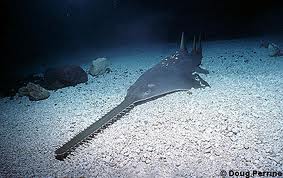
MEET THE SMALLTOOTH SAWFISH!

Range/Habitat: Eastern Atlantic Ocean (subtropical-tropical)/shallows, near coastline

Diet: Carnivore: fish, mollusks

Length/Weight: up to 20ft/550-660 lbs

Conservation Status: Critically endangered


Fun Facts:

  • Smalltooth Sawfish have a saw-like snout with 24-32 pairs of pointed “teeth”.
  • Smalltooth sawfish have long flat bodies.
  • They use their saw-like snout to dig prey out of the sand and to slash through schools of fish. They then eat the injured fish!
  • Their gills and mouth are on the bottom of their bodies.
  • Smalltooth sawfish have spiracles on top of their bodies. These help move water over their gills while they rest on the bottom of the ocean floor.
  • Smalltooth sawfish skeletons are made of cartilage (the same tissue that makes up human ears and noses). They are related to sharks and rays!


We think Smalltooth sawfish is a very special and odd looking fish! These neat fish are endangered. The Ocean Conservancy is working very hard to make sure they will be around for a long time! Our oceans wouldn’t be the same without these great fish!


Categories: Animals, Children, education, Environment, fish, nature | Tags: , , , , , | Leave a comment

WATERY WEDNESDAY # 17

WATERY WEDNESDAY# 17

Sharks come in all shapes and sizes and we have a sleek coral reef dweller for this Watery Wednesday! So come meet this gray shark with colored tips!

MEET THE BLACKTIP REEF SHARK!

Range/Habitat: Indo-Pacific Oceans/coral reefs-shallows

Diet: Carnivore: fish, crustaceans, octopus, squid

Length/Weight: up 6 ½ ft/ over 99lb

Conservation Status: Near Threatened

Fun Facts:

  • Blacktip Reef Sharks are the most common shark in coral reefs of the Pacific Ocean.
  • Blacktip reef sharks have streamlined bodies with black color on the tips of their fins.
  • They are powerful are strong and quick swimmers.
  • Blacktip reef sharks must swim to breath. The motion moves the water over their gills that extract oxygen from the water.
  • They can be curious of divers.

Blacktip reef sharks are fast and sleek! They are very important in their coral reef habitats, because they’re apex predators (top of the food chain). Blacktip reef sharks look so sleek and smooth! Do you think they feel that way? Nope- they feel like sandpaper! Neat, huh?

Categories: Animals, Children, education, Environment, fish, nature | Tags: , , , , | Leave a comment

WATERY WEDNESDAY # 16

WATERY WEDNESDAY# 16

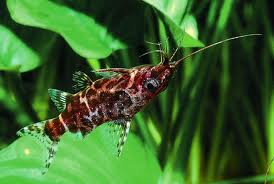
This Watery Wednesday we are looking upside down! That’s right; we’ve found a little freshwater fish that swims upside down! Isn’t the animal world just amazing? Let’s meet this little fish!

MEET THE UPSIDE DOWN CATFISH!

Range/Habitat: Central Africa/ rivers-streams

Diet: Omnivore: plants, invertebrates

Length: 3 ¾”

Conservation Status: Common


Fun Facts:

  • Upside Down Catfish swim upside down at the surface of the water.
  • They have reverse counter shading (they are lighter on the top than the bottom) so they blend in.
  • Upside down catfish are active at dusk and night.
  • Upside down catfish eat plants off the underside off logs and branches.


How cool is it that there are little fish who swim upside down? Can any of you a handstand? If you can try it and see what the world looks like upside down, just like this little catfish!


Categories: Animals, Children, education, Environment, fish, nature | Tags: , , , , , | Leave a comment

WATERY WEDNESDAY # 15

WATERY WEDNESDAY# 15

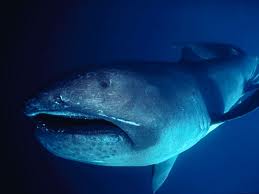
A rare and mysterious animal is the spotlight for today’s Watery Wednesday animal! This gentle giant is so elusive that its existence has only been known to people for the last 30 years! Wow! That’s one of the many great things about the world’s oceans; they’re still full of loads of mysteries! Let’s meet this big guy…

MEET THE MEGAMOUTH SHARK!

Range/Habitat: Atlantic Ocean-Pacific Ocean-Indian Ocean

Diet: Carnivore: plankton

Length/Weight: up to 18ft/ up to 2000lbs

Conservation Status: Unknown


Fun Facts:

  • Megamouth sharks were discovered in 1976!
  • Only 53 sharks have been seen since their discovery.
  • Megamouth sharks have large mouths that they use to filter tiny plankton from the water.
  • The roof of their mouth is silvery color and is thought to help attract plankton.
  • They are believed to live in deep waters. It is most likely though that they swim where the plankton is.


Wow! This large shark doesn’t have a mouth full of sharp and pointy teeth, but instead filters out tiny plankton from the water! Can you believe that they’ve been living in our oceans for a very long time, but we just found them 30 years ago? Crazy!

Categories: Animals, Children, education, Environment, fish, nature | Tags: , , , , , | Leave a comment

WATERY WEDNESDAY #14

WATERY WEDNESDAY# 14

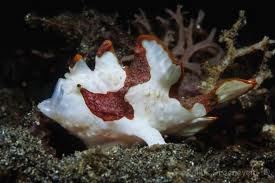
Coral reefs are like the rainforests of the oceans! Reefs are full of all kinds of strange and wonderful animals and we have a strange looking fish for you today! This fish grows warts! Yep, warts! Eeew! Let’s meet the odd looking fish…

MEET THE WARTY FROGFISH!

Range/Habitat: Western Pacific-Indian Oceans/coral reefs

Diet: Carnivore: small fish, crustaceans

Length/Weight: up to 4 ½”

Conservation Status: Common

Fun Facts:

  • Warty Frogfish are relatives of anglerfish.
  • Instead of dorsal fins, they have long spines which act as lure to catch prey. If the top of the lure breaks off, they will regenerate a new one.
  • Warty frogfish are ambush predators, meaning they lay in wait for prey to swim by and then they grab them!
  • Young warty frogfish are white with yellow, orange or red. They develop their warty bumps as adults.
  • Warty frogfish are experts at mimicry and camouflage. They don’t just blend in with their surroundings, they actually look coral!

Wow, warty frogfish are some crazy looking fish and excellent at blending in with their habitats!  If you didn’t see them moving you might just miss them! Plus warty frogfish is just fun to say! Try and say it fast three times! Warty frogfish, warty frogfish, warty frogfish! Poof- now you are one :)!

Check out this video of a warty frogfish ambushing its prey!

http://www.youtube.com/watch?v=ShikyxTGW2U

Categories: Animals, Children, education, Environment, fish, nature | Tags: , , , , , | Leave a comment

WATERY WEDNESDAY # 13

WATERY WEDNESDAY# 13

We’ve dived deep to the bottom of the ocean floor to find today’s Watery Wednesday animal! We had to look hard to find this fish too because they are masters of camouflage! Are you ready to find this crazy looking fish? Come meet…

MEET THE ANGLERFISH!

Range/Habitat: North Atlantic-Mediterranean-Black Sea

Diet: Carnivore: small fishes

Length/Weight: up to 6 ½ ft/up to 88lbs

Conservation Status: Common


Fun Facts:

  • Anglers are also known as the monkfish.
  • They have large flat bodies with frills all over.
  • Anglers are brownish-green. Their coloration helps them camouflage with the ocean floor.
  • Anglers wait in the sand and use a fleshy lure attached to their dorsal (top) fin to attract prey.
  • They are ambush predators.
  • They have specialized pectoral fins that have “elbows”. They use these to walk along the sea floor.


These strange looking fish have some pretty neat adaptations for surviving in the ocean. How neat is it that they a fishing lure attached to their bodies? They are related to other anglerfish, who live deep in the ocean and can be even stranger looking! Think we need to go diving again!


Categories: Animals, Children, education, Environment, fish, nature | Tags: , , , , , | Leave a comment

SUPER SURPRISE THURSDAY #12

SUPER SURPRISE THURSDAY# 12

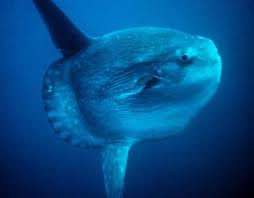
Happy Super Surprise Thursday! We’ve gone back to the ocean today to find an amazing animal friend for you to meet! This large, slow moving fish is pretty special, because you won’t see any fish like them! Let’s meet…

MEET THE OCEAN SUNFISH!

Range/Habitat: Tropical-Temperate Waters Worldwide

Diet:  Carnivore: jellies, squid, crustaceans

Length/Weight: 6 ft-13 ft/ 1-2 tons

Conservation Status: Common


Fun Facts:

  • Ocean Sunfish are the heaviest bony fish in the world.
  • They have disk shaped bodies and elongated dorsal (top) and anal (bottom) fins.
  • Ocean sunfish have beak like mouths for snipping at jellies.
  • Their skeletons are made up of lots of cartilage (the tissue in your ears and nose) as well as bone.
  • Ocean sunfish are fairly slow moving and clumsy looking when swimming.
  • Ocean sunfish can be seen basking in the sun near the surface of the ocean.
  • Ocean sunfish scientific name is Mola Mola. It comes from the Latin that means millstone, because they look like giant round stones!


Mola mola or Ocean Sunfish sure are some crazy looking fish! And isn’t mola mola fun to say? We continue to be fascinated by the different creatures who inhabit our oceans!

Categories: Animals, Children, education, Environment, nature | Tags: , , , , , | Leave a comment

WATERY WEDNESDAY # 12

 WATERY WEDNESDAY# 12

Today’s Watery Wednesday animal doesn’t come from the ocean, this fish lives in freshwater! That’s right you can find them in the waters of the Amazon River. Come meet this special fish…

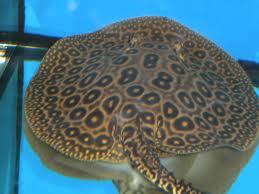
MEET THE FRESHWATER STINGRAY!

Range/Habitat: South America/Amazon River

Diet: Carnivore: small fishes, invertebrates

Length/Weight: up to 3 ¼ ft/ 6 ½ lbs

Conservation Status: Common


Fun Facts:

  • Freshwater stingrays are small rounded shaped stingrays.
  • They only live in freshwater environments and not in the salty oceans.
  • Freshwater stingrays have short tails with no fin on the top.
  • They have few predators.
  • Their brown coloration with dark spots that help them camouflage.


Who knew that there were stingrays that live in rivers? We didn’t know that! The planet has so many neat animals in all different kinds of habitats!


Categories: Animals, Children, education, Environment, fish, nature | Tags: , , , , , | Leave a comment

Blog at WordPress.com.