Posts Tagged With: fish

WEIRD WATERY WEDNESDAY # 11

WEIRD WATERY

WEDNESDAY # 11

We know that our oceans, lakes and rivers have tons of wild and crazy creatures. Some of these animals are pretty creepy, especially in the deep dark depths of our oceans. We’ve found a very spooky fish for you today! So let’s go meet him!

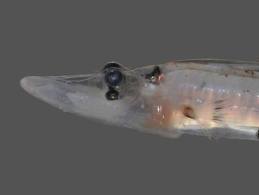
MEET THE SPOOKFISH!

Range/Habitat: tropical- sub-tropical ocean waters/deep oceans

Diet: Carnivore: crustaceans, copepods, and anything they can get

Length: 3 ¼”

Conservation Status: unknown

Fun Facts:

  • Spookfish have a very odd shape.
  • They have transparent white bodies and long thin transparent pectoral (side) that are half the length of their bodies.
  • The Spookfish most spectacular adaptation is their eyes. They are tubular and point upwards.
  • Spookfish have a second eye on the side of their eye. It looks like a black spot.
  • The second eye is actually part of the primary eye and points downward. It acts as a mirror and is thought to help the spookfish find animal are bioluminescent. (They have chemicals in their body that give of light.)

It’s only been in the last few years that scientist figured out how the Spookfish’s eye works. They aren’t seen very often because they live so deep in the ocean! Wow! There sure is an almost alien world down in the deep dark depths of ocean! We wonder what other monsters live there!


Check out these crazy creepy fish from National Marine Life Center!

http://nmlc.org/2011/10/13-spooky-sea-creatures/


Categories: Animals, Children, education, Environment, fish, nature | Tags: , , , , , | Leave a comment

WATERY WEDNESDAY # 10

WATERY WEDNESDAY # 10

Happy Watery Wednesday everyone! We hope it’s wonderful so far! Today’s fish is long, lean and full of teeth! But don’t worry they don’t think people are tasty! Phew!

MEET THE GREAT BARRACUDA!

Range/Habitat: tropical-sub-tropical waters worldwide/ reefs, shallows, mangroves

Diet: Carnivore: fish

Length/Weight: up to 6 ½ ft/ up to 110 lbs

Conservation Status: Common


Fun Facts:

  • Great Barracuda are long and lean fish.
  • They have powerful jaws full of sharp, knife like teeth.
  • Great barracuda are ambush predators. They stay relatively still and swim forward in one fast move to grab their prey.
  • They’re usually solitary, but juveniles often school together.
  • Great barracudas have few predators, mainly sharks.


Great barracudas are intimidating fish, with their long bodies and mouths full of teeth.  But we think they are pretty awesome! How about you?


Categories: Animals, Children, education, Environment, fish | Tags: , , , , | Leave a comment

WATERY WEDNESDAY # 9

WATERY WEDNESDAY # 9

What’s happening everyone? Well what’s happening here is Water Wednesday and we’ve found a comical fish who calls the coral reef its home! Ok, this fish really isn’t that funny, but it is named after clowns and they’re usually funny, unless you’re scared of them like Ellie is! Let’s meet this fun fish…

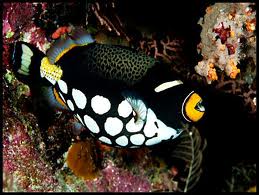
MEET THE CLOWN TRIGGERFISH!

Range/Habitat: Pacific-Indian Oceans/Coral reefs

Diet: Carnivore: mollusks, crustaceans

Length/Weight: up to 20”/up to 4 ½ lbs

Conservation Status: Common


Fun Facts:

  • Clown triggerfish are very colorful. They have black and yellow bodies with white spots on them! Their colorful appearance is why they were named after clowns.
  • They have strong and sharp teeth for crushing the shells of their prey.
  • Clown triggerfish can wedge in cracks and crevices of the reef when threatened by predators.
  • They usually do not use their tail fins to swim. They use their dorsal (top) and anal (bottom) fins to swim!
  • Clown triggerfish are very territorial.
  • Both male and female clown triggerfish protect the nest of eggs until they hatch.


These crazy looking Clown triggerfish sure are cool! Ellie thinks they’re much less scary than actual clownsJ! If you could create your very own fish, what colors would you use?


Categories: Animals, Children, education, Environment, fish | Tags: , , , , | Leave a comment

WATERY WEDNESDAY # 8

WATERY WEDNESDAY # 8

Wake up for Watery Wednesday! We have a gentle giant for you today! This big guy glides through the water looking for tiny, tiny animals to eat! So who this special fish? Let’s find out!

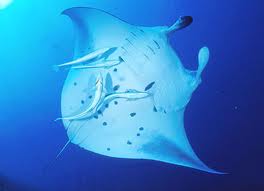
MEET THE MANTA RAY!

Range/Habitat: Worldwide/tropical-sub-tropical

Diet: Carnivore: plankton, small schooling fish

Length/Weight: 13-23ft/up to 1 ¾ tons (more than a small car)

Conservation Status: Near threatened

Fun Facts:

  • The Manta Ray is the largest ray in the world!
  • They filter plankton (tiny animals) out of the water. The water goes over their gills and special plates called gill rakers catch the plankton.
  • Manta rays can eat up to 60 lbs of food a day.
  • Manta rays are related to sharks. Their skeleton is made up of cartilage (the tissue in your ears and nose).
  • They have large lobes on the side of their head to help funnel the prey into their mouth.
  • Manta rays have no venomous barb on their tail like smaller rays.
  • They can jump out of the water (also called breaching). They often do this to avoid predators like sharks and killer whales.

Wow! Manta rays are amazing! They are such graceful and beautiful animals! We would love to go swimming in the ocean and meet one up close and personal! Too bad we don’t speak Manta ray J!

Categories: Animals, Children, education, Environment, fish | Tags: , , , , | Leave a comment

WATERY WEDNESDAY # 7

WATERY WEDNESDAY #7

It’s Watery Wednesday and we have a shark for today’s animal! SHARK! Even though sharks get a bad rep, they are very important to the world’s oceans. So they deserve love and respect too, just maybe from a distance!

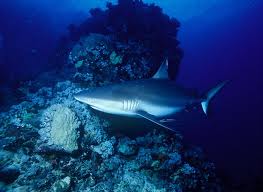
MEET THE BULL SHARK

Range/Habitat: Worldwide oceans/sub-tropical-tropical waters and some fresh water systems

Diet: Carnivore: fish, invertebrates, smaller sharks

Length/Weight: up to 11ft/500 lbs +

Conservation Status: Common

Fun Facts:

  • Bull sharks are one of the few sharks known to swim in rivers. They’ve been seen in the Mississippi, Hudson and Amazon rivers.
  • They have 5 gill slits, which they use to take oxygen from the water.
  • Bull sharks are large and stout. They’re named after the large and stout bull.
  • Adult bull sharks have no natural predators.
  • They have a bite force of 200lbs! Watch out for those teeth!

Bull sharks are amazing and powerful animals. You definitely don’t want to go swimming with one, but then again you wouldn’t want to walk up to a wild elephant either! These sharks are very important to our oceans! So let’s give a shout out to Bull Sharks!

Categories: Animals, Children, education, Environment, fish | Tags: , , , , | Leave a comment

Our road trip to the Georgia Sea Turtle Center

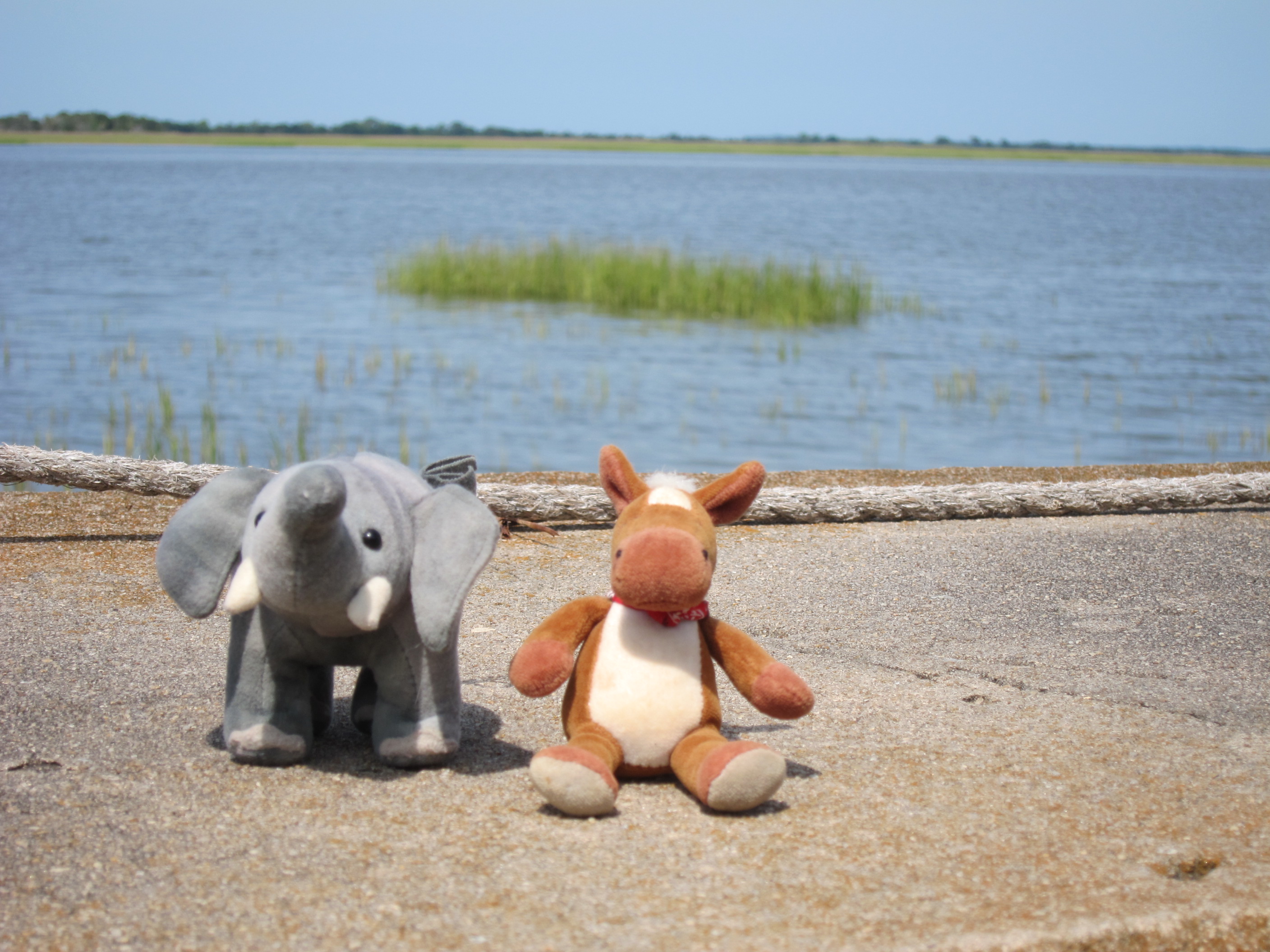
We recently went on a road trip to the coast of Georgia to meet sea turtles.  We were so excited to go to Jekyll Island and to the Georgia Sea Turtle Center, where they work very hard to help injured and sick sea turtles. They also do a great job of educating people (and elephants and horses) about sea turtles and how we can help protect them.

We started off the day riding around Jekyll on bikes. Ok, we were in a bag on the back of a bike, but riding no less.  We love seeing the ocean and coastal waters of our home state!
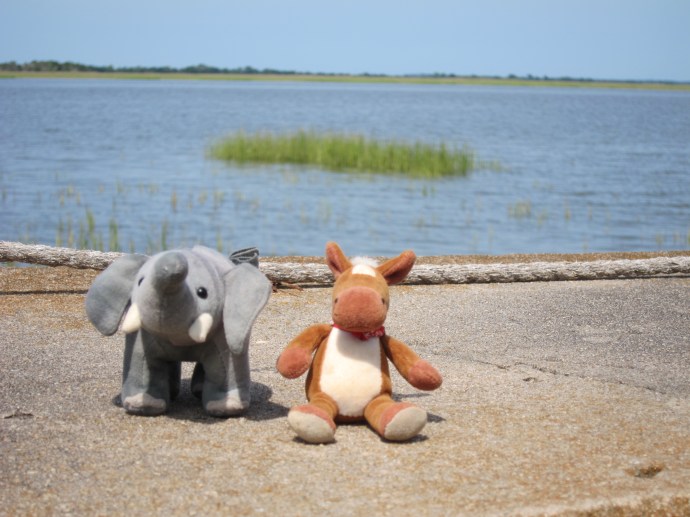
Here we are in front of the water on Jekyll Island

As we watched the water we saw a few dolphins swim by us! That was awesome! Unfortunately they were too fast to get pictures.

After riding around and seeing all the big beautiful houses that are part of the Jekyll Island Club, we made it to the Sea Turtle Center.
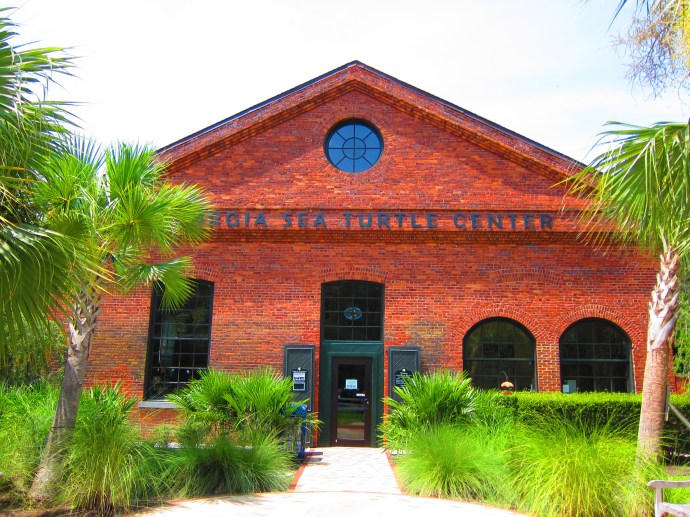
Georgia Sea Turtle Center

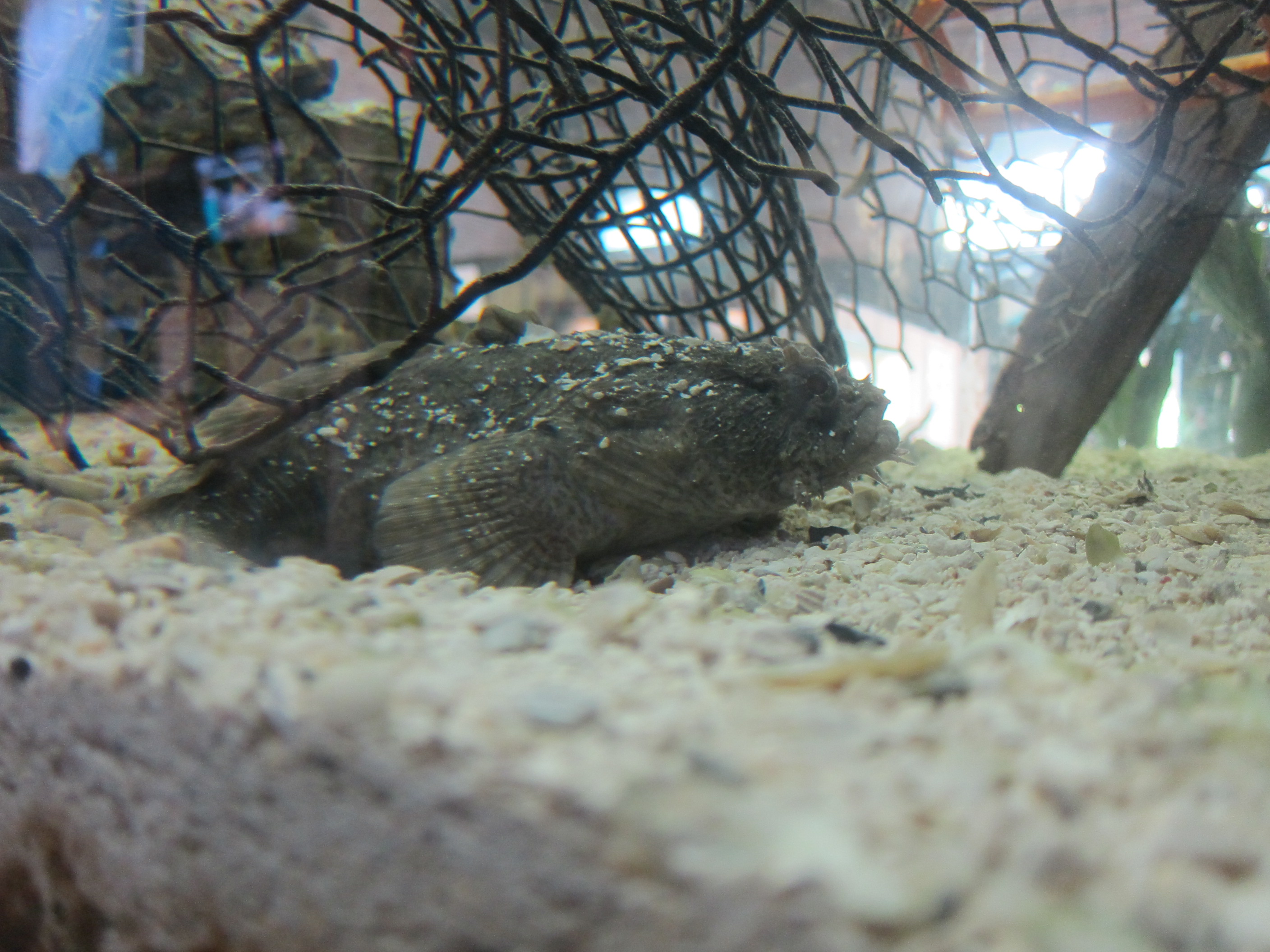
As we entered the center, we were so excited to meet some sea turtles. Little did we know that they had such a great exhibit room with loads of information! We first spotted this funny fish in an aquarium.

Fish in aquarium!

We aren’t sure what kind of fish it is, but we love his googly eyes! Do any of you have any idea what kind of fish he is?

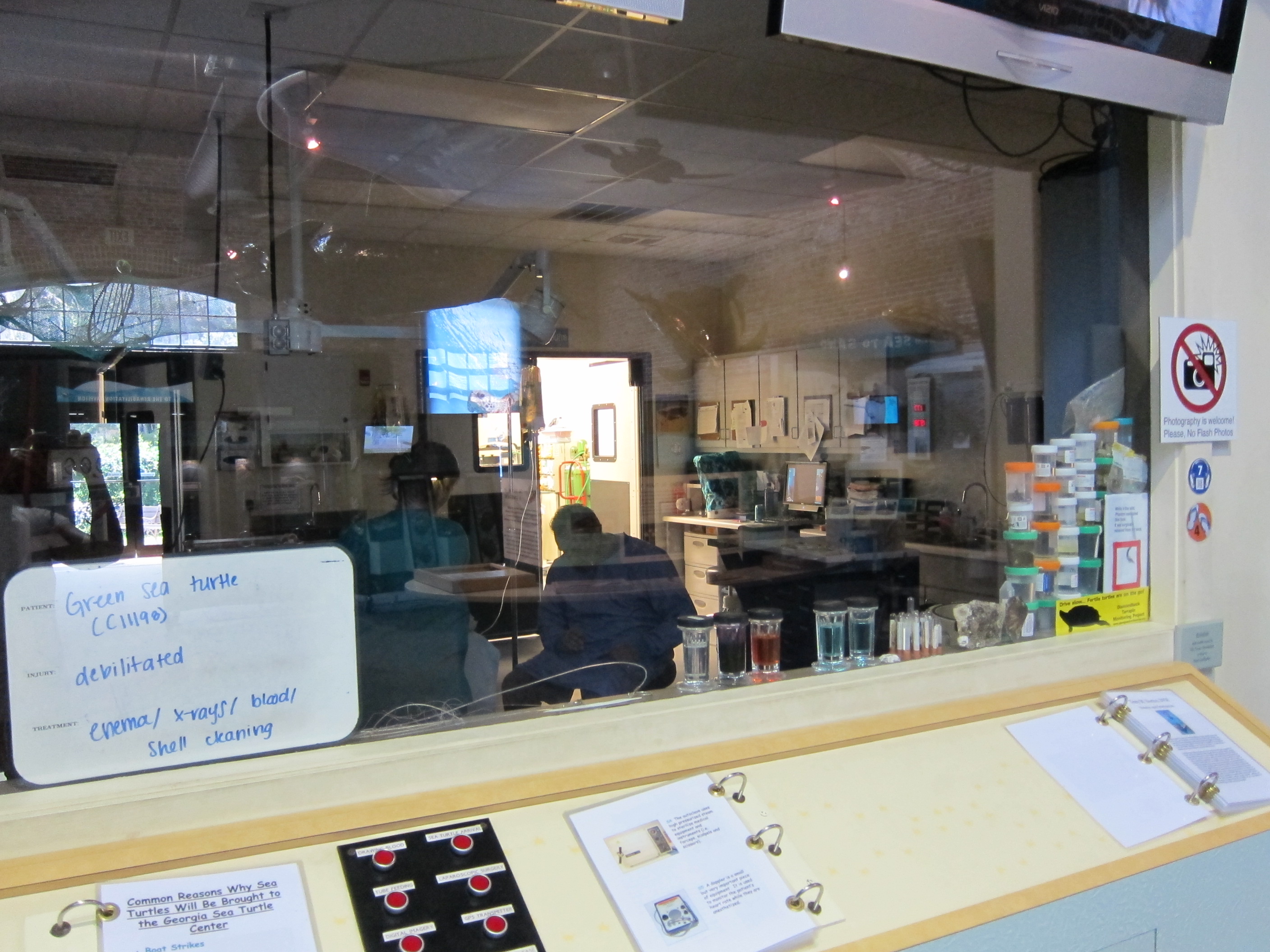
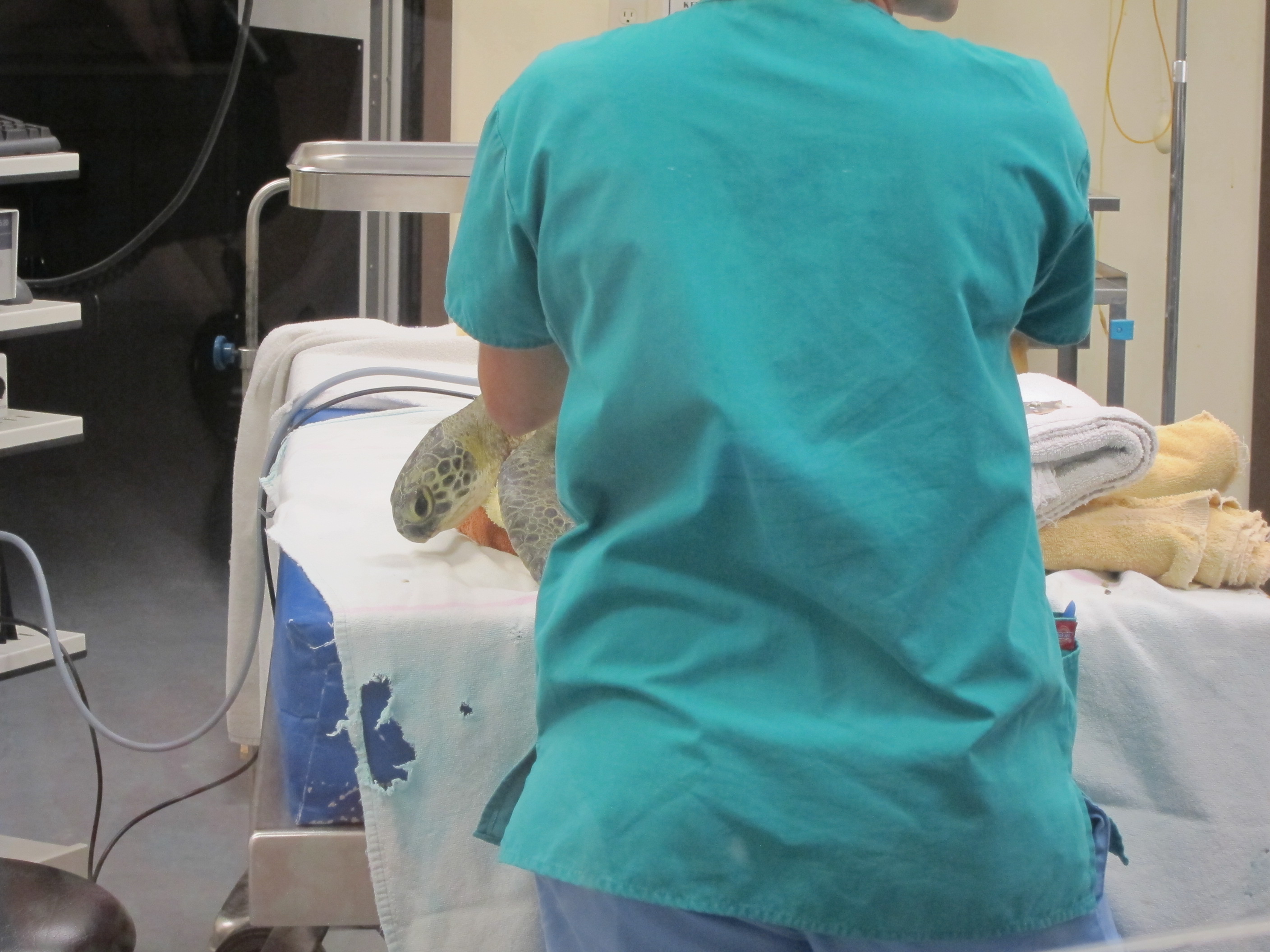
Right next to that fish’s aquarium was a giant window that looked into the turtle hospital exam room.  It was great to be able to see an actual an exam being done on a Green sea turtle.  The center also had a nice lady sitting there to answer any questions we had.

Sea Turtle Center exam and surgery room

If you look closely you’ll see that they were doing an exam on a Green sea turtle. The sign also says the turtle was getting a shell cleaning. Sea turtles often have a problem with excessive barnacles growing on their shell (also called the carapace). This can slow the turtle down so it is important to clean them off their shells.
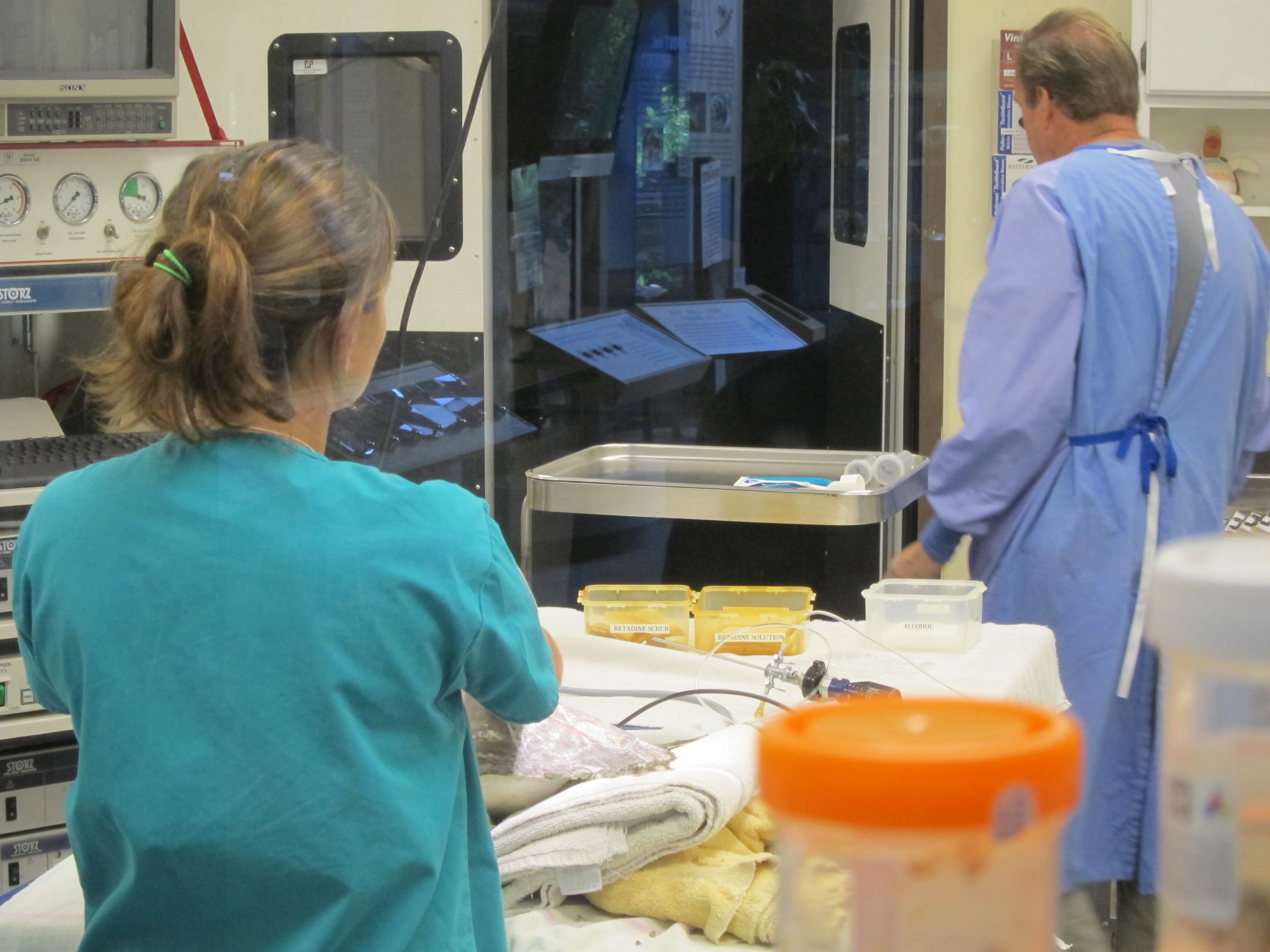
Staff giving the exam

Green Sea Turtle during his exam. It was good to see the vet staff working so hard to make sure this turtle gets the best care they can give it.

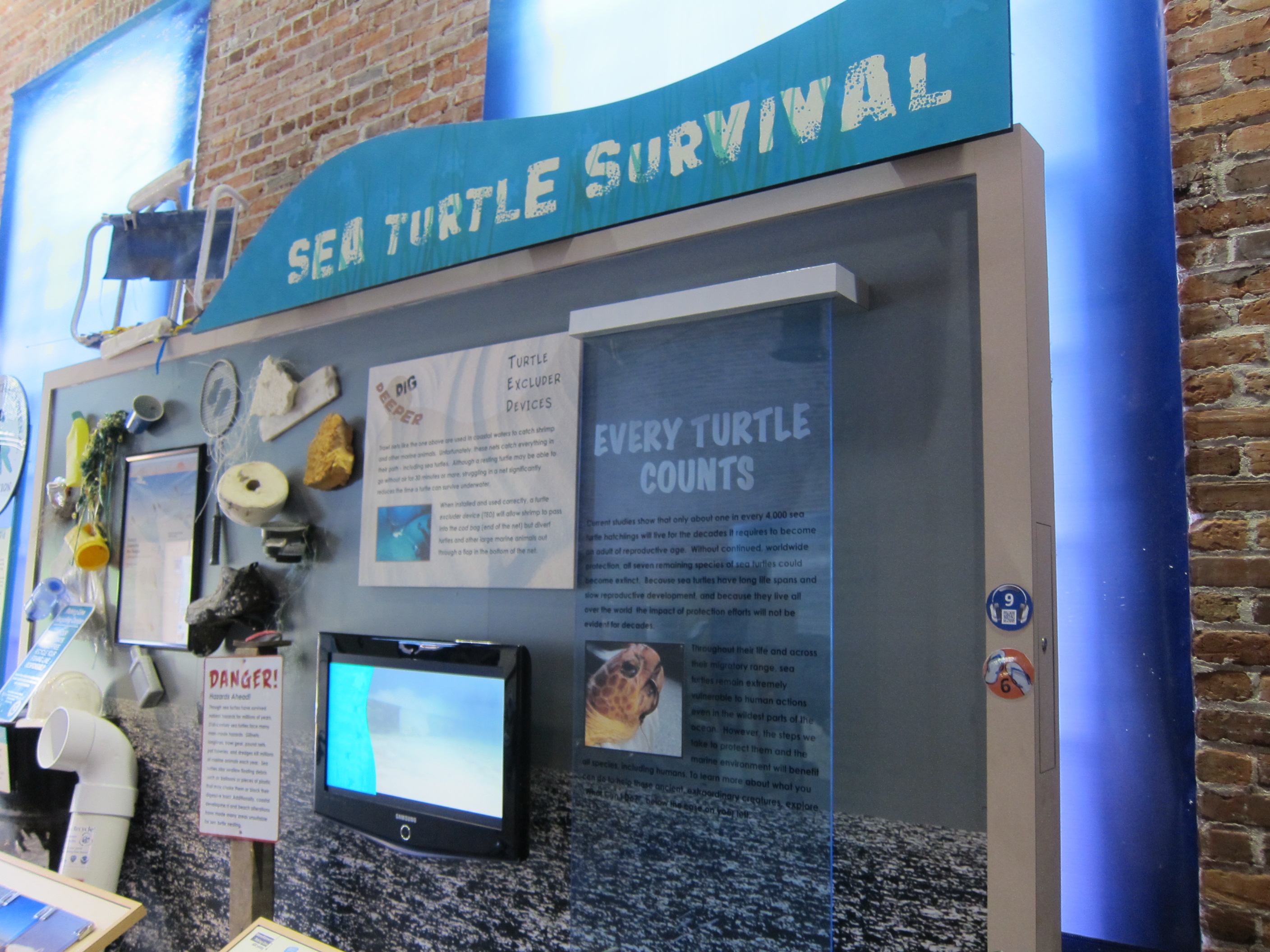
The center has so much great information! This picture shows one of the informational stations!

Information on sea turtle survival

It told us all about the threats to sea turtles, including trash.  Did you know that sea turtles and other marine animals mistake people’s trash for food?  LOne of the sea turtle’s favorite prey is jellyfish.  If they come across plastic grocery bags in the water they mistake them for jellies and eat the bag.  Obviously plastic bags are not food! They also get fish hooks caught in their mouths and throats! Both plastic bags and fish hooks are something we can prevent the turtles from eating by disposing of them properly.

Info on how to help sea turtles

You can even adopt a sea turtle at the center! No silly you can’t bring it home and put it in your bathtub, but giving to the center helps them take care of the turtles!

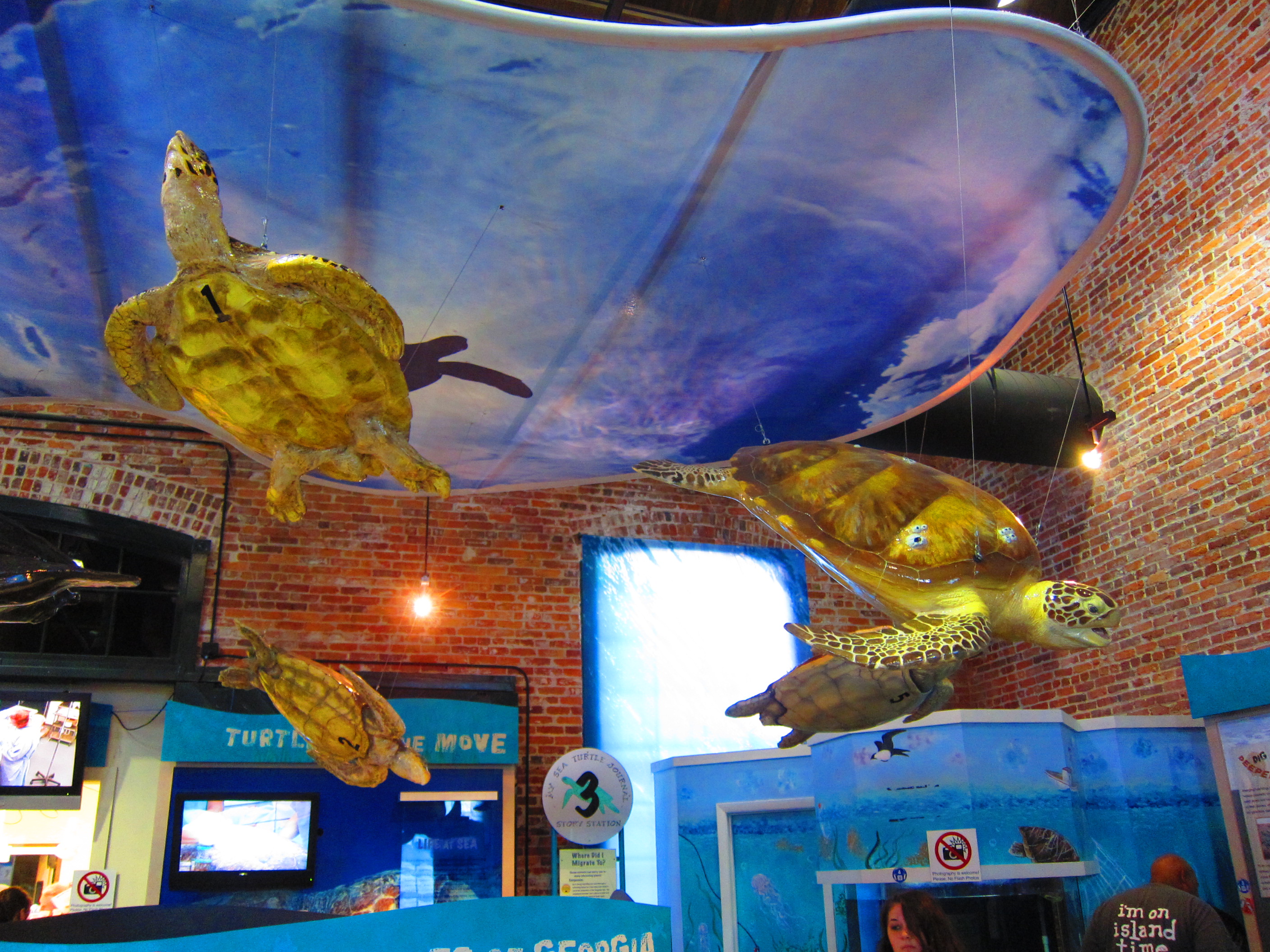
Did you know that there are 7 species of sea turtles? They are Loggerhead, Green, Leatherback, Hawksbill, Kemp’s Ridley, Olive Ridley and Flatback. The center has replicas of each one hanging from the ceiling and cool information about each one below them!
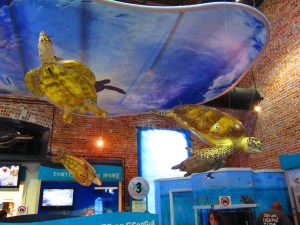
Sea Turtle replicas
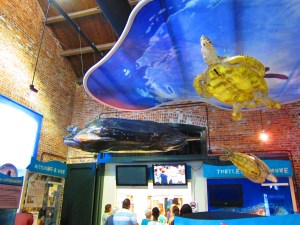
More sea turtles

Do you know which species is the biggest? If you said Leatherback, you’re right! We met a Leatherback  laying her eggs in Indonesia once- it was AWESOME!
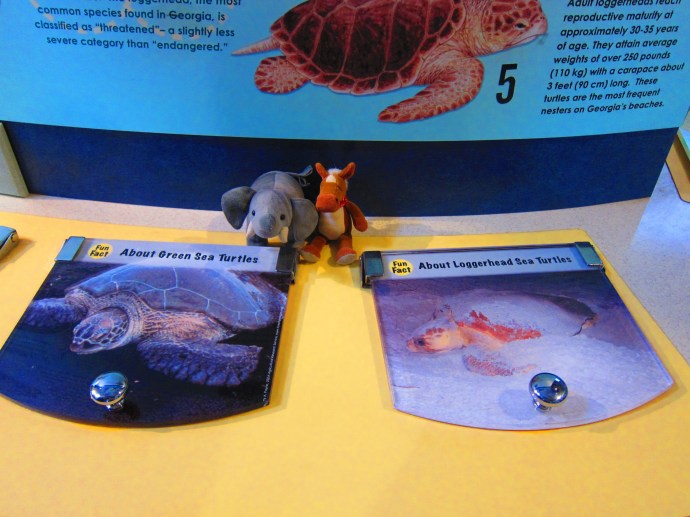
Here we are learning fun facts about Loggerhead and Green Sea Turtles

Not only could you view a sea turtle getting an exam, but they had a very small turtle at the center. Her name was Kathy.
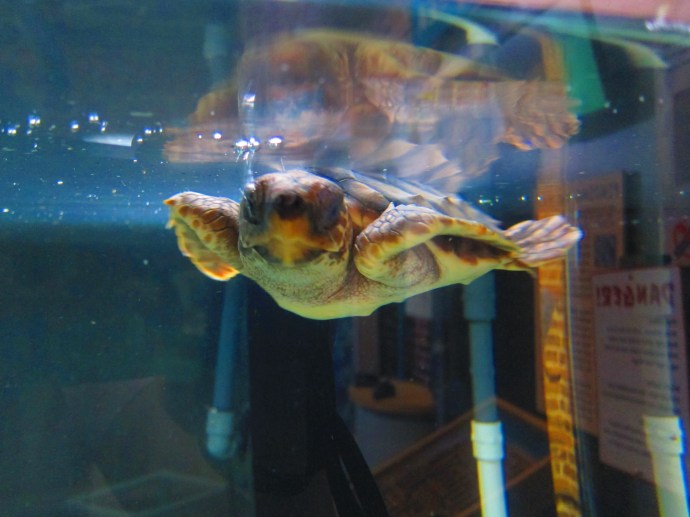
Young sea turtle Kathy.

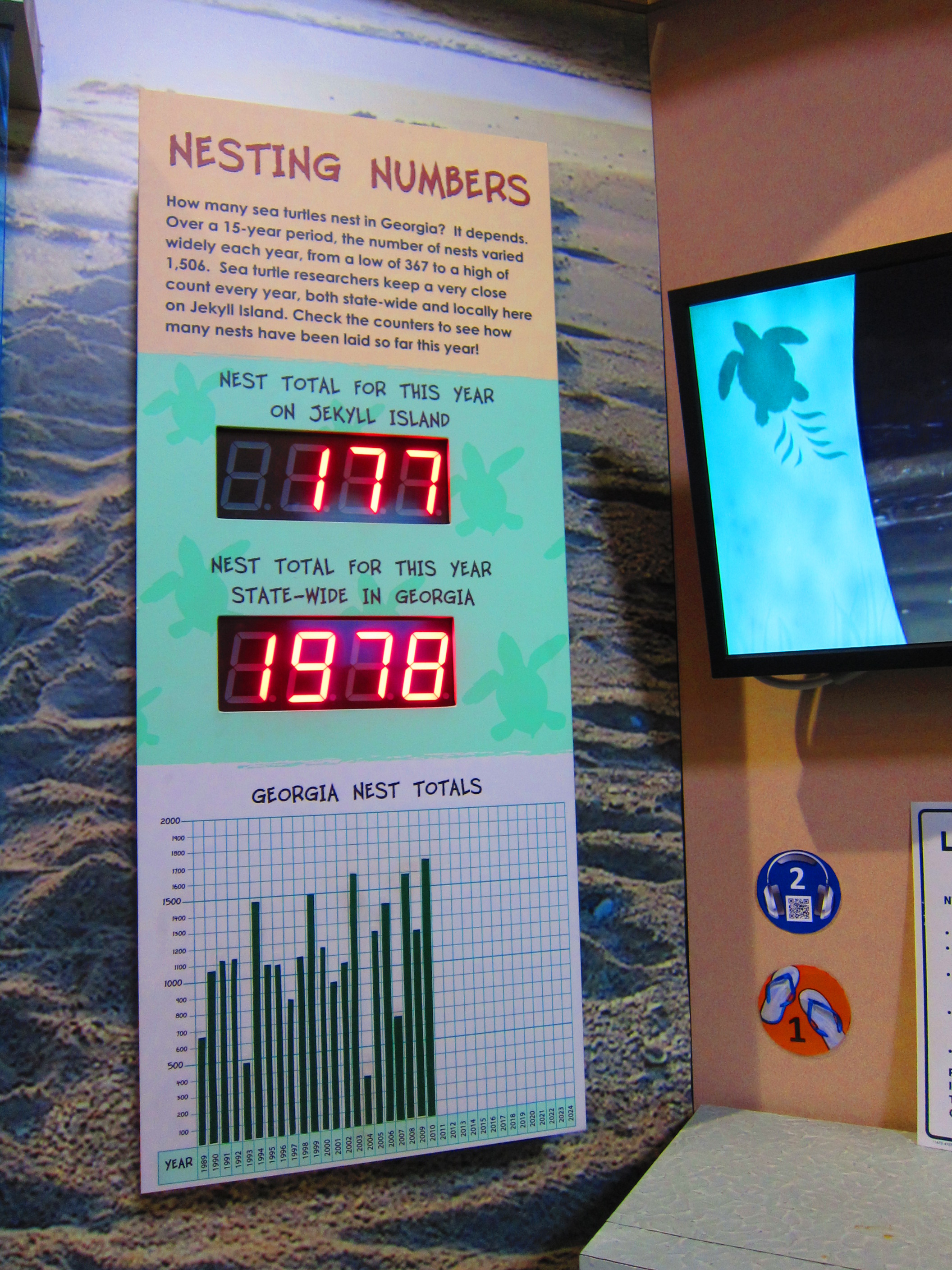
The Center and other researchers from the Georgia coast record how many sea turtle nests are laid each year. Did you know that sea turtles come back to the same shore where they hatched to lay their eggs when they are adults?  As of late August there were almost 2000 nests in Georgia! Wow that is a bunch of baby turtles (also called hatchlings).  Did you know there are numerous volunteers and workers who protect and check on the nests during nesting season?We love people who help wildlife.
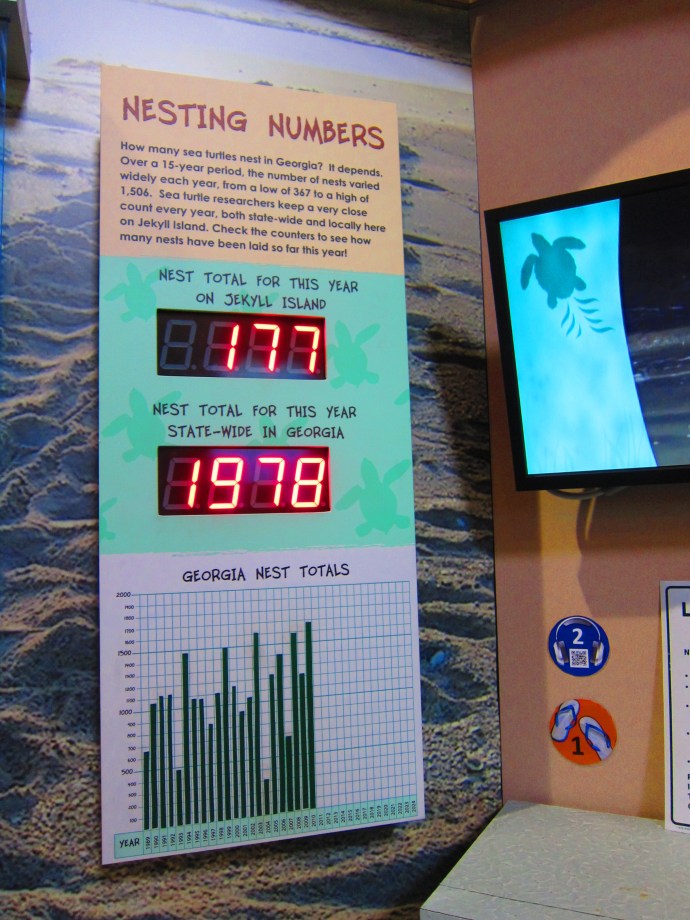
Sign showing how many nests there are in Georgia

We went outside the main center to the hospital where sick and injured turtles are cared for and housed.

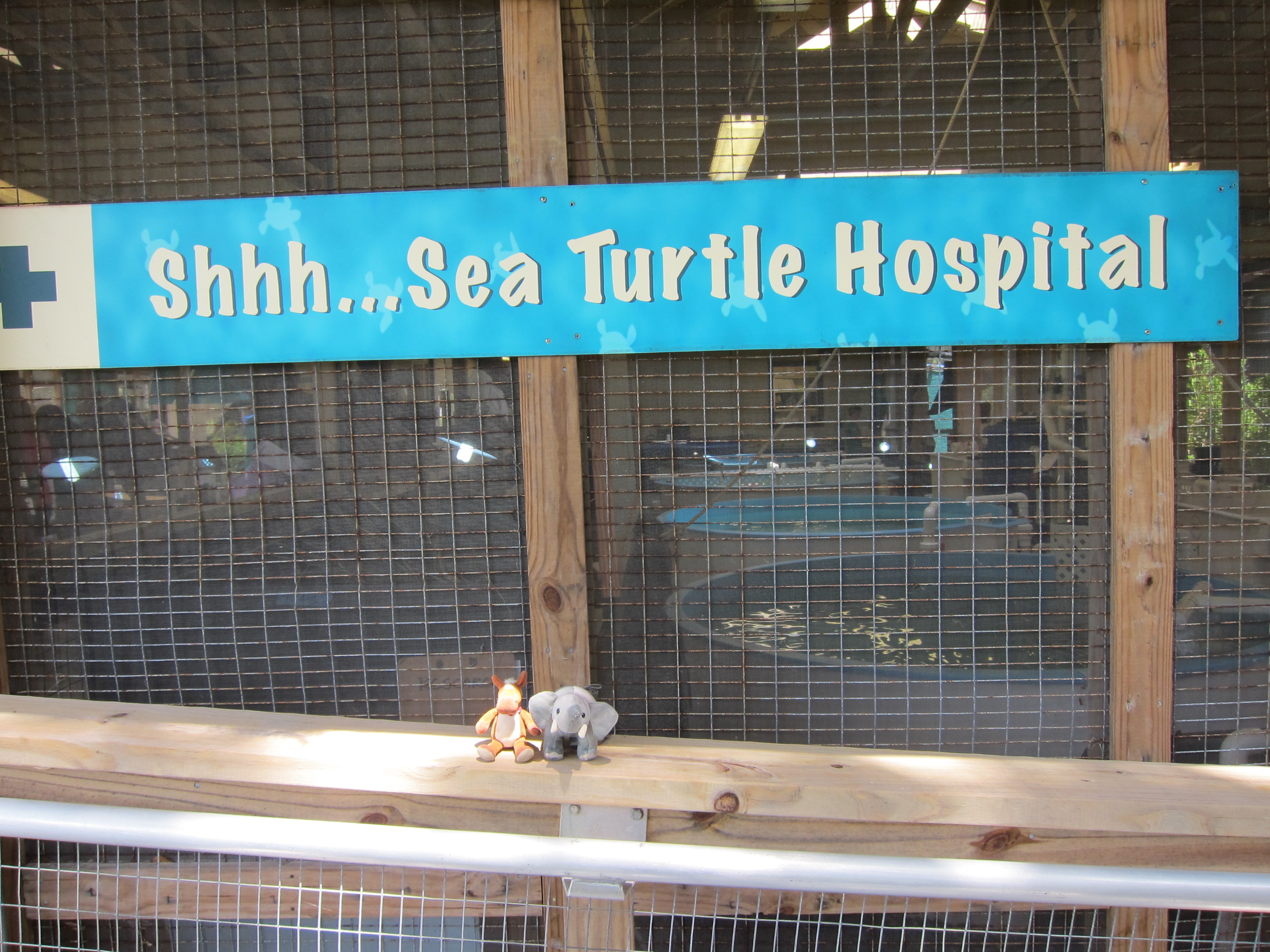
Here we are outside the Sea Turtle Hospital! Be very quiet!

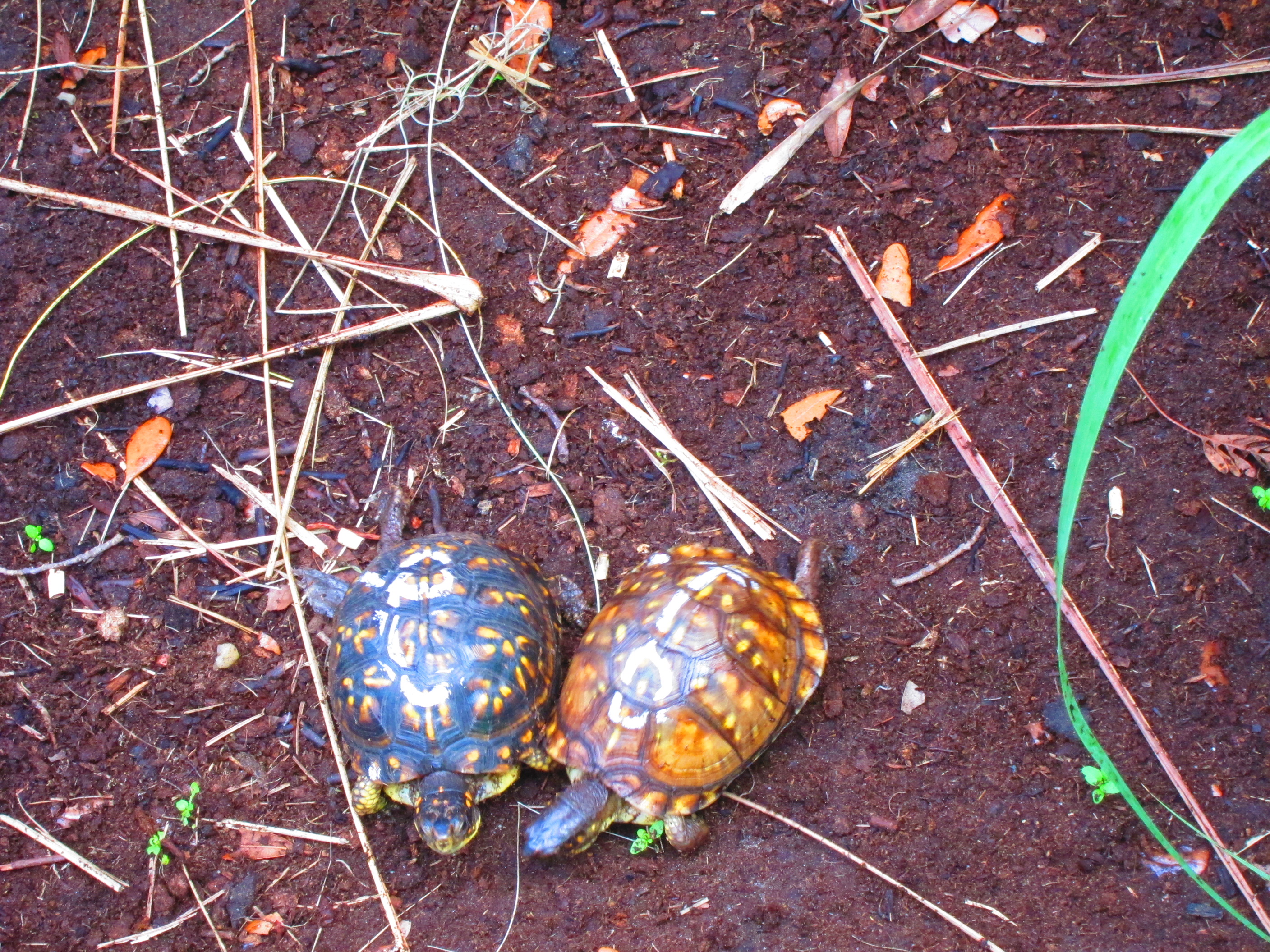
We also discovered that the center has a few other turtles, including box turtles and terrapins.

Box turtles in a yard next to the hospital

A very teeny tiny terapin! It was only about the size of a half dollar!

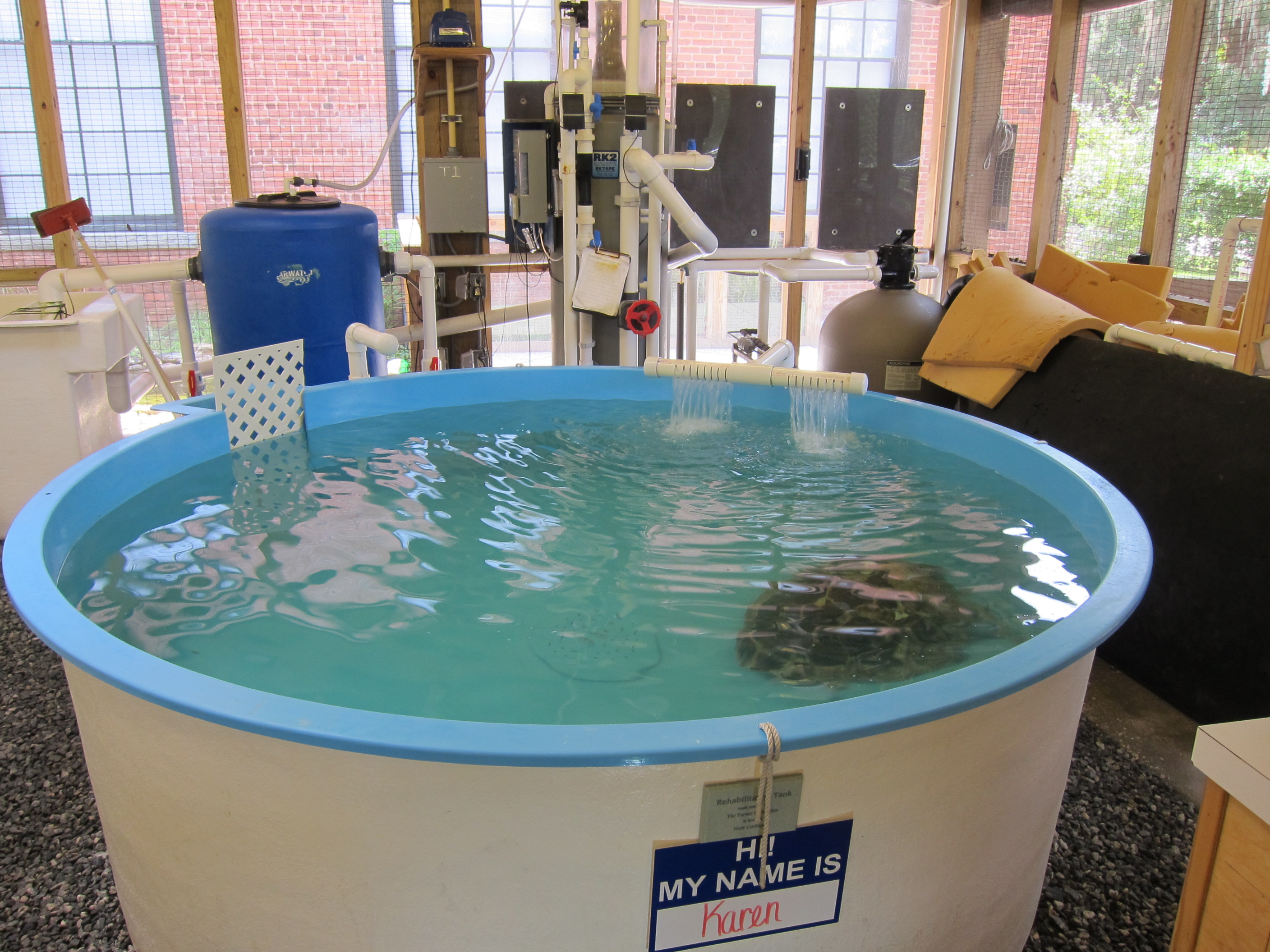
The sea turtles in the hospital had all kinds of injuries and illnesses.  We took a few pictures in the hospital, but we wanted to be extra quiet for the patients.
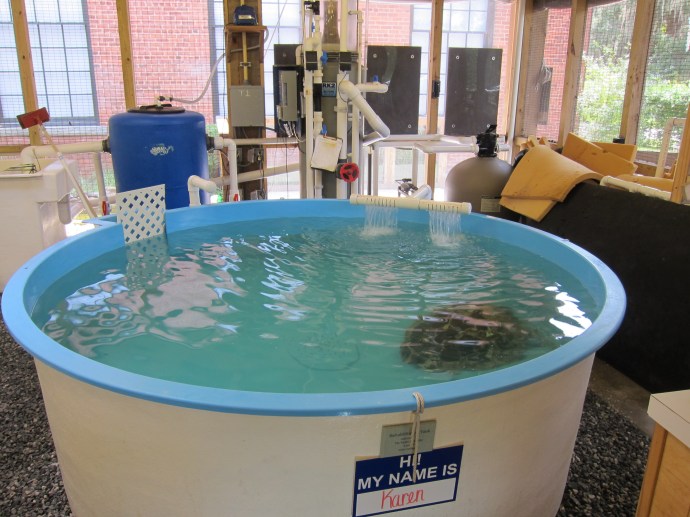
Karen the sea turtle in her tank

Each turtle has a sheet that explains their illness and treatment. Humbolt had eaten a hook 😦

The turtles have to be kept in smaller tubs to keep them from swimming too much. They need their rest; just like you do when you’re not feeling well.  Here’s a list of some of their current patients, http://www.georgiaseaturtlecenter.org/our-patients/sea-turtle-patients/current-patients/.

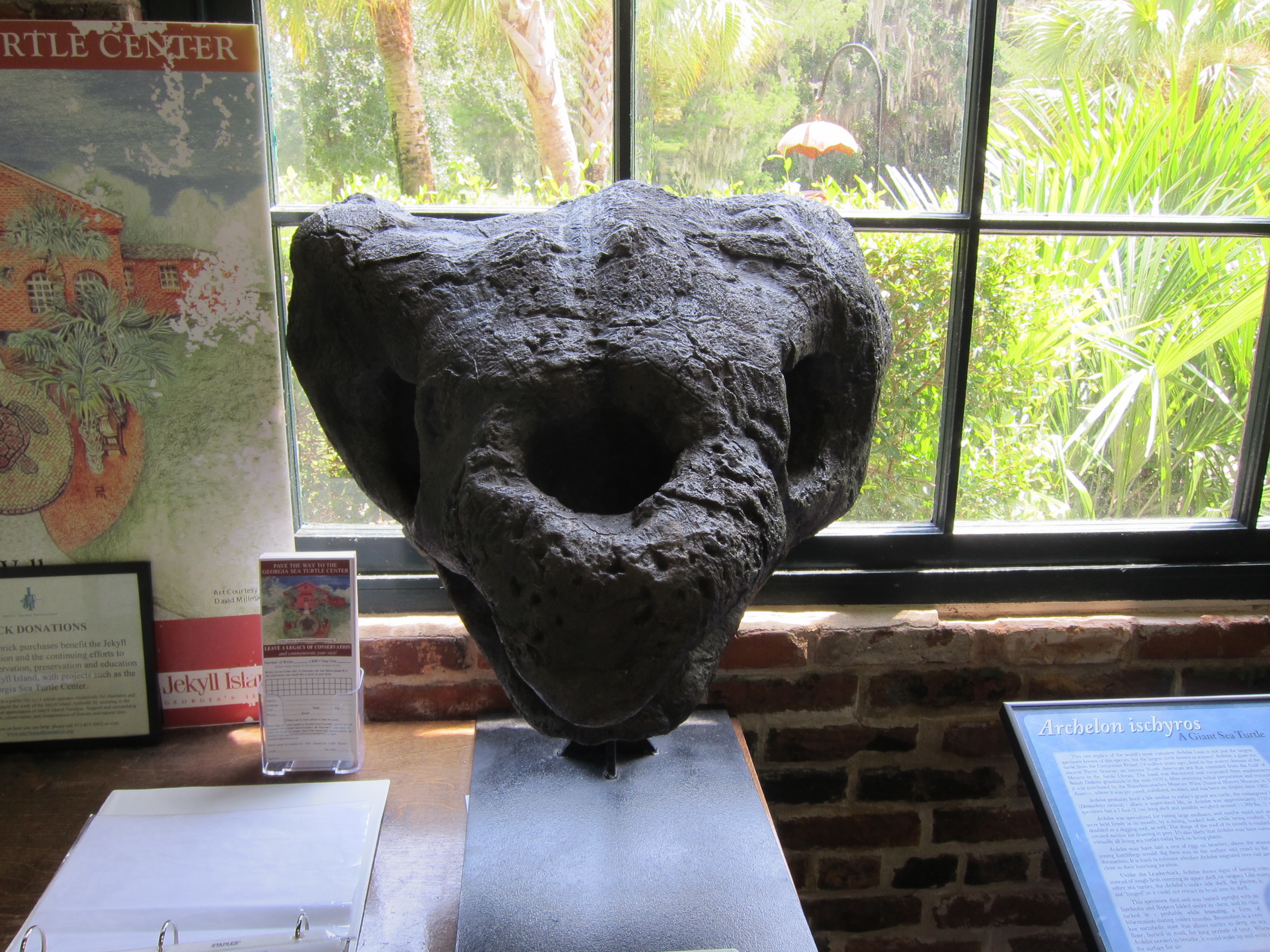
As we exited the Center we looked up in the gift shop and saw an enormous turtle hanging above us! Imagine our surprise! It was a replica of an ancient sea turtle from the Crustaceous period. This turtle swam in the oceans around 74 million years ago.  It was called Archelon ischyros. This turtle was 7 feet long and weighed around 11,300 lbs! That is one big turtle! Anyone have a truckload of jellies handy?
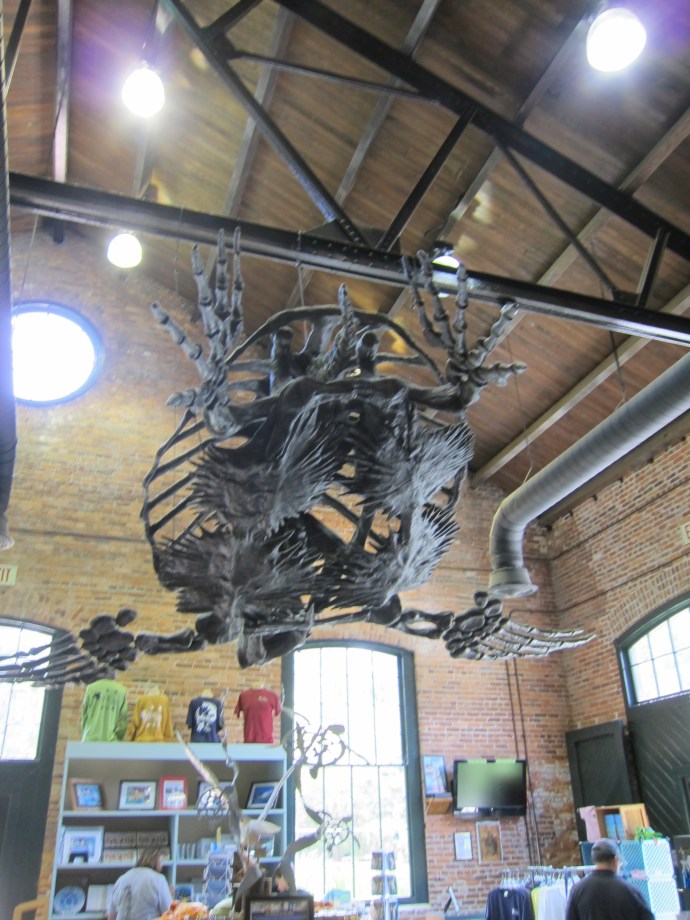
Archelon ischyros hanging in the gift shop

The skull of the giant sea turtle! My what a big beak you have!
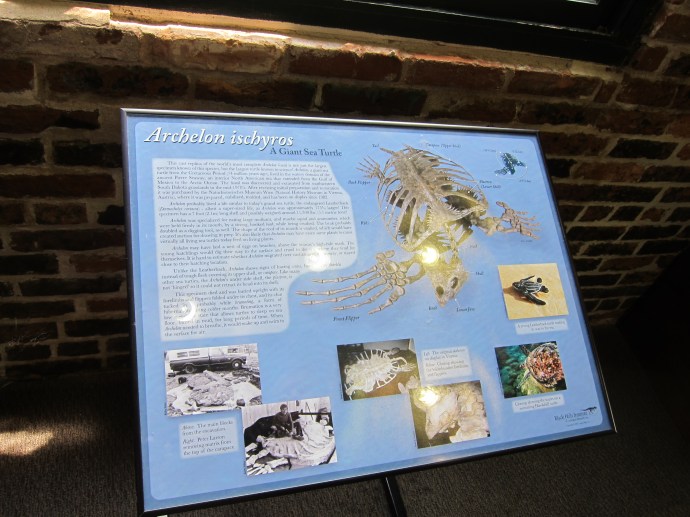
Info on the giant sea turtle! This fossil was found in South Dakota! WOW!

We had the best day at the Georgia Sea Turtle Center! We hope everyone makes a trip to visit this very special place! Say hi to the turtles for us if you go! As we left we decided to take a few fun shots!

The center has turtle stepping stones! FUN!

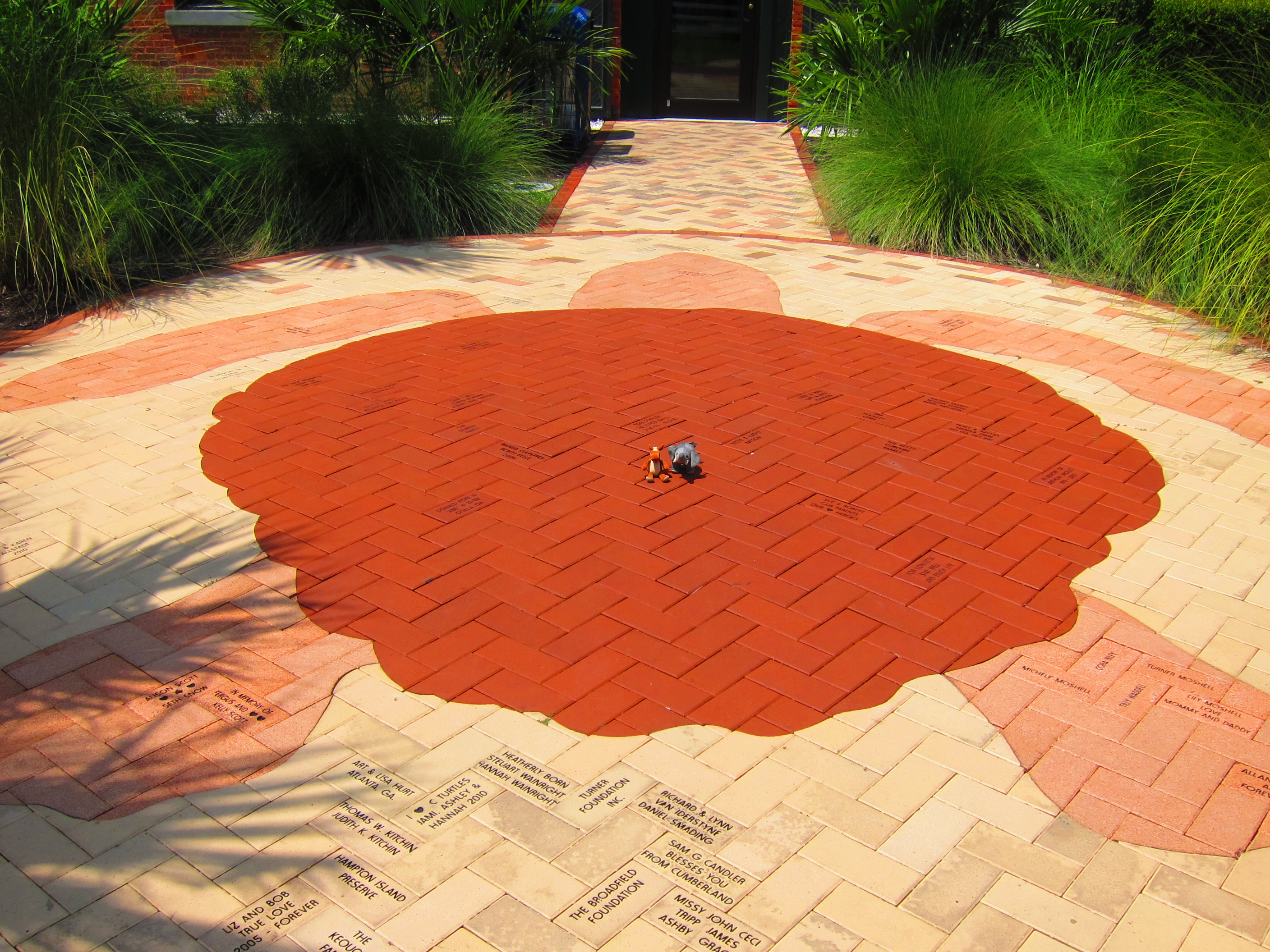
A sea turtle made out of bricks at the entrance!We look very little :)!

Categories: Animals, Atlanta, Children, education, Environment, fish, Local, reptiles | Tags: , , , , , , | 1 Comment

WATERY WEDNESDAY # 7

WATERY WEDNESDAY #7

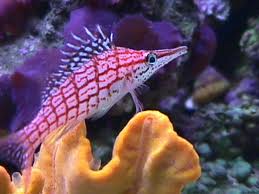
Woohoo, it’s Watery Wednesday and again we’ve found another inhabitant of the coral reef.  Did you know that coral reefs are like the rainforest of the ocean? Coral reefs have such diversity of life, including fish, crustaceans (like crabs), invertebrates and the coral themselves.  Today’s fish has beautiful colors and patterns! So who is it? Let’s find out!

MEET THE LONGNOSE HAWKFISH!

Range/Habitat: Indian-Pacific Oceans/coral reefs

Diet: Carnivore: invertebrates, small fish, zooplankton

Length: up to 5”

Conservation Status: Common

Fun Facts:

  • Longnose hawkfish have long snouts that they use to catch prey.
  • They are ambush predators.
  • Longnose hawkfish have spines on their dorsal fins.
  • They squeeze into small crevices to protect themselves from predators.
  • The Longnose hawkfish can be solitary or found in small groups with one male and a few females.


Longnose Hawkfish have beautiful patterns of redish stripes and spots! We personally love the pattern they have on their bodies, it’s so colorful! What’s your favorite animal pattern? Do you love leopard spots, zebra stripes or maybe giraffe spots?


Categories: Animals, Children, education, Environment, fish | Tags: , , , , | Leave a comment

WATERY WEDNESDAY # 6

WATERY WEDNESDAY #6

It’s another Watery Wednesday and we’ve found a very helpful little fish living in the coral reefs.  They love to eat things that are not good for other fish! What a great guy! Come meet the…

MEET THE CLEANER WRASSE!

Range/Habitat: Indo-pacific oceans/coral reefs

Diet: Carnivore: parasites and zooplankton (tiny small animals)

Length: up to 4 ½”

Conservation Status: Common

Fun Facts:

  • Cleaner Wrasse are very important part of a coral reef community.
  • They eat parasites off of other fish.
  • Cleaning stations are maintained by one to two fish (both females) or a male and two females. Other fish (also called “clients) come to the stations and have the wrasse eat the parasites.
  • You’ll often see the wrasse eating out of the mouths of other fish or out of the gills.
  • Cleaner wrasse sleep in rocks and crevices of the coral.

Can you imagine if you had to have a little fish help keep you clean while you took a bath? We bet it would probably tickle!

Categories: Animals, Children, education, Environment | Tags: , , , , | Leave a comment

WATERY WEDNESDAY #5

WATERY WEDNESDAY#5

Woohoo it’s another Watery Wednesday! We’ve found another fish that gets its name from a mammal. (Remember the Wolffish?) This one won’t roll over, sit or shake paws for you though. Can you guess what shark it is? Let’s meet…

MEET THE SPINY DOGFISH!

Range/Habitat: Coastal waters-worldwide (generally under 59 degrees)

Diet: Carnivore: crustaceans, anemones, fish

Length: 3 ¼ ft- 5 ft

Conservation Status: Vulnerable

Fun Facts:

  • The Spiny dogfish is a small, slow moving, bottom dwelling shark.
  • They have venomous spines on both dorsal (top) fins that are used for defense and can cause painful wounds.
  • They are often found swimming in large schools. They often feed together in large groups or “packs”. This feeding behavior is most likely where the name dogsfish came from. (Wild dogs also feed in packs or groups.)
  • They are known to be aggressive and voracious eaters.
  • They have one of the longest known gestation periods (time of pregnancy) of any shark (or any vertebrate for that matter) around 24 months (2+ years). That is longer than an elephant!

The Spiny dogfish is a cool and strange looking little shark, but with those venomous spines we’re glad this shark doesn’t shake fins ;)!

Categories: Animals, Children, education, Environment | Tags: , , , , , | Leave a comment

Blog at WordPress.com.