Posts Tagged With: mammals

SUPER SURPRISE THURSDAY GREATEST HITS!

SUPER SURPRISE THURSDAY GREATEST HITS!!

We went Africa to meet one unique mammal on this Greatest Hits! Who’s excited? We are! This mammal has some very special adaptations to help them eat the leaves that others can’t! So let’s meet…

MEET THE GERENUK!

   Range/Habitat: East Africa/dry and bushy scrub

   Diet: Herbivore: leaves

   Length/Weight: 4 ½ -5 ¼ ft/62-115 lb

   Conservation Status: Near Threatened


Fun Facts:

  • Gerenuks are part of the antelope family.
  • They have long slender bodies, necks and small faces.
  • Gerenuks can curve their spines into an S shape, which enables them to stand on their hind legs.
  • Because they can stand on their hind legs, they can eat leaves that other animals can’t reach.
  • Gerenuks are also called the giraffe gazelle.
  • They have large ears and eyes that help them hear and see predators.
  • Only male gerenuks have horns.
  • They get all of their water supply from the leaves they eat, so they can survive in dry habitats.

Gerenuks are kind of funny looking with their long thin bodies and giant ears. We think it’s super cool that they can stand up on their hind legs to eat! What a neat adaptation!  They are called the giraffe gazelle, but they’re not related to the giraffe.

Categories: adventure, africa, Animals, Children, conservation, education, Environment, mammals, nature, science, wildlife | Tags: , , , , , , , , | 2 Comments

MAMMAL MONDAY GREATEST HITS!

We’re doing one more week of Ellie and Edmond’s Greatest Hits as we finish up some projects at headquarters! We hope you enjoy these fun animals!

MAMMAL MONDAY GREATEST HITS!!

On this Mammal Monday we went to the rainforests of South America to find our first primate! We have a very special friend today. It’s our first primate! These adorable little monkeys sport a wild hairdo! Let’s get ready to meet…

MEET THE COTTON TOP TAMARIN!

   Range/Habitat: Northwest South America/rainforest, forest

   Diet: Omnivore: fruit, plants, insects

   Length/Weight: 8-10”/14-16 oz

   Conservation Status: endangered


Fun Facts:

  • Cotton Top Tamarins are small New World monkeys. New World monkeys live in Central and South America.
  • They live in family troops of 10-12 monkeys that are made up of a mated pair and their offspring.
  • Cotton top tamarins often give birth to twins.
  • Like other tamarins, cotton top dads and older siblings help raise the babies. They carry the babies on their backs.
  • Cotton top tamarins are arboreal (they live in the trees).
  • Their tails are very long, 13-16”.  That’s longer than its body! The tail helps them balance while they get around in the trees.
  • Cotton top tamarins are very vocal and have lots of different calls, to express danger, fear, joy and playfulness.
  • They use calls to warn each other of predators. There are different warning calls for predators in the air and predators on the ground.

These little monkeys are about the size of a squirrel, but have much better hairdos :)! How great is it that they dad and siblings help with the babies?


Categories: adventure, Animals, Children, conservation, education, Environment, mammals, rainforests, science, wildlife | Tags: , , , , , , , , , | 1 Comment

MAMMAL MONDAY GREATEST HITS

For the next two weeks, we’re sharing some of greatest hits here on Ellie and Edmond! We need a little time to focus on our book and iPad app, so we’re sharing some animals that were posted a while ago that didn’t get any love! We hope you enjoy our Greatest Hits!

MAMMAL MONDAY GREATEST HITS

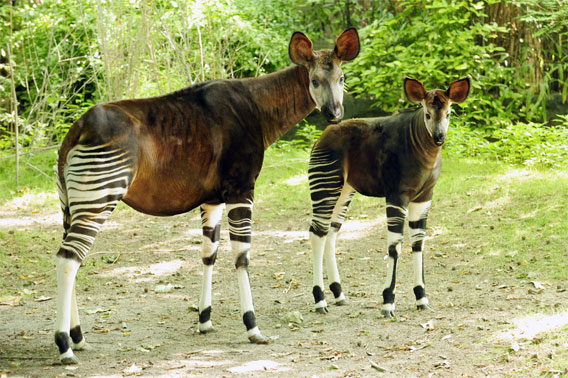
You have the Monday morning blues? Well after learning about today’s mammal those blues will be disappear! Have you ever wonder what animals are lurking in the rainforests, hiding just out of the sight? Could it be a leopard? Or is it a monkey in the trees? Or is it today’s quiet, shy, solitary and secretive Okapi?

MEET THE OKAPI!

   Range/Habitat: Central Africa-Democratic Republic of

Congo/tropical rainforests

   Diet:  herbivores: twigs, shoots, fruits, leaves

   Length/Height/Weight: 6 ½-7 1/4 ft : 12-16 ½ in : 440 lb-770lb

   Conservation Status: Lower Risk


Fun facts:

  • Okapi were not identified until 1900.
  • Okapi are the closest living relative of the giraffe.
  • They are very shy and secretive.
  • Okapi have long black prehensile tongues. They use their tongues to grab leaves and branches.
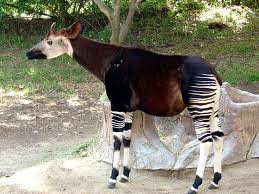
  • They have stripes on their legs and rear end.
  • Male okapis have two skin covered horns that are called ossicones. They are actually part of the skull.
  • Every okapi’s stripe pattern in different!

These relatives of the giraffe are very special! We’re so glad that someone discovered them in the rainforests! And we’re sticking our tongue out to the Monday blues too!


Categories: adventure, africa, Animals, Children, conservation, education, Environment, mammals, nature, rainforests, science, wildlife | Tags: , , , , , , , | Leave a comment

MAMMAL MONDAY # 43

MAMMAL MONDAY #43!

We’re taking the E & E sub to the chilly Arctic Ocean to meet a magnificent and large mammal! Thank goodness they eat very tiny animals! We’ve got room in the sub for everyone, as well as some hot apple cider!

MEET THE BOWHEAD WHALE!

   Range/Habitat: Arctic- sub-arctic ocean

   Diet: Carnivore: plankton

   Length/Weight: 45-59 ft/ 55-66 tons

   Conservation Status: common


Fun Facts:

  • Bowhead whales are baleen whales and they have the longest baleen of any whale on earth!
  • Bowhead whales have no dorsal fin!
  • They have a massive head. It makes up a third of their body weight!
  • Bowhead whales use echolocation to navigate through the ice flows.
  • They have a bow shaped mouth.
  • Bowhead whales have a very thick layer of blubber to keep them warm.
  • They can live up to 100 years!

WOW, Bowheads are some big mammals! Can you believe that they live for almost a hundred years? That is so crazy!


Categories: adventure, Animals, Children, conservation, education, Environment, mammals, nature, oceans, science, wildlife | Tags: , , , , , , , , | 3 Comments

MAMMAL MONDAY # 42

MAMMAL MONDAY #42!

We sure hope everyone enjoyed meeting some amazing Olympic Athletes last week! We’re back to our regular Mammal Monday and we’re off to South Asia today to meet one lazy mammal! Ok, they’re not really lazy, but they are named after a lazy animal! Are you ready?

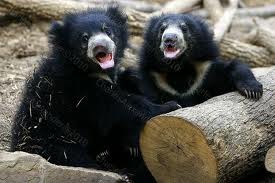
MEET THE SLOTH BEAR!

   Range/Habitat: South Asia/ forests, rainforests, scrub

   Diet: Omnivore: ants, termites, fruits

   Length/Weight: 4 ½-6 ft/120-420 lb

   Conservation Status: vulnerable


Fun Facts:

  • Sloth bears have shaggy fur with a white V pattern on their chest.
  • Sloth bears are nocturnal (active at night).
  • They have non-retraceable claws used for digging up prey.
  • Sloth bears close their nostrils and suck up ants and termites!
  • You can hear a sloth bear suck up bugs up to 100 meters away.
  • They have an excellent sense of smell to locate food!
  • Sloth bears often stand up on their hind legs to look for danger.

Sloth bears are funny looking with their shaggy fur-dos! Can you imagine having to suck up termites for your dinner? Yuck!


Categories: adventure, Animals, Children, conservation, education, Environment, mammals, nature, science, wildlife | Tags: , , , , , , , | Leave a comment

OLYMPIC ANIMALS DAY # 4

OLYMPIC ANIMALS DAY #4

Day four of our Olympic animal week takes us to deserts of the Southwestern U.S. We’re looking for a small rodent that will take on the long jump! Let’s all practice our hoping skills and meet…

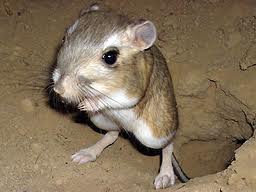
MEET THE MERRIAN KANGAROO RAT!

   Range/Habitat: Southwestern U.S.-Northern Mexico/deserts-scrubs

   Diet: Herbivores: seeds, vegetation

   Length/Weight: 3 ¼-5 ½”/ 7/16- 1 5/8 oz

   Conservation Status: Common


Fun Facts:

  • Merrian Kangaroo rats are the smallest member of the kangaroo rat family.
  • They have large back legs and feet.
  • Merrian kangaroo rats have long slender tails that help them balance when they hop or stand!
  • They move much like a kangaroo.
  • Merrian kangaroo rats can jump 7-8ft in one leap!
  • They are neither kangaroos nor rats!
  • Merrian kangaroo rats live in burrows.
  • They’re adapted to survive on little water.


Kangaroo rats are just so cute, with their fat bodies and their kangaroo like features. And man can they leap! We’re going to practice our hopping skills today. Edmond is much better than Ellie for sure!


Categories: adventure, Animals, Children, education, entertainment, mammals, nature, Olympics, science, wildlife | Tags: , , , , , , , | 6 Comments

OLYMPIC ANIMALS WEEK!

OLYMPIC ANIMALS WEEK!

As human athletes gather in London to compete in this year’s Summer Olympic Games, we here at Ellie and Edmond headquarters want to celebrate some amazing animal athletes! And let us tell you these animals can put humans to shame! Our first animal lives in the savannahs of Africa and man are they FAST! Grab your safari outfit and let’s set off to meet…

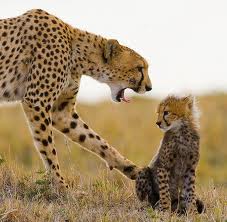
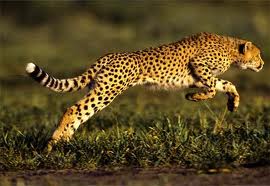
MEET THE CHEETAH!

   Range/Habitat: Africa/ savannas-deserts

   Diet: Carnivore: gazelle, antelopes, hares

   Length/Weight: 3 ½-5 ft/ 46-160 lbs

   Conservation Status: vulnerable


Fun Facts:

  • Cheetahs are the world’s fastest land animal.
  • They can sprint up 62 mph.
  • Cheetahs have a backbone that is flexible and acts like a spring.
  • Cheetahs have semi-retractable claws that help them accelerate.
  • Their tails work as a rudder and help the cheetah turn easily while running.
  • Cheetahs have excellent eyesight.
  • Cheetahs tan color and spots help them camouflage perfectly in the grasslands.

Cheetahs are such graceful and powerful cats! Their long, lean and muscular bodies are definitely amazing adaptations.  Who wants to have a race against a cheetah?


Categories: adventure, africa, Animals, Children, education, Environment, mammals, nature, Olympics, science, wildlife | Tags: , , , , , , , , | Leave a comment

MAMMAL MONDAY # 41

MAMMAL MONDAY # 41

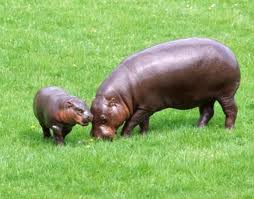
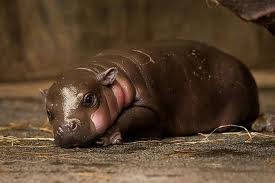
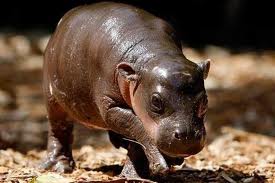
We’ve off to Western Africa to meet a rare and special species! These mammals look like a smaller version of a large and in charge animal, named the hippo! That’s right folks we’re off to the marshes to meet…

MEET THE PYGMY HIPPO!

    Range/Habitat: West Africa/ marshes, ponds

   Diet: Herbivore: grasses, shrubs, ferns

   Length/Weight: 4 ½-5 ft/ 540-600 lbs

   Conservation Status: vulnerable


Fun Facts:

  • Pygmy hippos are about 1/5 the size of the Nile Hippo.
  • They are different than their cousins though. They spend most of their time on land.
  • They only have one pair of incisors, compared to the two that large hippos have.
  • Pygmy hippos are mostly nocturnal (active at night).
  • They are solitary (spend most of their time alone).
  • Pygmy hippos have always thought to be rare.
  • They are relatively shy.
  • Pygmy hippos ooze pink fluid to protect their skin.

These round and plump relatives of the common hippo sure are cute. We wonder if we could fit one in our bathtub. Probably not… oh well.


Categories: adventure, africa, Animals, Children, education, Environment, mammals, nature, science, wildlife | Tags: , , , , , , , | 2 Comments

We Meet Sheep!

Working Sheep!

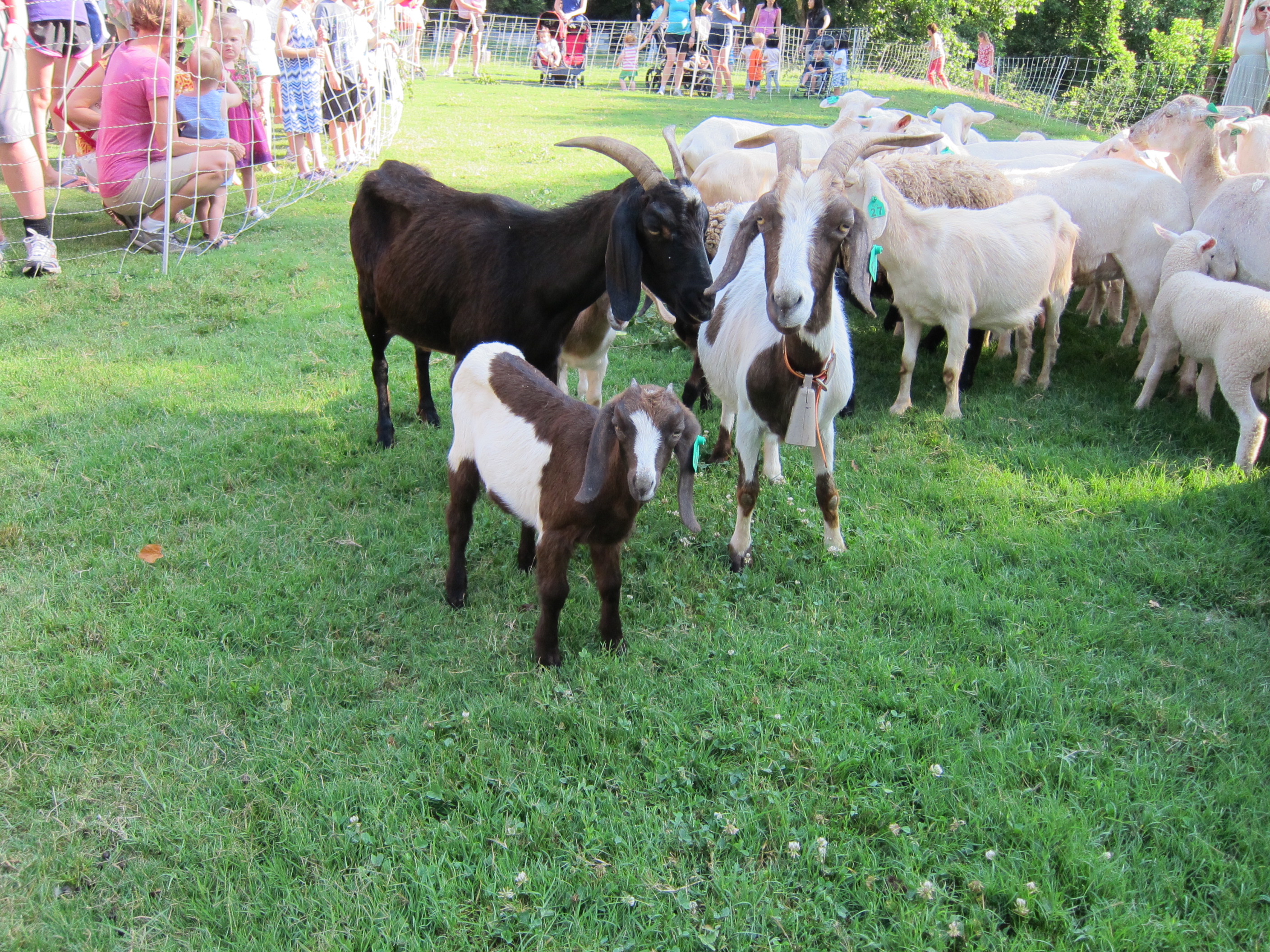
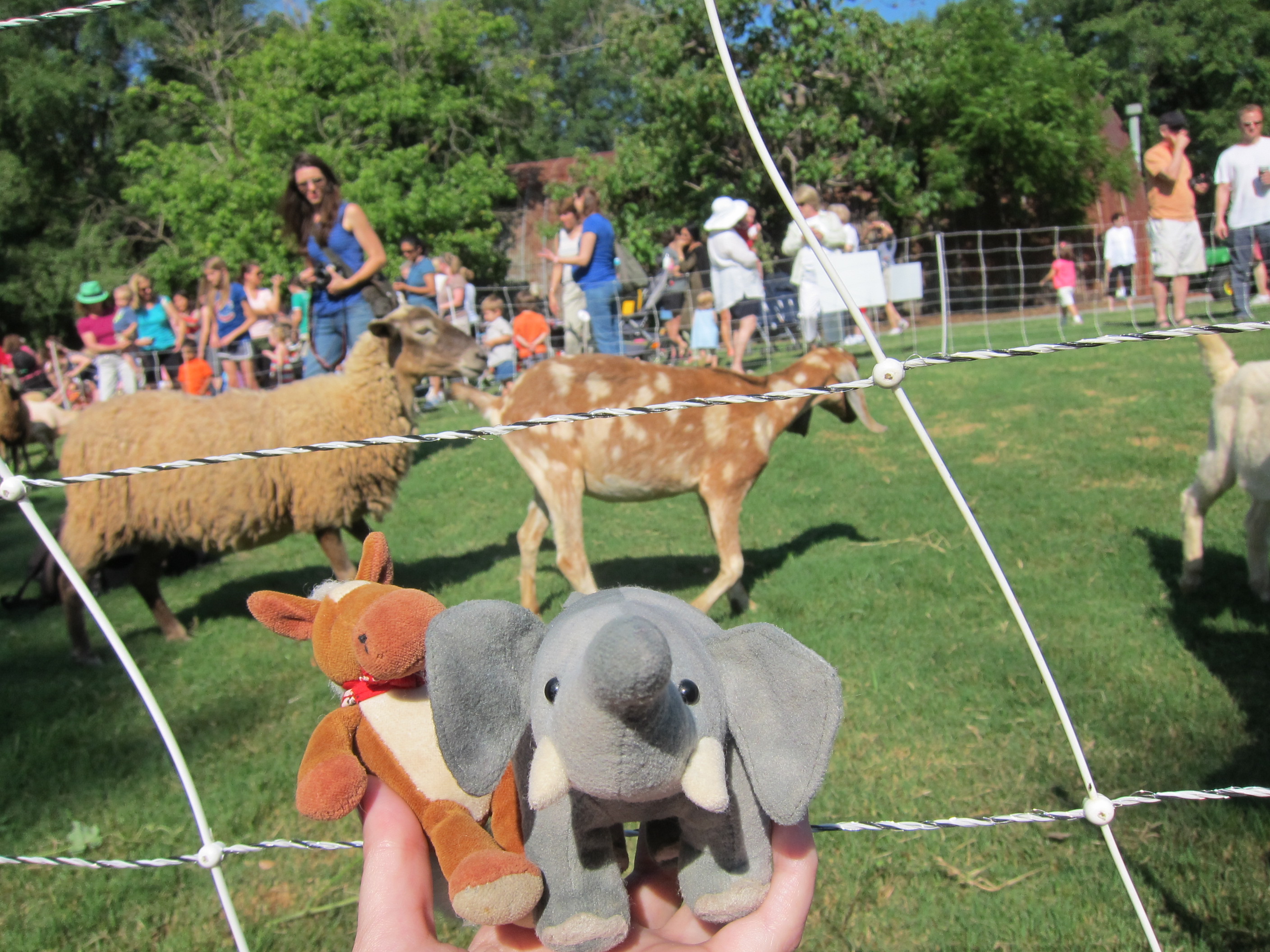
We recently went to a Chastain Park to visit a herd of sheep and goats! What were these goat and sheep doing in our local park? Well, they were there to eat and eat and eat! The herd of sheep is part of a program sponsored by Trees Atlanta to help clear local parks and areas of overgrowth and invasive plants. Chastain Park in particular had a problem with kudzu! That’s where the herd of 100 sheep and goats get to work! They spent several weeks eating the around 2 acres of kudzu, pretty easy to do when you’re a sheep that can eat up to 150 square feet of kudzu a day!

Here’s a map of the area where the sheep “worked” 🙂

The herd was hired from EWE-niversally Green! That’s right folks there are companies where you can hire sheep to eat your plants! Cool, huh?

The sheep and goats have move to A. D. Williams Park to chomp away more invasive plants! Yum! Check out the Trees Atlanta website for when and where you can visit the sheep herd again!

Check out our photos from our breakfast with sheep!

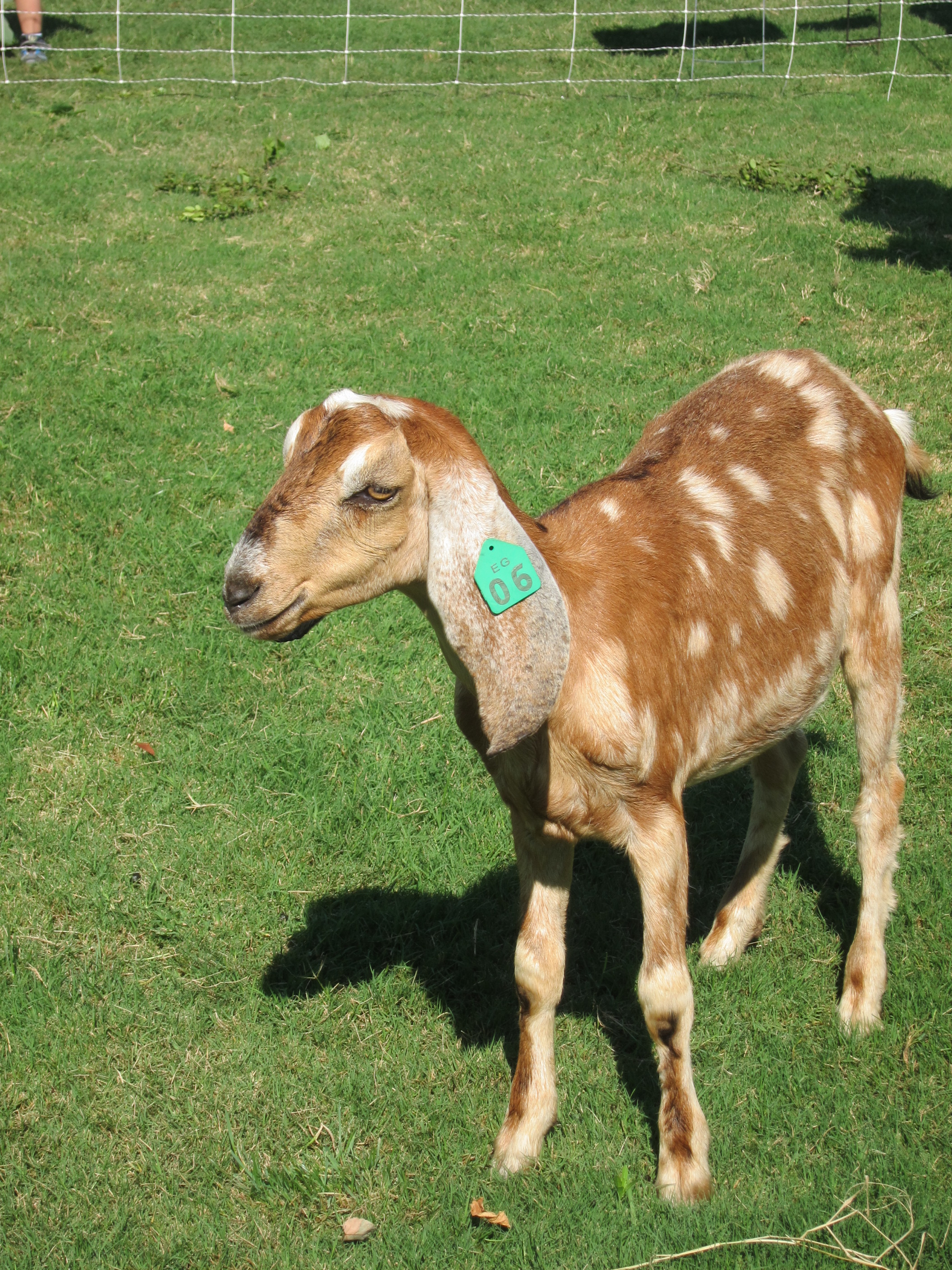
Goats & sheep of all colors!

Such cuties!


We learned all about Trees Atlanta!

Have ewe heard?


Sheep enjoying some browse! We love browse too!


This little lamb was just too adorable!

This little guy is named Brownie!


Here we are with Brownie in the back!

Who needs more cowbell?

Categories: adventure, Animals, Atlanta, backyard, education, Environment, mammals, nature, parks, plants, trees, wildlife | Tags: , , , , , , , , , , | 2 Comments

BATS!!!

BATS!!!!!!

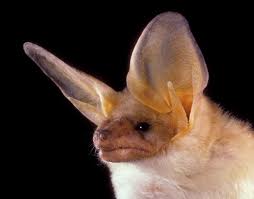
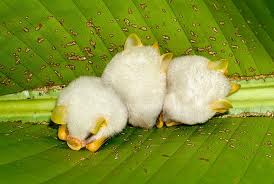
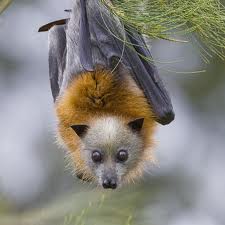
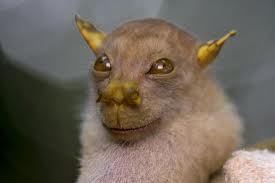
We’re going batty today and we want you to join us! In honor of the big movie about guy who dresses up as a bat, we’ve decided to celebrate these special mammals today!

Did you know that bats are the only flying mammal on the planet?

The smallest bat is the Bumblebee Bat! They’re about the size of a dime!

There are about 1,200 species of bats on the the planet!

They make up 25 % of all mammal species!

They come in all shapes and sizes! Some are cute, some are funny looking bats. Some bats eat fruit, some eat insects and there are a few who drink blood!

So let’s celebrate these special mammals with some great photos!! Let us know what you love about BATS!

Categories: Animals, backyard, bats, Children, education, Environment, mammals, nature, science, wildlife | Tags: , , , , , , , | 2 Comments

Blog at WordPress.com.