Posts Tagged With: science

WATERY WEDNESDAY # 41

WATERY WEDNESDAY# 41

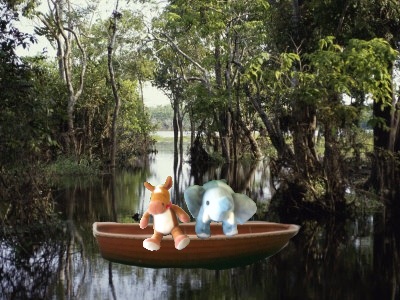
We’re off to the Amazon today to meet an ancient fish. These large fish are so unusual and amazing! Let’s all hop in the boat and go exploring!
MEET THE ARAPAIMA!
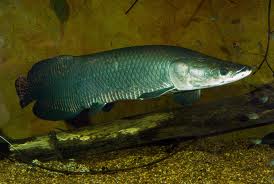
   Range/Habitat: North South America/ rivers-Amazon river

   Diet: Carnivore: fish, birds

   Length/Weight: 8 ¼-15 ft/ up to 440 lbs

   Conservation Status: unknown


Fun Facts:

  • Arapaimas are one of the largest fresh water fish in the world.
  • They have a long dorsal (top) fin near their tail.
  • Arapaimas are ambush predators.
  • They tend to stay close to the surface of the water.
  • Arapaimas are living fossils. They have been around since the Jurassic period.
  • Arapaimas have inefficient gills and therefore must also breathe air from the surface.

Wow, these fish also breathe air? That is crazy! Isn’t cool that they’ve been on the planet for so many years too?


Categories: adventure, Animals, Children, education, Environment, fish, nature, rivers, science, wildlife | Tags: , , , , , , , | Leave a comment

REPTILIAN TUESDAY # 41

REPTILIAN TUESDAY # 41

We’re staying in western Africa today to meet a brightly colored lizard! Be careful where you step though, these little reptiles like to live among the leaves of the rainforest floor! Let’s be quiet and see if we can find…

MEET THE AFRICAN FIRE SKINK

   Range/Habitat: West-Central Africa/ rainforests

   Diet: Insectivore: insects, spiders

   Length: 9-14”

   Conservation Status: common


Fun Facts:

  • African Fire Skinks are also called the fire-sided skink.
  • They have red and black bands on their body and blue and black bands on their tails.
  • African fire skinks live in the leaf litter of the rainforest floor.
  • They burrow underground.
  • African fire skinks can shed their tails.
  • They can live for 15-20 years.

These skinks are so colorful. Everyone thinks lizards are green or brown, but they can come in a huge variety of colors. Do you have a favorite lizard?

Categories: adventure, africa, Animals, Children, education, Environment, lizards, nature, rainforests, reptiles, science, wildlife | Tags: , , , , , , , , , | Leave a comment

MAMMAL MONDAY # 41

MAMMAL MONDAY # 41

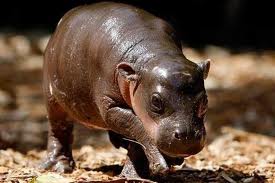
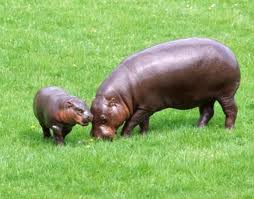
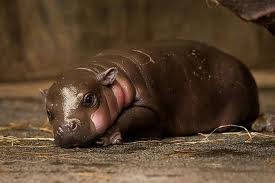
We’ve off to Western Africa to meet a rare and special species! These mammals look like a smaller version of a large and in charge animal, named the hippo! That’s right folks we’re off to the marshes to meet…

MEET THE PYGMY HIPPO!

    Range/Habitat: West Africa/ marshes, ponds

   Diet: Herbivore: grasses, shrubs, ferns

   Length/Weight: 4 ½-5 ft/ 540-600 lbs

   Conservation Status: vulnerable


Fun Facts:

  • Pygmy hippos are about 1/5 the size of the Nile Hippo.
  • They are different than their cousins though. They spend most of their time on land.
  • They only have one pair of incisors, compared to the two that large hippos have.
  • Pygmy hippos are mostly nocturnal (active at night).
  • They are solitary (spend most of their time alone).
  • Pygmy hippos have always thought to be rare.
  • They are relatively shy.
  • Pygmy hippos ooze pink fluid to protect their skin.

These round and plump relatives of the common hippo sure are cute. We wonder if we could fit one in our bathtub. Probably not… oh well.


Categories: adventure, africa, Animals, Children, education, Environment, mammals, nature, science, wildlife | Tags: , , , , , , , | 2 Comments

FEATHERY FRIDAY # 41

FEATHERY FRIDAY# 41

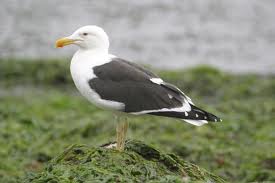
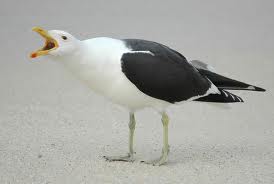
Today’s feathery friend lives all over the world in the Southern Hemisphere, so we chose to jet over to New Zealand to find them. Grab your beach blankets and sunglasses and let’s take a picnic out to meet this bird!

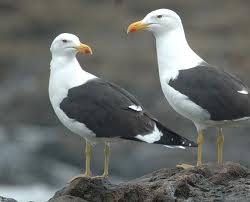
MEET THE KELP GULL!

   Range/Habitat: South America-South Africa-New Zealand-Australia/

oceans-coastlines

   Diet: Omnivore: invertebrates, birds, fish

   Length/Weight: 21 ½-26”/2- 3 ½ lbs

   Conservation Status: common


Fun Facts:

  • Kelp gulls are large coastal birds.
  • They have black backs and wings and a white body and head.
  • Kelp gulls are also known as the Dominican gull.
  • They are one of the most widespread gulls in the Southern Hemisphere.
  • Both the female and males take care of the chicks.

We think Kelp gulls are great. They are so fancy in their black and white feathers.  Do our readers ever talk to gulls at the beach?


Categories: Animals, birds, Children, education, Environment, nature, oceans, science, wildlife | Tags: , , , , , , , , | Leave a comment

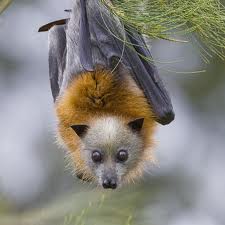
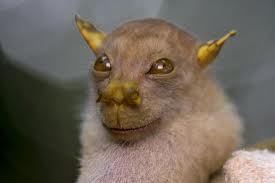
BATS!!!

BATS!!!!!!

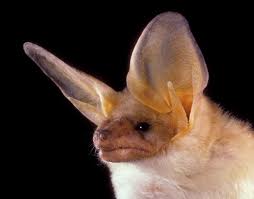
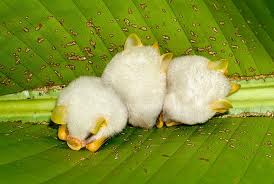
We’re going batty today and we want you to join us! In honor of the big movie about guy who dresses up as a bat, we’ve decided to celebrate these special mammals today!

Did you know that bats are the only flying mammal on the planet?

The smallest bat is the Bumblebee Bat! They’re about the size of a dime!

There are about 1,200 species of bats on the the planet!

They make up 25 % of all mammal species!

They come in all shapes and sizes! Some are cute, some are funny looking bats. Some bats eat fruit, some eat insects and there are a few who drink blood!

So let’s celebrate these special mammals with some great photos!! Let us know what you love about BATS!

Categories: Animals, backyard, bats, Children, education, Environment, mammals, nature, science, wildlife | Tags: , , , , , , , | 2 Comments

WATERY WEDNESDAY # 41

WATERY WEDNESDAY# 41

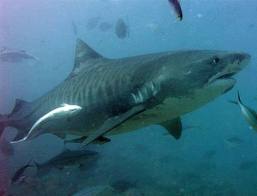
We’re taking the submarine today, because we’re off in search of one the ocean’s top predators. There’s plenty of room everyone, so hop in and let’s see if we can find this fish with a mammal’s name! You ready?

MEET THE TIGER SHARK!

   Range/Habitat: Tropical-sub tropical oceans worldwide/ coastal-

open waters

   Diet: Carnivore: fish, invertebrates, mammals, birds

   Length/Weight: 18-25 ft/ 1,900 lbs plus

   Conservation Status: near threatened


Fun Facts:

  • Tiger sharks are considered to be an aggressive shark.
  • Tiger sharks have stripes that may disappear when they are adults.
  • They are nocturnal hunters.
  • Tiger sharks have large tails used for speed!
  • They have large blunt heads.
  • Tiger sharks are known to go into brackish water (a mix of fresh and salt water) habitats, such as estuaries and river mouths.
  • They are known to eat almost eat anything.


We sure are glad we have the sub to watch these mighty predators. People are always so afraid of sharks, but they really aren’t terrible animals. Sharks are beautiful & powerful animals. They’re a very very important part of the ocean ecosystem, so let’s keep them there!


Categories: Animals, Children, education, Environment, fish, nature, oceans, science, sharks, wildlife | Tags: , , , , , , , , , | 2 Comments

REPTILIAN TUESDAY # 41

REPTILIAN TUESDAY # 41

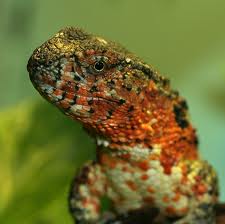
Let’s pack our bags and head off to the Far East today to find a brightly colored lizard! Grab your wellies because we’re heading into the wetlands to locate these little reptiles! Are you ready?

MEET THE CHINESE CROCODILE LIZARD!

   Range/Habitat: East Asia (China)/ wetlands

   Diet: Carnivore: fish, tadpoles, insects

   Length: 15- 18”

   Conservation Status: vulnerable


Fun Facts:

  • Chinese crocodile lizards have enlarged scales down their tails, similar looking to crocodiles.
  • They live near or in watery habitats.
  • Chinese crocodile lizards are excellent swimmers and can stay submerged for long periods of time.
  • They will “freeze” or stay perfectly still for hours to defend themselves.
  • They can even shut down on extremely cold evenings.
  • Chinese crocodile lizards are called by local people “lizards of great sleepiness”.
  • Male Chinese crocodile lizards are more colorful than the females.

Wow! These lizards are amazing! They look a bit like little dinosaurs. Watching them has made us soooo sleepy. Who else needs a nap?


Categories: Animals, Children, education, Environment, lizards, nature, reptiles, science, wetlands, wildlife | Tags: , , , , , , , , | 4 Comments

MAMMAL MONDAY # 41

MAMMAL MONDAY # 41

We’re off to South Africa desert today to meet a very special member of the canid family! Be on the lookout for a pair of BIG ears! Ssssshhh… we don’t want to scare them!

MEET THE BAT EARED FOX!

   Range/Habitat: Eastern-South Africa/ desert-scrub

   Diet: Omnivore: insects, termites, dung beetles

   Length/Weight: 18-26”/ 4 ½-10 lbs

   Conservation Status: common


Fun Facts:

  • Bat eared foxes have HUGE ears, over 5” long!
  • Bat eared foxes have more teeth than any other mammal, up to 48!
  • They are nocturnal (active at night).
  • Bat eared foxes locate their prey by sound.
  • They live in family groups of 2-5 individuals.
  • Bat eared foxes live in dens underground.

Aren’t these foxes so cute with their giant ears? And we thought only Ellie had big ears! Can you imagine being able to hear bugs? That is crazy!


Categories: africa, Animals, Children, education, Environment, mammals, nature, science, wildlife | Tags: , , , , , , , , | Leave a comment

FEATHERY FRIDAY # 40

FEATHERY FRIDAY# 40

Yesterday we met a cute little rainforest bird, but today we’re going to meet a big raptor! We’re taking a hike in the woods to see if we can find this handsome feathered friend!

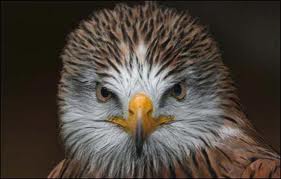
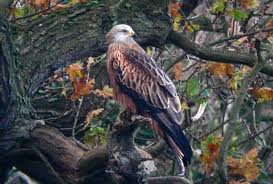
MEET THE RED KITE!

   Range/Habitat: Europe-West Asia-North Africa/ forests-woodlands

   Diet: Carnivore: small mammals, carrion

   Length/Weight: 24-26”/ 27-36 lbs

   Conservation Status: Near threatened


Fun Facts:

  • Red kites are agile fliers.
  • They have a wide wing span and forked tails.
  • Red kites often tilt side to side while they fly.
  • Red kites have pale grey heads.
  • They are diurnal (active during the day).
  • Red kites are primarily scavengers.
  • Mother red kites have their chicks play “dead” to avoid predators like fox.

These handsome birds were almost extinct in parts of the UK. They have had their numbers grow after a group of dedicated people have worked to save them. That’s good, because the skies are more beautiful when there are red kites flying!


Categories: Animals, birds, Children, education, entertainment, nature, science, wildlife | Tags: , , , , , , , | 2 Comments

SUPER SURPRISE THURSDAY # 40

SUPER SURPRISE THURSDAY# 40

We’re heading back to the rainforests of Central America to meet a cute little bird with a long name! Better get your climbing gear on because these birds like the canopy! Let’s do this!

MEET THE VIOLACEOUS TROGAN!

   Range/Habitat: Southeast Mexico-Central South America/ rainforest

   Diet: Omnivore: insects, fruits, invertebrates

   Length/Weight: 9-10”/ 1 5/8-2 3/8 oz

   Conservation Status: Common


Fun Facts

  • Violaceous trogans live in the canopy (near the top) of the trees.
  • Male violaceous trogans have beautiful blue heads with a yellow breast.
  • Female violaceous trogans are mostly gray.
  • Violaceous trogans have striped tails.
  • They nest in old trees or in ant or termite mounds.

These little birds are so cute and those males are so brightly colored. They must attract a lady bird!


Categories: Animals, birds, Children, education, Environment, nature, rainforests, science, Uncategorized, wildlife | Tags: , , , , , , , | Leave a comment

Blog at WordPress.com.