adventure

SCIENCE WORD OF THE WEEK!

SCIENCE WORD OF THE WEEK!!

swow terrestrial

We’re so happy to be back here in class today! We’ve been having trouble with the computers here at the University- so that is why there has been a lack of posts from your favorite elephant and horse! They’ll be back in full swing tomorrow with World Turtle Day!

Last week we learned about animals that live in trees, today we’re learn about animals that live on the ground.

Terrestrial (tə-ˈres-t(r)ē-əl): animals or plants that live on or in the land. Many insects, animals and loads of plants call the ground their home. These creatures can not or do not climb. They find shelter in bushes, burrows or vegetation.  Can you think of any terrestrial animals? I can think of two!

e e picnic

That’s right- horses and elephants are terrestrial animals! Because of their size and hoofed feet they run and live on the land! They have been known to take the occasional dip in water too! Hahaha!

Categories: adventure, Animals, Children, conservation, education, Environment, nature, science, vocabulary, wildlife | Tags: , , , , , , , , , | 4 Comments

GUESS THE ANIMAL!

GUESS THE ANIMAL!!

It’s time to guess the animal this week! Get those thinking caps on! Check out the picture, read the clues and tell us who it is!

kookaburra

  • They live on an island country.
  • They are know for their loud distinctive calls.
  • They are carnivores.

WHO IS IT?

Categories: adventure, Animals, Children, conservation, education, Environment, nature, science, wildlife | Tags: , , , , , , , , , | 5 Comments

NUDIBRANCHS WE LOVE YOU!!

NUDIBRANCHS WE LOVE YOU!

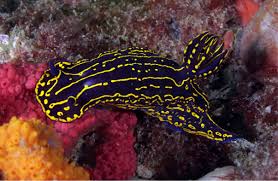
nudibranch

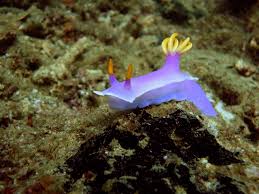
Today we are celebrating the most amazing of creatures- Nudibranchs (NEW-dih-bronk) ! These colorful and crazy sea slugs are some of the coral reefs neatest inhabitants! Come learn some fun facts about nudibranchs and make one of your own!

nudibranch2

FUN FACTS:

  • Nudibranchs are mollusks.
  • There are more than 3,000 species of nudibranchs.
  • Their scientific name means naked gills. It refers to the gills and horns they have.
  • Nudibranchs can be anywhere from .25″ to 12″ long.
  • Nudibranchs are carnivores.
  • Some nudibranchs are poisonous and their bright colors warn predators.
  • The tentacles on their heads are sensitive to taste, touch and smell.

nudibranch3nudibranch4

We could look at nudibranchs all day! Who knew such alien looking creatures existed? We made one out of clay! Come learn how you can make your very own nudibranch too!

Categories: adventure, Animals, Children, conservation, education, Environment, nature, oceans, science, wildlife | Tags: , , , , , , , , , | 2 Comments

SCIENCE WORD OF THE WEEK!!

SCIENCE WORD OF THE WEEK!

It’s time for class here at the University! Is everyone ready? Let’s take our seats and talk about animals who live in the trees!

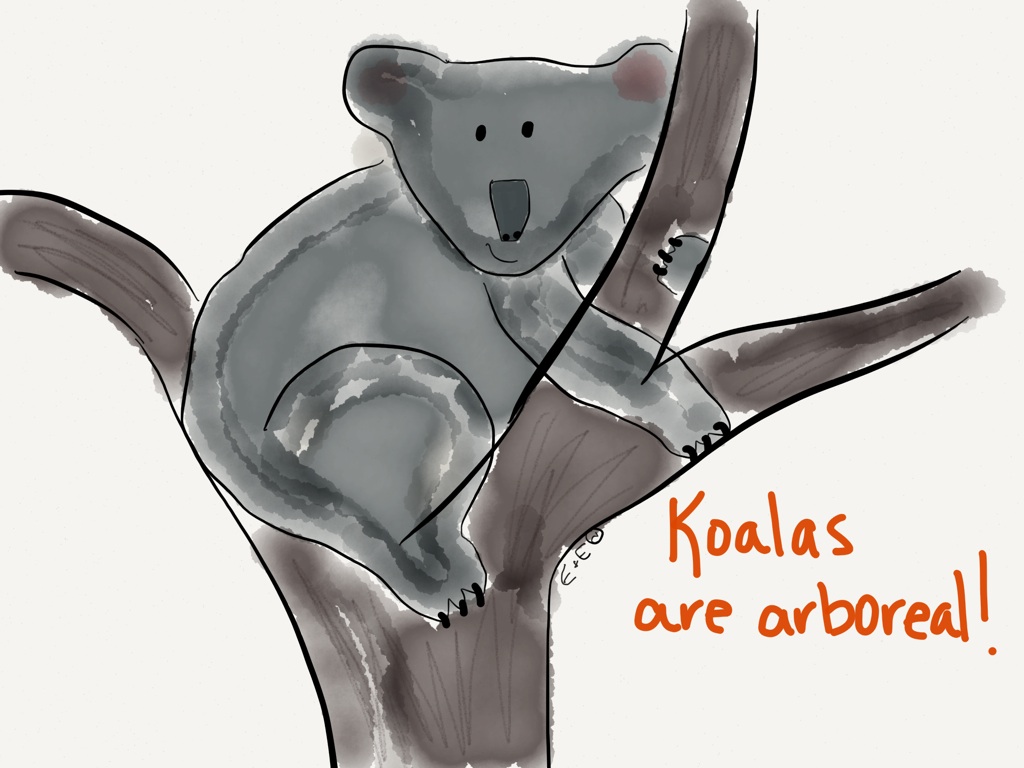
arboreal swow

Our word of the week is ARBOREAL: (ärˈbôrēəl) animals that live in trees. Many different animals live on or amongst trees, such as insects, primates, birds and reptiles. Trees provide shelter and food for all these animals. Each animal lives in a different part of the tree. Some animals build nests in trees, like birds and orangutans. Others live in hollow holes. And still some animals live on the leaves. Trees make a wonderful habitat!koala swow

Categories: adventure, Animals, Children, conservation, education, Environment, nature, science, vocabulary, wildlife | Tags: , , , , , , , , , | 6 Comments

GUESS THE ANIMAL!

GUESS THE ANIMAL!!
Are you ready to guess this animal who we saw the other day? They are very majestic and regal! We had a lovely time spotting this special wildlife! As usual, check out the picture, read the clues and tell us who you think it it!

bald eagle


  • These birds are large raptors.
  • They are symbols of a country.
  • They are carnivores, fish being one of their favorite prey.

WHO IS IT?


Categories: adventure, Animals, Children, conservation, education, Environment, nature, science, wildlife | Tags: , , , , , , , , | 1 Comment

International Migratory Bird Day!

Happy International Migratory Bird Day!

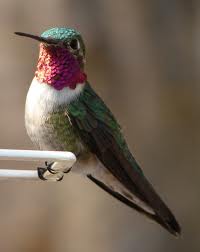
hummingbird

Ruby throated hummingbird

We  just love birds! Birds are pollinators (hummingbirds), seed dispersers (robins)  and they help control rodent and insect populations (raptors and other birds). Some birds also travel and spend part of their year in a different habitat. This traveling is called migration.   Some birds only migrate a short distance and others like the arctic tern can migrate thousands of miles.

SONY DSC

arctic tern

Some birds like raptors migrate during the day, while others like song birds migrate at night to avoid predators. Birds use the wind, sun, land forms and the stars to help them navigate. So why do birds migrate? Birds migrate for resources; food, shelter and mating. For people who love birds, migration routes during spring and fall are great times to see birds who are just making a pit stop on their way. It is crucial for these habitats to stay so the birds have a place to rest and eat.

sandhill crane

Sandhill crane

So what can you do to help our bird friends?

  • Pick up trash! Birds often digest trash and or get entangled in it!
  • Make your yard a bird friendly place- add a bird bath (that is cleaned regularly), put out bird feeders with different types of feed.
  • Grab a birding guide book and learn what birds live in your area and which ones migrate through.
  • Tell others about the birds that you love!

Check out Birdday.org for more great information, games and activities! Trust us- we spent loads of time on here!

We’re going to spend the day looking for birds in a park near HQs! How are you going to celebrate our feathery flying friends?

Categories: adventure, Animals, birds, Children, conservation, education, Environment, nature, science, wildlife | Tags: , , , , , , , , , | 2 Comments

SCIENCE WORD OF THE WEEK!!

SCIENCE WORD OF THE WEEK!

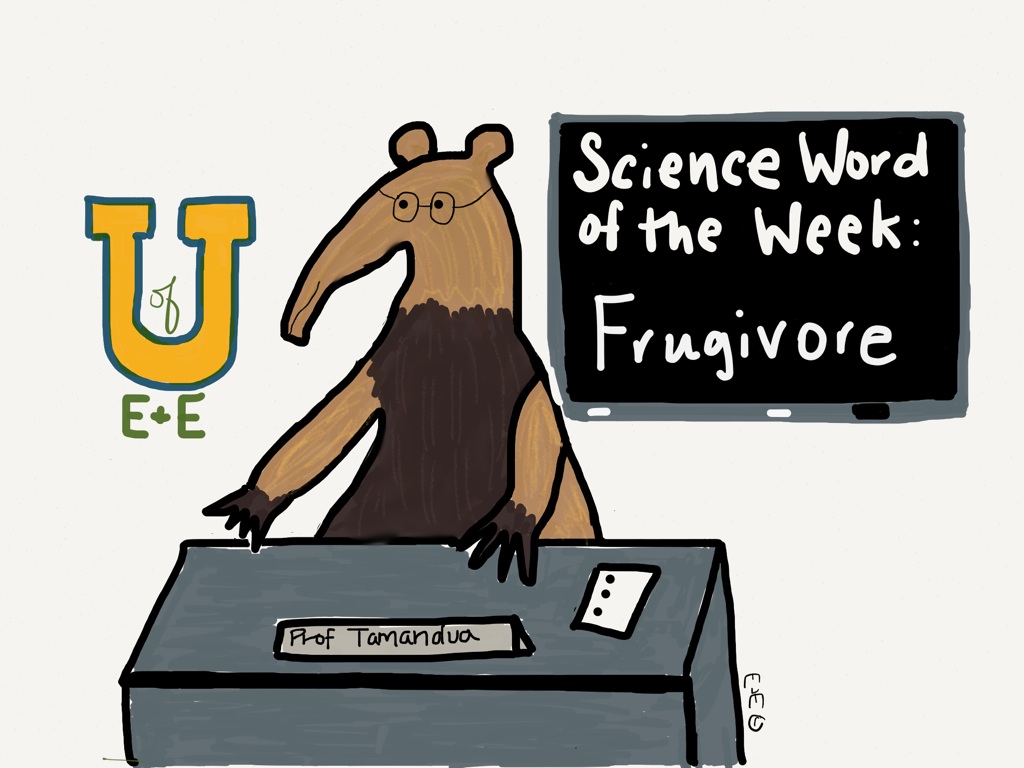
swow frugivore

Welcome to class this week, students! We’re ready to learn here at University of E&E. Are you ready for today’s word?

Last week we learned about insectivores like me! Today we are talking about frugivores!

Frugivores (froo-juh-vawr, -vohr) : animals who eat mostly fruit as their main diet.

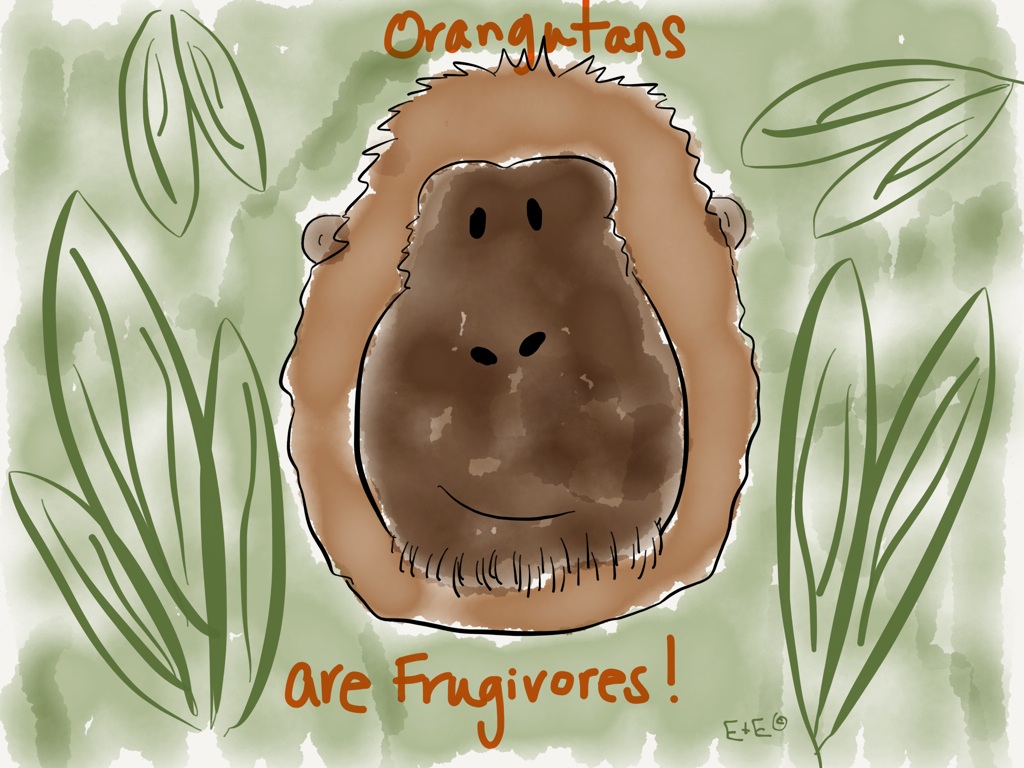
Can you think of any frugivores? I know one- orangutans! These large arboreal great apes love their fruit and spend a large part of the day looking for and consuming their favorites when they are in season!

orangutan swow

Categories: adventure, Animals, Children, conservation, education, Environment, nature, science, vocabulary, wildlife | Tags: , , , , , , , , , | 2 Comments

SAVE THE RHINO DAY!

SAVE THE RHINO DAY!!

We came to Africa for a few days and one of those reasons was to find rhinos. These amazing animals are such fun to watch as they eat in the savanna. Sadly they are being poached at alarming. We must help protect our hooved cousins. Learn some fun facts about rhinos and how you can help! Also- enjoy a great coloring sheet!

e e savanna


RHINO FUN FACTS:

  • There are 5 species of rhinos, the Black Rhino, the White Rhino (the African species), the Northern India Rhino, the Sumatran Rhino and the Javan Rhino (the Asian species).
  • Rhinoceros is Greek for nose and horn!
  • All rhinos have poor eyesight.
  • White rhinos have a large broad mouth for grazing grass.
  • Black rhinos have a narrow prehensile lip to help them grasp leaves.
  • Rhino horns are made of keratin, the same protein that makes up your hair and fingernails.
  • Rhinos’ ears can move and rotate independently of each other. This adaptation helps the rhino hear.
  • Rhinos are herbivores.
  • Rhinos are related to horses, tapirs and zebras! Woohoo!
  • The Sumatran Rhino is the smallest rhino weighing around 1,700 lbs and the White rhino is the largest weighing around 5,000 lbs.
  • A group of rhinos is called a crash!
  • All rhinos are endangered. Many organizations, like World Wildlife Fund and Saving Rhinos are working very hard to save and protect these amazing animals. Check them out and see how you can help!

Image

Categories: adventure, Animals, Children, conservation, education, Environment, mammals, nature, science, wildlife | Tags: , , , , , , , , | 3 Comments

GUESS THE ANIMAL!!

GUESS THE ANIMAL!

We’ve headed off to Africa for a few days to explore the savanna! We wanted to watch for some iconic animals! We saw this one on day one and wow was it special to see this creature jet across the open plains!  Read the clues and tell us who you think we spotted!

cheetah

  • They are large cats.
  • They can purr.
  • They are solitary.

WHO AM I?

Categories: adventure, Animals, Children, conservation, education, Environment, nature, science, wildlife | Tags: , , , , , , , , | 2 Comments

SCIENCE WORD OF THE WEEK!

SCIENCE WORD OF THE WEEK!!

swow insectivore

We sure had a great time celebrating Ellie’s birthday yesterday! Thank you to everyone who donated to the David Sheldrick Wildlife Trust! Now on to my favorite day of the week at the University of Ellie and Edmond!

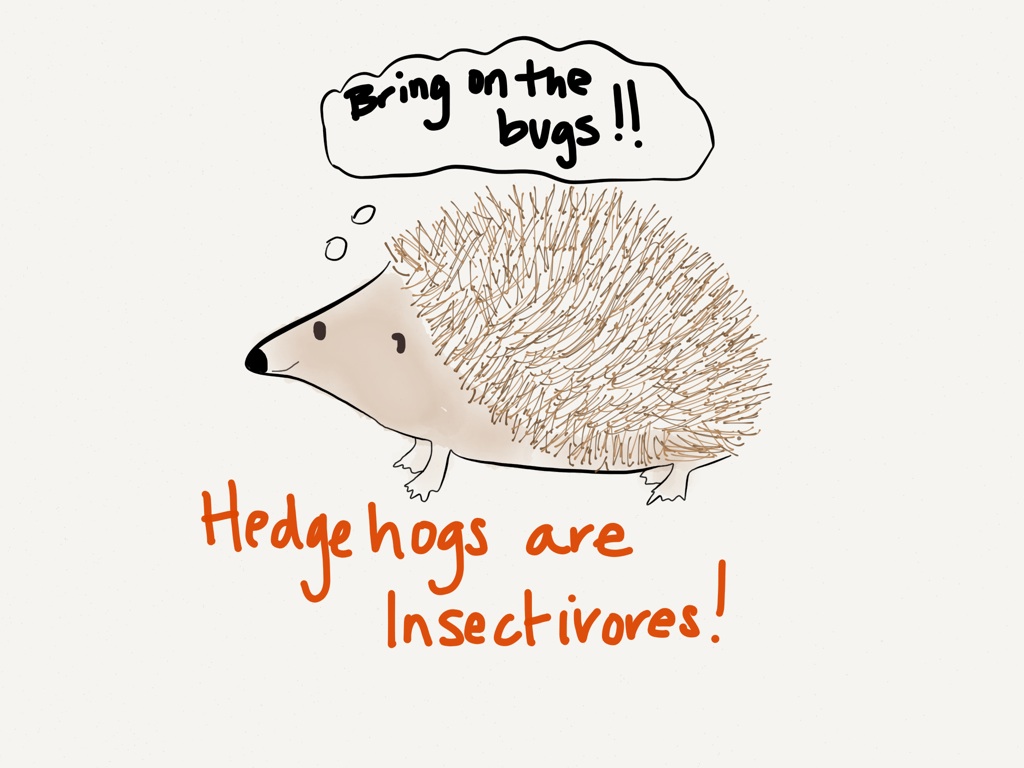
It’s time to learn our Science Word of the Week! We’re talking about insectivores today! I’m an insectivore! I eat ants, termites and other small bugs. I use my long sticky tongue to extract my favorite eats from mounds, hills and trees!

Insectivore: a mammal or plant that primarily eats insects.

Yes, plants such as the Venus flytrap is not just a carnivore-it is an insectivore!

hedgehog swow

Categories: adventure, Animals, Children, conservation, education, Environment, nature, science, vocabulary, wildlife | Tags: , , , , , , , , , | 2 Comments

Blog at WordPress.com.