birds

FEATHERY FRIDAY # 41

FEATHERY FRIDAY# 41

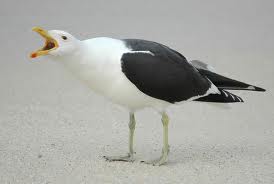
Today’s feathery friend lives all over the world in the Southern Hemisphere, so we chose to jet over to New Zealand to find them. Grab your beach blankets and sunglasses and let’s take a picnic out to meet this bird!

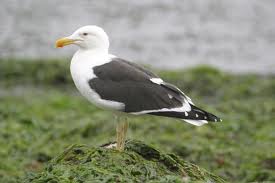
MEET THE KELP GULL!
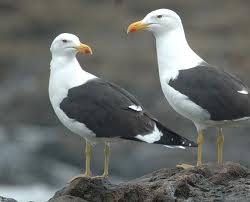
   Range/Habitat: South America-South Africa-New Zealand-Australia/

oceans-coastlines

   Diet: Omnivore: invertebrates, birds, fish

   Length/Weight: 21 ½-26”/2- 3 ½ lbs

   Conservation Status: common


Fun Facts:

  • Kelp gulls are large coastal birds.
  • They have black backs and wings and a white body and head.
  • Kelp gulls are also known as the Dominican gull.
  • They are one of the most widespread gulls in the Southern Hemisphere.
  • Both the female and males take care of the chicks.

We think Kelp gulls are great. They are so fancy in their black and white feathers.  Do our readers ever talk to gulls at the beach?


Categories: Animals, birds, Children, education, Environment, nature, oceans, science, wildlife | Tags: , , , , , , , , | Leave a comment

FEATHERY FRIDAY # 40

FEATHERY FRIDAY# 40

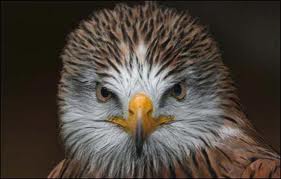
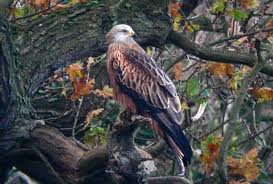
Yesterday we met a cute little rainforest bird, but today we’re going to meet a big raptor! We’re taking a hike in the woods to see if we can find this handsome feathered friend!

MEET THE RED KITE!

   Range/Habitat: Europe-West Asia-North Africa/ forests-woodlands

   Diet: Carnivore: small mammals, carrion

   Length/Weight: 24-26”/ 27-36 lbs

   Conservation Status: Near threatened


Fun Facts:

  • Red kites are agile fliers.
  • They have a wide wing span and forked tails.
  • Red kites often tilt side to side while they fly.
  • Red kites have pale grey heads.
  • They are diurnal (active during the day).
  • Red kites are primarily scavengers.
  • Mother red kites have their chicks play “dead” to avoid predators like fox.

These handsome birds were almost extinct in parts of the UK. They have had their numbers grow after a group of dedicated people have worked to save them. That’s good, because the skies are more beautiful when there are red kites flying!


Categories: Animals, birds, Children, education, entertainment, nature, science, wildlife | Tags: , , , , , , , | 2 Comments

SUPER SURPRISE THURSDAY # 40

SUPER SURPRISE THURSDAY# 40

We’re heading back to the rainforests of Central America to meet a cute little bird with a long name! Better get your climbing gear on because these birds like the canopy! Let’s do this!

MEET THE VIOLACEOUS TROGAN!

   Range/Habitat: Southeast Mexico-Central South America/ rainforest

   Diet: Omnivore: insects, fruits, invertebrates

   Length/Weight: 9-10”/ 1 5/8-2 3/8 oz

   Conservation Status: Common


Fun Facts

  • Violaceous trogans live in the canopy (near the top) of the trees.
  • Male violaceous trogans have beautiful blue heads with a yellow breast.
  • Female violaceous trogans are mostly gray.
  • Violaceous trogans have striped tails.
  • They nest in old trees or in ant or termite mounds.

These little birds are so cute and those males are so brightly colored. They must attract a lady bird!


Categories: Animals, birds, Children, education, Environment, nature, rainforests, science, Uncategorized, wildlife | Tags: , , , , , , , | Leave a comment

AMERICAN ANIMALS WEEK DAY # 5

AMERICAN ANIMALS WEEK DAY #5

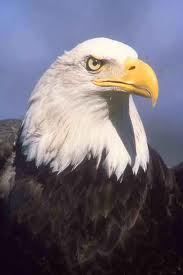
It’s the last day of our celebration of American Animals week! We’ve packed up the RV and headed to the woods of the Northeast to find our national bird! These majestic birds now fly over most of our country after almost being lost. Bring your binoculars and your best bird watching skills and let’s do this!

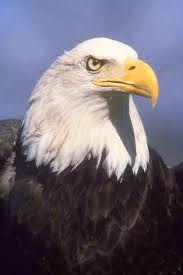
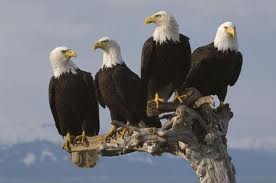
MEET THE BALD EAGLE!

   Range/Habitat: North America/ woodlands, near marshes or bodies of water

   Diet: Carnivore: fish, small birds, carrion

   Length/Weight: 28-38”/ 6 ½- 14 lbs

   Conservation Status: least concern


Fun Facts:

  • Bald Eagles have been the National Bird since 1782.
  • They have a wingspan of up to 8 ¼ feet.
  • Bald Eagles mate for life. They reinforce their pair bonds with spectacular flights that they do together.
  • Pairs build their large nests and raise their chicks together.
  • They are the only eagle native to North America.
  • Bald Eagles have excellent eyesight.
  • They can live for up to 28 years!
  • Bald eagles don’t develop their white feathers until around the age of 5!

We just love Bald Eagles and think they make a fine national bird! They are so regal. Unfortunately we almost lost these birds to pollution and habitat loss and they were near extinction in the mid 1900s. After much human effort to save them they are now living in almost every state! YAY!!!


Categories: american, Animals, birds, Children, education, Environment, nature, science, wildlife | Tags: , , , , , , , , | 2 Comments

FEATHERY FRIDAY # 39

FEATHERY FRIDAY# 39

We’re off to Africa today to find a colorful and most famous bird! We all know these pinkies! Have you guessed it by now? That’s right; it’s time to meet a flamingo! Grab your wellies again, we’re going wading!

MEET THE LESSER FLAMINGO!

   Range/Habitat: West-Central-Southern Africa/ wetlands, lakes

   Diet: Herbivore: blue-green algae

   Length/Weight: up to 3 ¼ ft/ up to 4 ½ lbs

   Conservation Status: Near threatened


Fun Facts:

  • Lesser flamingos are the smallest of all flamingos.
  • They are light to dark pink in coloration.
  • Lesser flamingos have long dark beaks.
  • They feed at dusk and dark.
  • Lesser flamingos live in large colonies. There have been flocks of up to 1 million birds.
  • You can see hundreds are of flamingos move together in elaborate courtship rituals.
  • Lesser flamingos build mud mounds to lay their one egg on.
  • They can live up to 50 years.

We just love flamingos! They’re long legs and bright pink feathers make them one of the most iconic birds on the planet! And yes they do sleep on one leg; it helps them conserve body heat! Hhhmm… we might practice being flamingos, but that is hard with four legs!


Categories: Animals, birds, Children, education, Environment, nature, science, wildlife | Tags: , , , , , , , | Leave a comment

FEATHERY FRIDAY # 38

FEATHERY FRIDAY# 38

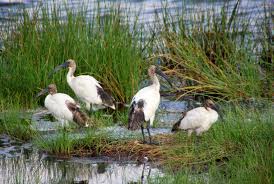
It’s time to jet off to the wetlands of Sub-Saharan Africa to meet a most regal bird! These beauties wade in the water to catch a meal, so we must too! Do you have your waders? Let’s do this!

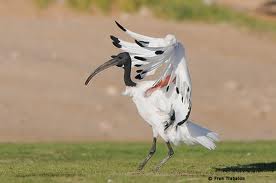
MEET THE SACRED IBIS!

   Range/Habitat: Africa-South of the Sahara/ wetlands, swamps

   Diet: Carnivores: insects, fish, frogs

   Length/Weight: 26-35”/ 3 ¼ lb

   Conservation Status: Common


Fun Facts:

  • Sacred Ibis have white bodies with shiny, black featherless heads.
  • They are wading birds and have partially webbed feet.
  • Sacred ibis live in flocks.
  • Both the male and female Sacred Ibis take care of the eggs and chicks.
  • They can live up to 20 years.
  • Sacred Ibis were worshipped in Ancient Egypt!
  • They are an ancient species. They’ve been around the planet for about 60 million years!

Wow, these birds have been around a looooong time and they were worshipped at one time! We wonder if they’re stuck up. We think they’re great either way!


Categories: africa, Animals, birds, education, Environment, nature, science, wildlife | Tags: , , , , , , , | Leave a comment

SUPER SURPRISE THURSDAY #38

SUPER SURPRISE THURSDAY# 38

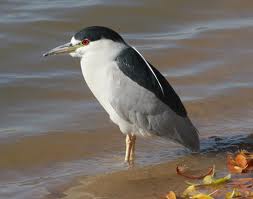
Man, we couldn’t decide where to go today, because the bird we found lives all over the place! So we’re off to Europe to meet this wading bird! Grab your wellies and night vision goggles and let’s head out to meet today’s bird!

MEET THE BLACK CROWNED NIGHT HERON!

   Range/Habitat: North-South America-Africa-Asia-Europe/wetlands-rivers

   Diet: Carnivore: fish, frogs, crustaceans

   Length/Weight: 23-26”/18-29 oz

   Conservation Status: Common


Fun Facts:

  • Black crowned night herons are also known simply as Night Herons in Eurasia.
  • They feed at night and dusk.
  • Black crowned night herons wade in shallow waters and ambush their prey.
  • They have excellent vision in dim light.
  • Black crowned night herons rest in trees during the day.


We just love these little stocky herons! We could watch wading birds all day and night! It is so fun to see them catch their prey! Do you have a favorite wading bird?


Categories: Animals, birds, Children, education, Environment, nature, rivers, science, wildlife | Tags: , , , , , , , | 2 Comments

DAD’S WEEK DAY # 5

DAD’S WEEK DAY #5

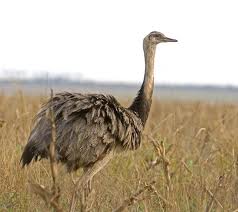
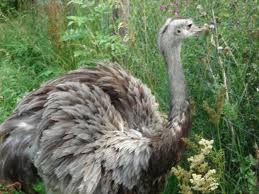
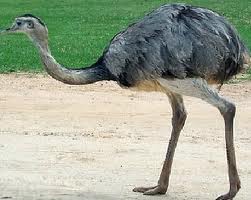
It’s the last day of dad’s week and we sure hope you’ve enjoyed meeting all of our dad friends! Today we’re going back to South America to meet a large and in charge bird dad! So shed your parka from yesterday and put on those khakis, hats and sunscreen and let’s head out to the plains of Argentina!

MEET THE GREATER RHEA!

   Range/Habitat: Eastern South America/ desert-grasslands

   Diet: Omnivore: fruits, seeds, lizards, insects

   Length/Weight: 3-5ft/ 33-60 lbs

   Conservation Status: common

Fun Facts:

  • The Greater Rhea is the largest bird in South America.
  • They are flightless and are related to the Ostrich and Emu.
  • Male Greater rheas attract up to 12 females with a booming call and wing display.
  • Female greater rheas (up to 12 ladies) then lay their eggs in a nest the male has dug out.
  • Male Greater rheas then take sole charge of the eggs.
  • They are highly protective of the nest and eggs and the chicks after they hatch.
  • Male Greater rheas even take care of all the chicks after they hatch!

These big old birdies sure make great dads! We wouldn’t want to mess with these dads while they’re protecting their young! Way to go Rhea dads!


Categories: Animals, birds, Children, dads, education, Environment, nature, science, wildlife | Tags: , , , , , , , | 2 Comments

DADS WEEK DAY # 4

DAD’S WEEK DAY #4

We’ve already made it to Day 4 of Dads week can you believe it? So far we’ve met some awesome dads, all of whom live in a tropical or warm habitat, but not today! We’re putting on the parkas, big boots and snow shoes to meet today’s feathery dad! Talk about enduring the elements, these South Pole residents sure live in a harsh climate! Are you ready to go?

MEET THE EMPEROR PENGUIN!

   Range/Habitat: Antarctica, coastline and oceans

   Diet: Carnivore: fish

   Length/Weight: up to 3 ½ ft/ up to 82 lbs

   Conservation Status: common


Fun Facts:

  • Emperor Penguins are the largest of all penguin species.
  • They breed in the winter.
  • Female Emperor Penguins lay their eggs and immediately give them to the males.
  • Male Emperor Penguins then carry the eggs on their feet and cover them with a pouch of skin to keep them warm.
  • Females return to the sea to eat while the males incubate the egg.
  • Male Emperor Penguins fast for around 65 days while they incubate the egg.
  • They huddle together in the harsh conditions to keep warm. The penguins rotate in the center of the huddle to get warm.

Emperor Penguins are fantastic birds! These dads go through a very harsh winter with eggs on their feet to ensure that their chicks are safe! We are very impressed by these birds! What about you?


Categories: Animals, birds, Children, dads, education, Environment, nature, oceans, penguins, science, wildlife | Tags: , , , , , , , , , , | Leave a comment

FEATHERY FRIDAY # 36

FEATHERY FRIDAY# 36

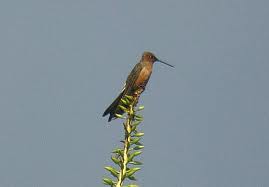
We’ve strapped on our hiking gear today to meet the world’s largest hummingbird high in the Andes Mountains! We’ll need some hiking snacks and binoculars to catch a glimpse of this bird! Are you ready to do this? Let’s go meet the…

MEET THE GIANT HUMMINGBIRD!

   Range/Habitat: Western South America/ mountains

   Diet: Herbivore: nectar

   Length/Weight: 8-9”/ 5/8-11/16 oz

   Conservation Status: Common


Fun Facts:

  • The Giant Hummingbird is the largest hummingbird on the planet.
  • They eat mostly nectar, usually from agave plants.
  • Giant Hummingbirds often glide when flying.
  • They are brownish-green and much less colorful than most other hummingbirds.
  • Giant hummingbirds often live in high altitudes.

These amazing birds live in a special habitat. They are big for hummingbirds, but only weigh a fraction of what other species of birds their sizes do! Cool!


Categories: Animals, birds, Children, education, Environment, nature, science, wildlife | Tags: , , , , , , , | 4 Comments

Blog at WordPress.com.