
PANDAMANIA!
Happy World Panda Day! Our friend Petunia Panda is sharing some great panda facts for you and we’ll have a great video for you to watch on Youtube and Instagram!




 See how well a panda dances on Instagram and YouTube!
PANDAMANIA!
Happy World Panda Day! Our friend Petunia Panda is sharing some great panda facts for you and we’ll have a great video for you to watch on Youtube and Instagram!
See how well a panda dances on Instagram and YouTube!
CRAZY BIRD!!
We’re meeting a bird that is a folivore today! These ancient birds are crazy looking, but they sure are cool! Let’s meet the hoatzin!

Hoatzin Fun Facts:


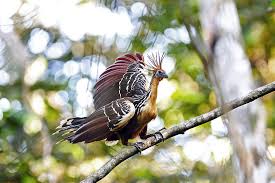

Hoatzin are amazing birds. These tropical birds definitely look like dinosaurs to us! We’ll keep our distance though, no one wants to get too close to a bird’s who is called the stinkbird! Hold your trunk Ellie!
SCIENCE WORD OF THE WEEK
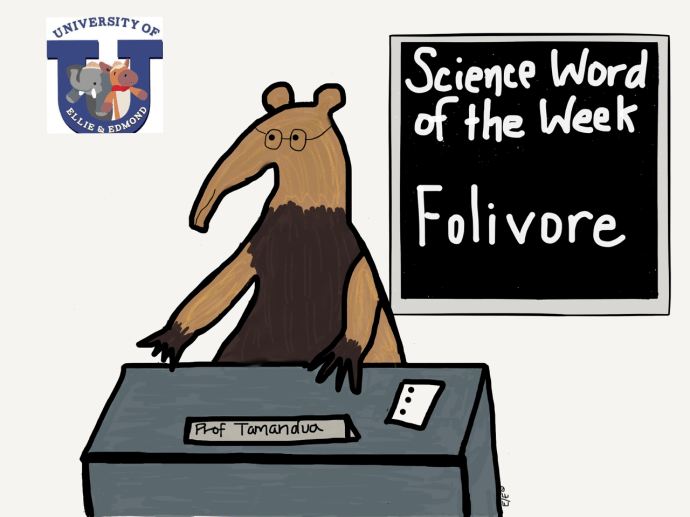
Hello students! Welcome back to vocabulary class! It has been a long break for me, but I am back and ready to learn some cool science words! Are you?
Today’s word is: Folivore: is a herbivore that specializes in eating leaves. Some examples of folivores include hoatzin, pandas, koalas, giraffes, sloths, caterpillars and iguanas.
I know Ellie and Edmond and some of the other professors are excited for you to meet some of these leaf eaters this week! Say hi to them for me!
We Have the Right Whale
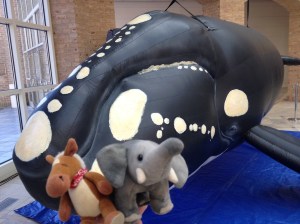
This week we’re meeting some plankton eaters! And today we’re meeting a whale that winters off the Georgia coast! In fact they are our state marine mammal! Woohoo! Let’s learn some cool stuff about these giants of the ocean!

Right whale fun facts:


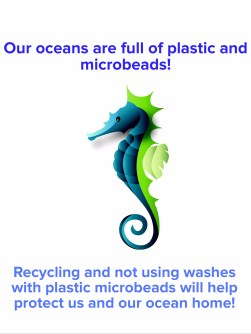
Protecting the earth’s creatures and the habitats we share starts with all of us. These whales along with other ocean dwelling animals can be found with plastic in their stomachs. Make sure your plastic goods go into a recycling bin and never into wild habitats! Let’s do it for the Right Whale!
WORLD WILDLIFE DAY!
Today is World Wildlife Day and we here at the University are sharing ways you can help wildlife in your backyard and around the world! Each professor will be sharing their tips today and we have a great way to get involved too! So come join us and help us celebrate World Wildlife Day!
We’ll be participating in the #InOurHands campaign for the David Sheldrick Wildlife Trust! You simply draw an elephant on your hand, take a picture and share on social media. Add us and @DSWT on your tweet or tag us and the trust on Facebook! Elephants could be lost in the wild if we don’t help! To learn more about the campaign check out their website!
HOLEY MOLEY!!
We’re on day three of our you choose week and we had a friend vote for moles! So of course we narrowed down to the star nosed mole! This crazy looking creature is sure to be popular, so let’s get moving and head underground to meet this wild animal!

Fun Facts:
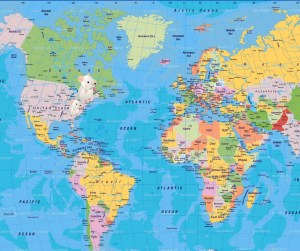


We could on days and days about the star nosed moles. Those tendrils are unique in the animal kingdom. Scientists have been studying these critters for years and continue to learn so many things about them. They even think they may be able to pick up slight electrical fields! WOW! Our earth is full of so many crazy creatures that are so fascinating!
SUN BEARS!!
As part of our you choose week- we’re going to meet the Sun Bear!
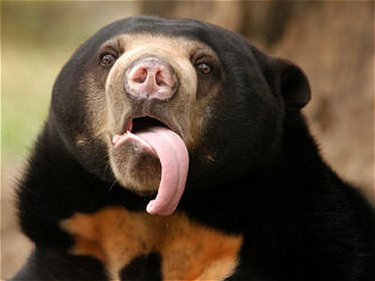
Fun Facts:

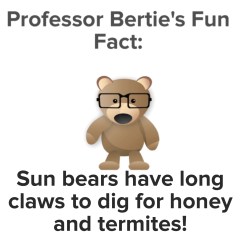
Sun bears are just so adorable. They are endangered mainly due to habitat loss. Helping protect their rainforest home by reducing, recycling and reusing! Yay for the 3 Rs!


ROCKING WITH THE LLAMAS!
Happy Leap Day! We decided to ask our pals for this special day to choose the animal we spotlighted! We had our twitter friend ask to spotlight llamas! So here we go!

Llama Fun Facts:
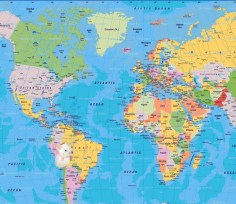
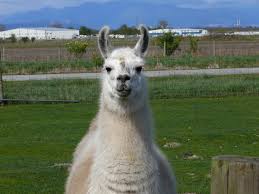


Llamas are so cute! We just love them! We even love to say llama! It rhymes with so many things like pajama and drama and mamma! There’s a poem in there somewhere. (Maybe one will pop up on Instagram). We have llama in pajamas coloring sheet for you!

DO A CHEER FOR POLAR BEARS!
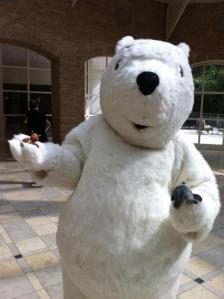
Happy International Polar Bear Day! Edmond is doing a cheer for polar bears! Join him!

GIVE US A P!
P is Polar! Polar bears live in polar habitats near the arctic circle!

GIVE US AN O!
O is for one pound! Baby polar bears weigh around one pound when they are born. They are pink and about 12 inches long!

GIVE US A L!
L is for large! Polar bears are the largest land predator on earth!
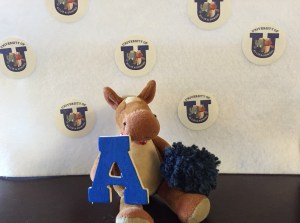
GIVE US AN A!
A is for awesome mom! Polar bears are awesome mothers. They look after their cubs for two years!

GIVE US A R!
R is for reflect! Polar bear fur is translucent, not white! That fur reflects off the white snow giving them a white appearance!

GIVE US A B!!
B is for black! Polar bears have black skin to help them absorb the heat from the sun!

GIVE US AN E!
E is for evolved! Scientists think polar bears evolved from brown bears!
GIVE US A B!!
B is for black! Polar bears have black skin to help them absorb the heat from the sun! Their livers have 10 times more Vitamin A than any other animal on earth!
GIVE US A R!
R is for really fat! Polar bears have up to 4 inches of blubber to keep them warm in those cold arctic habitats!
We love our polar bear pals! These bears are losing their arctic habitats. We can help them by taking measures to use less energy at home, work or school by turning off those lights when you leave a room, unplug your laptop when you are done using it, ride your bike to work or carpool… All these help us keep our planet cleaner and safer!
OMNIVORE TEETH!
So far we’ve talked about carnivore teeth and herbivore teeth and today we’re moving on to omnivore teeth! Omnivores are animals that eat both plants and animals. They have teeth to help them with both of those items.

Sloths eat plants, flowers and small insects. They have peg shaped teeth to break down plant material. They have no incisors.
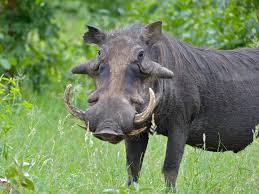
Warthogs are grazers. They also eat grubs, eggs and carrion.
Warthogs have 2 pair of tusks that grow outside of their mouth. The bottom tusks can get razor sharp by rubbing against the top tusks. They use their tusks for digging, fights with other warthogs and protecting themselves against predators.
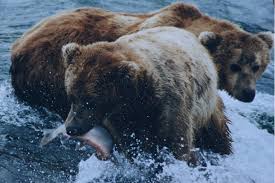
Bears are some of the most famous omnivores out there. They have chompers for eating fish, but love to eat berries and nuts too.

Seagulls are also omnivores. They are famous for eating all kinds of animals and plant material. Seagulls have many different types of hunting techniques. They use their beaks have no teeth.

Raccoons are also omnivores. The have regular omnivore teeth, but their top incisors have one sharp edge to help them eat nuts, berries, rodents and frogs.
Omnivore teeth are a great combination of sharp teeth for eating animals and flat molar teeth to crush plant material! Some omnivores have neat teeth adaptations for eating! We think all animal teeth are super cool!
 The Adventures of Ellie and Edmond