
WE SPY!!

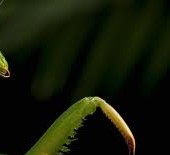
We spy with our four little eyes an insect! Can you guess which green predator we found?
WE SPY!!
We spy with our four little eyes an insect! Can you guess which green predator we found?
SCIENCE WORD OF THE WEEK!

Welcome to class today! I am so excited to share today’s word with you! Who’s ready to learn?
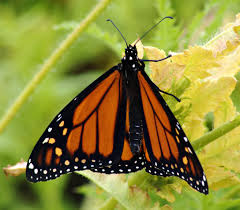
Today’s word is Entomology: entomology is the study of insects. An entomologist is a scientist who studies insects. There are over 900,000 insect species on the planet. They represent 80% of all species on earth. Wow! Insects do truly rule the earth and that means loads of creatures for an entomologist to study! If you were an entomologist what insect would you pick to study? I myself love butterflies!
Ellie and Edmond will be introducing us to some insects this week! Anyone you would like to meet?




NARWHALS! NARWHALS!

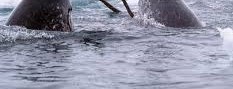
We visited our local aquarium the other day and we reminded how much we love the unicorns of the sea! These amazing creatures are often thought of as mythical creatures, but trust us they are not! Come learn all about them with us!
MEET THE NARWHAL!
 Range/Habitat: Arctic/Arctic Ocean
Diet: Carnivore: cod, mollusks, crustaceans
Length/Weight: 13-20 ft/ 2000-3,500 lbs
Conservation Status: Near Threatened
Fun facts:
Narwhals are amazing animals! They survive in very cold waters and grow this awesome long tusk that makes them look unique! If you could pick a crazy adaptation like tusks what would it be? We’re still deciding on what we would like! Look for our narwhal Christmas ornament craft later this week too!


We’re ready to share the animal we spy this week! We’re just leaving you the picture with no clue! Can you guess who we spy?
WORLD WILDLIFE DAY!
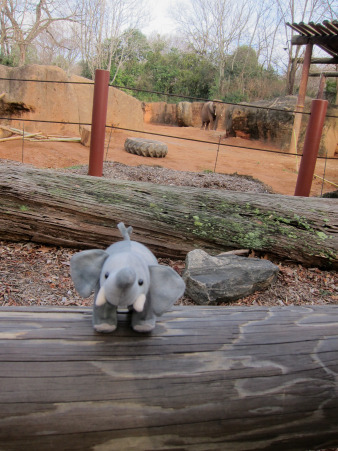
Today is a day that has been designated to take stand for wildlife all over the planet! We here at Ellie and Edmond are committed to standing for elephants! You can take the pledge to stand for elephants at www.iworry.org .
This earth belongs to all of us and we must protect natural habitats and those that live there!
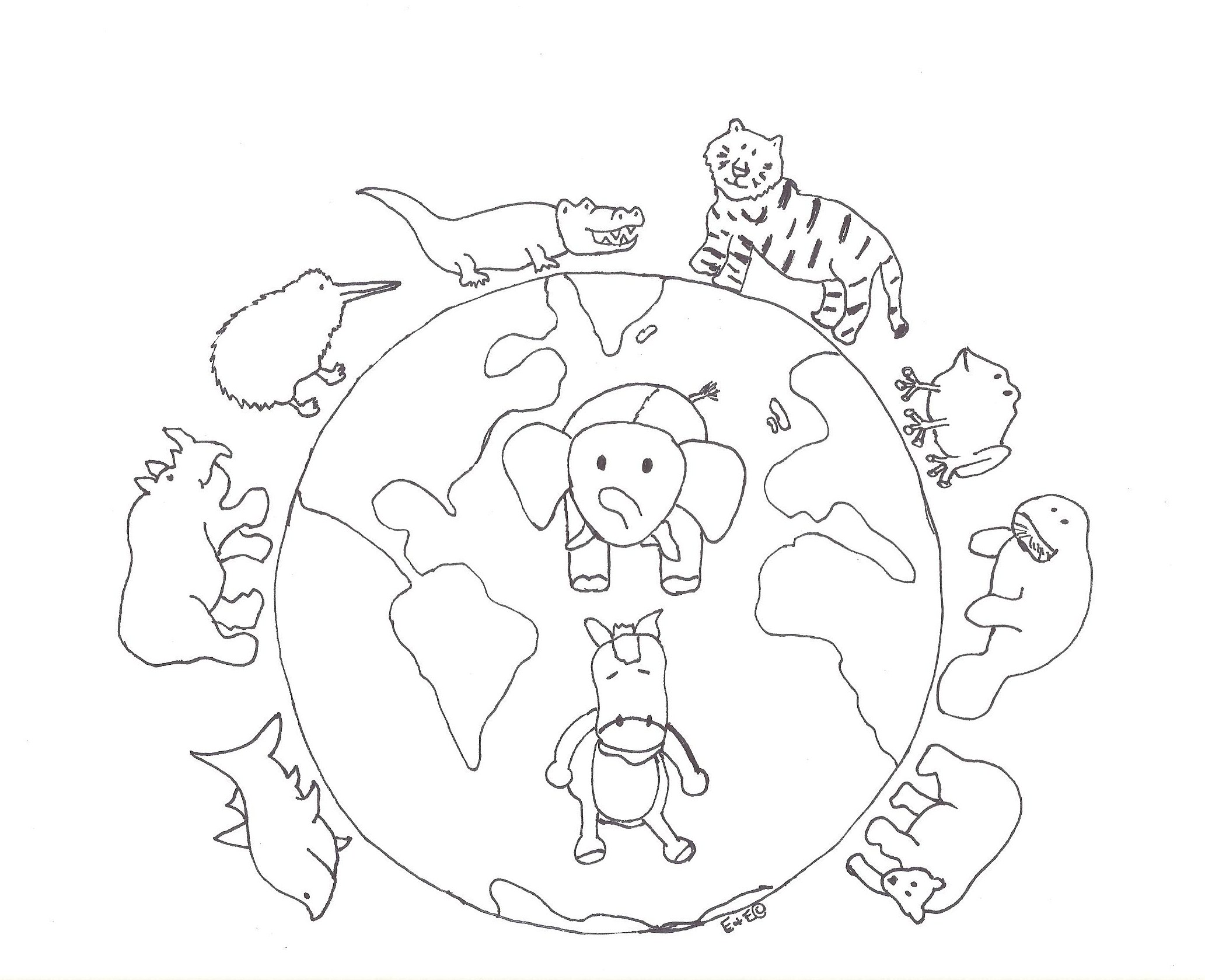
Join us in helping wildlife! Recycle all the materials you can! Reuse items like t-shirts for cleaning rags! Reduce the amount of waste you create! Every little bit helps! Read all about how these National Geographic Explorers are helping wildlife! Enjoy our coloring sheet and tell us how you are taking a stand for wildlife!
Remember: Tusks belong to elephants, horns belong on rhinos and fins belong to sharks!
SCIENCE WORD OF THE WEEK!
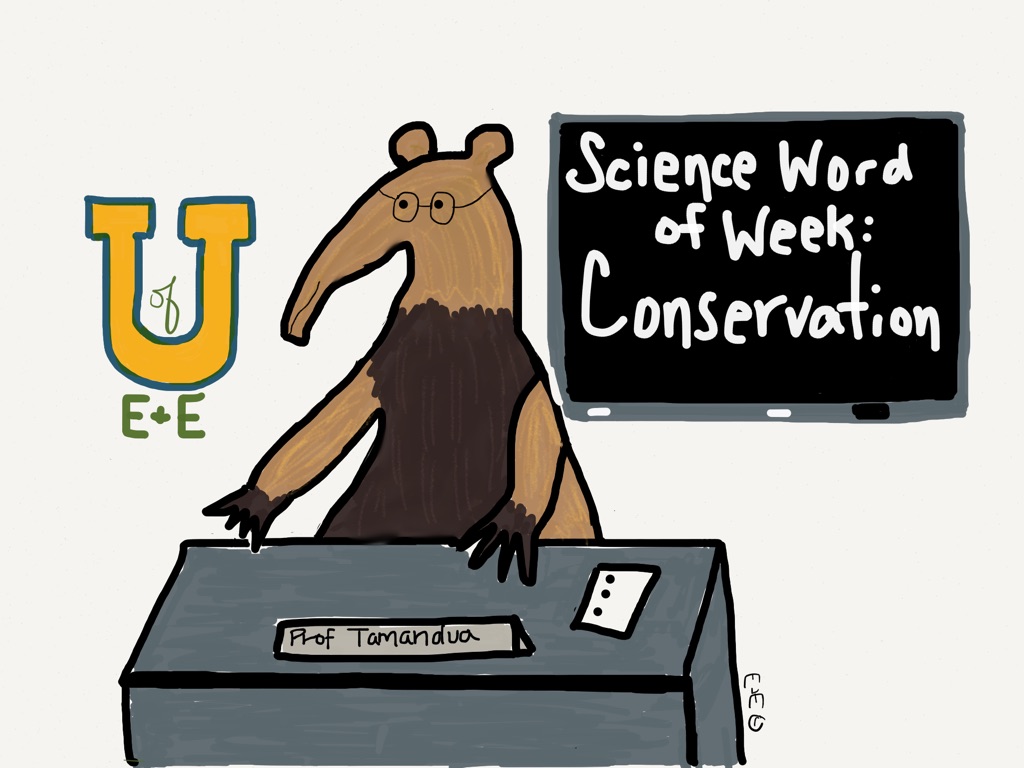
Welcome to class everyone!! We’ve got a big week planned here at the University and today we’re starting off with a great science word for the week!
Today’s word is Conservation: protection of animals, habitats and the earth. Conservation includes setting aside land to keep it in a natural state, conserving resources like fresh water and protection animals from poachers. Conservation includes many issues and activities. Ellie and Edmond work very hard to conserve animals and their habitats!
Tomorrow they will be participating in World Animal Day and talking about protecting African elephants!
SNOW! SNOW! SNOW!
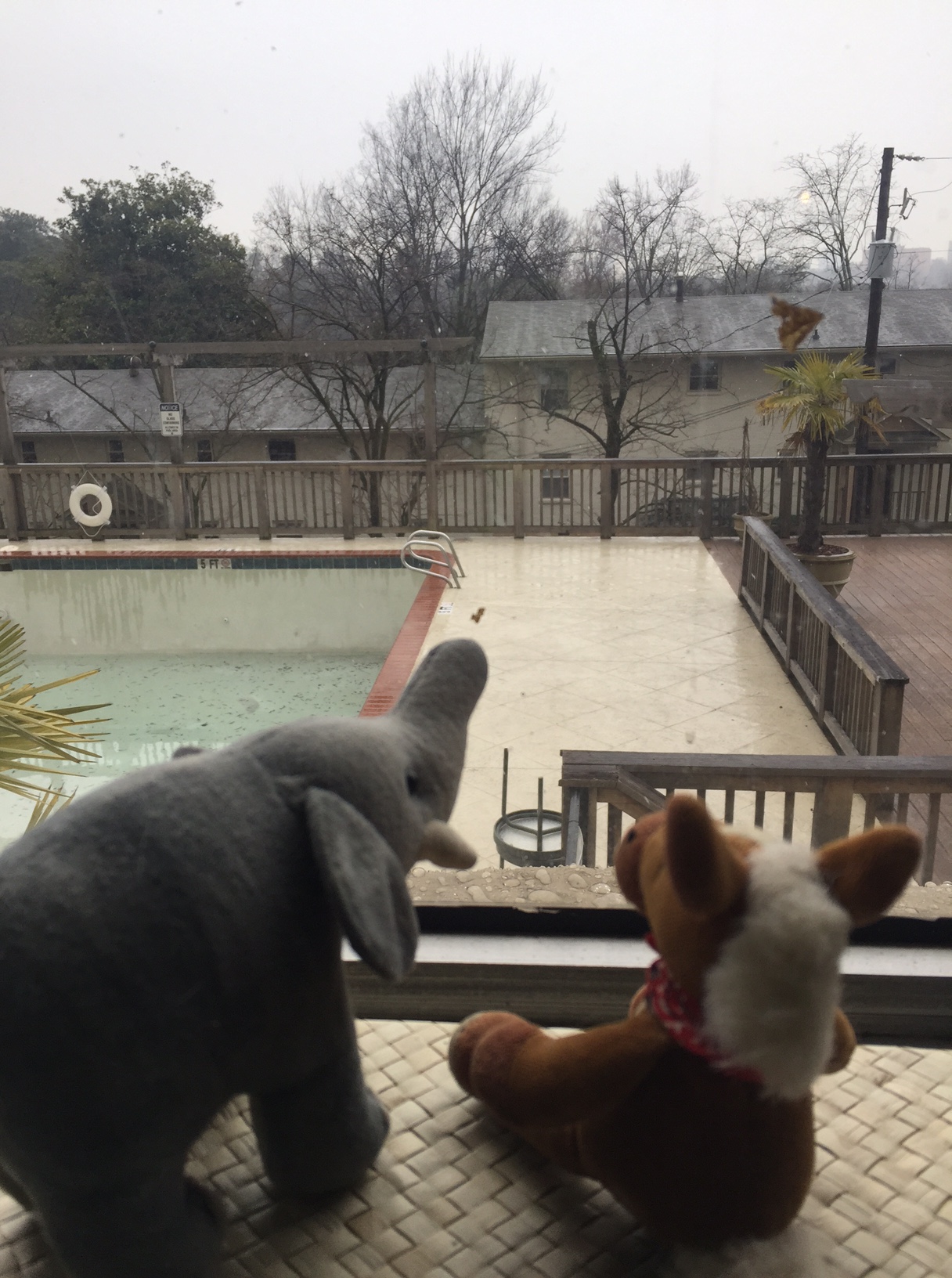
We were hoping to get a few inches of snow here at HQs, but instead we just got cold rain! So while we watched the rain waiting for it turn to snow, we decided to look up animals with snow in their names! We’ll share who we found!

Snowy Owl!
The snowy owl lives in North America and summers in the arctic circle!
Snowy owls hunt during the day!
One of their favorite prey is lemmings.
Snowy owls can weigh up to 4 lbs, most of that weight is from their thick feathers!
Snow Monkeys or Japanese Macaques
Snow monkeys live in northern Japan.
They are very intelligent monkeys.
Snow monkeys are famous for sitting in hot springs to keep warm.
They are omnivores.

Snow leopard
Snow leopards live in the mountains of Central and South Asia.
They have a thick coats of fur, up to 5 inches thick.
Snow leopards are crepuscular, active at dawn and dusk.
They are highly endangered.
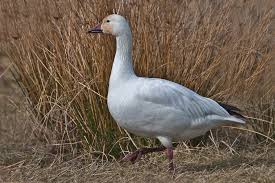
Snow Goose
Snow geese live in North America.
Snow geese live in flocks, up to thousands of birds.
They are herbivores.
Snow geese are strong fliers and swimmers.
These amazing snow animals sure are cool! Did you notice they all have whitish coloration? That adaptation helps them blend in with their surroundings! Snow leopards are especially known for their ability to camouflage! Here! Here to our snowy habitat loving friends!
WE SPY!!

We spy with our own little eyes an animal in Southeast Asia. This animal has a prehensile tail and smells like popcorn! Do you know who we spotted?

SCIENCE WORD OF THE WEEK!

Hello and welcome back to class! We have a great word today that even applies to me! Is everyone ready to learn?
Today’s word is Prehensile: a body part of an animal that has the ability to grasp something by wrapping around it. Often we think of prehensile tails with monkeys, but very few monkeys have that adaptation. Only monkeys that live in South and Central America have prehensile tails.
The tips of Ellie’s trunk are prehensile! She can use them to grasp even one blade of grass. Other animals that have prehensile tails include; spider monkeys, howler monkeys, opossums, binturongs and me!


WE SPY!!
It’s time for We Spy this week! We spotted this animal in the alps of Europe! This wild member of the goat family has some mad climbing skills! The males are known for their large horns! Can you guess who we spy?

 The Adventures of Ellie and Edmond