reptiles

REPTILIAN TUESDAY # 31

REPTILIAN TUESDAY # 31

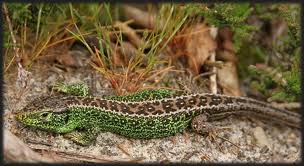
We just love Tuesdays because it is the day of the week to spotlight a reptilian friend and we know our reptile friends don’t always get love! We’re going to Europe today to find this small lizard who nests in the sand dunes! Are you ready? Let’s do this!

MEET THE SAND LIZARD!

   Range/Habitat: Europe-Central Asia/ grasslands, sand dunes

   Diet: Carnivore: insects, spiders

   Length: 7-9”

   Conservation Status: common


Fun Facts:

  • Sand lizards are colorful. Their color varies by habitat and region.
  • Male sand lizards turn bright green during mating season.
  • They have short legs.
  • Like other small lizards, they will drop their tail if caught by a predator.
  • Sand lizards hibernate in the winter.
  • Sand lizards are the only egg laying lizard in the United Kingdom.

These cute little lizards lay their eggs in sand soil, hence the name! We think it’s cool that these lizards look different depending on where they live! It’s all about camouflage baby!


Categories: Animals, Children, education, Environment, nature, reptiles, science, wildlife | Tags: , , , , , , , | 2 Comments

REPTILIAN TUESDAY # 30

REPTILIAN TUESDAY # 30

It’s that time of the week when we meet a reptile and that can only mean it is Reptilian Tuesday! We’re going to the land down under today mates to meet a very beautiful snake! Do you have your Australian accent ready? Let’s go!

MEET THE CARPET PYTHON!
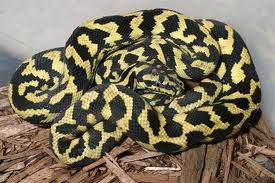
   Range/Habitat: South New Guinea-Australia/ rainforest-scrub-desert

   Diet: Carnivore: lizards, birds, small mammals

   Length: 6 ½ ft

   Conservation Status: common


Fun Facts:

  • Carpet Python have bold patterns of gray, reddish brown and black.
  • Carpet pythons live in all kinds of habits.
  • They have many different color variations.
  • They are active day and night.
  • Carpet pythons are non-venomous constrictors.
  • They are semi-arboreal (spend part of their lives in trees).

Well mates, don’t you think these pythons are gorgeous! We think nature has some of the patterns out there, way better than any paisley we’ve seen! And the best patterns look best when worn by the animal that was born with it!

*If you like this post tell us :)! We love the feedback & if you know someone with kids or who loves animals please share it!

Categories: Animals, Children, education, Environment, nature, reptiles, science, wildlife | Tags: , , , , , , , | 2 Comments

We Go on WILD ENCOUNTER at Zoo Atlanta!!

We have WILD ENCOUNTER at Zoo Atlanta

Wowee! We were invited to Zoo Atlanta for a Wild Encounter with Slasher the Komodo dragon! That’s right folks, we went behind the scenes to meet and feed mice to a Komodo dragon! Zoo Atlanta is starting a new program on March 31st called Wild Encounters where you can go behind the scenes and meet a Komodo dragon, an elephant or a panda! How cool is that? Well let’s just show you!


First we met outside of Slasher’s habitat. Our guide Shelby gave us instructions and some great information about Komodo Dragons! (60/72)
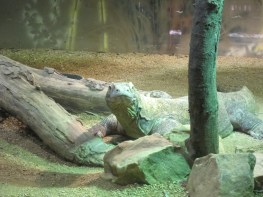
Slasher the Komodo dragon!
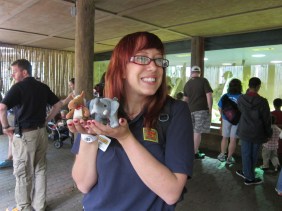


Shelby our Wild Encounter guide!

Did you know that komodo dragons live in Indonesia? They live on 3 different islands including Komodo Island. They are considered vulnerable, due to habitat loss and loss of some of the prey they eat. Slasher is a big guy and we were so excited to meet him! The humans were given booties to cover their shoes and a glove to wear on the hand that would hold the tongs!

Aren't these booties attractive?

Off we went to behind the scenes of the Komodo dragon habitat, where we were greeted by a reptile keeper. He showed us a skeleton of the Komodo dragon skull and some teeth!

Komodo dragon skull! Look at those teeth!

Wow these lizards have a mouth of serrated teeth that fall out often are replaced by teeth behind them, kind of like sharks. We finally met Slasher, where he was waiting for lunch!
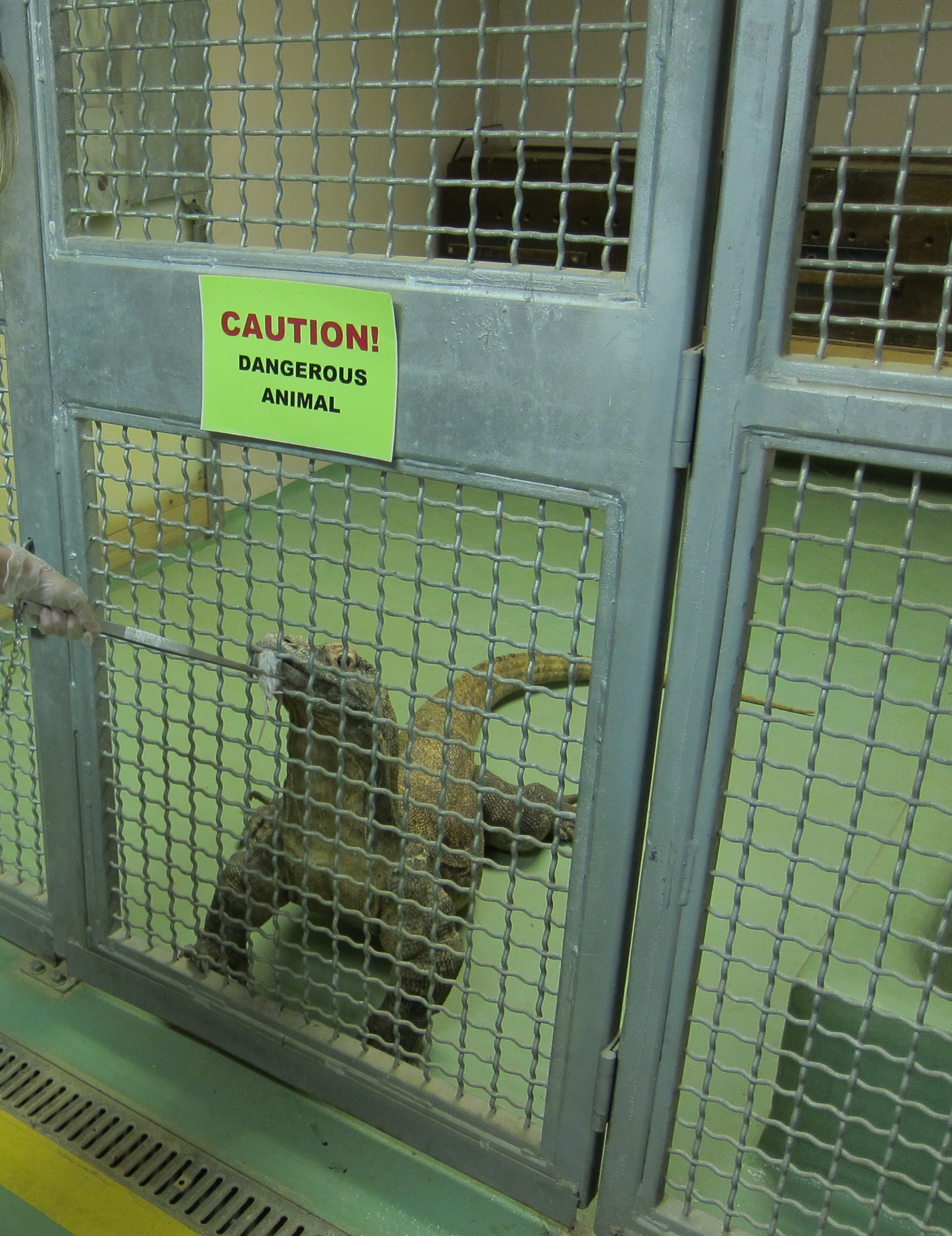
We were given a pair of tongs with a small mouse on the end to feed Slasher. Each person took turns giving Slasher one mouse and he chomped those down in one bite!
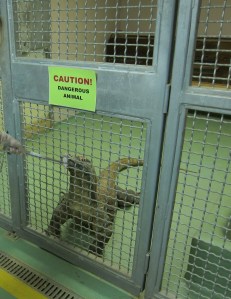
Slasher getting a mouse!


We also learned that komodo dragons have a special organ or third eye on their head that helps them detect light and dark! Isn’t that amazing? Soon, everyone had given Slasher a mouse and he went back into his habitat. It went by so fast, but WOW, it was such an amazing experience! We were so thrilled. We sat and watched him for a bit as he lounged around.
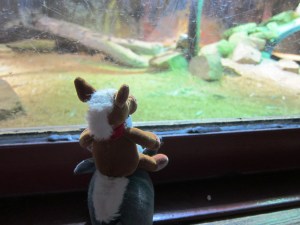
We're watching Slasher! Edmond was too short & had to sit on Ellie!

He probably was a bit sleepy after eating all those mice.  Normally you would have to head all the way to Indonesia to see a komodo up close and let us tell you, that is long trek! But all you have to do to enjoy a WILD ENCOUNTER at the zoo is get in the car! Want to learn more? Of course you do! Check out the zoo’s website! Trust us- you’ll be so happy you went!

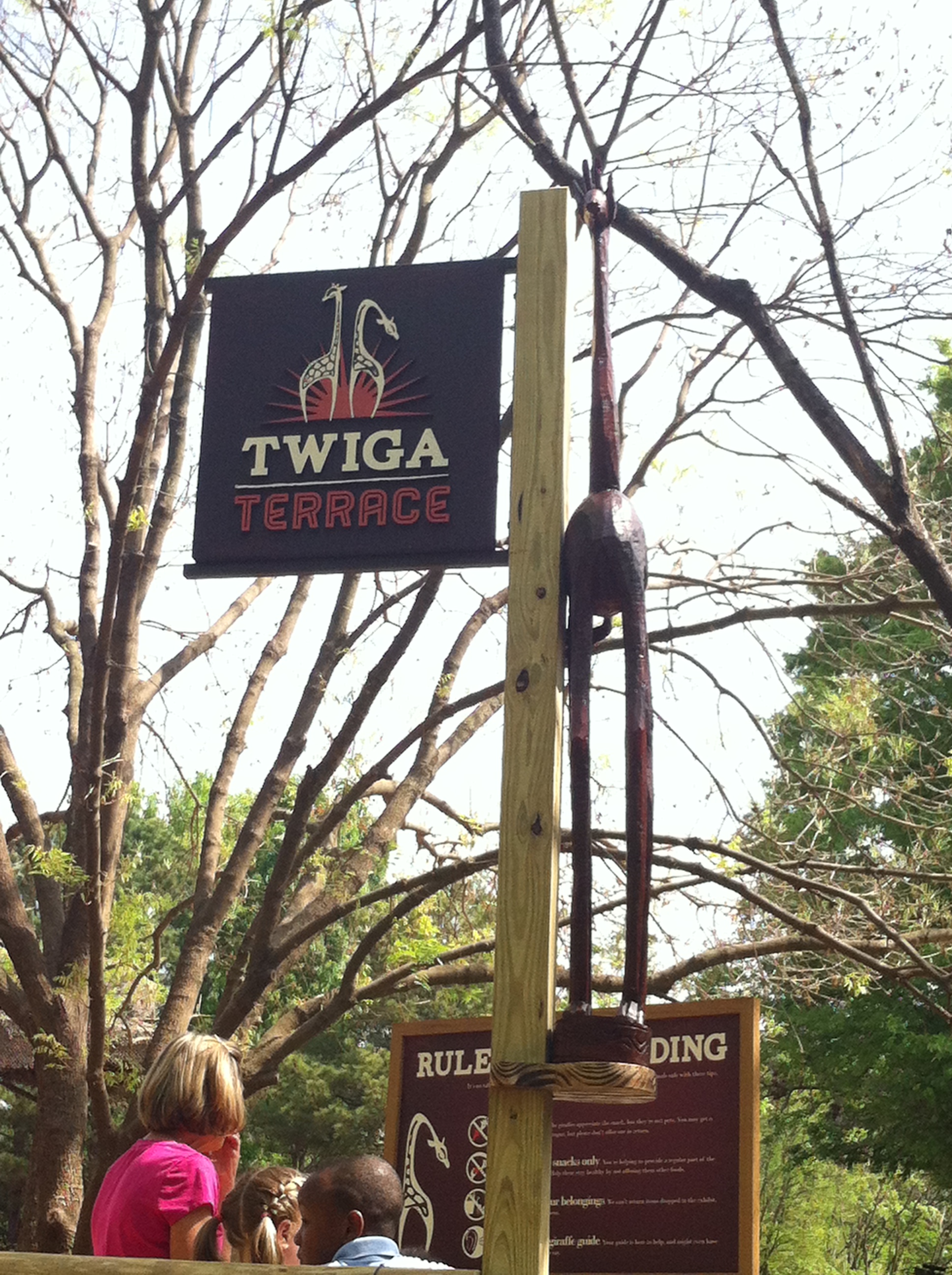
We had such a great time meeting Slasher. We didn’t want our adventure to end, so we made a stop at the new Twiga Terrace.

Welcome to Twiga Terrace!

Did you know that twiga is the Swahili word for giraffe? FUN! Zoo Atlanta is opening a new feeding station for giraffes, also on March 31st.  We stopped by to see the zoo’s giraffes and give them some tasty romaine lettuce. We had a hard time not eating the lettuce ourselves. The zoo has four giraffes, Mona, Glenda, Abu and Lily (the baby)!

Hanging with the giraffes!

Glenda came on over to sniff out our lettuce and to take a nibble.

Glenda!

We could just watch giraffes for hours! They are so graceful and beautiful!
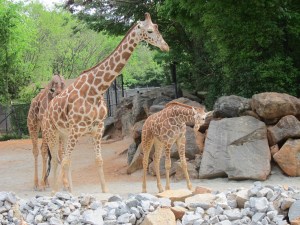
Aren't they gorgeous?

You can feed the giraffes too! Check out the zoo’s website for more info! After such an amazing day, this elephant and horse were tired! We headed home with great memories of a fabulous adventure!

It’s a great time of year to get out and enjoy Zoo Atlanta! Did you know that when you visit the zoo and feed giraffes and have Wild Encounters that you’re helping support the animals at the zoo and their wild relatives! COOL! Zoo Atlanta is one of our favorite places and hopefully one of yours!


Categories: Animals, Atlanta, Children, education, Environment, Local, nature, reptiles, science, wildlife | Tags: , , , , , , , , , | 3 Comments

REPTILIAN TUESDAY # 29

REPTILIAN TUESDAY # 29

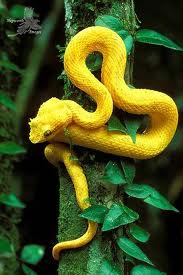
We’re off the rainforest again today, but this time in Central and South America! We’re off to find a brightly colored snake that is best seen from a distance and since they live in the trees, that won’t be hard! We hope you kept your binoculars from yesterday because we’re looking up again!

MEET THE EYELASH PIT VIPER!

   Range/Habitat: Central America-South America/ rainforest

   Diet: Carnivore: frogs, lizards, rodents

   Length: 18- 30”

   Conservation Status: common


Fun Facts:

  • Eyelash Pit Vipers are arboreal (spend most of their life in trees).
  • Eyelash pit vipers have modified scales above their eyes. These are thought to help them camouflage.
  • They have prehensile tails that they can use to hang on tree branches.
  • Eyelash pit vipers have good binocular (3D) vision to help them navigate through the trees.
  • They vary in color; from orange to yellow to green.
  • Eyelash pit vipers are nocturnal (active at night).
  • They are venomous!

Who says a snake can’t be beautiful? We sure think they are, especially from a distance J! These ambush predators hang out in trees looking for their next meal! We’re glad we don’t live up there with them!


Categories: Animals, Children, education, Environment, nature, reptiles, science, wildlife | Tags: , , , , , , , | 3 Comments

REPTILIAN TUESDAY # 28

REPTILIAN TUESDAY # 28

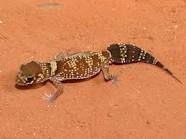
Bark! Bark! It’s Reptilian Tuesday and we have fascinating lizard for you today! They make a pretty cool sound for a little animal, in fact it made remind you of a certain four-legged friend that you may have! Put on your sunglasses and your sunscreen because we’re heading to the desert of Southern Africa!

MEET THE COMMON BARKING GECKO!

   Range/Habitat: Southern Africa/ desert

   Diet: Insectivores: termites/ants

   Length: 2 ¼-4”

   Conservation Status: common


Fun Facts:

  • Common Barking Geckos live in complex burrow systems that they dig themselves.
  • The males make a barking sound at dusk.
  • They bark to attract females.
  • Common barking geckos are nocturnal (active at night).
  • They are often heard in the desert but rarely seen.


Not much is known about these little guys, except that they make a lot of noise for a reptile. You can hear them as the sunsets of the Kalahari Desert. We think it’s super cool that they dig complex burrows for themselves.


Categories: Animals, Children, education, Environment, nature, reptiles, science, wildlife | Tags: , , , , , , , | Leave a comment

March Craft/Activity!

Hey everyone! So this month’s craft is really more of an activity to get you outside! We’re a bit late with posting it, because we had some IT issues with our conversion :)! Anyways, we hope you enjoy BACKYARD BINGO! That’s right folks, we made you a bingo game to take outside to your backyard or your local park!  It’s PDF (our first) so please let us know if you have any trouble printing it!


Get outside and Enjoy!!!

Backyard bingo-1

Categories: Animals, backyard, birds, Children, crafts, education, Environment, insects, Local, mammals, nature, reptiles, science, wildlife | Tags: , , , , , , , , | 6 Comments

REPTILIAN TUESDAY # 27

REPTILIAN TUESDAY # 27

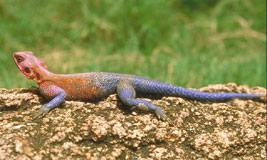
Yay it’s Reptilian Tuesday and we’re packing our bags and heading to Africa to meet a lizard who is brightly colored! Who’s hoping on board with us? Grab your passports and let’s go looking for lizards!

MEET THE RAINBOW LIZARD!

   Range/Habitat: Western to Eastern Central Africa/ grasslands, desert

   Diet: Omnivore: mainly insects with occasional vegetation

   Length: 12-16”

   Conservation Status: common


Fun Facts:

  • Male Rainbow Lizards turn bright orange and blue when they bask in the sun.
  • Female Rainbow Lizards are grey all the time.
  • Rainbow lizards have sticky tongues to help them grasp insects.
  • They live in small social groups with a dominant male and females and less dominate males.
  • Dominate males sit on the highest point to bask and the other lizards of the group bask at lower points.
  • Male Rainbow Lizards bob their heads to attract females.
  • Female Rainbow Lizards lay around 25-30 eggs in a clutch.

Aren’t these lizards gorgeous with their bright colors? It sure is cool that they live in small social groups too. We do wonder how sticky their tongues are; who wants to test it out?

Categories: Animals, Children, education, Environment, nature, reptiles, science, wildlife | Tags: , , , , , , , | 2 Comments

BACKYARD ANIMAL WEEK # 4

BACKYARD ANIMAL WEEK!

(SUPER SURPRISE THURSDAY)


Who’s up for some backyard bird watching? Sometimes birds are the most abundant animal in your backyard. If you’re like us though, we don’t know all of our bird friends! Today’s Super Surprise bird is one everyone should know pretty well! Do you have your binoculars? It may not be hard to spot…

MEET THE BLUE JAY!

   Range/Habitat: Central-Eastern North America/ woodlands, parks, suburban

   Diet: Omnivores: acorns, seeds, spiders

   Length: 12”

   Conservation Status: common


Fun Facts:


  • Blue jays are related to crows.
  • They are highly intelligent and social birds.
  • Blue jays can mimic speech and other birds; often you can hear them mimic hawks.
  • They are highly territorial.
  • Blue jays have bright blue plumage. They do not have pigment (cells that give fur, feathers and skin color). The color in their feathers comes from structure of the feather and how the light hits it.
  • Blue jays are considered songbirds.
  • Blue jays can be found in pairs or small family groups. They can form pairs for life.
  • They have different calls, including an alarm call to warn for predators.
  • Blue jays use mud to build their nests.

Blue jays are beautiful birds! We love to see them in our backyard. They are very smart. How cool is that they can mimic other birds and human speech? What are some of your favorite backyard birds?


Categories: Animals, backyard, birds, Children, education, Environment, nature, reptiles, science, wildlife | Tags: , , , , , , , | 2 Comments

BACKYARD ANIMAL WEEK # 3

BACKYARD ANIMAL WEEK!

(WATERY WEDNESDAY)


We’re heading to a local creek to see if we can find today’s Backyard Animal! These animals can be very loud! There’s nothing better than hearing the males call on a nice summer evening! Grab a flashlight, because this amphibian is out at night!

MEET THE NORTH AMERICAN BULLFROG!

    Range/Habitat: Western-Central & Eastern United States/ wetlands, rivers,

lakes

     Diet: Carnivore: reptiles, mammals, other frogs

     Length: 3 ½-8”

     Conservation Status: common


Fun Facts:

  • North American Bullfrogs are the largest frog in North America.
  • They spend most of their life in water.
  • North American bullfrogs have eyes and nostrils on top of their heads. This helps the frog stay underwater but still be able to see and breathe.
  • They have large ear drums.
  • Female North American bullfrogs can lay several thousand eggs at a time.
  • It can take a North American bullfrog tadpole up to 4 years to become to an adult.
  • They are nocturnal (active at night).
  • They are ambush predators.
  • North American bullfrog males are very territorial.
  • Only males call!

How awesome are the large frogs? It sure is fun to go looking for them at night! Do you have bullfrogs where you live? What animal do you like to hear on a warm summer night?


Categories: amphibians, backyard, Children, education, Environment, nature, reptiles, science, wildlife | Tags: , , , , , , , , | Leave a comment

BACKYARD ANIMAL WEEK #2

BACKYARD ANIMAL WEEK!

(REPTILIAN TUESDAY)

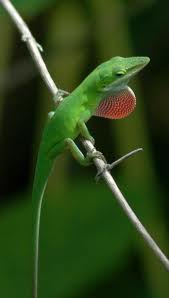
 We’re on day two of Backyard Animal Week and it’s Reptilian to say the least! This little lizard if found in backyards all around the Southeastern United States! They are small and green and we see them all the time! Who’s ready to meet this little lizard?

MEET THE GREEN ANOLE!

    Range/Habitat: Southeastern United States/ woodlands, suburbs

    Diet: Carnivore: insects

    Length: 4 ¾-8”

    Conservation Status: common


Fun Facts:

  • Green Anoles are also known as the Carolina anole.
  • They have slender bodies with long tails.
  • Like other lizards Green anoles can detach their tails when grabbed by predators.
  • Green anoles can also turn brown when stressed. This adaptation often leads people to think they are chameleons, but they are not.
  • They have pink or red throat fans (also known as dewlaps). The males use them to attract females.
  • Male green anoles are very territorial.
  • Green anoles are arboreal (spend most of their time in trees).


We just love Green anoles. It is so fun to go to a park or yard and look for them. They are very fast! We think their dewlaps are super cool! Do you have any lizards in your backyard? If so, what kind?


Categories: Animals, backyard, Children, education, Environment, nature, reptiles, science, wildlife | Tags: , , , , , , , | 7 Comments

Blog at WordPress.com.