sharks

SHARK LOVE!!

SHARK LOVE!!!

e e sharks

We know shark week is super popular on TV and we wanted to share some fun facts about sharks to celebrate these amazing creatures! We’re going to give you some great organizations that are working to protect sharks too!
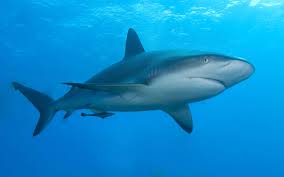
shark

  • Shark skeletons are made of cartilage, the same tissue that makes up human noses and ears.
  • Sharks can range in size of a few feet to up to 25 ft (whale shark).
  • Some sharks can go through 30,000 teeth in a lifetime.
  • Sharks have been in the oceans for 400 million years.
  • The largest shark in the ocean is the whale shark, these spotty large fish are filter feeders!
  • Falling coconuts cause more deaths than sharks due.
  • Bull sharks can live in fresh water and salt water.
  • Great white sharks are warm blooded.
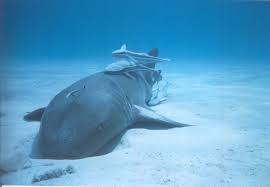
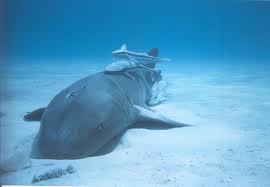
  • Most sharks must swim contentiously to pump water over their gills. Some sharks like the wobbegong and nurse shark can rest on the ocean floor and pump water over their gills.
  • Some sharks lay eggs, while others give birth to live young.
  • Sharks are covered in dermal denticles, triangle shaped scales that give them protection and flexibility.

shark2 shark5

shark4

We think sharks are amazing creatures! They come in so many shapes and sizes! As the top predator in our world’s oceans they play a very important roll in keeping our oceans healthy! There is no need to fear these beautiful animals! Unfortunately sharks are facing an uncertain future! Check out these two great organizations and see how they are helping our shark friends!

The Pew Trust and the Ocean Conservancy!

For some laughs check out the web comic Shaaark cartoons!
Categories: adventure, Animals, Children, conservation, education, Environment, nature, oceans, science, sharks, wildlife | Tags: , , , , , , , , , , | 2 Comments

SHARK WEEK- GREATEST HITS DAY #5

SHARK WEEK- GREATEST HITS DAY #5

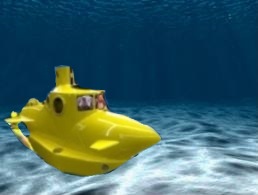
 We’re taking the E & E sub to the waters off of Europe to meet a small shark! We love those cartilaginous fish and they come in all shapes and sizes! Hop aboard and let’s go on today’s adventure!

e e deep sea

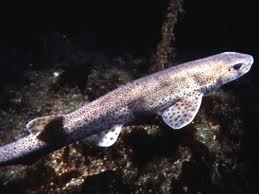
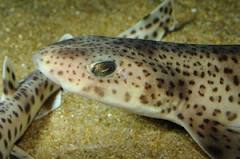
MEET THE SMALL SPOTTED CATSHARK!

small spotted catshark   Range/Habitat: Eastern North Atlantic- Mediterranean/ ocean

   Diet: Carnivore: fish, mollusks

   Length/Weight: up to 3 ¼ ft/ 6 ½ lbs

   Conservation Status: common


Fun Facts:

  • Small Spotted Catsharks are also known as the Lesser Spotted Catshark.
  • Small spotted catsharks are the most common shark in Europe.
  • They have smooth skin.
  • They have spots to help them camouflage in with the ocean floor.
  • Female small spotted catsharks lay eggs called mermaids purses.

These little sharks are great! We love that shark eggs are called mermaid purses! Hehe- can you imagine a mermaid with a purse!? We giggle every time we think of it!

small spotted catshark2   small spotted catshark3

Categories: adventure, Animals, Children, conservation, education, Environment, nature, science, sharks, wildlife | Tags: , , , , , , , , , | Leave a comment

SHARK WEEK- GUESS THE SHARK!

SHARK WEEK- GUESS THE SHARK!

Check out the picture, read the clues and tell us what shark you think it is!

whale shark

  • I am the largest fish in the ocean.
  • I eat plankton and krill.
  • I am spotty!

WHO AM I?

Categories: adventure, Animals, Children, conservation, education, Environment, nature, science, sharks, wildlife | Tags: , , , , , , , , , | 2 Comments

SHARK WEEK GREATEST HITS DAY #3

SHARK WEEK GREATEST HITS DAY #3

 All aboard the E & E submarine! We’re going to the deep depths of the ocean to find one of the most elusive fish in the ocean. Even though they are large they are hard to spot!

e e deep sea

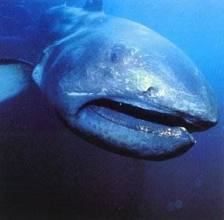
MEET THE MEGAMOUTH SHARK!

megamouth shark2   Range/Habitat: Atlantic/Pacific/Indian Oceans (limited spots)

   Diet: Carnivore: krill and plankton

   Length/Weight: up to 18 ft/ up to 1,740 lbs

   Conservation Status: unknown


Fun Facts:

  •          Megamouth sharks were discovered in 1976.
  •          Humans have only seen about 13 individuals.
  •          They are filter feeders and eat very small animals.
  •          Megamouth sharks have small dorsal fins.
  •          Megamouth sharks surface at night to eat.
  •          They have a luminescent stripe around their mouth to attract prey.  

Megamouth sharks are amazing! Can you imagine that we’ve only known about them in the last 30 years? The oceans are full of so many animals that we haven’t even discovered! It’s crazy! We need to explore more!

megamouth shark  megamouth shark3


Categories: adventure, Animals, Children, conservation, education, Environment, nature, science, sharks, wildlife | Tags: , , , , , , , , , , | 2 Comments

SHARK WEEK GREATEST HITS DAY #2

 SHARK WEEK GREATEST HITS DAY #2

We’re off in the E & E sub to meet a small and spotty shark! Are you ready to meet this cartilaginous fish? We have room for everyone! Let’s do this!

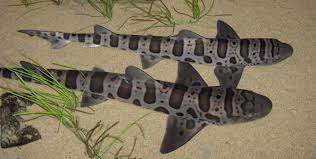
MEET THE LEOPARD SHARK!

   Range/Habitat: Eastern North Pacific/ oceans-near estuaries

   Diet: Carnivore: invertebrates, crabs

   Length/Weight: up to 7 ft/ up to 71 lb

   Conservation Status: common


Fun Facts:

  • Leopard Sharks have spots on their backs and sides.
  • They have long slender bodies and a large dorsal fin.
  • Leopard sharks are harmless to humans.
  • Leopard sharks have short round snouts.
  • They have strong jaws full of flat teeth for crushing prey.

Leopard Sharks certainly earned their name from another famous predator! It sure seems that spots and stripes help you camouflage in with your habitat! What kind of coloration would you want to help you camouflage in with your habitat?


Categories: adventure, Animals, Children, conservation, education, Environment, nature, science, sharks, wildlife | Tags: , , , , , , , , , , | Leave a comment

SHARK WEEK- GREATEST HITS!!!

SHARK WEEK GREATEST HITS!!!

We’re celebrating Shark Week by sharing some of our greatest adventures meeting sharks! First up the Blue Shark!!

It’s time to pull on your wetsuit and put on your goggles and head into the ocean to meet today’s animal! Today’s fish has a skeleton made of cartilage and a mouth full of teeth! Maybe we’ll skip the wetsuits and watch these fish from our submarine :)!

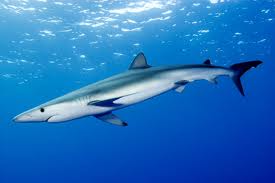
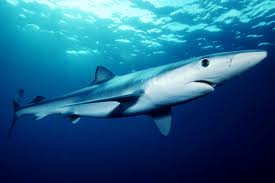
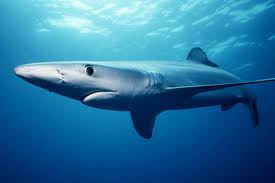
MEET THE BLUE SHARK!

   Range/Habitat: tropical-temperate waters/worldwide

   Diet: Carnivore: squid, fish

   Length: up to 12 ft

   Conservation Status: Near threatened


Fun Facts:

  • Blue sharks are called the “wolves of the sea”.
  • Blue sharks are a beautiful cobalt blue color.
  • They have long pectoral fins.
  • Blue sharks are very fast swimmers and feeders.
  • They have sharp triangular teeth.
  • They migrate seasonally from cooler to warmer waters.
  • Blue sharks have large litters of live pups, up to 100.

Blue sharks are known to be aggressive towards people, so they are best left alone. We think they are such beautiful and graceful predators. Like other sharks, blue sharks are threatened. We need to make sure that our oceans have these apex predators swimming around for a long time!

blue shark    blue shark2

Categories: adventure, Animals, Children, conservation, education, Environment, nature, science, sharks, wildlife | Tags: , , , , , , , , , , , | Leave a comment

WATERY WEDNESDAY # 75

WATERY WEDNESDAY # 75

 All aboard the E & E submarine! We’re going to the deep depths of the ocean to find one of the most elusive fish in the ocean. Even though they are large they are hard to spot!

e e deep sea

MEET THE MEGAMOUTH SHARK!

megamouth shark2   Range/Habitat: Atlantic/Pacific/Indian Oceans (limited spots)

   Diet: Carnivore: krill and plankton

   Length/Weight: up to 18 ft/ up to 1,740 lbs

   Conservation Status: unknown


Fun Facts:

  •          Megamouth sharks were discovered in 1976.
  •          Humans have only seen about 13 individuals.
  •          They are filter feeders and eat very small animals.
  •          Megamouth sharks have small dorsal fins.
  •          Megamouth sharks surface at night to eat.
  •          They have a luminescent stripe around their mouth to attract prey.  

Megamouth sharks are amazing! Can you imagine that we’ve only known about them in the last 30 years? The oceans are full of so many animals that we haven’t even discovered! It’s crazy! We need to explore more!

megamouth shark  megamouth shark3


Categories: adventure, Animals, Children, conservation, education, Environment, fish, nature, science, sharks, wildlife | Tags: , , , , , , , , , , | Leave a comment

SHARK APPRECIATION DAY!

SHARK APPRECIATION DAY!

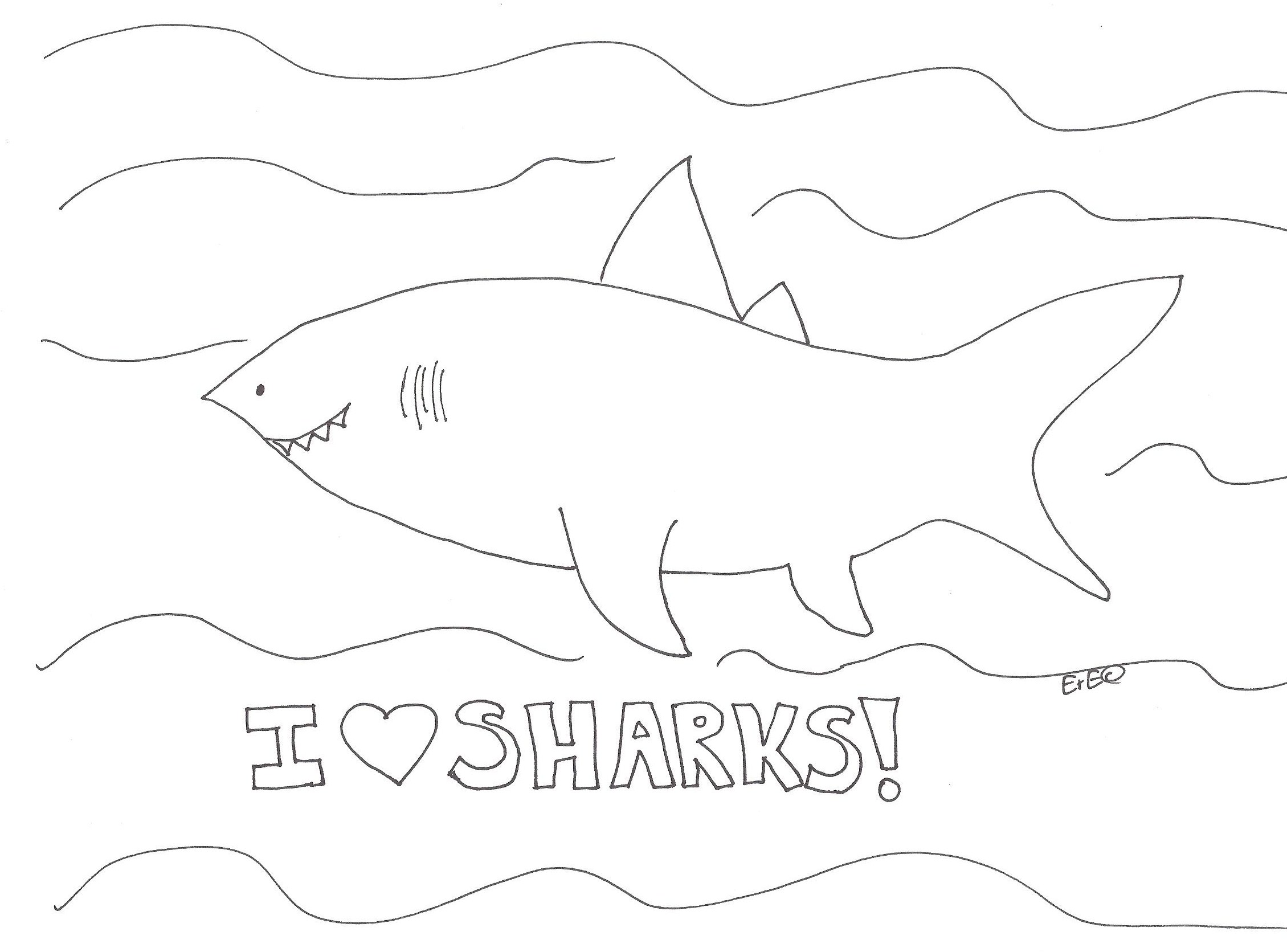
We’re celebrating some of the most fearsome predators of the sea- SHARKS! These fish have a bad reputation but without them, our oceans would be out of whack! Sharks play a vital role in the oceans’ ecosystems. They come in big and small sizes and some even eat plankton! So let’s learn some shark fun facts, enjoy some shark pictures and get out those crayons to color Ellie’s shark coloring sheet!

???????????????????????????????

  • A shark’s skeleton is made of cartilage.
  • There are around 350 species of sharks.
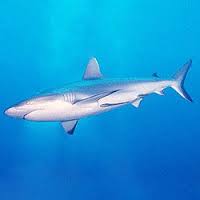
  • Blue sharks can reach speeds of up to 43 mph.

shark1  shark2


  • The dwarf shark is smallest species of shark. It is about 4 inches long.
  • The largest fish in the ocean is the Whale shark. They can get up to 30 feet long.
  • Whale sharks are filter feeders, they eat krill.


shark3   shark4


  • The Megamouth Shark was only discovered in 1976.
  • Sharks swallow their food whole or tear it off in chunks.
  • Sharks can smell one drop of blood in a million drops of water.

shark5  shark6


  • Sharks have been around for about 65 million years.
  • Pigs kill more people each year than sharks!

These amazing creatures are under threat as we deplete their numbers. Remember even animals that seem scary need our respect and protection. The oceans would fall apart without sharks! Check out Once World One Ocean see how you can help!

Image

Categories: adventure, Animals, Children, conservation, education, Environment, fish, nature, science, sharks, wildlife | Tags: , , , , , , , , , , , | 2 Comments

SUPER SURPRISE THURSDAY # 71

SUPER SURPRISE THURSDAY # 71

It’s time to guess the animal. Check out the photo, read the clues and tell us your answer!

great white shark

  • I am a cartilaginous fish.
  • I am a predator.
  • I have a bad reputation, but I am an essential part of the ocean!

WHO AM I?

Categories: adventure, Animals, Children, conservation, education, Environment, fish, science, sharks, wildlife | Tags: , , , , , , , , , | 3 Comments

WATERY WEDNESDAY # 71

WATERY WEDNESDAY # 71

 We’re taking the E & E sub down to the ocean’s floor to find a member of the shark family! These beauties rest on the bottom during the day and look for food at night! We have plenty of room in the sub for everyone! Let’s do this…

e e deep sea

MEET THE NURSE SHARK!

nurse shark   Range/Habitat: East Pacific-Atlantic/ reefs, coastlines

   Diet: Carnivore: invertebrates, crustaceans

   Length/Weight:  9-14 ft/ over 300 lbs

   Conservation Status: common


Fun Facts:

  •          Nurse sharks have barbells on the bottom of their mouth to find food.
  •          They suck prey of the ocean floor.
  •          Nurse sharks are nocturnal.
  •          Nurse sharks rest on the bottom in caves and crevices during the day. They often rest in groups.
  •          They pump water through their mouth and over their gills when they rest.

Nurse sharks are really cool. Not all sharks have the ability to rest like these guys do; most have to swim to keep the water passing over their gills. Too bad we can’t have a nurse shark in our bathtub here at headquarters.

nurse shark2   nurse shark3


Categories: adventure, Animals, Children, conservation, education, Environment, fish, nature, oceans, science, sharks, wildlife | Tags: , , , , , , , , , , , , | Leave a comment

Blog at WordPress.com.