Posts Tagged With: animals

We Meet Sheep!

Working Sheep!

We recently went to a Chastain Park to visit a herd of sheep and goats! What were these goat and sheep doing in our local park? Well, they were there to eat and eat and eat! The herd of sheep is part of a program sponsored by Trees Atlanta to help clear local parks and areas of overgrowth and invasive plants. Chastain Park in particular had a problem with kudzu! That’s where the herd of 100 sheep and goats get to work! They spent several weeks eating the around 2 acres of kudzu, pretty easy to do when you’re a sheep that can eat up to 150 square feet of kudzu a day!

Here’s a map of the area where the sheep “worked” 🙂

The herd was hired from EWE-niversally Green! That’s right folks there are companies where you can hire sheep to eat your plants! Cool, huh?

The sheep and goats have move to A. D. Williams Park to chomp away more invasive plants! Yum! Check out the Trees Atlanta website for when and where you can visit the sheep herd again!

Check out our photos from our breakfast with sheep!

Goats & sheep of all colors!
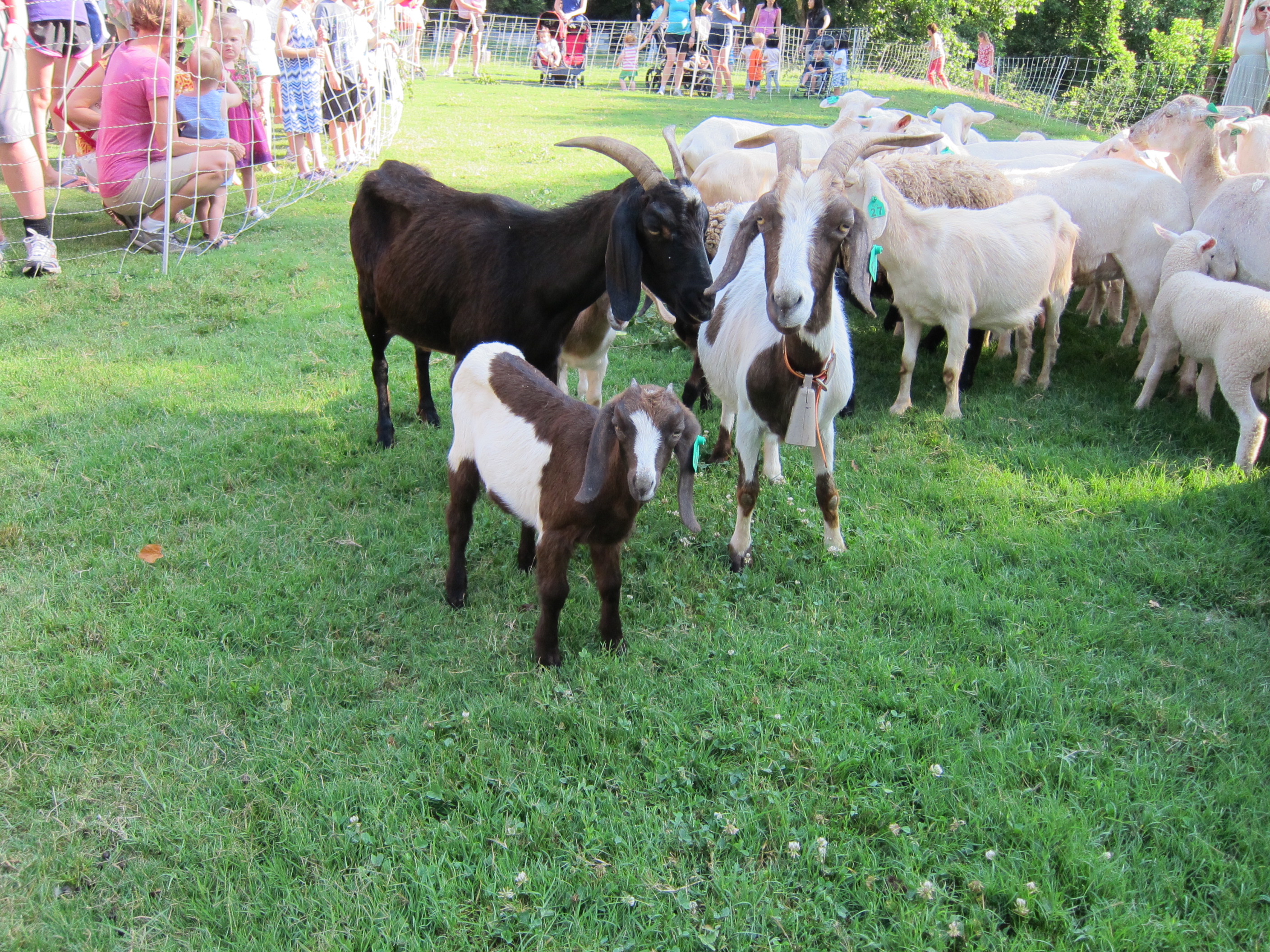
Such cuties!


We learned all about Trees Atlanta!

Have ewe heard?


Sheep enjoying some browse! We love browse too!


This little lamb was just too adorable!
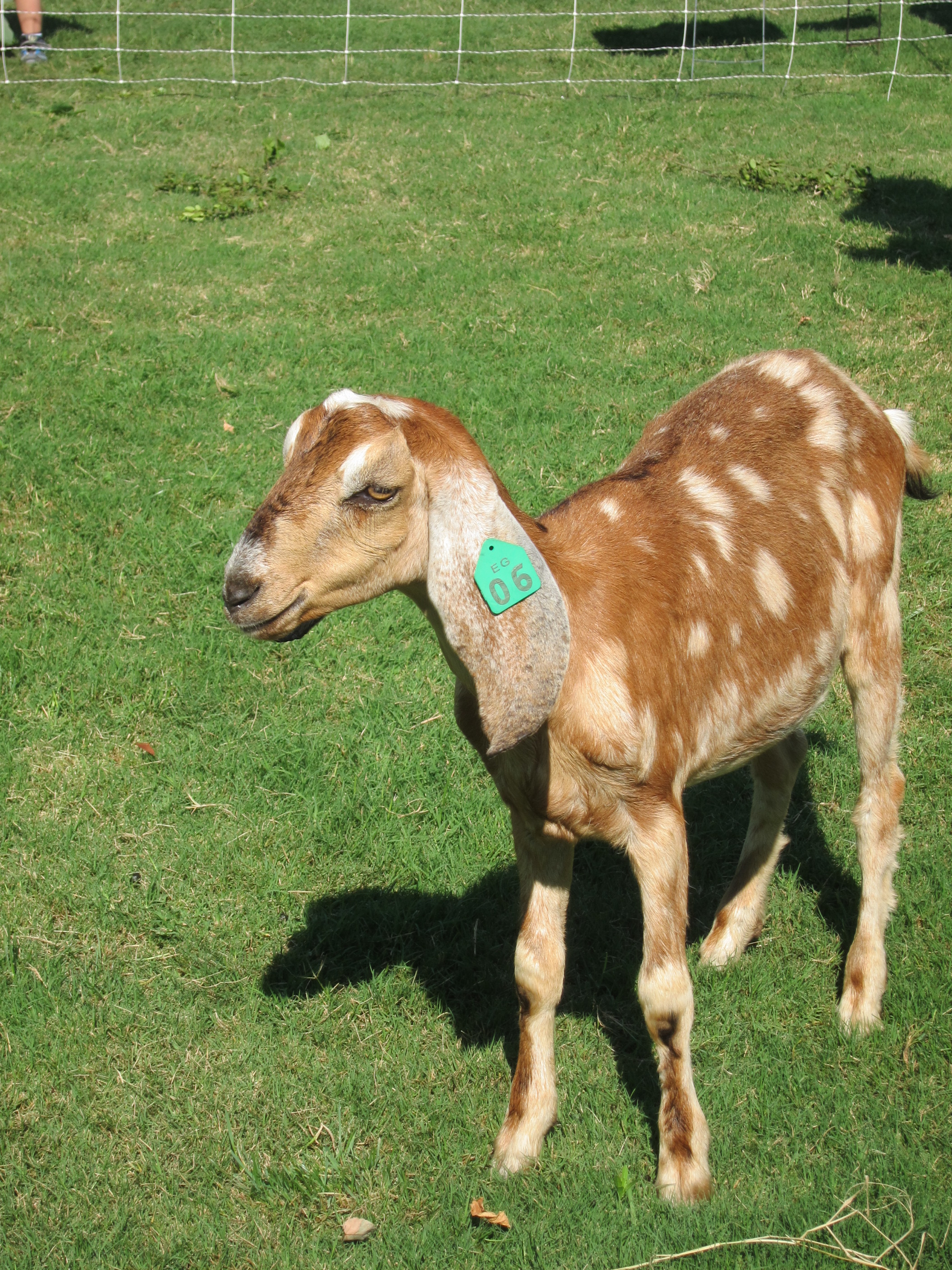
This little guy is named Brownie!
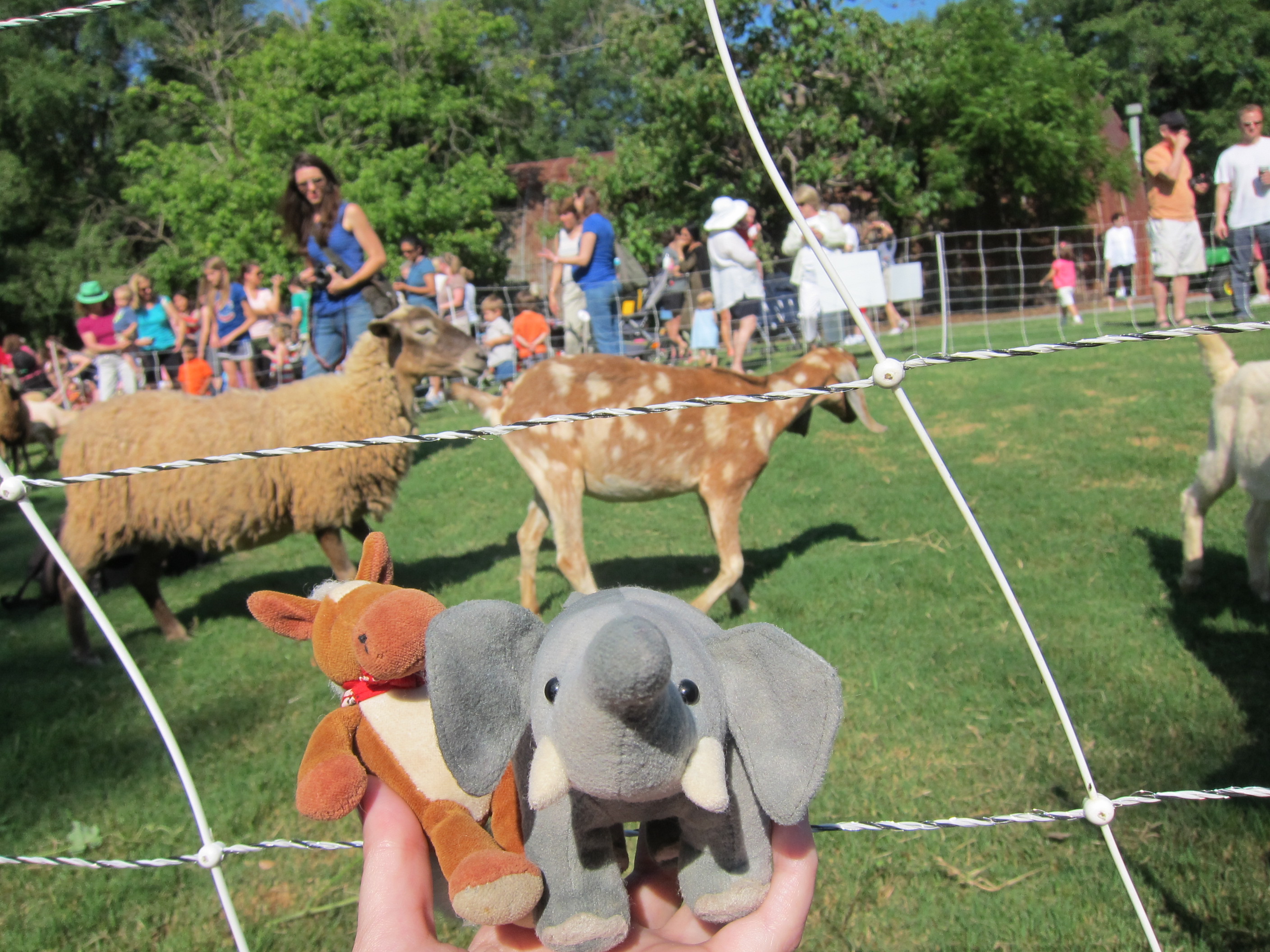


Here we are with Brownie in the back!

Who needs more cowbell?

Categories: adventure, Animals, Atlanta, backyard, education, Environment, mammals, nature, parks, plants, trees, wildlife | Tags: , , , , , , , , , , | 2 Comments

FEATHERY FRIDAY # 41

FEATHERY FRIDAY# 41

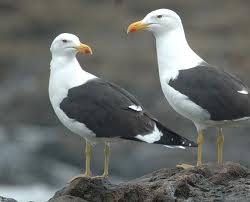
Today’s feathery friend lives all over the world in the Southern Hemisphere, so we chose to jet over to New Zealand to find them. Grab your beach blankets and sunglasses and let’s take a picnic out to meet this bird!

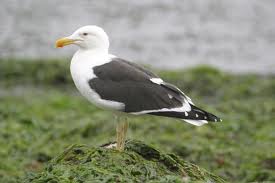
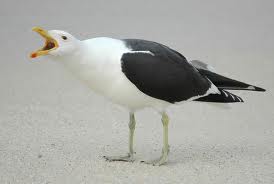
MEET THE KELP GULL!

   Range/Habitat: South America-South Africa-New Zealand-Australia/

oceans-coastlines

   Diet: Omnivore: invertebrates, birds, fish

   Length/Weight: 21 ½-26”/2- 3 ½ lbs

   Conservation Status: common


Fun Facts:

  • Kelp gulls are large coastal birds.
  • They have black backs and wings and a white body and head.
  • Kelp gulls are also known as the Dominican gull.
  • They are one of the most widespread gulls in the Southern Hemisphere.
  • Both the female and males take care of the chicks.

We think Kelp gulls are great. They are so fancy in their black and white feathers.  Do our readers ever talk to gulls at the beach?


Categories: Animals, birds, Children, education, Environment, nature, oceans, science, wildlife | Tags: , , , , , , , , | Leave a comment

BATS!!!

BATS!!!!!!

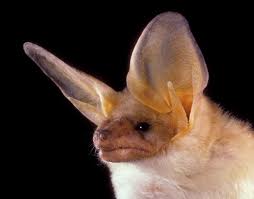
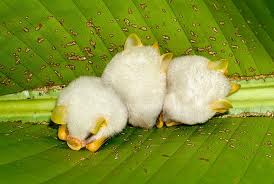
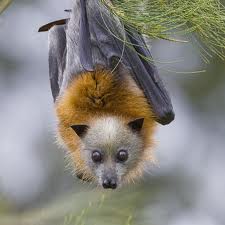
We’re going batty today and we want you to join us! In honor of the big movie about guy who dresses up as a bat, we’ve decided to celebrate these special mammals today!

Did you know that bats are the only flying mammal on the planet?

The smallest bat is the Bumblebee Bat! They’re about the size of a dime!

There are about 1,200 species of bats on the the planet!

They make up 25 % of all mammal species!

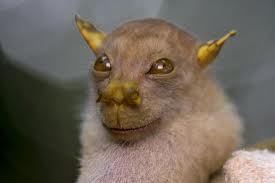
They come in all shapes and sizes! Some are cute, some are funny looking bats. Some bats eat fruit, some eat insects and there are a few who drink blood!

So let’s celebrate these special mammals with some great photos!! Let us know what you love about BATS!

Categories: Animals, backyard, bats, Children, education, Environment, mammals, nature, science, wildlife | Tags: , , , , , , , | 2 Comments

REPTILIAN TUESDAY # 41

REPTILIAN TUESDAY # 41

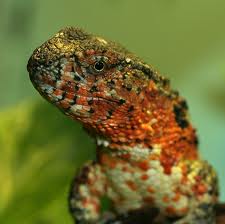
Let’s pack our bags and head off to the Far East today to find a brightly colored lizard! Grab your wellies because we’re heading into the wetlands to locate these little reptiles! Are you ready?

MEET THE CHINESE CROCODILE LIZARD!

   Range/Habitat: East Asia (China)/ wetlands

   Diet: Carnivore: fish, tadpoles, insects

   Length: 15- 18”

   Conservation Status: vulnerable


Fun Facts:

  • Chinese crocodile lizards have enlarged scales down their tails, similar looking to crocodiles.
  • They live near or in watery habitats.
  • Chinese crocodile lizards are excellent swimmers and can stay submerged for long periods of time.
  • They will “freeze” or stay perfectly still for hours to defend themselves.
  • They can even shut down on extremely cold evenings.
  • Chinese crocodile lizards are called by local people “lizards of great sleepiness”.
  • Male Chinese crocodile lizards are more colorful than the females.

Wow! These lizards are amazing! They look a bit like little dinosaurs. Watching them has made us soooo sleepy. Who else needs a nap?


Categories: Animals, Children, education, Environment, lizards, nature, reptiles, science, wetlands, wildlife | Tags: , , , , , , , , | 4 Comments

MAMMAL MONDAY # 41

MAMMAL MONDAY # 41

We’re off to South Africa desert today to meet a very special member of the canid family! Be on the lookout for a pair of BIG ears! Ssssshhh… we don’t want to scare them!

MEET THE BAT EARED FOX!

   Range/Habitat: Eastern-South Africa/ desert-scrub

   Diet: Omnivore: insects, termites, dung beetles

   Length/Weight: 18-26”/ 4 ½-10 lbs

   Conservation Status: common


Fun Facts:

  • Bat eared foxes have HUGE ears, over 5” long!
  • Bat eared foxes have more teeth than any other mammal, up to 48!
  • They are nocturnal (active at night).
  • Bat eared foxes locate their prey by sound.
  • They live in family groups of 2-5 individuals.
  • Bat eared foxes live in dens underground.

Aren’t these foxes so cute with their giant ears? And we thought only Ellie had big ears! Can you imagine being able to hear bugs? That is crazy!


Categories: africa, Animals, Children, education, Environment, mammals, nature, science, wildlife | Tags: , , , , , , , , | Leave a comment

FEATHERY FRIDAY # 40

FEATHERY FRIDAY# 40

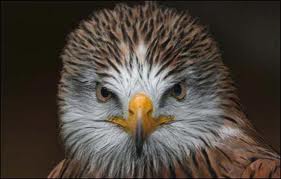
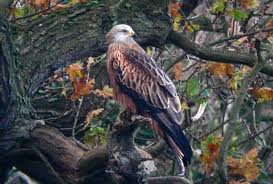
Yesterday we met a cute little rainforest bird, but today we’re going to meet a big raptor! We’re taking a hike in the woods to see if we can find this handsome feathered friend!

MEET THE RED KITE!

   Range/Habitat: Europe-West Asia-North Africa/ forests-woodlands

   Diet: Carnivore: small mammals, carrion

   Length/Weight: 24-26”/ 27-36 lbs

   Conservation Status: Near threatened


Fun Facts:

  • Red kites are agile fliers.
  • They have a wide wing span and forked tails.
  • Red kites often tilt side to side while they fly.
  • Red kites have pale grey heads.
  • They are diurnal (active during the day).
  • Red kites are primarily scavengers.
  • Mother red kites have their chicks play “dead” to avoid predators like fox.

These handsome birds were almost extinct in parts of the UK. They have had their numbers grow after a group of dedicated people have worked to save them. That’s good, because the skies are more beautiful when there are red kites flying!


Categories: Animals, birds, Children, education, entertainment, nature, science, wildlife | Tags: , , , , , , , | 2 Comments

SUPER SURPRISE THURSDAY # 40

SUPER SURPRISE THURSDAY# 40

We’re heading back to the rainforests of Central America to meet a cute little bird with a long name! Better get your climbing gear on because these birds like the canopy! Let’s do this!

MEET THE VIOLACEOUS TROGAN!

   Range/Habitat: Southeast Mexico-Central South America/ rainforest

   Diet: Omnivore: insects, fruits, invertebrates

   Length/Weight: 9-10”/ 1 5/8-2 3/8 oz

   Conservation Status: Common


Fun Facts

  • Violaceous trogans live in the canopy (near the top) of the trees.
  • Male violaceous trogans have beautiful blue heads with a yellow breast.
  • Female violaceous trogans are mostly gray.
  • Violaceous trogans have striped tails.
  • They nest in old trees or in ant or termite mounds.

These little birds are so cute and those males are so brightly colored. They must attract a lady bird!


Categories: Animals, birds, Children, education, Environment, nature, rainforests, science, Uncategorized, wildlife | Tags: , , , , , , , | Leave a comment

WATERY WENESDAY # 40

WATERY WEDNESDAY# 40

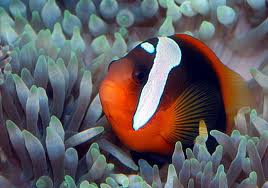
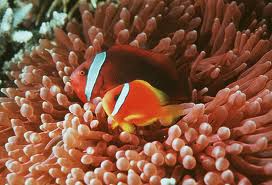
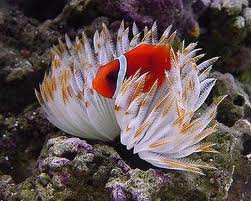
We’ve got on our snorkeling gear and we’re taking a dip in the Western Pacific to find a brightly colored fish, who has a great relationship with another sea creature! Do you have on your wetsuit? Let’s dive in!

MEET THE TOMATO CLOWNFISH!

   Range/Habitat: Western Pacific/coral reefs

   Diet: Herbivore: plankton, algae

   Length: 3- 5 ½”

   Conservation Status: Common


Fun Facts:

  • Tomato clownfish are also known as bridled or red clownfish.
  • They among an anemone.
  • Tomato clownfish are immune to the stings of the anemone because of mucus they produce.
  • Usually a family of tomato clownfish occupies an anemone.
  • If the tomato clownfish leaves its anemone it must reestablish its immunity with brief contact.
  • They usually prefer purple anemones.
  • Female tomato clownfish are usually larger than the males.

We bet you didn’t know there were other kinds of clownfish in the world did you? It’s all about Nemo… Well these little tomato clownfish deserve some love too!


Categories: Animals, Children, education, Environment, nature, oceans, science, wildlife | Tags: , , , , , , , , | Leave a comment

REPTILIAN TUESDAY # 40

REPTILIAN TUESDAY # 40

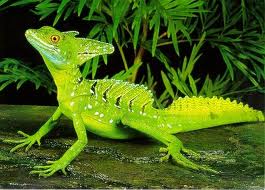
We’re off to the rainforests of Central America to meet a really cool reptile that has a special adaptation! Can you run on top of water? We didn’t think so! Let’s head out on today’s adventure!

MEET THE PLUMED BASILISK!

   Range/Habitat: Central America/ rainforests-wetlands

   Diet: Omnivore: insects, rodents, fruits

   Length: 23 ½-30”

   Conservation Status: common


Fun Facts:

  • Plumed Basilisks are arboreal (they live in trees).
  • They live near streams and rivers.
  • Plumed basilisks run across the surface of the water on their hind feet.
  • Plumed basilisks have 3 crests on body; on their head, back and tails.
  • They are excellent swimmers and can stay under water for 30 minutes.
  • Male plumed basilisks are very territorial. They preside over a territory with numerous females.

These lizards are sooo cool! Can you believe they can run on water? We wish we could do that, alas we only doggie paddle, or elephant and horse paddle in this case!


Categories: Animals, Children, education, Environment, lizards, nature, rainforests, reptiles, science, wildlife | Tags: , , , , , , , , | 2 Comments

MAMMAL MONDAY # 40

MAMMAL MONDAY # 40

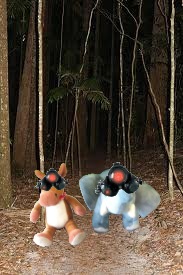
We’re taking a night hike in the Malaysian rainforest today to meet a very neat animal who looks like a cat, but isn’t! Are you ready for another great Ellie and Edmond adventure? Grab your night vision goggles and let’s go!

MEET THE MALAYAN CIVET!

   Range/Habitat: Southeast Asia/ rainforest

   Diet: Carnivores: millipedes, bugs, mice

   Length/Weight: 24-26”/ 7 ¾-10 lbs

   Conservation Status: common


Fun Facts:

  • Malayan civets are covered in dark spots and have a black and white “collar”.
  • Malayan civets have 15 bands on their long tails.
  • They are nocturnal and solitary.
  • Malayan civets are distantly related to cats and hyenas and mongooses.
  • They are mostly ground dwellers.

These cool little civets are so cute. They look like little bandits in the rainforests at night! What’s your favorite thing about them?


Categories: Animals, Children, education, Environment, mammals, nature, rainforests, science, wildlife | Tags: , , , , , , , | 2 Comments

Blog at WordPress.com.