Posts Tagged With: children

WATERY WEDNESDAY #14

WATERY WEDNESDAY# 14

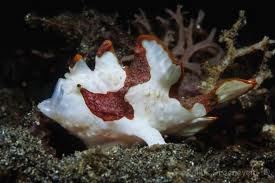
Coral reefs are like the rainforests of the oceans! Reefs are full of all kinds of strange and wonderful animals and we have a strange looking fish for you today! This fish grows warts! Yep, warts! Eeew! Let’s meet the odd looking fish…

MEET THE WARTY FROGFISH!

Range/Habitat: Western Pacific-Indian Oceans/coral reefs

Diet: Carnivore: small fish, crustaceans

Length/Weight: up to 4 ½”

Conservation Status: Common

Fun Facts:

  • Warty Frogfish are relatives of anglerfish.
  • Instead of dorsal fins, they have long spines which act as lure to catch prey. If the top of the lure breaks off, they will regenerate a new one.
  • Warty frogfish are ambush predators, meaning they lay in wait for prey to swim by and then they grab them!
  • Young warty frogfish are white with yellow, orange or red. They develop their warty bumps as adults.
  • Warty frogfish are experts at mimicry and camouflage. They don’t just blend in with their surroundings, they actually look coral!

Wow, warty frogfish are some crazy looking fish and excellent at blending in with their habitats!  If you didn’t see them moving you might just miss them! Plus warty frogfish is just fun to say! Try and say it fast three times! Warty frogfish, warty frogfish, warty frogfish! Poof- now you are one :)!

Check out this video of a warty frogfish ambushing its prey!

http://www.youtube.com/watch?v=ShikyxTGW2U

Categories: Animals, Children, education, Environment, fish, nature | Tags: , , , , , | Leave a comment

Field Trip to Elachee Nature Center

FIELD TRIP! We waited and waited for a beautiful day to come so that we could go to the mountains of North Georgia and it finally came! And man what a perfect day; it was a little chilly, the sky was blue and the leaves were brightly colored! We decided to make our way to the Elachee Nature & Science Center for the morning!

We arrived and made our way in the center!
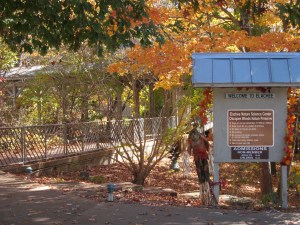
Elachee Nature & Science Center

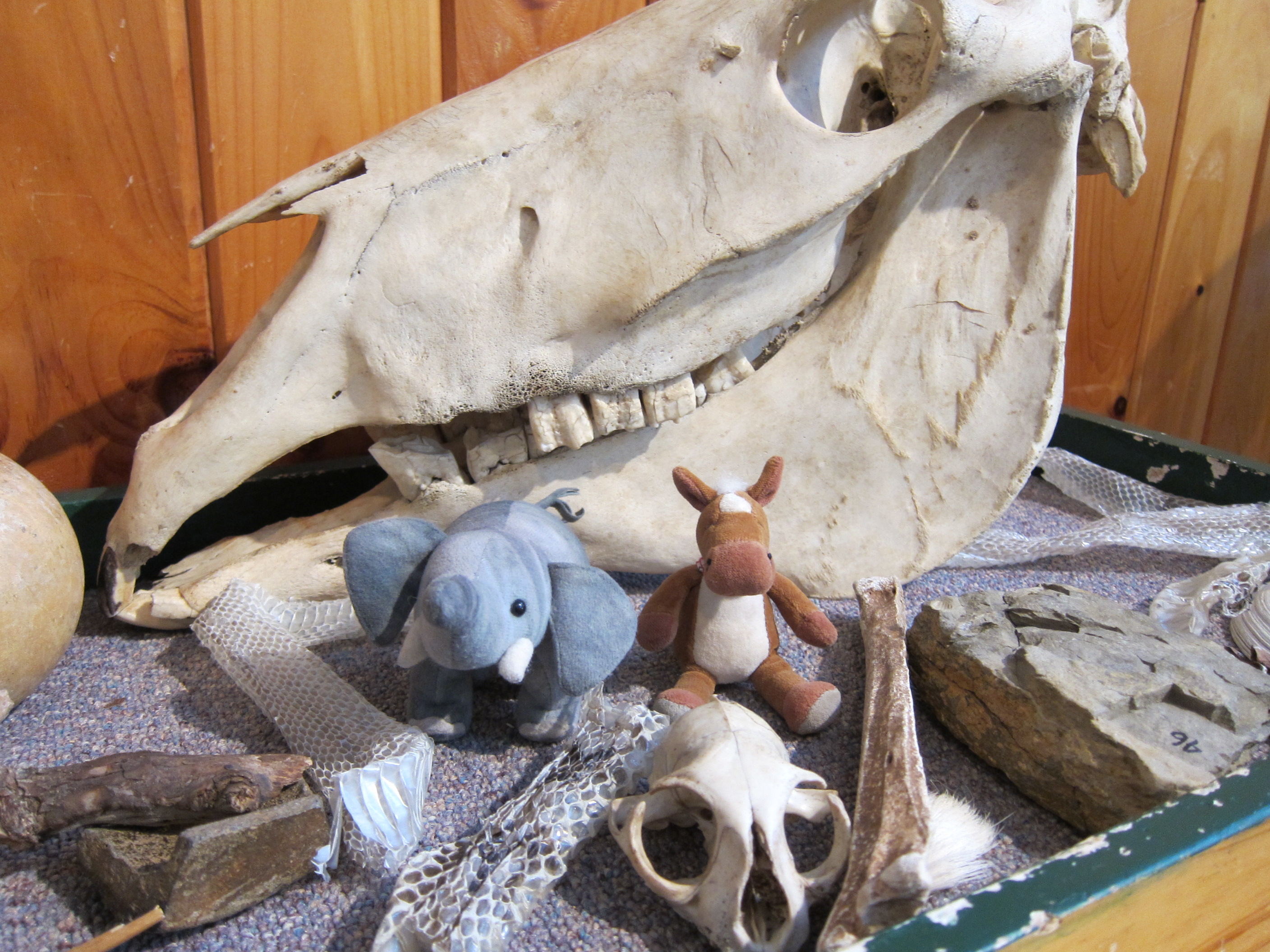
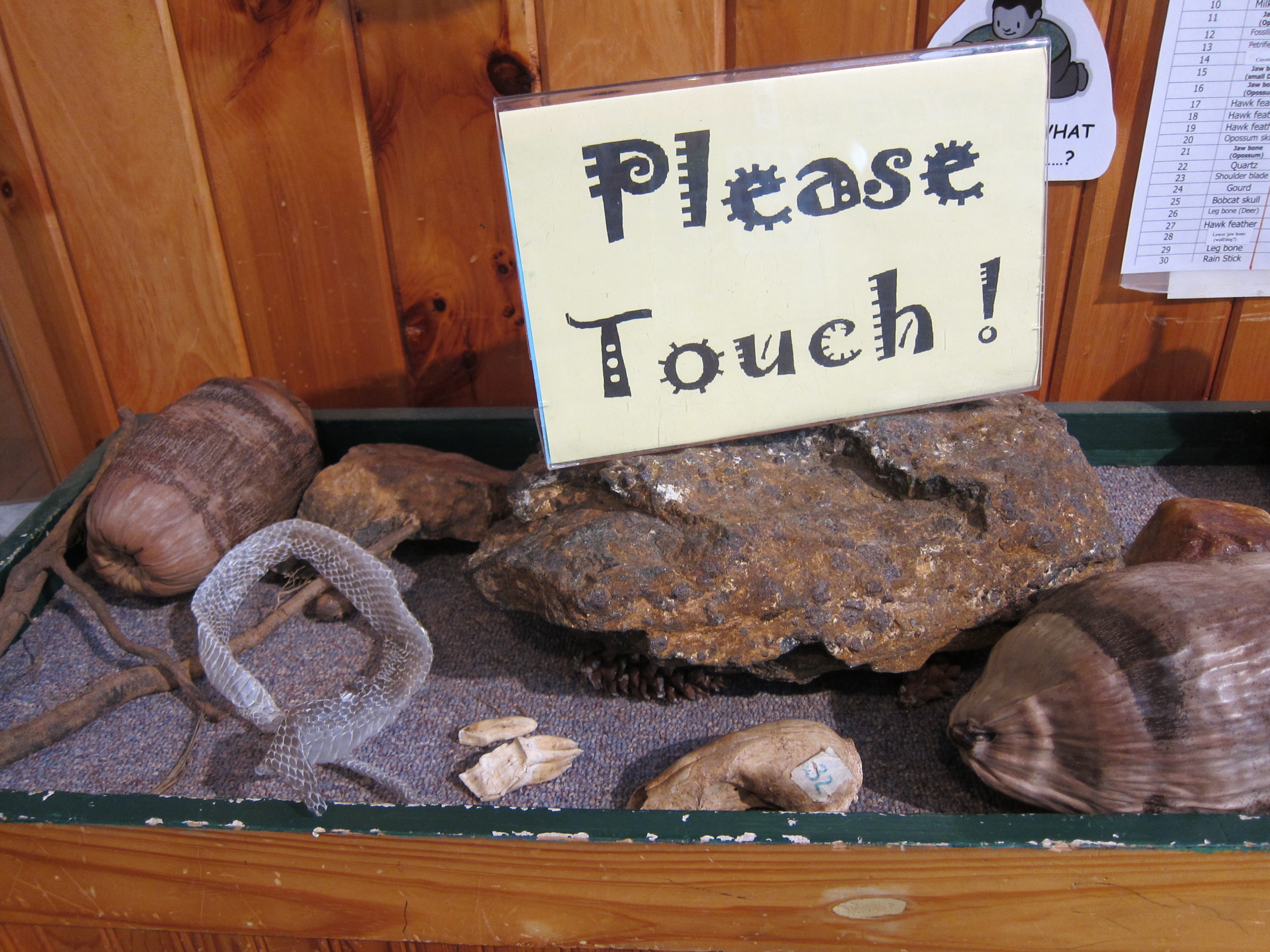
We spoke to very nice lady who worked there! She first showed us some great touch shelves full of skulls, snake sheds and all kinds of wonderful items!

Ellie and Edmond in front of a horse skull
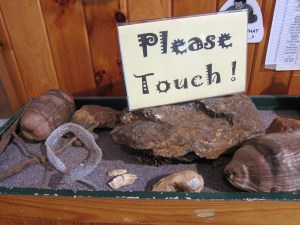
Touch shelves!

Can you believe they let you touch all these neat items? It was loads of fun!
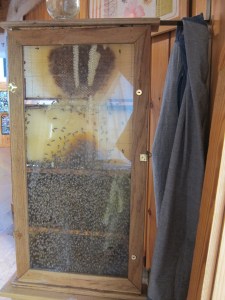
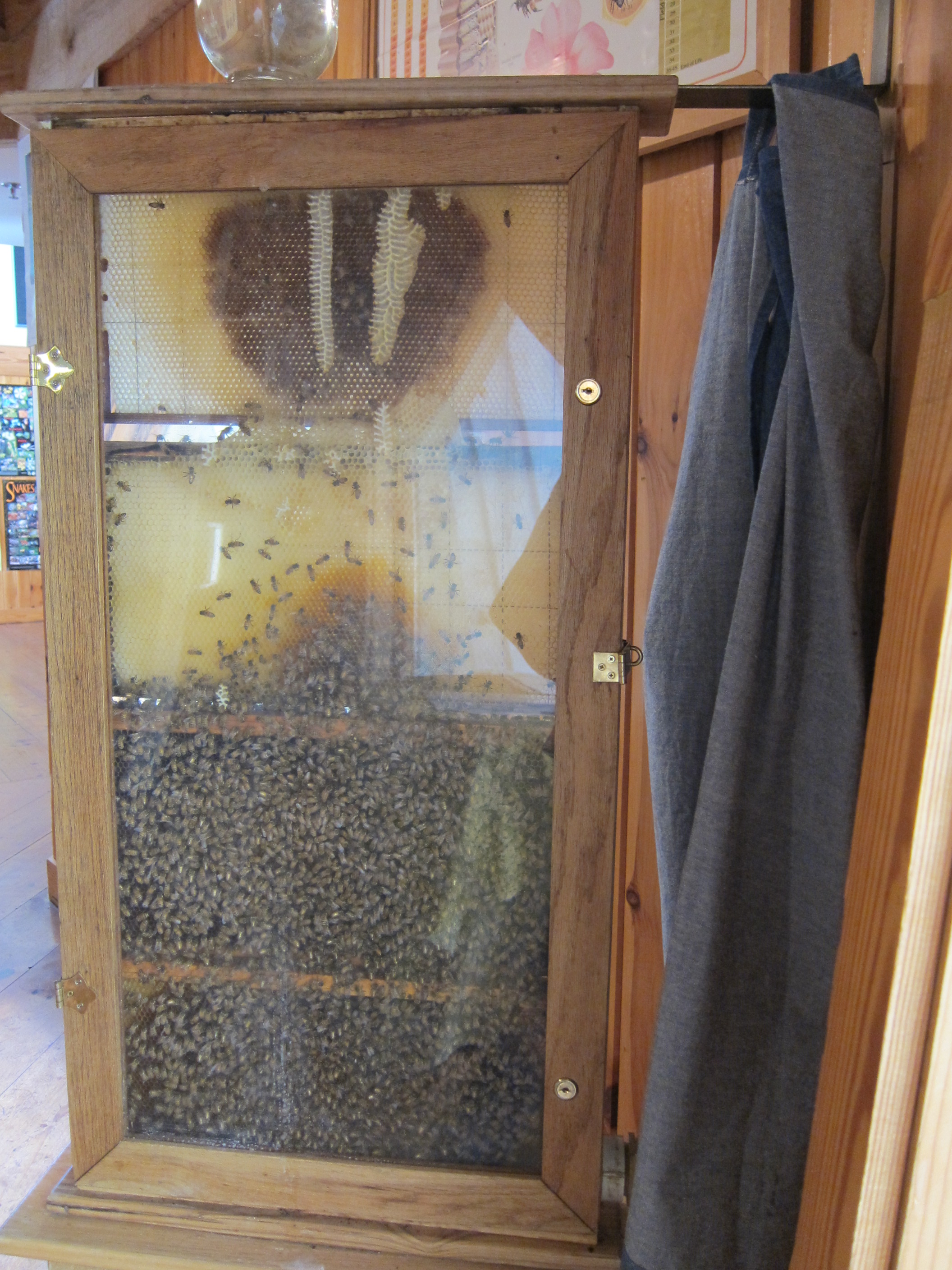
Here's the beehive!

Next we headed into the center’s museum! We first encountered BEES! Yes, you heard right folks, BEES! The nature center has a small hive of bees that live there! It’s really neat to watch them buzz about and make honey. The bees weren’t super active when we saw them, because they’re getting ready for the cooler temperatures!

The best part of the bees is that you can buy the honey that they make right there in the center!

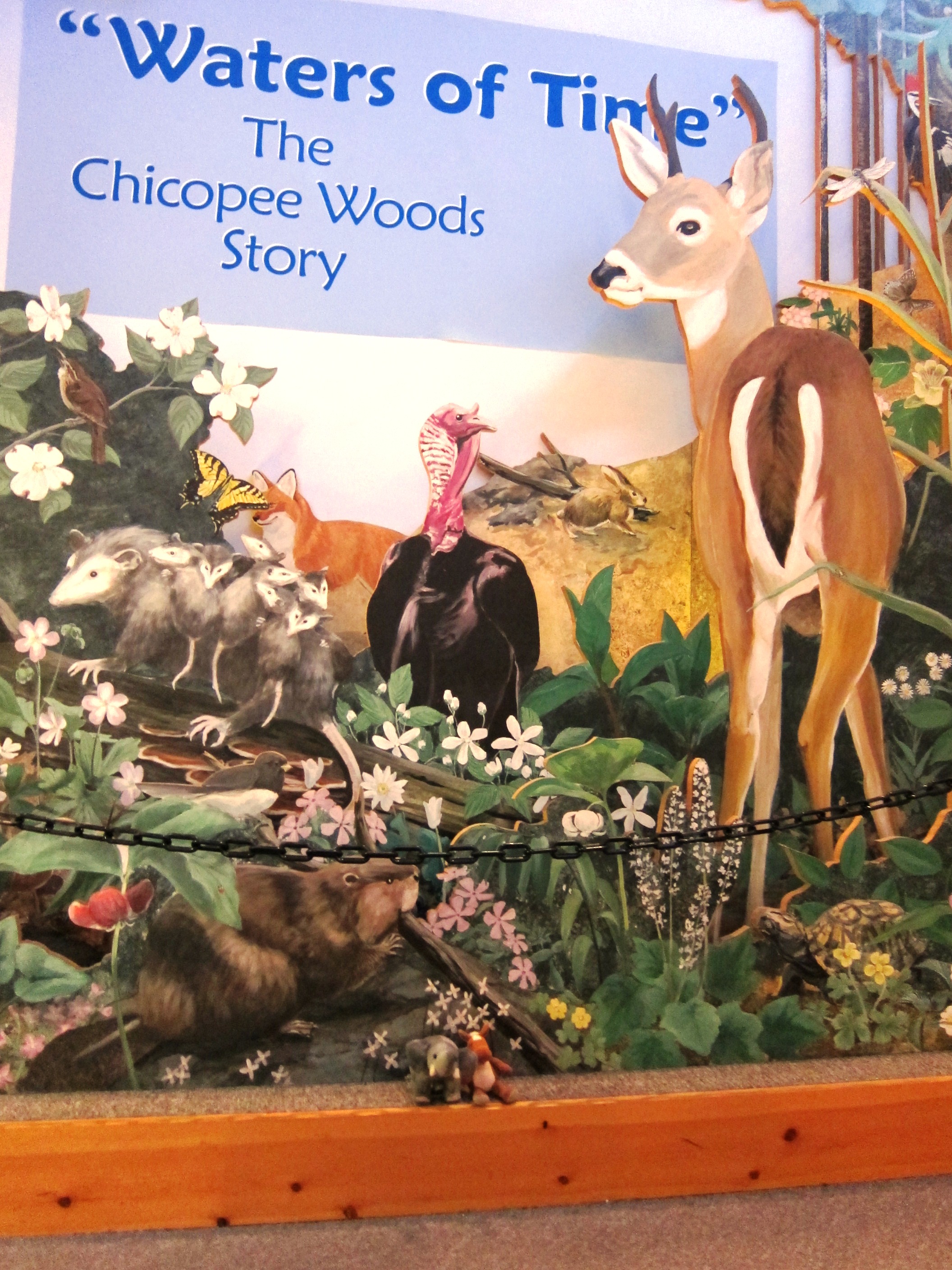
We moved into the Chicopee Woods story gallery of the museum! You go back in time and learn what today’s woods looked like all the way back to the time before the dinos; and you can do it without a time machine!

We'e about to learn the story of the Chicopee Woods!

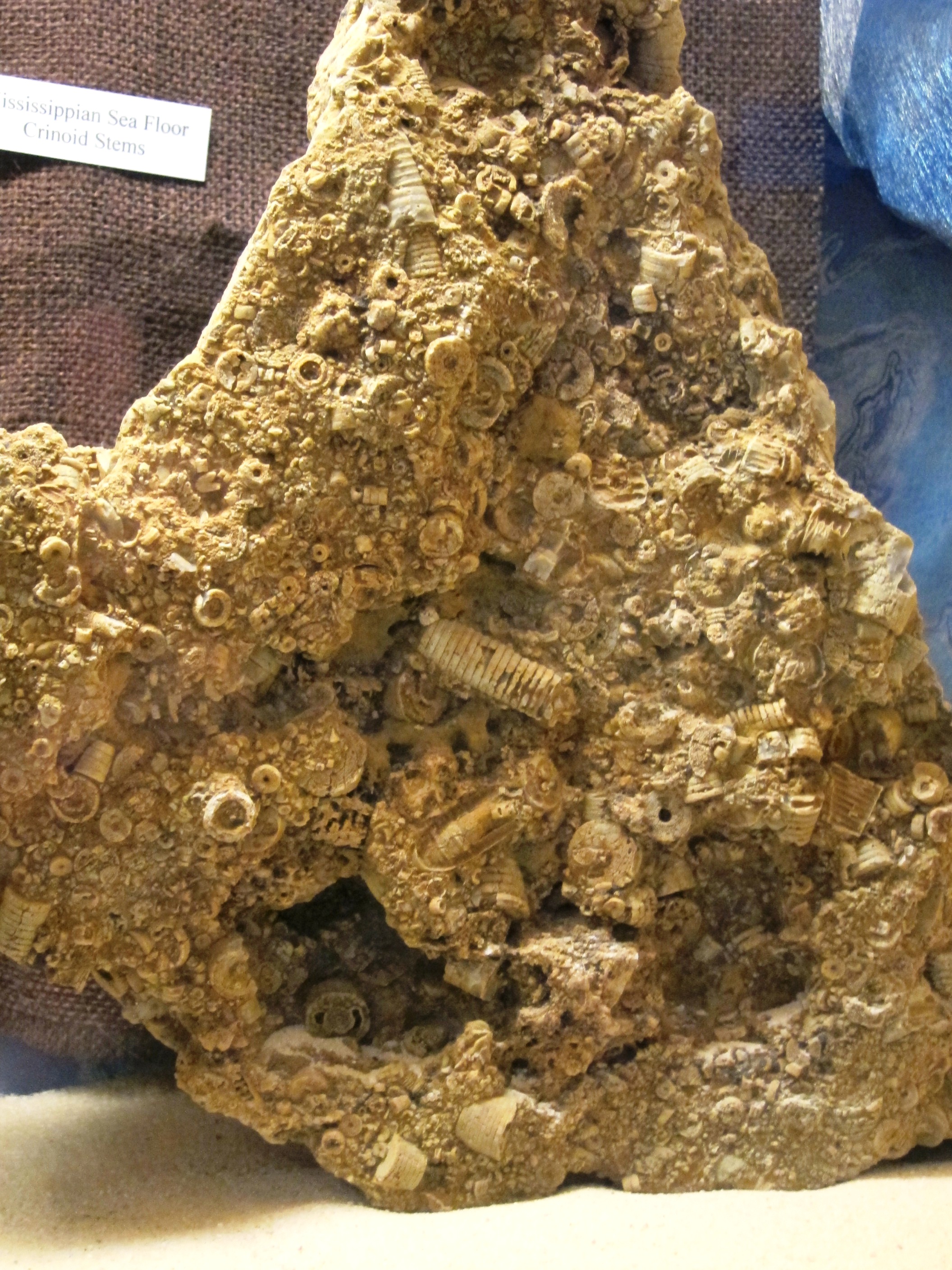
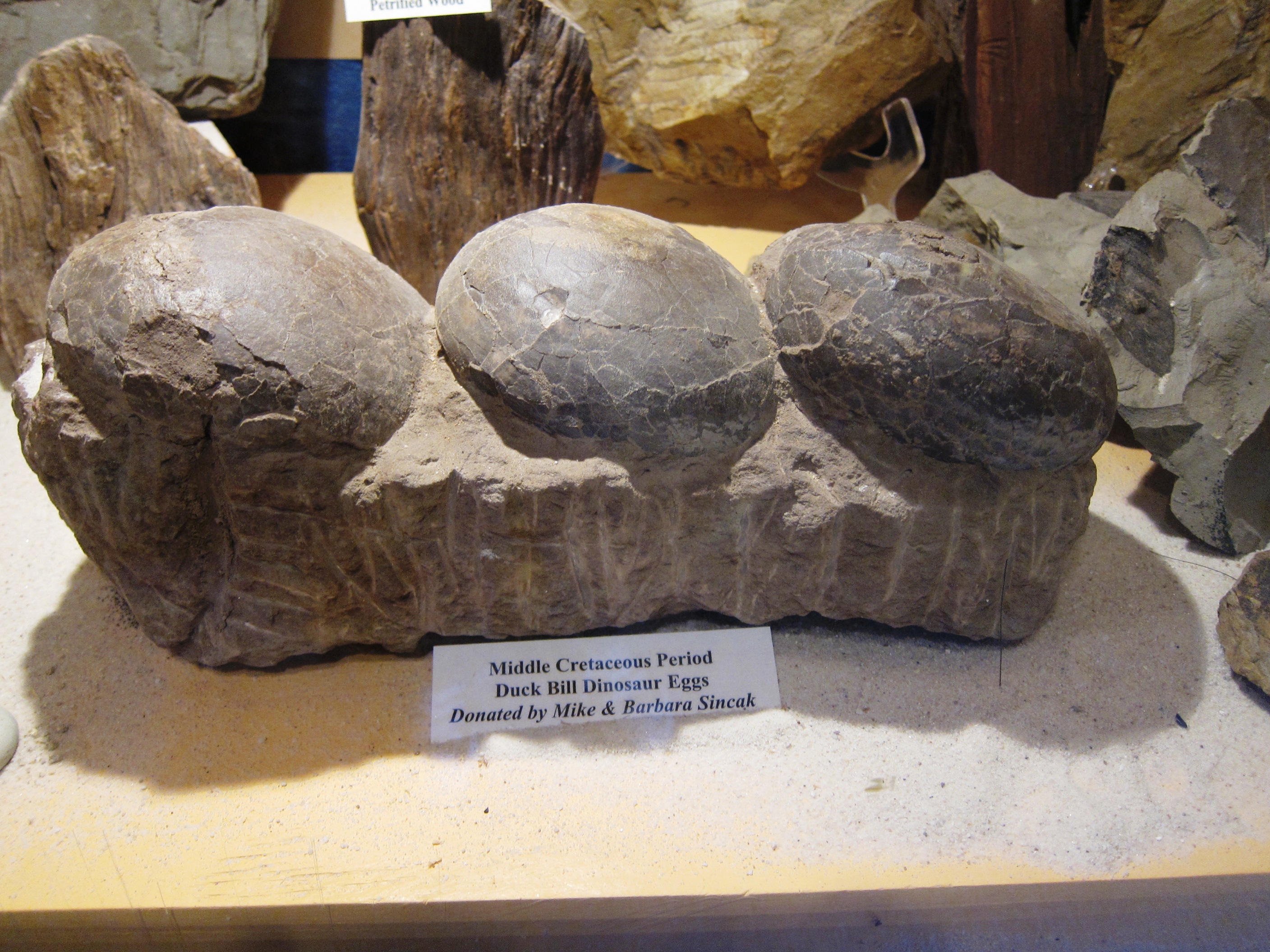
We found all kinds of different fossils that came from the area!

Fossils on the bottom of the sea floor!
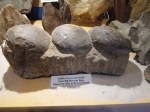
Fossilized Duck Billed Dinosaur Eggs!

The biggest fossil there was a Mosasaur!

Mosasaur!

Its name means river lizard and it lived during the last 25 million years of the Crustaceous period. This giant marine reptile, a distant relative of snakes, swam in the oceans! Yep, the Chicopee woods at one time were under water! Can you believe it? The center even shows you all the work it takes to dig and find fossils!

Digging for fossils!

Being a paleontologist is HARD work!

Edmond found a sign that said when horses first appeared!

Edmond learns about ancient horses!

Horses started out very small, about the size of a dog! Wow! Edmond was very excited to learn about his ancestors! Recent DNA studies show that horses were very spotty at one point!

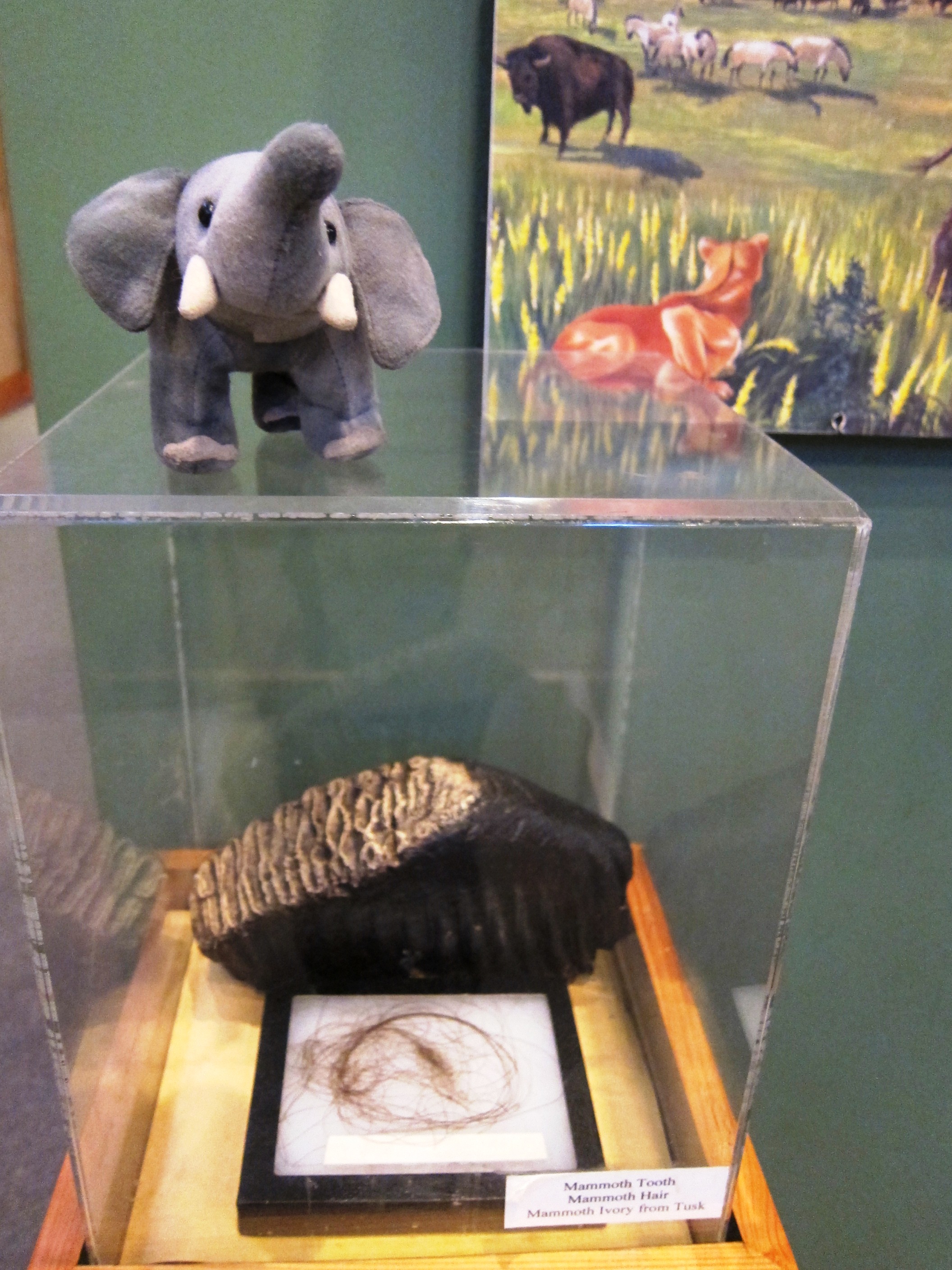
The day just got better when Ellie found a fossilized mammoth tooth and hair!

Ellie with the mammoth tooth and hair! That is one BIG tooth!

Did you know that mammoths are early relatives of the modern elephant? Turns out our Asian elephant cousins are more closely related to mammoths than African elephants, but we’re all still family!

As we wandered around we saw and learned all about the events and people that lived in this area throughout history! It was very interesting! We did find this lovely guide to some of the animals you might see in the woods surrounding the center!
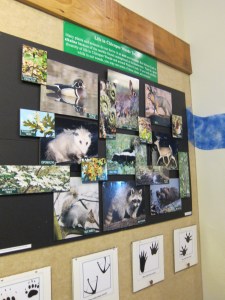
Animals you made find in the woods.

We were hoping to see all of them!

The other gallery in the museum talked all about space!

Enter to learn about the stars, planets, moon and sun!

It’s a neat space that talks about the moon and stars and sun. Ellie had to hold Edmond’s hoof because he’s afraid of the dark! Sadly, we didn’t take many pictures because we couldn’t get our camera in the right setting. Trust us, you will not be disappointed!

We then hit up the live animal room underneath the museum! They have all kinds of fun animals living at the center! We found snakes, salamanders, frogs and turtles!

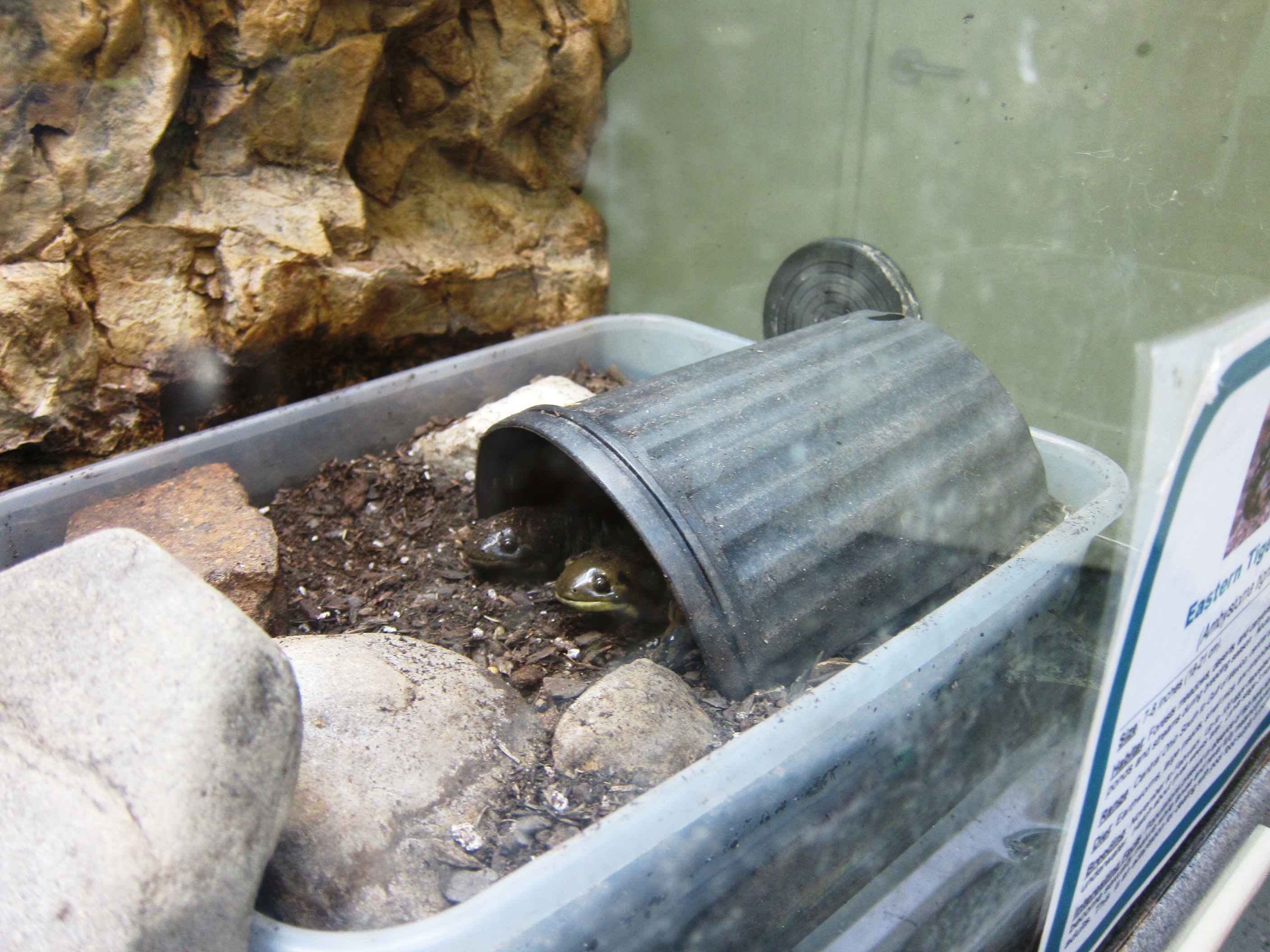
Super cute Eastern Tiger Salamanders! We wondered if they could roar like a tiger! Probably not.

A red rat corn snake posed for us!

An Eastern box turtle is about to chow down on some salad! YUM!

You can even adopt some of these animals! No silly, you can’t take them home, but you can adopt them by helping pay for their care! We wondered if the animal writes you a thank note when you adopt them (that’s hard for snakes).

Our last stop for the day was the Chicopee Woods themselves! We went exploring around the outside of the center and found beautiful fall leaves, animals and scarecrows!
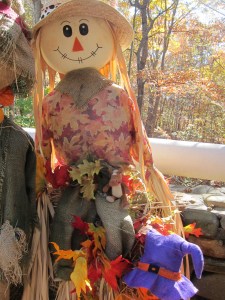
Edmond liked the scarecrow!

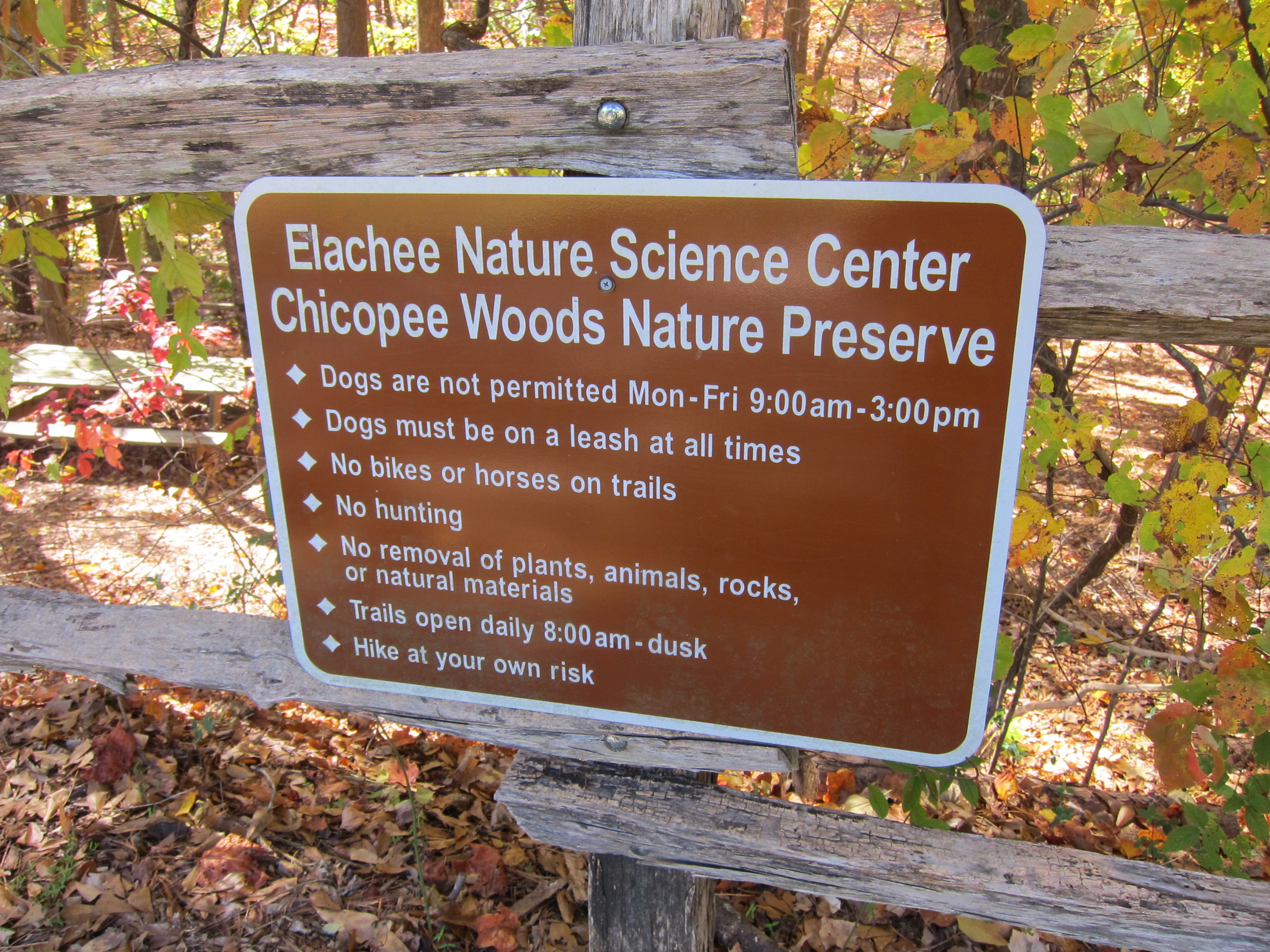
The center has loads of trails for you explore, just remember the rules J!

The woods are for everyone!

The nice lady at the center told us that volunteers help to maintain the trails for visitors! It’s so nice of them to do all that work for us to enjoy the woods!

We found these lovely lichen or fungus on a fallen tree!

Lichen or fungus on a tree! Pretty!

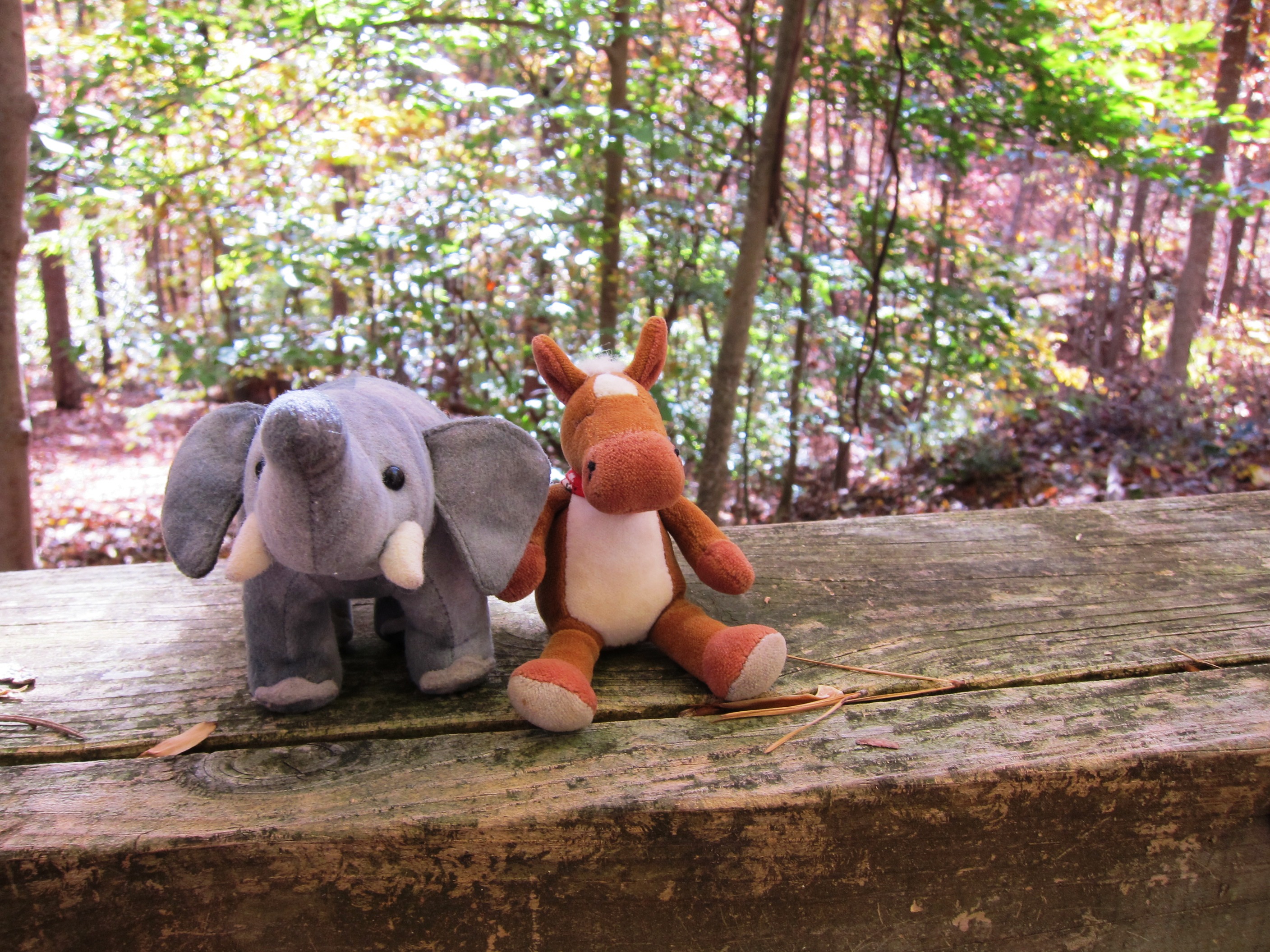
We really enjoyed exploring the trail!

Here we are on one of the trails!

Unfortunately the only animal we encountered was a squirrel, but he was pretty cute!

A squirrel grabs a quick bite near the picnic tables!

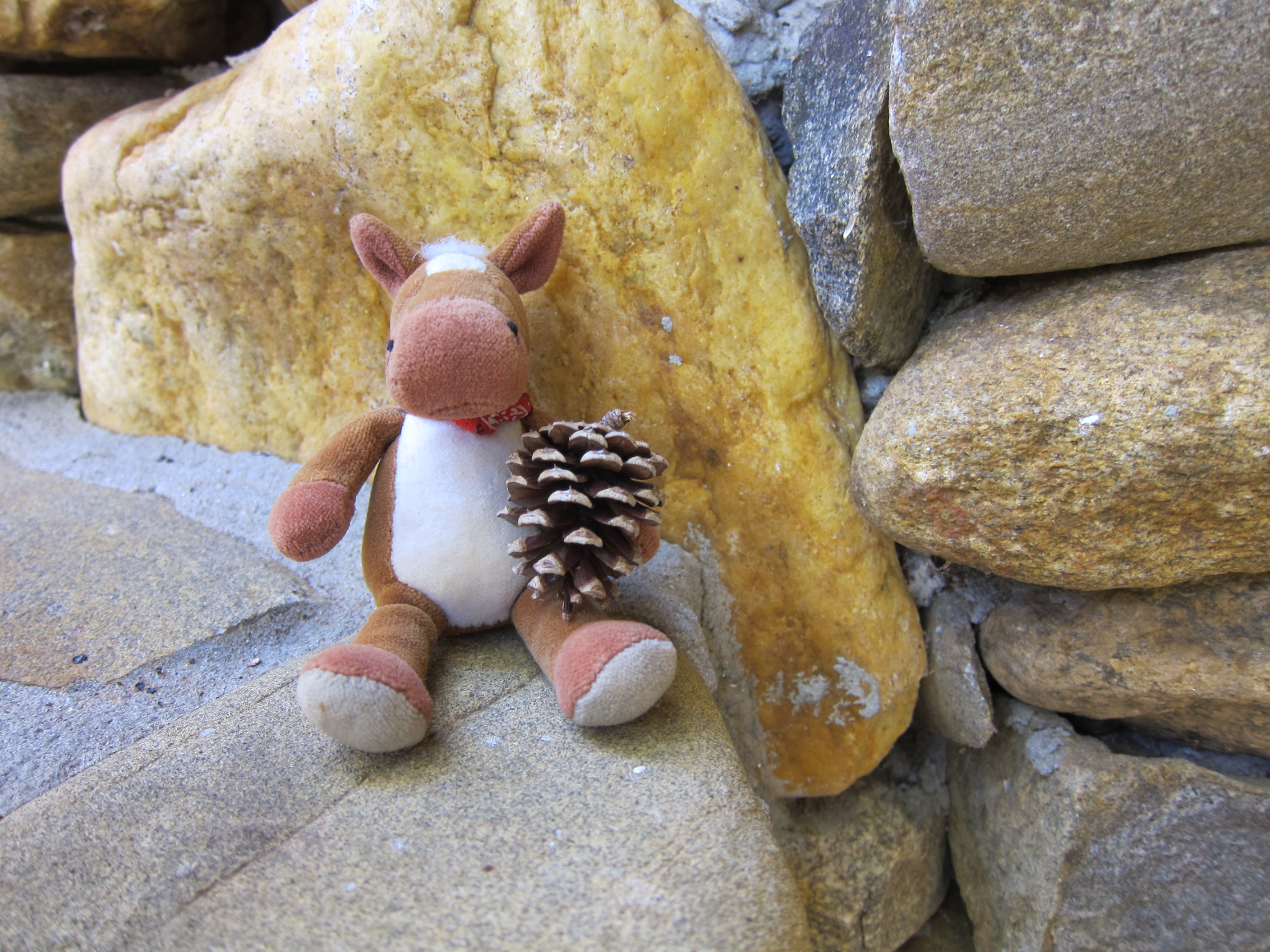
We’ll have to look harder for more animals next time! We did find some beautyberries and Edmond found a tiny pinecone and Ellie enjoyed hanging out in the leaves!

Beautyberries!

We called these the burnt marshmallow plant! :)!
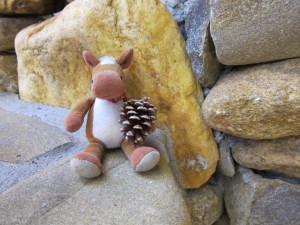
Edmond found a Edmond sized pinecone!

Ellie enjoyed playing in the leaves!

All in all we had a wonderful time at the Elachee Nature & Science Center! It’s really a gem just north of Atlanta! We’re definitely going back soon and highly recommend that you check it out too!

Categories: Animals, Atlanta, Children, education, Environment, Local, nature, reptiles | Tags: , , , , , , , | Leave a comment

REPTILIAN TUESDAY #13

REPTILIAN TUESDAY # 13

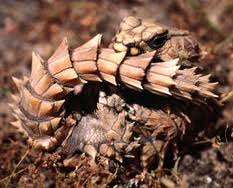
Welcome to Reptilian Tuesday! We have stumbled upon a fascinating lizard today! They get their name from a mammal who is known to roll up when threatened! It’s a pretty neat adaptation! Are you excited to meet this funny lizard? Come on and…

MEET THE ARMADILLO LIZARD!

Range/Habitat: Southern Africa/scrub-rocky outcrops

Diet: Carnivore: spiders, insects

Length: 6 ½-8 ½”

Conservation Status: Vulnerable


Fun Facts:

  • Armadillo lizards are covered in hard plates and spines on their neck and tails.
  • Armadillo lizards are named after armadillos, because of their special adaptation to protect themselves.
  • Armadillo lizards grab their tails with their mouths and curl up into balls when threatened.
  • They also hide in large cracks and crevices.
  • They live in small family groups. Females feed their young, a trait you don’t normally see in lizards.
  • Armadillo lizards hibernate in the winter.
  • They can live up to 25 years in captivity.


Armadillo lizards are bizarre looking lizards with their spikes and bony plates! How cool is that they grab their tails and ball up to hide from predators? Neat! These lizards are popular as pets! If you decide to get a lizard as a pet, make sure to do your homework, they have special needs to keep them happy! Also make sure you get your lizard from a good breeder. These lizards numbers are dwindling in the wild because of the pet trade, so let’s keep them there.


Categories: Animals, Children, education, Environment, nature, reptiles | Tags: , , , , , | Leave a comment

MAMMAL MONDAY #14

MAMMAL MONDAY# 14

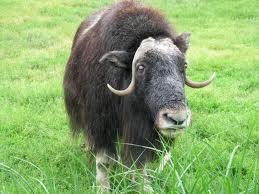
Is it chilly outside or is it just us? We’ve traveled up into the cold arctic to find today’s animal! So put on your coats, gloves, scarves and hats and let’s meet this very furry mammal! Snow shoes ready? Come meet…

MEET THE MUSK OX!

Range/Habitat: Northern Canada-Greenland (Arctic)/tundra

Diet: Herbivore: grasses

Length/Weight: 6 ¼-7 ½ ft/450-900lbs

Conservation Status: common

Fun Facts:

  • Musk Ox get their names from their strong odor.
  • They have double coats to keep them warm in the cold arctic. The outer coat protects them from snow and rain. The soft undercoat provides insulation.
  • Musk Ox look larger than they are, because of their thick fur coats.
  • Both female and male musk ox have large, broad, curved horns.
  • Musk Ox are more closely related to goats and sheep than other oxen.
  • They live in herds that are led by a dominant female.
  • Musk ox form circles around their calves when threatened by predators.

Musk ox are large extra furry mammals! You need all that fur to stay warm in the cold arctic winters! They are not animals you want to challenge either, being charged by a musk ox does not look like fun!

Categories: Animals, Children, education, Environment, mammals, nature | Tags: , , , , , | Leave a comment

FEATHERY FRIDAY # 13

FEATHERY FRIDAY# 13

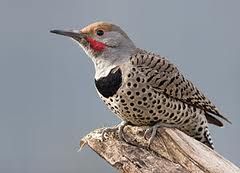
Happy Feathery Friday! Who loves woodpeckers? We do! We have a very different and special woodpecker for you today! To find this little bird, you must look down and not up! Are you ready to meet them?

MEET THE NORTHERN FLICKER!

Range/Habitat: North-Central America/ woodlands, yards, parks

Diet: Herbivore: ants, insects and berries

Length/Weight: 30-35 cm/100-175 g

Conservation Status: Common


Fun Facts:

  • Northern Flickers are members of the woodpecker family.
  • They have long slightly curved bills that they use to get their favorite food item- ants!
  • Northern flickers often feed on the ground, drilling into the ground to find ants.
  • They have long tongues to help them get insects from the ground.
  • Both male and female Northern flickers take care of the eggs and chicks.
  • In the eastern part of their range they have yellow bottoms and in the west they have red bottoms.


Nothern Flickers are really neat woodpeckers! We love that instead of pecking into trees for food they peck into the ground! Each animal finds its own niche in the food chain! What would happen if birds all ate the same food? They would run out! So they each have their own way of finding and eating tasty things like ants!


Here’s what they sound like!

http://www.allaboutbirds.org/guide/Northern_flicker/sounds


Categories: Animals, birds, Children, education, Environment, nature | Tags: , , , , , | Leave a comment

SUPER SURPRISE THURSDAY # 13

SUPER SURPRISE THURSDAY# 13

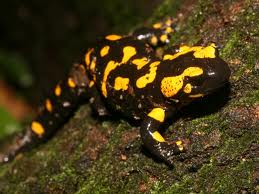
Is it hot in here on this Super Surprise Thursday? We have a hot little amphibian for today’s animal! Ok, they’re not really hot to the touch, but they are toxic! Are you ready to meet this little guy? Come on…

MEET THE FIRE SALAMANDER!

Range/Habitat: Europe/forests, woodlands, mountains

Diet:  Carnivore: slugs, insects, worms

Length: 7-11”

Conservation Status: Common


Fun Facts:

  • Fire Salamanders have warning coloration. Their bright yellow or orange spots warn predators that they are poisonous.
  • They have poisonous glands behind the eyes and on other parts of their body. They secret toxins when threatened.
  • They are amphibians. They live part of their lives in water and part of it on land.
  • Fire salamanders often hide under moss, leaves, limbs and stones.
  • They are nocturnal (active at night).
  • Fire salamanders spend the winter underground.
  • They are known to have long life spans, up to 55 years old! Hello, grandpa salamander!


Fire salamanders are a great little amphibian! They sure are pretty with their shiny black bodies and bright yellow spots! Those beautiful colors are great at warning off predators too! Aren’t animals great?


Categories: Animals, Children, education, Environment, mammals, nature | Tags: , , , , | Leave a comment

WATERY WEDNESDAY # 13

WATERY WEDNESDAY# 13

We’ve dived deep to the bottom of the ocean floor to find today’s Watery Wednesday animal! We had to look hard to find this fish too because they are masters of camouflage! Are you ready to find this crazy looking fish? Come meet…

MEET THE ANGLERFISH!

Range/Habitat: North Atlantic-Mediterranean-Black Sea

Diet: Carnivore: small fishes

Length/Weight: up to 6 ½ ft/up to 88lbs

Conservation Status: Common


Fun Facts:

  • Anglers are also known as the monkfish.
  • They have large flat bodies with frills all over.
  • Anglers are brownish-green. Their coloration helps them camouflage with the ocean floor.
  • Anglers wait in the sand and use a fleshy lure attached to their dorsal (top) fin to attract prey.
  • They are ambush predators.
  • They have specialized pectoral fins that have “elbows”. They use these to walk along the sea floor.


These strange looking fish have some pretty neat adaptations for surviving in the ocean. How neat is it that they a fishing lure attached to their bodies? They are related to other anglerfish, who live deep in the ocean and can be even stranger looking! Think we need to go diving again!


Categories: Animals, Children, education, Environment, fish, nature | Tags: , , , , , | Leave a comment

REPTILIAN TUESDAY # 13

REPTILIAN TUESDAY # 13

Who loves reptiles? We do and we hope you do too! Today’s reptile isn’t what we could call cuddly though, but they are magnificent and beautiful! Are you ready to meet our reptile? Let’s do it!

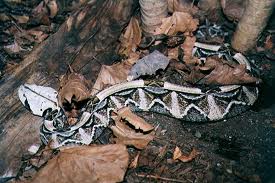
MEET THE GABOON VIPER!

Range/Habitat: West-Central Africa/rainforests

Diet: Carnivore: birds, rodents and small mammals

Length/Weight: 4 ft- 6 ½ ft/ up to 18ft

Conservation Status: Common

Fun Facts:

  • Gaboon vipers have thick bodies and are the heaviest snake in the viper family.
  • They also have the longest fangs of all venomous snakes, up to 2” long!
  • Gaboon vipers are known to be very docile and will only strike as a last resort. They are still best left alone.
  • They have beautiful geometric patterns in brown, tan and gold. Their coloration and pattern are excellent at helping them camouflage.
  • Gaboon vipers have large triangular heads and two tiny horns in-between their nostrils.
  • They are nocturnal (active at night).

Gaboon vipers are spectacular with their beautiful patterns.  We’re happy to observe them from a distance since they have such big fangs with venom!

Categories: Animals, Children, education, Environment, nature, reptiles | Tags: , , , , , | Leave a comment

MAMMAL MONDAY # 13

MAMMAL MONDAY# 13

Happy Mammal Monday! We’re extra excited for today’s animal, because it is BIG! And when we say big we mean bigger than elephant big! So are you ready to meet this extreme mammal? Let’s do this…

MEET THE BLUE WHALE!

Range/Habitat: Oceans worldwide except the Mediterranean-Arabic Gulf

Diet: Carnivore: eats only krill

Length/Weight: 66-98 ft/110-176 tons

Conservation Status: endangered


Fun Facts:

  • Blue Whales are the largest animal on the planet!
  • Blue whales have baleen. Baleen is a hair like structure in their mouths that filter out tiny krill from the water. Baleen is made of keratin (the same stuff that makes up your nails and hair).
  • They can eat up to 40 million krill a day! Whew, that is a bunch of tiny little animals.
  • Blue whales throats can swell to 4 times their normal size when taking in water and krill. They expel the water and swallow the krill.
  • They feed mostly in the summer in cold waters and migrate to warmer waters in the winter.
  • Blue whales have slender bodies with one small dorsal fin.
  • Blue whales can dive to depths of 655 ft.
  • The calves (babies) are up to 23ft long and 2 ½ tons when born! That’s about the weight of a car!
  • Blue whales also produce the loudest sound of any animal on earth at 180 decibels. That is louder than the jet engine of an airplane. WOW! It’s so loud that it could cause damage to your eardrums!
  • Blue whales produce many different sounds, calls and songs!

We could go on all day about the largest animal on our planet Earth! These special giants are endangered, but are protected now! Our oceans wouldn’t be the same without these amazing singing creatures! You can find a few really neat models in museums around the world! The one at the American Natural History Museum even tweets (@NatHistoryWhale).

Here’s a video of researchers catching the songs of blue whales from National Geographic! http://www.youtube.com/watch?v=i8MTsgdWuU0

Categories: Animals, Children, education, Environment, mammals, nature | Tags: , , , , , | Leave a comment

FEATHERY FRIDAY # 12

FEATHERY FRIDAY# 12

It’s another fabulous Feathery Friday and we have a resident of the Amazon rainforest for today’s animal. Are you ready this little bird with two different names? Well, let’s do this…

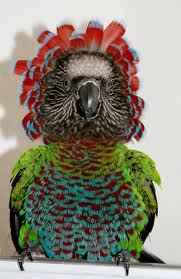
MEET THE RED FANNED PARROT!

Range/Habitat: Northern South America/Amazon Rainforest

Diet: Herbivore: fruit, seeds, flowers, nuts

Length/Weight: 14”/ 8 oz

Conservation Status: Common


Fun Facts:

  • Red Fanned Parrots are also known as the Hawk-headed parrot.
  • They have red feathers on the back of their necks. They raise the feathers up when threatened or alarmed. It gives them an appearance of being larger than they are.
  • They have long tail feathers also that resemble some birds of prey.
  • Red fanned parrots are found in pairs or small groups.
  • They often nest in tree hollows.


Red Fanned Parrots are really neat little birds! We think they look like lions with their feathers up! We wonder if they know how to roar? We doubt it J!


Categories: Animals, birds, Children, education, Environment, nature | Tags: , , , , , | Leave a comment

Blog at WordPress.com.