Posts Tagged With: children

SCIENCE WORD OF THE WEEK!

SCIENCE WORD OF THE WEEK!

swow


Hello students! I am so excited to see you this week! I hear Ellie and Edmond have some frighteningly good feature animals for you in the next few weeks, because we all know October is the month for tricks or treats! I know I”ll look forward to meeting these animals! This week for our science word, we’re talking about another genetic mutation that is similar to albino. Today’s science word is Leucistic: leucistic animals have a genetic mutation that causes them to lose some color- but not all, like in albino animals. Leucistic animals can have colored eyes or light stripes or color on parts of their body.

We have some examples of leucistic animals for you in these pictures!

photo 1

photo 2 photo 3

Categories: adventure, Animals, Children, conservation, education, Environment, nature, science, vocabulary, wildlife | Tags: , , , , , , , , , | 1 Comment

FEATURED ANIMAL!!


FEATURED ANIMAL:
AMERICAN ALLIGATOR!

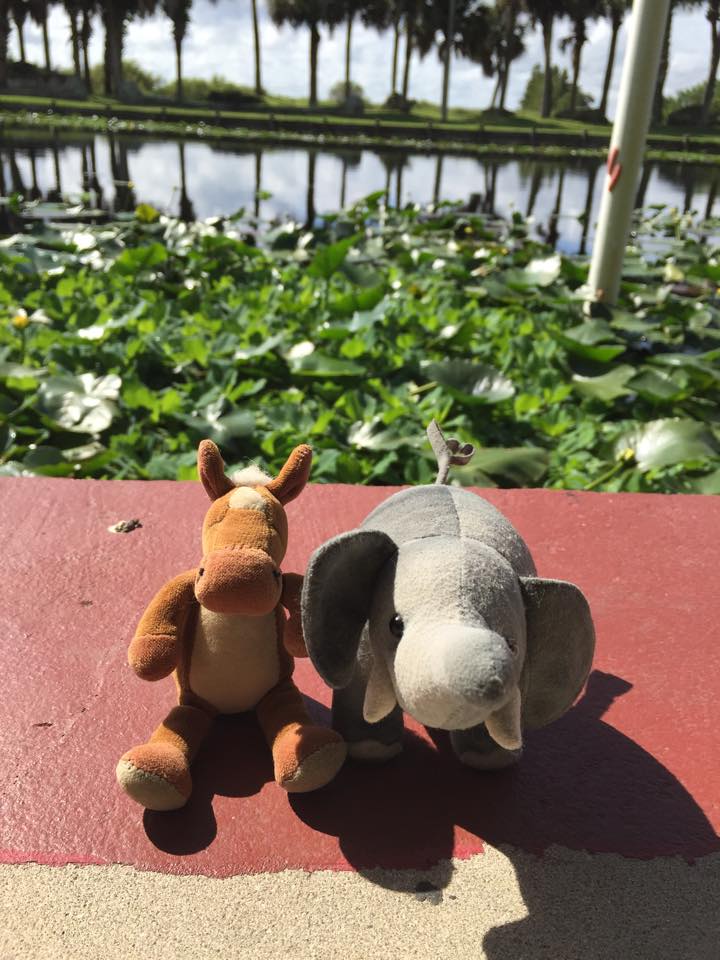
e e swamp

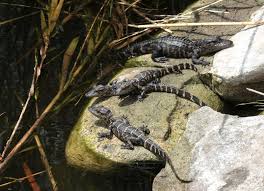
We spent the weekend in Florida and took an awesome air boat ride to see if we could find alligators and WE DID! We saw several areas where there were babies and we saw one mother alligator warming herself in the sun! Come learn about these ancient reptiles!
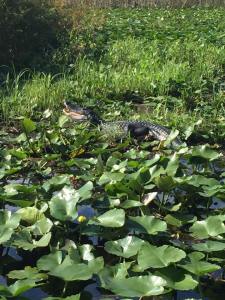
 

alligator2   Range/Habitat: Southwestern United States/ wetlands, swamps,

rivers,lakes, ponds

   Diet: Carnivore: fish, deer, mammals

   Length/Weight: 9 ½-16 ft/ 200-500 lbs

   Conservation Status: common


Fun Facts:

  • Alligators are large, territorial and fierce reptiles.
  • They have been on the planet for millions of years.
  • Male alligators bellow or roar to attract females.
  • Female alligators lay 25- 60 eggs in a nest build of mud and vegetation.
  • They guard the nest from predators, such as raccoons.
  • When the baby alligators hatch they are all female or male.  The temperature of the nest determines the sex of the babies.
  • The temperature at which their gender is determined is 90 degrees.
  • Once they begin to hatch, the mother helps dig open the nest.
  • She protects them from predators by carrying them around on her head or in her mouth.
  • Baby alligators stay with their moms for around 3 years.

alligators   IMG_8307


Alligators are so cool. The males can get up to 1,000 lbs. They get a bad rap, but they really want to mind their own business. Alligators were on the verge of extinction 40 years ago, but with great effort they are thriving in the Southeastern United States! We love a great conservation success story!

Categories: adventure, Animals, Children, conservation, education, Environment, nature, reptiles, science, Uncategorized, wildlife | Tags: , , , , , , , , , | Leave a comment

SCIENCE WORD OF THE WEEK!

SCIENCE WORD OF THE WEEK!!

swow albino

Hello students and friends! We’re excited to see everyone this week in class! Ellie and Edmond just returned from a trip to Florida where they met some baby alligators and their moms- very exciting stuff! Let’s get on with our word of the week!

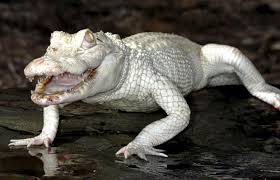
Albino- an animal that has a genetic mutation that causes them to have no pigmentation or color. Albino animals are all white and usually have pink eyes. Albino animals often do not survive well in the wild, as they lack the camouflage they need to help them survive. We have some examples of albino animals here:

albino3albino2

albino

Categories: adventure, Animals, Children, conservation, education, Environment, nature, science, vocabulary, wildlife | Tags: , , , , , , , , , | Leave a comment

SEA OTTER AWARENESS WEEK!!

SEA OTTER AWARENESS WEEK!

e & e otter

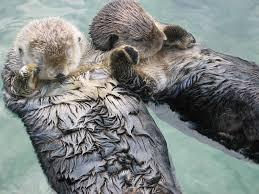
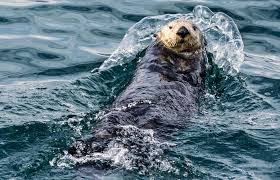
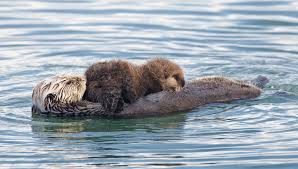
We’re celebrating Sea Otter Awareness Week! We know we are aware of how stinking cute otters are! These comical creatures have faced being endangered over the years, but with the help of conservationists their numbers are increasing. Come learn some fun facts about these ottertastic mammals!

sea otter5sea otter4

Sea Otter Fun Facts:

  • Sea Otters are members of the weasel family!
  • Sea Otters live in the Pacific ocean along the North American shore and the Northern Asian shore.
  • Sea Otters spend most of their time in water. They will occasionally come ashore to rest.
  • Sea Otters’ fur is water repellant and very thick. They can have up to 1 million furs per square inch.
  • Sea Otters role in order to trap air bubbles in their fur. The air bubbles help keep them warm.
  • Sea Otters are often found floating on the surface of kelp forests. They will even wrap the kelp around themselves to keep anchored while sleeping
  • Sea Otters groom themselves constantly. This helps keep their fur clean and waterproof. 
  • Sea Otters use rocks to break some of their prey, including crabs and sea urchins.
  • Sea Otters help keep the balance in a kelp forest. One of their favorite prey, sea urchins eat kelp; and without the otters to keep the urchin population in check, the kelp would be gone!

sea otter3sea otter


sea otter2

There are so many reasons to love sea otters and to protect them! There are many organizations that are working hard to make sure otters have a future in our oceans! Monterey Bay Aquarium has a great sea otter program.

What do you love about otters?

Categories: adventure, Animals, Children, conservation, education, Environment, nature, science, sea otters, wildlife | Tags: , , , , , , , , , , | Leave a comment

GUESS THE ANIMAL!

GUESS THE ANIMAL!!

Can you guess the animal? We’re giving you just one clue this week!

pelican

I can fit a lot of food in my bill.

WHO AM I?

Categories: adventure, Animals, Children, conservation, education, Environment, nature, science, wildlife | Tags: , , , , , , , , | 2 Comments

TEMPORARY CHANGES

TEMPORARY CHANGES!

beach

Hello!!!! We hope all our dear readers are well! There are some very exciting events happening here at HQs! We’re excited for the upcoming nuptials of our Photographer and IT guy in October. Due to all this hullabaloo, we’re going to have to cut back on posts until November. We’ll be doing posts Tues- Thurs,which will include Science Word of the Week, Guess the Animal and the Feature Animal of the Week. We may throw in some coloring sheets and a special occasion post here and there too. We sure do appreciate all our fans and readers and all your support. We promise to be back to full posts come November when we get back from vacation! If you have any suggestions or would like to see anything in particular- please don’t hesitate to tell us, we love to hear from you guys! There will be trivia on Facebook and Twitter, 5 days a week- except the last week of October!

We look forward to sharing more adventures and educating everyone!

Categories: adventure, Animals, Children, conservation, education, Environment, nature, science, wildlife | Tags: , , , , , , , , | Leave a comment

SCIENCE WORD OF THE WEEK!

SCIENCE WORD OF THE WEEK!

swow venomous

Hello everyone! I sure hope everyone had a great weekend! Who’s ready to learn the new word for this week?

Let’s get right to it! This week’s word is Venomous!

Venomous: an animal is venomous when they have a toxin that is injected, by a bite or sting. Animals like snakes and spiders are what we usually first think of when we think of a venomous animal. But so are a lot of insects, like wasps. And did you know that the platypus is venomous? Crazy, huh? Most venomous animals use their venom to catch prey, but some use it as a defense mechanism. Venom can cause everything from irritation to death. Ack!

swow venomous cartoon

Categories: adventure, Animals, Children, conservation, education, Environment, nature, science, vocabulary, wildlife | Tags: , , , , , , , , , | 3 Comments

INTERNATIONAL RHINO DAY!!

INTERNATIONAL RHINO DAY!!!

e e savanna

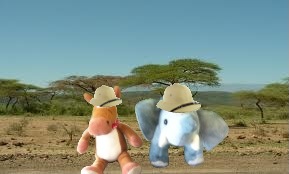
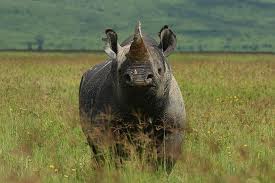
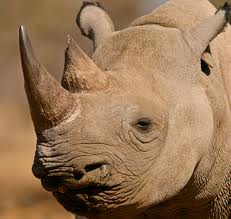
Happy International Rhino Day (it’s actually tomorrow- but that is World Red Panda Day too- so we will have a post for that too)! We’re celebrating Edmond’s distant relatives the rhino today! These stout creatures are in danger and desperately need our help! So make sure you check out how you can help!

rhino

rhino5

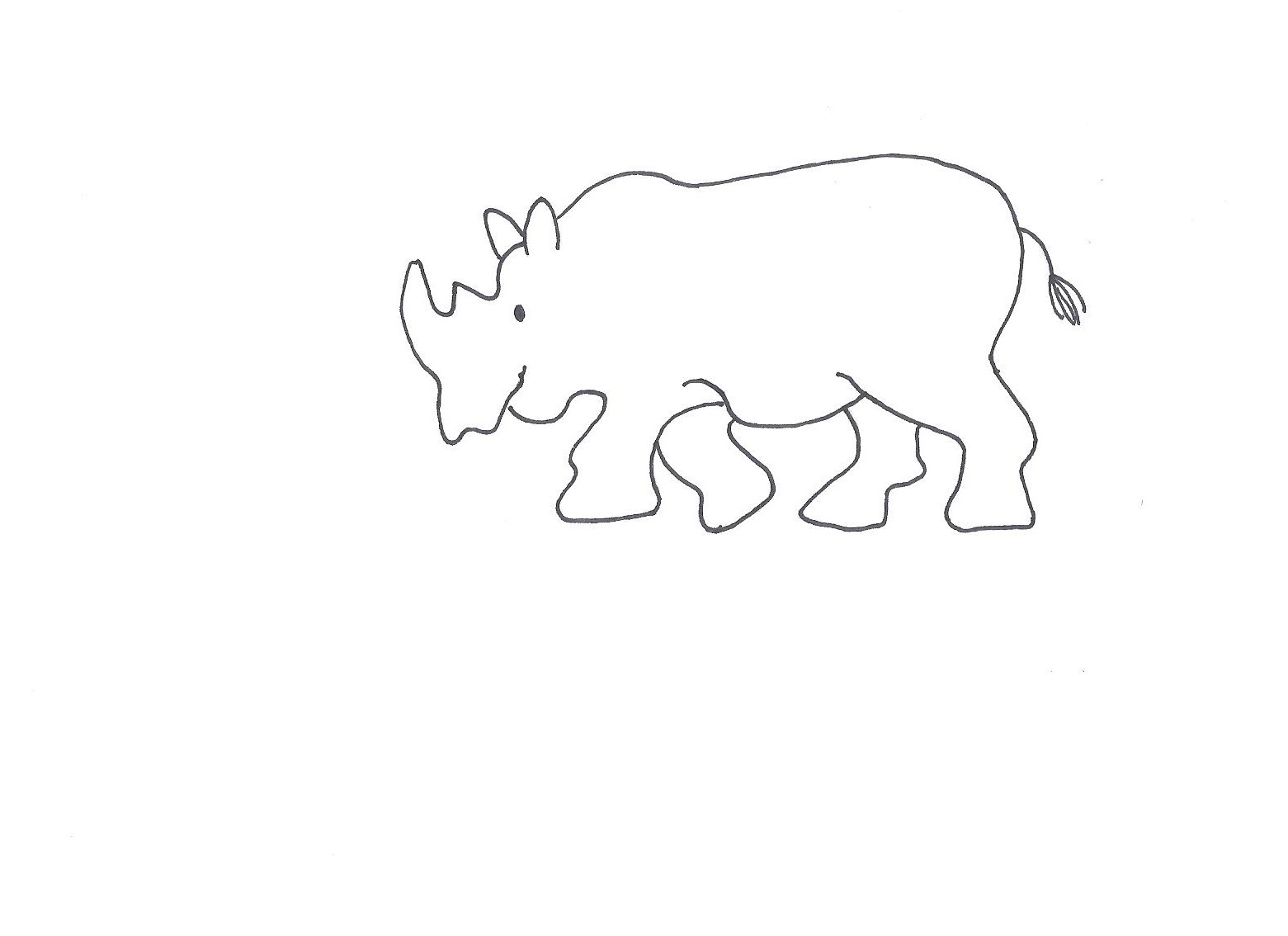
We’re going to give you some fun rhino facts, a coloring sheet and some great resources to help our friends!

rhino3

RHINO FUN FACTS:

  • There are 5 species of rhinos, the Black Rhino, the White Rhino (the African species), the Northern India Rhino, the Sumatran Rhino and the Javan Rhino (the Asian species).
  • Rhinoceros is Greek for nose and horn!
  • All rhinos have poor eyesight.
  • White rhinos have a large broad mouth for grazing grass.
  • Black rhinos have a narrow prehensile lip to help them grasp leaves.
  • Rhino horns are made of keratin, the same protein that makes up your hair and fingernails.
  • Rhinos’ ears can move and rotate independently of each other. This adaptation helps the rhino hear.
  • Rhinos are herbivores.
  • Rhinos are related to horses, tapirs and zebras! Woohoo!
  • The Sumatran Rhino is the smallest rhino weighing around 1,700 lbs and the White rhino is the largest weighing around 5,000 lbs.
  • A group of rhinos is called a crash!
  • All rhinos are endangered. Many organizations, like World Wildlife Fund and Saving Rhinos are working very hard to save and protect these amazing animals. Check them out and see how you can help!


Image

Categories: adventure, Animals, Children, conservation, education, Environment, mammals, nature, science, wildlife | Tags: , , , , , , , , , | Leave a comment

ART CONTEST WINNERS!!

ART CONTEST WINNERS!!

We have our contest winners! Come check out these fantastic artists! The calendars should be ready to order in early October. We’ll announce when they are ready for purchase! 100% of the proceeds from the calendar sales will go to the David Sheldrick Wildlife Trust- so please support this worthy cause and buy a calendar for your wall, office, locker, etc…

From our pal Michelle!

From our pal Michelle!

From our pal Samantha

From our pal Samantha

From our pal Tourguide Ted

From our pal Tourguide Ted

From our pals Mocha and George

From our pals Mocha and George

From our pal Matt

From our pal Matt

From our pals the Koosas

From our pals the Koosas

From our pal Kirsty

From our pal Kirsty

From our pal Katy

From our pal Katy

From our pal Fuzzy Bear

From our pal Fuzzy Bear

From our pal Annie!

From our pal Annie!

From our pal Anne!

From our pal Anne!

We hope you love these as much as we do and we hope that you purchase a calendar when they are ready! Thanks again to all who entered- you guys rock!

Categories: adventure, Animals, Children, conservation, education, Environment, nature, science, wildlife | Tags: , , , , , , , | 6 Comments

GUESS THE ANIMAL!!

GUESS THE ANIMAL!!

We’re still working to announce the calendar art winners. We’re hoping to announce them tomorrow or Wednesday! Today it’s Guess the Animal! Can you figure it out?

aardvark

  • I’m known as the earth pig.
  • I live in Africa.
  • I love to eat termites and ants.

WHO IS IT?

Categories: adventure, Animals, Children, conservation, education, Environment, nature, science, wildlife | Tags: , , , , , , , , | 1 Comment

Blog at WordPress.com.