Posts Tagged With: environment

YEAR OF THE DRAGON WESNESDAY

YEAR OF THE DRAGON WEDNESDAY

Who’s ready to meet another dragon? We’ve travelled back to the land down under today to find this dragon. This dragon lives in the water and not on land! So grab your scuba gear and let’s dive in to find this wild and strange dragon!

MEET THE LEAFY SEA DRAGON!
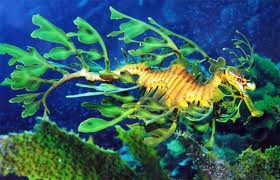
Range/Habitat: Southern Australian oceans/near kelp and sea grass

Diet: Carnivore: mysid shrimp, plankton

Length: up to 14”

Conservation Status: near threatened


Fun Facts:

  • Leafy Sea Dragons are relatives of the seahorse.
  • Leady sea dragons have leaf shaped appendages all over their bodies that help them camouflage.
  • They use their dorsal and pectoral fins to swim.
  • Male leafy sea dragons incubate the eggs in a pouch on their tales.
  • They have long thing snouts that suck in their tiny prey.
  • Leafy sea dragons are a fish!


Leafy sea dragons are the official marine emblem of South Australia! We think they’re pretty awesome with their strange leafy appendages! They look kind of like aliens! These special cousins to the sea horse are protected in Australia.
 

Categories: Animals, Children, dragons, education, Environment, fish, nature | Tags: , , , , , | Leave a comment

YEAR OF THE DRAGON TUESDAY

YEAR OF THE DRAGON TUESDAY

We’re continuing the Year of the Dragon celebration today with a lizard from down under! And yes this little guy has dragon in its name! Are you ready to board the plane and head to Australia? Let’s do this!

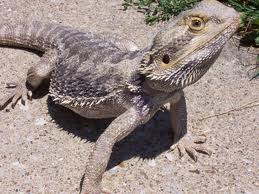
MEET THE BEARDED DRAGON!

Range/Habitat: Australia/arid woodland- desert

Diet: Omnivore: insects, vegetation

Length: 12-18”

Conservation Status: common


Fun Facts:

  • Bearded Dragons are covered in yellowish-tan scales.
  • They have spiked scales down each side of their bodies and on both sides of their heads.
  • When a bearded dragon is threatened they open their mouths and spread a flap of skin open on their neck to make themselves look bigger.
  • Bearded dragons are highly territorial.
  • Bearded dragons brumate. It is similar to hibernation but they don’t sleep. They rest during the colder months and slow their metabolisms.


Beardies as they are often called are pretty cute if you ask us! We love that they make themselves look bigger! Scary!! What adaptation would you like to have to protect yourselves from predators? Edmond said he would like to fly and Ellie said she already has all the protection she needs because elephants are soooo big!


Categories: Animals, Children, dragons, education, Environment, nature, reptiles | Tags: , , , , , | 2 Comments

YEAR OF THE DRAGON # 1

NEW YEAR MONDAY

Happy Chinese New Year! It’s the Year of the Dragon and we’re celebrating with a dragon themed week! That’s right folks, all the animals we feature this week will have dragon in their name! Pretty awesome! Believe us when we say that finding these five animals wasn’t easy, there are no mammals or birds with dragon in their names! But we did find some reptiles! So are you ready to meet your first dragon? Let’s do this!

MEET THE THAI WATER DRAGON!

Range/Habitat: Thailand-Cambodia-Vietnam-Chinese/rainforests

Diet: Omnivore: insects, vegetation

Length: 2 ½-3 ft

Conservation Status: common


Fun Facts:

  • Thai Water Dragons are also known as Chinese water dragons.
  • They are arboreal (spend most of their time in trees).
  • Thai water dragons are excellent swimmers! They often drop into water to escape predators.
  • They have a raised hump on their neck and a row of spikes down their backs.
  • Male Thai water dragons are often brighter in color than females. Their color brightens during mating season.
  • Thai water dragons are ambush predators.
  • Their tails make up nearly two-thirds of their length.


We think Thai water dragons are pretty neat! Not only are they cute, but they can climb trees and swim too! Wow, these reptiles are athletic and amazing! And they’re pretty cute for dragons J!


Categories: Animals, Children, dragons, education, Environment, nature, reptiles | Tags: , , , , , , , | Leave a comment

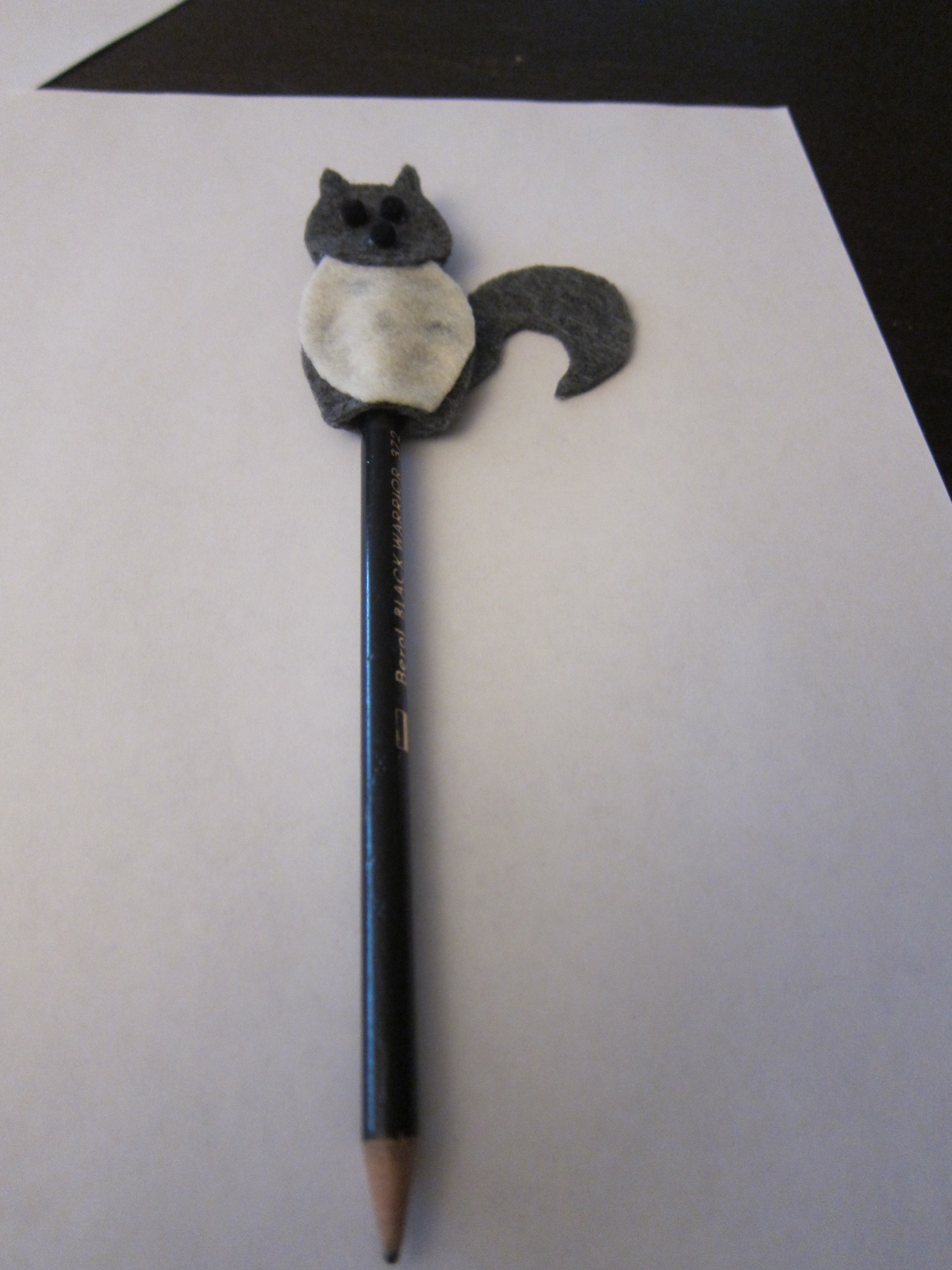
SQUIRREL PENCIL TOPPER

So who likes to make stuff? We do! We’re back at the crafting table this year! We’ll be posting an animal themed craft each month of the year!

In honor of Squirrel Appreciation Day, which is January 21st, we’re making a squirrel pencil topper! Who’s ready to cut and glue? Let’s do this!

January 2012 Craft:  Squirrel Pencil Topper

Materials:

  • Fabric glue or hot glue gun*
  • Gray Felt
  • Cream Felt
  • Buttons, pom poms or thread
  • Black Permanent marker
  • Scissors
  • Squirrel Pattern


Step 1: Download and print the pattern.

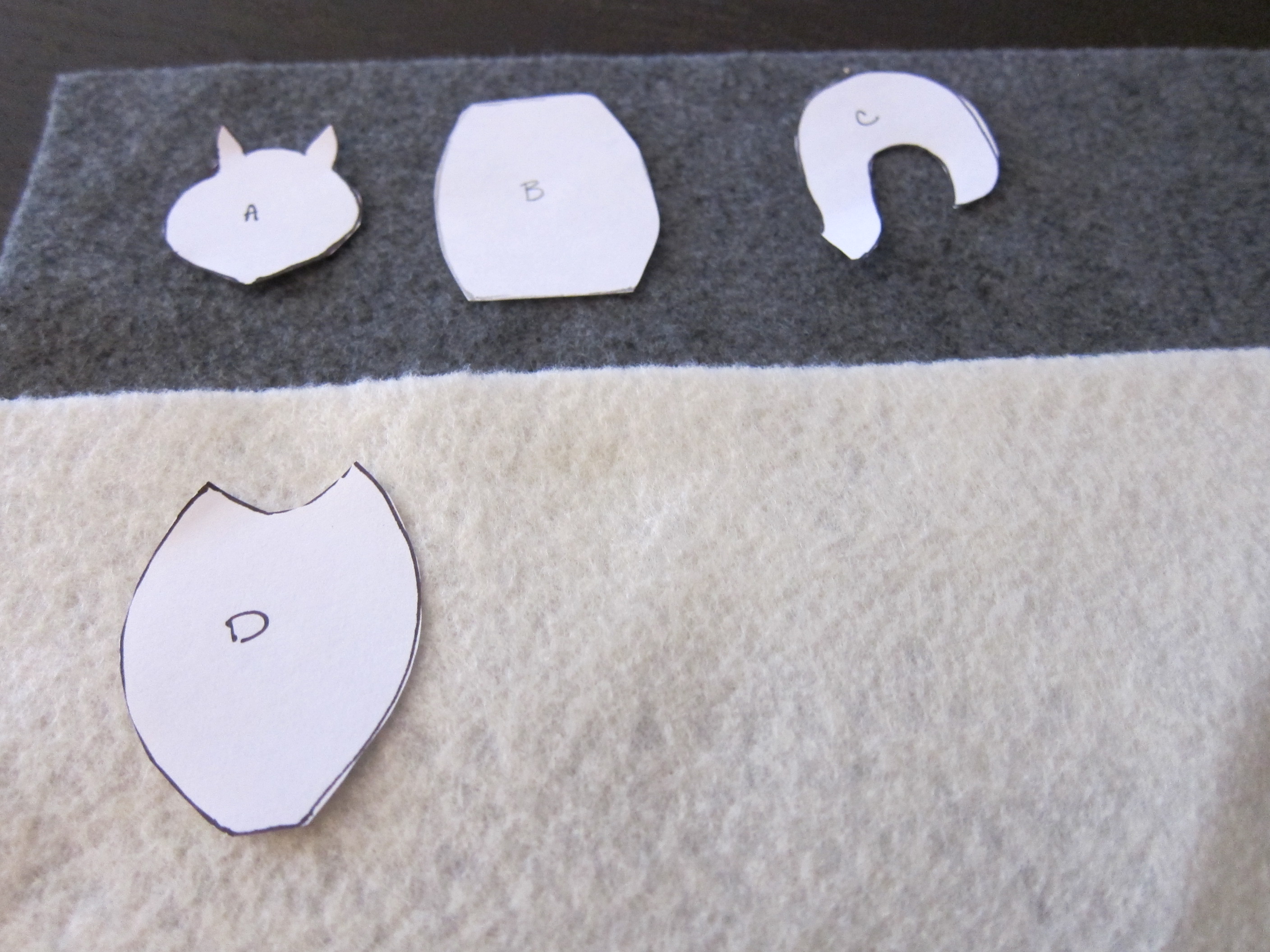
Step 2: Trace pattern on to the felt and cut out the felt pieces.

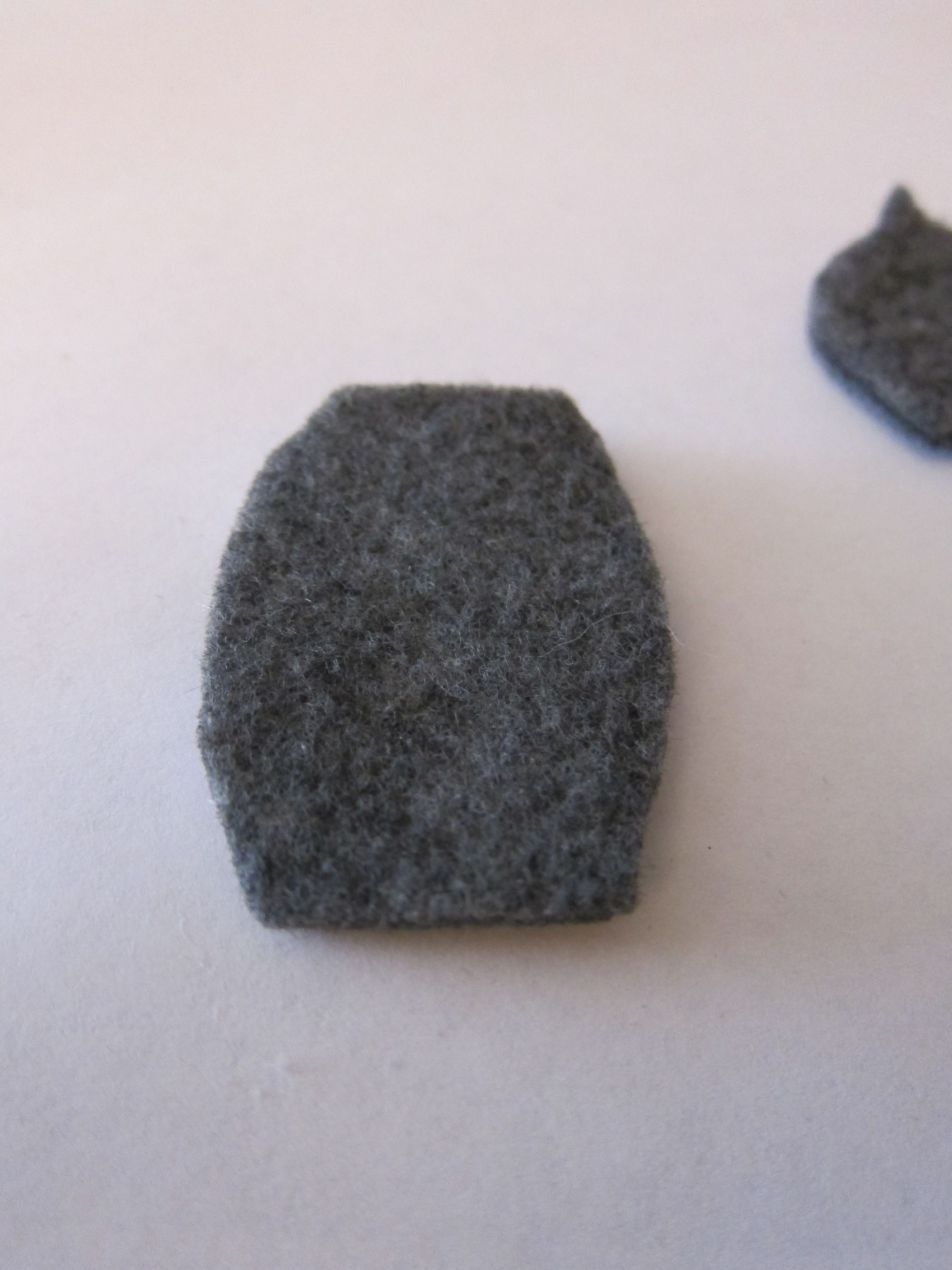
Step 3: Glue the two body pieces together. Put a line of glue around edges- leave a hole in the bottom for your pencil.

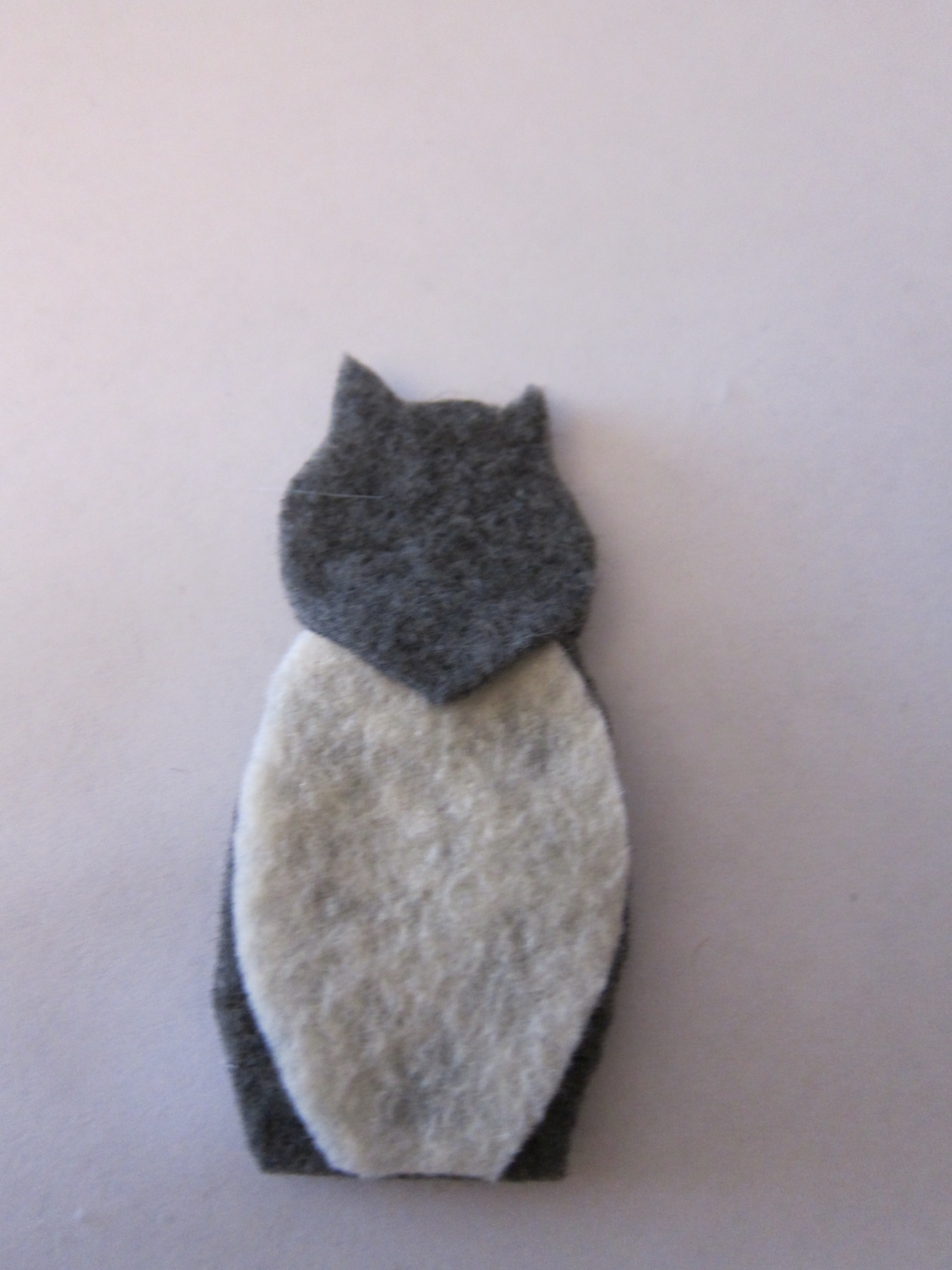
Step 4: Glue the cream piece to the front of the squirrel body.

Step 5: Glue one head piece to the body, then glue the other head on the back.


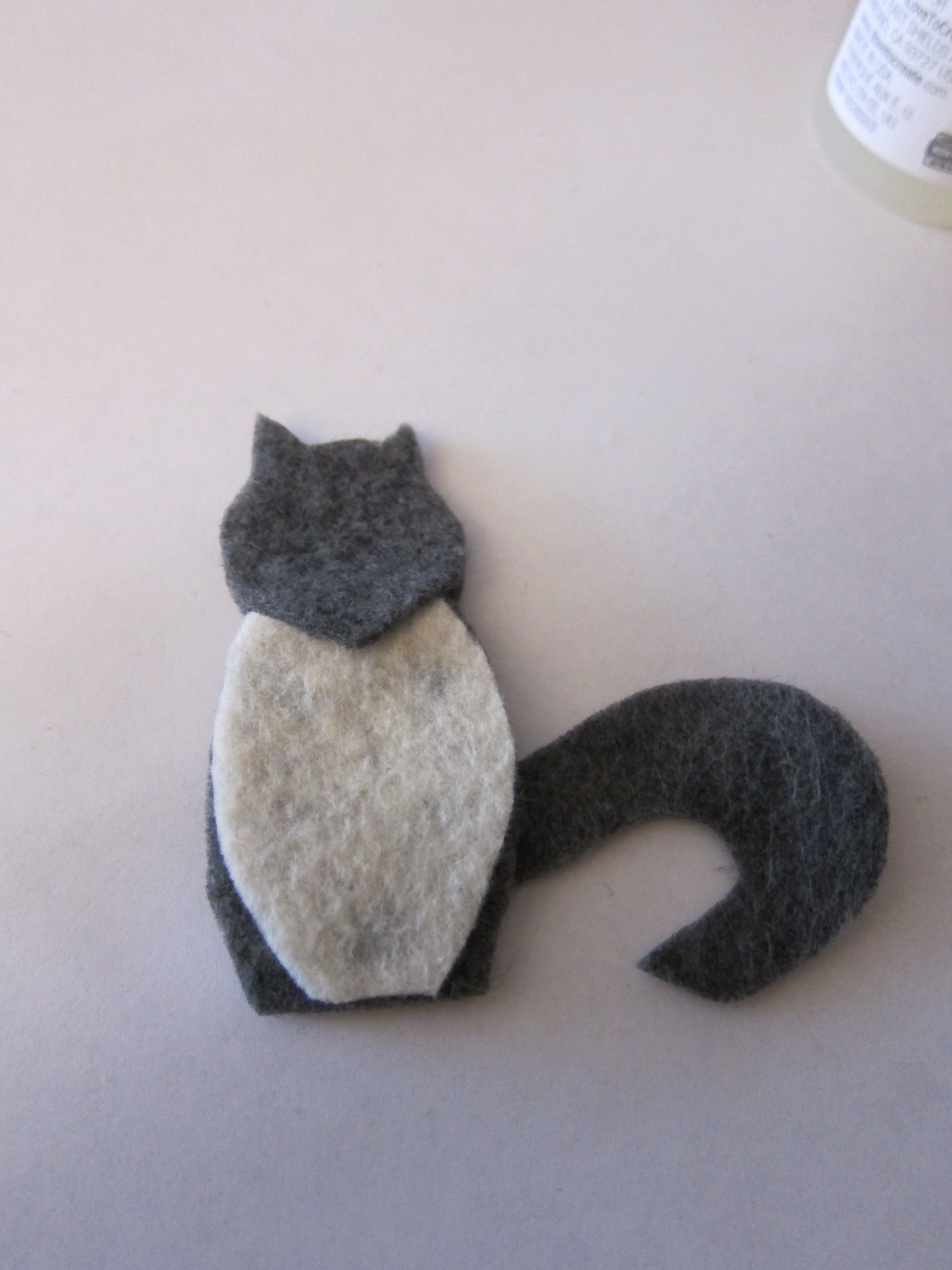
Step 6: Glue the tail on the back of the squirrel.


Step 7: Glue on the face (you can use small buttons, pom poms or draw one on with the black marker)

Step 8: Put your squirrel on a pencil! Voila! You have a squirrel pencil topper!


*We had trouble with fabric glue sticking, so we ended up using a hot glue gun- make sure you have an adult do this for you J!

Categories: Animals, Children, crafts, education, Environment, mammals, nature | Tags: , , , , , , | 1 Comment

FEATHERY FRIDAY # 22


FEATHERY FRIDAY# 22

Well, well, well have we a beautiful brightly colored bird for you today! These neat little birds are members of the pigeon family and we all know pigeons get a bad rap! Why is that? We think they are cute! Are you ready to head into the tropical forests of Asia and meet this pretty pigeon? Let’s do this!

MEET THE VICTORIA CROWNED PIGEON!

Range/Habitat: New Guinea-South Pacific Islands/ tropical forests

Diet: Omnivore: fruit, figs, seeds, insects

Length/Weight: 26-29”/ 5 ½ lb

Conservation Status: Vulnerable


Fun Facts:

  • Victoria Crowned Pigeons are the largest pigeon species on earth.
  • They are named after Queen Victoria of England.
  • Victoria Crowned Pigeons have beautiful blue-gray and purple coloration.
  • They have a lacy feathered crest on their heads.
  • Male Victoria crowned pigeons fan out their head and tail feathers during mating season. They bob their head and tail to attract females.
  • They spend most their time on the ground.


Aren’t these pigeons just spectacular? We just love their feathers! We would love to sit in the forest and watch them during mating season! What’s better than a bird dancing to find his lady? DANCE PARTY!

Categories: Animals, birds, Children, education, Environment, nature | Tags: , , , , , | 2 Comments

SUPER SURPRISE THURSDAY # 22

SUPER SURPRISE

THURSDAY# 22

We’re excited for Super Surprise Thursday! We found a fun bird who lives in Europe and Asia. These special birds have long beaks to dig out their prey! Do you have your waders on? Because this bird is the marshes! Let’s meet…

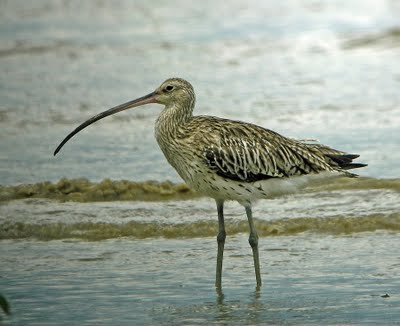
MEET THE EURASIAN CURLEW!

Range/Habitat: Europe-Asia-Africa/marshes, shores, mangroves, grasslands

Diet: Carnivore: invertebrates, crabs, insects

Length/Weight: 20-23”/16-48 oz

Conservation Status: Near Threatened


Fun Facts:

  • Eurasian Curlews have long curved beaks that they use to extract prey out of the sand and mud.
  • Eurasian curlews wade in shorelines and mangroves looking for their food.
  • Female Eurasian curlews have longer beaks than the males.
  • They get their name from their call.
  • Eurasian curlews migrate. They go as far as the Arctic Circle to breed.
  • They can live up to 37 years.
  • In Scotland they are called the “whamp”.


These pretty birds with their long slender beaks are amazing! We could sit and close our eyes and listen to their funny call all day! In fact, who wants to pretend that they’re in Scotland with us on the shore listening to these birds? We’ve got on our kilts!

Check out their calls here:

http://www.rspb.org.uk/wildlife/birdguide/name/c/curlew/index.aspx


Categories: Animals, birds, Children, education, Environment, nature | Tags: , , , , , | 2 Comments

WATERY WEDNESDAY # 22

WATERY WEDNESDAY# 22

Welcome to another Watery Wednesday! We have a mammal today! Yep, there are mammals that live in the world’s oceans! Neat! Today’s animal lives in the chilly waters of the North Atlantic.  Does everyone have on their wetsuits? Let’s go!

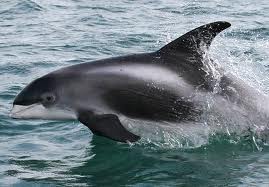
MEET THE WHITE BEAKED DOLPHIN!

Range/Habitat: North Atlantic Ocean/North America-Europe

Diet: Carnivore: fish, squid

Length/Weight: up to 9 ½ ft/ up to 770 lbs

Conservation Status: common


Fun Facts:

  • White Beaked Dolphins are large, stocky dolphins.
  • They are dark gray with black and white patches. They can vary in color depending on where they live.
  • White beaked dolphins are found in schools or pods with around 30 individuals. They have been seen in pods with as many as 1,000 individuals.
  • White beaked dolphins are very acrobatic and are often seen jumping out of the water.
  • White beaked dolphins are often seen with pods of fin whales and humpback whales.


These stocky dolphins are known to be very acrobatic, breaching (jumping out of the water on their side) and doing flips. We wish we could do such cool stuff in the water! But that’s what dolphins are built for and elephants and horses are not. See, every animal is special! J


Categories: Animals, Children, education, Environment, mammals, nature | Tags: , , , , , | Leave a comment

REPTILIAN TUESDAY # 22

REPTILIAN TUESDAY # 22

We have a tiny little lizard with a really loooong tail for this Reptilian Tuesday! They’re pretty cute! Who’s ready to meet them? We are!!!!

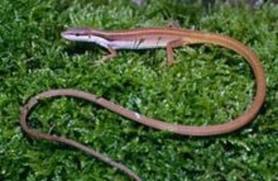
MEET THE LONG TAILED SKINK!

Range/Habitat: Southeast Asia/ rainforest

Diet: Insectivore: spiders, insects

Length: 12-14”

Conservation Status: common


Fun Facts:

  • Long tailed skinks are olive brown with two black stripes down each side.
  • Long tailed skinks have extremely long tails, as their name implies! They can be 2 times the length of their bodies.
  • They are diurnal (active during the day).
  • Like other lizards they can lose their tails if caught.


These cute, little slender bodied lizards are fun with their very long tails! We wonder what they do with those long tails. Edmond thinks they secretly use them as lassos and grab the insects they eat with them- but that is not true!

Categories: Children, education, Environment, nature, reptiles | Tags: , , , , , | Leave a comment

FEATHERY FRIDAY # 21

FEATHERY FRIDAY# 21

We have found a beautiful bird with a very funny name for today’s Feathery Friday bird! We’re heading into the Himalayan Mountains to find this shy little bird! Do you have your hiking shoes and binoculars? Let’s meet…

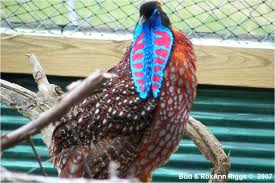
MEET THE TEMMICK’S TRAGONPAN!

Range/Habitat: Southeast Asia/ mountains-forests

Diet: Omnivore: plants, berries, insects

Length: 25”

Conservation Status: Common


Fun Facts:

  • Temmick’s Tragonpans are members of the pheasant family.
  • Temmick’s tragonpans are very shy.
  • Males have beautiful bright red and blue plumage on their wattles (throat area).
  • Males inflate their wattles and shake them to attract females during mating season.
  • Temmick’s tragonpans nest in bushes or low in trees. They make platform nests from sticks.
  • They can be found in high altitudes, as high as 14, 850 ft!


These beautiful shy birds like to live high up in the mountains! It would be quite the trek to make it to the top of those mountains to see these neat little birds! Would you like to take such an adventure? We’re ready when you are!


Categories: Animals, birds, Children, education, Environment, nature | Tags: , , , , , | 1 Comment

SUPER SURPRISE THURSDAY # 21

SUPER SURPRISE THURSDAY# 21

My, what big ears you have! We have found a special little mammal with very LARGE ears for today’s Super Surprise Thursday! Get out your sunglasses and sunscreen, because we’re heading to the African desert!

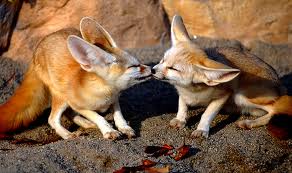
MEET THE FENNEC FOX!

Range/Habitat: Northern Africa-Asia/ desert

Diet: Omnivore: seeds, fruit, termites, eggs, lizards

Length/Weight: 9 ½-16”/ 2 ¼-13lb

Conservation Status: Common


Fun Facts:

  • Fennec foxes are the smallest member of the fox family.
  • Fennec fox are nocturnal (active at night).
  • They have unusually large ears that help them keep cool in the desert heat and warm at night.
  • Fennec fox also have fur on the bottom of their paws that protects them from the hot desert sand.
  • They live in small groups in underground dens.
  • They can survive several days without water, but will happily drink it when they find it.
  • Little is known about wild Fennec fox, most of what we know about them is from captive populations in zoos.
  • Fennec fox are the national animal of Algeria! Neat!


Wow, aren’t these little foxes really adorable with their large ears? We bet they have excellent hearing too! Did you know other animals use their ears to help them keep cool? Can you guess who that animal is? NO? It’s elephants!!


Categories: Animals, Children, education, Environment, mammals, nature | Tags: , , , , , | 2 Comments

Blog at WordPress.com.