Posts Tagged With: mammals

MAMMAL MONDAY # 24

MAMMAL MONDAY# 24

Woohoo, it’s Mammal Monday again and we have a little animal with a BIG head! No, they don’t think that they’re the best rodent in the world, the really do have large heads. We’ve got our safari hats on because we’re heading to the grasslands of East Africa! Are you ready?

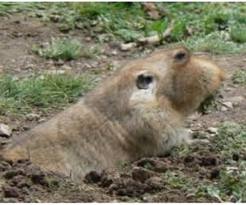
MEET THE BIG HEADED MOLE RAT!
Range/Habitat: East Africa/ grasslands

Diet: Herbivore: roots, plants

Length/Weight: 12”/ 13-36 oz

Conservation Status: Endangered


Fun Facts:

  • Big Headed Mole Rats have blunt round heads.
  • They have small eyes and ears.
  • Big headed mole rats burrow underground.
  • They dig burrows that can be up to 165 ft long and they often share it with at least one other mole rat.
  • Big headed mole rats have large orange yellow teeth.
  • They forage for food above ground.


These rodents are kind of funny looking with their large heads and little eyes and ears! They are excellent home builders! Did you know that other animals such as snakes rely on burrowing animals? No, not for food! When an animal such as the Big headed mole rat leaves their burrow for good, other animals will use that burrow for their home! Pretty neat!



Categories: Animals, Children, education, Environment, mammals, nature, science, wildlife | Tags: , , , , , , , | Leave a comment

SUPER SURPRISE THURSDAY # 23

SUPER SURPRISE

THURSDAY# 23

We have a special Super Surprise Thursday for you today because it’s holiday! That’s right folks, today it is an animal holiday! HAPPY GROUNDHOG DAY! Every year on February 2nd legend has it that if a groundhog comes out of his burrow and sees his shadow then there will be six more weeks of winter. If he doesn’t see his shadow then spring will come early! Neat! These rodents are pretty cool the rest of year too- so let’s meet them!

MEET THE GROUNDHOG!

Range/Habitat: Alaska-Canada-United States/ grassland-woodland

Diet: Herbivore: seeds, fruits, grasses, occasional insect

Length/Weight: 12-20”/ 6 ½-11lb

Conservation Status: Common


Fun Facts:

  • Groundhogs are also known as the Woodchuck.
  • Groundhogs are rodents and are the largest member of the ground squirrel or marmot family.
  • They are excellent at climbing and swimming.
  • Groundhogs burrow in the ground.
  • They gorge all summer on food to fatten up!
  • Groundhogs hibernate in the winter.
  • They are known to whistle when threatened.

We love groundhogs and not just for their ability to predict the weather! These cool rodents get to hibernate all winter! Who wouldn’t love a long winter’s nap? Groundhogs are also pretty cute if you ask us!

Here’s some more history on Groundhog Day:

http://www.groundhog.org/groundhog-day/history/

We found this fun coloring sheet:

http://0.tqn.com/d/homeschooling/1/0/b/o/groundhogcolor.png

Categories: Animals, Children, education, Environment, groundhog day, mammals, nature | Tags: , , , , , , | Leave a comment

MAMMAL MONDAY # 23

MAMMAL MONDAY# 23

We’re back on our regularly scheduled program today! Happy Mammal Monday and man do we have a neat one today! This mammal lives in the desert, has very large ears and can JUMP! Do you have on your safari outfit, because we’re heading to Africa! Let’s gooooo!

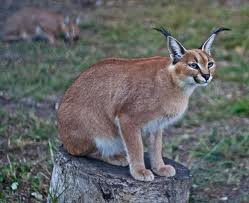
MEET THE CARACAL!

Range/Habitat: Western Central Africa-Middle East/desert-grasslands

Diet: Carnivore: rodents, hares, birds

Length/Weight: 22-36”/13-42lb

Conservation Status: Common


Fun Facts:

  • Caracals are also called the desert lynx.
  • Caracals have large ears with tufts of fur on them.
  • They are the heaviest and fastest cat of all the small cats!
  • Caracals are excellent jumpers! They can jump up to 10ft vertically in the air!
  • Caracals can jump in the air and catch birds in flight! WOW!
  • They are mostly nocturnal (active at night).


Caracals are beautiful small cats! These excellent predators are quiet skilled! Ellie would like to have one on her basketball team, because they obviously can slam dunk!


Categories: Animals, Children, education, Environment, mammals, nature | Tags: , , , , , , | Leave a comment

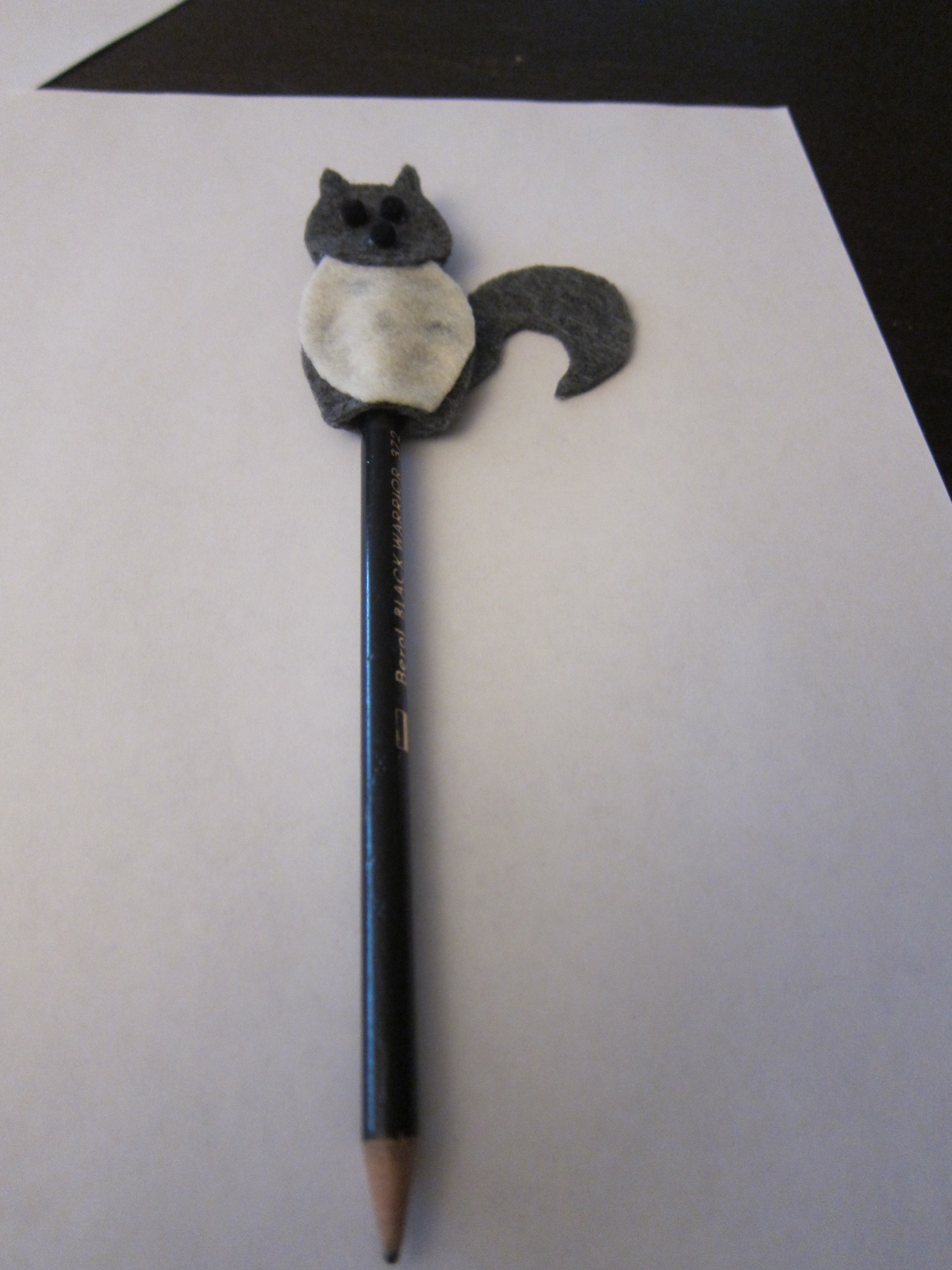
SQUIRREL PENCIL TOPPER

So who likes to make stuff? We do! We’re back at the crafting table this year! We’ll be posting an animal themed craft each month of the year!

In honor of Squirrel Appreciation Day, which is January 21st, we’re making a squirrel pencil topper! Who’s ready to cut and glue? Let’s do this!

January 2012 Craft:  Squirrel Pencil Topper

Materials:

  • Fabric glue or hot glue gun*
  • Gray Felt
  • Cream Felt
  • Buttons, pom poms or thread
  • Black Permanent marker
  • Scissors
  • Squirrel Pattern


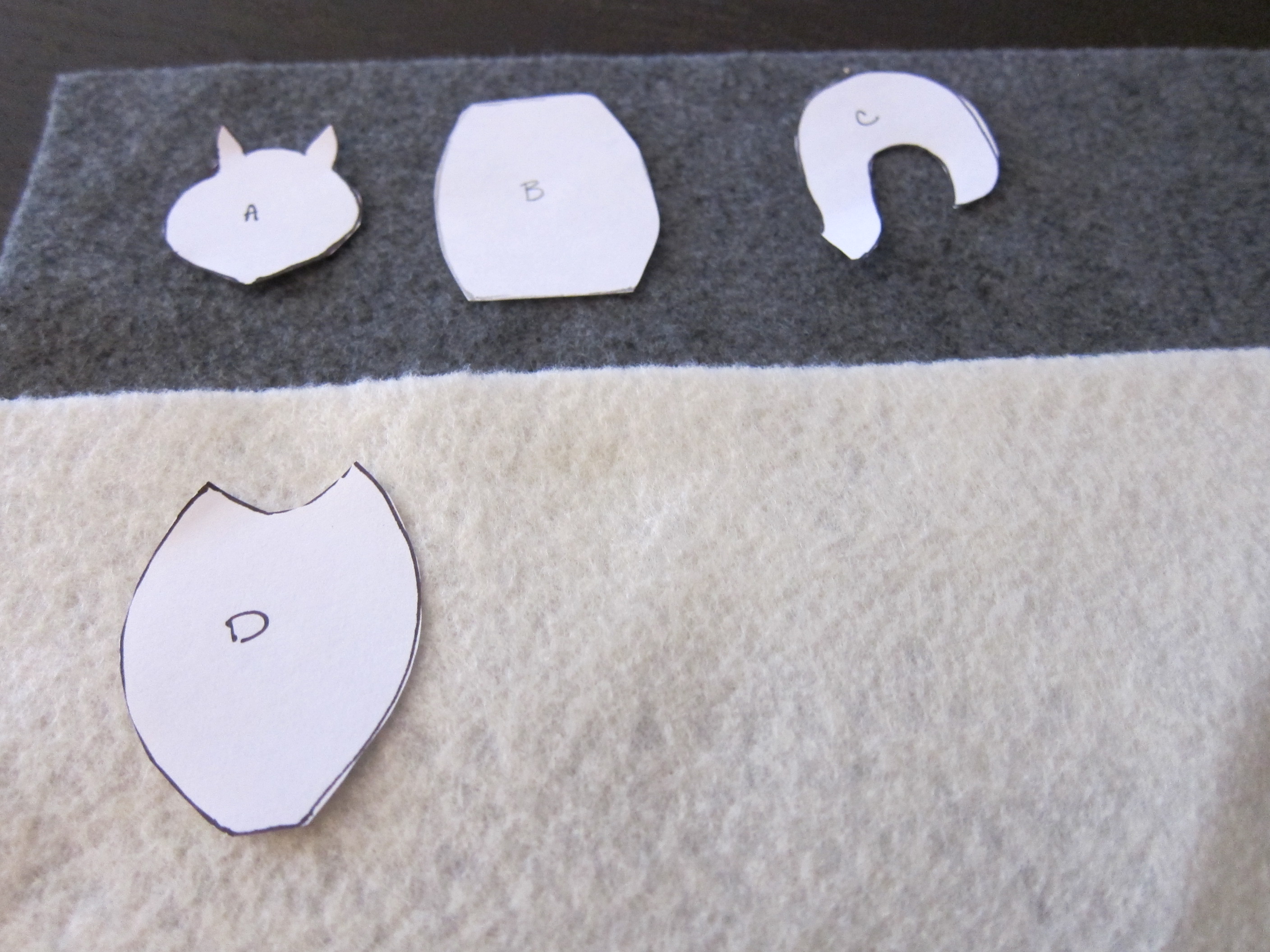
Step 1: Download and print the pattern.

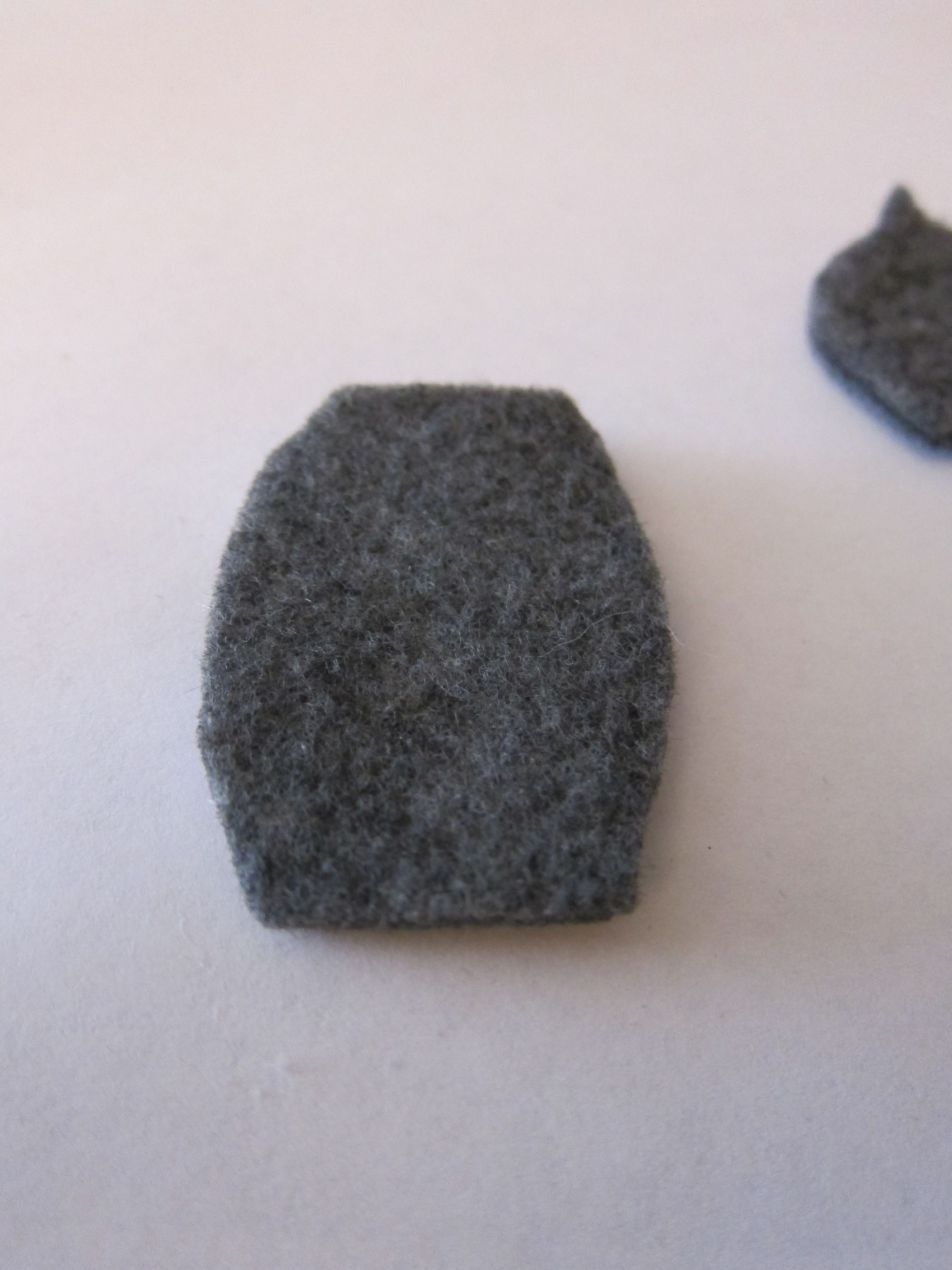
Step 2: Trace pattern on to the felt and cut out the felt pieces.

Step 3: Glue the two body pieces together. Put a line of glue around edges- leave a hole in the bottom for your pencil.

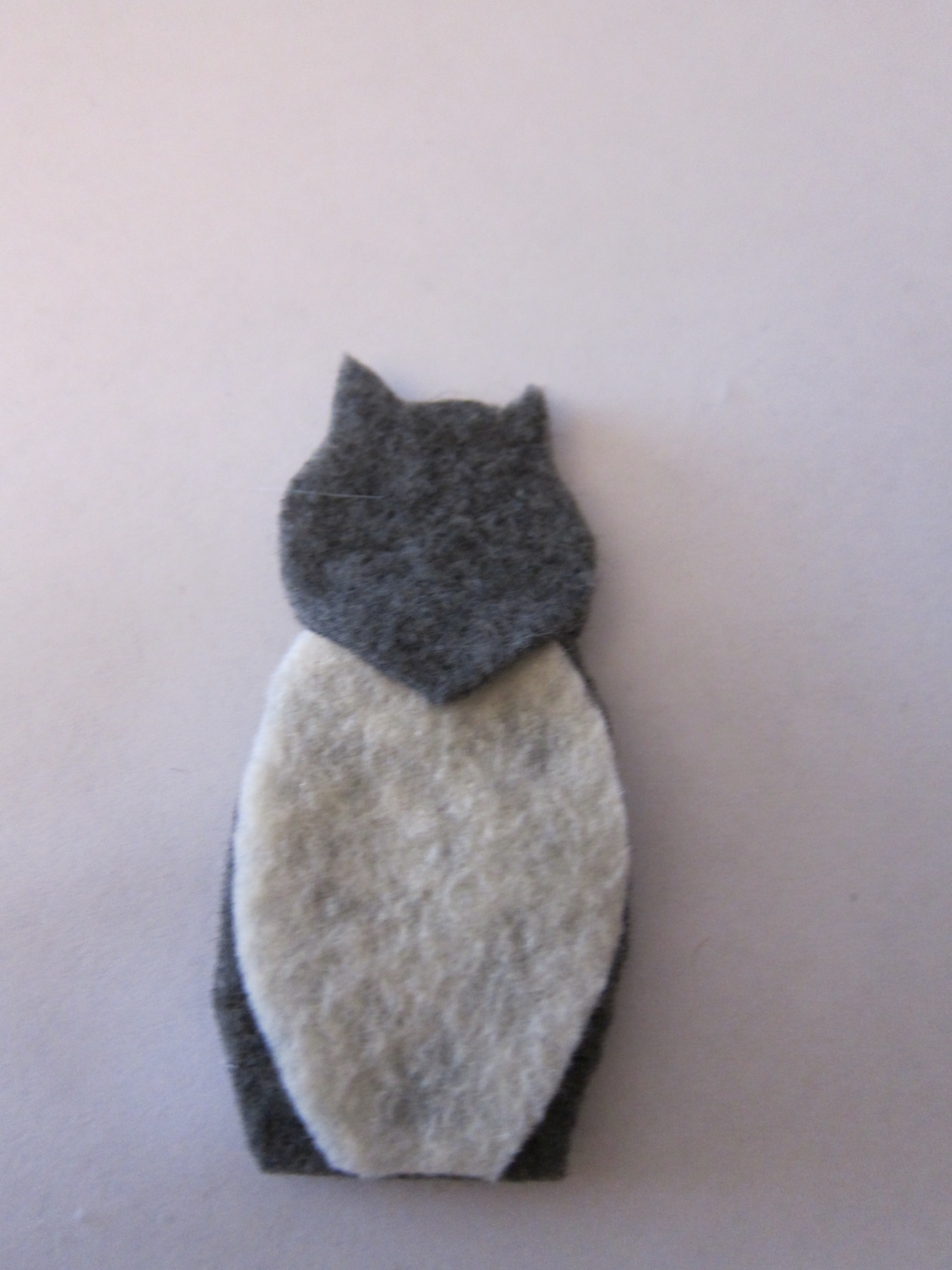
Step 4: Glue the cream piece to the front of the squirrel body.

Step 5: Glue one head piece to the body, then glue the other head on the back.


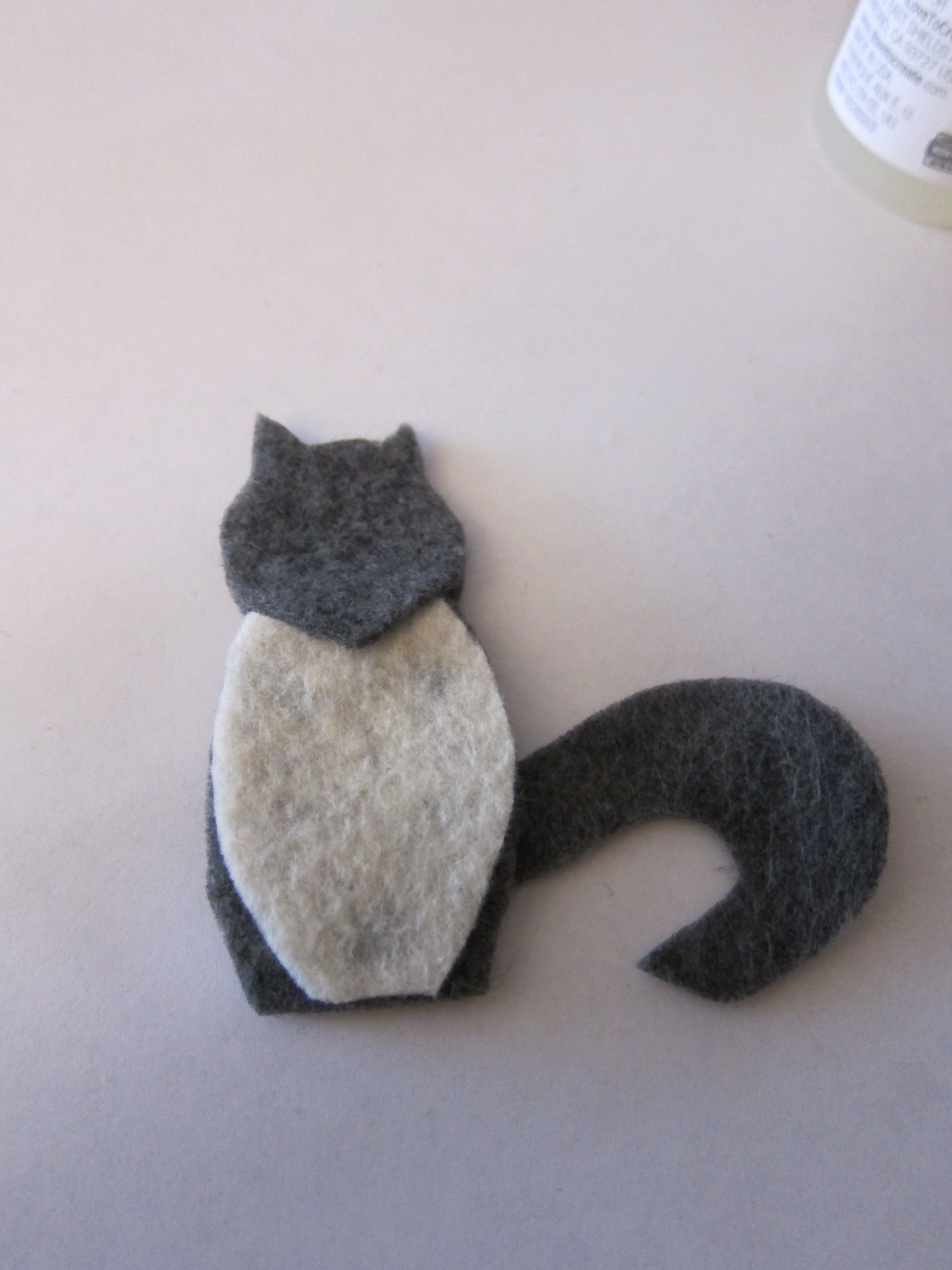
Step 6: Glue the tail on the back of the squirrel.


Step 7: Glue on the face (you can use small buttons, pom poms or draw one on with the black marker)

Step 8: Put your squirrel on a pencil! Voila! You have a squirrel pencil topper!


*We had trouble with fabric glue sticking, so we ended up using a hot glue gun- make sure you have an adult do this for you J!

Categories: Animals, Children, crafts, education, Environment, mammals, nature | Tags: , , , , , , | 1 Comment

WATERY WEDNESDAY # 22

WATERY WEDNESDAY# 22

Welcome to another Watery Wednesday! We have a mammal today! Yep, there are mammals that live in the world’s oceans! Neat! Today’s animal lives in the chilly waters of the North Atlantic.  Does everyone have on their wetsuits? Let’s go!

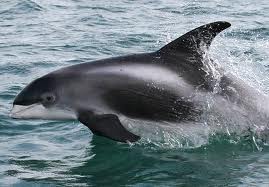
MEET THE WHITE BEAKED DOLPHIN!

Range/Habitat: North Atlantic Ocean/North America-Europe

Diet: Carnivore: fish, squid

Length/Weight: up to 9 ½ ft/ up to 770 lbs

Conservation Status: common


Fun Facts:

  • White Beaked Dolphins are large, stocky dolphins.
  • They are dark gray with black and white patches. They can vary in color depending on where they live.
  • White beaked dolphins are found in schools or pods with around 30 individuals. They have been seen in pods with as many as 1,000 individuals.
  • White beaked dolphins are very acrobatic and are often seen jumping out of the water.
  • White beaked dolphins are often seen with pods of fin whales and humpback whales.


These stocky dolphins are known to be very acrobatic, breaching (jumping out of the water on their side) and doing flips. We wish we could do such cool stuff in the water! But that’s what dolphins are built for and elephants and horses are not. See, every animal is special! J


Categories: Animals, Children, education, Environment, mammals, nature | Tags: , , , , , | Leave a comment

SUPER SURPRISE THURSDAY # 21

SUPER SURPRISE THURSDAY# 21

My, what big ears you have! We have found a special little mammal with very LARGE ears for today’s Super Surprise Thursday! Get out your sunglasses and sunscreen, because we’re heading to the African desert!

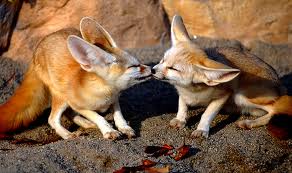
MEET THE FENNEC FOX!

Range/Habitat: Northern Africa-Asia/ desert

Diet: Omnivore: seeds, fruit, termites, eggs, lizards

Length/Weight: 9 ½-16”/ 2 ¼-13lb

Conservation Status: Common


Fun Facts:

  • Fennec foxes are the smallest member of the fox family.
  • Fennec fox are nocturnal (active at night).
  • They have unusually large ears that help them keep cool in the desert heat and warm at night.
  • Fennec fox also have fur on the bottom of their paws that protects them from the hot desert sand.
  • They live in small groups in underground dens.
  • They can survive several days without water, but will happily drink it when they find it.
  • Little is known about wild Fennec fox, most of what we know about them is from captive populations in zoos.
  • Fennec fox are the national animal of Algeria! Neat!


Wow, aren’t these little foxes really adorable with their large ears? We bet they have excellent hearing too! Did you know other animals use their ears to help them keep cool? Can you guess who that animal is? NO? It’s elephants!!


Categories: Animals, Children, education, Environment, mammals, nature | Tags: , , , , , | 2 Comments

MAMMAL MONDAY # 21

MAMMAL MONDAY# 21

Who’s up and excited for Mammal Monday? We are! We found a desert loving primate for today! You better have your cameras ready, because this monkey sure is fast! Let’s get moving!

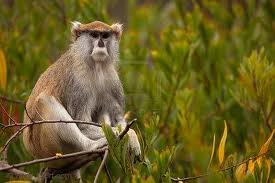
MEET THE PATAS MONKEY!

Range/Habitat: Western-Eastern Central Africa/ desert-grasslands

Diet: Omnivore: seeds, insects, tubers

Length/Weight: 23-35”/ 22-29lb

Conservation Status: Common


Fun Facts:

  • Patas Monkeys have long slim bodies, arms and legs.
  • Patas monkeys live in troops of 10-15 individual animals. The troops are made up of females, their offspring and one dominant male.
  • Patas monkeys have a white moustache and beard, that make them look like old men J.
  • They are very fast, probably the fastest primate on earth. They don’t climb trees to escape predators, but can outrun them.
  • Patas monkeys can run up to 34 miles per hour.
  • The male in the troop stands around the edge of the troop and acts as a guard and as a lookout.


These fast and regal looking monkeys are very special! Who wants to race a Patas monkey! Both Ellie and Edmond are pretty sure we could outrun one!


Categories: Animals, Children, education, Environment, mammals, nature | Tags: , , , , , | Leave a comment

SUPER SURPISE THURSDAY # 20

SUPER SURPRISE

THURSDAY# 20

Tiny is great way to describe today’s Super Surprise Thursday animal! Do you have your night vision goggles out? Are you ready to go walking in a field? Be careful because this little mammal might be right under your feet!

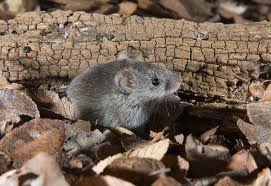
MEET THE NORTHERN PYGMY MOUSE!

Range/Habitat: Southern United States-Central Mexico/grasslands-fields

Diet: Herbivore: plants, seeds

Length/Weight: 2-2 ½”/ 7-10 grams

Conservation Status: Common

Fun Facts:

  • The Northern Pygmy Mouse is the smallest rodent in North America.
  • They are about the size of a chicken egg.
  • Northern Pygmy mice are nocturnal (active at night).
  • They burrow under logs and plants.
  • They are active all year long.
  • Female Northern Pygmy mice can become pregnant at the age of 60 days.

These tiny little rodents sure are cute. Do you think it would be hard to spot one in the wild? We do! That’s why we bring them to you!

Categories: Animals, Children, education, Environment, mammals, nature | Tags: , , , , , | Leave a comment

SUPER SUPER SURPRISE THURSDAY # 19

SUPER SURPRISE

THURSDAY# 19

We couldn’t talk arctic animals without including this special hoofed animal! That’s right! We’ve found one of the most famous arctic dwellers of all! Do you have your sleigh ready?

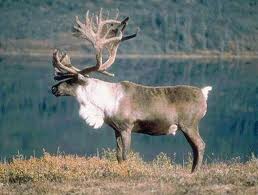
MEET THE REINDEER!

Range/Habitat: North America-Europe-Asia/Tundra-forest

Diet:  Herbivore: grasses, moss, lichen

Length/Weight: 4- 7 ¼ ft/ 260-660 lb

Conservation Status: common


Fun Facts:

  • Reindeer are also called caribou.
  • They vary in color and size depending on where they live. Reindeer that live closest to the arctic are white in color.
  • Both female and male reindeer have antlers. Males lose their antlers in the winter.
  • Reindeer antlers are covered in a layer of fur called velvet.
  • Their noses are specialized to warm cold air before it enters their lungs.
  • Reindeers have a four chambered stomach!
  • One of their favorite foods is called reindeer moss.
  • Reindeers are the only mammal that can see ultraviolent light!
  • Some reindeer populations migrate. They can migrate up to 3,000 miles in one year! Whew, they must be tired!


Besides being really neat, reindeer are famous for pulling Santa’s sleigh! We were hoping to meet a real reindeer this year, but we weren’t able to. We are making some antlers out of pipe cleaners though! What’s your favorite thing about reindeer?


We found a coloring sheet too:

http://www.edupics.com/coloring-page-reindeer-i8663.html

Categories: Animals, Children, education, Environment, mammals, nature | Tags: , , , , , | Leave a comment

WATERY WEDNESDAY #19

WATERY WEDNESDAY# 19

We’ve got our wet suits on, we’re bundled up and we’re head to the cold arctic waters to find a whale on this Watery Wednesday! Are you ready to meet the white whale? Let’s go…

MEET THE BELUGA WHALE!

Range/Habitat: Arctic Ocean

Diet: Carnivore: fish, mollusks, crustaceans

Length/Weight: 13-18ft/ 1-1 ½ tons

Conservation Status: Threatened


Fun Facts:

  • Beluga whales are white to ivory in color. This helps them blend in with the arctic ice.
  • Beluga whales are highly social and can be seen in groups called pods.
  • They are very vocal too. They make all kinds of sounds, including clicks, whistles, and squeaks.
  • They are often called the sea canary because they are so vocal.
  • Beluga whales use echolocation to find prey. Echolocation is when an animal sends out a sound wave and it come back (echoes) to the animal giving them the distance and size of the object.
  • Beluga whales have large melons on top of their head that is full of oils, tissue and fats. It is thought that the melons help them with echolocation and sound production.
  • Baby beluga whales are gray when they are born and turn white by the age of 5.
  • Beluga whales can swim backwards and turn their heads, unlike most other whales.
  • They have a mouth full of teeth used to eat their prey, but they also use suction to suck up their prey.


Beluga whales are a very special member of the whale family! Their closest relative is the narwhal (Here’s our post about them: https://ellieandedmond.wordpress.com/wp-admin/post.php?post=117&action=edit ). Want to hear some of the sounds they can make? You should try out your Beluga whale impression after you watch the video! Edmond will be trying his all day, much to the dismay of Ellie J!

Listen hear:

http://www.youtube.com/watch?v=SvsvcnzFy-g

Categories: Atlanta, Children, education, Environment, mammals, nature | Tags: , , , , , | Leave a comment

Blog at WordPress.com.