Posts Tagged With: mammals

KNOW YOUR REINDEER!

KNOW YOUR REINDEER!

reindeer4

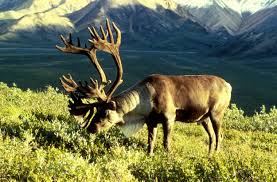
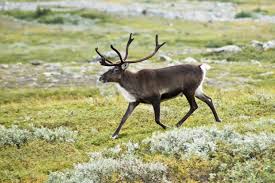
This reindeer is Bob! All reindeer have antlers, but males drop theirs in the winter. So Bob will drop these and regrow them in the spring. His antlers are covered in a soft material called velvet.
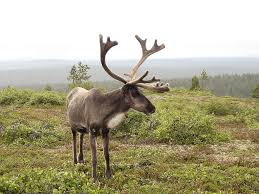
 

Reindeer have many different color variations. The ones that live closer to the arctic have white or light colored fur.
This is Sissy! Sissy and her reindeer friends have many different color variations. The ones that live closer to the arctic have white or light colored fur.


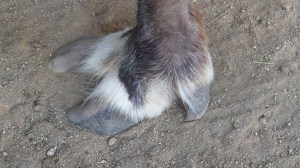
Reindeer feet have four toes; two in the front and two in the back. Their feet expand in the winter and act like a snowshoe. They shrink back to normal size in the summer.
Reindeer feet have four toes; two in the front and two in the back. Their feet expand in the winter and act like a snowshoe. They shrink back to normal size in the summer.


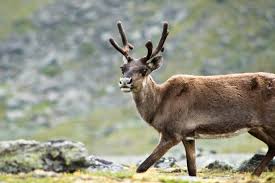
This is Steve! Reindeer are also known as caribou. They

This is Steve! Steve is also known as caribou. He has a nose that is specialized to warm air before it enters his lungs!
 

This is Rhonda!

This is Rhonda! Reindeer like Rhonda love reindeer moss! She is the only mammal in the world that can see ultraviolet light!

Some reindeer travel up to 3,000 miles a year during their annual migration. We love reindeer! They are sure are popular at this time of year! It must be because of those special species that fly!
Categories: adventure, Animals, Children, conservation, education, Environment, mammals, nature, science, Uncategorized, wildlife | Tags: , , , , , , , , , | Leave a comment

FAT AND TOOTHY!

FAT AND TOOTHY!

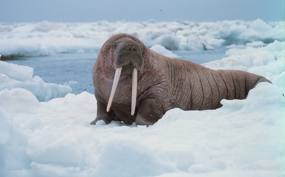
We’ve heard of the legend of a little man with elves that live in the north pole that gives presents out once a year! That sure sounds cool, but it is not as great as the animal that we are going to meet today! This arctic dweller is rotund and has tusks similar to Ellie’s! Let’s meet this marine mammal!

MEET THE WALRUS!


Fun Facts:

  • Walrus live in the Arctic on the icy shoreline of the ocean. There are Atlantic and Pacific Walruses.
  • They can get up to 12ft long and weigh up to 2 and 1/4 tons.
  • They are carnivores; they eat shrimp, crustaceans and fish.
  • Walrus eat prey off the bottom of the oceans and use suction to eat.
  • They can stay underwater for up to 25 minutes and can dive down to 330ft deep.
  • They are highly social and often are seen in large groups, called herds.
  • Male walruses are twice the size of females.
  • They have rough wrinkly skin and very whiskery faces.

IMG_5931

  • Walruses have tusks of ivory. They can grow up to 3 ft 3” long.
  • Walrus babies can weigh up to 174lbs when born.
  • Like seals, they lack external ears.

Walruses sure are huge and cute! How can you not like their whiskery faces? These blubbery mammals are loud, social and full of personality! They are one of our favorites!

walrus

walrus2

Categories: adventure, Animals, Children, conservation, education, Environment, mammals, nature, science, wildlife | Tags: , , , , , , , , , | Leave a comment

THREE CHEERS FOR TAMANDUAS!

THREE CHEERS FOR TAMANDUAS!

tamandua

We love Tamanduas yes we do! We love Tamanduas- how bout you? For World Tamandua/Anteater! We’re celebrating our Professor Tamandua with a cheer! Edmond got his pom poms out and he’s cheering on tamanduas!

IMG_5727

GIVE US A T!

Tamanduas live in South America.

IMG_5724

GIVE A US AN A!

Anteaters- tamanduas are also called lesser anteaters.

IMG_5726

GIVE ME A M!

Mounds- tamanduas love termites! They use their large claws to dig in to termite mounds!

IMG_5724

GIVE ME AN A!

A tamandua has a sturdy prehensile tail.

IMG_5725

GIVE ME A N!

NO TEETH- Tamanduas have no teeth. They have a 16″ long tongue they use to eat ants and termites!

IMG_5728

GIVE ME D!

DARK- Tamanduas are nocturnal.

IMG_5729

GIVE ME A U!

UP IN THE TREES- Tamanduas are arboreal! They live in trees, but forage for food on the ground.

IMG_5724

GIVE ME AN A!

A STINKER- Tamanduas have a strong odor to help protect them from predators! They are called the stinkers of the forest!

What’s that spell? TAMANDUA! We love our dear professor and we hope you love tamanduas as much as we do!

Categories: adventure, Animals, Children, conservation, education, Environment, mammals, nature, science, wildlife | Tags: , , , , , , , , , | Leave a comment

GIVE THANKS TO MANATEES!

GIVE THANKS TO MANATEES!

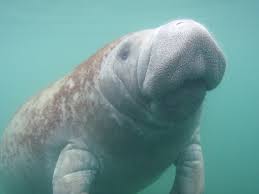
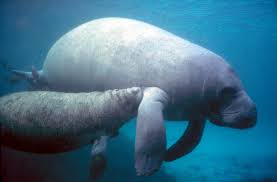
November is Manatee Appreciation Month and we’re giving thanks to these gentle creatures today with fun fact and pictures! Who else wants to smooch those sweet faces?

manatee3

  • Manatees are also called sea cows. These sea cows are distance relatives of Ellie’s!
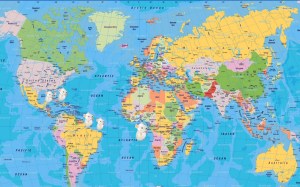
  • They live in coastal waters and rivers in Southern Coastal United States, South America and Western Africa. There are 3 species of manatees.

IMG_0218

  • They have strong flat tails they use to swim!
  • Their nostrils sit on top to help them breathe air.
  • Manatees are herbivores. They eat algae and grasses.
  • They can eat 1/10th of their weight in a day.

IMG_5615

  • They can weigh up to 1,300 lbs.
  • These slow swimmers have very little blubber to keep them warm. They must stay in waters above 68 degrees to survive.
  • Manatees are endangered, due to pollution- getting caught in trash, hunting and boating accidents.

manateemanatee2


We know we appreciate manatees and we sure hope you do too! Let’s give thanks by keeping our oceans and waterways clean!

Categories: adventure, Animals, Children, conservation, education, Environment, mammals, nature, oceans, science, wildlife | Tags: , , , , , , , , , , | 2 Comments

A WHALE OF A TRIP!

A WHALE OF A TRIP!

e e boat

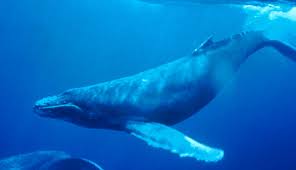
We headed to Monterey California in October and went on a whale watching trip! We spotted the famous Humpback whale! These gorgeous giants make the longest migration of any mammal on earth! Some populations travel farther than others, so let’s all learn more about these cetaceans!

 IMG_0884

  • Humpback whales live in oceans all over the world.

IMG_0194

  • Humpback whales are baleen whales. They eat small prey like krill, plankton and small fish.
  • They are listed as least concern by the IUCN. Some populations like the one we saw in Monterey Bay had been decimated at one time!
  • They are 48-63 feet long and can weigh up to 40 tons.
  • Male humpback whales sing songs! These can be heard over great distances and can go on for hours! These haunting sounds make us wish we could speak whale!
  • Some populations head to waters near the poles where food is abundant in the summer and then migrate to warmer waters to calve. This migration can be as long as 1
  • Humpback whales are thought to live around 80 years.

IMG_5538

  • Humpback whales have two v-shaped blowholes on top of their head.
  • Females tend to be bigger than males.
  • Humpback whales have long pectoral flippers that are 1/3 of their body length.
  • Humpback whales have tubricales (bumps) on their head. These are unique to them and contain hair that may act like whiskers on a cat!

humpback2humpback


Humpback whales are amazing gentle giants! We had such fun looking for their tale-tail spouts when they came to the surface to breath! We saw some pectoral flipper slaps and several flukes!

Categories: adventure, Animals, Children, conservation, education, Environment, mammals, nature, oceans, science, wildlife | Tags: , , , , , , , , , , | 1 Comment

WE SPY!!

WE SPY!!

FullSizeRender

We Spy with our four little eyes an animal who lives in the ocean and migrates to cold waters to feed and then travels for 4 months to breed in warm waters. These large mammals are bigger than you can imagine! Who do we spy?

wespy

Categories: adventure, Animals, Children, conservation, education, Environment, nature, science, wildlife | Tags: , , , , , , , , , | Leave a comment

LEMUR MANIA- PART 2

LEMUR MANIA- PART 2

We’re super excited for Lemur Mania- Part 2!!

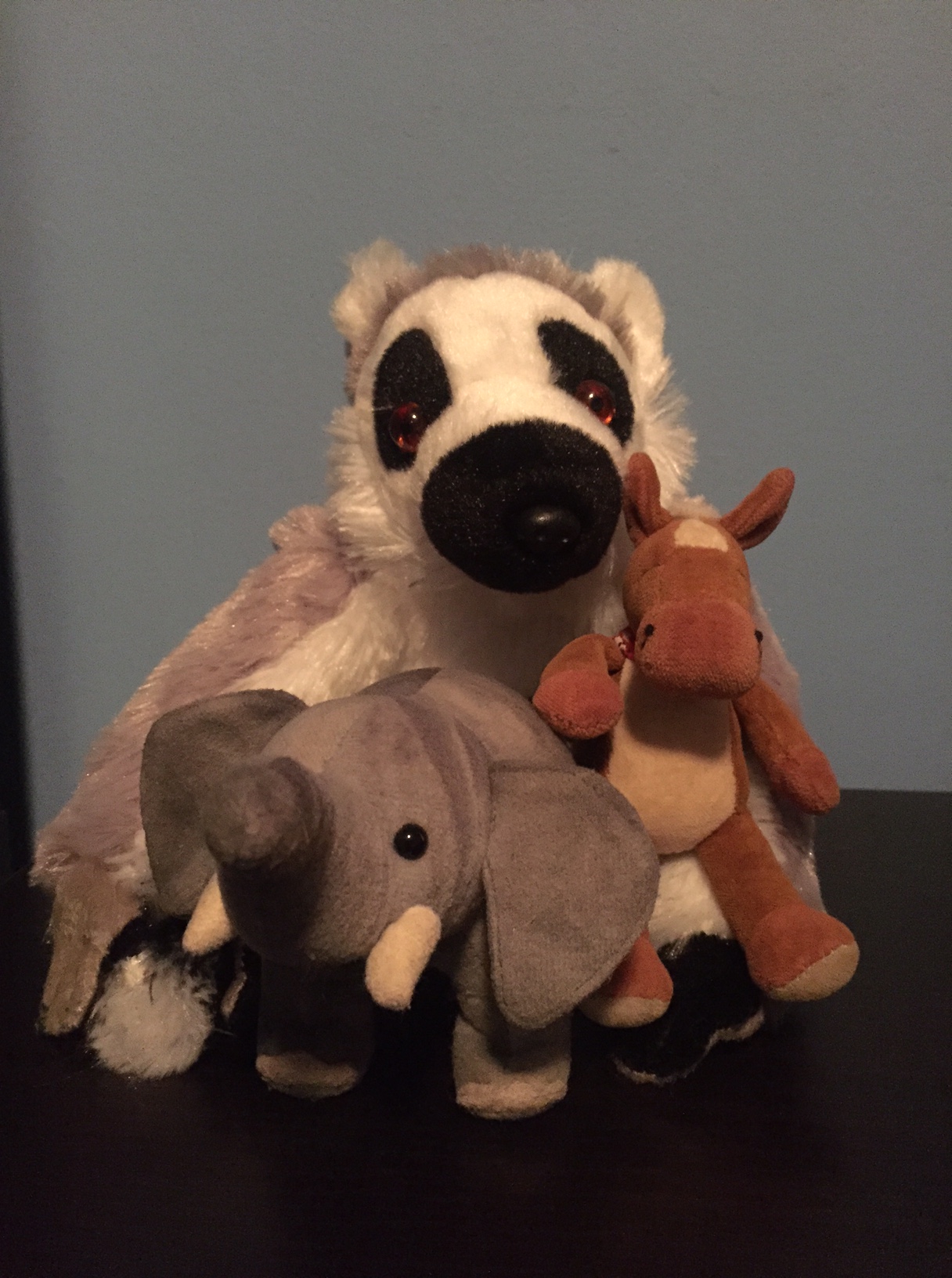
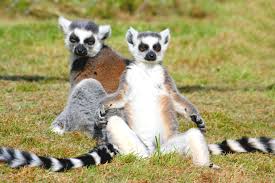
IMG_5365This is our pal Less the Ring Tailed Lemur!

lemur8All lemurs, like this Diademed Sifaka live on the island of Madagascar on the east coast of Africa.

indriThe Indri is the largest species of lemur!

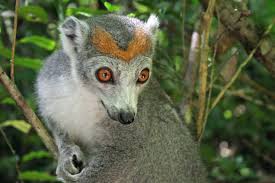
crowned lemurEach species of lemurs occupy a different niche of Madagascar. This crowned lemur lives in the dry deciduous forest.

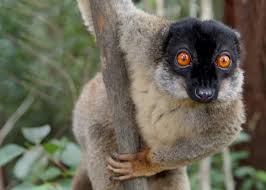
collard brown lemurThe Brown collared brown lemur is a frugivore.

black lemurThis is a female black lemur, the male is all black.  Not all species of lemurs have females and males that look different.

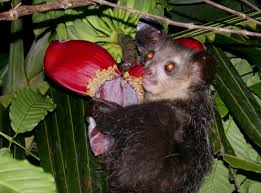
aye ayeThe Aye-Aye is one of the strangest looking lemurs. They are nocturnal and have long skinny fingers they use to get grubs out of the holes of trees!

Wow! The more we learn about lemurs the more amazed we are by them! From the cute to the bizarre looking, each species is special!

Categories: adventure, Animals, Children, conservation, education, Environment, mammals, nature, science, wildlife | Tags: , , , , , , , , , | Leave a comment

LEMUR MANIA- PART 1

LEMUR MANIA- PART 1!

We’re celebrating lemurs all week with some Lemur Mania! We’re off to the island of Madagascar to meet some of the crazy prosimians!

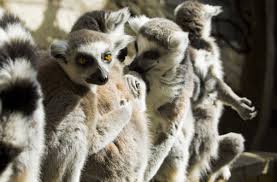
lemur1Some species of lemurs, like these ring tailed lemurs sun themselves during the day.

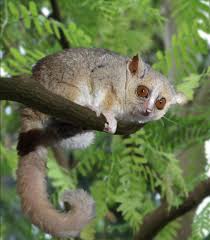
lemur2The gray mouse lemur only reaches a weight of up to 3oz. That is one small lemur!

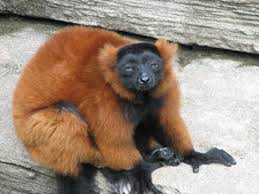
lemur4Red ruffed lemurs have alarm calls they use to warn others about predators.

lemur3Sifaka lemurs move by jumping vertically! It is super fun to watch- check it out!

lemur5The golden bamboo lemur eats, you guessed it, bamboo. They are critically endangered due to habitat loss.

lemur6Black and white ruffed lemurs, like other lemurs, have a row of bottom teeth that are similar to a comb- in fact it is called a toothcomb. This toothcomb helps the lemur groom itself.

lemur7A group of lemurs is called a troop!

We’ll be back tomorrow with more lemur mania! Do you have any lemur facts you’d like to share?

Categories: adventure, Animals, Children, conservation, education, Environment, mammals, nature, science, wildlife | Tags: , , , , , , , , , , | Leave a comment

SCIENCE WORD OF THE WEEK!

SCIENCE WORD OF THE WEEK!

swow prosimian

Welcome to this week’s class everyone! We’ve got an exciting week planned here at the University! Today we’re kicking off Lemur Week! Are you ready to learn today’s word?
Today’s word is Prosimian: prosimians are a type of primate, the name means pre-monkey. These primates usually have long wet snouts, whiskers and large eyes and ears. Prosimians include lemurs, bush babies and loris.

Ellie and Edmond will be meeting some types of prosimians this week!

Categories: adventure, Animals, Children, conservation, education, Environment, mammals, nature, science, wildlife | Tags: , , , , , , , , , | Leave a comment

HORSES AND BATS!

HORSES AND BATS!

We’re off to meet a bat who has horseshoe in its name! We wonder if they make them? Edmond can always use a new pair! Grab those night vision goggles and let’s head off on today’s adventure.

e & e night rainforest

MEET THE LESSER HORSESHOE BAT!

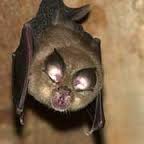
lesser horseshoe bat


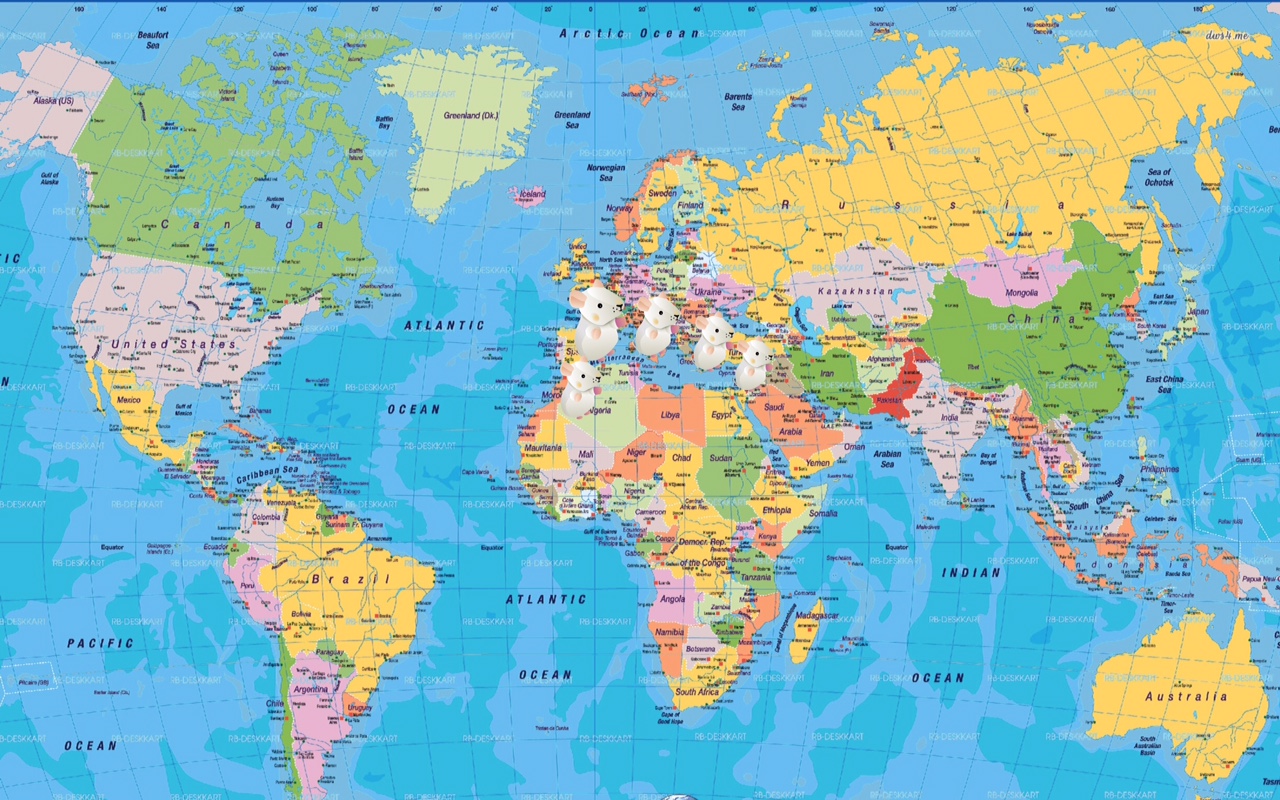
  • Lesser horseshoe bats live in Europe and Northern Africa.

IMG_0208

  • Lesser Horseshoe bats are one of the smallest bats in the world.
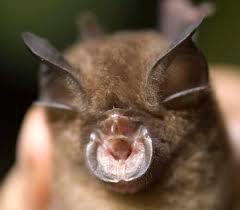
  • They have a horseshoe shaped nose.
  • Lesser horseshoe bats are insectivores.
  • Lesser horseshoe bats live in colonies.

IMG_5247

  • Lesser horseshoe bats are smaller than a human thumb.
  • They hibernate underground in the winter.
  • Lesser horseshoe bats usually fly close to the ground.
  • They are listed as common by the IUCN.

These tiny little flying mammals are ugly and cute and the same time. Bats come in all shapes and sizes and they are all beneficial! Bats rock!

lesser horseshoe bat2   lesser horseshoe bat3

Categories: adventure, Animals, Children, conservation, education, Environment, mammals, nature, science, wildlife | Tags: , , , , , , , , , | Leave a comment

Blog at WordPress.com.