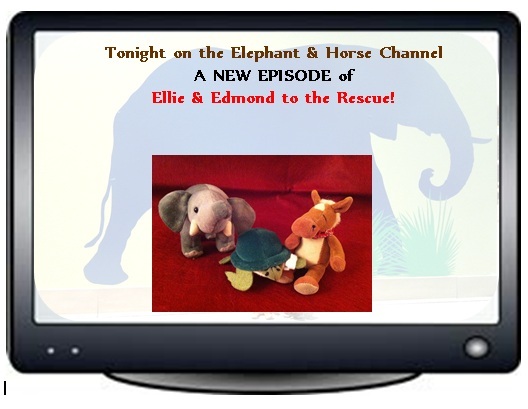
We’re so glad you could join us for tonight’s episode! We’re heading to Fernbank Museum of Natural History to see their new exhibit “Wildlife Rescue”! That’s right everyone, we learn what it takes to rescue, care for and return animals to their wild habitats! Follow us as we lead you through this wondrous journey!
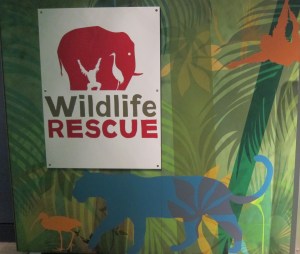
- Entrance to Wildlife Rescue
As we first enter the exhibit there are all kinds of amazing things to see. Fun lights, a giant globe and touch screens to learn! Isn’t this place quiet the party?
 Elephant lights on the floor! Woohoo!

- Learn all about endangered animals on this touch screen

- Edmond tries out the touch screen
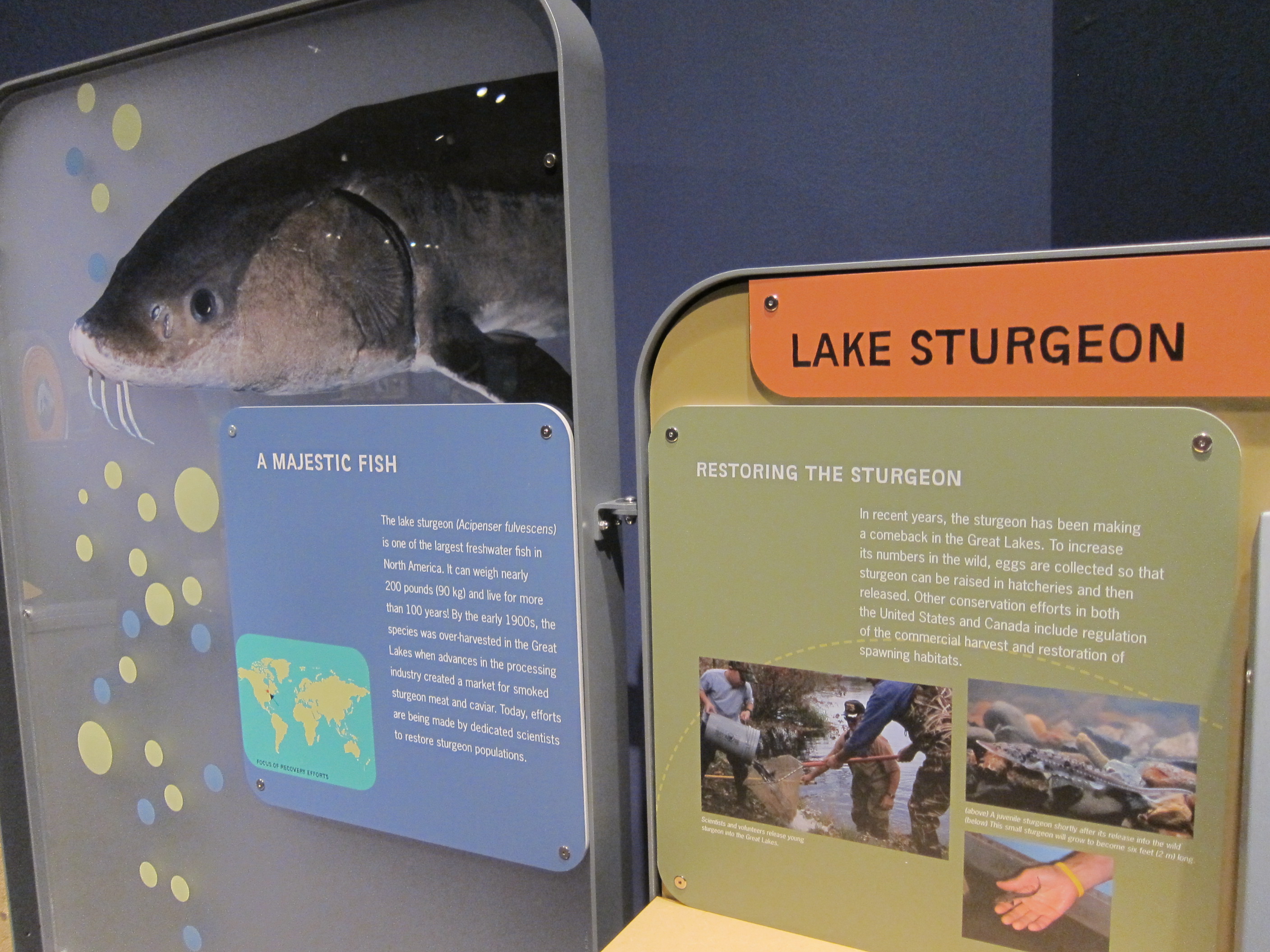
There are several stations where you can learn about animals that are endangered and how people are helping increase their populations.

- Lake Sturgeon get help from people!

- You can learn to track Iberian Lynx!
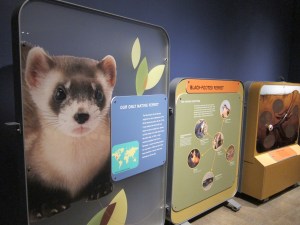
- Black footed ferrets numbers on their way up!
Wow, these people are doing some great things to help animals. Look here, they have a whole station about the California Condor.
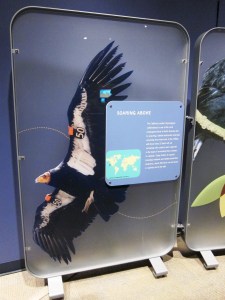
- We love California Condors!
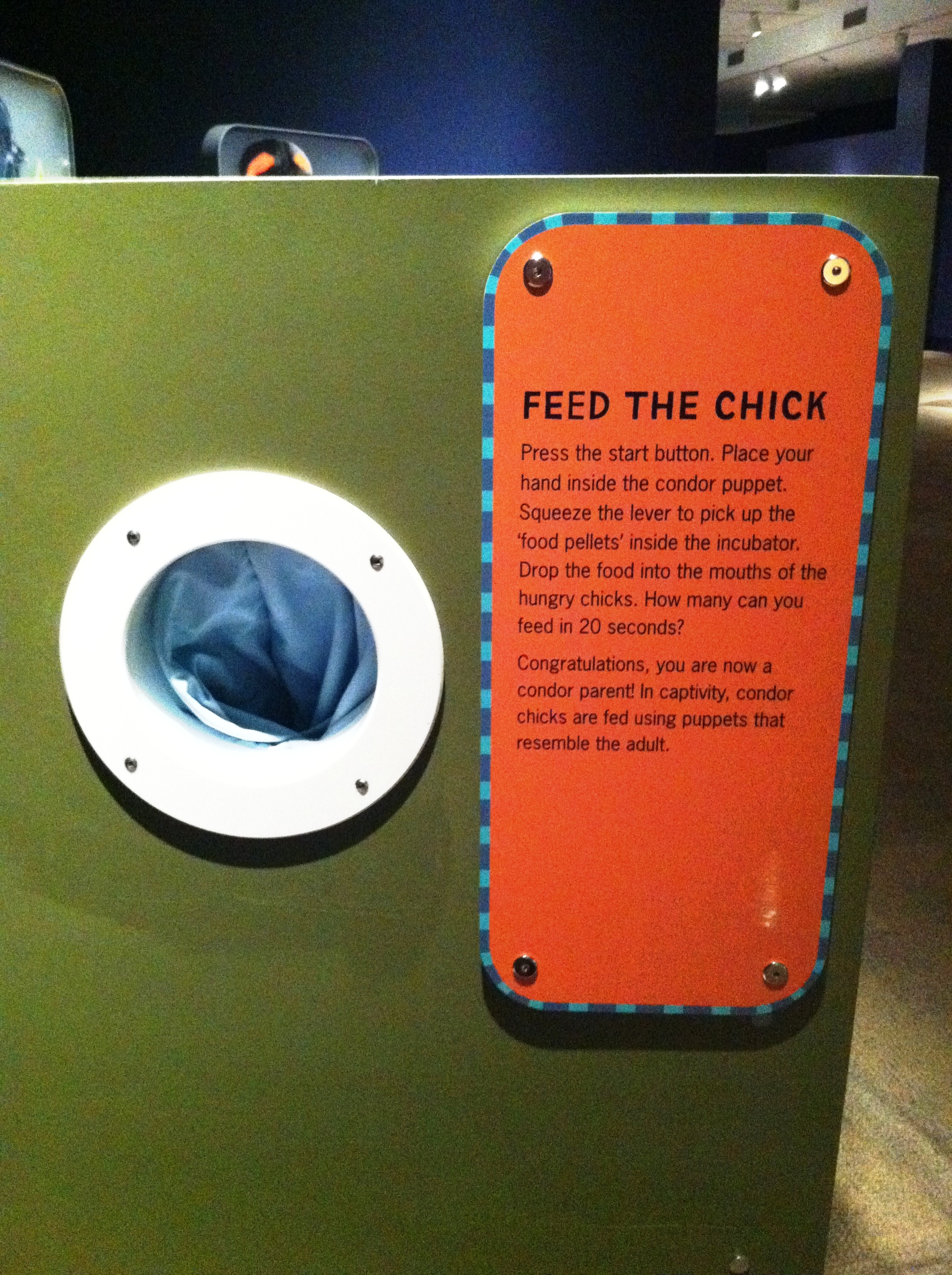
In the 1980s there were only 25 of these birds left and with the help of breading programs there are now 400 Condors. That is great news, but they still need help. Captive breeders feed condor chicks with mom puppets and look here; you can try and feed a chick too!
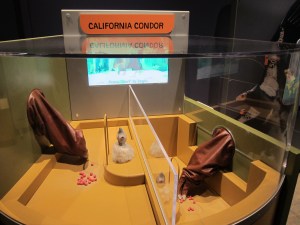
- You can use a condor mom puppet and feed the chick!

- Feed the condor c
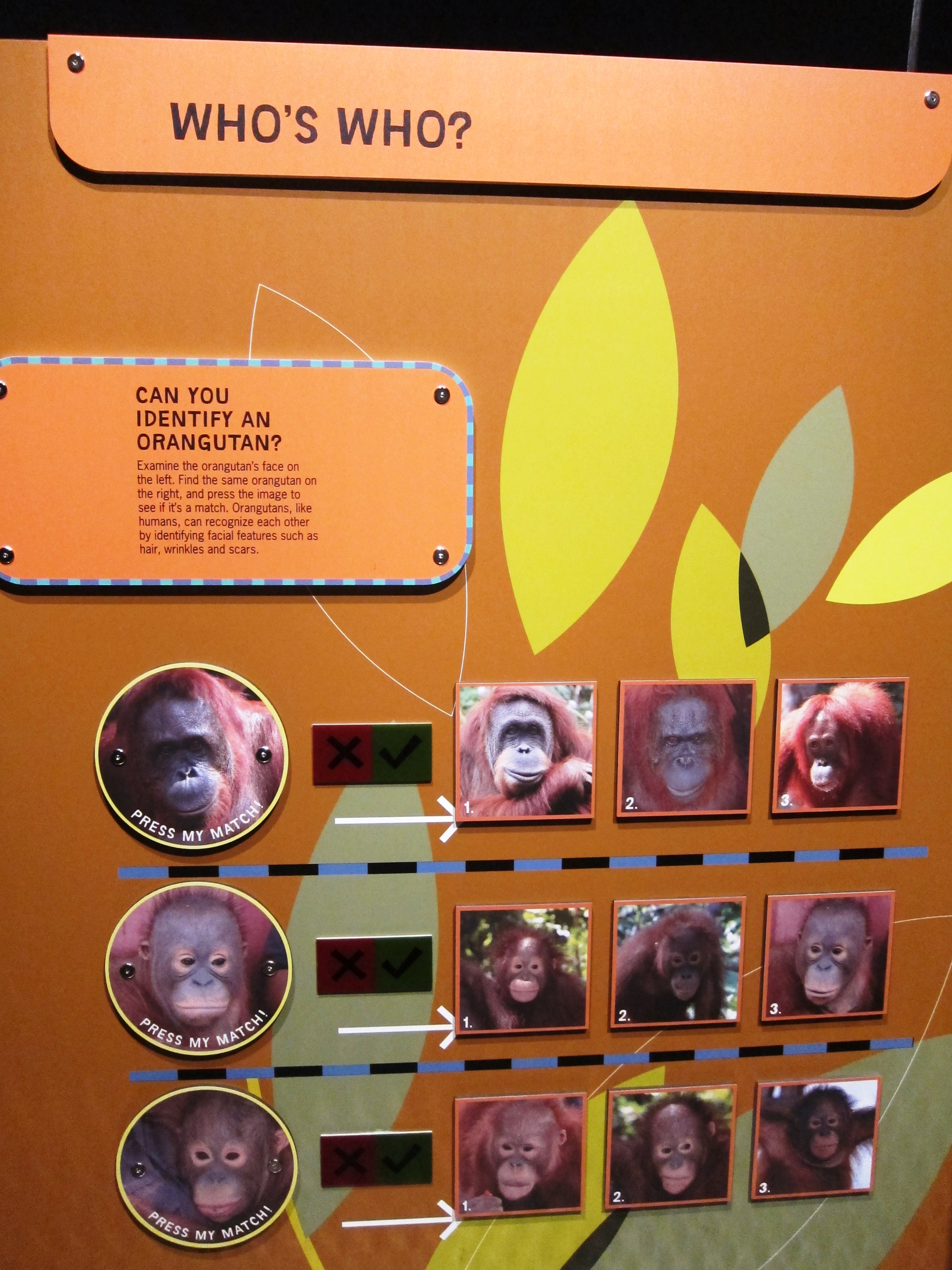
We’re moving on to a fun game called I.D. the orangutan!
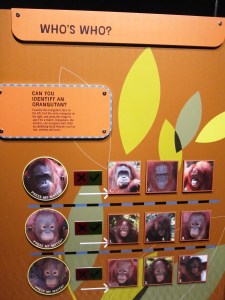
- Which orangutan is which?
Make sure you look closely before choosing!
What is this wonderful station we’ve found? It’s all about elephants! Ellie is so excited!
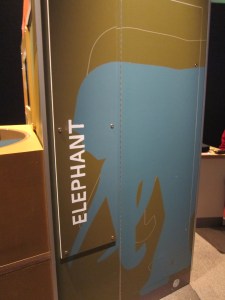
- ELEPHANTS!!
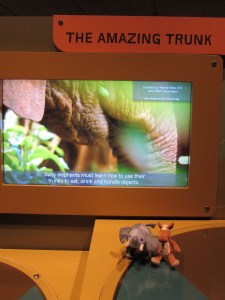
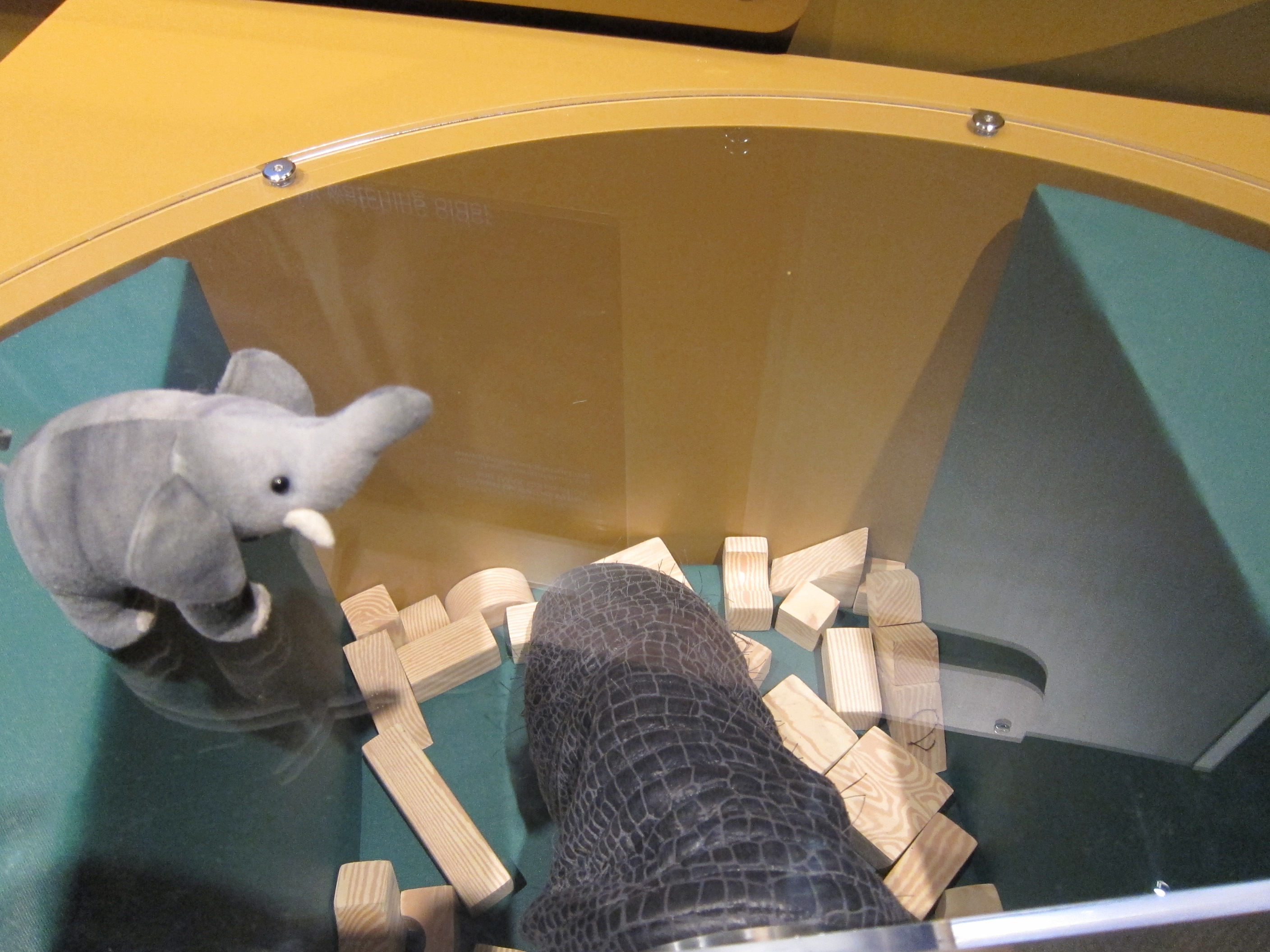
- Time to learn all about The Amazing Trunk!
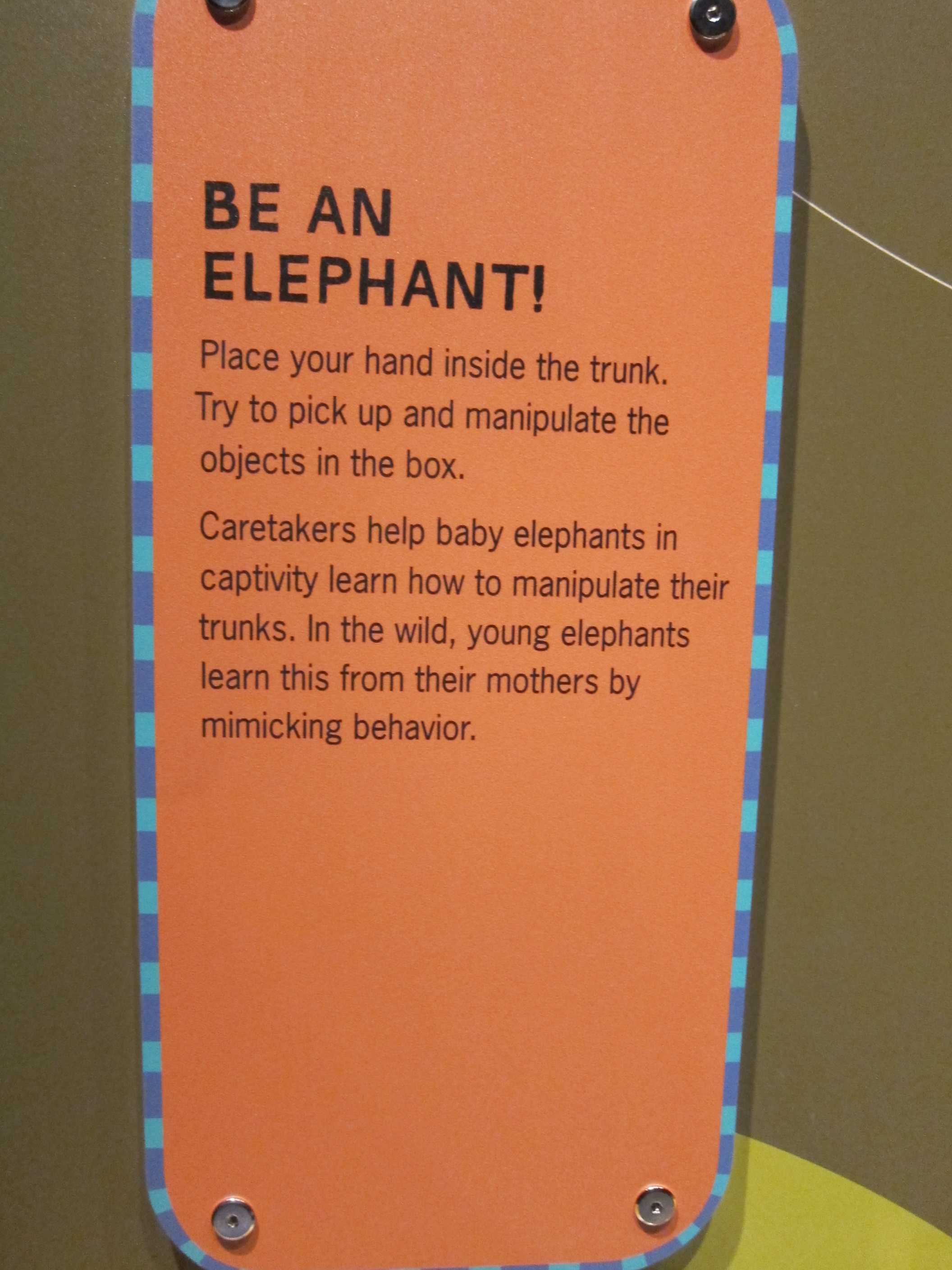
Let’s all learn all about the amazing elephant trunk! Did you know that an elephant trunk has up to 150,000 muscles? Pretty neat! Baby elephants must learn to use their trunks to drink, eat and pick up objects! And did you know that an elephant can pick up a single blade of grass with their trunk? Wow, Ellie never tires of talking trunks! What’s this? YOU CAN BE AN ELEPHANT!! Woohoo!
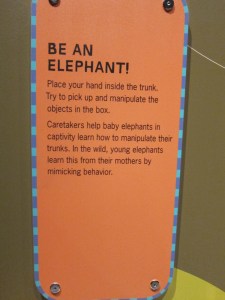
- You too can be an elephant! It totally rocks!

- Here’s Ellie checking out the trunk game! You can pretend you have a trunk and pick objects up! FUN!
You can play a round of elephant trivia, too! Edmond won!
Who’s up for a little flight with whooping cranes? We are! That’s right they have a life sized aircraft right here! Operation Migration is a program that helps whooping cranes learn their migration path. They actually fly these open air planes with the cranes! How cool is that! Check us out in the plane! You can “fly” with the birds!

- Here we are on the plane!
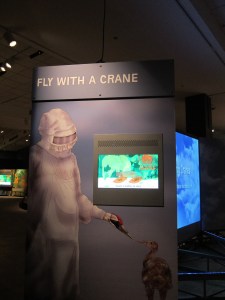
- Dedicated volunteers teach these birds to fly!

- They have a life sized replica of a plane!

- Here we are in the pilot’s seat! We’re ready for take off!
We’ve covered the big animals, but did you know that plenty of small animals get injured and need human help too! We share our habitats with turtles, birds, snakes and mammals. These animals often come across human dangers such as roads.

- Here we are at the turtle crossing!
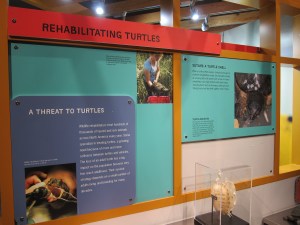
Thank goodness there are people who help these animals when they are injured. Fernbank will have some local rehabilitation centers with their animal ambassadors! You’ll get to meet some live animals and here their stories!
This video about orangutan and elephant rehab facilities is fascinating!

- Here we are watching people help orphan orangutans and elephants!
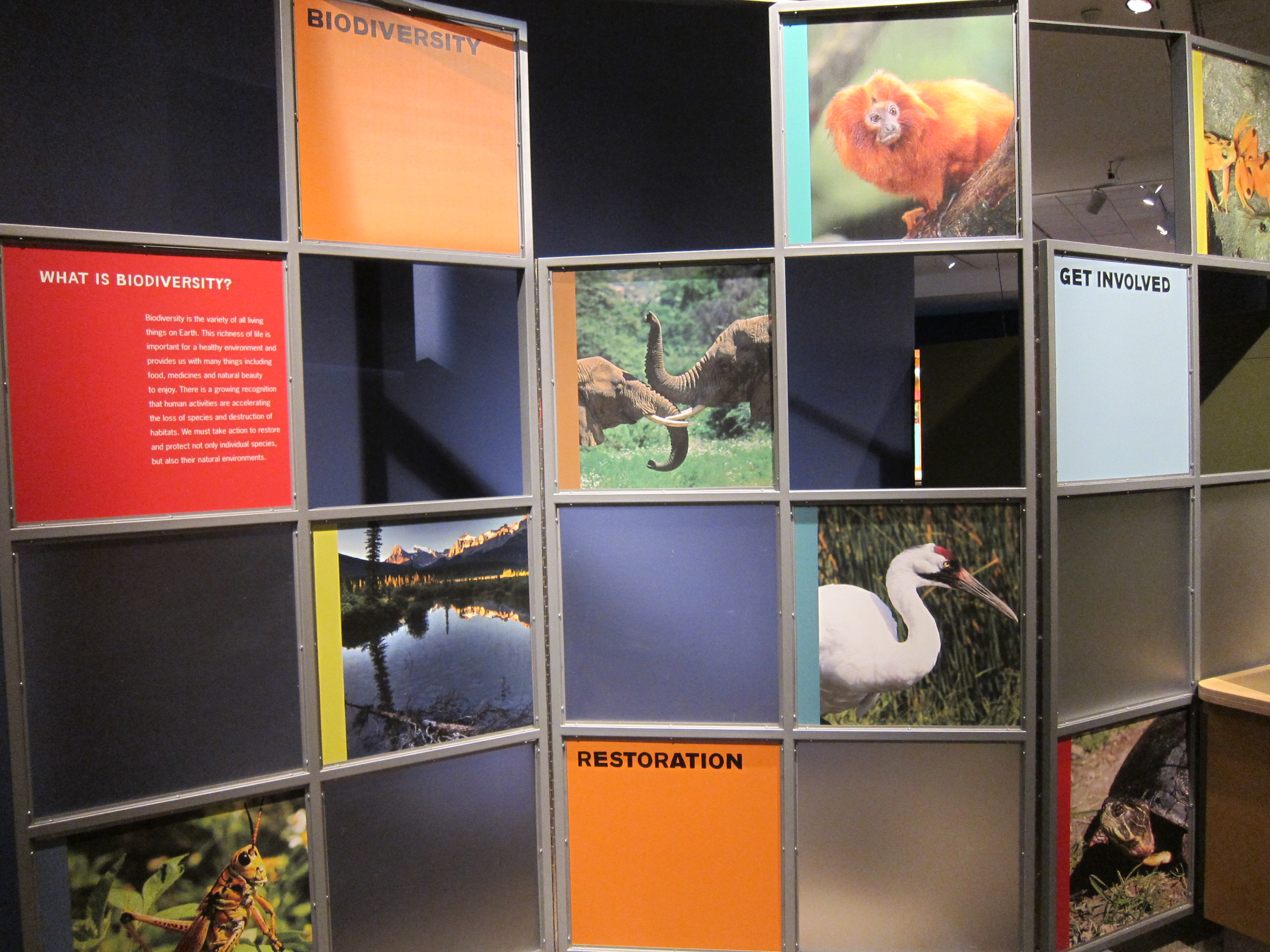
As we head out of the exhibit we get the chance to learn about biodiversity
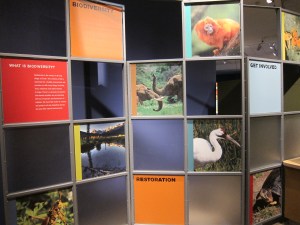
- Biodiversity is key!
Biodiversity is the number of different species in a habitat. Biodiversity is very important, because when you have many different types of species in a habitat it means it is healthy.

- Biodiversity rocks!
Wow! That was one amazing exhibit and we didn’t even show it all to you! We wanted to save some surprises for you! We’re coming to thr end of tonight’s episode, but not without stopping by the last station where you can learn how to help us and the rest of our animal friends!

- Learn how you can help!
In fact, the famous and intelligent chimp researcher Jane Goodall gave us some great tips; you can volunteer in a habitat clean up, plant a tree or plant a butterfly garden.

- They give you a great list of organiztions that you can get involved in!
We hoped you have enjoyed tonight’s episode of Ellie and Edmond to the Rescue!
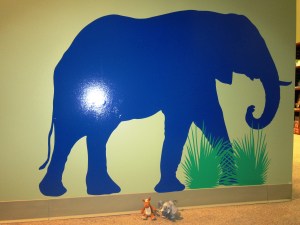
- We stopped to pose with this elephant at the end!
The story doesn’t end here; you can continue your adventure by going to see “Wildlife Rescue” at Fernbank Museum of Natural History yourself! It is a GREAT exhibit full of fascinating information, fun activities and animals!
For hours, tickets and more information check out the Fernbank website:
http://www.fernbankmuseum.org/calendar-of-events/wildlife-rescue-opening-weekend-celebration-feb-4/
Fernbank also has an IMAX movie called “Born to Be Wild” that is all about orphan elephants and orangutans! Make sure you check it out while you’re there!
Elephants & Horses love to share!

 Range/Habitat: Europe-Asia/ woodland, grassland













 The Adventures of Ellie and Edmond