Posts Tagged With: vocabulary

SCIENCE WORD OF THE WEEK!

SCIENCE WORD OF THE WEEK!

swow


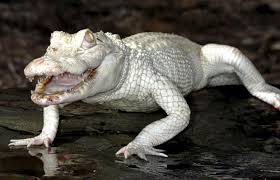
Hello students! I am so excited to see you this week! I hear Ellie and Edmond have some frighteningly good feature animals for you in the next few weeks, because we all know October is the month for tricks or treats! I know I”ll look forward to meeting these animals! This week for our science word, we’re talking about another genetic mutation that is similar to albino. Today’s science word is Leucistic: leucistic animals have a genetic mutation that causes them to lose some color- but not all, like in albino animals. Leucistic animals can have colored eyes or light stripes or color on parts of their body.

We have some examples of leucistic animals for you in these pictures!

photo 1

photo 2 photo 3

Categories: adventure, Animals, Children, conservation, education, Environment, nature, science, vocabulary, wildlife | Tags: , , , , , , , , , | 1 Comment

SCIENCE WORD OF THE WEEK!

SCIENCE WORD OF THE WEEK!!

swow albino

Hello students and friends! We’re excited to see everyone this week in class! Ellie and Edmond just returned from a trip to Florida where they met some baby alligators and their moms- very exciting stuff! Let’s get on with our word of the week!

Albino- an animal that has a genetic mutation that causes them to have no pigmentation or color. Albino animals are all white and usually have pink eyes. Albino animals often do not survive well in the wild, as they lack the camouflage they need to help them survive. We have some examples of albino animals here:

albino3albino2

albino

Categories: adventure, Animals, Children, conservation, education, Environment, nature, science, vocabulary, wildlife | Tags: , , , , , , , , , | Leave a comment

SCIENCE WORD OF THE WEEK!

SCIENCE WORD OF THE WEEK!

swow venomous

Hello everyone! I sure hope everyone had a great weekend! Who’s ready to learn the new word for this week?

Let’s get right to it! This week’s word is Venomous!

Venomous: an animal is venomous when they have a toxin that is injected, by a bite or sting. Animals like snakes and spiders are what we usually first think of when we think of a venomous animal. But so are a lot of insects, like wasps. And did you know that the platypus is venomous? Crazy, huh? Most venomous animals use their venom to catch prey, but some use it as a defense mechanism. Venom can cause everything from irritation to death. Ack!

swow venomous cartoon

Categories: adventure, Animals, Children, conservation, education, Environment, nature, science, vocabulary, wildlife | Tags: , , , , , , , , , | 3 Comments

SCIENCE WORD OF THE WEEK!

SCIENCE WORD OF THE WEEK!

swow poisonous

Welcome back to class everyone! Who’s excited to learn a new word? Ellie and Edmond have told me that they will announce the art contest winners this week! I know I am excited about that! Now let’s get on with the word of the week!

Poisonous/Poison: a toxic substance that is administered through touch or being ingested.  Animals that are poisonous use it as a defense mechanism. Animals that poisonous include poison dart frogs and puffer fish. Some poison dart frogs can kill their predators, including humans with one single touch of their skin. Puffer fish tissue is full of toxins that will kill predators.

pufferfish swow

Categories: adventure, Animals, Children, conservation, education, Environment, nature, science, vocabulary, wildlife | Tags: , , , , , , , , , | 1 Comment

SCIENCE WORD OF THE WEEK!!

SCIENCE WORD OF THE WEEK!

swow mimicry

Welcome back students! We here at the University hope you had a lovely holiday if you had the day off yesterday!

We’re starting off the new week with a great word! So who’s ready to learn?

This week’s word is Mimicry: this is when one animal copies the behavior or appearance of an another animal to help protect them from predators.

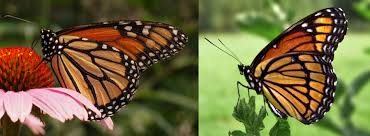
There are loads of great examples of mimics in nature! I found a few pictures of animal mimics for you!

The Monarch is on the left and the Viceroy is on the right! Monarchs are toxic to birds, so it is beneficial to the viceroy to look like them!

The Monarch is on the left and the Viceroy is on the right! Monarchs are toxic to birds, so it is beneficial to the viceroy to look like them!

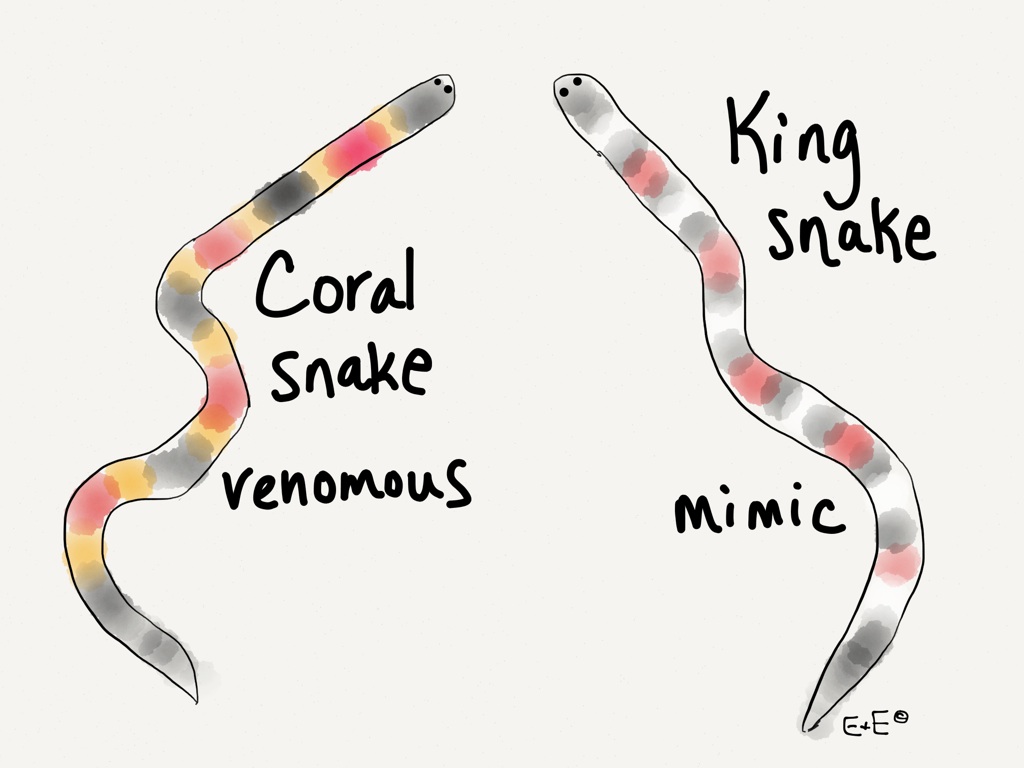
Here in the U.S, we have a snake called the Eastern Coral Snake, a very venomous fellow. The King snake mimics their coloration to keep predators like hawks away! We have a saying to remember which is which: Red touches yellow, kills a fellow. Red touches black, friend of Jack.


Categories: adventure, Animals, Children, conservation, education, Environment, nature, science, vocabulary, wildlife | Tags: , , , , , , , , , | Leave a comment

SCIENCE WORD OF THE WEEK!

SCIENCE WORD OF THE WEEK!

swow plankton

Who is excited for class today? I hope you have had a great weekend! I have a great word for you today!

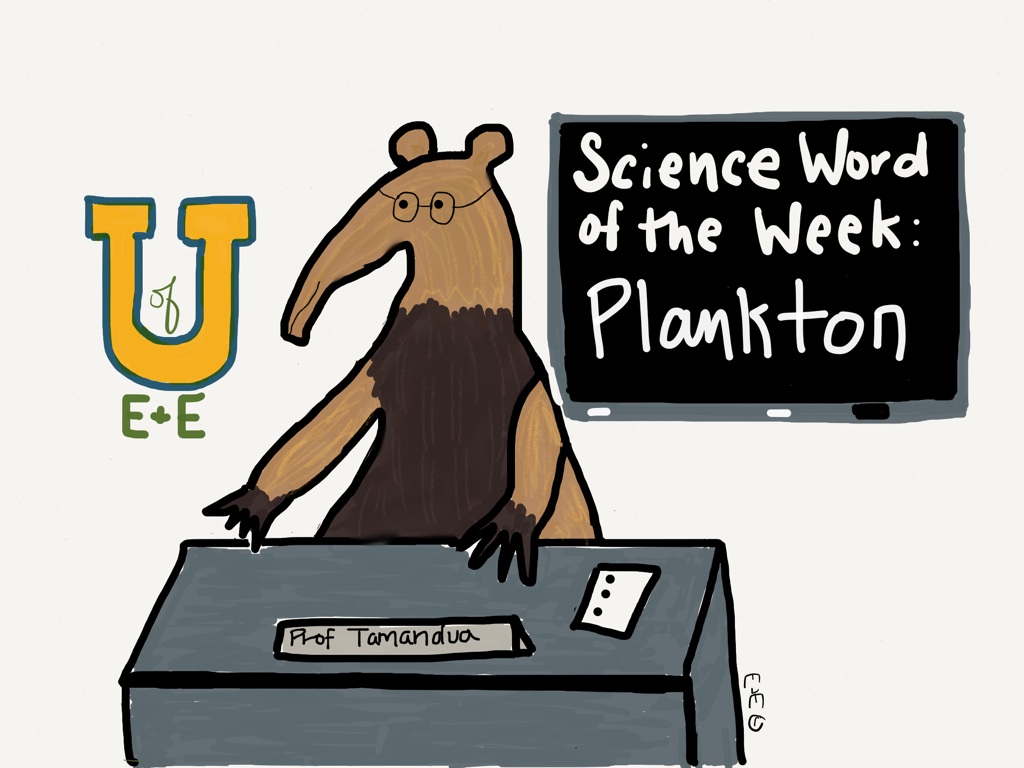
Plankton: tiny plants and animals that float in oceans and fresh water. These tiny organisms are some of the most abundant life forms on earth. Some plankton produce oxygen and some are eaten by other animals, including whales. Plankton is an important part of the food web.

swow plankton cartoon

Categories: adventure, Animals, Children, conservation, education, Environment, nature, science, vocabulary, wildlife | Tags: , , , , , , , , , | 2 Comments

SCIENCE WORD OF THE WEEK!

SCIENCE WORD OF THE WEEK!!

swow echolocationIt’s time to get down to the business of the Science Word of the Week! Who’s excited?

Today’s word is Echolocation!

Echolocation is the locating of objects by sending out sound waves and those sound waves reflecting to the animal, giving them an image of the object.  Echolocation is used by bats and dolphins to help give them a picture of their environment and to help them locate prey.

swow echolocation cartoon


Categories: adventure, Animals, Children, conservation, education, Environment, science, vocabulary, wildlife | Tags: , , , , , , , , , | Leave a comment

SCIENCE WORD OF THE WEEK!

SCIENCE WORD OF THE WEEK!

swow barbel

It’s Monday and that means it time for our Science Word of the Week! We’re celebrating Shark Week and tomorrow I hope everyone will be wearing grey tomorrow for International Elephant Day! We want to see your support for elephants! Today we’re talking about a body part that fish have for our Science Word!

Barbels: a barbel is a finger-like projection on or near the mouth or near the nostrils of  certain fish species. Barbels are sensing projections and some have taste buds. They help fish like catfish, hagfish or sturgeon.

Another fish that has barbels is the Wobbegong Shark! They use their barbels to detect prey on the bottom of the ocean floor.

swow barbel cartoon

Categories: adventure, Animals, Children, conservation, education, Environment, nature, science, vocabulary, wildlife | Tags: , , , , , , , , , | 3 Comments

SCIENCE WORD OF THE WEEK!

SCIENCE WORD OF THE WEEK!
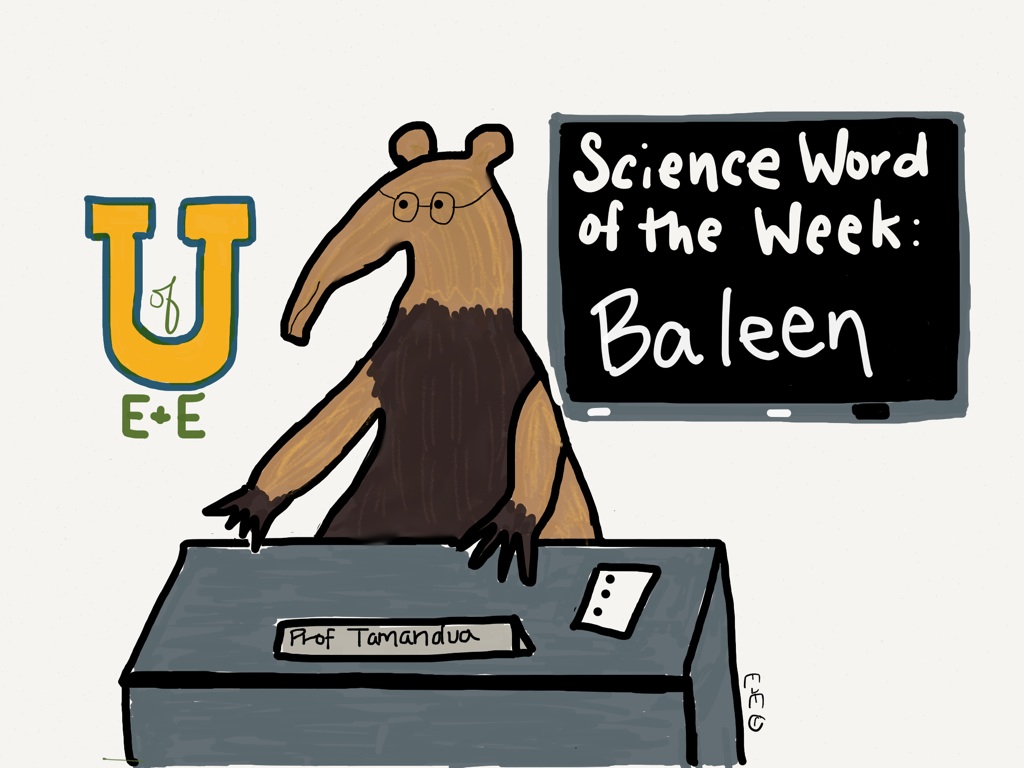
swow baleen

Welcome back to class! Who is excited about the big art contest Ellie and Edmond are having? I am really looking forward to seeing all the great entries! This week our word is all about whales! We’re talking about baleen!

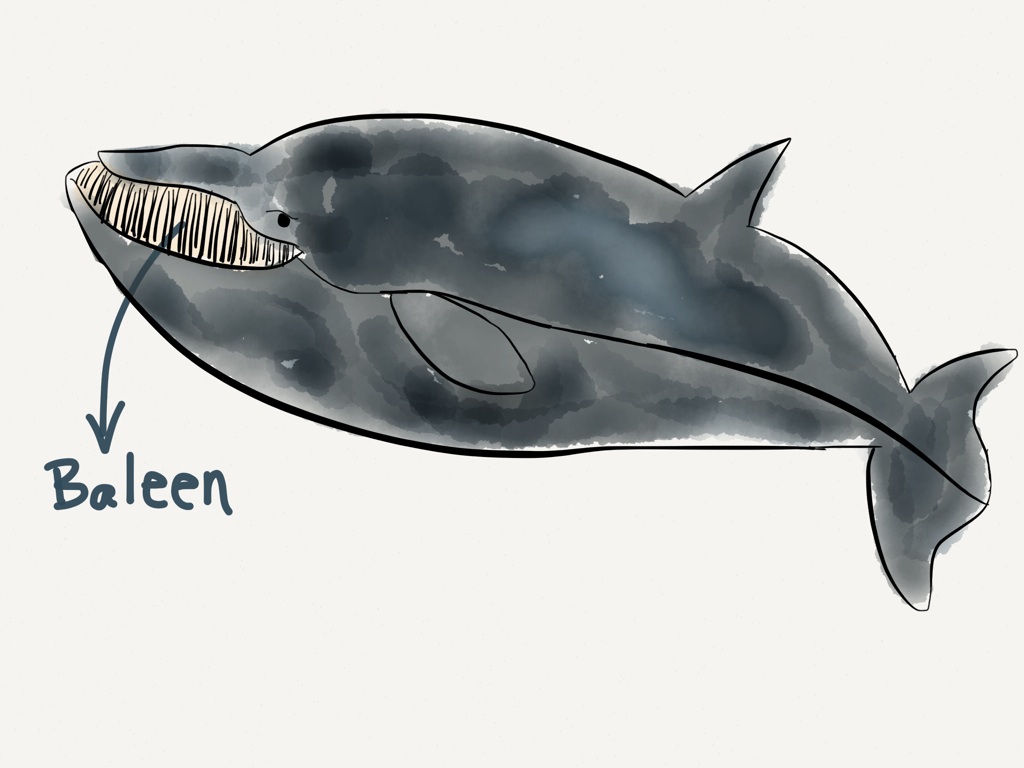
Baleen: a fibrous structure made of keratin* that grows in the upper and lower jaw of baleen whales. Baleen allows these whales to filter water out and keep their prey in. Baleen whales eat tiny animals like krill and plankton. Baleen whales include the Blue Whale, the Gray Whale, the Southern Right Whale and the Humpback Whale.

swow baleen cartoon

Categories: adventure, Animals, Children, conservation, education, Environment, nature, science, vocabulary, wildlife | Tags: , , , , , , , , , , | Leave a comment

SCIECNCE WORD OF THE WEEK!

SCIENCE WORD OF THE WEEK!

swow warning coloration

Welcome to class everyone! Ellie and Edmond are still in South America exploring the rainforest! I was so excited to see they saw a tamandua out in the wild! This week’s word is all about adaptations! It’s how some animals warn predators that they are toxic or poisonous! I warn predators with my strong odor!

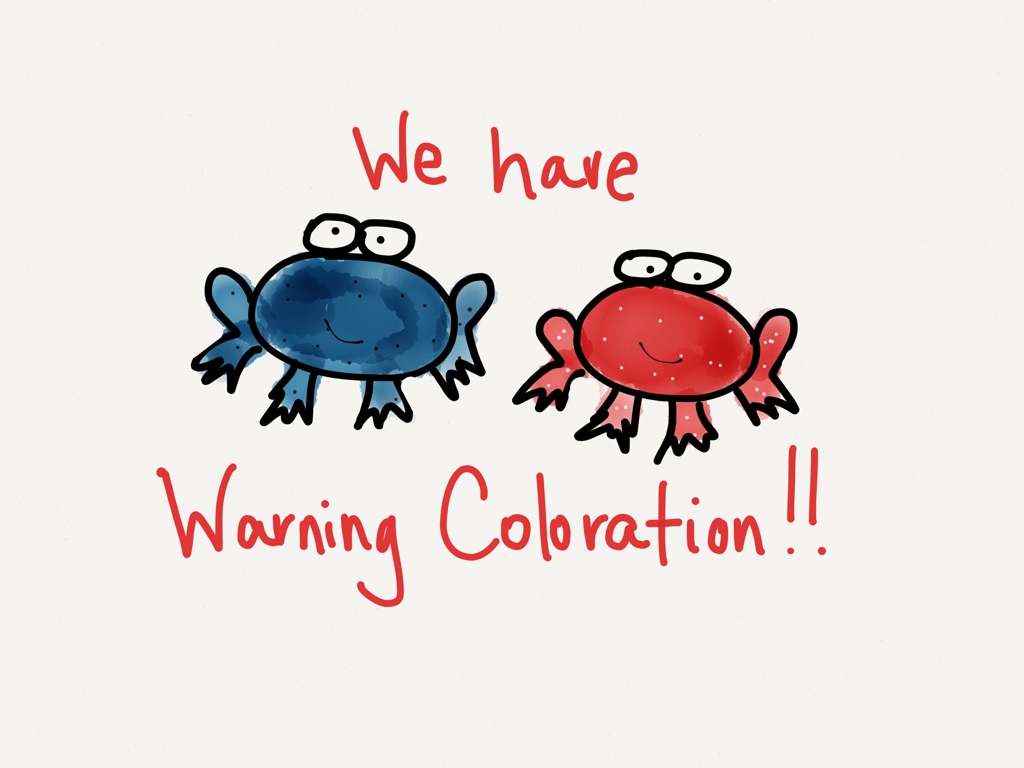
Warning Coloration: When an animal is brightly colored to warn predators that they may be toxic or poisonous. Animals such as poison dart frogs have warning coloration! Monarch butterflies also have warning coloration! This is a great defense mechanism! If you had warning coloration- what would it be?

warning coloration

Categories: adventure, Animals, Children, conservation, education, Environment, nature, science, vocabulary, wildlife | Tags: , , , , , , , , , | Leave a comment

Blog at WordPress.com.