Posts Tagged With: wildlife

DO A CHEER FOR POLAR BEARS!

DO A CHEER FOR POLAR BEARS!
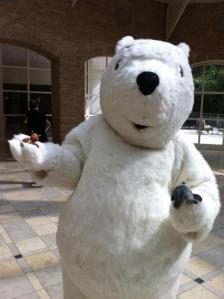
e & e polar bear

Happy International Polar Bear Day! Edmond is doing a cheer for polar bears! Join him!

GIVE US A P! P is Polar! Polar bears live in polar habitats near the arctic circle!

GIVE US A P!
P is Polar! Polar bears live in polar habitats near the arctic circle!


GIVE US AN O! O is for

GIVE US AN O!
O is for one pound! Baby polar bears weigh around one pound when they are born. They are pink and about 12 inches long!


GIVE US A L! L is for large! Polar bears are the largest land predator on earth!
GIVE US A L!
L is for large! Polar bears are the largest land predator on earth!


GIVE US AN A! A is for excellent! Polar bears are excellent swimmers! They are classified as marine mammals because they spend so much time in the water.

GIVE US AN A!
A is for awesome mom! Polar bears are awesome mothers. They look after their cubs for two years!


GIVE US A R! R is for reflect! Polar bear fur is translucent, not white! That fur reflects off the white snow giving them a white appearance!

GIVE US A R!
R is for reflect! Polar bear fur is translucent, not white! That fur reflects off the white snow giving them a white appearance!


GIVE US A B!! B is for black! Polar bears have black skin to help them absorb the heat from the sun!

GIVE US A B!!
B is for black! Polar bears have black skin to help them absorb the heat from the sun!


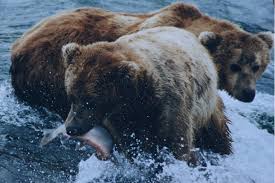
GIVE US AN E! E is for evolved! Scientists think polar bears evolved from brown bears!

GIVE US AN E!
E is for evolved! Scientists think polar bears evolved from brown bears!


GIVE US A B!! B is for black! Polar bears have black skin to help them absorb the heat from the sun! Their livers have 10 times more Vitamin A than any other animal on earth!

GIVE US A B!!
B is for black! Polar bears have black skin to help them absorb the heat from the sun! Their livers have 10 times more Vitamin A than any other animal on earth!


GIVE US A R! R is for really fat! Polar bears have up to 4 inches of blubber to keep them warm in those cold arctic habitats!

GIVE US A R!
R is for really fat! Polar bears have up to 4 inches of blubber to keep them warm in those cold arctic habitats!


We love our polar bear pals! These bears are losing their arctic habitats. We can help them by taking measures to use less energy at home, work or school by turning off those lights when you leave a room, unplug your laptop when you are done using it, ride your bike to work or carpool… All these help us keep our planet cleaner and safer!

Categories: adventure, Animals, Children, conservation, education, Environment, mammals, nature, science, Uncategorized, wildlife | Tags: , , , , , , , , , , | 2 Comments

OMNIVORE TEETH!

OMNIVORE TEETH!

So far we’ve talked about carnivore teeth and herbivore teeth and today we’re moving on to omnivore teeth! Omnivores are animals that eat both plants and animals. They have teeth to help them with both of those items.

Sloths eat plants, flowers and small insects. They have peg shaped teeth to break down plant material. They have no incisors.

Sloths eat plants, flowers and small insects. They have peg shaped teeth to break down plant material. They have no incisors.


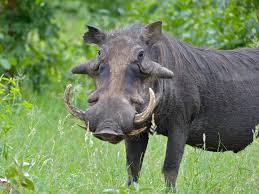
Warthogs are grazers. They also eat grubs, eggs and carrion.  Warthogs have 2 pair of tusks that grow outside of their mouth. The bottom tusks can get razor sharp by rubbing against the top tusks. They use their tusks for digging, fights with other warthogs and protecting themselves against predators.

Warthogs are grazers. They also eat grubs, eggs and carrion.
Warthogs have 2 pair of tusks that grow outside of their mouth. The bottom tusks can get razor sharp by rubbing against the top tusks. They use their tusks for digging, fights with other warthogs and protecting themselves against predators.


Bears are some of the most famous omnivores out there.

Bears are some of the most famous omnivores out there. They have chompers for eating fish, but love to eat berries and nuts too.


Seagulls are also omnivores. They are famous for eating all kinds of animals and plant material. Seagulls have many different types of hunting techniques. They use their beaks have no teeth.

Seagulls are also omnivores. They are famous for eating all kinds of animals and plant material. Seagulls have many different types of hunting techniques. They use their beaks have no teeth.


Raccoons are also omnivores. The have regular omnivore teeth, but their top incisors have one sharp edge to help them eat nuts, berries, rodents and frogs.

Raccoons are also omnivores. The have regular omnivore teeth, but their top incisors have one sharp edge to help them eat nuts, berries, rodents and frogs.


Omnivore teeth are a great combination of sharp teeth for eating animals and flat molar teeth to crush plant material! Some omnivores have neat teeth adaptations for eating! We think all animal teeth are super cool!


Categories: adventure, Animals, Children, conservation, education, Environment, nature, science, wildlife | Tags: , , , , , , , , | 1 Comment

HERBIVORES ROCK!!

HERBIVORES ROCK!!

IMG_3631

We loved talking about carnivore teeth yesterday and wow are they cool, but we both know who has the coolest teeth around! It’s herbivores like us! We have teeth to grind grass, bark, leaves and other vegetation. Herbivores have varied diets so we’ll share all kinds of herbivore teeth fun facts!

We elephants have some of the most unusual teeth of all the animal kingdom. We have large molars and six sets of them! We go through them during our lifetime! Our incisors are our tusks! Both male and female African elephants have tusks. Only the male Asian elephants have tusks. We elephants are right or left tusked- just like humans are right or left handed.

We elephants have some of the most unusual teeth of all the animal kingdom. We have large molars and six sets of them! We go through them during our lifetime! Our incisors are our tusks! Both male and female African elephants have tusks. Only the male Asian elephants have tusks.
We elephants are right or left tusked- just like humans are right or left handed.


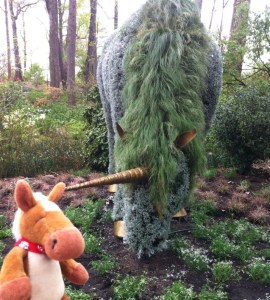
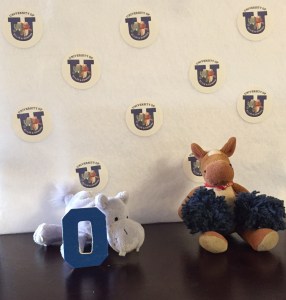
We horses and unicorns (ok they aren't real) :)... have jaws that move sideways to help us chew plant material better!

We horses and unicorns (Ok they aren’t real) :)… have jaws that move sideways to help us chew plant material better!


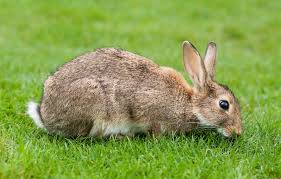
Rabbits have 28 teeth, including 4 incisors that grow throughout the rabbits lifetime!
Rabbits have 28 teeth, including 4 incisors that grow throughout the rabbits lifetime!


Beavers are rodents who use their large front incisors to chew down trees. The way they chew actually causes their teeth to get sharper. Their teeth are covered in an orange enamel!

Beavers are rodents who use their large front incisors to chew down trees. The way they chew actually causes their teeth to get sharper. Their teeth are covered in an orange enamel!


Honey bees are also herbivores! They don't have teeth to drink nectar and pollen.

Honey bees are also herbivores! They don’t have teeth to drink nectar and pollen.


Koala teeth act like scissors to help them cut through eucalyptus. These marsupials eat eucalyptus exclusively.

Koala teeth act like scissors to help them cut through eucalyptus. These marsupials eat eucalyptus exclusively.


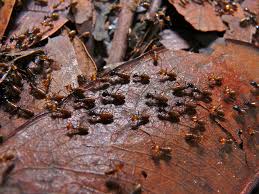
Most people don't realized that wood eaters, like these termites are herbivores too! Termite jaws are strong and powerful!

Most people don’t realized that wood eaters, like these termites are herbivores too! Termite jaws are strong and powerful!


We do love our herbivore friends! Herbivores are an important part of the food web! Each herbivore has a specialized diet! Give three cheers for the herbivores of the world and their teeth!

Categories: adventure, Animals, Children, conservation, education, Environment, nature, science, wildlife | Tags: , , , , , , , , , | 1 Comment

TEETH WEEK!

TEETH WEEK!

We’ve done feet week and now we’re doing teeth week! We’ll be covering carnivore teeth, herbivore teeth, omnivore teeth and animals that have no teeth at all!

First up today we’re sharing some fun facts about carnivore teeth! Carnivore teeth are built for eating meat. They have large canine teeth for ripping and crabbing prey. Some carnivore teeth are specialized to enable their prey with venom.

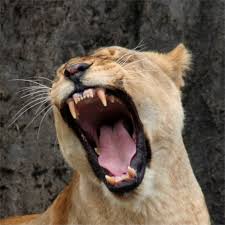
One of the first animals people think of when they think of carnivores is cats- big and small! This lion is showing off her large canines that are made for eating prey- zebras, gazelles and such.

One of the first animals people think of when they think of carnivores is cats- big and small! This lion is showing off her large canines that are made for eating prey- zebras, gazelles and such.


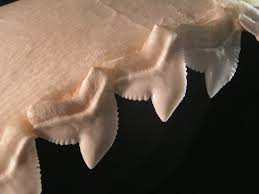
Shark teeth are serrated on the sides. It's like having a mouth full of steak knives! These teeth are perfect eating machines!

Shark teeth are serrated on the sides. It’s like having a mouth full of steak knives! These teeth are perfect eating machines!


The basking shark and whale shark are unlike all other sharks. These sharks filter plankton from the ocean.

The basking shark and whale shark are unlike all other sharks. These sharks filter plankton from the ocean.


Spiders are carnivores. Their teeth inject venom in their prey. Some snakes also have this capability.

Spiders are carnivores. Their teeth inject venom in their prey. Some snakes also have this capability.


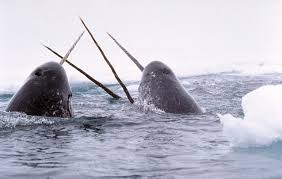
Narwhals are one species of toothed whales. They have one unusual tooth adaptation. The males have a specialized large tooth that grows outside of their mouth. Scientists are not sure what this tooth is for yet.

Narwhals are one species of toothed whales. They have one unusual tooth adaptation. The males have a specialized large tooth that grows outside of their mouth. Scientists are not sure what this tooth is for yet.


Leopard seals are aggressive carnivores who live in Antarctica. Their cone shaped chompers are made for grabbing fish and penguins.

Leopard seals are aggressive carnivores who live in Antarctica. Their cone shaped chompers are made for grabbing fish and penguins.


Frogs have small cone shaped teeth in their top jaw. These "teeth" are not true teeth and are not used to grab prey or chew it. Frogs usually swallow their prey whole. They use those "teeth" to keep a hold of prey before they swallow it.

Frogs have small cone shaped teeth in their top jaw. These “teeth” are not true teeth and are not used to grab prey or chew it. Frogs usually swallow their prey whole. They use those “teeth” to keep a hold of prey before they swallow it.


One big group of carnivores are raptors! These birds use their specialized beaks to tear prey apart, like the fish that a bald eagle would eat.

One big group of carnivores are raptors! These birds use their specialized beaks to tear prey apart, like the fish that a bald eagle would eat. Those beaks contain no teeth!


Owls are also raptors. They use their beaks to grab rodents. They have no teeth to chew, so prey is swallowed whole.

Owls are also raptors. They use their beaks to grab rodents. They have no teeth to chew, so prey is swallowed whole.

Categories: adventure, Animals, Children, conservation, education, Environment, nature, science, wildlife | Tags: , , , , , , , , | 1 Comment

HIPPO SOCK PUPPET!!

HIPPO SOCK PUPPET!!

We just couldn’t get enough of hippos this week! So we made a hippo sock puppet and we’re giving you instructions on how to make one for yourself!

Materials:

IMG_0104

  • Grey sock
  • light grey felt
  • dark grey or black felt
  • white felt
  • scissors
  • black marker
  • fabric glue


Instructions:

IMG_0110

Cut two pair of teeth and eyes from the white felt. We just freehand cut!


Cut two nostrils from the dark grey felt. You could use black here too.

Cut two nostrils from the dark grey felt. You could use black here too.


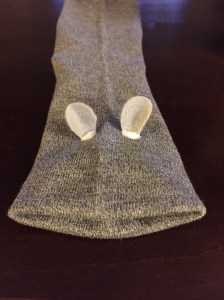
Cut two ears from the light grey felt.

Cut two ears from the light grey felt.


IMG_0108

Glue the ears to the top of the sock!


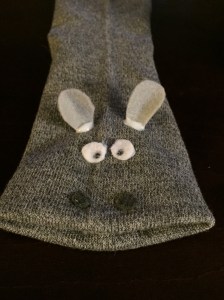
Glue the nostrils to the top front of the sock

Glue the nostrils to the top front of the sock


Glue the eyes on top near the ears. Take your black marker and draw a dot on each one.

Glue the eyes on top near the ears. Take your black marker and draw a dot on each one.


Glue on the four teeth. Two on top and two on bottom!

Glue on the four teeth. Two on top and two on bottom!

Let your sock puppet dry and then have a blast with your new hippo friend!

Categories: adventure, Animals, Children, conservation, crafts, education, Environment, mammals, nature, science, wildlife | Tags: , , , , , , , , , | 1 Comment

THREE CHEERS FOR PYGMY HIPPOS!

THREE CHEERS FOR PYGMY HIPPOS!!

pygmy hippo

Give us a P! P for Pygmy hippo! The petite cousins of the hippopotamus live in West Africa.

Give us a P!
P for Pygmy hippo! The petite cousins of the hippopotamus live in West Africa.


Give us a Y! Y rhymes with shy! The pygmy hippo is a shy and solitary animal!

Give us a Y!
Y rhymes with shy! The pygmy hippo is a shy and solitary animal!


Give us a G! G is for ground! Pygmy hippos spend much less time in water than their larger cousins! Their feet are less webbed too!

Give us a G!
G is for ground! Pygmy hippos spend much less time in water than their larger cousins! Their feet are less webbed too!


Give us a M! M is munchies! Pygmy hippos munch on grasses, leaves, fruits and ferns.

Give us a M!
M is munchies! Pygmy hippos munch on grasses, leaves, fruits and ferns.


Give us a Y! Y is for Young! Pygmy hippos give birth to one young/calf at a time.

Give us a Y!
Y is for Young! Pygmy hippos give birth to one young/calf at a time.


Give us a H! H is for habitat! Pygmy hippos live in rainforests, swamps and rivers.

Give us a H!
H is for habitat! Pygmy hippos live in rainforests, swamps and rivers.


Give us an I! I is for It's rare! Pygmy hippos are rare and scientist don't know much about them in the wild. They are listed by the IUCN as endangered.

Give us an I!
I is for It’s rare! Pygmy hippos are rare and scientist don’t know much about them in the wild. They are listed by the IUCN as endangered.


Give us a P! P is for Petite! Pygmy hippos weigh up to 500 pounds and grow up to 5 1/2 feet long.

Give us a P!
P is for Petite! Pygmy hippos weigh up to 500 pounds and grow up to 5 1/2 feet long.


Give us a P! P is for predator! The only known predator of the pygmy hippo is a leopard.

Give us a P!
P is for predator! The only known predator of the pygmy hippo is a leopard.


Give us an O! O is for out at night! The pygmy hippo is nocturnal! They have sensitive thin skin and the sun can be harmful, so they get their noms on at night!

Give us an O!
O is for out at night! The pygmy hippo is nocturnal! They have sensitive thin skin and the sun can be harmful, so they get their noms on at night!


Woot! Woot! Let’s give a cheer for pygmy hippos! They truly are one of our favorites! We think they are cutest little butterballs!

Categories: adventure, Animals, Children, conservation, education, Environment, mammals, nature, science, wildlife | Tags: , , , , , , , , , | 1 Comment

WORLD HIPPO DAY!

WORLD HIPPO DAY!

hippo2

Happy World Hippo Day! Of course there has to be a day to celebrate these gregarious animals!

Today we’ll be talking about the big hippos, tomorrow we’ll be meeting the pygmy hippo and Wednesday we have a hippo sock puppet craft for you! YAY!

hippo

Hippo Fun Facts:

  • Hippopotamuses are large mammals who spend most of their day in rivers in Africa.
  • Hippos are herbivores. They eat grasses and leaves.
  • They can grow up to 13 feet long and weigh up to 8,000 pounds.
  • The name hippopotamus means “river horse” in Greek! They however are not related to horses though.
  • A hippopotamus’s closest relative is a whale! That’s what we said- they are related to whales!
  • Hippo ears, eyes and nostrils are located on top of their of heads so they can keep their bodies submerged in water while still being able to see and hear and breathe. IMG_0091
  • Hippos secrete an reddish oily substance when they are on shore. This substance protects the hippo from sun and keeps their skin moist!
  • Hippos don’t actually swim, they “walk” in the water.
  • These giants are not gentle. Hippos can be very territorial and aggressive.
  • Hippos have large canine and incisor teeth! They can grow up to 20 inches!hippo3
  • A group of hippos is called a bloat!
  • They are very social animals. Hippos are also very vocal and use a variety of sounds, including ones that can make the ground shake.
  • On land, these not so graceful looking animals can reach speeds of up to 20 miles per hour.

Hip Hip Hooray for Hippos! We love hippopotamuses! They may be grumpy but they are one of our favorites!


Categories: adventure, Animals, Children, conservation, education, Environment, mammals, nature, science, wildlife | Tags: , , , , , , , , , | 1 Comment

WORLD WHALE DAY!

WORLD WHALE DAY!

whales1

We love the Northern Right Whale! They are state marine mammal of Georgia! They come to our coasts in the winter to have their calves!

We’re having a cetacean celebration today! Woohoo for World Whale Day! We’ll be sharing fun facts and a narwhal coloring sheet! Let’s get this party started!

  • Whales are marine mammals! They live in every ocean on the planet!
  • Being a mammal- whales should have hair, but they don’t! Well, they do have small hairs on their face when they are born and then the hair falls out!
  • The largest animal on earth is a blue whale! Their heart is the size of a VW beetle!

blue whale

  • Sperm whales can dive up to 1 miles below the surface.

sperm whale

  • Whales are divided in to two groups; toothed whales and baleen whales. Toothed whales have teeth to eat their prey. Baleen whales have long fibers in their mouth to eat plankton.
  • Male narwhals have an elongated tooth that sticks out of their head! They are called the unicorns of the sea!

narwhals

  • Bowhead whales are thought to live up to 200 years.

bowhead whale

  • Male humpback whales sing! They sing long and complex songs that can be heard up to 20 miles away.

IMG_0846

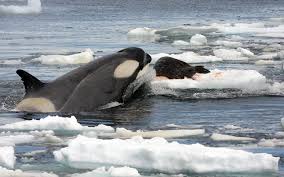
  • Killer whales are not actually whales; they are the largest member of the dolphin family!

killer whale

  • Gray whales are known to migrate 10,000-12,000 miles a year! They head to cold water to eat and then down to warmer waters to breed and give birth to their calves.

gray whales

Woohoo! We hope you enjoyed our whale facts! We love all 30 species of these giants of the ocean! We have a narwhal coloring sheet for you to enjoy! Share your final coloring sheet with us!

narwhal


Categories: adventure, Animals, Children, conservation, education, Environment, mammals, nature, oceans, science, wildlife | Tags: , , , , , , , , , , | 1 Comment

VALENTINE’S!

VALENTINE’S!

We have your very own Ellie and Edmond printable Valentine!

Click, save, print and give it to your favorite Valentine!

We also have a color your own Valentine! Click, print, color and give it your favorite Valentine!

Happy Valentine’s Day from your favorite Horse and Elephant!

FullSizeRender(24)

IMG_0055

Categories: adventure, Animals, Children, conservation, crafts, education, Environment, nature, science, Valentines, wildlife | Tags: , , , , , , , , , , | Leave a comment

A BARREL OF MONKEYS!

A Barrel of Monkeys!

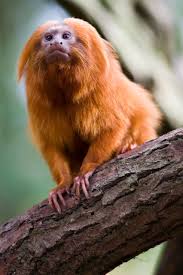
glt

Ok, we don’t have an actual barrel of monkeys, but we have some marvelous monkey facts to share with you! We sure have enjoyed the Year of the Monkey!

  • Monkeys are classified into New World and Old World monkeys. New World monkeys live Central and South America. Old world monkeys live in Africa and Asia.
  • Monkeys vary in size and appearance. They are mostly arboreal, but some monkeys like baboons are terrestrial.
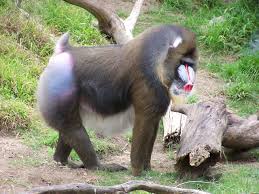
  • The smallest monkey in the world is the pygmy marmoset; they are around 6 inches long. The largest species is the mandrill; they weigh up to 120 lbs.

pygmy marmosetmandrill

  • Only new world (and not all of them) have prehensile tails.
  • Japanese macaques live in most northern habitat of any monkey. These snow monkeys live in the mountains of Japan.

snow monkey

  • Monkeys have hands and feet that are built for gripping. They have opposable thumbs to help them grasp.
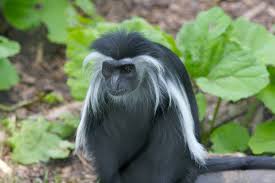
  • Colobus monkeys do not have opposable thumbs.

colobus monkey

  • Monkeys are social animals. They live in troops or small family groups.
  • Monkeys use a variety of communication. They use facial expressions, vocalizations and body language.
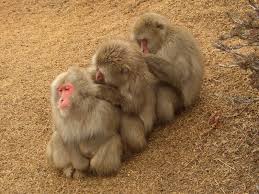
  • They groom each other not only to keep their fur free of parasites, but as a bonding exercise.

monkeys grooming

Monkeys are amazing mammals. There are 260 species of monkeys in the world. They have some characteristics in common, but vary in habitats, diets and appearance. We love these primates!

Categories: adventure, Animals, Children, conservation, education, Environment, mammals, nature, science, Uncategorized, wildlife | Tags: , , , , , , , , , , | 2 Comments

Blog at WordPress.com.