adventure

That’s Not My Horseshoe!

That’s Not My Horseshoe!

horseshoe crab

Every May and June when it’s a full moon, creatures from the ocean climb out of the waters and on to the beach to find a mate. Who are these creatures? Why it is the horseshoe crab campers! It’s the full moon in June, so we thought we might learn more about them!

  • Horseshoe crabs are found along the coast of the U.S. and along the Gulf coast.
  • They are carnivores. They eat worms, algae and mollusks.
  • Horseshoe crabs are listed as Near Threatened by the IUCN.
  • Horseshoe crabs and their relatives have been around for 450 million years ago .

IMG_0006

  • They are not true crabs. They are related to spiders.
  • Horseshoe crabs have hard carapaces that cover their bodies.
  • Horseshoe crabs have six pair of legs.
  • They have one long tail to help right themselves if they are flipped upside down.

IMG_0007(2)

  • Those eyes are extremely sensitive to light. They have the largest rods and cones of any animal on the planet.
  • Their mouths are located in the middle of their legs on the underside.


Horseshoe crabs have blue blood that is full  of copper. Their blood is used to help with medical issues with human medical research. Who knew that these ocean dwellers were living fossils?

Categories: adventure, Animals, Children, conservation, education, Environment, nature, science, Uncategorized, wildlife | Tags: , , , , , , , , , | 1 Comment

World Sea Turtle Day!


World Sea Turtle Day!

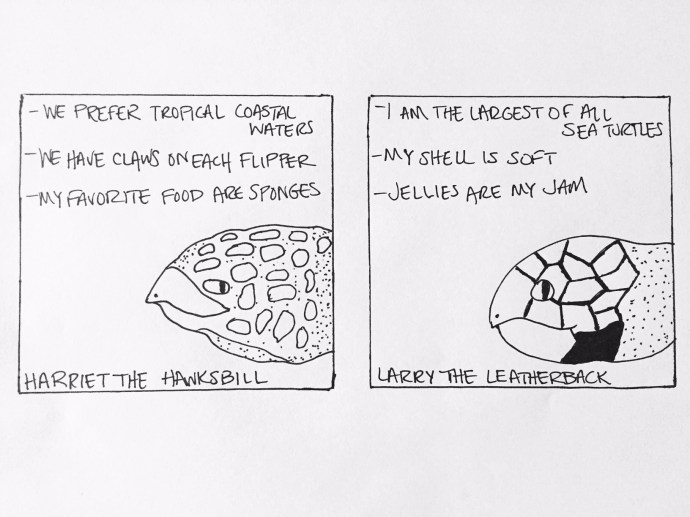
Come learn some cool facts about sea turtles and then meet four turtles! Woohoo- it’s all about the turtles at camp today!

  • Sea turtles have been around for 65 million years.
  • Most sea turtles travel many miles to lay their nest of eggs one the beach where they were born.
  • Most sea turtle species are listed as threatened or endangered.
  • Sea turtles come ashore at night to lay their eggs in nests at the edge of sand dunes.
  • Sea turtles can not pull their heads and fins in to their shells.
  • Baby sea turtles use the full moon  to guide them to the ocean after they hatch.

Keeping our beaches & oceans sea turtle friendly:

  • Keep all trash off the beach- especially plastic bags.
  • Turn off all beach lights at night so turtles are not confused.
  • Keep noise levels down at night.
  • If you are walking on the beach and need a light, use a flashlight with a red lens.

Now it’s time to meet our sea turtle friends!

image

image

Categories: adventure, Animals, Children, conservation, education, endangered species, Environment, nature, oceans, science, turtles, wildlife | Tags: , , , , , , , , , , , , | 1 Comment

Who You Calling a Cow?

Who You Calling A Cow?

e e boat

Going exploring on the Camp E&E boat! You never know what we’ll see!

We’re meeting an awesome ocean animal today at Camp E&E! Let’s meet a member of elasmobranch  (sharks and rays) family that’s been named after a familiar farm animal!

cownose3

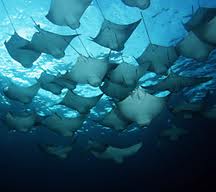
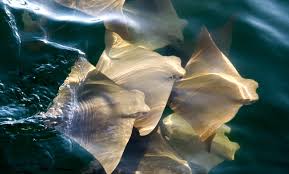
  • They can be found in the western Atlantic & Caribbean Ocean from Brazil to New England.
  • Cownose rays can grow up to 7ft across but the average wingspan is 2 1/2ft and they can weigh up 26 lbs.
  • Cownose rays are carnivores. They eat clams, mussels & other invertebrates.  They use their  specialized fins on their heads to help suck prey in to their mouths.
  • They are listed as near threatened by the IUCN.

cownose

Cownose Ray Fun Facts:

  • Cownose rays have a unique indentation on their head.
  • They are known to swim in schools.
  • Cownose rays have a flat ridge of bony teeth help them chomp through those delicious prey and then they spit out the shells.
  • They often use their fins to disturb the sea floor and find food. When hundreds of them do this at once it is quiet the site to see.
  • Like other rays- they have a barb near the base of their tail with toxic venom. Cownose Rays toxin is not very strong.
  • Cownose rays are a member of the eagle ray family.
  • They are cartilaginous fish!
  • Unlike some other rays, they rarely rest on the bottom of the ocean floor!
  • Their eyes are on the sides of their cownose shaped head.
  • Cownose rays’ spiracles (helps them push water over their gills) are on top of their body.
  • Females give birth to one pup at a time.

cownose2


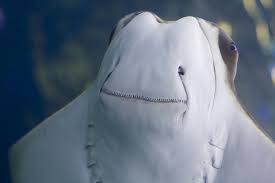
These super cool members of the ray family are one of our favorites! They are so graceful to watch swim near the surface of the ocean! And we can’t help but think they look a bit like they are smiling!

Categories: adventure, Animals, Children, conservation, education, Environment, nature, oceans, science, wildlife | Tags: , , , , , , , , , | 1 Comment

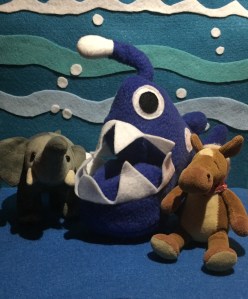
The Lonely Anglerfish

Deep in the depths of the dark ocean lives an angler fish, a lonely one! We’ve written a poem about her!

image

We challenge our campers to try an write a poem about one of their favorite ocean dwelling animals!

The Lonely Anglerfish

There was once was an lonely anglerfish
Who only had just one wish

She wished and she wished
She wished that she had little friend fish

Down in the deep dark ocean so black
You don’t find many fish, not a worm or a jack.

She swam all around in the darkness of night
Her only comfort being her little head light

When other fish would see her big sharp teeth
They’d swim away with lightening speed

Oh what a sad lonely fish she was
She pondered and wondered and paused

Wait! Was that a new friend she spied in dark?
She turned on her lure with one little spark!

As the darkness grew brighter with her spotlight
She spotted a fish just off to the right

She stayed very still, as still as can be…
She didn’t want her new friend to flee

Oh here he comes towards her bright glowing lure
She knew they’d be friends for sure

Then as he got very close- so very close…
She lunged with excitement and
CHOMP!

Oh there once was a lonely anglerfish.
She wished and wished for a little friend fish.

Categories: adventure, Animals, Children, conservation, education, Environment, nature, poetry, science, wildlife | Tags: , , , , , , , , , , | 1 Comment

We See the Light- Bioluminescence!

We See the Light- Bioluminescence!

Today we’re going to learn about bioluminescence and to tell you the story of a young seahorse who wanted to glow! Let’s start this week off at camp with some bright lights!
biolum4

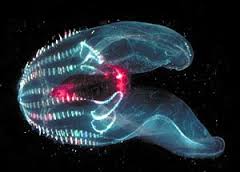
  • Bioluminescence is a reaction of chemicals inside a living organism.
  • Most marine animals that are bioluminescent produce a blue/green color.
  • It produces little to no heat, just the glow.
  • Most bioluminescent animals are found in the oceans – lightening bugs are another (we’ll meet them at Lake camp).
biolum2

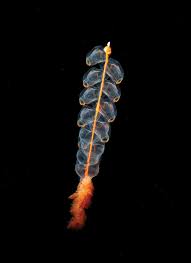
  • Some animals produce the chemicals that give off the bilouminescent glow.
  • Some animals get their bioluminescence from the food they eat.
  • Some animals house bacteria that are bioluminscent.
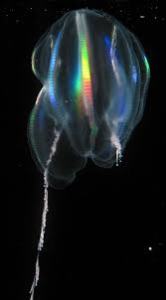
biolum3

  • Bioluminescence is used to help the animal hunt for prey, as defense from predators or to attract a mate.
  • Vampire squid do not have ink they instead eject a bioluminescent substance to throw off predators and escape!
  • Milky seas or mareel is when large areas of the ocean glow a brilliant bright blue (it looks white from satellite images)! The glow is so bright it can be seen from space. Scientists think that bioluminescent bacteria or phytoplankton  causes this amazing phenomenon.

biolum

Well, we’re not sure what’s cooler than an animal that can give off it’s own glow! Read the story of Sylvia the Seahorse who wanted to be bioluminescent!

image


Young Sylvia the seahorse loved being a seahorse. She loved her curly tail and her teeny tiny fins. Sylvia didn’t mind that she wasn’t so fast. It gave her time to make friends as she passed.
Sylvia loved all her brightly colored fish friends! There was Bill who was aqua and Faith who was pink and Neal who was blue and even her urchin pal Pat had a purple hue!

But oh, Sylvia was just a plain green color. Just a boring old color to help blend in! But she wanted fantastically bright colored fins!

She especially wished she looked like Sarah the squid or Cary the comb jelly who had bright glowing lights! How Sylvia wished she glowed and lit up the night!

One day she wanted to learn how they glowed and if she could too. So she went to oldest and wisest in all of the reef.  Great Giant Clam, the one they called Chief!
Great Giant Clam was wise and was bold and over a hundred years old! He knew all the animals and had all the knowledge, even though Chief had not gone to college!

“Great Giant Clam,” she asked ever so gently. “How did the comb jellies learn to glow?” He laughed and he laughed. “Oh Sylvia, you silly seahorse! Glowing is not something you learn how to do! It’s just how you grow!”

Oh she hoped he was wrong! “I’m just a plain boring green. Bright colored fins are all I desire,” she said. “And why would you want to look like some other fish?” Great Giant Clam inquired.

Great Giant Clam looked at her plainly and said “We’re all different colors here on the reef. That’s what makes us all unique. My dear if we all glowed like our dear friends the squid, we’d want all that glow to be undid.”

She giggled and thought, he might have a point. Her green wasn’t so bad, it was actually quiet pretty! “Oh my dear Sylvia, our bioluminescent friends, use their glow to fend off foe. Your green keeps you hidden, as you would be eaten if you gave off that glow!”

“You’re right Great Giant Clam,” she exclaimed! And dear little Sylvia swam back to her spot on the reef! She hid in the grass as she watched all her friends. Oh it’s wonderful to be green like a leaf!


Categories: adventure, Animals, Children, conservation, education, Environment, nature, oceans, science, wildlife | Tags: , , , , , , , , , | 1 Comment

Ocean Animal Magnets!

Ocean Animal Magnets!

It’s craft time at Camp E&E and we’re excited for today’s craft!

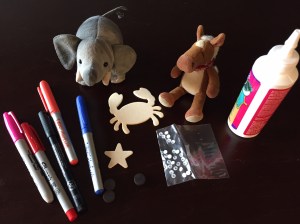
Here are the materials you’ll need:

IMG_1998

  1. markers
  2. glue
  3. small magnets
  4. googly eyes
  5. wood animal cutouts (we found them at our local craft store)


Color your wood cutout with marker! Use whatever colors you like!

Color your wood cutout with marker! Use whatever colors you like!


Nice job coloring Edmond!

Nice job coloring Edmond!


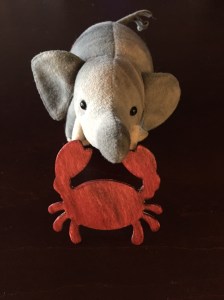
Next glue on the googly eyes and draw any other facial features- we have a happy crab!

Next glue on the googly eyes and draw any other facial features- we have a happy crab!


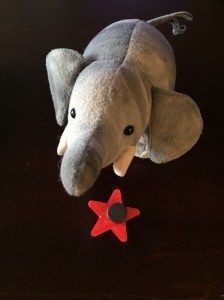
Glue a magnet to the back of your animal! Make sure to let it dry!

Glue a magnet to the back of your animal! Make sure to let it dry!


Hang your magnets on the fridge, on your bike or your recycling bin :)!

Hang your magnets on the fridge, on your bike or your recycling bin :)!


When you make this craft- make sure to send us a picture and you’ll earn the Crafty Crabby camp badge!

Thanks for being such crafty campers :)!


Categories: adventure, Animals, camp, Children, conservation, crafts, education, Environment, nature, science, wildlife | Tags: , , , , , , , , , , , | 1 Comment

HAPPY WORLD’S OCEANS DAY!

HAPPY WORLD OCEANS DAY!

beach


Ocean Fun Facts:

  • 70% of planet is covered by oceans.
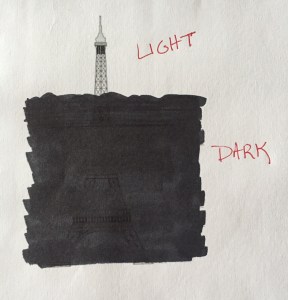
  • Light cannot penetrate past 330 feet so most of ocean is dark! (Eiffel tower was under water- about 2/3 of it would be in constant darkness).

FullSizeRender(54)

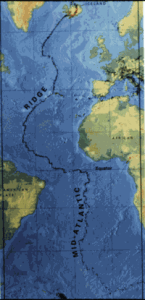
  • The Mid oceanic ridge is the longest chain of mountains in the world- 40,000+ miles long & covers 23% of the earth’s surface.

Mid-atlantic_ridge_map

  • Humans didn’t explore the ridge til 1973- 4 years after we landed on the moon.

IMG_2007

  • Challenger deep in Marianas trench  is the deepest point in the ocean and on the whole planet. It’s 11,034 meters deep (almost 7 miles). You could fit 24 Empire State Buildings stacked on top of each other in that trench!!

FullSizeRender(53)

  • Most of the worlds volcanoes are underwater.
  • Humans depend on the oceans for food (most of the world’s protein supply comes from fish), transportation/trade and communication (most goods go by cargo ships).
  • A good deal of the earth’s oxygen comes from our oceans. Phytoplankton in the ocean provide up to 80% of the world’s oxygen supplies.

IMG_2009

Let’s meet some of the deep oceans craziest looking animals:

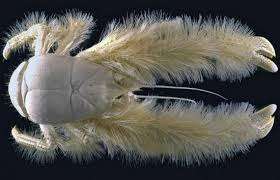
This a yeti crab! Yep- it's legs are hairy!

This a yeti crab! Yep- it’s legs are hairy!

This a Venus Flytrap anemone! And you thought they all had clownfish friends!

This a Venus Flytrap anemone! And you thought they all had clownfish friends!

Tube worms live near hyrothermal vents that are hotter than hot!

Tube worms live near hydrothermal vents that are hotter than hot!

And finally the dumbo octopus- he's weird and wacky and little is known about this deep sea creature!

And finally the dumbo octopus- he’s weird and wacky and little is known about this deep sea creature!


The oceans are so fascinating and scientists say only about 10% of them have been explored! That means so much of the world’s ocean is a mystery! What we do know is that humans are polluting those magnificent places! Come learn some ocean trash facts with us:

Ocean trash facts :

  • It takes up to 1,000 years for some plastics to degrade.
  • Plastics make up 90% of the trash floating at the oceans’ surface.
  • 1 million sea birds die from plastic trash each year.
  • The top trash item found in the ocean are cigarettes!
  • 35 million plastic bottles are Thrown Away each year!
  • Beached whales have been found with bellies full of plastic.
  • Sea turtles mistake grocery bags for jelly fish.


HOW WE CAN HELP:

  • Recycle! Recycle! Recycle!

IMG_1325

  • Use reusable glass water bottles!
  • Bring reusable coffee mugs to your local coffee shop.
  • Use glass storage containers instead of plastic ones.
  • Get out those reusable shopping bags and use them!

IMG_1324

  • Ditch the straws- straws are not reusable.
  • Never use body wash or cleanser with plastic beads. Soon these beads will be illegal! YAY- the US is the first country to ban these trashy beads that never disintegrate.


Let’s all work together to protect our world’ wonderful oceans and the amazing inhabitants!

FullSizeRender(6)

Categories: adventure, Animals, Children, conservation, education, Environment, nature, oceans, science, wildlife | Tags: , , , , , , , , , | 1 Comment

SAND DUNES RULE!

SAND DUNES RULE!

As we get to know our campsite, we must first show all of our campers the sand dunes that separate camp in the forest from the beach and ocean! This vital habitat is crucial for the health of the land and animals that call the beach home! Come learn more about them and afterwards we can all sit down and we’ll tell you the story of Suzi and the Sand Dune Nightmare!!

FullSizeRender(52)

Sand dunes fun facts:

  • Dunes are formed from wind and the tides. They are constantly changing and moving.
  • They protect the inland from storms and high winds.
  • Dunes are home to many animals including, reptiles, birds, mammals and invertebrates.
  • They provide good protection for animal nurseries. Babies are well camouflaged and hidden away from the open beach.
  • Just at the edge of the dunes is where female sea turtles lay their eggs.
  • Grasses that grow in the dunes, protect them from erosion. They have very shallow root systems though and walking on the dunes for even a few feet can destroy an entire grass colony.

You can find birds, insects, invertebrates, mammals and birds throughout the dunes. You can also usually spot wildflowers and other plants along with the grass. These are some of the animals you can see on the dunes:

Marsh Rabbit!

Marsh Rabbit!

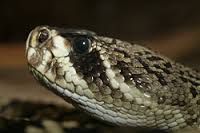
Eastern Diamondback Rattle Snake (found on the south eastern coast of the U.S.)

Eastern Diamondback Rattle Snake (found on the south eastern coast of the U.S.)


Piping plovers are shore birds. They lay their nests near or in the dunes.

Piping plovers are shore birds. They lay their nests near or in the dunes.


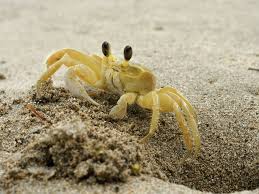
You can often spot ghost crabs and the holes that lead to their burrows in the dunes!

You can often spot ghost crabs and the holes that lead to their burrows in the dunes!

Purple sandpipers are another bird you'll find!

Purple sandpipers are another bird you’ll find!


Now campers, let’s all gather round the camp fire and we’ll tell you the story of

camp fire

Suzi and Sand Dune Nightmare:

On an evening just like tonight a camper named Suzi, decided to go explore the beach during the night. She wanted to watch a sea turtle come ashore. She wasn’t sure she should go exploring by herself as it was against the rules, but the thought of seeing a mom sea turtle laying her eggs was so exciting that she couldn’t contain herself. She gathered her red flashlight and quietly left her tent.

Suzi walked quietly up the beach as not to disturb any turtles or any of the campers. It was hard to see in the dark night and Suzi was not feeling as brave as she wandered father from camp. She was getting cold and she didn’t see a single turtle in the dark of night. She heard a noise from the dunes and she decided to walk back to camp as quickly as possible.  As she walked back she noticed a red glow coming from the sand dunes. She stopped; camp counselors had told everyone that the dunes were off limits, day or night and any camper that went in to them would be sent home. Suzi wanted to investigate where the red light was coming from, but she didn’t want to get in trouble. No one had noticed that she was gone so far, so what would a few more minutes hurt. She couldn’t think of animal that would give off a red glow like that. What if she were to discover a new species? Then no one would be mad at her for going into the dunes, even at night. Her fears slipped away as curiosity and excitement led her in the direction of the dunes and the red glow.

Suzi headed into the dunes with some trepidation. There were predators that lived in these dunes and it was darker back here.  As she walked farther from the sounds of the ocean and deeper in to the dunes; the tall, sharp blades of sea grass cut Suzi on her arms and legs. She could barely see movement of small animals around her in the pitch black night. Those were just regular old ghost crabs and mice Suzi thought. No need to fear them. Suddenly, there was a noise to her right, something much larger! This was no ghost crab coming out of its burrow.  Suzi was beginning to get scared and wanted to go back to her safe tent at camp. As her fear grew, she realized she had lost the red glowing light she’d seen earlier. She looked around and all she could see were sand dunes, sea grass and dark of night. Her heart began to race as the noise grew louder and closer. It’s too big to be a fox, but it could be a coyote she thought.  Suzi knew she did not want to encounter a coyote.  She was lost in the middle of the dunes and she was beginning to panic. The noise from the large animal grew louder and closer yet again! Suzi started to run, but the dunes are no place to run- there were crabs and birds’ nests and all of those sharp sea grass blades. She felt as if she were running in place. As the noise grew closer, Suzi stopped. Instinct told her to get low, so she squatted down as she shook with fear. She was covered in sweat and cuts from the sea grass. Quietly she sat in the dunes with the ghost crabs crawling all around her. For a moment the steps had stopped. Maybe the animal had given up and left. But as soon as Suzi decided to stand up, she could her the footsteps coming closer and closer…


Uh oh! What happened to Suzi? Do you think a coyote got her? Or maybe a secret sand dune monster! We’ll tell you the answer if you ask us on Twitter or Facebook! Time for lights out campers! And stay out of the dunes! Hahahaha!


Categories: adventure, Animals, camp, Children, conservation, education, Environment, nature, science, stories, wildlife | Tags: , , , , , , , , , | 1 Comment

WELCOME TO CAMP E&E 2016

WELCOME TO CAMP E&E 2016!

IMG_1995

Welcome to Camp Ellie and Edmond! Everyone at the University is here along the coast to get our summer started! Camp will be located on the beach for the month of June and then we’ll head to Lake Salamander for the month of July! We are so excited for our camp this entire summer!

We have crafts, stories and animals this year! Campers will earn badges when they complete activities like crafts and trivia! And we’ll have a special surprise for all our campers at the end of July!


In order to get the best experience out of camp, you must come prepared. We’ve got a supplies list for you!

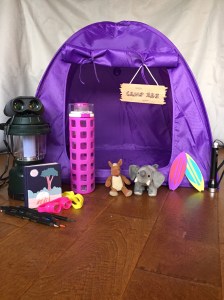
  • Tent
  • Lantern
  • Sleeping bag

IMG_0931(1)

  • Flashlight with red lens
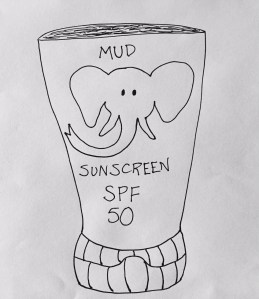
  • Sunscreen

FullSizeRender(51)

  • Nature journal
  • Pens/pencils
  • Water bottle or bowl
  • Camera
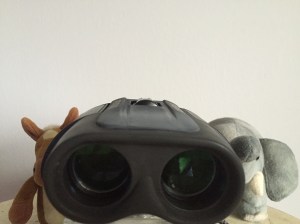
  • Binoculars

IMG_0565

  • Snacks
  • Surf board
  • Snorkel gear
  • Life jacket
  • Kite

You may bring other supplies as long as they can fit in your tent!

We want everyone to enjoy Camp E&E! Invite your friends, neighbors and other pals to camp! Grab your backpacks and let’s get ready to enjoy beach camp this month! We’ll see you bright early to learn about sand dunes and to tell you a camp fire story- Suzi and the Sand Dune Nightmare!

Categories: adventure, Animals, Children, conservation, education, Environment, nature, science, wildlife | Tags: , , , , , , , , , , | 2 Comments

Flat as a Pancake!
Flat as a Pancake!
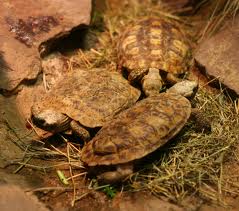
Since it was World Turtle Day yesterday, we decided to meet a one today! These flatties live in the deserts of Africa! So let’s find the pancake tortoise!

e e desert

MEET THE PANCAKE TORTOISE!

   Range/Habitat: E Africa (Tanzania/Kenya)/rocky outcrops and savannas

   Diet: Herbivore: grasses, leaves, fruit

   Length/Weight: 5 ½”-7”/ 1 lb

   Conservation Status: Vulnerable


Fun Facts:

  • Pancake tortoises live in East Africa in rocky outcrops and savannas.
  • They are herbivores. They eat grasses, leaves and fruit.
  • Pancake tortoises can grow up to 7″ long and weigh up to 1 lb.
  • They are listed as Vulnerable by the IUCN.

pancake tortoise2

  • Pancake Tortoises have flat carapaces (top shell) that are flexible. This is a very unusual adaptation.
  • Pancake tortoises can squeeze into narrow crevices. This helps protect them from predators.
  • They don’t move to far from their shelter.

IMG_1865

  • They live in small colonies and share their shelters.
  • They can live up to 25 years old.
  • Pancake tortoises are crepuscular (most active at dusk and dawn).

Pancake tortoises are really neat little tortoises with their flat shells and ability to climb. And they have pancake in their name and who doesn’t love pancakes!

pancake tortoise

Categories: adventure, Animals, Children, conservation, education, Environment, nature, reptiles, science, turtles, wildlife | Tags: , , , , , , , , , , | 1 Comment

Blog at WordPress.com.