adventure

GUESS THE ANIMAL!

Day #40 (6/14/14) – Guess the Animal
We had such a great time in Australia last week that we decided to stay and headed up to the Northeastern coast to see the Great Barrier Reef. We wanted to see one of the most diverse habitats on the planet. We spotted all kinds of fish on our first day! Can you guess this one?

yellow tang
• They are brightly colored.
• They have a long snout.
• They eat algae and seaweed.

Who is it?

-Ellie and Edmond

Categories: adventure, Animals, Children, conservation, education, Environment, nature, science, Uncategorized, wildlife | Tags: , , , , , , , , , | 1 Comment

SCIENCE WORD OF THE WEEK!

SCIENCE WORD OF THE WEEK!

swow hibernation

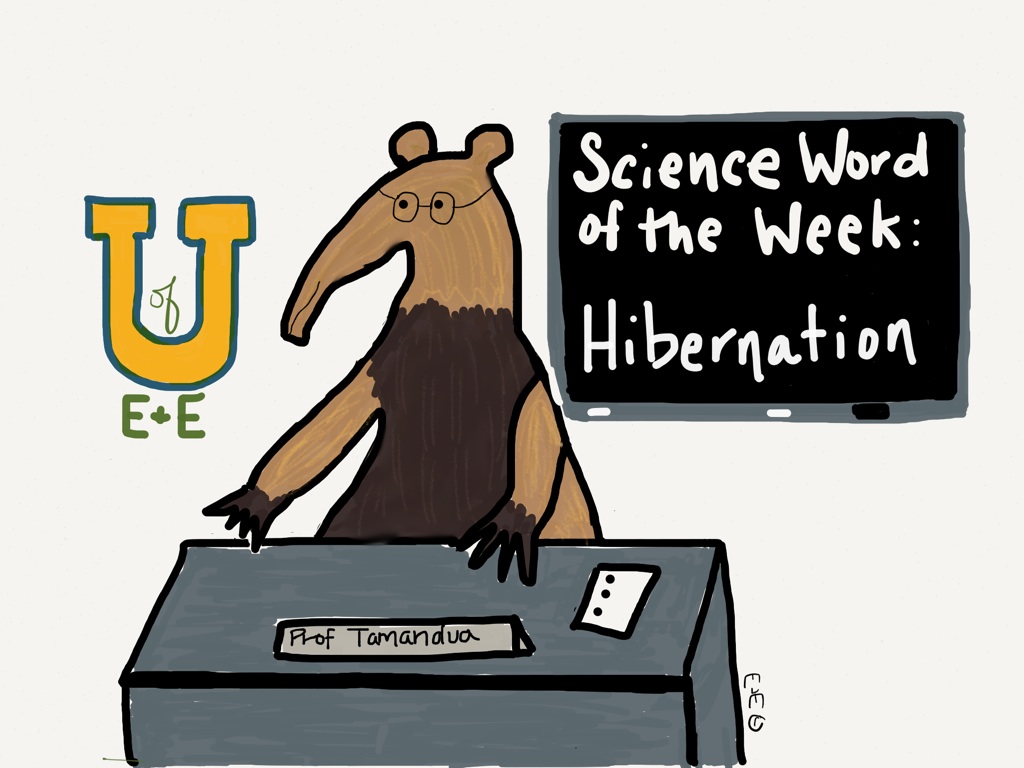
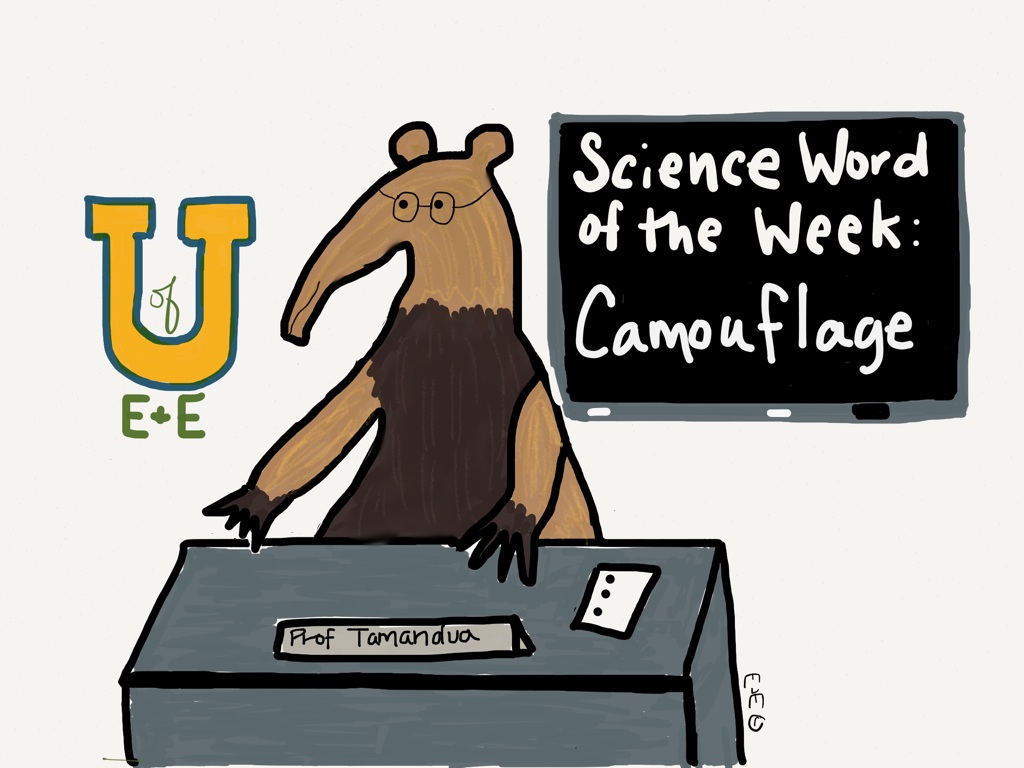
Welcome to class students! Last week we learned about the adaptation camouflage; this week we’re learning about hibernation- an adaptation that some animals have to help them survive winter when resources may be scarce.

Hibernation: a state of rest when animal’s heart rate and breathing slows and their body temperature drops. Animals like black bears hibernate during the winter because the food they eat (nuts and berries) are not present during the cold months. Bears will eat as much as they can to store fat before hibernating. They use very little energy during the period of hibernation. Some bats, fish, badgers and some rodents. Some of these animals don’t store enough fat so their hibernation is a lighter state of sleep, so they can wake up and eat.

hibernation

Categories: adventure, Animals, Children, conservation, education, Environment, nature, science, vocabulary, wildlife | Tags: , , , , , , , , , | Leave a comment

Day 39… A laughing bird

Day #39 (7/11/2014) Laughing Kookaburra
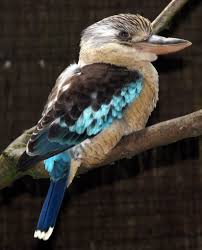
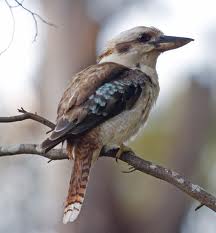
We’ve had such a great time exploring Australia and finding the monotremes! As we were watching the echidna dig around looking for grubs we heard a very famous bird call! We listened to hear that laugh again… we knew it- it was a kookaburra! We were so excited when we spotted him in the trees that we began to call back to him!

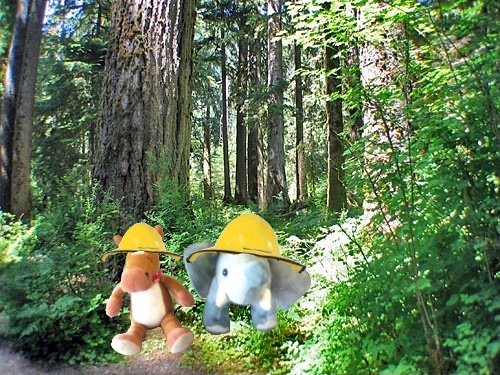
e & e rainforest
Their range/habitat: Australia-New Zealand/
Their length/weight: 18″/ 7-16 oz Conservation Status: common
Their diet: Carnivores– insects, reptiles, frogs

kookaburra

• The Laughing Kookaburra is the largest member of the kingfisher family.
• They mate for life.
• Laughing kookaburras have long hooked bills to help them catch prey.
•Laughing kookaburras sit on branches and swoop down to catch prey.
• They are known for their “laughing” songs.
• Here’s a laughing kookaburra’s song.

kookaburra2   kookaburra3


We had such an amazing trip down under! This island always amazes us when we visit! The animals, the people and the grass is super yummy :)! Time to pack up the trunk and head back to HQs at the University! Professor Tamandua will have a new Science word for everyone!

-Ellie and Edmond

Categories: adventure, Animals, birds, Children, conservation, education, Environment, nature, science, Uncategorized, wildlife | Tags: , , , , , , , , , | Leave a comment

Day #38- We meet an Echidna

Day #38 (7/10/2014) Short Beaked Echidna

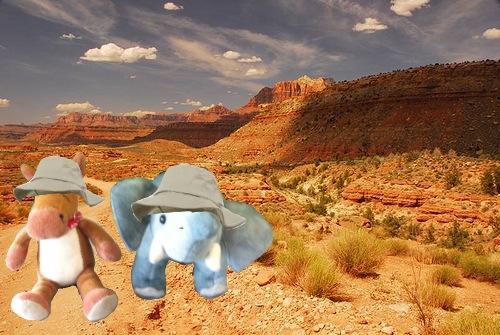
e e desert

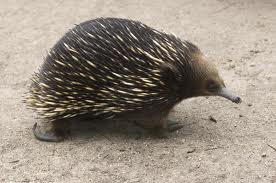
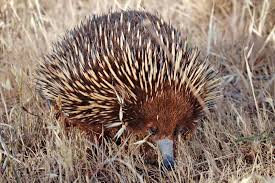
We had such fun watching platypuses the other day. We headed off to our next stop on our short trip to Australia. We were on a mission to find the other monotreme (mammal that lays eggs) that lives in Australia too.  We hiked for a quiet a while during the morning and finally hit the jackpot! We spotted an echidna! We were so excited!echinda3
Their range/habitat: Australia-New Guinea/deserts-forests
Their length/weight: 14-39″/9-15lbs  Conservation Status: common
Their diet: Insectivores– ants, worms, termites

echinda2
• Echidnas are also known as spiny anteaters.
• They are considered one of the oldest species on earth.
• Echidnas can live up to 50 years.
• Echidnas are solitary.
• They have a poor sense of sight, but an excellent sense of smell and hearing.
• Echidna snouts are also called beaks.
• They are excellent diggers.
• Echidnas have 6” tongues!

echinda


Echidnas may just be one of the most alien creatures that we have ever seen. They have remained nearly unchained since prehistoric times. They are just crazy and weird! Australia is an island full of these creatures. We can’t wait to see what we find tomorrow!

-Ellie and Edmond

Categories: adventure, Animals, Children, conservation, education, Environment, mammals, nature, science, wildlife | Tags: , , , , , , , , , | Leave a comment

Day 37- Australia for the week…

We’re traveled the east coast of Australia yesterday to find our Guess the Animal.  It’s a large continent with wild and strange animals that are found no other place on earth! If you guessed the Platypus yesterday then you were right! We were looking for the mammal that lays eggs! WHAAAAT? You heard right, this mammal lays eggs! This adventure just gets crazier!

e e woods

Platypus…

   Range/Habitat: Eastern Australia-Tasmania/rivers-streams-rainforest

   Diet: Carnivore: worms, shrimp, crayfish

   Length/Weight: 16-23 ½”/ 1 ¾-5 ½ lbs

   Conservation Status: common

Platypus


  • Platypus are strange looking mammals, with long slender bodies, webbed feet and a duck-like bill for a mouth.
  • They have long tails that look like beaver tails.
  • Platypus are built for water. They are excellent swimmers and can dive to deep depths looking for prey.
  • They eat about 20% of their body weight a day (about 2lbs), so they can spend up to 12 hours a day feeding.
  • Platypus have no teeth!
  • Male platypus have venomous spurs in the back feet. The venom is not fatal to humans, but can be very painful.
  • Platypus can detect the electrical fields of other animals. They use this extra sense to find their prey!
  • They are one of two mammals on earth that lay eggs. Do you know the other one?
  • Platypus moms to provide milk to their offspring.

platypus

Platypus are one of our favorites, with their crazy looking bill mouths and their webbed feet! They are much loved in Australia too! You can find a platypus on the back of their 20 cent coins! Neat! Edmond wants to be on a coin! Ellie told him he’d have to learn to lay eggs first!

-Ellie and Edmond

Categories: adventure, Animals, Children, conservation, education, Environment, mammals, nature, science, Uncategorized, wildlife | Tags: , , , , , , , , | Leave a comment

GUESS THE ANIMAL!!

GUESS THE ANIMAL!!
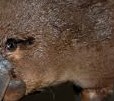
We’re in Australia for the week and we went exploring to find a very special animal today! Look at the picture, read the clues and tell us who you think it is?

platypus

  • They are mammals.
  • They are very odd looking.
  • They are one of two monotremes in the world!

WHO IS IT?

Categories: adventure, Animals, Children, conservation, education, Environment, mammals, nature, science, wildlife | Tags: , , , , , , , , , | 3 Comments

SCIENCE WORD OF THE WEEK!!

SCIENCE WORD OF THE WEEK!!

swow camouflage

We’re back from our summer break! We hope everyone had a lovely holiday weekend here in the states and a great regular one for international friends! We’re recharged and ready to learn! This week’s word is:

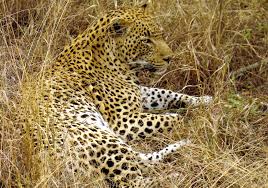
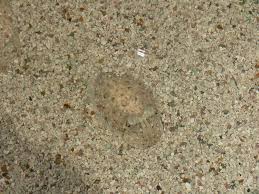
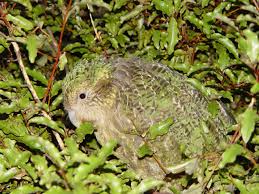
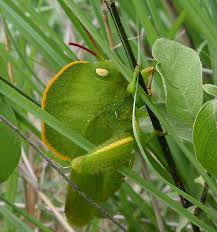
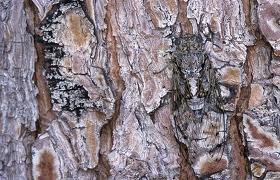
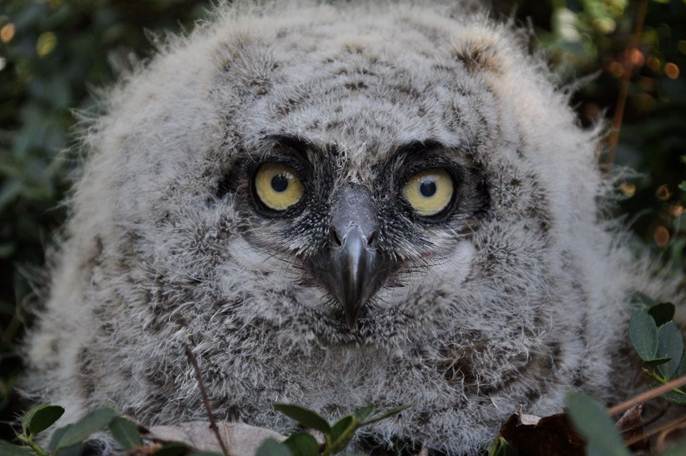
CAMOUFLAGE: an animal’s appearance allows them to blend in with their surroundings.  Camouflage can take on different forms, with size, shape, texture and most often color. Camouflage is a defense mechanism that allows animals to hide from predators. It can also be used to help conceal ambush predators while they wait for their prey! Do you have camouflage to blend in with your surroundings? See if you can spot the animals in the pictures!

camouflage5camouflage4

camouflage3

camouflage2camouflage

Categories: adventure, Animals, Children, conservation, education, Environment, nature, science, vocabulary, wildlife | Tags: , , , , , , , , , | Leave a comment

HAWKTALK!

HAWKTALK

During the break here at the University, we wanted to repost a wonderful interview Edmond did with raptor rehabilitator, Monteen McCord of HawkTalk. Spring and summer are super busy for wildlife rescuers and rehabilitators, as this is when loads of baby animals are born. It’s also a time to learn more about the wonderful people who help these animals.

 SUPER HORSE TO THE WILDLIFE RESCUE!
super horse to rescue

Super Horse to the Wildlife Rescue interviewed Raptor Rehabilitator & Educator, Monteen McCord from Hawk Talk! Come learn about the great work she is doing to educate people about these special birds!

Edmond: How long have you been rehabilitating birds?

Ms. McCord: I met my first owl in 1983 at a vet clinic where I was employed.

Edmond: Neat! How did you get started rehabilitating birds?

Ms. McCord: My background is in surgical nursing, but got out of the human medical field and started working for a veterinarian.

Edmond: Animals do make more interesting patients. What does it take to become a wildlife rehabilitator?

Ms. McCord: The exams are very difficult to pass. It takes up a lot of time and even more resources and if you don’t have the full support and backing of your spouse/family members, you will have trouble.
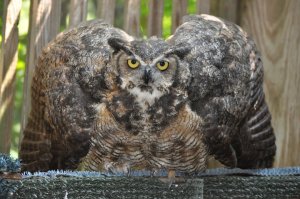
We just loved this owl!

We just loved this owl!

Edmond: Wow! It sounds like it takes a ton of hard work and passion! Do you rehab birds of all kinds or just raptors?

Ms. McCord: Yes, only raptors. I decided to target one group and get good at it. It’s been my experience that if you try to rehab everything, you’re not very good at any of it.

great horned owl chick

Great Horned Owl chick

 Edmond: Makes sense! What kind of birds do you have right now?

Ms. McCord: I have 4 rehab birds in hospital right now…all vehicle strikes – Great horned owl, barred owl, Screech owl and a Red-shouldered hawk. I have 6 that live with me full time.

Barred owl chick

Barred owl chick

Edmond: All of those birds must keep you busy. Do you release most of your birds back in the wild?

Ms. McCord: The release rate is about 50%. They have to be in tip-top shape to survive at the top of the food chain.

Edmond: Do you take your birds out for education programs?  If yes, how can a person/organization contact you to book a program?

Ms. McCord: HawkTalk generates funding for the charity in two ways; charitable contributions (we are a 501c3 not for profit organization) and program fees for educational programs for schools, civic organizations, scouts, nature centers, etc. You can call us at 770-720-1847. Email us  Monteen@hawktalk.org through the web site www.hawktalk.org. You can also ‘like’ us and contact us via FaceBook www.facebook.com/hawktalk.org  AND if that isn’t enough, you can also contact us via our YouTube channel  www.youtube.com/monteenmccord  Whew!  🙂
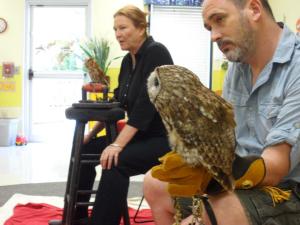
Educating students about owls!

Educating students about owls!

 Edmond: Excellent! What message would you give people about keeping our wildlife safe?

Ms. McCord: Wildlife will continue to survive among us, regardless of where you live. I have songbird feeders and water sources, along with brush piles, so the little critters can have a safe place to hide and reproduce. I even offer my leftovers on the deck for the possums and raccoons overnight because it isn’t their fault that they have to eek out a living among us pesky humans…  🙂

Hawk getting help!

Hawk getting help!

Edmond: Wow, the wildlife near you sure are lucky! What should a person do if they find an injured bird?

Ms. McCord: The bird might not be injured; it may just be young. Spring is when the majority of the baby songbirds and raptors (and small mammals) get accidentally orphaned by well-meaning people who don’t understand that young birds leave the nest before they can fly. Their parents are nearby to hear their food calls and will bring them food, provide a modicum of security and do the necessary coaching. When I acquired cats, I removed my bluebird house for that very reason…I know that the cats would just wait at the base of the feeder for dinner to jump out. The young are very vulnerable when they first leave the nest, but the universe made it that way to improve the gene pool and young birds of prey exemplify the phrase, ‘survival of the fittest’! You can put some gloves on and put the baby songbird up under a bush, but chances are, they won’t stay very long. Gloves are needed not because the mother bird will smell you and abandon the babe, for they don’t have a sense of smell, but you do leave your scent behind for other predators.

We have had great success in re-nesting young owls and hawks if we know where the nest is. Installing artificial baskets on or near the nest tree works just great as long as the parents can hear the food call, they will locate the babe’s new digs and rear them from there.

Hanging the wicker basket filled with leaves and twigs, making sure there are no ants. The nest tree is nearby.
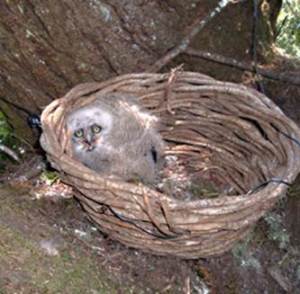
Owl in a basket

Owl in a basket.

Hanging the basket in the tree.

Hanging the basket in the tree.


Human intervention is needed if you see a bird that is obviously drooping one wing or is non-weight bearing. Keep in mind that birds rest on one foot, so it will take some observation on your part to determine if the bird is indeed injured, or merely resting. If you need to pick up an injured, you can poke some holes in a cardboard box and upend it over the bird. Slide something flat under it and gently turn the box right sight up. Tape the lid down rather than the figure 8 because you don’t want to put your hands down in a box with an injured raptor, especially, if it’s lying on his back. The toes are strong enough to bury the talons up to the hilt on whatever flesh they come in contact with, so you need to take the utmost care in capturing them. I prefer the box method because you will avoid physical contact with the bird, which makes it safer for all concerned. You can also throw a jacket or blanket over them, but you won’t know where their feet are and the feet and the business end and if the bird binds to you, you will probably end up killing the bird to get the talons out of you. Not fun…has only happened to me twice since ’83. All it takes is to be a half second faster than they are and you’re good to go.  J People in Georgia can go over to www.georgiawildlife.org and click on ‘how to find a wildlife rehabilitator’. Click down to whatever category critter you have and start with your county and radiate out from there. Other residents contact your local Department of Natural Resources or Game and Fish Commission in assistance in finding a licensed person to help.
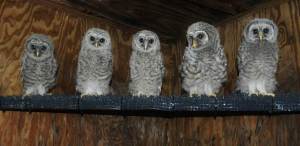
Owl chicks Monteen worked to reintroduce into the wild!
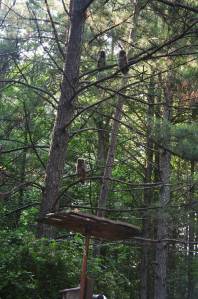
Owl chicks Monteen worked to reintroduce into the wild!


Owl chicks in the trees- learning to be owls!

Owl chicks in the trees- learning to be owls!


Edmond: Whew that is some great information! We know people always ask as spring arrives what to do with baby birds! Thanks so much for taking the time to inform us! And THANK YOU for being a Wildlife Super Hero! Your hard work and dedication to animals are a real inspiration!

If you would like to donate to HawkTalk please check out the website! Monteen is always needing mouse money! Those baby owls eat a bunch!
Categories: adventure, Animals, birds, Children, conservation, education, Environment, nature, science, wildlife | Tags: , , , , , , , , , | 2 Comments

SUMMER BREAK!

SUMMER BREAK!

swow fun

It’s officially summer break here at the University of E&E! So our word of the week is FUN! I’m sharing a word search with you of all the previous science words of the week- click on link below- print and enjoy! Ellie and Edmond will have some fun summer activities and interviews posted later in the week for everyone! Now time for this professor to find a nice pool and eat all the ant snacks I can!

SCIENCE WORDS OF THE WEEK

Categories: adventure, Animals, Children, conservation, education, Environment, nature, science, Uncategorized, wildlife | Tags: , , , , , , , , , | Leave a comment

SLOTHS!!!

SLOTHS!!

sloths

Cutest baby sloths ever!

We almost missed sloth week! Who doesn’t love these relatives of the armadillo and anteater? These slow, arboreal and adorable mammals are one of our favorites! They live in the rainforests of South America hanging out in the trees! They are sooooooo slothy that algae grows in their fur! We secretly have a theory that at night, they don capes and fly around sprinkling thoughts of cute sloths all over people as they sleep! Hahaha! What’s your favorite thing about sloths?

sloth coloring sheet

Categories: adventure, Animals, Children, conservation, education, Environment, mammals, nature, science, wildlife | Tags: , , , , , , , , , | Leave a comment

Blog at WordPress.com.