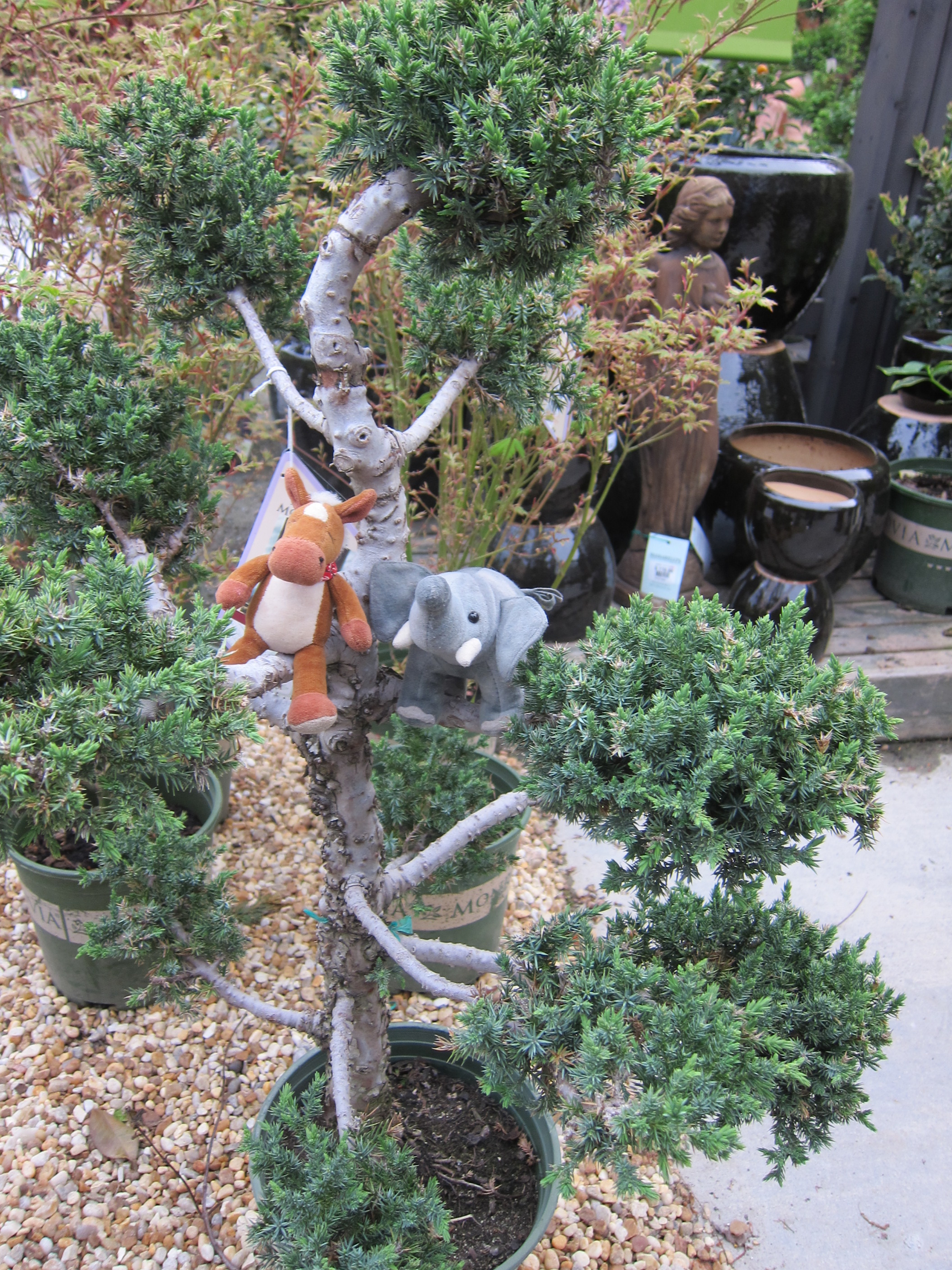
backyard

WORLD TURTLE DAY!!

WORLD TURTLE DAY!

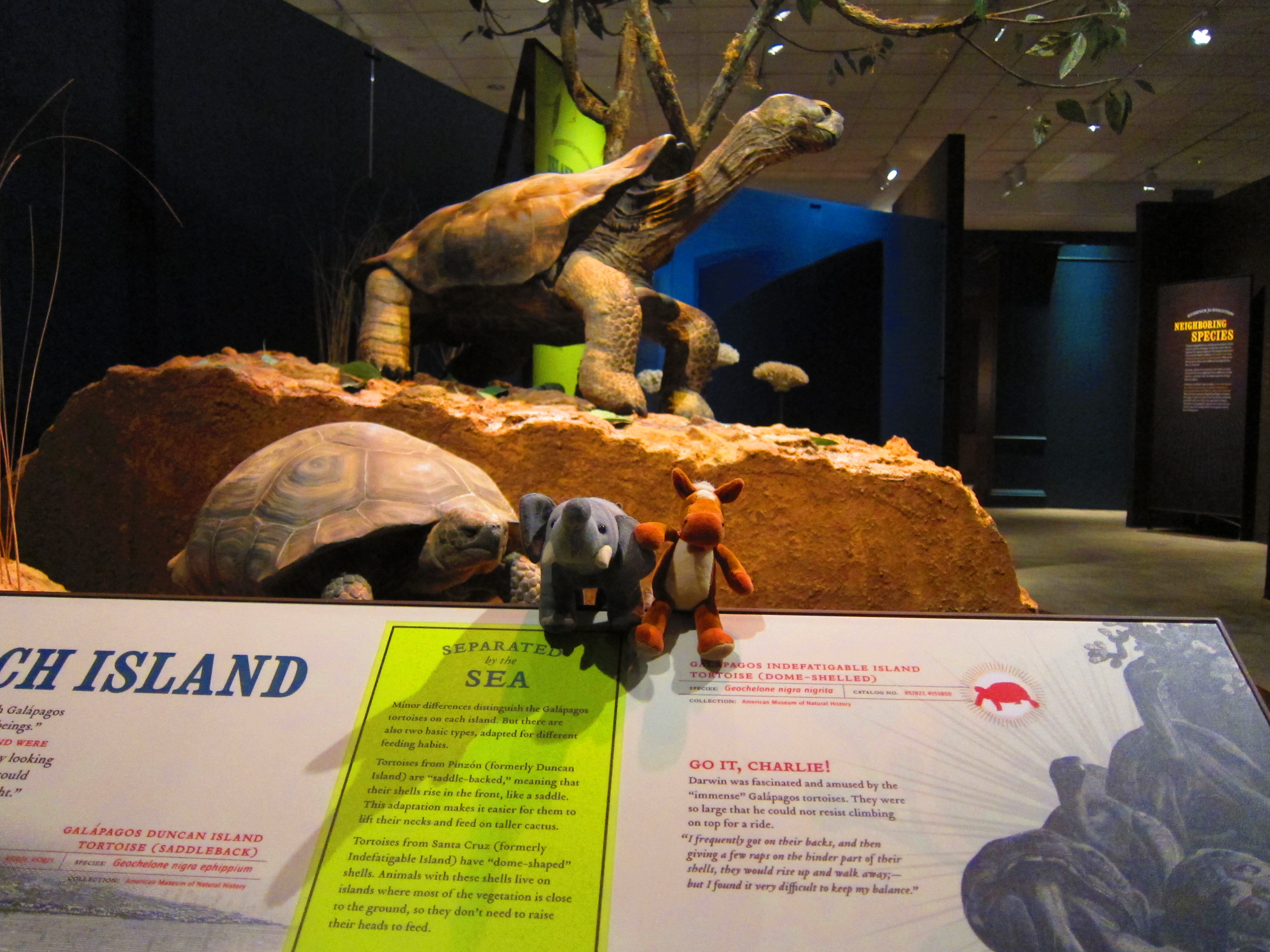
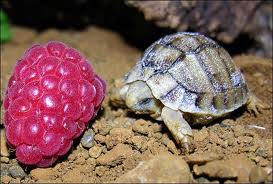
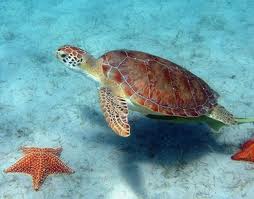
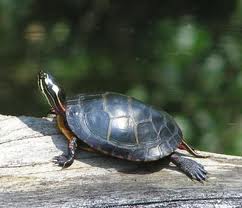
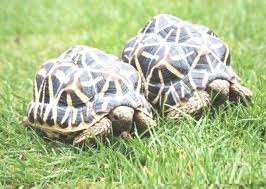
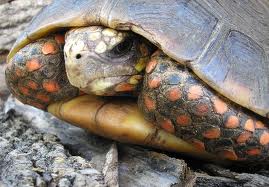
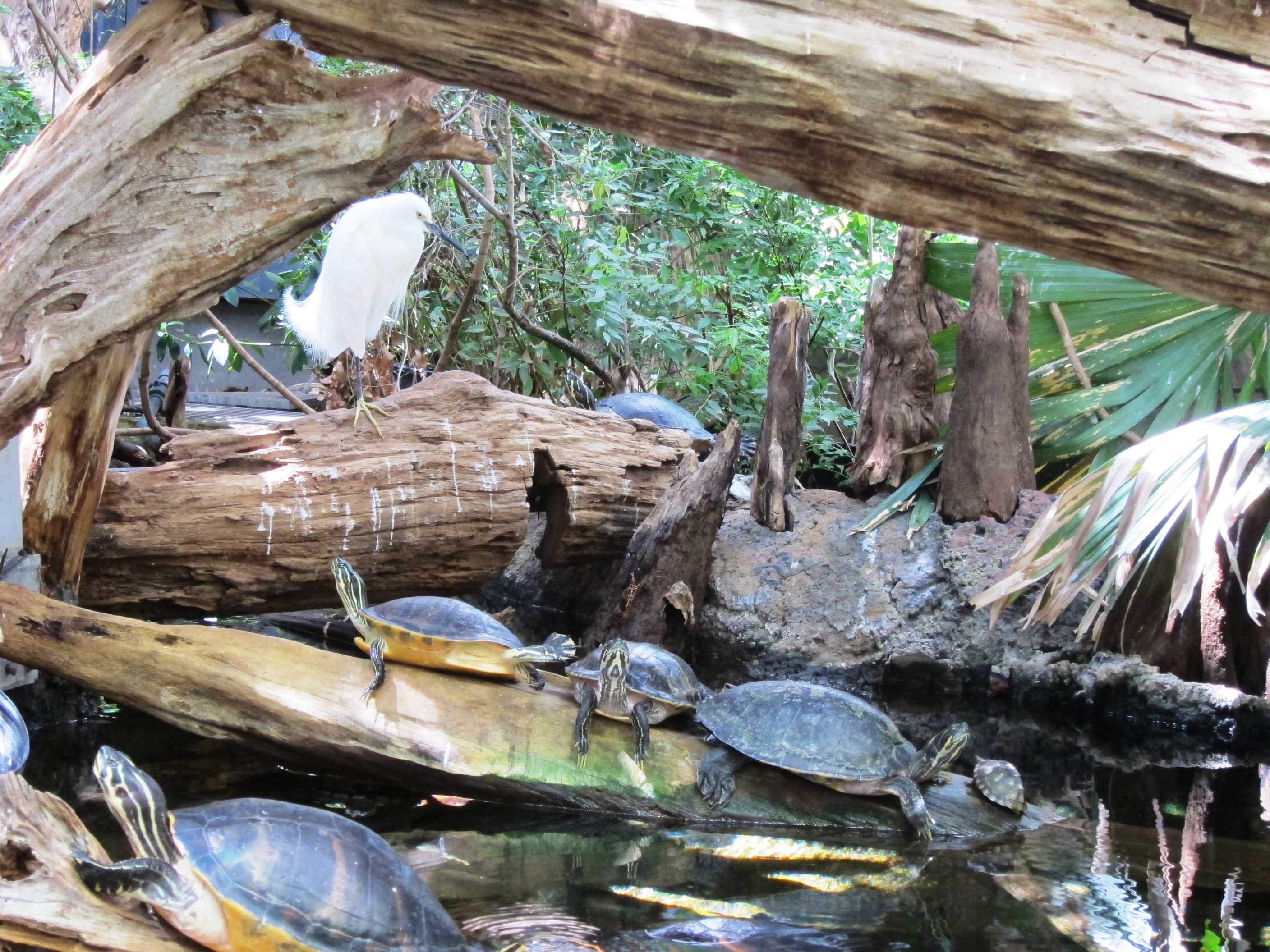
Happy World Turtle Day! We’re celebrating our favorite reptilian four legged friends! Turtles, tortoises and terrapins come in all shapes and sizes! We’ve met all kinds of turtles including a Leatherback Sea turtle who was laying her eggs and a Green sea turtle while snorkeling! Turtles and tortoises are just fantastic!

They all have shells that are part of their skeletons! In fact if you could look inside a turtle’s shell you would see their spinal vertebrates and rib cage!

The difference between turtles, tortoises and terrapins mainly is their habitat. Generally turtles spend their lives in water or near water and tortoises live on land. Terrapins also live near water, but prefer brackish habitats (water that is a mix of fresh and salt). Turtles generally have webbed feet and tortoises have flat stumpy feet.

The individual plates on a turtles shell are called scutes! These are made of keratin, the same protein that makes up your hair and nails!

Turtles and tortoises live all over the world except in the Arctic and Antarctic. They even live in the world’s oceans! Turtles and tortoises are also kept as pets. They can be wonderful additions to one’s home, but they do require special housing and food. It is very very important that you do your homework before getting a turtle. Make sure you get them from a reputable breeder.  Releasing your pet into the wild because they get too big or they seem boring is bad for the turtle and the natural habitat.

So let’s celebrate turtles with some great pictures! You can also check out our posts that featured turtles and tortoises including the Hawksbill Sea Turtle, African Helmeted Turtle, Twist Necked Turtles, African Spur-Thighed Tortoise, Indian Star Tortoise and the Red Footed Tortoise.

Many species of turtles or tortoises are threatened or endangered, especially our sea turtle friends. You can help them by picking up your trash (often sea turtles mistake plastic bags for jellies). You can also provide a good back yard habitat for wild turtles. If you see a turtle crossing the road, remember to put them on the side they were heading too. Remember if you find a turtle in your yard, leave it there. Turtles are fun to watch, but wild ones do not make good pets. Check out a great organization that is working hard to save sea turtles  The Sea Turtle Conservancy!


Categories: Animals, backyard, Children, education, Environment, nature, oceans, reptiles, science, wildlife | Tags: , , , , , , , , , | 2 Comments

REPTILIAN TUESDAY # 34

REPTILIAN TUESDAY # 34

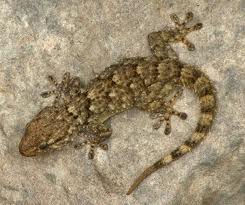
It’s the day of the week to meet a reptile friend! We’re off to the Mediterranean today to find a little lizard who loves to crawl up walls! Get your flash lights out because these lizards like to hunt bugs in the dark! Let’s go!!!

MEET THE MOORISH GECKO!

   Range/Habitat: North Africa-Mediterranean/ scrub, dry stone

   Diet: Insectivore: moths, insects

   Length: 4-6 ½”

   Conservation Status: common


Fun Facts:

  • Moorish Geckos are also known as crocodile geckos.
  • They have flat heads and bodies.
  • They love to climb vertical surfaces, such as walls of homes or stone walls.
  • Moorish geckos have adhesive toe pads to help them climb.
  • They are nocturnal (active at night).
  • Moorish geckos are known to bask in the sun, especially in the winter.
  • Female Moorish geckos are known to lay eggs in a communal nest with other geckos.


These little geckos sure are cute! It would be fun to share your house with them, especially because they are great at eating pests! Yes, Mr. Moorish Gecko come in and have a meal J!


Categories: Animals, backyard, Children, education, Environment, gardens, lizards, reptiles, science, wildlife | Tags: , , , , , , , , | 2 Comments

RABBIT WEEK DAY # 3

RABBIT WEEK # 3

Here comes Peter Cottontail hoping down the bunny trail… Who else thinks of this song when you think of rabbits? We just love this song and every time we see today’s rabbit it pops in our head! That’s right; we’re taking a stroll in our own backyard to see today’s rabbit! Do you have guess on who it is?

MEET THE EASTERN COTTONTAIL!

   Range/Habitat: Southeastern Canada- Central America-parts of Europe/ forests,

grasslands, suburbs

   Diet: Herbivore: grass, bark, twigs

   Length/Weight: 15-19”/2 ¼-3 ¼ lb

   Conservation Status: Common


Fun Facts:

  • Eastern Cottontails have reddish brown fur.
  • They are mostly solitary animals.
  • Eastern cottontails have fluffy white tails.
  • They are most active at dawn and dusk (crepuscular).
  • Eastern cottontails use burrows dug by other animals.
  • Eastern cottontails thump the ground often as a warning

We love to see Eastern Cottontails out in the yard munching on some clover. You have to be very quite because they can move fast! Hop! Hop! Hop!

Categories: Animals, backyard, Children, education, Environment, mammals, nature, rabbits, science, wildlife | Tags: , , , , , , , , , | 4 Comments

FARM DAY AT CHATTAHOOCHEE NATURE CENTER!

Farm Day at Chattahoochee Nature Center!

We received a lovely invitation to go to the Chattahoochee Nature Center recently and luck would have it that we were able to go to their Farm Day! Man, were we excited! We’d never been to the Chattahoochee Nature Center before! We arrived early in the afternoon and we weren’t alone, the center was jamming! After meeting our new friend Rebecca who invited us we went to check out the main building!

They have a lovely display all about fresh water systems! Know why? Well, the center is located on the Chattahoochee River just north of Atlanta! The Chattahoochee River and surrounding area is home to loads of amazing animals, including turtles, owls, snakes, catfish and beavers! The center has a great area where you can not only learn about some of these animals, you can see them!

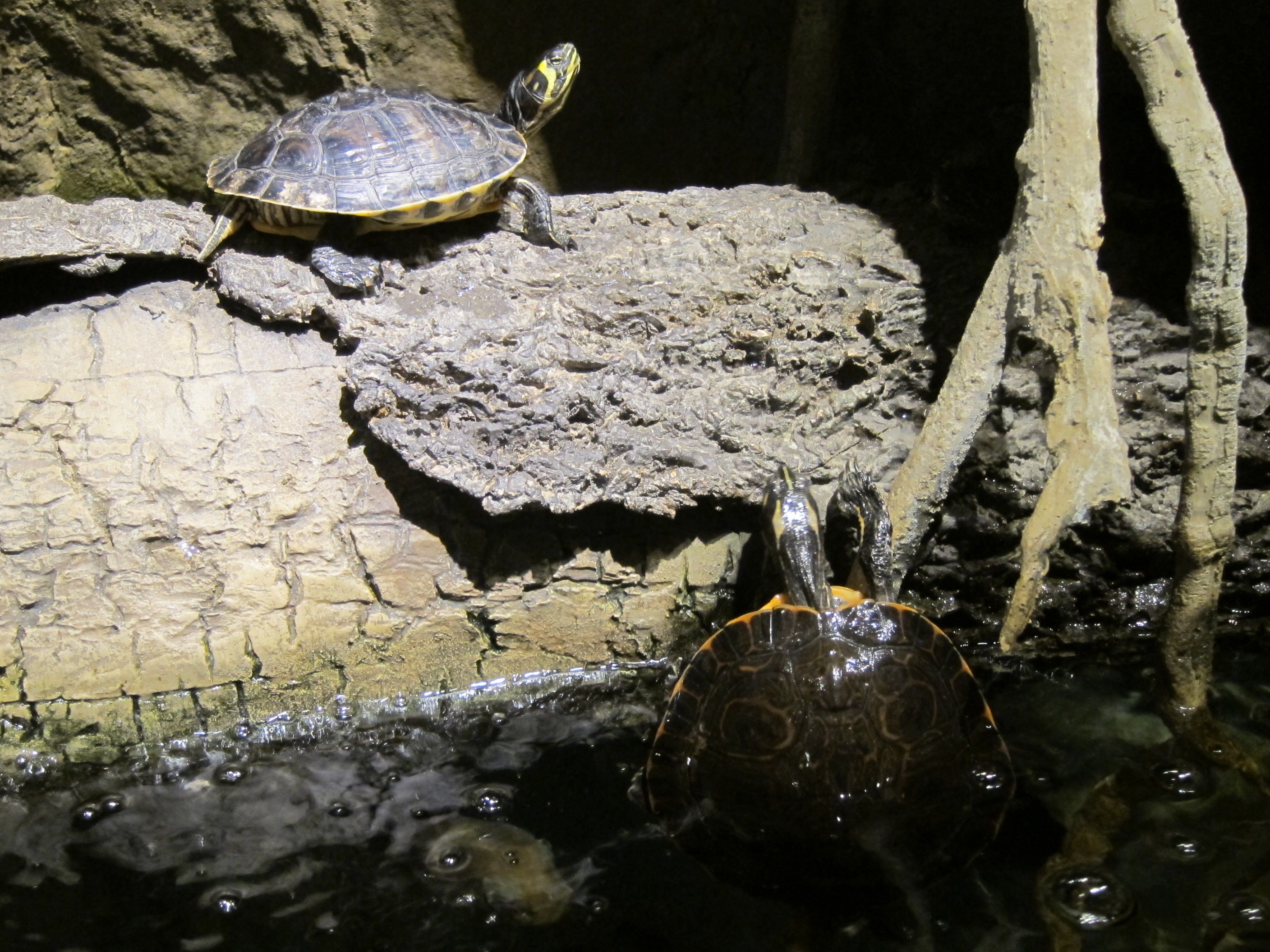
One turtle was hanging on the log and one was trying to get up there!

Owl!

One of favorite things in this area was the animals made of junk! Yep, they had an otter made from a dust buster & a beaver made of clothespins! FUN!
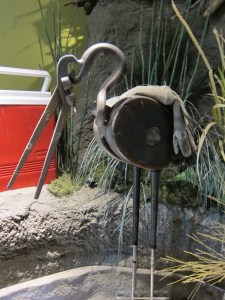
Heron made of parts!
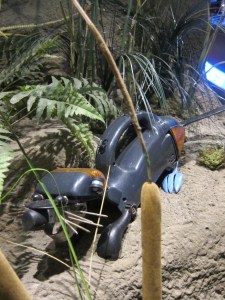
An otter made from a hand held vac! So cute!

Beaver made out of clothespins! FUN!

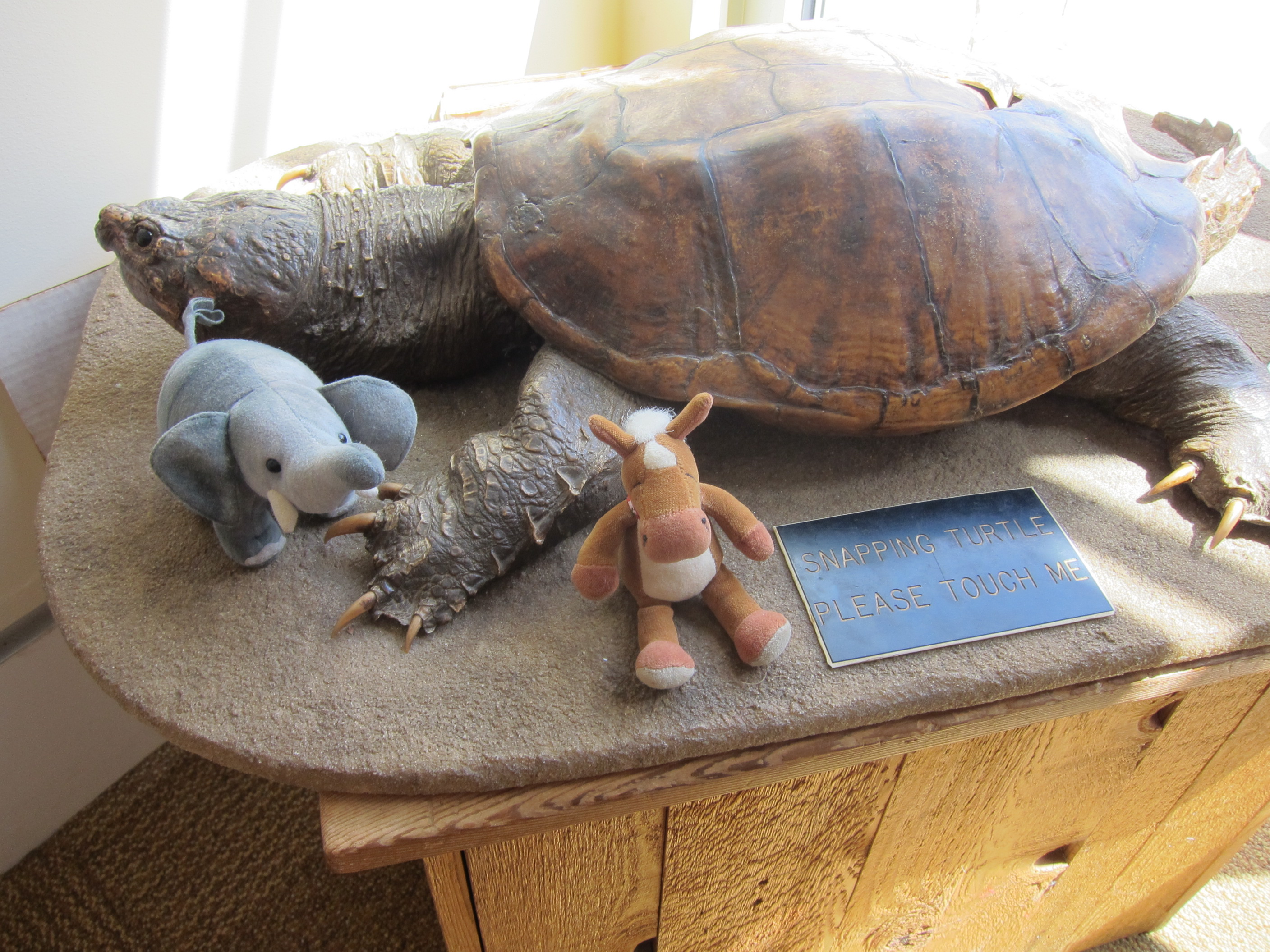
As we headed outside we found an alligator snapping turtle that you can touch, don’t worry he wasn’t real. We’re adventurous, but not insane :)!
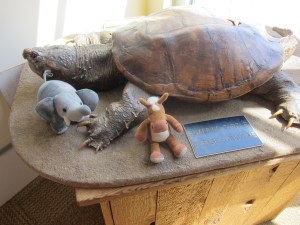
Here we are with the snapping turtle! Look the sign says you can touch!

We were excited to meet the farm animals that were at the center that day, so we waited in a line for our turn.  While we waited, one of the center’s naturalist introduced us to a red shoulder hawk!
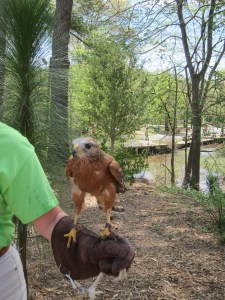
Red Shoulder Hawk! He was sooo pretty!

These birds are native to Georgia and came to the center because someone had taken him when he was little to be a pet. Trust us when we say hawks are not pets, they belong in the wild. It is also illegal in the state of Georgia to take a native animal from the wild.

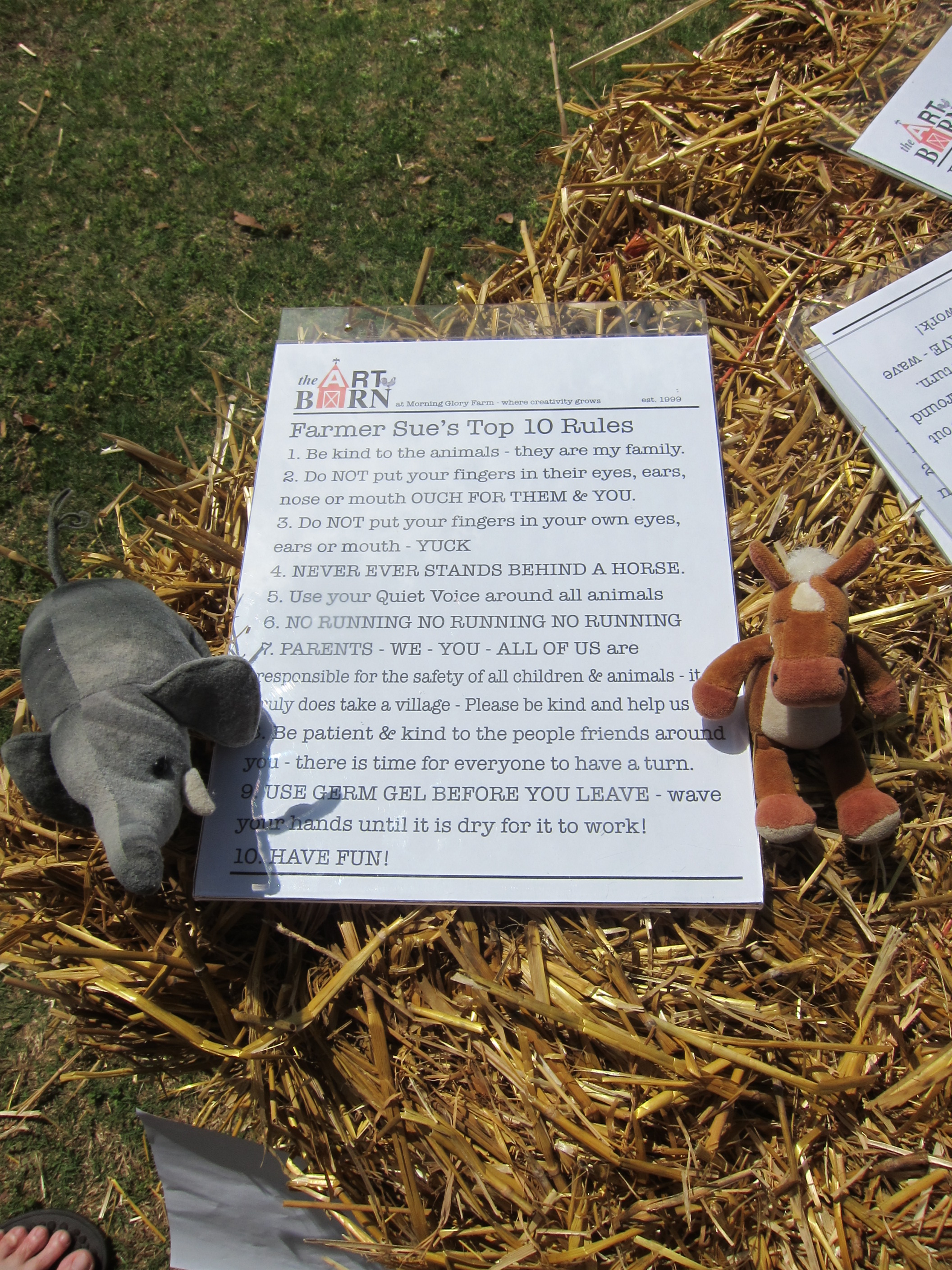
Whew, when we finally made it to the front of the line we made sure we read the rules!

Farmer Sue's rules!

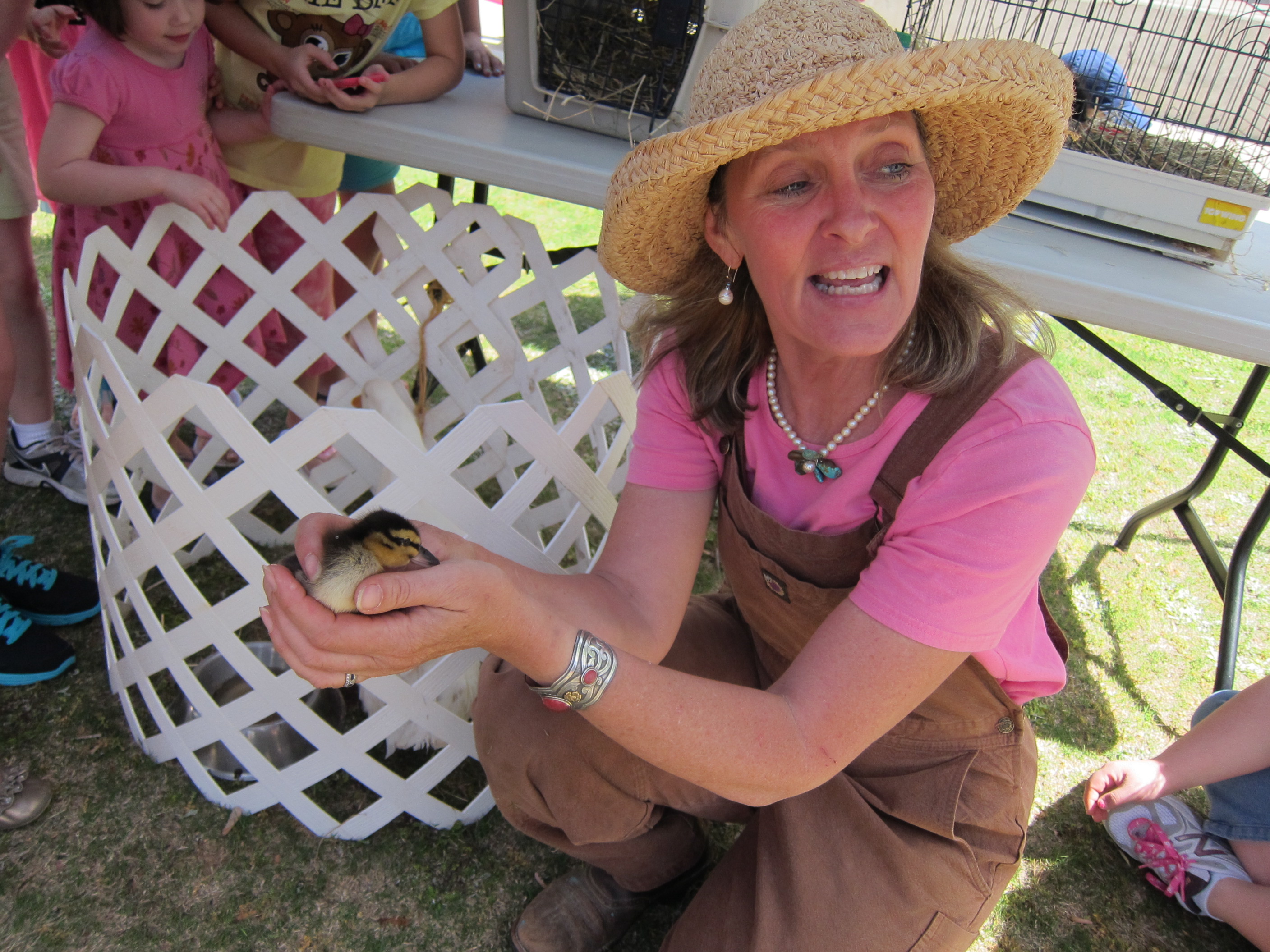
The animals for Farm Day had come from The Art Barn, a working farm not too far from the center! It’s run by Farmer Sue!

Farmer Sue with a duckling!

They had ducks, chickens, giant rabbits, a goat and a sheep! We loved the giant rabbits Godiva and Butterscotch!

Here we are with Butterscotch the Bunny! HE WAS HUGE!

The black sheep was super cute too, he just kept eating grass- our favorite! We wanted to join him for a browse but it was bit crowded!

A very hungry and wooly sheep!

There was a miniature horse too, but we were unable to get a good picture of his face and we figure you guys wouldn’t like rump pictures :)!

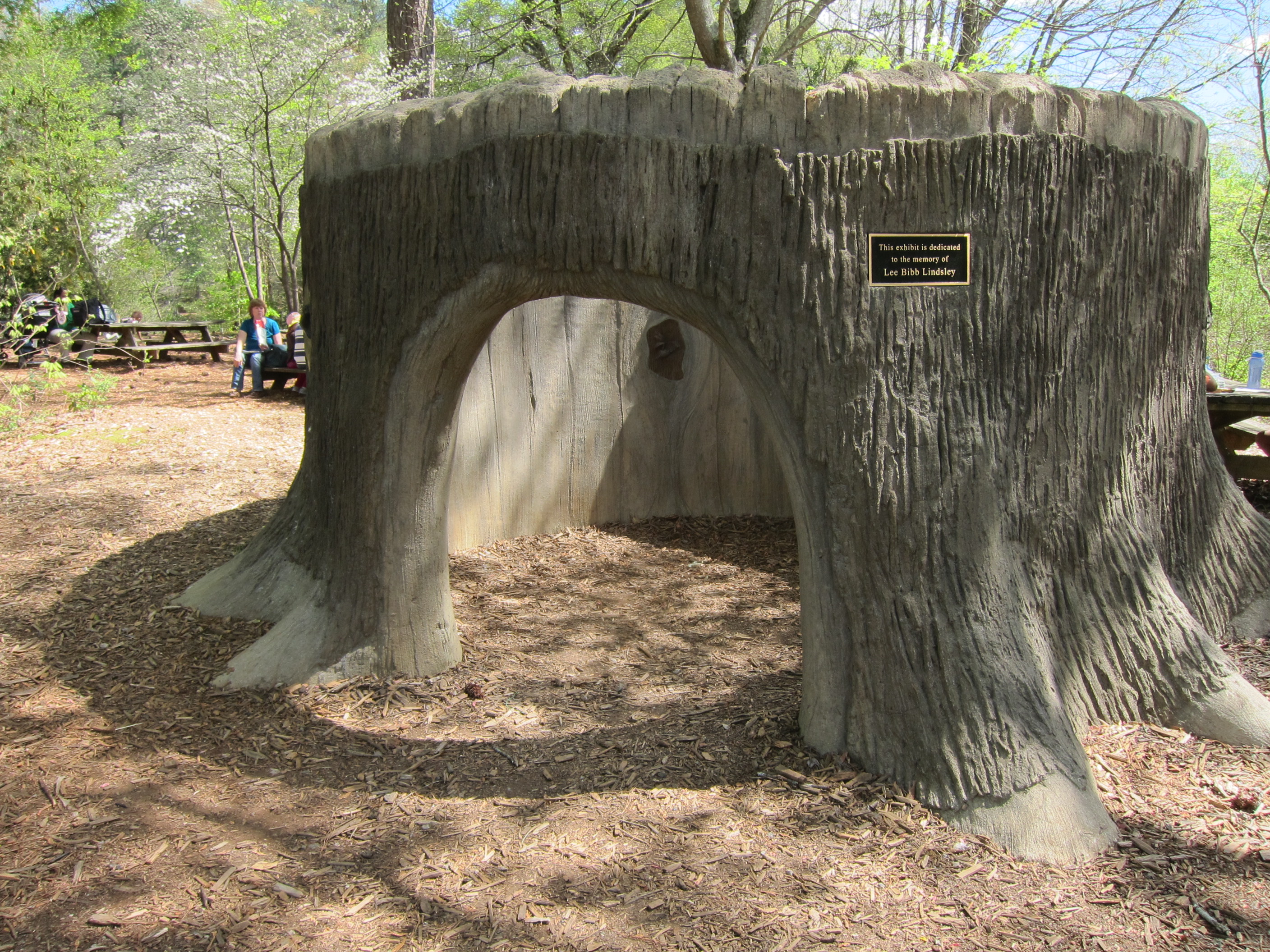
We decided to walk around the rest of the center’s grounds. They had lemonade and arts and crafts and loads of nature trails to explore. We found this excellent hollow tree stump that you can play in!

Cool isn't it?

As we strolled around we found out that the center has a bunch of aviaries with native birds. Can you say Bald Eagles? Yep, they have two of them and man, are they beautiful. Unfortunately they were up so high that we couldn’t get a good picture; so you’ll just have to go for yourself and see them! We also spotted barn and barred owls, turkey and black vultures in the aviaries.

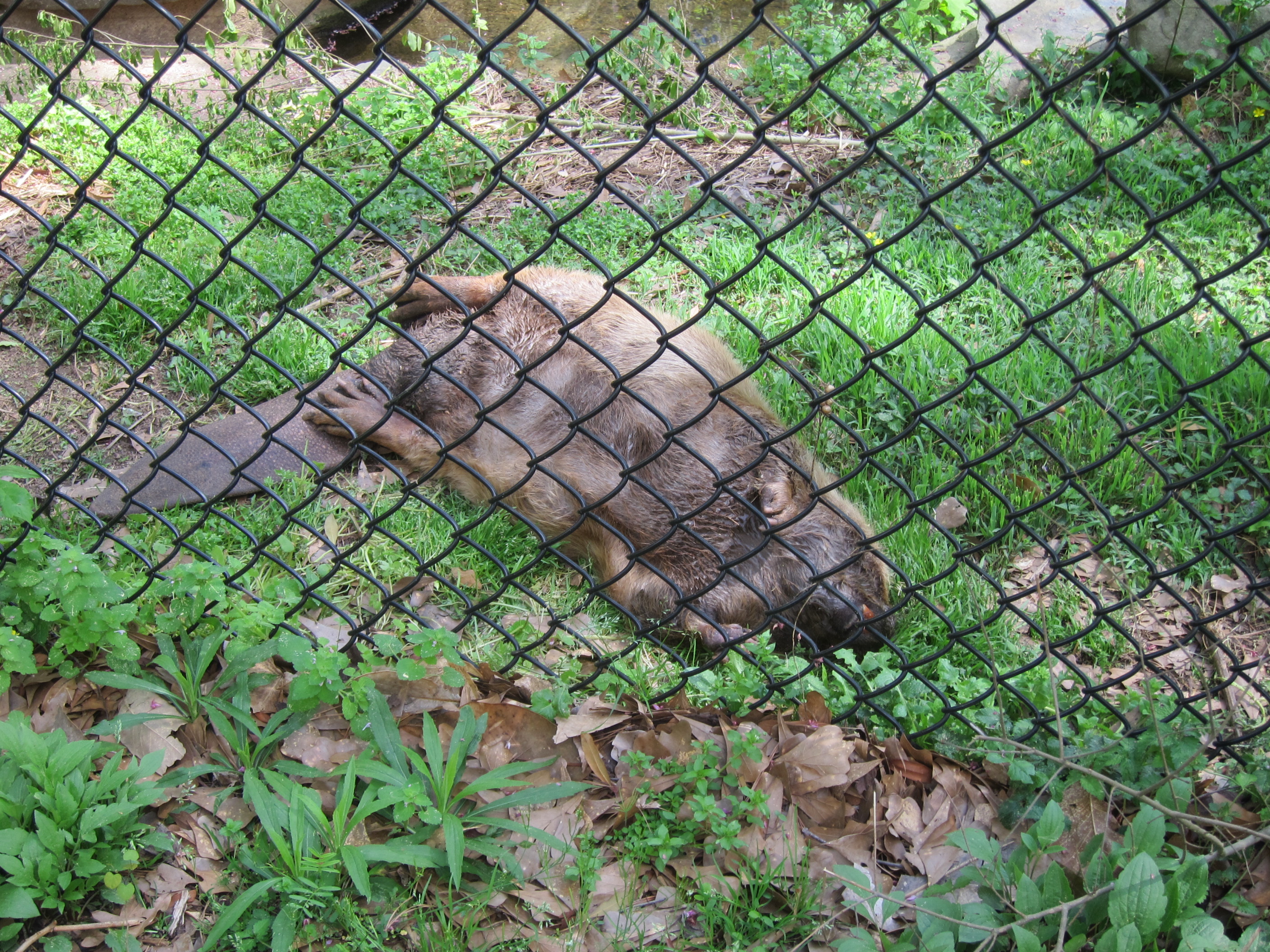
They also have a lovely area for a beaver. We got a great shot of him and man was he sleeeepy!

One very sleepy beaver!

Trust us, he was breathing.

The grounds of the center are so beautiful! We saw all kinds of trees and flowers in bloom! One of our favorites is the dogwood. We wonder where the dogwood got its name, it doesn’t bark! Haha!
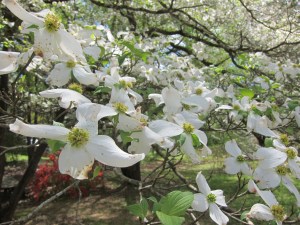
Dogwood blossoms are so pretty

We decided to chill for a bit by the river, it was so peaceful.
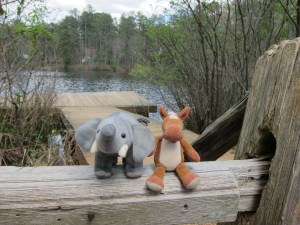
We decide to take a break!

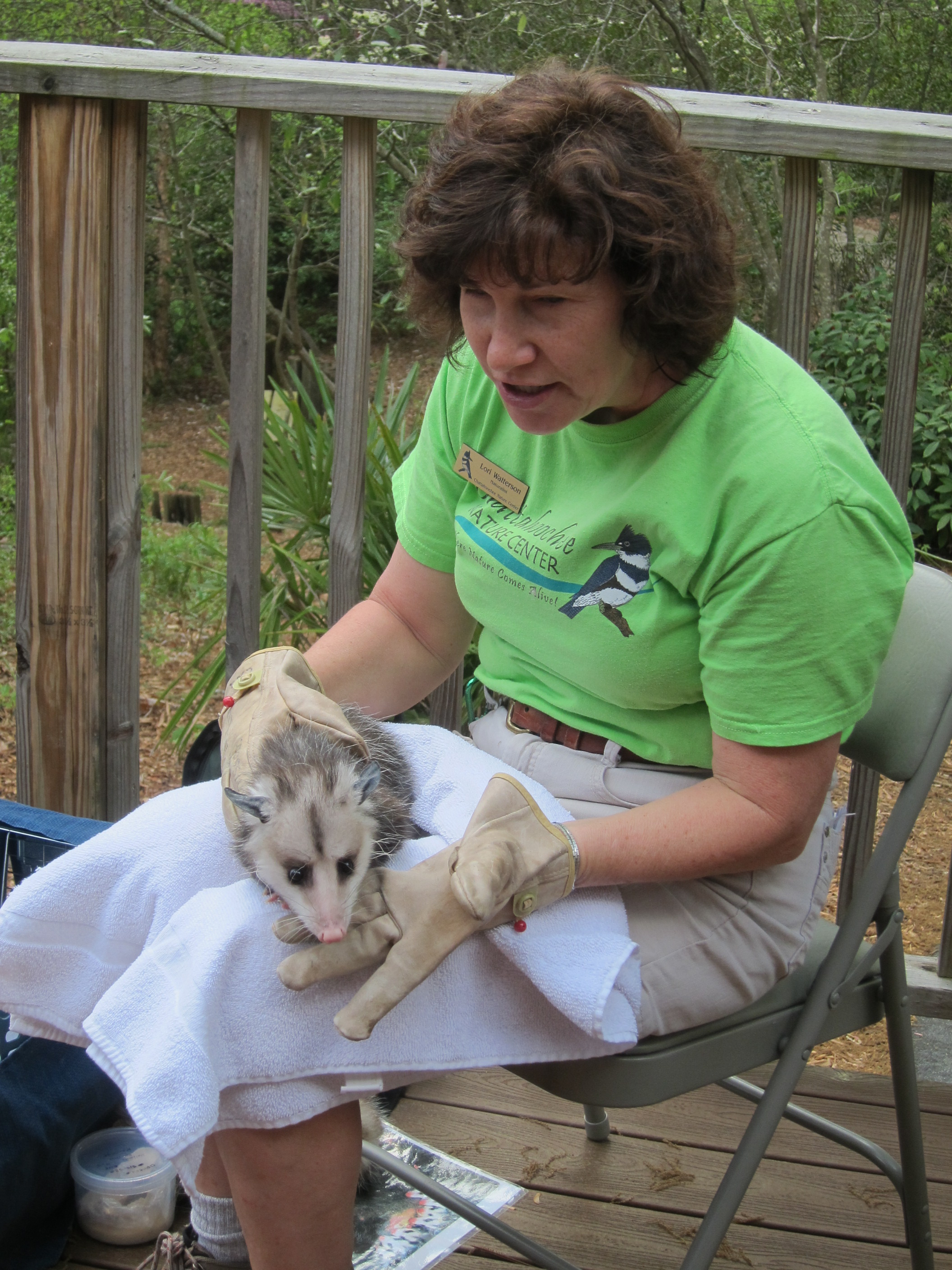
We made our way back just in time for another animal encounter! This time the naturalist brought out a Virginia Opossum (and yes you pronounce the O)!

Time to meet an Opossum!

This little one was only about 8 months old.  Did you know that the Virginia Opossum is the only marsupial in North America? They are just so cool!  You can learn more about opossums here.

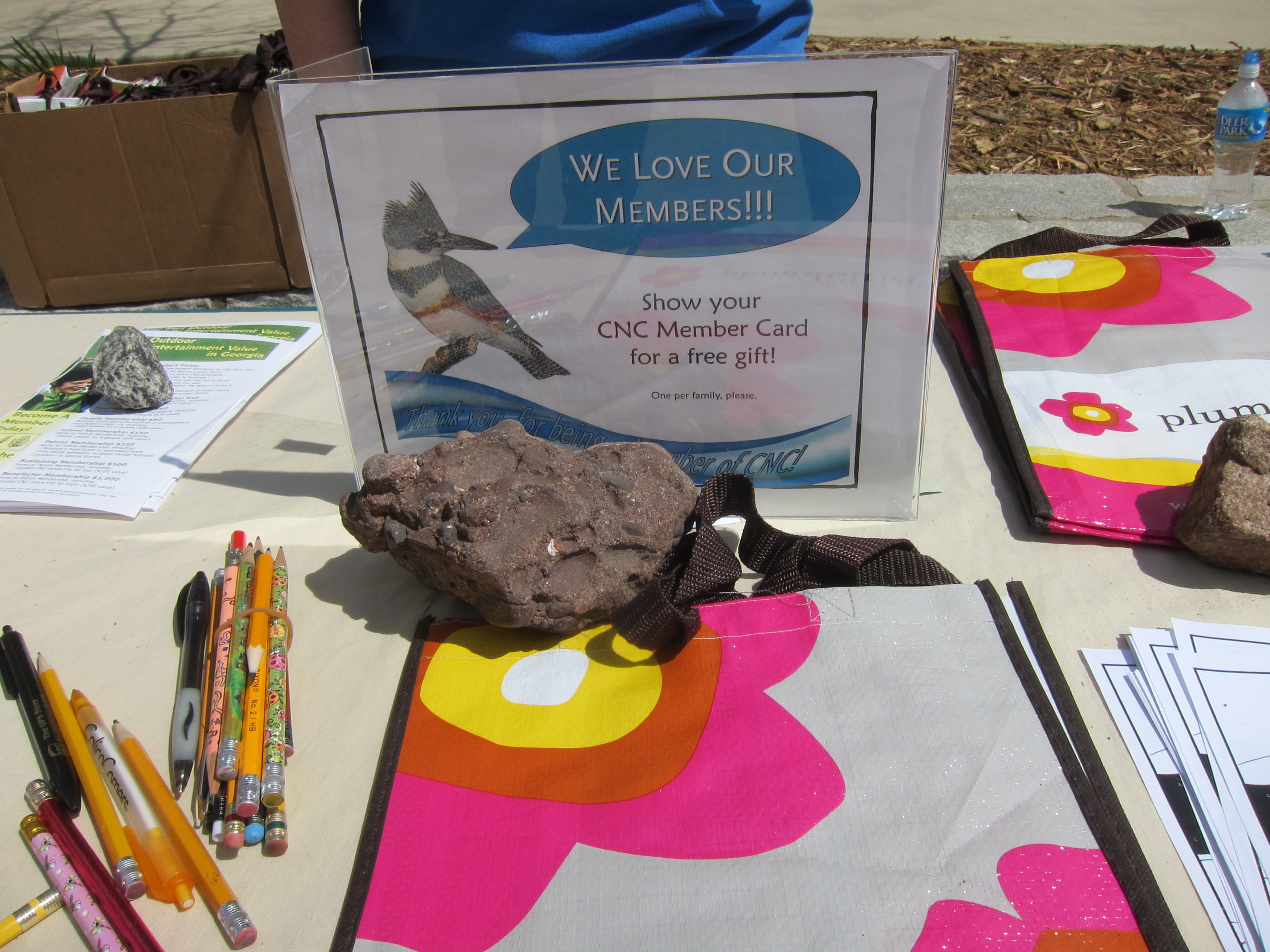
We were pretty tired from all the excitement and decided to head home. We did stop by the membership booth to learn about becoming members.

Become a member!

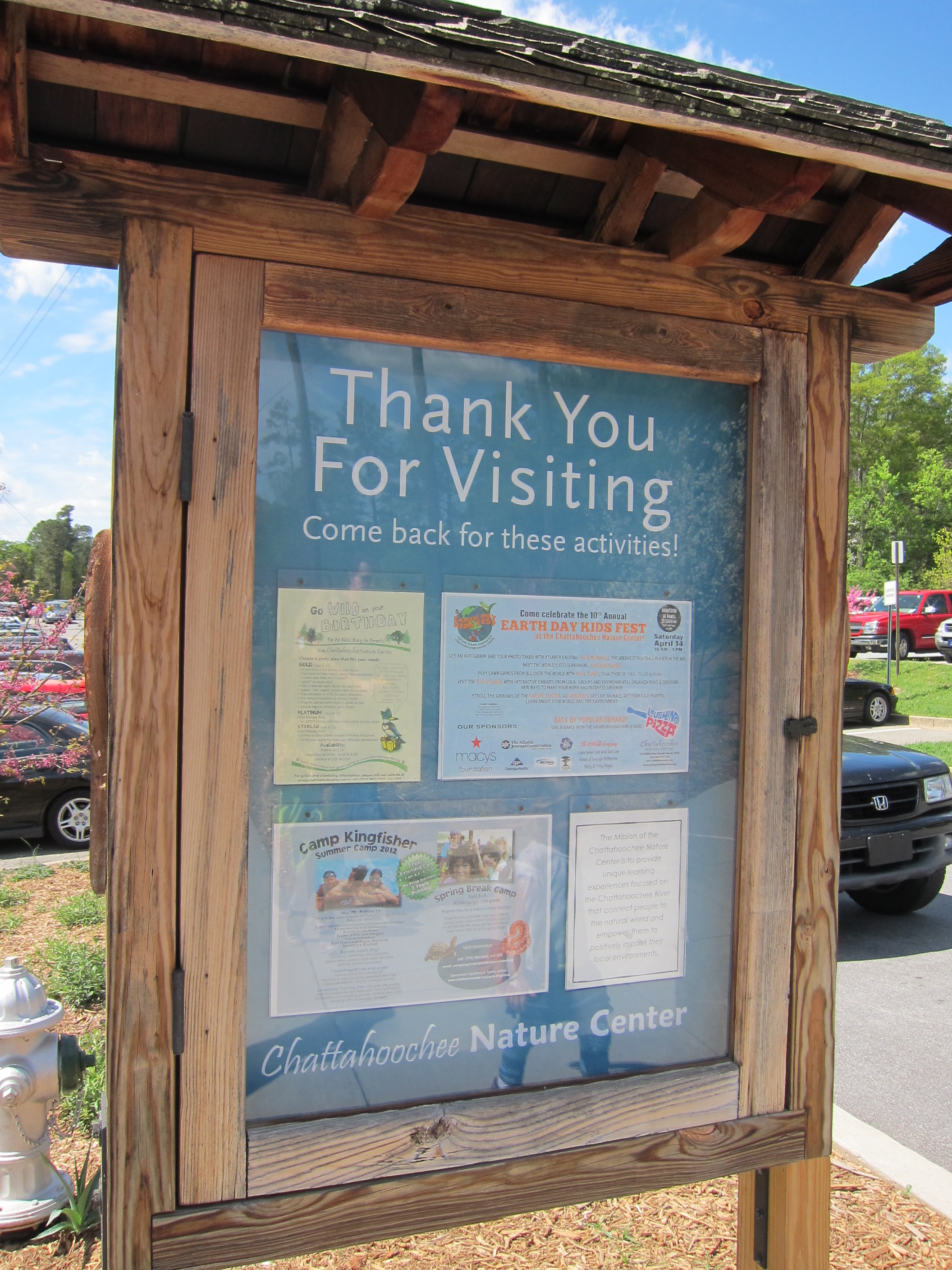
As we left, we saw that they had fun imprints on the sidewalk just outside the front door! We liked the kingfisher one! The center’s summer camp is called Camp Kingfisher! We wonder if they let elephants and horses come?
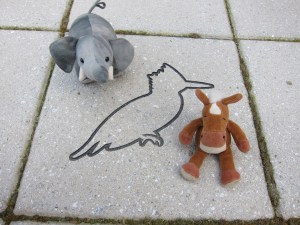
We loved the sidewalk imprints!

There’s so much to see and do at the Chattahoochee Nature Center! It’s a great place to learn and explore. Check out their website, they have loads of fun events coming up! Bring a picnic lunch and spend the day at this special place!

Thanks for the great afternoon!

Categories: Animals, Atlanta, backyard, birds, Children, education, Environment, mammals, marsupial, nature, science, wildlife | Tags: , , , , , , , , , | 5 Comments

FEATHERY FRIDAY # 29

FEATHERY FRIDAY# 29

Who’s excited for Friday? WE ARE! We only had to step into our own backyard to find today’s bird! So grab your binoculars and come visit us as we head on a bird watching expedition!

MEET THE RED SHOULDER HAWK!

   Range/Habitat: North America-Mexico/forests, suburbs-near water

   Diet: Carnivore: rodents, small reptiles, birds

   Length/Weight: 17-24”/ 19-25 oz

   Conservation Status: Common


Fun Facts:

  • Red Shoulder Hawks are raptors.
  • They have long legs and long yellow legs.
  • Red shoulder hawks swoop down from tree perches to catch their prey.
  • They are diurnal (active during the day).
  • Red shoulder hawks are known as a “buteo” hawk, meaning they have broad wings and tails.
  • Both the male and female red shoulder hawk take care of the chicks.
  • You can hear listen to their call.


The Red Shoulder Hawk is one of the most common hawks in North America! They can be confused with the Red Tailed Hawk who is broader and larger. Bird watching can be such a fun way to spend an afternoon, grab a bird guidebook and your binoculars and see what you can find!


Categories: Animals, backyard, birds, education, Environment, nature, science, wildlife | Tags: , , , , , , , | 2 Comments

SPRING COLOR COMES TO PIKE NURSERIES!

SPRING COLOR COMES TO PIKE NURSERIES!

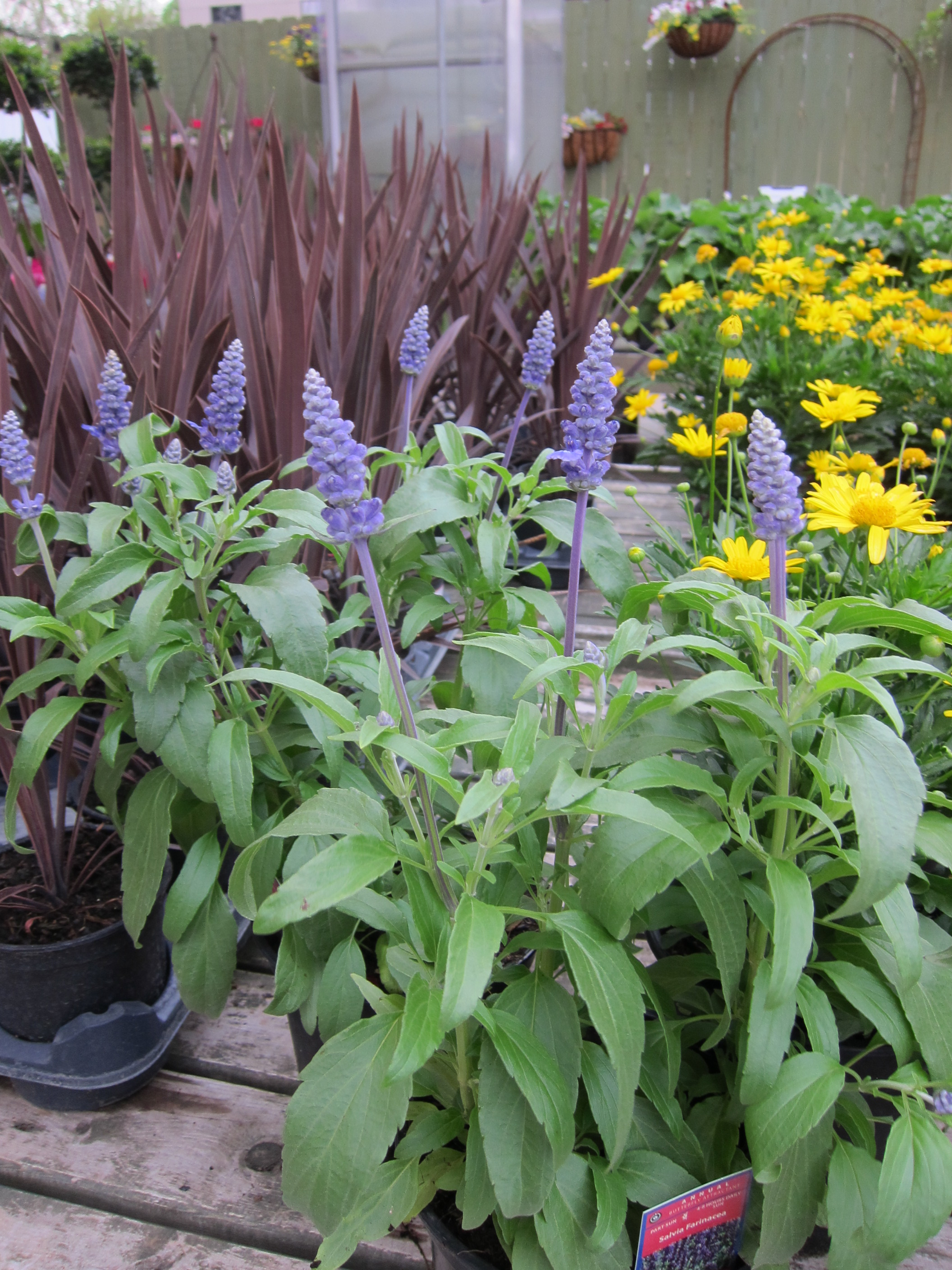
It’s spring and that means nature comes to life with explosions of color! We wanted to go on an adventure to our local Pike Nursery to find some! We had such a good time being silly and finding all the beautiful plants you can plant in your garden! Hopefully this photo journal of our adventure will inspire you to get some of these for your garden!

PINK Gerber Daisies!


YELLOW! Double Lemon Calibrachoa!

Ellie loves the purple petunias!

Edmond loves the Shasta Daisy!

PINK! PURPLE! BLUE! Petunias!

We decided to chill on a bench!

PURPLE Ageratum!

Ellie loves hiding in these purple raspberry plants!

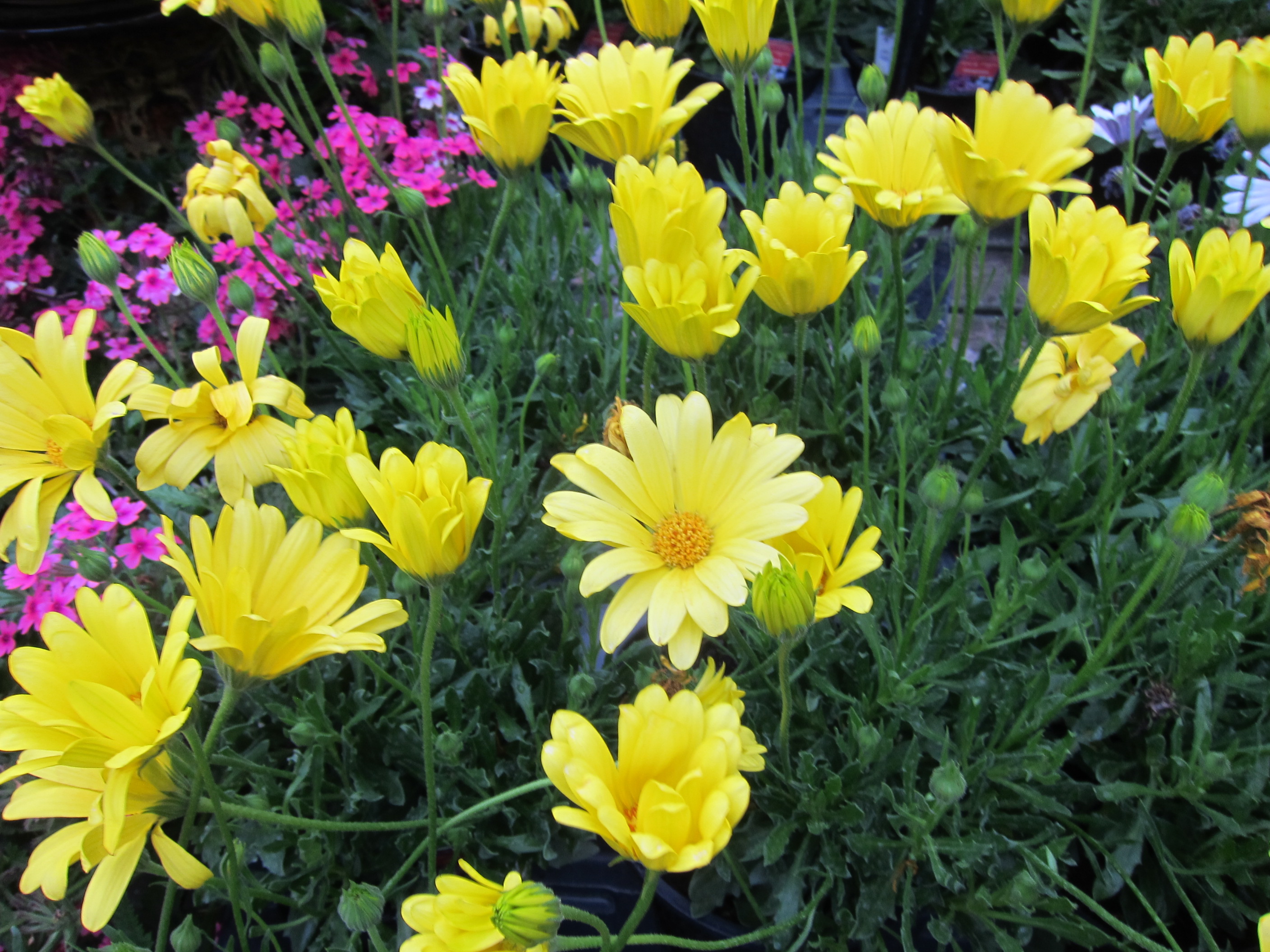
YELLOW! Osteospermums!

Osteospermums in Gray & White!

Edmond loves feeling like he's in the jungle!

Pink & Purple Fuschsia!

We love the mixture of colors here!

We found this lovely tree to sit under!! Aaaaaahhh....

After sitting under a tree- we found one to climb! So fun!

We had such a fun time at Pike Nursery! Everyone was so nice! They have so many more plants than what we found too! So get out in to your garden and see what spring color you can include!

Check out the Pike Nursery website for locations and tips!http://www.pikenursery.com/


Categories: Atlanta, backyard, Children, Environment, gardens, Local, nature, wildlife | Tags: , , , , | Leave a comment

March Craft/Activity!

Hey everyone! So this month’s craft is really more of an activity to get you outside! We’re a bit late with posting it, because we had some IT issues with our conversion :)! Anyways, we hope you enjoy BACKYARD BINGO! That’s right folks, we made you a bingo game to take outside to your backyard or your local park!  It’s PDF (our first) so please let us know if you have any trouble printing it!


Get outside and Enjoy!!!

Backyard bingo-1

Categories: Animals, backyard, birds, Children, crafts, education, Environment, insects, Local, mammals, nature, reptiles, science, wildlife | Tags: , , , , , , , , | 6 Comments

BACKYARD ANIMAL WEEK # 5

BACKYARD ANIMAL WEEK!

(FEATHERY FRIDAY)


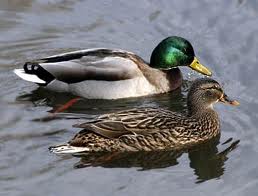
Quack! Quack! It’s the last day of our Backyard Animal week! We sure hope you have enjoyed it! We went to our local pond to find the Feathery Friday friend. This bird is found all around the Northern hemisphere, so there’s a good chance you could have them in your backyard!

MEET THE MALLARD!

   Range/Habitat: North America-Europe-Asia/ wetlands-ponds-lakes

   Diet: Omnivores: plants, invertebrates

   Length/Weight: 20-26”/ 2 ¼-3 ¼ lb

   Conservation Status: common


Fun Facts:

  • Mallards are most abundant ducks on earth.
  • They are the ancestor of nearly all domestic ducks.
  • Mallards are very adaptable to many different habitats.
  • Male mallards have green heads with a white neck ring and a yellow bill.
  • Female mallards are molted brown in color with a bright blue patch on their wings.
  • Mallards often eat by upending (dip heads into the water and their tails stick straight up in the air).
  • Female mallards take care of the eggs and chicks.


We just love going to our local duck pond and watch the Mallards. Their funny waddling on land and quacking makes us laugh and laugh! Do you have any Mallards in your area?


Categories: Animals, backyard, birds, Children, education, Environment, nature, science, wildlife | Tags: , , , , , , , | 5 Comments

BACKYARD ANIMAL WEEK # 4

BACKYARD ANIMAL WEEK!

(SUPER SURPRISE THURSDAY)


Who’s up for some backyard bird watching? Sometimes birds are the most abundant animal in your backyard. If you’re like us though, we don’t know all of our bird friends! Today’s Super Surprise bird is one everyone should know pretty well! Do you have your binoculars? It may not be hard to spot…

MEET THE BLUE JAY!

   Range/Habitat: Central-Eastern North America/ woodlands, parks, suburban

   Diet: Omnivores: acorns, seeds, spiders

   Length: 12”

   Conservation Status: common


Fun Facts:


  • Blue jays are related to crows.
  • They are highly intelligent and social birds.
  • Blue jays can mimic speech and other birds; often you can hear them mimic hawks.
  • They are highly territorial.
  • Blue jays have bright blue plumage. They do not have pigment (cells that give fur, feathers and skin color). The color in their feathers comes from structure of the feather and how the light hits it.
  • Blue jays are considered songbirds.
  • Blue jays can be found in pairs or small family groups. They can form pairs for life.
  • They have different calls, including an alarm call to warn for predators.
  • Blue jays use mud to build their nests.

Blue jays are beautiful birds! We love to see them in our backyard. They are very smart. How cool is that they can mimic other birds and human speech? What are some of your favorite backyard birds?


Categories: Animals, backyard, birds, Children, education, Environment, nature, reptiles, science, wildlife | Tags: , , , , , , , | 2 Comments

BACKYARD ANIMAL WEEK # 3

BACKYARD ANIMAL WEEK!

(WATERY WEDNESDAY)


We’re heading to a local creek to see if we can find today’s Backyard Animal! These animals can be very loud! There’s nothing better than hearing the males call on a nice summer evening! Grab a flashlight, because this amphibian is out at night!

MEET THE NORTH AMERICAN BULLFROG!

    Range/Habitat: Western-Central & Eastern United States/ wetlands, rivers,

lakes

     Diet: Carnivore: reptiles, mammals, other frogs

     Length: 3 ½-8”

     Conservation Status: common


Fun Facts:

  • North American Bullfrogs are the largest frog in North America.
  • They spend most of their life in water.
  • North American bullfrogs have eyes and nostrils on top of their heads. This helps the frog stay underwater but still be able to see and breathe.
  • They have large ear drums.
  • Female North American bullfrogs can lay several thousand eggs at a time.
  • It can take a North American bullfrog tadpole up to 4 years to become to an adult.
  • They are nocturnal (active at night).
  • They are ambush predators.
  • North American bullfrog males are very territorial.
  • Only males call!

How awesome are the large frogs? It sure is fun to go looking for them at night! Do you have bullfrogs where you live? What animal do you like to hear on a warm summer night?


Categories: amphibians, backyard, Children, education, Environment, nature, reptiles, science, wildlife | Tags: , , , , , , , , | Leave a comment

Blog at WordPress.com.