birds

SUPER HORSE TO THE RESCUE- SOUTH FLORIDA WILDLIFE CENTER
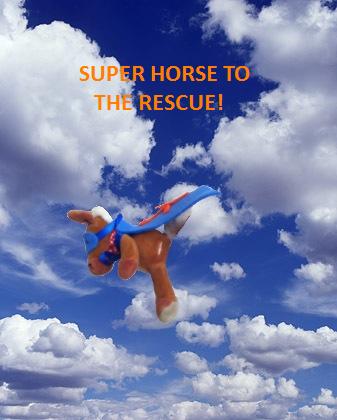
SUPER HORSE TO THE RESCUE-

SOUTH FLORIDA WILDLIFE CENTER

super horse to rescue

We found South Florida Wildlife Center on Facebook and saw what wonderful work they are doing in their area. Dr Renata Schneider, their director of Rehabilitation was kind enough to take some time and tell us about herself and the center! Come read Super Horse’s interview with this Wildlife Hero!
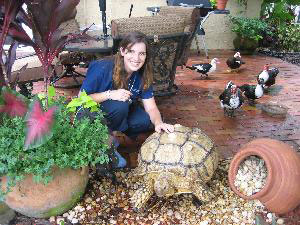
Dr Schneider

Dr Schneider

Super Horse: Tell us about your center.
Dr. Schneider: The South Florida Wildlife center is a 501C3 organization (not for profit.)  We have over 60 staff members and over 600 volunteers.  We are located in Fort Lauderdale, FL.  While we are in Broward County, we serve the South Florida Tri-County area (Palm Beach, Broward and Dade). South Florida Wildlife Center is an affiliate of the Humane Society of The United States.   We rescue, rehabilitate and release thousands of native animals yearly.

Feeding a Quaker Parrot

Feeding a Quaker Parrot

Super Horse: Wow that is a big area to serve! That must keep you very busy! Tell us about you and your job at the center. What is your favorite part of your job?
Dr. Schneider:
 My name is Renata Schneider.  I am a Veterinarian and my position at the South Florida Wildlife Center is Director of Rehabilitation.  In my position I spend 2-3 days a week in the clinic examining incoming patients, making treatment plans, performing surgeries and rechecking existing patients.  The other 2-3 days a week are spent evaluating animals that are no longer on medication and have moved to an outdoor habitat.  I check on their progress, make medical decisions regarding the care, and work to improve the rehabilitation process to ensure a successful release.  This includes working on habitat designs, enrichment and improvements.
My favorite part of the job is when an animal that I treated is released; all of our hard work has paid off!  However, I do love the daily hustle and bustle and the variety of animals that we see and the resources that we have access to in order to practice good medicine and excellent rehabilitation techniques.
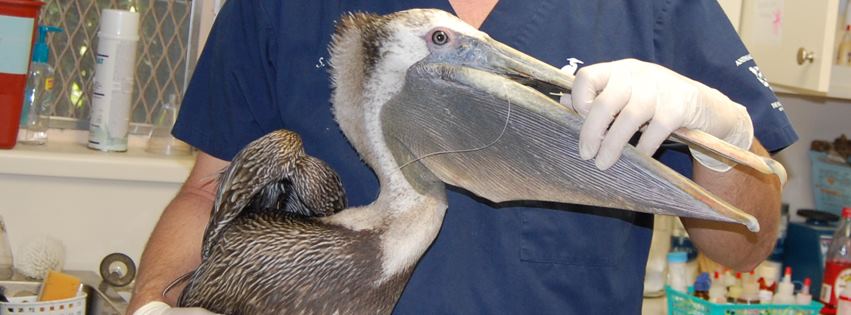
Pelican with ingested hook.

Pelican with ingested hook.

Super Horse: Your job sounds so amazing! How did you get into wildlife rehabilitation?
Dr. Schneider: When I was 17 years old I started volunteering at a “Le Nichoir”, a song bird rehabilitation center in Quebec, my home province.  I assisted in the hand rearing of orphan birds for a summer.  I had always loved animals, but did not ever think of becoming a veterinarian.  When I learned that veterinarians could work with wildlife I changed career paths.  I literally refused an offer to Law School and started over with my college classes to get the pre-requisites for veterinary school.  My new goal was to become a wildlife Veterinarian; I graduated with the doctorate of veterinary medicine in 2002.  It was many years later that I finally applied for my rehabilitation license!

Raccoon gets a bath!

Raccoon gets a bath!

Super Horse: We bet the animals are glad you skipped law school.  What does a typical day look like at the center?

Dr. Schneider: The South Florida Wildlife Center is a very busy place.  We admit up to 100 new patients daily.  Each staff member is always very busy, but I will describe a typical day for me.
I arrive at or before 8am.  First thing, I check on patients in the Intensive Care Unit, they are usually the most critical.  Then I check on any animals that came in late the night before in case they did not get seen by a doctor.  Finally I make sure that the nursery knows that there are orphan birds, squirrels, opossums or raccoons that are ready to be admitted into the nursery and get their breakfast.
Throughout the day I use my “doctor check list” to know which existing patients need a recheck.  While a technician gets one of these patients, a hit by car Virginia Opossum ends up on the triage table.  I will sedate the opossum and then recheck my patient while he is getting relaxed.  Patient recheck done, examine the opossum.  I can feel a fracture in the jaw.  One veterinary technician will get radiographs for me, while another technician gets the Pelican that needs a bandage change for an open wound.
By 10am we have looked at over 10 animals.  There are probably three more sets of radiographs that need to be done, a dove waiting for a laceration repair, and blood work that needs to be analyzed.
Throughout the day this pattern continues of triaging incoming patients, filling out all of the important paperwork associated with each case, and rechecking existing patients.
At 1pm I am told that one of our hawks is bleeding in its outdoor enclosure.  The animal care staff member tending to this patient brings him inside.  This red-tailed hawk has a broken a new feather, that still has blood in its shaft.  We control the bleeding and send him back outside.  He won’t need to stay inside on medications.
At 2pm I am told that there are no indoor cages left for pelicans.  It is a full house!  It is time to do rounds in the hospital to see if any patients are strong enough for an outdoor enclosure.  We manage to move out 2 pelicans, now we have 2 hospital cages available for new patients.
At 3pm the ambulance comes back with its second load of the day.  It is time to triage 20 new patients.  We start with the most critical and the youngest.  Luckily we made some more room in the hospital.
By 4pm, we have gone through them all.  I have just enough time to write up my medical notes before I have to pick up my kids at day care.  Luckily on this day we have two vets scheduled and there will be a doctor on duty to care for the animals until 8pm!

Helping a corn snake who is tangled in netting trash.

Helping a corn snake who is tangled in netting trash.

Super Horse: Whew! That makes me tired just reading about your day! You work so very hard! I hope you eat your veggies :)! How many animals do you treat a day?
Dr. Schneider:  Each of the veterinarians will examine or recheck anywhere from 20 to 100 animals daily.

Feeding a bat!

Feeding a bat!

Super Horse: That is a lot of animals! What type of animals do you see most (birds, mammals or reptiles)?
Dr. Schneider:
Approximately 60%-70% of the animals admitted are birds, 30%-40% are mammals and the rest are reptiles.

Great Heron with fish hook in skin.

Great Heron with fish hook in skin.

Super Horse: South Florida does have tons of birds! Spring is on its way and that means it is baby season. What advice do you have for people if they see a baby they think may be in need of help?
Dr. Schneider:
Many of the orphans that are brought to us are not truly orphans because the parents are still close by.  Make sure that you check carefully for a nest or parents before removing a baby animal.  It is a myth that by touching a baby the mother will reject it afterwards.  If it is truly sick or injured, or if you are really not sure, then it should be contained and brought to a wildlife rehabilitator.

Feeding a baby squirrel

Feeding a baby squirrel

Super Horse: That is great advice! Tell us about your favorite success story.
Dr. Schneider:
There is not one single story that can express the joy of what we do.  Last week we released 13 pelicans, 2 groups of hand-reared raccoons, 2 grey squirrels that were severely injured on arrival, a vulture that had surgery for a broken wing, amongst many others.  We also re-united 2 baby screech owls with their mom in the existing nest in the tree after a tree-trimmer had frightened them into jumping out of the hole that they call home.
The sum of these releases week after week is the success story that keeps me here.

Bird release

Bird release

Super Horse: Wow! You help so many animals in just one week! That makes you a super hero! How can people help their local wildlife this time of year?
Dr. Schneider: Most of the babies that are admitted are caught by a dog or a cat.  Keeping pets away from wildlife is a good start.  Keeping the yard free of trash and using bins that close tightly helps too.  Never feed wildlife.  We also have groups of baby raccoons that come in because the mother was relocated by a trapper.  It is important to use humane trappers that keep families together.  People should block holes in the roof and attic so that raccoons do not nest there.  Finally, although it seems that spring is a good time to do tree trimming and yard work, many nests are disrupted by this activity and if you can wait or be cautious when tree trimming, it could save wildlife.
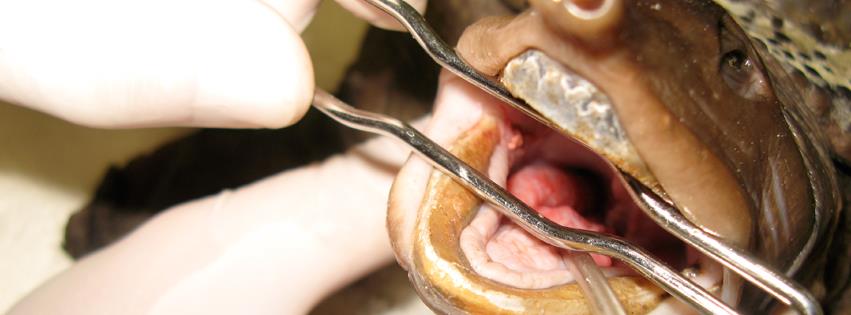
Looking at a soft shell turtle's mouth

Looking at a soft shell turtle’s mouth

Super Horse: Great tips! We’ve never thought about tree trimming disturbing nests before. If someone wanted to become of wildlife rehabilator or volunteer, how would they start that process?
Dr. Schneider: 
In order to volunteer at the SFWC there is an application process and an orientation.  If not here, find a local wildlife hospital or rehabilitator and volunteer with them.  Do whatever is needed, even if it is washing dishes or doing laundry.  Pay attention, read about the species that are seen there, learn how to handle the animals safely, attend any classes offered.  The more time that you spend and the more dedicated you are; the more that you will be asked to do.  Getting hands on experience with the animals comes after your trust has been earned.  It takes a lot of time and patience to train volunteers to do the “fun” stuff.  If you show that it is worth investing in you, you will be offered excellent experience.  Each state is different, but in Florida after logging a certain number of hours doing wildlife rehabilitation, and passing a test, one can become a licensed rehabilitator.

Super Horse: Thank you so much for taking the time to talk to us! You can find out more information about South Florida Wildlife Center on their website and on Facebook. Check out this amazing organization and Dr. Schneider! They are true Wildlife Heroes!  
Categories: adventure, animal rescue, Animals, birds, Children, conservation, education, Environment, nature, reptiles, science, squirrels, wildlife | Tags: , , , , , , , , , , , , | 2 Comments

FEATHERY FRIDAY # 65

FEATHERY FRIDAY #65

We’re going to Southwest Asia today to meet one nifty bird with one big beak! Grab your backpack and sunscreen and let’s head out on today’s adventure!

e e coast


MEET THE DALMATIAN PELICAN!

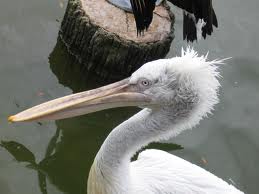
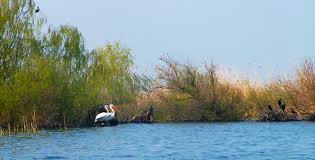
dalmation pelican   Range/Habitat: Southeast Europe-South Asia/ coasts, wetlands, oceans

   Diet: Carnivore: fish

   Length/Weight: 5 ¼- 6ft/ 22 -29 lb

  Conservation Status: common


Fun Facts:

  • Dalmatian Pelicans are the largest pelican in Europe.
  • They have large broad wings.
  • Dalmatian pelicans eat about 2 ½ lbs of fish a day.
  • Dalmatian pelicans have large orange-red pouches.
  • They are known to hunt in groups. They force schools of fish into shallow waters so they are easier to catch.

Pelicans are one of our favorite birds! Those giant pouches are not only functional but make them look quite comical! They just make us smile! How about you?

dalmation pelican2   dalmation pelican3

Categories: adventure, Animals, birds, Children, conservation, education, Environment, nature, oceans, science, wildlife | Tags: , , , , , , , , , , | 1 Comment

FEATHERY FRIDAY # 64

FEATHERY FRIDAY #64

It’s Feathery Friday and we’re finally leaving Southeast Asia to head to Africa! We’re going to search for a bird who eats honey! So get your gear and let’s go on another fabulous adventure!

e e woods

MEET THE BLACK THROATED HONEYGUIDE!

greater honeyguide   Range/Habitat: Africa- South of Sahara/ jungles, woodland

   Diet: Omnivore: honey, bees, insects

   Length/Weight: 8”/ 1 ¾ oz

   Conservation Status: common


Fun Facts:

  • Black throated honeyguides are also known as the Greater Honeyguide.
  • They get their name from their ability to guide humans and people to bee hives.
  • They are black and white.
  • Black throated honeyguides lay their eggs in the nests of other birds and do not raise their young.
  • Black throated honeyguides have bright pink bills.


We know some honey loving bears who might like to have a Honeyguide living in their neighborhood. It is amazing how people and other animals use their vocal cues to locate beehives!

greater honeyguide2

Categories: adventure, Animals, birds, Children, conservation, education, Environment, nature, science, wildlife | Tags: , , , , , , , , , | 1 Comment

FEATHERY FRIDAY # 63

FEATHERY FRIDAY #63

It’s Feathery Friday and we’re off to Eastern Asia to meet a colorful duck! Let’s grab a picnic lunch and head off to watch ducks all afternoon!

E & E lake

MEET THE MANDARIN DUCK!

mandarin     Range/Habitat: Northwestern Europe-Eastern Asia/ woods, wetlands,

lakes

    Diet: Omnivore: seeds, nuts, insects

    Length/Weight: 16-19”/ 22 oz

   Conservation Status: common


Fun Facts:

  • Mandarin Ducks perch and nest in trees instead of the ground like most ducks.
  • Breeding male Mandarin ducks have some of the most brightly colored plumage of all ducks.
  • Female Mandarin ducks are brown.
  • They have long broad tails to help them fly.
  • Mandarin ducks have sharp claws to help them rest in trees.
  • Mandarin duck ducklings must jump from the nest when they are very young.


Mandarin ducks are so gorgeous with their bright colors and feathers. We could watch them all day. Do you like sitting by a pond and watching ducks?

mandarin2    mandarin3


Categories: adventure, Animals, birds, Children, conservation, education, Environment, nature, science, wetlands, wildlife | Tags: , , , , , , , , , | 2 Comments

FEATHERY FRIDAY # 62

FEATHERY FRIDAY #62

We’re off to the coasts of Africa to meet a little bird with loooooong legs! These little feathery friends live all around the world, so there’s a chance they may live near you too! Are you ready to meet today’s bird pal?

e & e wetlands

MEET THE BLACK-WINGED STILT!

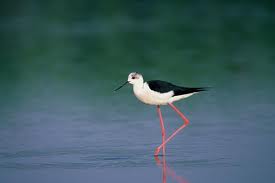
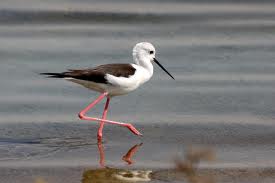
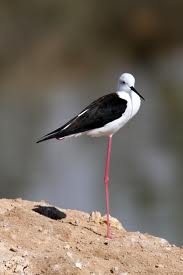
black winged stilt   Range/Habitat: Europe-Asia-Africa/ wetlands, estuaries, coasts

   Diet: Carnivore: insects, mollusks, crustaceans

   Length/Weight: 14-16”/ 5-7 oz

   Conservation Status: common


Fun Facts:

  • Black Winged Stilts have very long legs. They are the longest legs of any bird in relation to their body size.
  • Black winged stilts have long thin bills.
  • Their long legs and bills help them wade for prey in very deep waters.
  • Black winged stilts are often found in large flocks.
  • Male and female black winged stilts build the nest and incubate the eggs.


Well we know where these little birds get their names from; it sure looks like they walk on stilts! Edmond wants to try out walking on stilts. I smell disaster :)!

black winged stilt2   black winged stilt3

Categories: adventure, Animals, birds, Children, conservation, education, Environment, nature, science, wildlife | Tags: , , , , , , , , , | 1 Comment

SUPER SURPRISE THURSDAY # 62

SUPER SURPRISE THURSDAY # 62

Time to look at the picture, read the clues and take a guess in the comments!

Cardinal

  • I am the official bird of seven states.
  • Males are brightly colored and females are more brownish.
  • We are known to sing a variety of songs

WHO AM I?

Categories: adventure, Animals, birds, Children, conservation, education, Environment, nature, science, wildlife | Tags: , , , , , , , , , | 7 Comments

SUPER HORSE TO THE WILDLIFE RESCUE- HAWK TALK!

 SUPER HORSE TO THE WILDLIFE RESCUE!

super horse to rescue

Super Horse to the Wildlife Rescue interviewed Raptor Rehabilitator & Educator, Monteen McCord from Hawk Talk! Come learn about the great work she is doing to educate people about these special birds!

Edmond: How long have you been rehabilitating birds?

Ms. McCord: I met my first owl in 1983 at a vet clinic where I was employed.

Edmond: Neat! How did you get started rehabilitating birds?

Ms. McCord: My background is in surgical nursing, but got out of the human medical field and started working for a veterinarian.

Edmond: Animals do make more interesting patients. What does it take to become a wildlife rehabilitator?

Ms. McCord: The exams are very difficult to pass. It takes up a lot of time and even more resources and if you don’t have the full support and backing of your spouse/family members, you will have trouble.

We just loved this owl!

We just loved this owl!

Edmond: Wow! It sounds like it takes a ton of hard work and passion! Do you rehab birds of all kinds or just raptors?

Ms. McCord: Yes, only raptors. I decided to target one group and get good at it. It’s been my experience that if you try to rehab everything, you’re not very good at any of it.

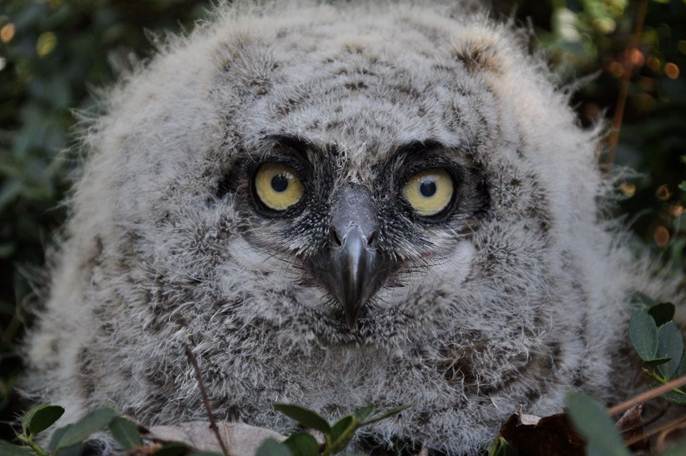
great horned owl chick

Great Horned Owl chick

 Edmond: Makes sense! What kind of birds do you have right now?

Ms. McCord: I have 4 rehab birds in hospital right now…all vehicle strikes – Great horned owl, barred owl, Screech owl and a Red-shouldered hawk. I have 6 that live with me full time.

Barred owl chick

Barred owl chick

Edmond: All of those birds must keep you busy. Do you release most of your birds back in the wild?

Ms. McCord: The release rate is about 50%. They have to be in tip-top shape to survive at the top of the food chain.

Edmond: Do you take your birds out for education programs?  If yes, how can a person/organization contact you to book a program?

Ms. McCord: HawkTalk generates funding for the charity in two ways; charitable contributions (we are a 501c3 not for profit organization) and program fees for educational programs for schools, civic organizations, scouts, nature centers, etc. You can call us at 770-720-1847. Email us  Monteen@hawktalk.org through the web site www.hawktalk.org. You can also ‘like’ us and contact us via FaceBook www.facebook.com/hawktalk.org  AND if that isn’t enough, you can also contact us via our YouTube channel  www.youtube.com/monteenmccord  Whew!  🙂

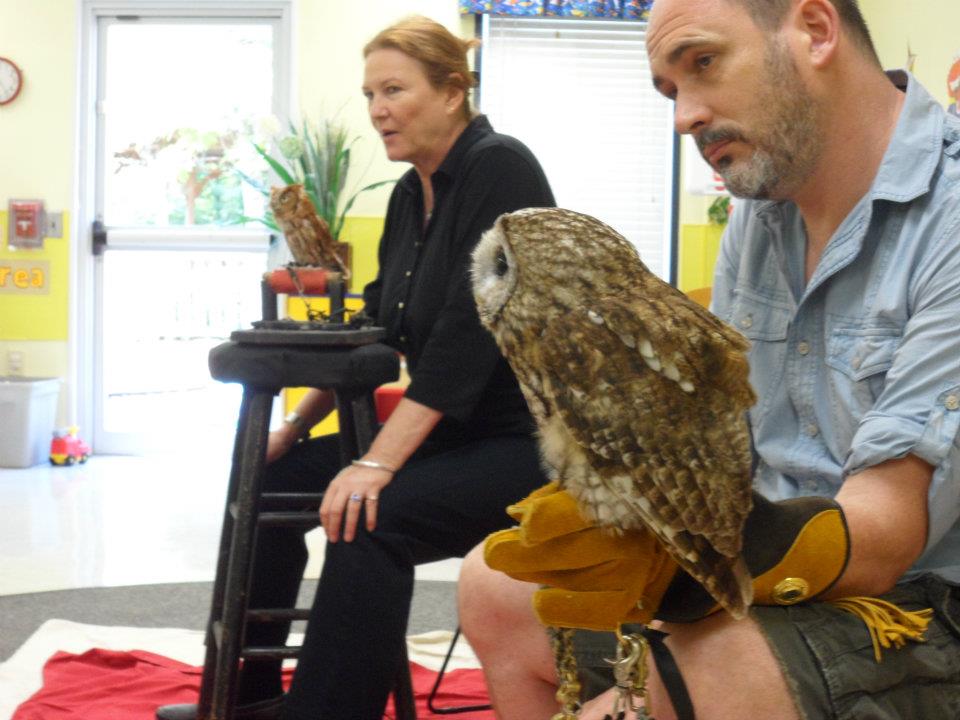
Educating students about owls!

Educating students about owls!

 Edmond: Excellent! What message would you give people about keeping our wildlife safe?

Ms. McCord: Wildlife will continue to survive among us, regardless of where you live. I have songbird feeders and water sources, along with brush piles, so the little critters can have a safe place to hide and reproduce. I even offer my leftovers on the deck for the possums and raccoons overnight because it isn’t their fault that they have to eek out a living among us pesky humans…  🙂

Hawk getting help!

Hawk getting help!

Edmond: Wow, the wildlife near you sure are lucky! What should a person do if they find an injured bird?

Ms. McCord: The bird might not be injured; it may just be young. Spring is when the majority of the baby songbirds and raptors (and small mammals) get accidentally orphaned by well-meaning people who don’t understand that young birds leave the nest before they can fly. Their parents are nearby to hear their food calls and will bring them food, provide a modicum of security and do the necessary coaching. When I acquired cats, I removed my bluebird house for that very reason…I know that the cats would just wait at the base of the feeder for dinner to jump out. The young are very vulnerable when they first leave the nest, but the universe made it that way to improve the gene pool and young birds of prey exemplify the phrase, ‘survival of the fittest’! You can put some gloves on and put the baby songbird up under a bush, but chances are, they won’t stay very long. Gloves are needed not because the mother bird will smell you and abandon the babe, for they don’t have a sense of smell, but you do leave your scent behind for other predators.

We have had great success in re-nesting young owls and hawks if we know where the nest is. Installing artificial baskets on or near the nest tree works just great as long as the parents can hear the food call, they will locate the babe’s new digs and rear them from there.

Hanging the wicker basket filled with leaves and twigs, making sure there are no ants. The nest tree is nearby.

Owl in a basket

Owl in a basket.

Hanging the basket in the tree.

Hanging the basket in the tree.


Human intervention is needed if you see a bird that is obviously drooping one wing or is non-weight bearing. Keep in mind that birds rest on one foot, so it will take some observation on your part to determine if the bird is indeed injured, or merely resting. If you need to pick up an injured, you can poke some holes in a cardboard box and upend it over the bird. Slide something flat under it and gently turn the box right sight up. Tape the lid down rather than the figure 8 because you don’t want to put your hands down in a box with an injured raptor, especially, if it’s lying on his back. The toes are strong enough to bury the talons up to the hilt on whatever flesh they come in contact with, so you need to take the utmost care in capturing them. I prefer the box method because you will avoid physical contact with the bird, which makes it safer for all concerned. You can also throw a jacket or blanket over them, but you won’t know where their feet are and the feet and the business end and if the bird binds to you, you will probably end up killing the bird to get the talons out of you. Not fun…has only happened to me twice since ’83. All it takes is to be a half second faster than they are and you’re good to go.  J People in Georgia can go over to www.georgiawildlife.org and click on ‘how to find a wildlife rehabilitator’. Click down to whatever category critter you have and start with your county and radiate out from there. Other residents contact your local Department of Natural Resources or Game and Fish Commission in assistance in finding a licensed person to help.

Owl chicks Monteen worked to reintroduce into the wild!

Owl chicks Monteen worked to reintroduce into the wild!


Owl chicks in the trees- learning to be owls!

Owl chicks in the trees- learning to be owls!


Edmond: Whew that is some great information! We know people always ask as spring arrives what to do with baby birds! Thanks so much for taking the time to inform us! And THANK YOU for being a Wildlife Super Hero! Your hard work and dedication to animals are a real inspiration!

Categories: adventure, animal rescue, Animals, birds, Children, education, Environment, owls, science, wildlife | Tags: , , , , , , , , , , , | 7 Comments

FEATHERY FRIDAY # 61

FEATHERY FRIDAY #61

Friday is here and that means we are going to meet a feathery friend today! Let’s head out in the grasslands of East Africa and see if we can find a very cute little bird! Grab your binoculars and let’s go!

e e grasslands

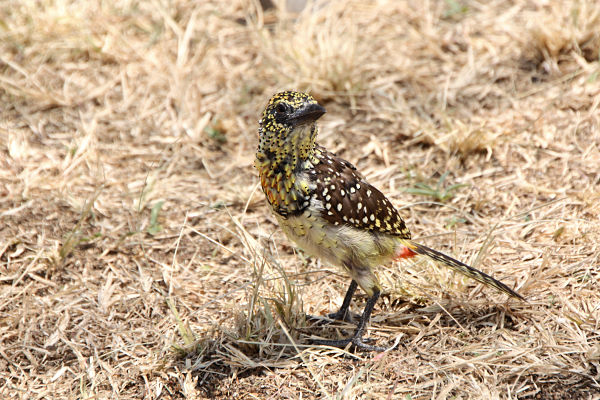
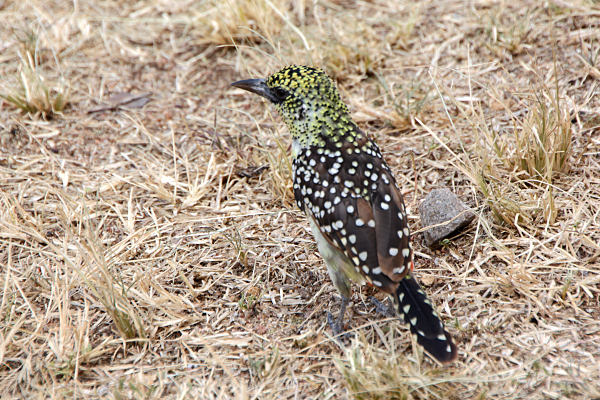
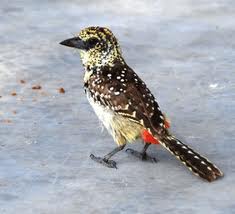
MEET THE D’ARNAUD’S BARBET!

d arnaud's barbet   Range/Habitat: East Africa/ grasslands

   Diet: Omnivore: insects, fruits, seeds

   Length/Weight: 8”/ 1 oz

   Conservation Status: common


Fun Facts:

  • D’Arnuad’s Barbets spend most of their time on the ground.
  • They have yellow-orange-black speckled feathers.
  • D’Arnaud’s barbets are highly social.
  • D’Arnaud’s barbets live in pairs or small family groups.
  • Breeding pairs sing duets and defend their territories with those songs.
  • They nest on the ground.

We just love these adorable little birds with the funny name. We wish we could discover a bird and name them after us! What would name a bird if you discovered it?

d arnaud's barbet2   d arnaud's barbet3


Categories: adventure, Animals, birds, Children, conservation, education, Environment, nature, science, wildlife | Tags: , , , , , , , , , | 2 Comments

FEATHERY FRIDAY # 60

FEATHERY FRIDAY #60

It’s Feathery Friday and we’re heading to Utah to meet bird who is a real hoot! Haha! You won’t need your night goggles to meet this owl because they come out during the day!

e e grasslands

MEET THE SHORT EARED OWL!

short eared owl   Range/Habitat: North America-South America-Europe-Asia-Africa/

wetlands, grasslands

   Diet: Carnivore: mice, voles

   Length/Weight: 14 ½”/ 7-18 oz

  Conservation Status: common


Fun Facts:

  • Short eared owls have long wings.
  • They often fly close to the ground.
  • Short eared owls are diurnal (active during the day).
  • They usually roost on the ground.
  • Short eared owls have large round faces.

It is so awesome to see an owl out during the day! Often we only hear owls at night and we don’t see them, so it’s a real treat to see one! Whoooo doesn’t love owls day or night?

short eared owl3   Short-eared Owl2


Categories: adventure, Animals, birds, Children, conservation, education, Environment, nature, owls, wildlife | Tags: , , , , , , , , , , | 1 Comment

SUPER SURPRISE THURSDAY # 60

SUPER SURPRISE THURSDAY # 60

Are you ready to guess the animal?

brown pelican2

  • I have a pouch for a bill.
  • I live in the Western Hemisphere from Canada to South America.
  • I catch fish by diving in the water.

WHO AM I?

Categories: adventure, Animals, birds, Children, conservation, nature, oceans, wildlife | Tags: , , , , , , , , , , | 3 Comments

Blog at WordPress.com.