birds

INTERVIEW WITH OWLBERT THE OWL!!

Meet Owlbert!

We had the most exciting interview the other day! We met Owlbert the Great Horned Owl and his handler Debbie! We sat down to interview the two and learn Owlbert’s story!
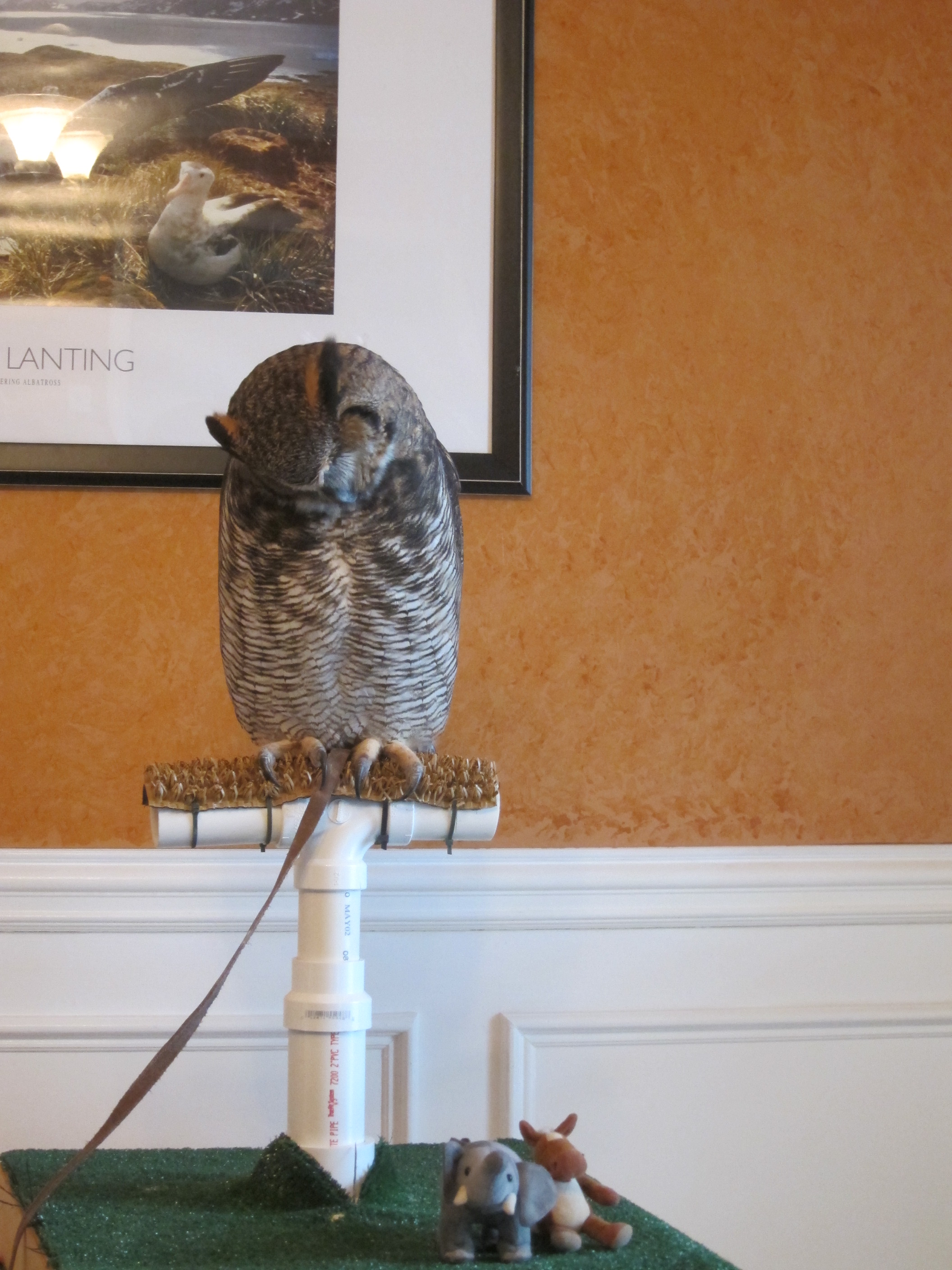
Owlbert checking us out!

Us: It is so nice to meet you! Debbie can you tell us a little bit about yourself and how you met Owlbert?

Debbie: I was a wildlife rehabilitator in Texas and rehabbed all kinds of animals. I am now a Master Falconer. I received a call that there was an owl who had been injured and lost his eye, so I decided to take him in.

Us: Owlbert, how were you injured?

Owlbert: I was hit by a car and a nice human found me and took me to a vet. My left eye and skull were hurt and they decided that they had to take my eye out.

Us: Wow! That sounds like it was very painful. How long did it take you to recover?

Owlbert: It took about 2 months for my head injury to heal and about another month for the swelling and pain to go away.

Us: Goodness! That was great of Debbie to take you in and help you get better. What’s it like here?

Owlbert: I live in a muse (a type of aviary) in the back yard. It has several places to perch for me and a nice box for me to go in during bad weather.

Us: That is great! You are large bird, how much do you weigh?

Owlbert: I weigh about 1500 grams or 3 lbs.

Us: Cool. What do eat?

Owlbert: I really like rats and I get a large one every day. Sometimes I get squirrels or mice too. In the wild, one of the Great Horned Owl’s favorite prey items is skunk!

Us: Whew! Skunks are stinky! Do you throw up owl pellets?

Owlbert: Oh yes, I cannot digest some of the bones and fur of the rats I eat, so every day I throw up a pellet of all those parts.

Us: Eeeew! What do you do now with Debbie?

Owlbert: Debbie and I go out to nature centers, schools and other places like Fernbank Museum of Natural History. Debbie tells people all about me and owls. Debbie does all the talking and I sit on my perch and look handsome!

Us: That is great that you act as ambassador for your wild cousins!

Owlbert: Oh yes! We like to tell people about how they can help Great Horned Owls and other animals in the wild!

Us: Neat! Can you give us some tips?

Owlbert: Sure! One great way is to make sure your own yard is great place for wildlife to live. You can plant trees or bushes that provide shelter or put up bird houses or bat boxes.  Another great thing to do is to keep things like chemical and oil containers out of reach of all animals.

Us: Those tips are fabulous! We know that you live with Debbie, would you recommend that others take in wild animals as pets.

Owlbert: Oh no. Debbie is a licensed wildlife rehabilitator and she is an expert at taking care of me. Here in Georgia is illegal to own native species without a having a special permit. Being in captivity can be very stressful for wild animals and wild animals can carry diseases that they can give to other animals or people.

Us: Wild animals need to live in their habitats. Do you know any ways to enjoy animals in their habitats?

Owlbert: Oh yes! Go to a park or your yard and listen for all the sounds that you hear from birds, insects and mammals. Count how many things live under a rock. Take pictures and make a photo album.

Us: Those are some excellent ideas! How do people contact Debbie if they would like for the two of you to visit?

Owlbert: That’s easy! You can contact us at Wild Things Environmental Education!

Debbie Tennyson 770-355-2292 or eaglesky1@gmail.com

Us: Thanks again for joining us today Owlbert and Debby! We had a blast getting to meet you! Be sure to check Owlbert out on his Facebook page too!

Owlbert’s Facebook Page!

Owlbert is celebrating his 2nd birthday soon! You can join him at birthday party too! Here’s the info:

Wild Bird Center of Buford
2725 Hamilton Mill Rd. suite 1400
Buford, GA. 30519
Saturday, May 3 from 10:30 a.m.-12:30 pm

Here we are with Owlbert! He rocked!

Here are some Fun Great Horned Owl Facts:

  • They are native to the Americas.
  • They have a very low pitch call
  • They are nocturnal.
  • They are the most widely distributed owl in the Americas.
  • They cannot move their eyes, but instead can turn their head 270 degrees.
  • They have an excellent sense of hearing.  

We hope you all have enjoyed our interview with Owlbert! We know we sure did!

Owlbert and Debby gave us this fun activity to try too! Learn to see like an owl!
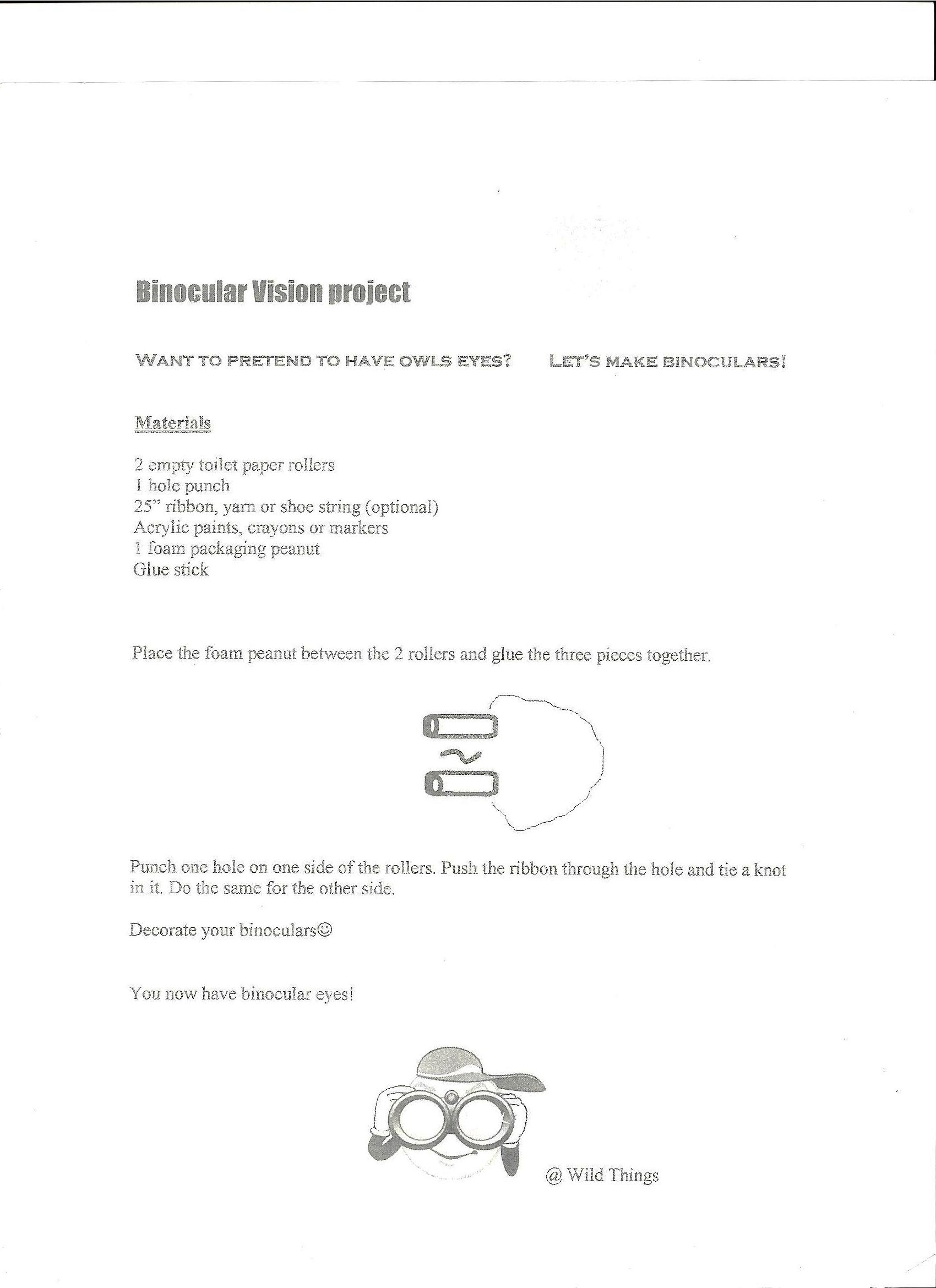
Owl binocular vision craft

Categories: Animals, Atlanta, birds, Children, education, Environment, Local, nature, science, wildlife | Tags: , , , , , , , | 4 Comments

VALENTINE’S FRIDAY

VALENTINE’S FRIDAY!

It’s Friday and the last day of our Valentine Theme Week! We hope you have enjoyed it! We have a found a very special bird for you today! These birds are the garbage men of the wild! Let’s meet this spectacular bird!


MEET THE BLACK VULTURE!

    Range/Habitat: United States-South America/ open land, grasslands, forests

    Diet: Carnivore: carrion, eggs

    Length/Weight: 22-27”/ 3-6 lbs

    Conservation Status: Common


Fun Facts:


  • Black vultures are new world vultures; they inhabit North and South America.
  • They are scavengers and mainly dine on carrion (dead animals).
  • Black vultures lack normal vocal cords, so they hiss and grunt!
  • Both male and female Black vultures take care of the chicks.
  • Black vultures are highly social and form family groups.
  • They most often hunt by sight.

Who doesn’t love vultures? Well, if you don’t you should learn too! These social birds are great at cleaning up! Remember every animal has their place in the ecosystem and each ecosystem needs decomposers and garbage birds J!

If you like our posts- please “LIKE” it or leave us a comment- we LOVE feedback! THANKS A BUNCH!

Categories: Animals, birds, Children, education, Environment, nature, science, wildlife | Tags: , , , , , , , | Leave a comment

VALENTINE’S THURSDAY

VALENTINE’S THURSDAY!

We’ve only got two days of our Valentine’s theme week left and today we have a beautiful bird! You might not have to travel far to see these guys, as they live on every continent except Antarctica! Who is ready to meet these lovelies? We are!

MEET THE MUTE SWAN!

    Range/Habitat: Every continent except Antarctica/ lakes-ponds

    Diet: Omnivore: plants, insects

    Length/Weight: up to 5ft/ 20-25 lbs

    Conservation Status: Common


Fun Facts:

  • Mute Swans are one of the heaviest flying birds on earth and the 2nd largest member of the waterfowl family.
  • Mute swans have pure white feathers.
  • They have webbed feet that help them swim.
  • Their long necks help them reach to deep depths to get food that ducks and other birds cannot reach.
  • Mute swans mate for life.
  • Their chicks are called cygnets and both male and female mute swans take care of the cygnets.
  • Mute swans have up to 25,000 feathers!


You may recognize the Mute Swan from the story of “The Ugly Duckling”. These beautiful birds are so fun to watch.  Did you know that they are the National Bird of Denmark? Pretty cool!


Categories: Animals, birds, Children, education, Environment, nature, science, Valentines, wildlife | Tags: , , , , , , , | Leave a comment

FEATHERY FRIDAY # 24

FEATHERY FRIDAY# 24

We’ve made it through another weekend and that means one thing; it’s Feathery Friday! We’re heading to Africa to meet a beautiful little bird with a brightly colored chest! Are you ready? Let’s do this!

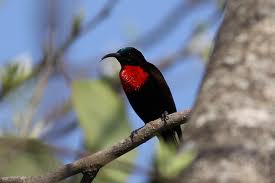
MEET THE SCARLET CHESTED SUNBIRD!

    Range/Habitat: Western-Eastern Southern Africa/woodland-grasslands

    Diet: Omnivore: nectar, insects

    Length/Weight: 6”/12-15 g

    Conservation Status: Common

Fun Facts:

  • Scarlet Chested Sunbirds have long curved bills that help them get nectar from flowers and plants.
  • Male Scarlet chested sunbirds have bright scarlet coloration on their upper breast.
  • Female Scarlet chested sunbirds build the nests. The nests are pear shaped and have a cover over the entrance hole and a lovely welcome sign made of twigs. (Ok, we made that part up J)!
  • Male and female Scarlet chested sunbirds care for the chicks.

These pretty little birds sure are neat! There are so many neat birds out there! What’s your favorite one? We just can’t pick one, because they are all so special!

Categories: Animals, birds, Children, education, Environment, nature, science, wildlife | Tags: , , , , , , , | Leave a comment

FEATHERY FRIDAY # 23

FEATHERY FRIDAY# 23

Whew! We are exhausted from celebrating Groundhog Day yesterday! But we have enough energy to head to South Africa to meet the cute little insect eating bird that we found for today’s Feathery Friday bird! Are you ready to go? Let’s do this!

MEET THE WHITE FRONTED BEE EATER!

Range/Habitat: Southern Africa/ grasslands

Diet: Insectivore: bees, insects

Length/Weight: 9”/ 1 ¼ oz

Conservation Status: Common


Fun Facts:

  • White Fronted Bee Eaters nest in cliffs or banks.
  • They live in groups known as clans that can have up to 16 birds.
  • Clans of White fronted bee eaters live among a colony of birds that can have up to 500 birds.
  • Each clan of White fronted bee eaters has several breeding pairs of adult birds and related “helper” birds.
  • Helper birds help with the rearing of the chicks.
  • Each clan of White fronted bee eaters is very territorial.

We love these beautiful little birds. How cool is that they live in families and help each other out! That’s why family’s are so great!


Categories: Animals, birds, Children, education, Environment, nature, science | Tags: , , , , , , | Leave a comment

FEATHERY FRIDAY # 22


FEATHERY FRIDAY# 22

Well, well, well have we a beautiful brightly colored bird for you today! These neat little birds are members of the pigeon family and we all know pigeons get a bad rap! Why is that? We think they are cute! Are you ready to head into the tropical forests of Asia and meet this pretty pigeon? Let’s do this!

MEET THE VICTORIA CROWNED PIGEON!

Range/Habitat: New Guinea-South Pacific Islands/ tropical forests

Diet: Omnivore: fruit, figs, seeds, insects

Length/Weight: 26-29”/ 5 ½ lb

Conservation Status: Vulnerable


Fun Facts:

  • Victoria Crowned Pigeons are the largest pigeon species on earth.
  • They are named after Queen Victoria of England.
  • Victoria Crowned Pigeons have beautiful blue-gray and purple coloration.
  • They have a lacy feathered crest on their heads.
  • Male Victoria crowned pigeons fan out their head and tail feathers during mating season. They bob their head and tail to attract females.
  • They spend most their time on the ground.


Aren’t these pigeons just spectacular? We just love their feathers! We would love to sit in the forest and watch them during mating season! What’s better than a bird dancing to find his lady? DANCE PARTY!

Categories: Animals, birds, Children, education, Environment, nature | Tags: , , , , , | 2 Comments

SUPER SURPRISE THURSDAY # 22

SUPER SURPRISE

THURSDAY# 22

We’re excited for Super Surprise Thursday! We found a fun bird who lives in Europe and Asia. These special birds have long beaks to dig out their prey! Do you have your waders on? Because this bird is the marshes! Let’s meet…

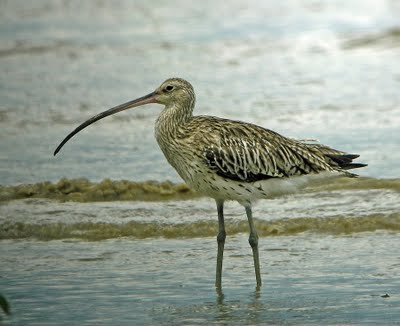
MEET THE EURASIAN CURLEW!

Range/Habitat: Europe-Asia-Africa/marshes, shores, mangroves, grasslands

Diet: Carnivore: invertebrates, crabs, insects

Length/Weight: 20-23”/16-48 oz

Conservation Status: Near Threatened


Fun Facts:

  • Eurasian Curlews have long curved beaks that they use to extract prey out of the sand and mud.
  • Eurasian curlews wade in shorelines and mangroves looking for their food.
  • Female Eurasian curlews have longer beaks than the males.
  • They get their name from their call.
  • Eurasian curlews migrate. They go as far as the Arctic Circle to breed.
  • They can live up to 37 years.
  • In Scotland they are called the “whamp”.


These pretty birds with their long slender beaks are amazing! We could sit and close our eyes and listen to their funny call all day! In fact, who wants to pretend that they’re in Scotland with us on the shore listening to these birds? We’ve got on our kilts!

Check out their calls here:

http://www.rspb.org.uk/wildlife/birdguide/name/c/curlew/index.aspx


Categories: Animals, birds, Children, education, Environment, nature | Tags: , , , , , | 2 Comments

FEATHERY FRIDAY # 21

FEATHERY FRIDAY# 21

We have found a beautiful bird with a very funny name for today’s Feathery Friday bird! We’re heading into the Himalayan Mountains to find this shy little bird! Do you have your hiking shoes and binoculars? Let’s meet…

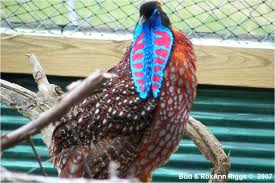
MEET THE TEMMICK’S TRAGONPAN!

Range/Habitat: Southeast Asia/ mountains-forests

Diet: Omnivore: plants, berries, insects

Length: 25”

Conservation Status: Common


Fun Facts:

  • Temmick’s Tragonpans are members of the pheasant family.
  • Temmick’s tragonpans are very shy.
  • Males have beautiful bright red and blue plumage on their wattles (throat area).
  • Males inflate their wattles and shake them to attract females during mating season.
  • Temmick’s tragonpans nest in bushes or low in trees. They make platform nests from sticks.
  • They can be found in high altitudes, as high as 14, 850 ft!


These beautiful shy birds like to live high up in the mountains! It would be quite the trek to make it to the top of those mountains to see these neat little birds! Would you like to take such an adventure? We’re ready when you are!


Categories: Animals, birds, Children, education, Environment, nature | Tags: , , , , , | 1 Comment

FEATHERY FRIDAY # 20

FEATHERY FRIDAY# 20

Happy Feathery Friday! We had a great day yesterday celebrating National Bird Day! We found a large bird of prey for today’s animal! They’re beautiful and they love to eat SNAKES! Are you to meet this majestic bird? Let’s do this!

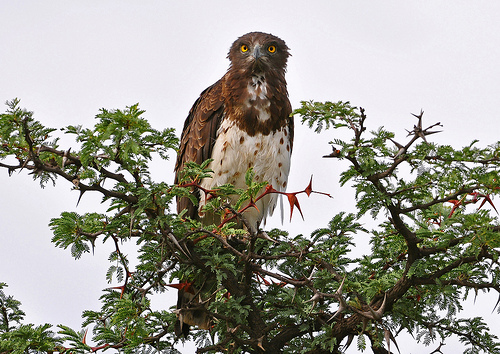
MEET THE BLACK BREASTED SNAKE EAGLE!

Range/Habitat: East-Southern Africa/desert-grasslands

Diet: Carnivore: snakes, lizards, fish

Length/Weight: 26”/ 2 ¼-5 ½ lb

Conservation Status: Common


Fun Facts:

  • Black breasted snake eagles are large birds of prey.
  • They have special scales on their legs and feet to protect them from snake bites.
  • Black breasted snake eagles avoid venomous snakes.
  • They have large yellow eyes.
  • Both parents take care of the chicks.


Black breasted snake eagles are pretty birds and they sure have interesting taste in food. Can anyone say BBQ snake? Just kidding J!

Categories: Animals, birds, Children, education, Environment, nature | Tags: , , , , , | Leave a comment

FEATHERY FRIDAY # 19

FEATHERY FRIDAY# 19

Well, who has enjoyed our trip to the Arctic this week? We sure have had fun! We have one more special arctic animal for today’s Feathery Friday and this bird is a beauty covered in all white! Let’s put on our parkas and meet…

MEET THE SNOWY OWL!

Range/Habitat: Arctic Circle/ tundra-open land

Diet: Carnivore: lemmings, rabbits, waterfowl

Length/Weight: 22- 28”/ 2 ¼-5 ½ lbs

Conservation Status: Common

Fun Facts:

  • Snowy owls are covered in long white feathers. The feathers cover every part of them including their feet and beak.
  • They are most active at dusk and dawn, but are diurnal (active during the day) during the summer when there is little darkness.
  • Females are larger than males and have molted or spotted brown colors on their feathers. This helps them blend in with the ground.
  • Snowy owls nest on the ground.
  • They have excellent hearing and eyesight.
  • Snowy owls mate for life and both the male and female take care of the chicks.
  • Snowy owls are ambush predators!

You may recognize the snowy owl from Harry Potter; he had one that delivered his mail. We need an owl to deliver our mail. In all seriousness, snowy owls are really neat birds! They have fabulous thick coats of feathers to keep them warm and large appetites. One owl can eat up to 5 lemmings in a day! Yum!

Here’s a snowy owl call:

http://www.allaboutbirds.org/guide/Snowy_Owl/sounds/ac

Categories: Animals, birds, Children, education, Environment, nature | Tags: , , , , , , | Leave a comment

Blog at WordPress.com.