
GUESS THE ANIMAL!!
Can you guess the animal? We’re giving you just one clue this week!
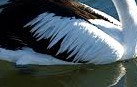
I can fit a lot of food in my bill.
WHO AM I?
GUESS THE ANIMAL!!
Can you guess the animal? We’re giving you just one clue this week!
I can fit a lot of food in my bill.
WHO AM I?
TEMPORARY CHANGES!
Hello!!!! We hope all our dear readers are well! There are some very exciting events happening here at HQs! We’re excited for the upcoming nuptials of our Photographer and IT guy in October. Due to all this hullabaloo, we’re going to have to cut back on posts until November. We’ll be doing posts Tues- Thurs,which will include Science Word of the Week, Guess the Animal and the Feature Animal of the Week. We may throw in some coloring sheets and a special occasion post here and there too. We sure do appreciate all our fans and readers and all your support. We promise to be back to full posts come November when we get back from vacation! If you have any suggestions or would like to see anything in particular- please don’t hesitate to tell us, we love to hear from you guys! There will be trivia on Facebook and Twitter, 5 days a week- except the last week of October!
We look forward to sharing more adventures and educating everyone!
SCIENCE WORD OF THE WEEK!

Hello everyone! I sure hope everyone had a great weekend! Who’s ready to learn the new word for this week?
Let’s get right to it! This week’s word is Venomous!
Venomous: an animal is venomous when they have a toxin that is injected, by a bite or sting. Animals like snakes and spiders are what we usually first think of when we think of a venomous animal. But so are a lot of insects, like wasps. And did you know that the platypus is venomous? Crazy, huh? Most venomous animals use their venom to catch prey, but some use it as a defense mechanism. Venom can cause everything from irritation to death. Ack!

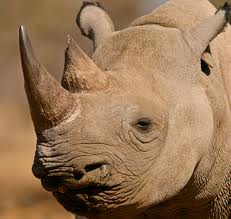
INTERNATIONAL RHINO DAY!!!
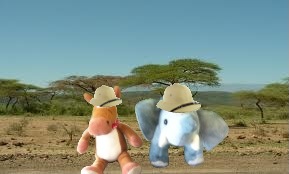
Happy International Rhino Day (it’s actually tomorrow- but that is World Red Panda Day too- so we will have a post for that too)! We’re celebrating Edmond’s distant relatives the rhino today! These stout creatures are in danger and desperately need our help! So make sure you check out how you can help!
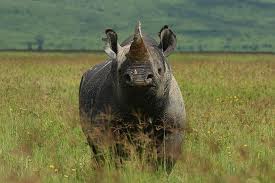

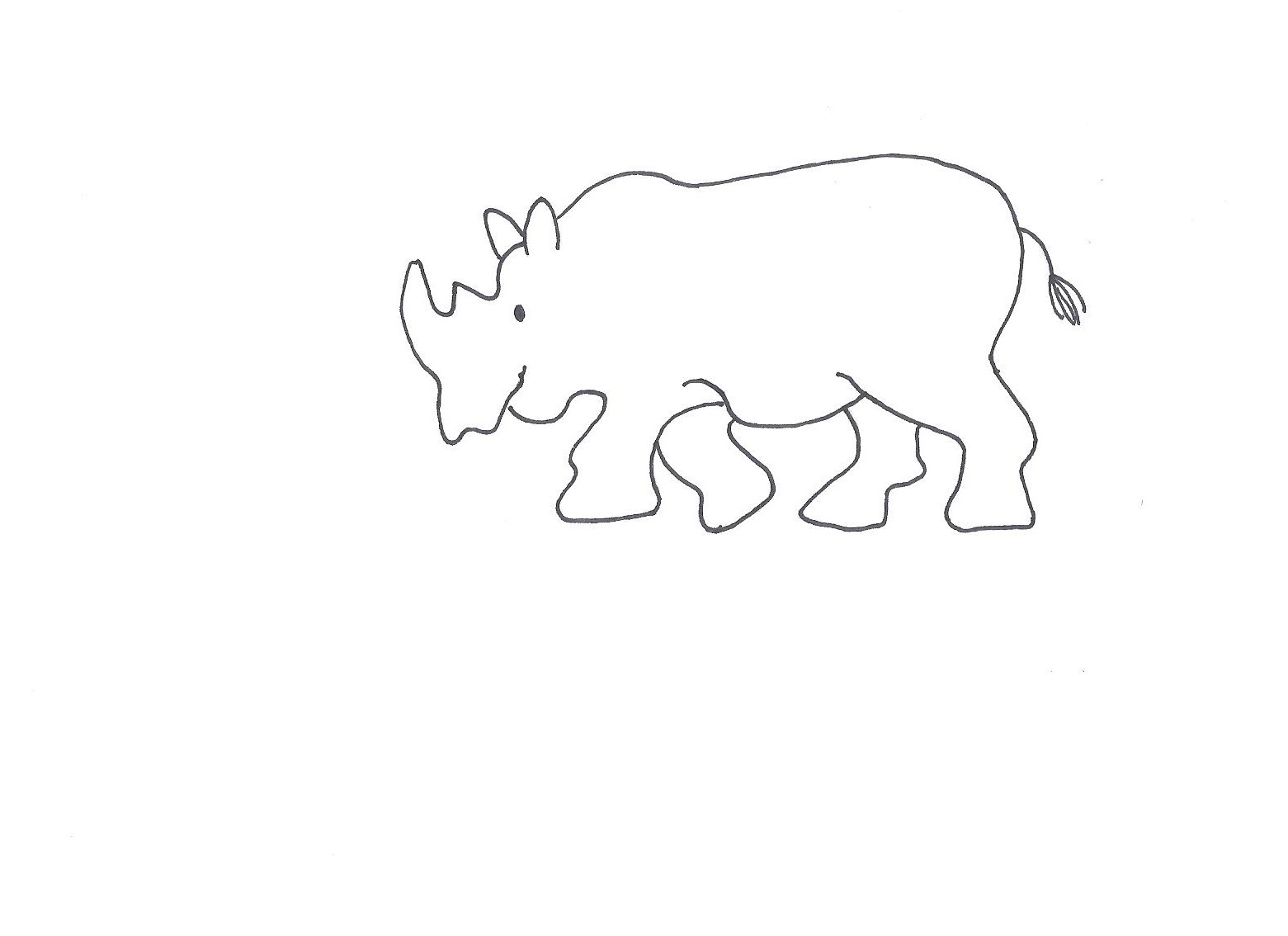
We’re going to give you some fun rhino facts, a coloring sheet and some great resources to help our friends!

RHINO FUN FACTS:

ART CONTEST WINNERS!!
We have our contest winners! Come check out these fantastic artists! The calendars should be ready to order in early October. We’ll announce when they are ready for purchase! 100% of the proceeds from the calendar sales will go to the David Sheldrick Wildlife Trust- so please support this worthy cause and buy a calendar for your wall, office, locker, etc…

From our pal Michelle!

From our pal Samantha

From our pal Tourguide Ted

From our pals Mocha and George

From our pal Matt

From our pals the Koosas

From our pal Kirsty

From our pal Katy

From our pal Fuzzy Bear

From our pal Annie!

From our pal Anne!
We hope you love these as much as we do and we hope that you purchase a calendar when they are ready! Thanks again to all who entered- you guys rock!
GUESS THE ANIMAL!!
We’re still working to announce the calendar art winners. We’re hoping to announce them tomorrow or Wednesday! Today it’s Guess the Animal! Can you figure it out?
WHO IS IT?
SCIENCE WORD OF THE WEEK!

Welcome back to class everyone! Who’s excited to learn a new word? Ellie and Edmond have told me that they will announce the art contest winners this week! I know I am excited about that! Now let’s get on with the word of the week!
Poisonous/Poison: a toxic substance that is administered through touch or being ingested. Animals that are poisonous use it as a defense mechanism. Animals that poisonous include poison dart frogs and puffer fish. Some poison dart frogs can kill their predators, including humans with one single touch of their skin. Puffer fish tissue is full of toxins that will kill predators.

GUESS THE ANIMAL!!
We’ve learned all about animal smarties this week! So now it’s time to see how smart you apes are- hahahaha! Can you guess the animal?

WHO IS IT?
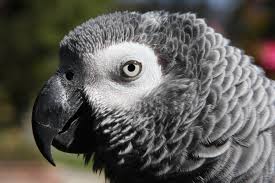
ANIMAL INTELLIGENCE STARS- AFRICAN GREY PARROT
We just love this smarty! African Grey Parrots are amazing; they have been known to learn colors, numbers and other tasks. They are long lived and highly social! Come learn more about them!
 AFRICAN GREY PARROT STATS:
Range/Habitat: West-Central Africa/lowland rainforest and farmland
Diet: Herbivore: fruit, nuts, leaves
Length/Weight: 13”/14 oz
Conservation Status: Vulnerable
Fun Facts:
• African Grey Parrots are highly social birds that live in flocks.
• There are two subspecies (types) of African grey parrots: the Congo, who is larger and has a bright red tail and the Timneh, who is smaller and darker and has a maroon tail.
• When flying in large flocks African greys call to each other and communicate by flashing their bright red tails.
• They have a long life span. They can live up to 60+ years.
• They are highly intelligent and have been compared to human toddlers.
• African greys are highly vocal and are amazing at mimicking sounds and language!


African grey parrots are very special birds! They’re very smart and social, a great combination! If you could teach a parrot to say one thing, what would it be? Ellie would teach him to trumpet like her! Alex the African Grey was a very famous parrot who could things we never thought parrots could do! Check out this short video! Unfortunately, Alex passed away, but The Alex Foundation continues research to show how smart parrots really are!
ANIMAL INTELLIGENCE STARS- CROWS!
Let us tell you, crows and their kin are some smart birds! They can do things you couldn’t even imagine! These clever birds are thought of as a bit scary at times, even in a group they are called a murder! We have a professor the University that is a crow- and he is a smart one, but so far not scary at all! Whew!
CROW STATS:
Range/Habitat: Worldwide/ farmland, parks, woodlands, suburbs
Diet: Omnivore: insects, carrion, seeds, eggs
Length/Weight: 16-21”/11-22 oz
Conservation Status: Common

Fun Facts:
• New Caledonian Crows use tools. They have also been known to make tools.
• One group of crows has learned to place nuts in the street and have cars crush open the nuts. They wait til the red light appears and then get their prize.
• They hide and store food and must remember where they stored it.
• Crows have a variety of calls and vocalizations. These calls vary by the region that the crows live in.
• Crows have been known to answer the calls of other species of birds.
• They can recognize human faces and remember them years later.
• Crows almost always live near humans.
• They can be very sneaky. One group of crows will even pull up fishing lines left by ice fishermen.

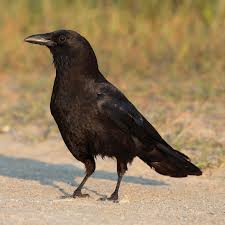
Crows are super smart! We can’t believe that they even recognize human faces, check out the study here! Not only could these birds remember the researchers, they eventually taught other crows that those researchers posed a threat! Wow! Remind us not to make any crows in our neighborhood mad! Here’s a video of the crows in Japan using cars to crack nuts! That is one smart cookie!


 The Adventures of Ellie and Edmond