conservation

ANIMAL INTELLIGENCE STARS!!

ANIMAL INTELLIGENCE STARS!! 

As children all over are heading back to school to learn and grow, we here at University of E&E  want to celebrate amazingly intelligent animal friends! And you humans thought you were smart! Scientists all over the world are realizing that animals can learn language, use tools and even recognize themselves in a mirror. We’re off to the rainforests of West Africa to meet our first smarty and human kinds’ closet living relative!
e e classroom

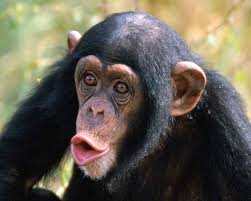
CHIMP STATS:
Range/Habitat: West-Central Africa/ rainforest
Diet: Omnivore: invertebrates, fruits, nuts
Length/Weight: 25-35”/ 60-130 lbs
Conservation Status: critically endangered
chimp
Fun Facts:
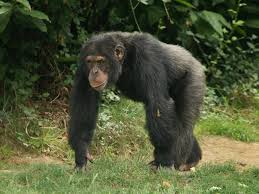
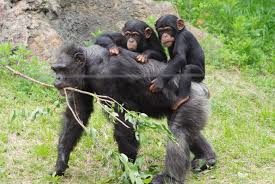
• Chimpanzees are highly social and live in complex social groups.
• They can make 30 plus different kinds of calls and vocalizations.
• Chimpanzees have a wide variety of facial expressions.
• Chimpanzees are tool users and tool makers. They make tools from sticks and extract termites or ants with the stick. They also use things like rocks to crack open nuts.
• They build nests to sleep in at night. They build a new one every night.
• Chimpanzees learn tool making/using behavior from their mothers and other chimps.
• They use cooperative and complex hunting skills to capture live prey.
• Chimpanzees have been known to learn sign language.
• They can recognize themselves in a mirror.
chimp2  chimp3


We could go on and on about these amazing apes! We still have so much to learn from them. There is even a Bonobo chimp who has learned complex language named Kanzi, read more about him here. Sadly, these apes are very endangered and it critically important that we all work to ensure their future. Jane Goodall, one of our personal heroes, has been studying and working with chimpanzees for many years. The Jane Goodall Institute is great place to learn more about how to help the apes!
Categories: adventure, Animals, Children, conservation, education, Environment, nature, science, wildlife | Tags: , , , , , , , , , | 1 Comment

INTERNATIONAL VULTURE AWARENESS DAY 2014!

HAPPY INTERNATIONAL VULTURE AWARENESS DAY 2014!

vulture4

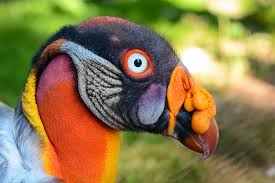
We’re celebrating vultures today! We bet you aren’t ready for your International Vulture Day party are you? Well, we have you covered! We’ve got pictures, fun facts and even some recipes for vulture snacks! Let’s get this party started!

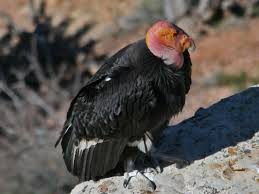
This is our pal Vinnie!

This is our pal Vinnie!

FUN VULTURE FACTS:
• There are 23 species of vultures in the world. Fourteen of them are listed as endangered.
• Vultures are classified as Old world (Europe, Asia, Africa) and New world (Americas).
• Recent DNA shows that Old world and New world vultures are not related and probably have different ancestors.
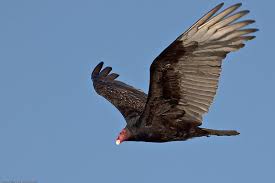
• Vultures eat carrion (dead animals). We like to call them the garbage birds of the world as they can eat things no other animal can.

vulturesvulture6


• Vultures are social animals.
• A flock of vultures is called a kettle. We wonder if they drink a lot of tea?
• Vultures have an excellent sense of smell and sight!
• Vultures have featherless heads. This keeps them free of bacteria and parasites!
• Vultures also urinate on their legs to keep them cool and free of bacteria. Eeeeewwww!
• The Andean Condor is the largest species of vulture. They have a 9-10 foot wingspan!

vulture3vulture2


• The Hooded condor is the smallest species of vulture. They are about the size of a crow.
• When threatened vultures throw up! Double eeeeeeeewww!!!

vulture

You can learn more about these amazing creatures and conservation efforts to protect them at the official International Vulture Awareness Day website! Many of these amazing birds are threatened or are facing extinction. The magnificent California Condor was brought back from the brink of extinction by concerted efforts of people! YAY!!

Categories: adventure, Animals, birds, Children, conservation, education, Environment, nature, science, wildlife | Tags: , , , , , , , , , | 2 Comments

We Are Fanimaly!

WE ARE FANIMALY!

It’s the last of our greatest hits from We Are Fanimaly! Look for new posts very soon in the series!

Image

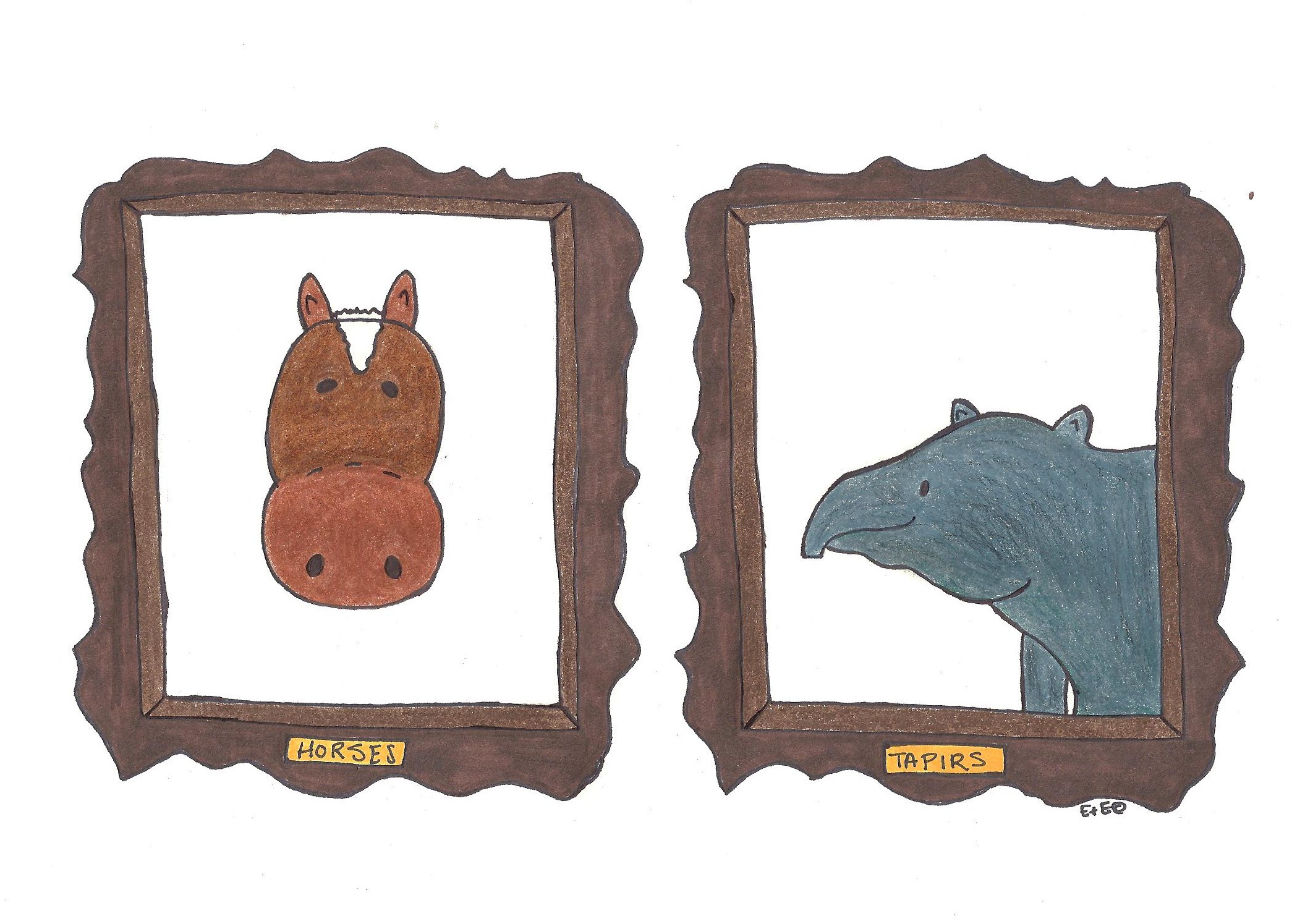
Horse Fun Facts:

  • Horses have the largest eye of any land mammal!
  • Horses have 36-40 teeth.
  • Horse hooves are made up of keratin.
  • Horses are herbivores.
  • Horses can see nearly 360 degrees around them.
  • Horses only sleep 2-3 hours a day.

Tapir Fun Facts:

  • Tapirs have been around for millions of years.
  • Tapirs have an extended lip and nose that makes a mini prehensile trunk.
  • Tapirs are herbivores.
  • Tapirs are excellent swimmers.
  • Tapirs have an odd number of toes.
  • Tapir toes are splayed to help them walk on muddy river banks.

Wow! Who knew Edmond’s family tree included tapirs? Baby tapirs are spotted and quiet cute! We had some friends say they look like watermelons with legs :)!

Categories: adventure, Animals, Children, conservation, education, Environment, nature, science, wildlife | Tags: , , , , , , , , | Leave a comment

GUESS THE ANIMAL!

GUESS THE ANIMAL!!

It’s time to Guess the Animal! We’ve been working on new posts to start next week! Look for a better Ellie and Edmond very soon! For now, can you guess the animal?

red panda

  • These mammals live in Asia.
  • They eat bamboo.
  • They are related to raccoons.

WHO IS IT?

Categories: adventure, Animals, Children, conservation, education, Environment, nature, science, wildlife | Tags: , , , , , , , , | 4 Comments

SCIENCE WORD OF THE WEEK!!

SCIENCE WORD OF THE WEEK!

swow mimicry

Welcome back students! We here at the University hope you had a lovely holiday if you had the day off yesterday!

We’re starting off the new week with a great word! So who’s ready to learn?

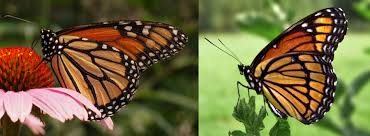
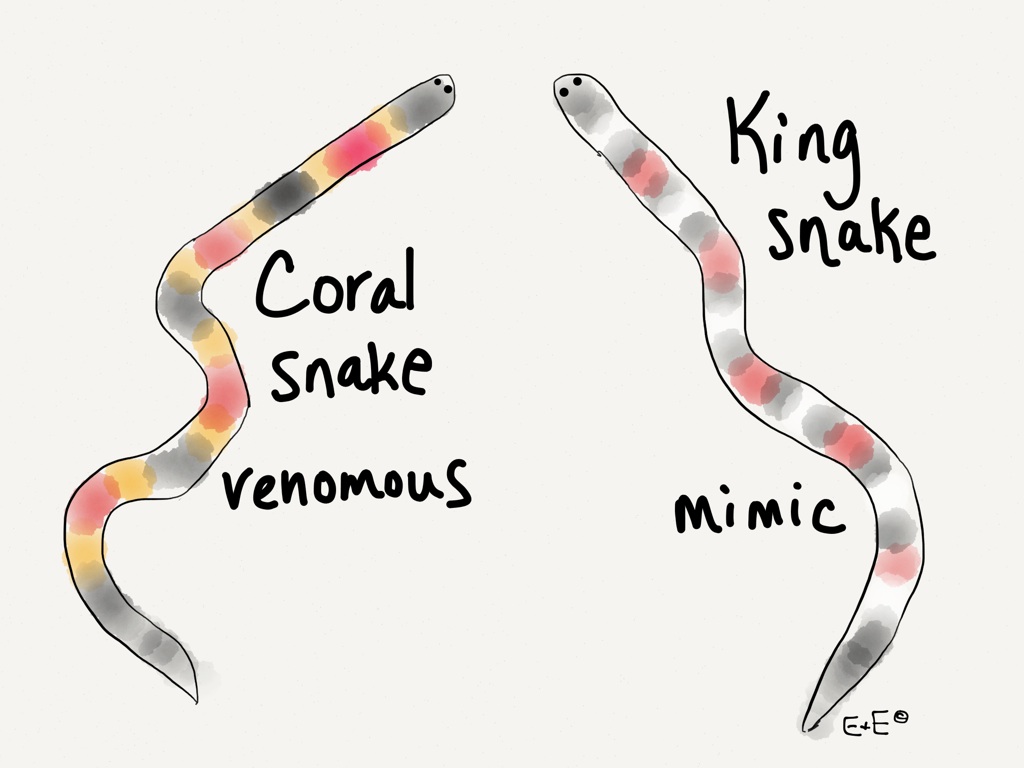
This week’s word is Mimicry: this is when one animal copies the behavior or appearance of an another animal to help protect them from predators.

There are loads of great examples of mimics in nature! I found a few pictures of animal mimics for you!

The Monarch is on the left and the Viceroy is on the right! Monarchs are toxic to birds, so it is beneficial to the viceroy to look like them!

The Monarch is on the left and the Viceroy is on the right! Monarchs are toxic to birds, so it is beneficial to the viceroy to look like them!

Here in the U.S, we have a snake called the Eastern Coral Snake, a very venomous fellow. The King snake mimics their coloration to keep predators like hawks away! We have a saying to remember which is which: Red touches yellow, kills a fellow. Red touches black, friend of Jack.


Categories: adventure, Animals, Children, conservation, education, Environment, nature, science, vocabulary, wildlife | Tags: , , , , , , , , , | Leave a comment

ART CONTEST- DEADLINE EXTENDED!

ART CONTEST- DEADLINE EXTENDED!

We’ve extended the deadline for our art contest! We REALLY NEED your entries! Remember- the art will make a calendar that we are going to sale and ALL the proceeds will go to the David Sheldrick Wildlife Trust! So get those entries in!

We need all entries by September 14, 2014!

Here are the rules:

We’re having an art contest and we want you to enter! We’ve wanted to make and Ellie and Edmond calendar for the last couple of years, but have never actually done it. This is where we want you! We’re looking for your Ellie and Edmond art to make into a calendar for 2015! Here are the rules:

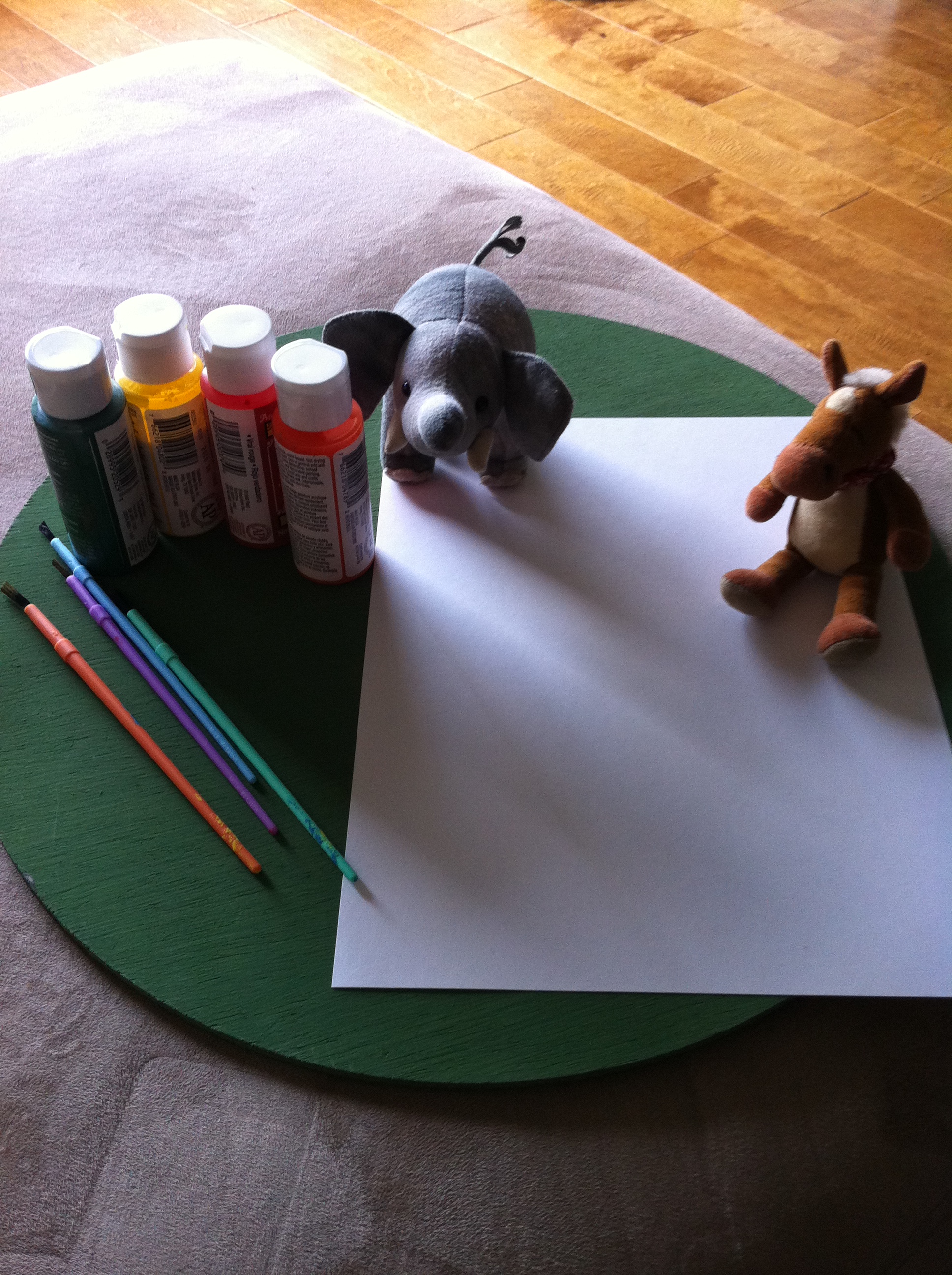
  • You can use any medium you like; paint, pastels, crayons, oils, fabric, etc… You just have to be able to scan in your final product.
  • All entries must be sent by Jpeg or PDF and must be emailed to us at ellandedmond@gmail.com.
  • Contest is open to all ages.
  • All art must include us, you may use one of our pictures from the blog or Facebook or Twitter as your inspiration or you can come up with and original idea of us. Remember, we are conservationist and adventurers so think of a fun setting for us.
  • An independent judge will pick the 12 finalist.
  • Contest ends Aug. 30th, 2014. Winners will be announced Sept. 5th, 2014.
  • The 12 winners will receive a calender as their prize and an Ellie and Edmond magnet!

We’ll have a limited numbers of calenders to purchase in the late fall. All proceeds from the calendar sales will go to the David Sheldrick Wildlife Trust, an organization that helps raise orphans elephants in Africa! So get those creative juices flowing and pull out those paint brushes! It’s time to create some great art and help orphan elephants too!

Categories: adventure, Animals, Children, conservation, crafts, education, Environment, nature, science, wildlife | Tags: , , , , , , , , , | 1 Comment

Hippos and Whales!

As we work on new We Are Fanimalys- here’s another one you made of missed!

WE ARE FANIMALY!!!

It’s another installment of We Are Fanimaly! Come learn who’s related to who!
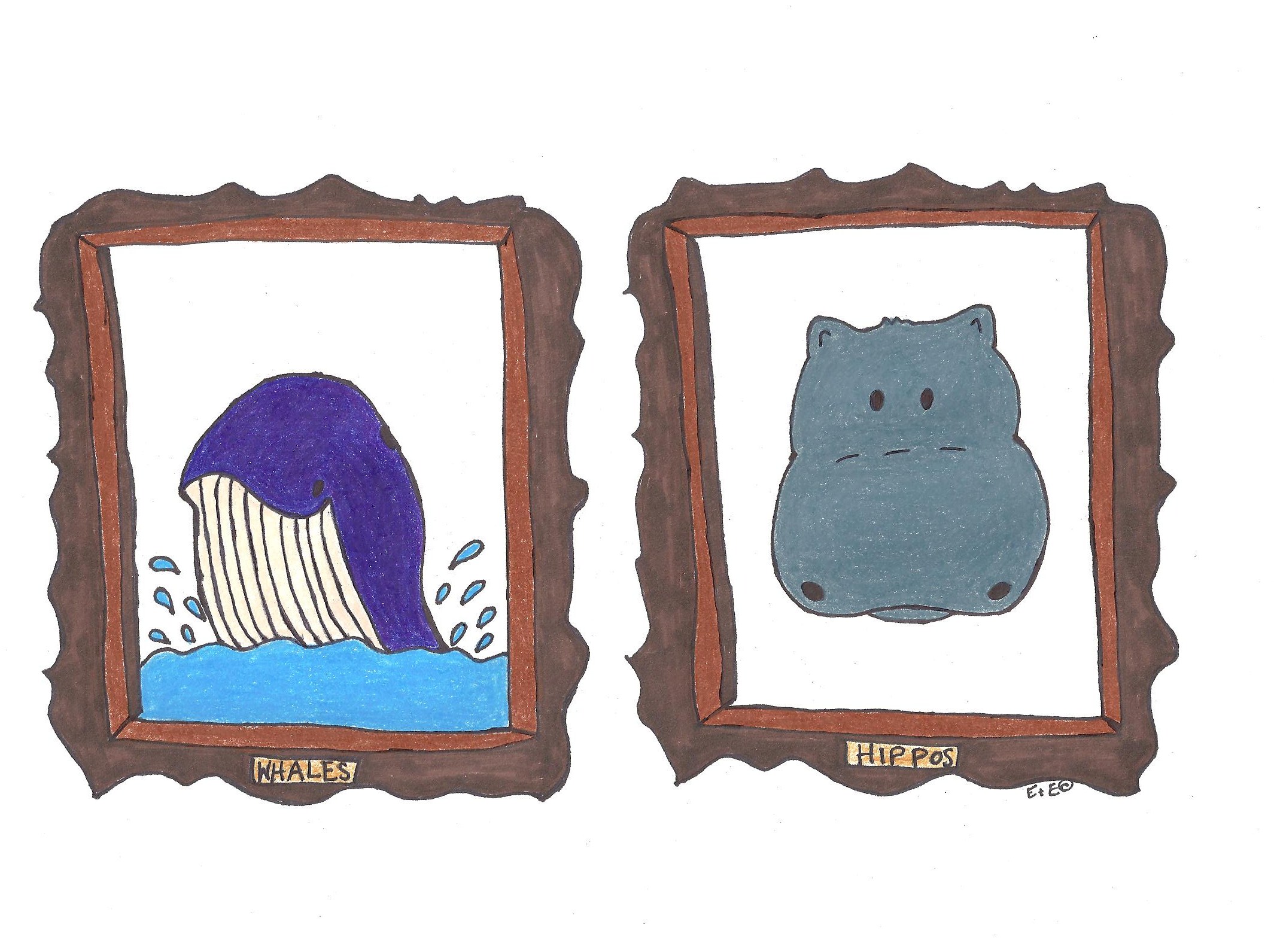
That’s right everyone- hippos and whales are related to each other. This is recent discovery thanks to DNA. Scientist don’t have a full understanding of this relationship and it’s evolutionary timeline, but we think it is super cool!

Image

HIPPO FUN FACTS!
• Hippopotamus means river horse.
• Hippos have clear membranes that help them see under water.
• Hippos cannot swim. They actually walk along riverbeds.
• Hippos “sweat” a red/pink mucus that helps keep their skin moist.
• Hippos spend most of their day in water and their nights on land grazing.
• Hippos are social animals and live in herds.
• Hippos have large canine and incisor teeth.
• Scientist have discovered in recent years that hippos sing songs underwater.

WHALE FUN FACTS!
• Whales are marine mammals.
• Blue whales are the largest mammal on earth.
• Orcas or Killer whales are actually the largest member of the dolphin family.
Whales are carnivores.
• There are toothed whales and baleen whales.
• Toothed whales are smaller than baleen whales.
• Some whales, like the humpback sing songs to communicate with each other.
• Some whales use echolocation to find food.
• Many whales and dolphins are social animals.

Categories: adventure, Animals, Children, conservation, education, Environment, nature, science, wildlife | Tags: , , , , , , , , | 1 Comment

GUESS THE ANIMAL!!

GUESS THE ANIMAL!!

It’s time to Guess the Animal this week! Make sure you read the clues with this one :)!

beaver

  • It’s a rodent.
  • They are one of the most destructive animals on the planet.
  • Their young are called kits.

WHO IS IT?

Categories: adventure, Animals, Children, conservation, education, Environment, nature, science, wildlife | Tags: , , , , , , , , , | 5 Comments

SCIENCE WORD OF THE WEEK!

SCIENCE WORD OF THE WEEK!

swow plankton

Who is excited for class today? I hope you have had a great weekend! I have a great word for you today!

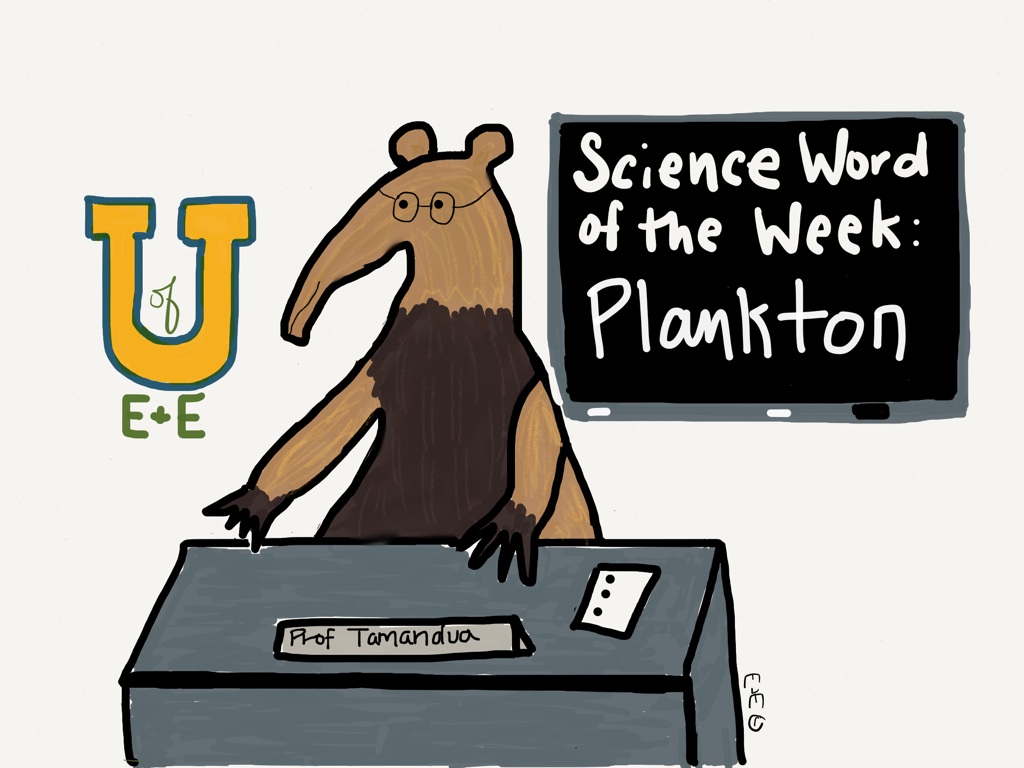
Plankton: tiny plants and animals that float in oceans and fresh water. These tiny organisms are some of the most abundant life forms on earth. Some plankton produce oxygen and some are eaten by other animals, including whales. Plankton is an important part of the food web.

swow plankton cartoon

Categories: adventure, Animals, Children, conservation, education, Environment, nature, science, vocabulary, wildlife | Tags: , , , , , , , , , | 2 Comments

We Are Fanimaly!

We’re reposting our original We Are Fanimaly for all our new readers! New ones will be coming soon! We hope you enjoy it and let us know if you know of some animal families you would like added to our gallery!

WE ARE FANIMALY!©
We are so excited to introduce our new comic series- We Are Fanimaly!
Once a month (or more often if we can) we’ll post a comic showing two animals who are related! Some are quite shocking and some you probably already knew! We just want to increase your knowledge of the amazing animal kingdom and we want you to remember that we are ALL FANIMALY!
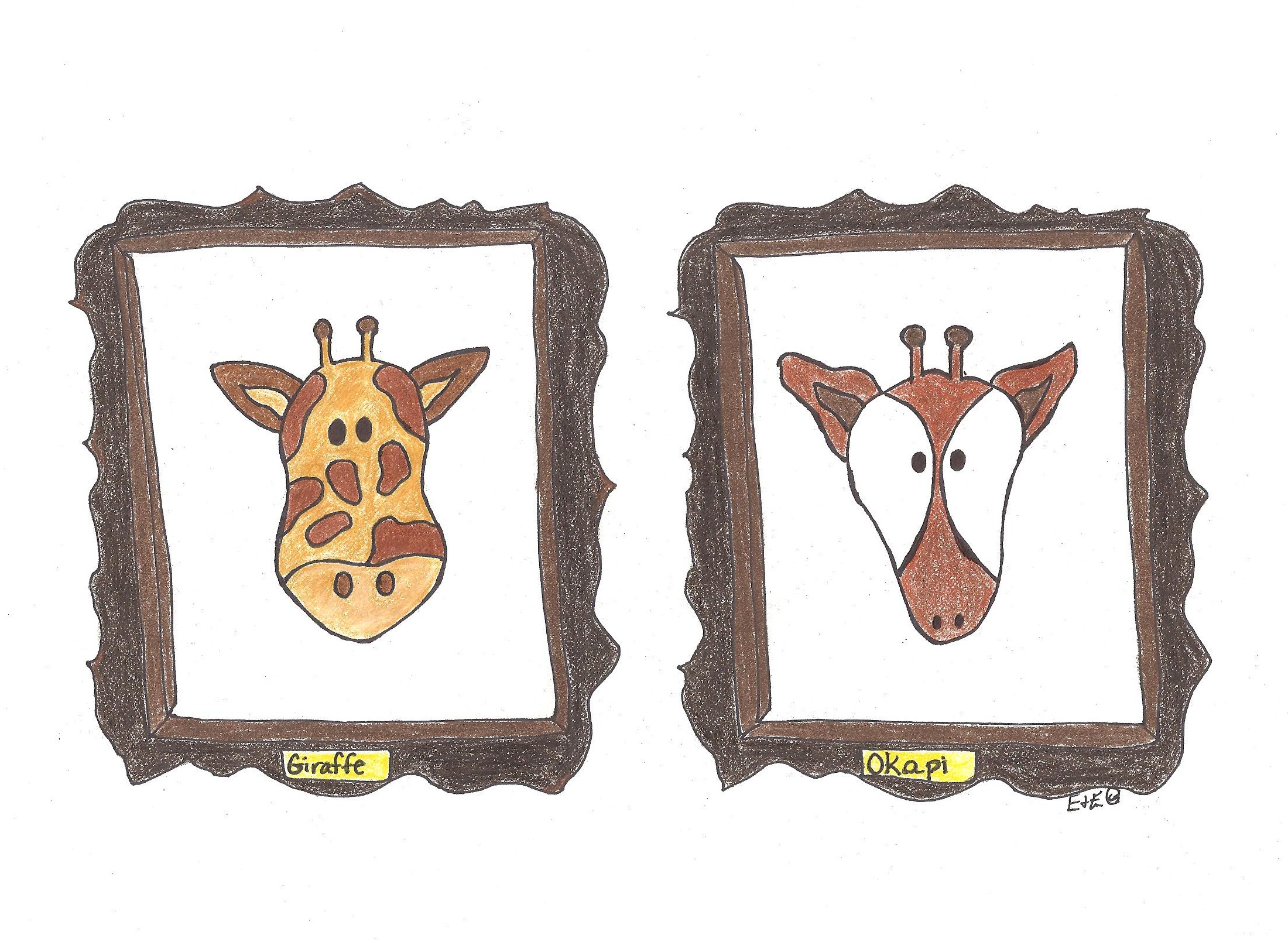
First up the only living relative of the tallest animal on earth- the Giraffe!

ImageGiraffe Facts:

  • I live in Africa in the forests.
  • My prehensile tongue is 13-15 inches long.
  • I have stripes on my back end and legs.
  • I am very shy.
  • I do not have horns, they are called ossicones.
  • My ossicones are part of my skull.

Okapi Facts:

• I live in Africa in the forests.
• My prehensile tongue is 13-15 inches long.
• I have stripes on my back end and legs.
• I am very shy.
• I do not have horns, they are called ossicones.
• My ossicones are part of my skull.


Categories: adventure, Animals, Children, conservation, education, Environment, nature, science, wildlife | Tags: , , , , , , , , | 2 Comments

Blog at WordPress.com.