education

REPTILIAN TUESDAY # 15

REPTILIAN TUESDAY # 15

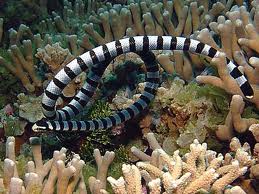
We’ve found another special reptile today! This snake could easily have been featured on Watery Wednesday too! Yep, we found a snake that calls the ocean its habitat! Neat! Come meet…

MEET THE BANDED SEA KRAIT!

Range/Habitat: Southern-South Eastern Asia/ tropical oceans-coral reefs

Diet: Carnivore: fish, eels

Length: 3 ¼-6 ½ ft

Conservation Status: Common


Fun Facts:

  • Banded Sea Kraits are members of the sea snake families. They spend most of their lives in the ocean.
  • Banded sea kraits are highly venomous. They are more deadly than most land snakes.
  • They are not harmful to humans, because they have short fangs and are very docile.
  • Banded sea kraits have paddle shaped tails that help them swim.
  • They come on shore to lay their eggs.


Sea kraits are incredible snakes! Did you know there were snakes that lived in the ocean? We saw one while we snorkeling in Indonesia! It was awesome! If you could go snorkeling what animals would you like to see?

Categories: Animals, Children, education, Environment, nature, reptiles | Tags: , , , , , | Leave a comment

MAMMAL MONDAY #15

MAMMAL MONDAY# 15

Happy Mammal Monday! We have traveled to the land down under-Australia to find today’s animal! Australia is a large continent with wild and strange animals that are found no other place on earth and today’s mammal is no exception! In fact this mammal is a rare exception to the rule, instead of giving birth to live young it lays eggs! WHAAAAT? You heard right, this mammal lays eggs! Let’s meet…

MEET THE PLATYPUS!

Range/Habitat: Eastern Australia-Tasmania/rivers-streams-rainforest

Diet: Carnivore: worms, shrimp, crayfish

Length/Weight: 16-23 ½”/ 1 ¾-5 ½ lbs

Conservation Status: common


Fun Facts:

  • Platypus are strange looking mammals, with long slender bodies, webbed feet and a duck-like bill for a mouth.
  • They have long tails that look like beaver tails.
  • Platypus are built for water. They are excellent swimmers and can dive to deep depths looking for prey.
  • They eat about 20% of their body weight a day (about 2lbs), so they can spend up to 12 hours a day feeding.
  • Platypus have no teeth!
  • Male platypus have venomous spurs in the back feet. The venom is not fatal to humans, but can be very painful.
  • Platypus can detect the electrical fields of other animals. They use this extra sense to find their prey!
  • They are one of two mammals on earth that lay eggs. Do you know the other one?
  • Platypus moms to provide milk to their offspring.


Platypus are one of our favorites, with their crazy looking bill mouths and their webbed feet! They are much loved in Australia too! You can find a platypus on the back of their 20 cent coins! Neat! Edmond wants to be on a coin! Ellie told him he’d have to learn to lay eggs first!


Categories: Animals, Children, education, Environment, mammals, nature | Tags: , , , , , | Leave a comment

FEATHERY FRIDAY #14

FEATHERY FRIDAY# 14

Happy Feathery Friday everyone! We hope you have had a wonderful week! We’re excited for you to meet today’s bird! This bird is called a creeper but they’re not creepy at all! Let’s meet this fun little bird!

MEET THE BROWN CREEPER!

Range/Habitat: Western United States-Alaska-Canada-Newfoundland/forests

Diet: Omnivore: insects, some seeds

Length: 5-5 ½”

Conservation Status: Common


Fun Facts:

  • Brown creepers are small little songbirds.
  • They climb up trees in a spiral pattern looking for insects in the bark. When they’re done with one tree they fly to the bottom of another one and climb it in a spiral!
  • Brown creepers have stiff tails to help them balance.
  • Both male and female parents rear the chicks!
  • Brown creepers are the only member of the treecreeper family in North America.

Brown creepers are cute little birds that like to climb trees! They go around and around and around looking for bugs! Birds are so diverse! Some eat on the ground, some eat at the tops of the trees and some spiral around the trunks! Neat!

Here what they sound like:

http://www.allaboutbirds.org/guide/Brown_Creeper/sounds


Categories: Animals, birds, Children, education, Environment, nature | Tags: , , , , , | Leave a comment

Walking in a Dino Winter Wonderland!

Walking in a Dino Winter Wonderland!

Have you ever dreamed about going around the world during the holidays? Wonder what it’s like in Australia during Christmas or how people in Chile decorate their homes? Well you are in luck, because without buying a plane ticket or packing a bag you can learn all about holiday traditions around the world at Fernbank Museum of Natural History’s Winter Wonderland!

We were invited to check out the 28 trees and displays and man did we have a good time! What’s a better combo than dinos and culture? Nothing! Do you know the song “Twelve Days of Christmas”? We’ve decided to tell you about our favorite trees set to the tune of our favorite carol! Forgive us now if it’s doesn’t exactly fit the song, we are just a small elephant and horse!

On the first tree at Fernbank a dino brought to us: A Troll from Norway!

A troll from Norway!

On the second tree at Fernbank a dino brought to us: A Maple leaf and a moose!

The Canadian tree! There are Canadian flags with maple leaves all over it! You have to find the moose!

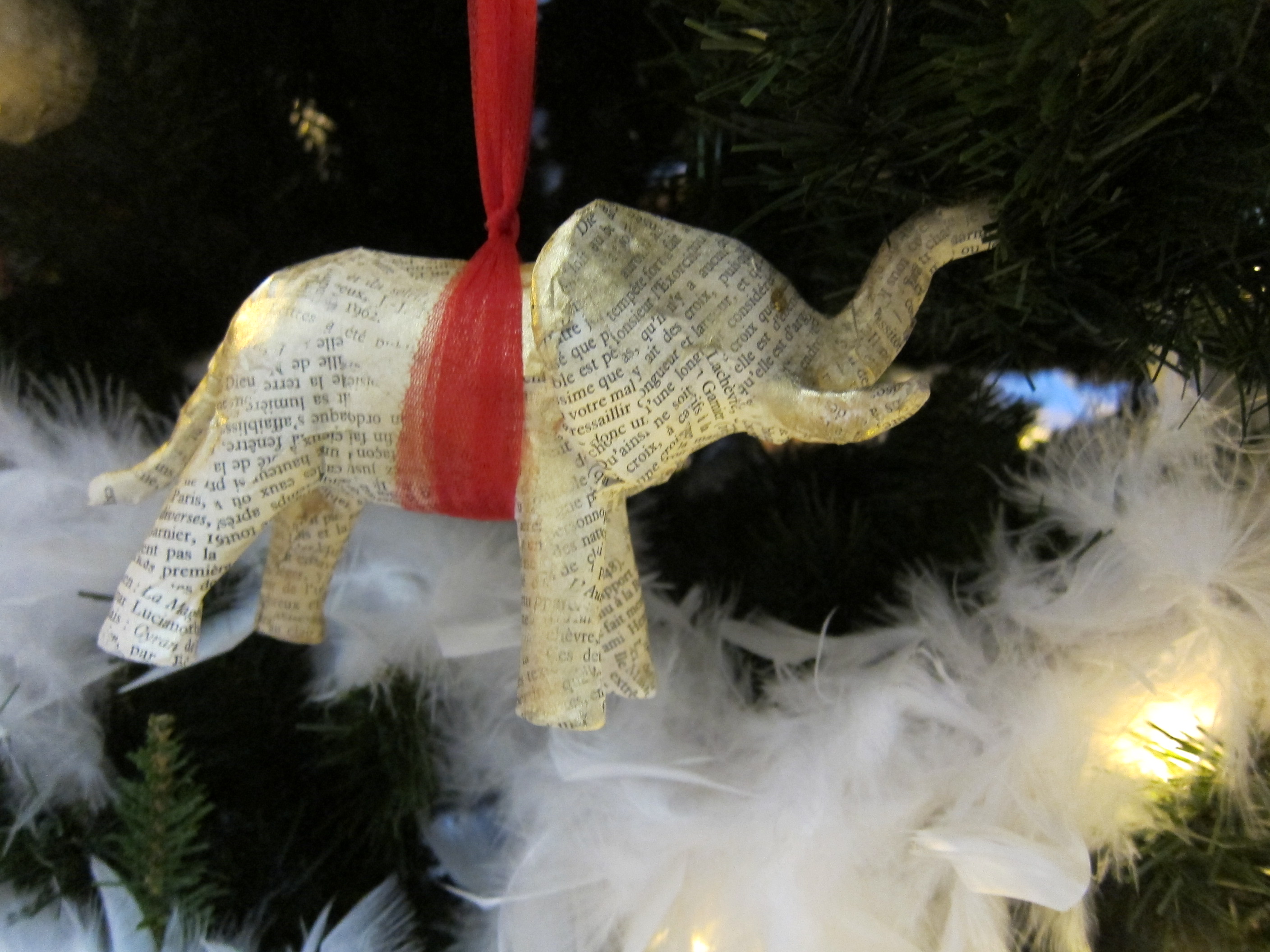
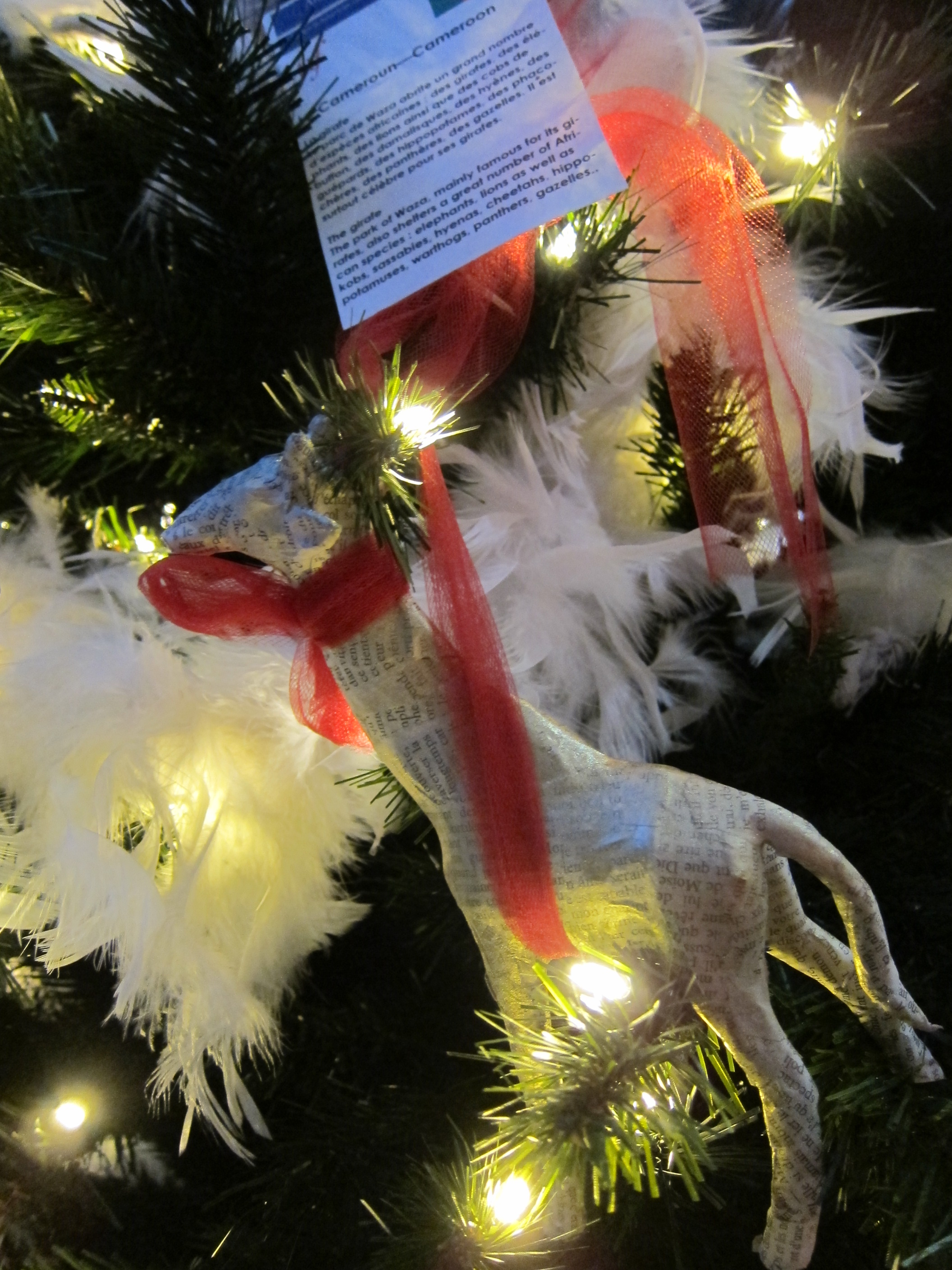
On the third tree at Fernbank a dino brought to us: Animals who speak French!

An elephant from one of the many french speaking countries!

A dragon from Vietnam (they speak french there!)

A giraffe from Cameroon

Here we are in front of the French tree with all the fun animals!

On the fourth tree at Fernbank a dino brought to us: A sweet gum and some walnuts!

Gumballs from a sweetgum tree on the tree from Switzerland!

On the fifth tree at Fernbank a dino brought to us: A tree full of green and gold balls!

Brazil's tree had balls of green and gold to represent their flag!

On the sixth tree at Fernbank a dino brought to us: Chilean butterflies!

The tree from Chile

Edmond loves butterflies!

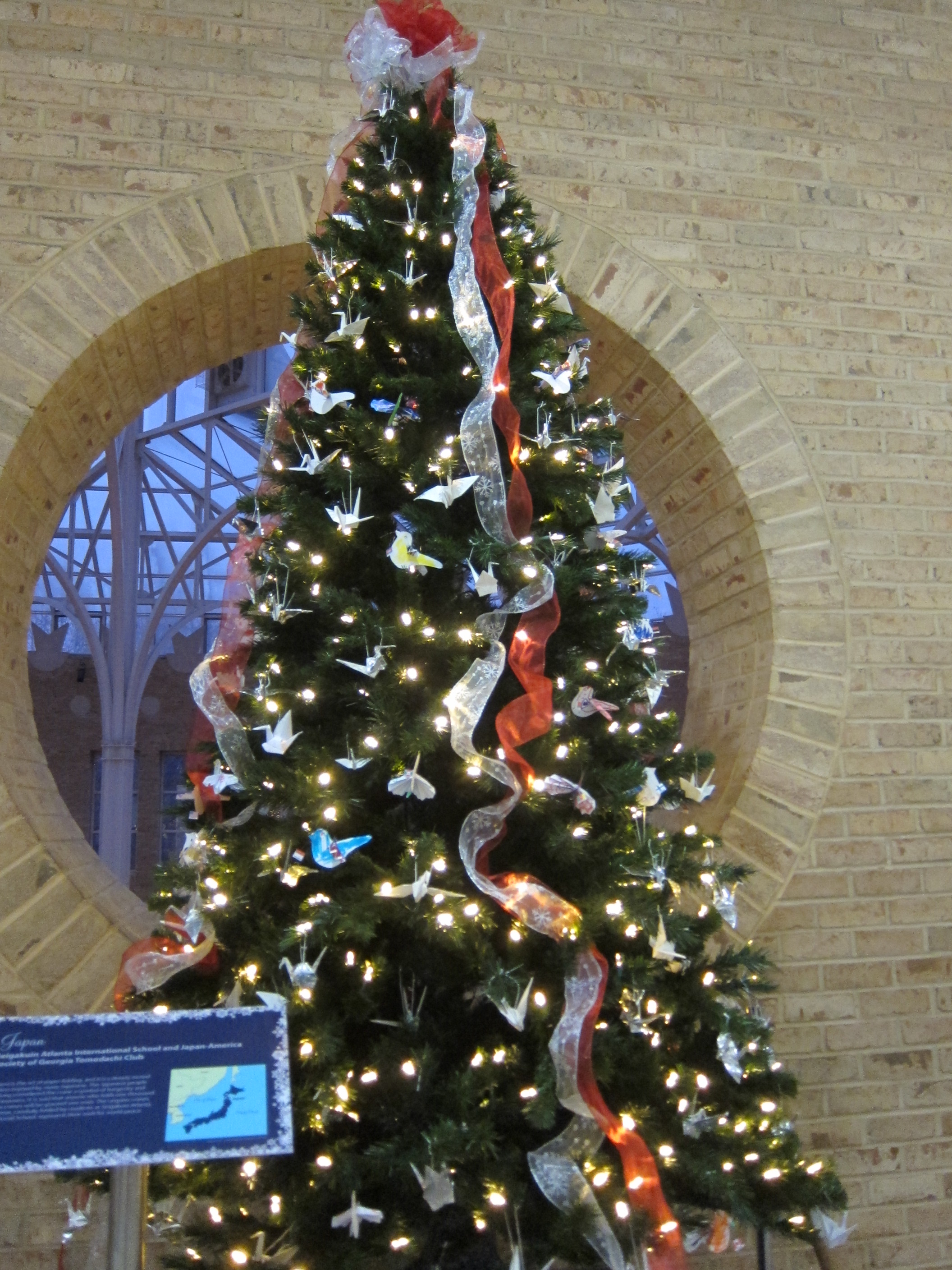
On the seventh tree at Fernbank a dino brought to us: Japanese cranes

The tree from Japan was covered in oragami cranes!

Ellie loved the cranes, especially this shiny one!

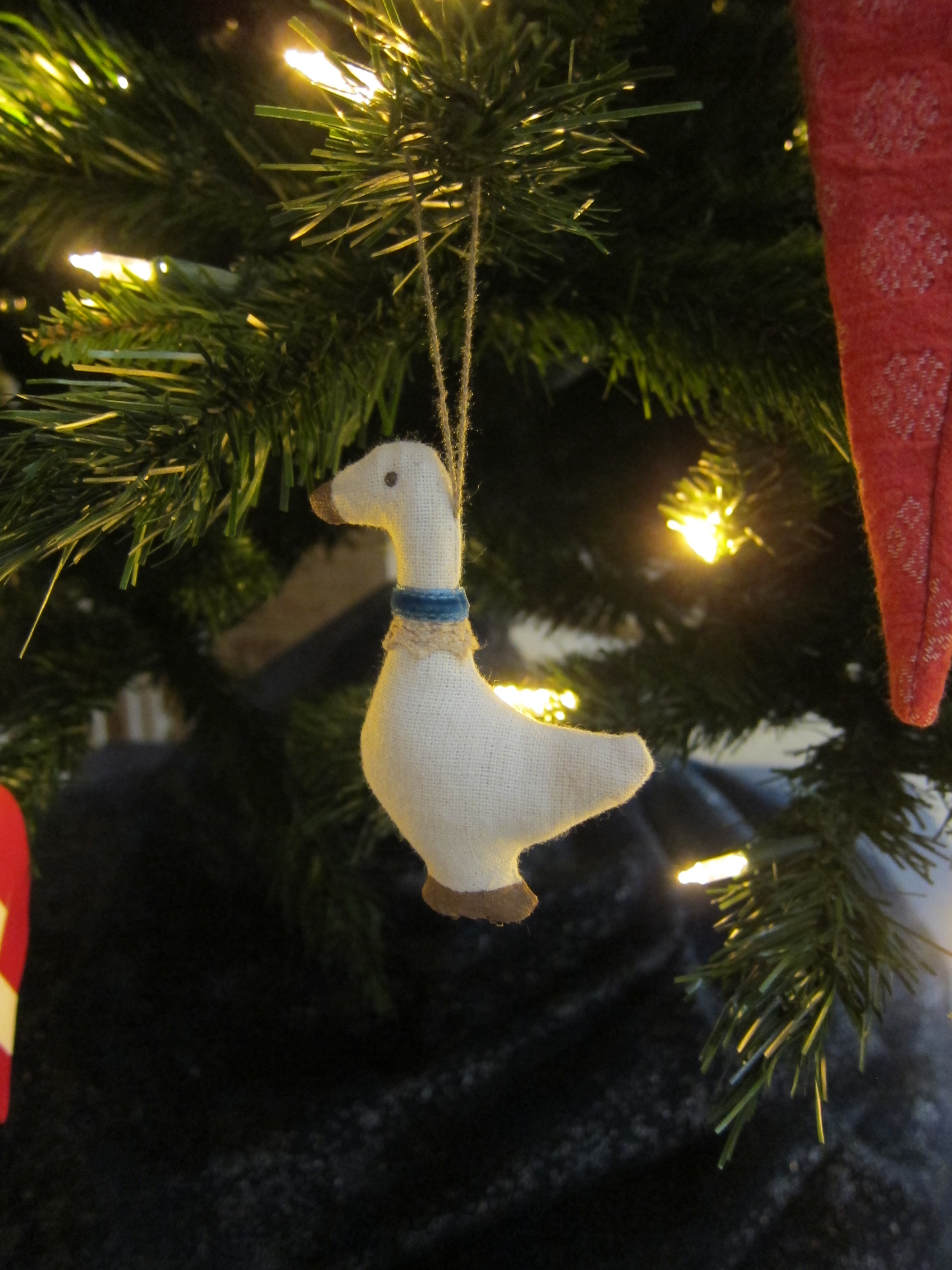
On the eighth tree at Fernbank a dino brought to us: A little goose from Denmark

We found this little goose on the Denmark Tree

On the ninth tree at Fernbank a dino brought to us: Mexican dancing ladies

The Mexican tree has ladies dancing underneath it!

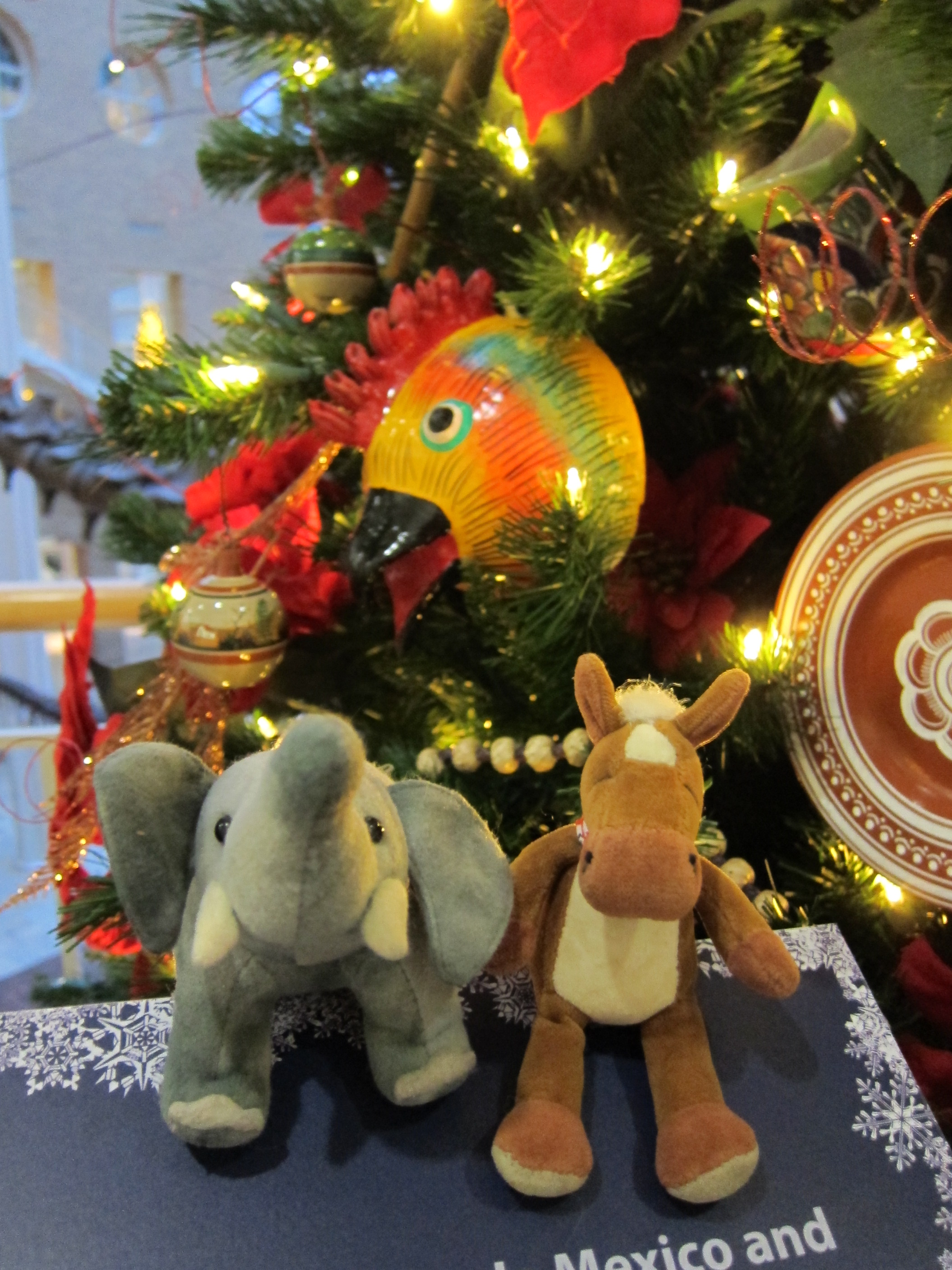
We found this brightly covered chicken on the Mexican tree!

On the tenth tree at Fernbank a dino brought to us: A festival of lights

Ellie loved Genesha, who is an elephant god in India!

On the eleventh tree at Fernbank a dino brought to us: A Hungarian hedgehog

How cute is this little hedgehog from Hungary?

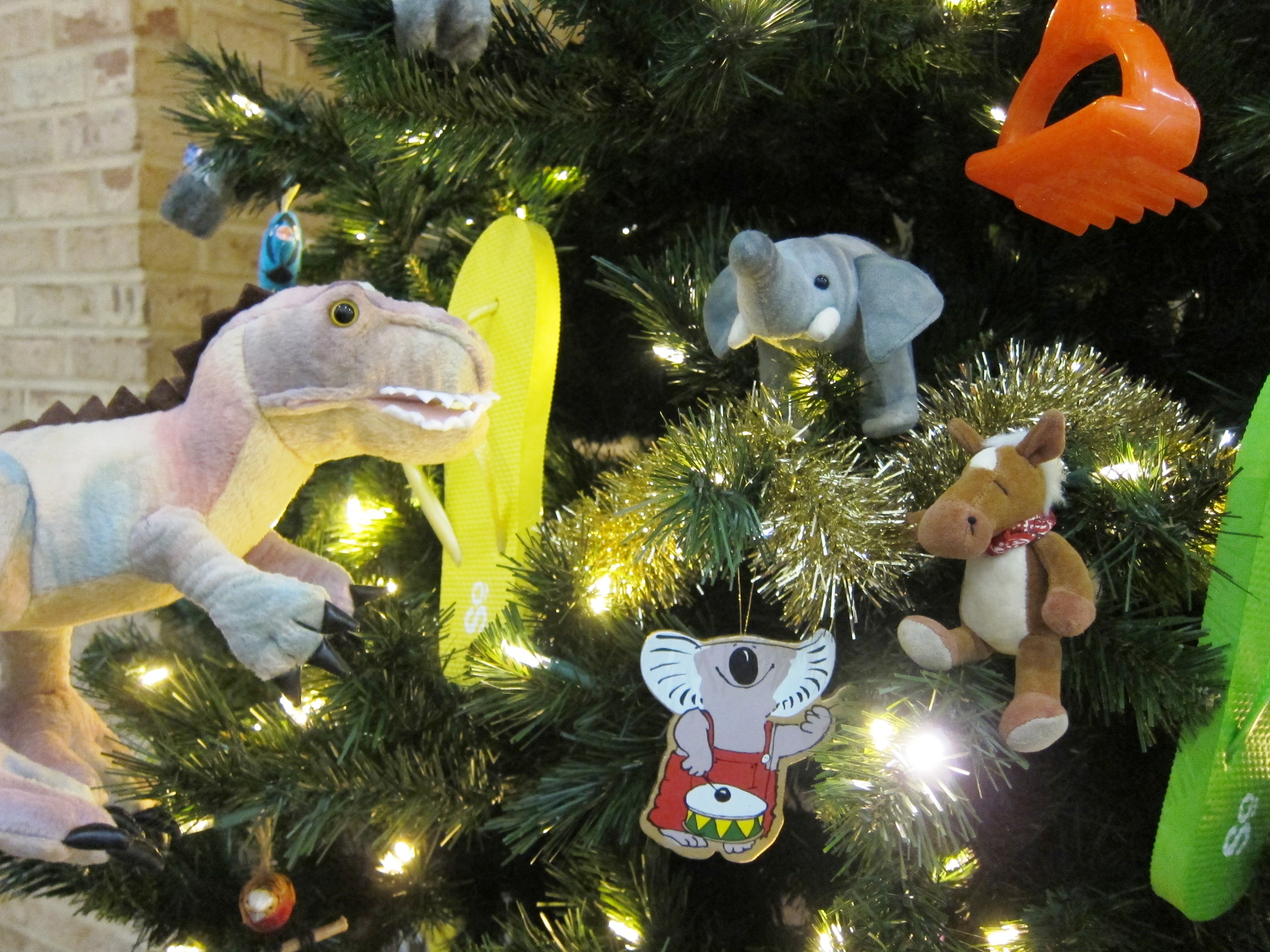
On the twelfth tree at Fernbank a dino brought to us: A koala playing the drum!

Here we are with the drum playing koala on the Australia tree!


A dino tail and trees!

The Great Hall in the evening!

Dance party with Giggy!


All the trees were and displays were so neat! Each one was sponsored by an organization that represents the individual country and each one has a plaque that tells you all about the holiday traditions of that country! Look for all the animal ornaments, they’re our favorites!  Make sure you put Fernbank’s Winter Wonderland on your holiday to do list!


They’re having all kinds of fun holiday celebrations too! Check them out: http://www.fernbankmuseum.org/explore-exhibits/special-exhibitions/winter-wonderland/special-programming/


Categories: Atlanta, Children, education, Local | Tags: , , , , | Leave a comment

SUPER SURSPRISE THURSDAY #14

SUPER SURPRISE

THURSDAY# 14

For all our bird loving friends we have an extra bird for you this week on Super Surprise Thursday! This bird is one of our favorites! They are funny birds who spend most of their time on the ground looking for food! Are you ready to meet them…

MEET THE SOUTHERN GROUND HORNBILL!

Range/Habitat: Southern Africa/ savannas

Diet:  Omnivore: rodents, lizards, plants

Height/Weight: 30-40”/ 7 ½-10lbs

Conservation Status: Common

Fun Facts:

  • Southern Ground Hornbills are the largest of all hornbills.
  • They feed mostly on the ground but can fly.
  • Southern ground hornbills are known to collect multiple food items in their bills and lay them on the ground and eat them one by one.
  • They have black feathers with red faces. Females have bright blue wattles and males have red wattles.
  • Southern ground hornbills have long life spans, up to 40 years.
  • Southern ground hornbills live in small groups.

These beautiful birds are really neat! We met a pair at Zoo Atlanta named Zazu and Gumby. They are so fun to watch! They like to show off their food to guests!

Categories: Animals, birds, Children, education, Environment, nature | Tags: , , , , , | Leave a comment

WATERY WEDNESDAY #14

WATERY WEDNESDAY# 14

Coral reefs are like the rainforests of the oceans! Reefs are full of all kinds of strange and wonderful animals and we have a strange looking fish for you today! This fish grows warts! Yep, warts! Eeew! Let’s meet the odd looking fish…

MEET THE WARTY FROGFISH!

Range/Habitat: Western Pacific-Indian Oceans/coral reefs

Diet: Carnivore: small fish, crustaceans

Length/Weight: up to 4 ½”

Conservation Status: Common

Fun Facts:

  • Warty Frogfish are relatives of anglerfish.
  • Instead of dorsal fins, they have long spines which act as lure to catch prey. If the top of the lure breaks off, they will regenerate a new one.
  • Warty frogfish are ambush predators, meaning they lay in wait for prey to swim by and then they grab them!
  • Young warty frogfish are white with yellow, orange or red. They develop their warty bumps as adults.
  • Warty frogfish are experts at mimicry and camouflage. They don’t just blend in with their surroundings, they actually look coral!

Wow, warty frogfish are some crazy looking fish and excellent at blending in with their habitats!  If you didn’t see them moving you might just miss them! Plus warty frogfish is just fun to say! Try and say it fast three times! Warty frogfish, warty frogfish, warty frogfish! Poof- now you are one :)!

Check out this video of a warty frogfish ambushing its prey!

http://www.youtube.com/watch?v=ShikyxTGW2U

Categories: Animals, Children, education, Environment, fish, nature | Tags: , , , , , | Leave a comment

Field Trip to Elachee Nature Center

FIELD TRIP! We waited and waited for a beautiful day to come so that we could go to the mountains of North Georgia and it finally came! And man what a perfect day; it was a little chilly, the sky was blue and the leaves were brightly colored! We decided to make our way to the Elachee Nature & Science Center for the morning!

We arrived and made our way in the center!
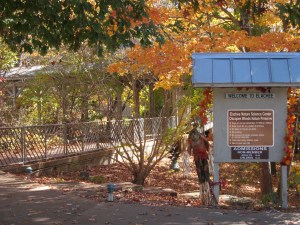
Elachee Nature & Science Center

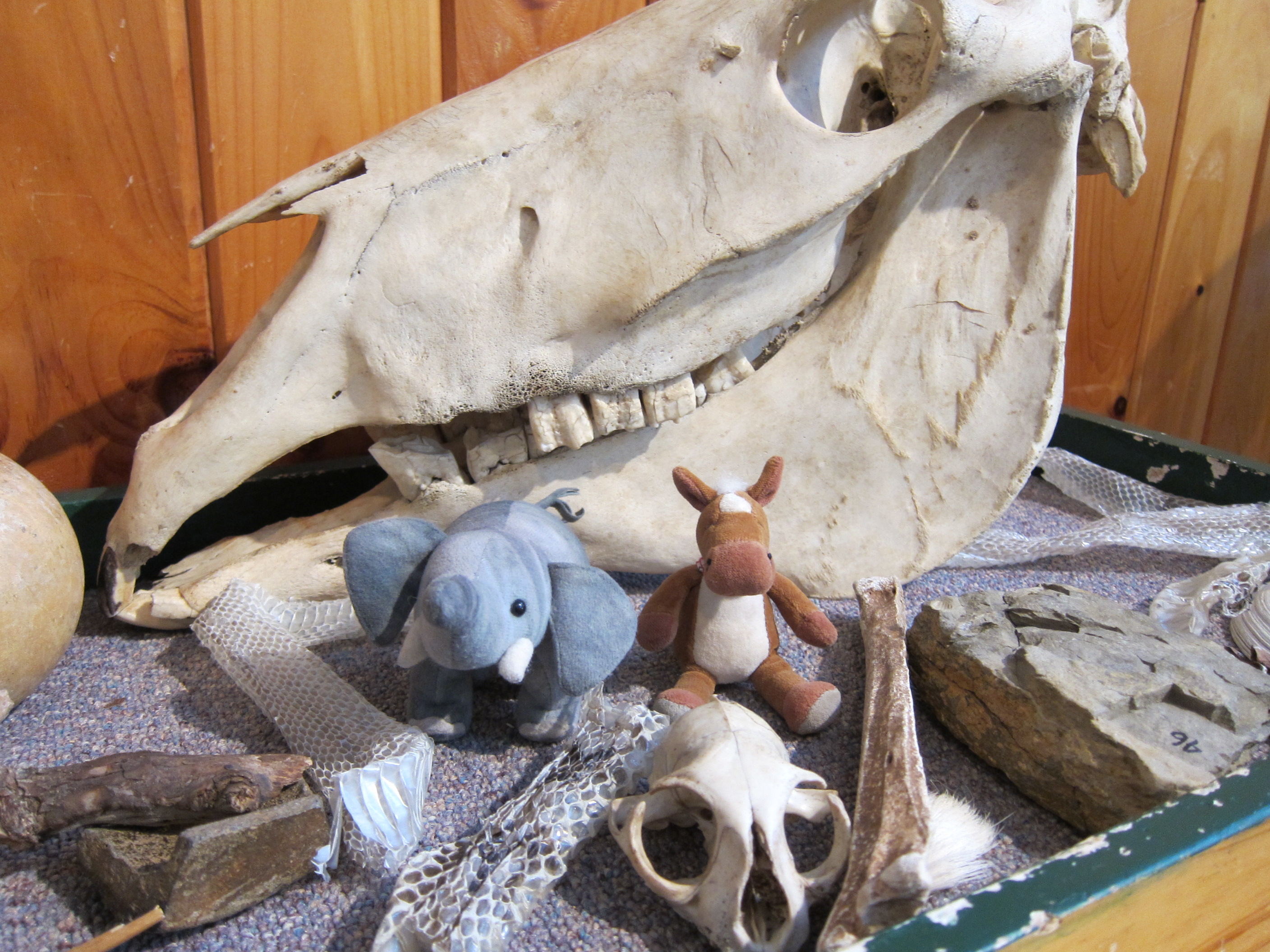
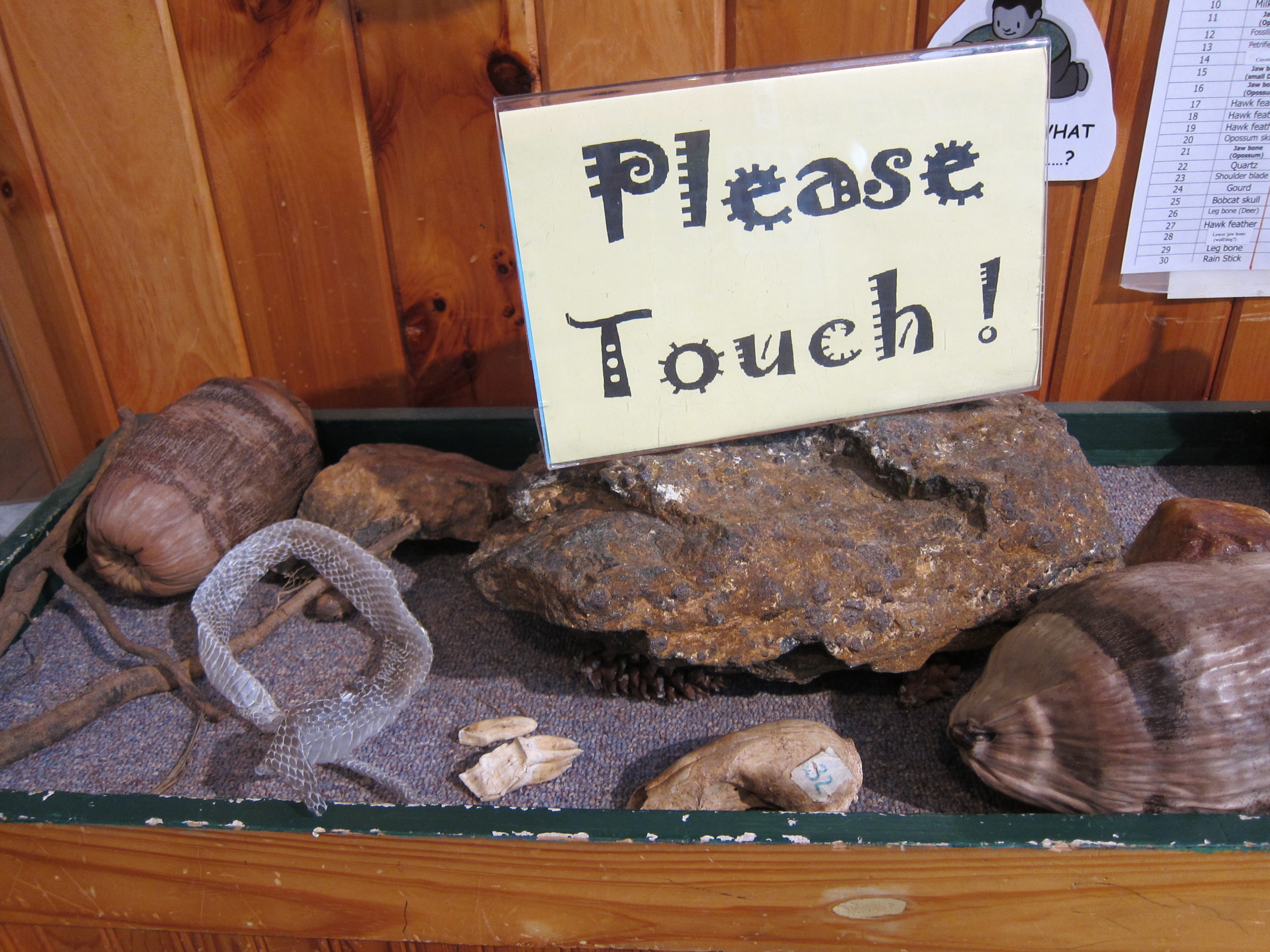
We spoke to very nice lady who worked there! She first showed us some great touch shelves full of skulls, snake sheds and all kinds of wonderful items!

Ellie and Edmond in front of a horse skull
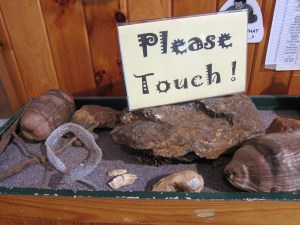
Touch shelves!

Can you believe they let you touch all these neat items? It was loads of fun!
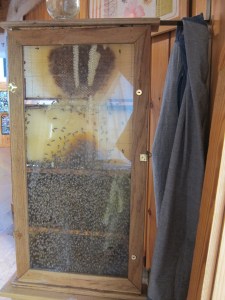
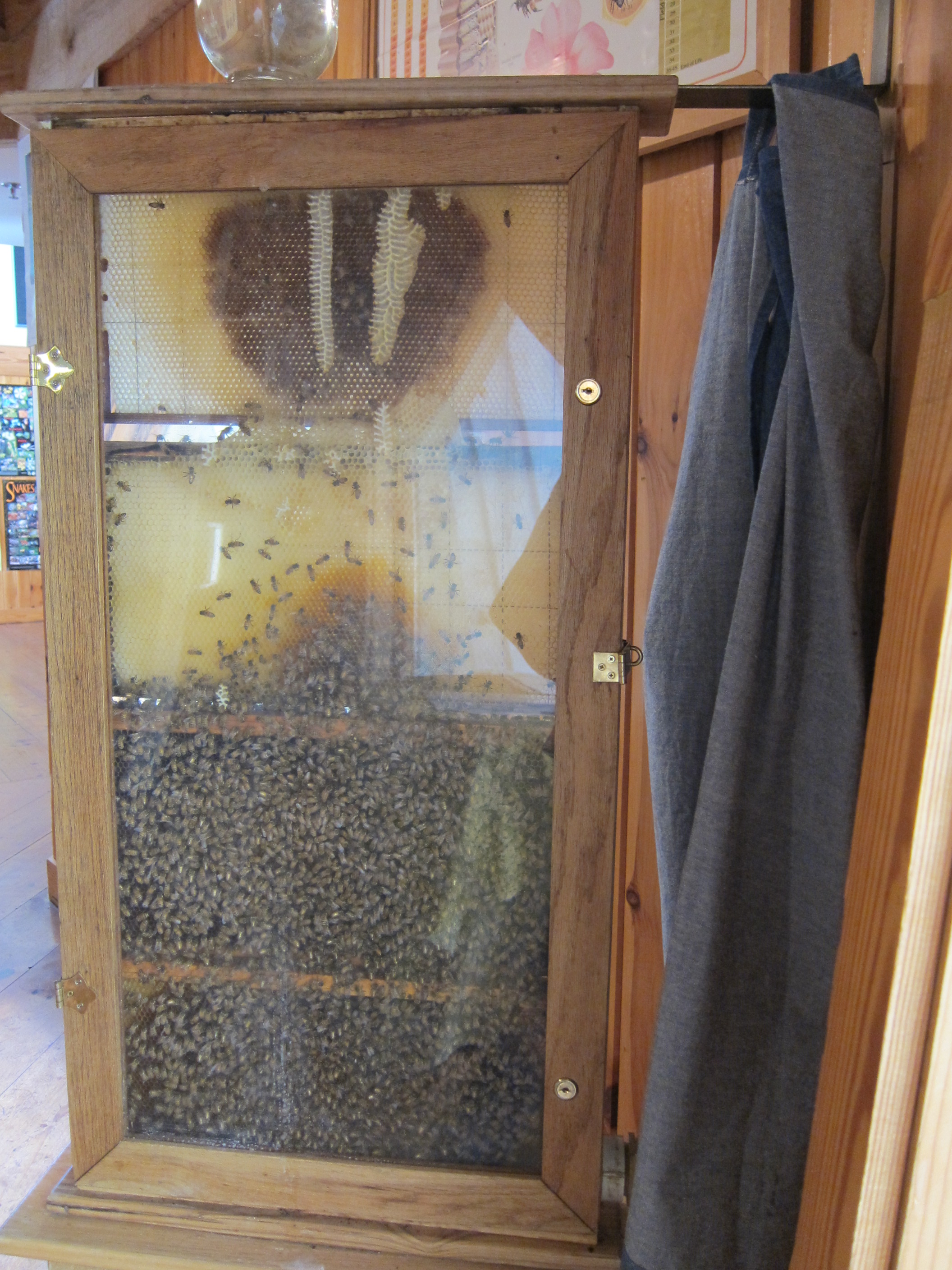
Here's the beehive!

Next we headed into the center’s museum! We first encountered BEES! Yes, you heard right folks, BEES! The nature center has a small hive of bees that live there! It’s really neat to watch them buzz about and make honey. The bees weren’t super active when we saw them, because they’re getting ready for the cooler temperatures!

The best part of the bees is that you can buy the honey that they make right there in the center!

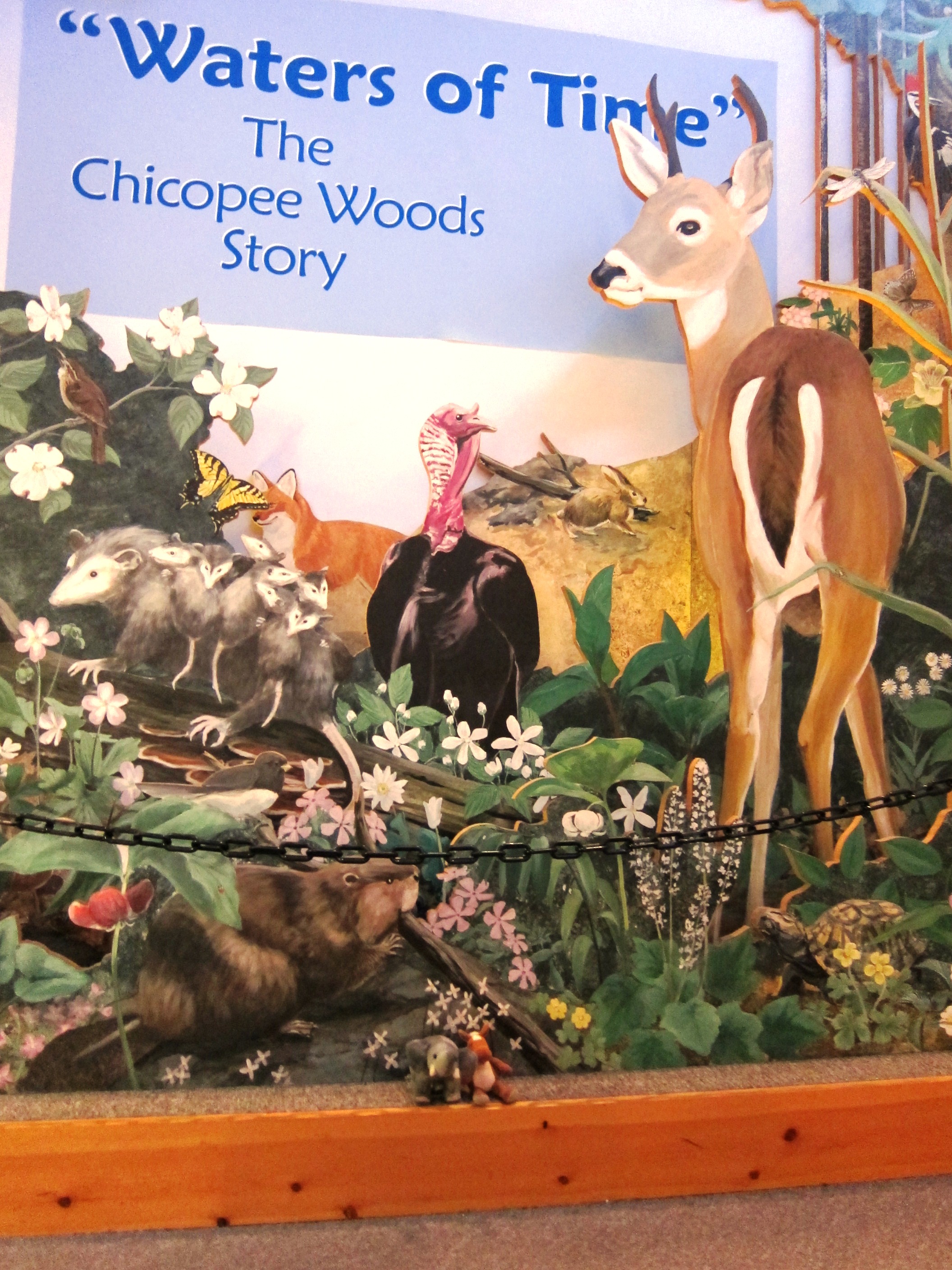
We moved into the Chicopee Woods story gallery of the museum! You go back in time and learn what today’s woods looked like all the way back to the time before the dinos; and you can do it without a time machine!

We'e about to learn the story of the Chicopee Woods!

We found all kinds of different fossils that came from the area!

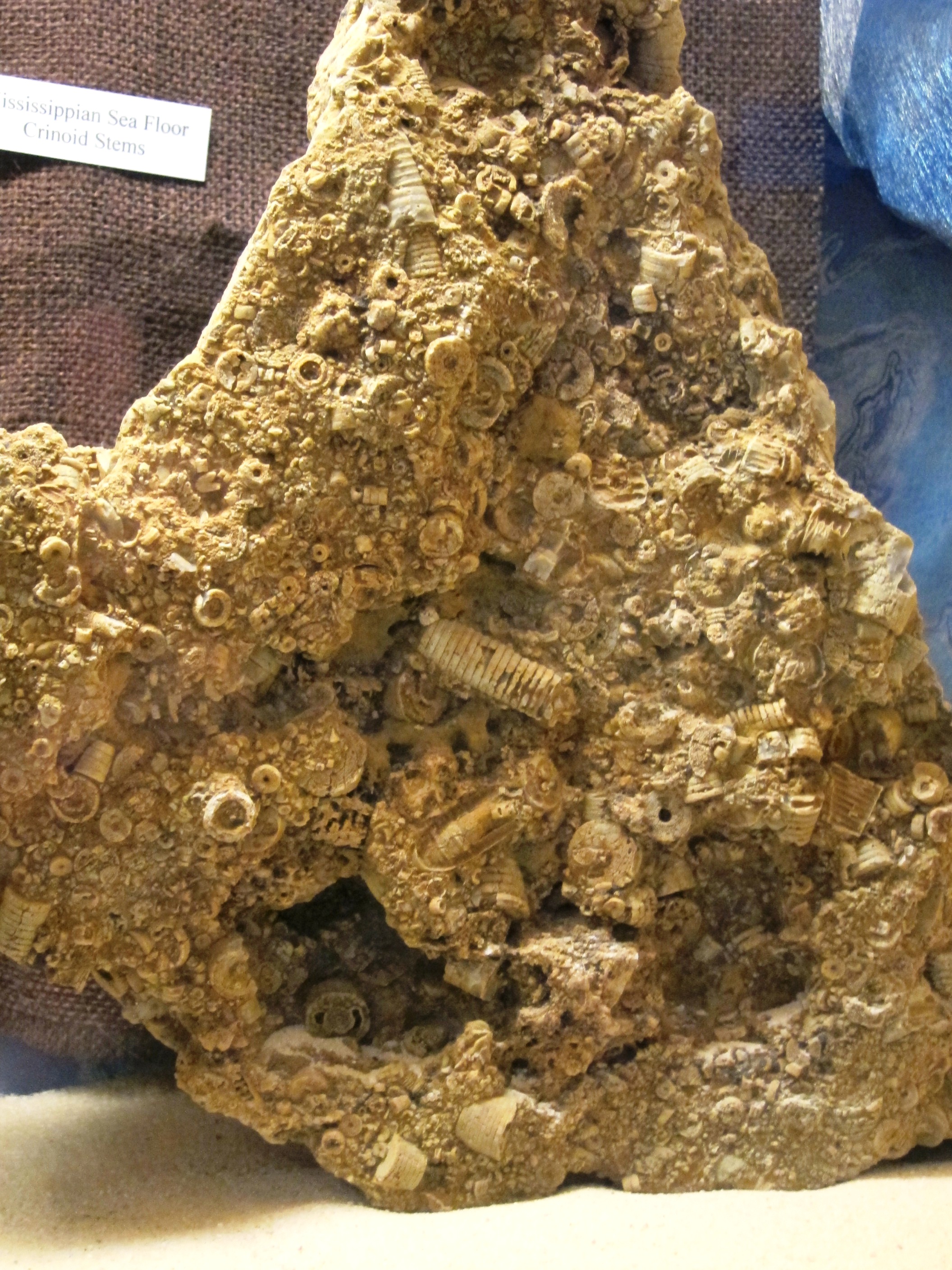
Fossils on the bottom of the sea floor!
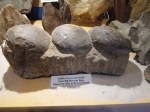
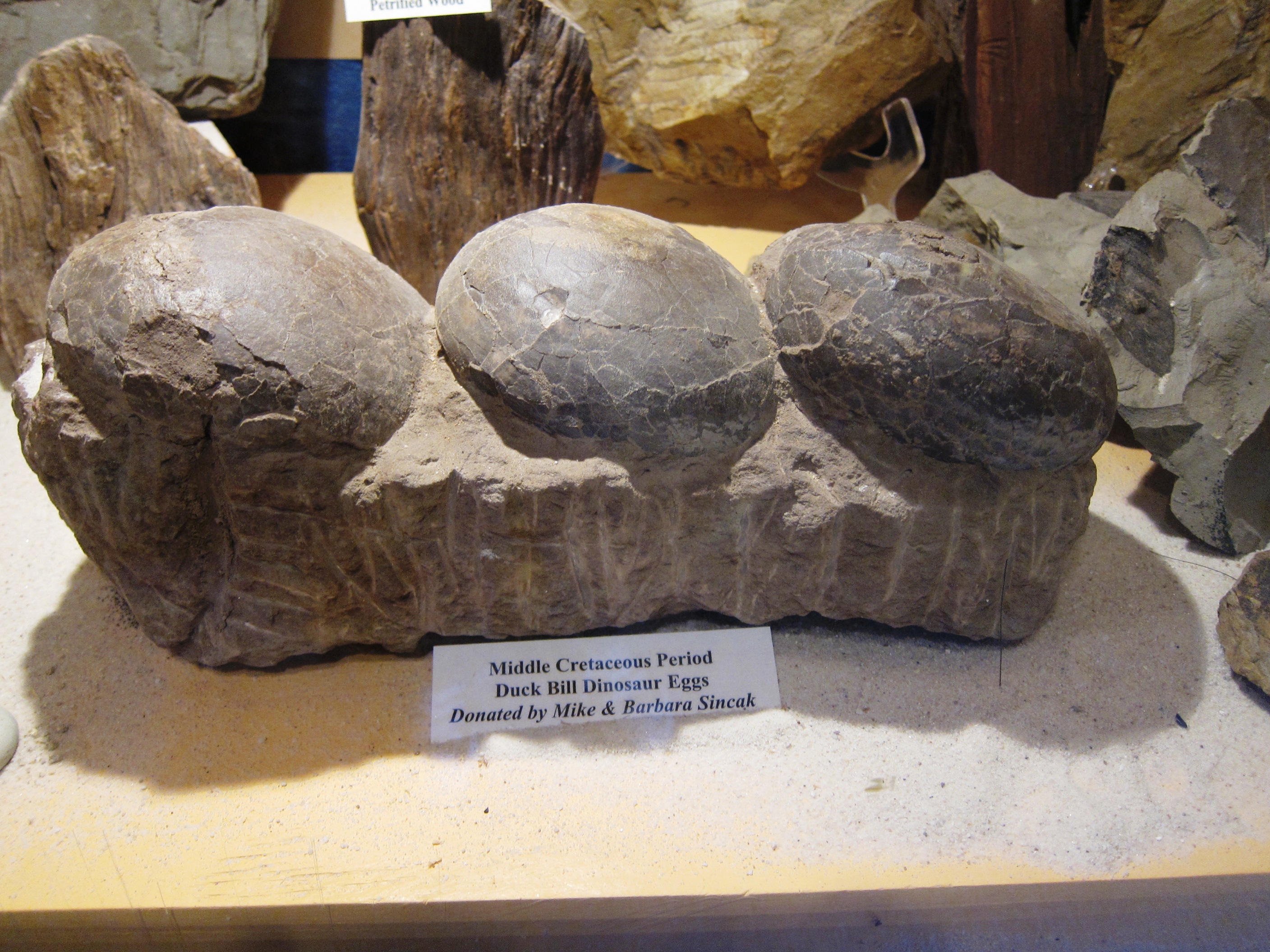
Fossilized Duck Billed Dinosaur Eggs!

The biggest fossil there was a Mosasaur!

Mosasaur!

Its name means river lizard and it lived during the last 25 million years of the Crustaceous period. This giant marine reptile, a distant relative of snakes, swam in the oceans! Yep, the Chicopee woods at one time were under water! Can you believe it? The center even shows you all the work it takes to dig and find fossils!

Digging for fossils!

Being a paleontologist is HARD work!

Edmond found a sign that said when horses first appeared!

Edmond learns about ancient horses!

Horses started out very small, about the size of a dog! Wow! Edmond was very excited to learn about his ancestors! Recent DNA studies show that horses were very spotty at one point!

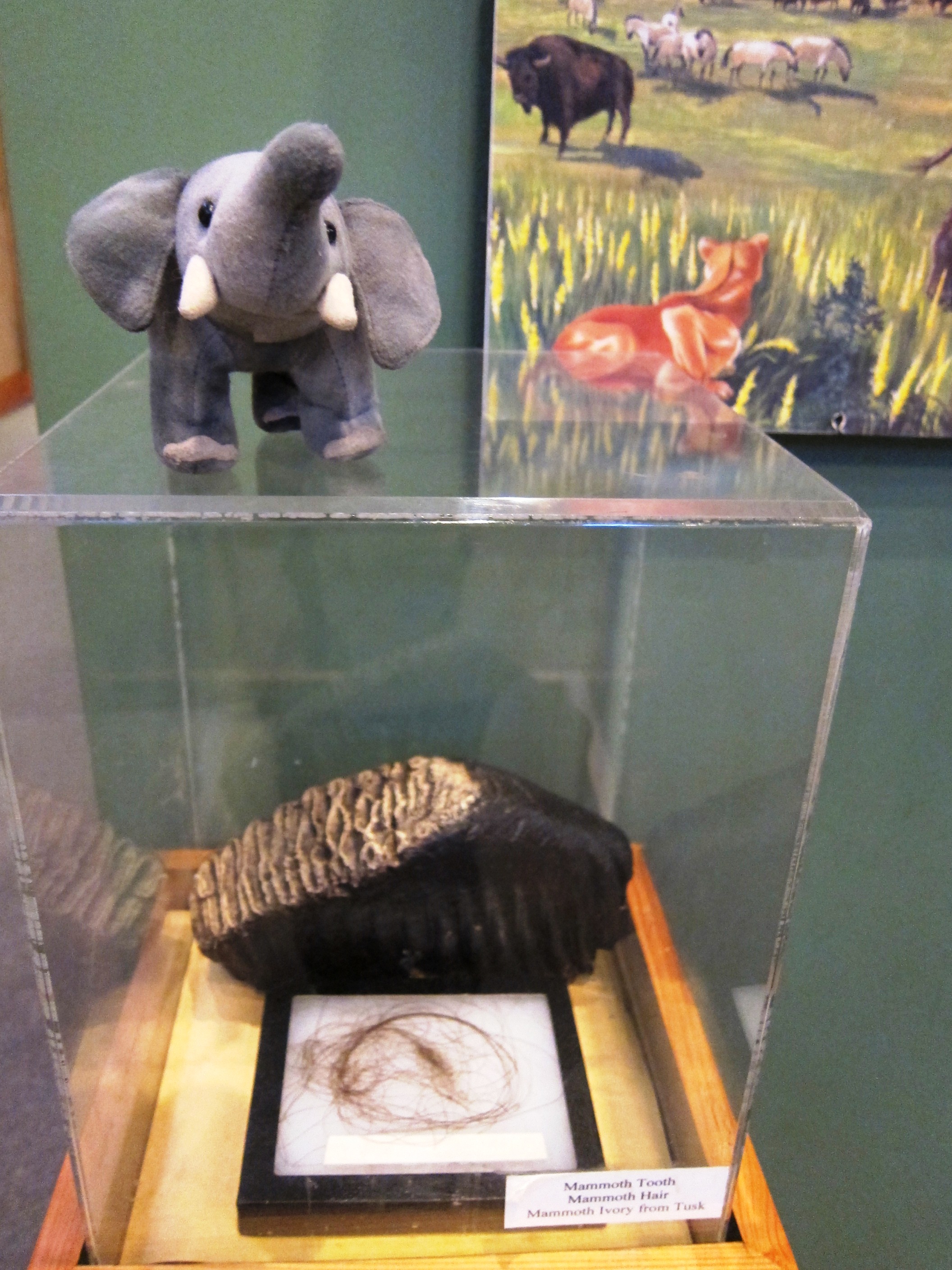
The day just got better when Ellie found a fossilized mammoth tooth and hair!

Ellie with the mammoth tooth and hair! That is one BIG tooth!

Did you know that mammoths are early relatives of the modern elephant? Turns out our Asian elephant cousins are more closely related to mammoths than African elephants, but we’re all still family!

As we wandered around we saw and learned all about the events and people that lived in this area throughout history! It was very interesting! We did find this lovely guide to some of the animals you might see in the woods surrounding the center!
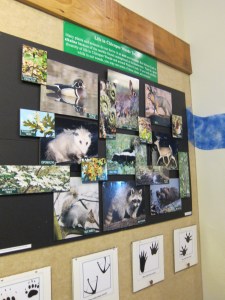
Animals you made find in the woods.

We were hoping to see all of them!

The other gallery in the museum talked all about space!

Enter to learn about the stars, planets, moon and sun!

It’s a neat space that talks about the moon and stars and sun. Ellie had to hold Edmond’s hoof because he’s afraid of the dark! Sadly, we didn’t take many pictures because we couldn’t get our camera in the right setting. Trust us, you will not be disappointed!

We then hit up the live animal room underneath the museum! They have all kinds of fun animals living at the center! We found snakes, salamanders, frogs and turtles!

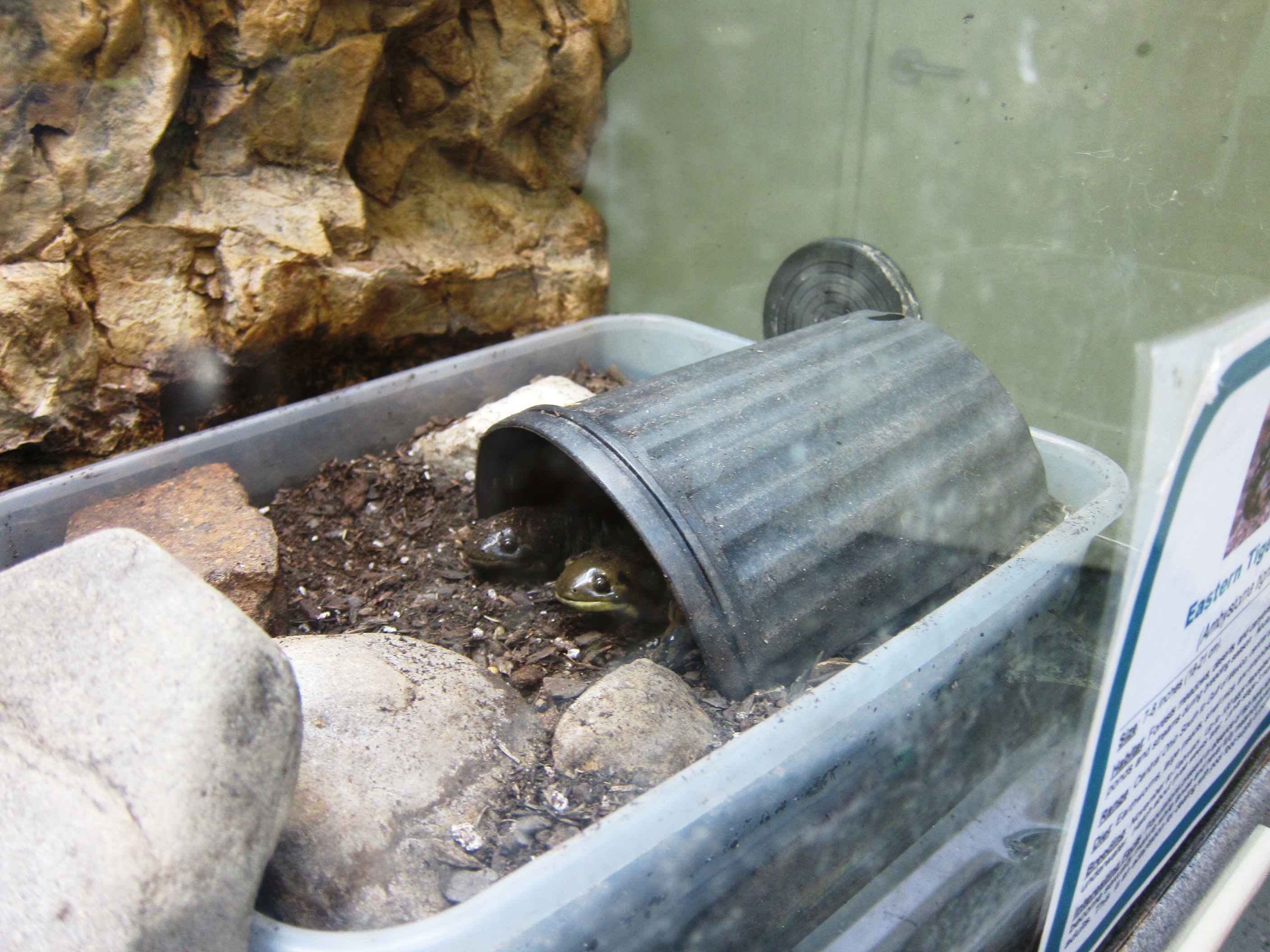
Super cute Eastern Tiger Salamanders! We wondered if they could roar like a tiger! Probably not.

A red rat corn snake posed for us!

An Eastern box turtle is about to chow down on some salad! YUM!

You can even adopt some of these animals! No silly, you can’t take them home, but you can adopt them by helping pay for their care! We wondered if the animal writes you a thank note when you adopt them (that’s hard for snakes).

Our last stop for the day was the Chicopee Woods themselves! We went exploring around the outside of the center and found beautiful fall leaves, animals and scarecrows!
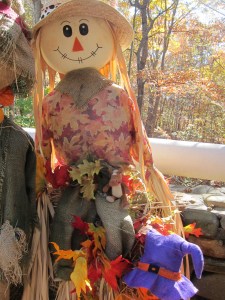
Edmond liked the scarecrow!

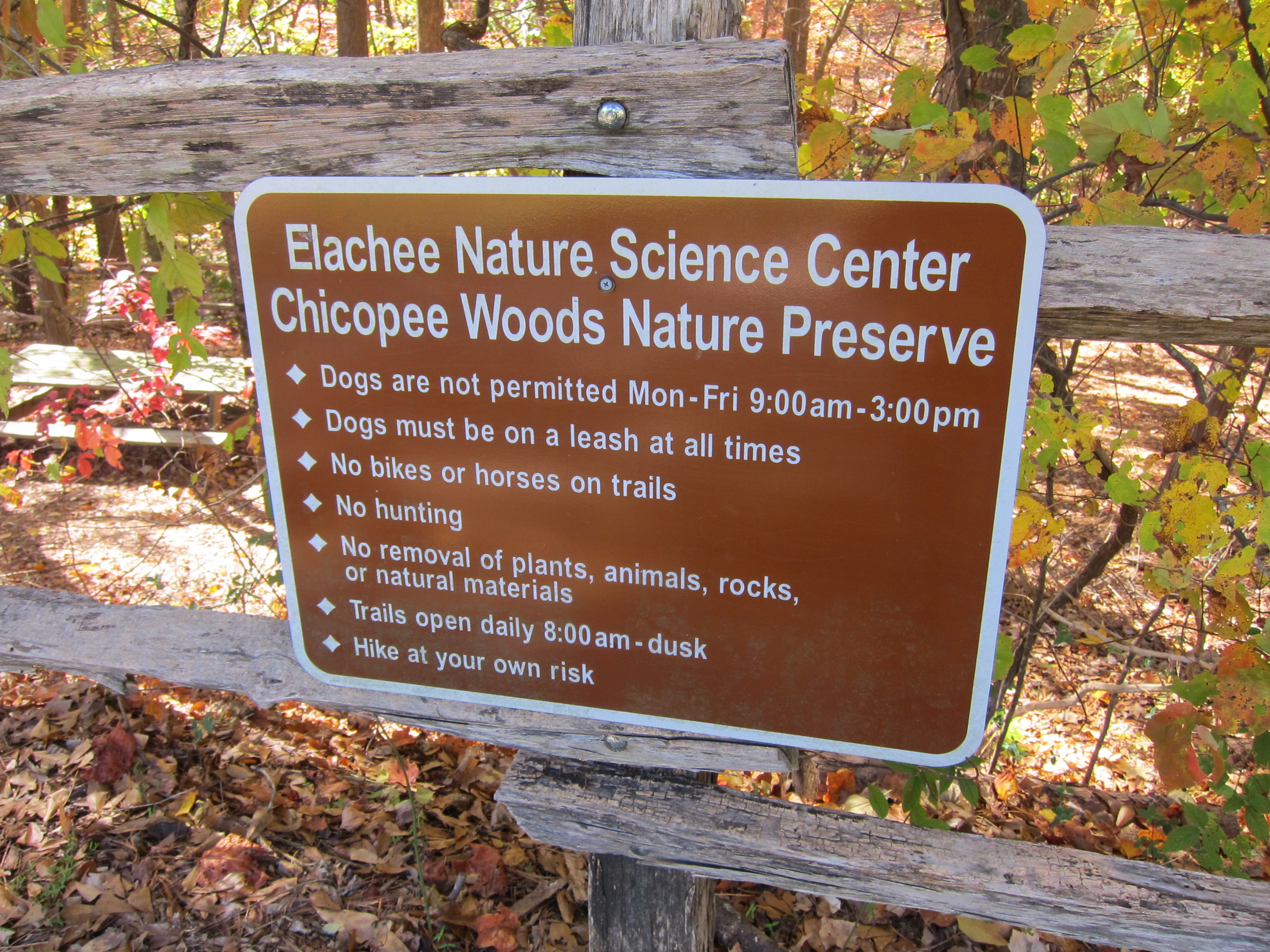
The center has loads of trails for you explore, just remember the rules J!

The woods are for everyone!

The nice lady at the center told us that volunteers help to maintain the trails for visitors! It’s so nice of them to do all that work for us to enjoy the woods!

We found these lovely lichen or fungus on a fallen tree!

Lichen or fungus on a tree! Pretty!

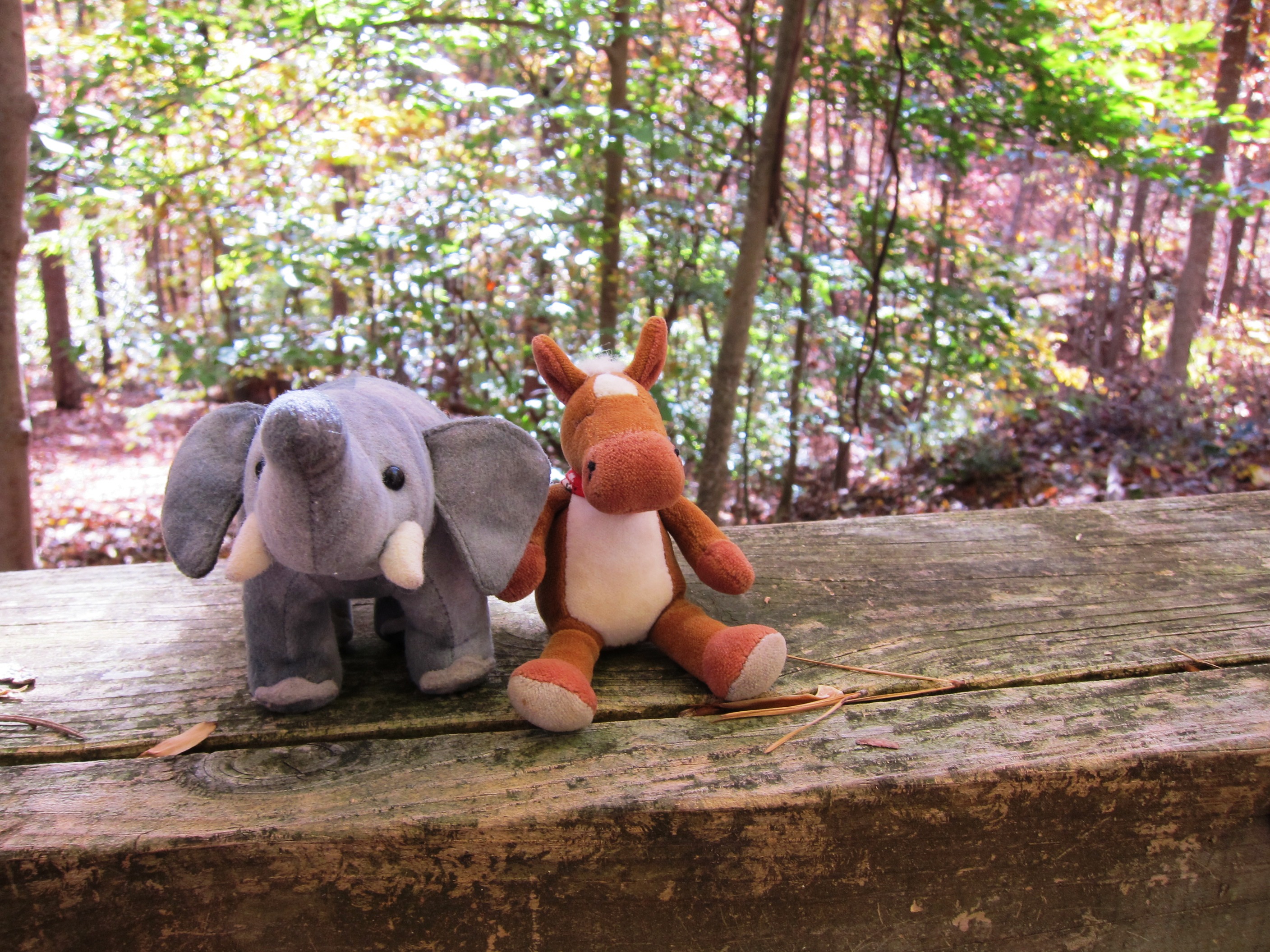
We really enjoyed exploring the trail!

Here we are on one of the trails!

Unfortunately the only animal we encountered was a squirrel, but he was pretty cute!

A squirrel grabs a quick bite near the picnic tables!

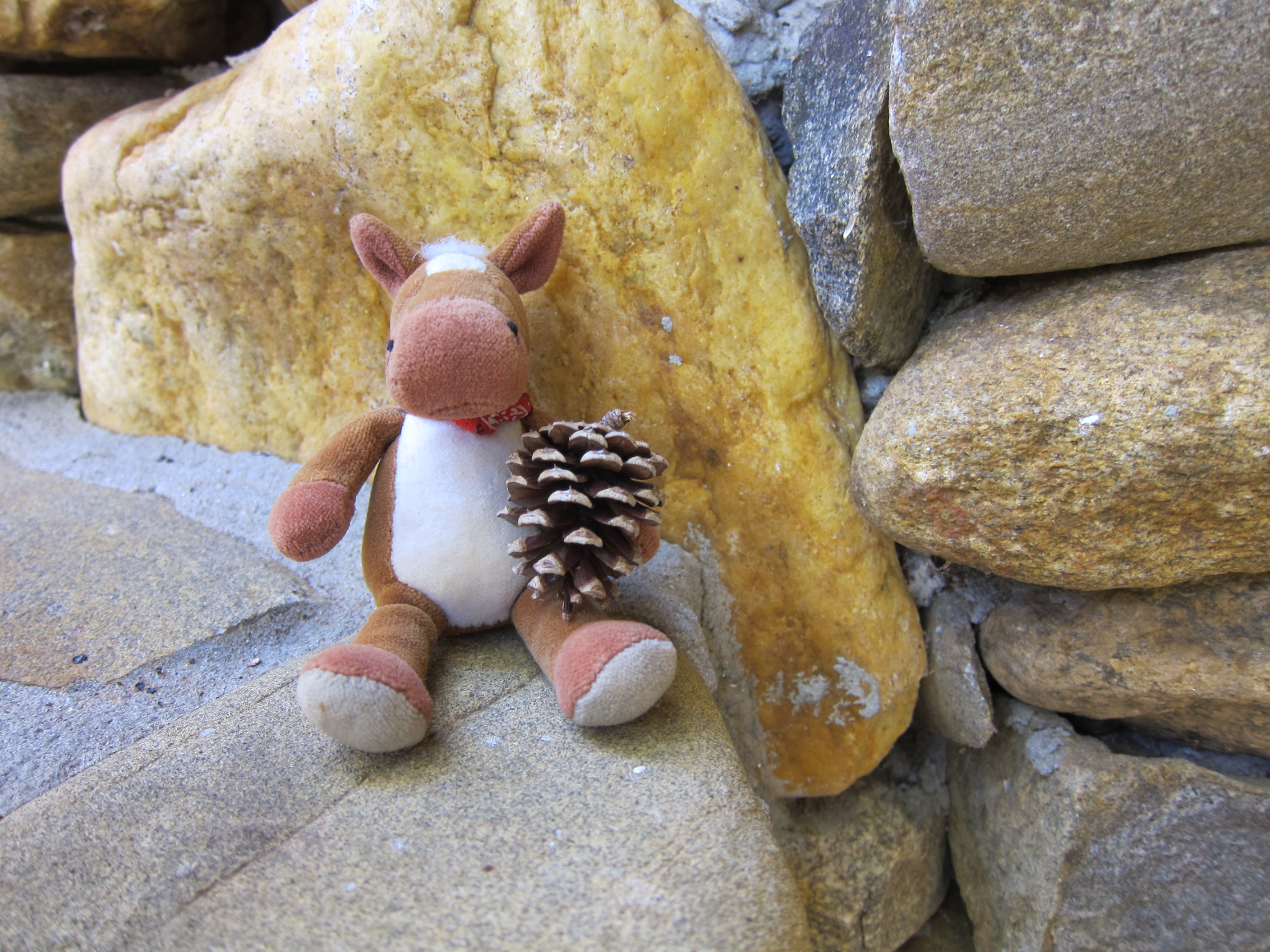
We’ll have to look harder for more animals next time! We did find some beautyberries and Edmond found a tiny pinecone and Ellie enjoyed hanging out in the leaves!

Beautyberries!

We called these the burnt marshmallow plant! :)!
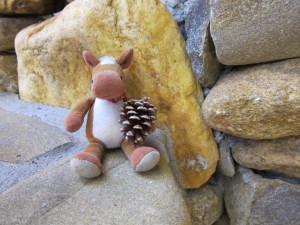
Edmond found a Edmond sized pinecone!

Ellie enjoyed playing in the leaves!

All in all we had a wonderful time at the Elachee Nature & Science Center! It’s really a gem just north of Atlanta! We’re definitely going back soon and highly recommend that you check it out too!

Categories: Animals, Atlanta, Children, education, Environment, Local, nature, reptiles | Tags: , , , , , , , | Leave a comment

REPTILIAN TUESDAY #13

REPTILIAN TUESDAY # 13

Welcome to Reptilian Tuesday! We have stumbled upon a fascinating lizard today! They get their name from a mammal who is known to roll up when threatened! It’s a pretty neat adaptation! Are you excited to meet this funny lizard? Come on and…

MEET THE ARMADILLO LIZARD!

Range/Habitat: Southern Africa/scrub-rocky outcrops

Diet: Carnivore: spiders, insects

Length: 6 ½-8 ½”

Conservation Status: Vulnerable


Fun Facts:

  • Armadillo lizards are covered in hard plates and spines on their neck and tails.
  • Armadillo lizards are named after armadillos, because of their special adaptation to protect themselves.
  • Armadillo lizards grab their tails with their mouths and curl up into balls when threatened.
  • They also hide in large cracks and crevices.
  • They live in small family groups. Females feed their young, a trait you don’t normally see in lizards.
  • Armadillo lizards hibernate in the winter.
  • They can live up to 25 years in captivity.


Armadillo lizards are bizarre looking lizards with their spikes and bony plates! How cool is that they grab their tails and ball up to hide from predators? Neat! These lizards are popular as pets! If you decide to get a lizard as a pet, make sure to do your homework, they have special needs to keep them happy! Also make sure you get your lizard from a good breeder. These lizards numbers are dwindling in the wild because of the pet trade, so let’s keep them there.


Categories: Animals, Children, education, Environment, nature, reptiles | Tags: , , , , , | Leave a comment

MAMMAL MONDAY #14

MAMMAL MONDAY# 14

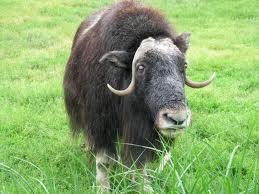
Is it chilly outside or is it just us? We’ve traveled up into the cold arctic to find today’s animal! So put on your coats, gloves, scarves and hats and let’s meet this very furry mammal! Snow shoes ready? Come meet…

MEET THE MUSK OX!

Range/Habitat: Northern Canada-Greenland (Arctic)/tundra

Diet: Herbivore: grasses

Length/Weight: 6 ¼-7 ½ ft/450-900lbs

Conservation Status: common

Fun Facts:

  • Musk Ox get their names from their strong odor.
  • They have double coats to keep them warm in the cold arctic. The outer coat protects them from snow and rain. The soft undercoat provides insulation.
  • Musk Ox look larger than they are, because of their thick fur coats.
  • Both female and male musk ox have large, broad, curved horns.
  • Musk Ox are more closely related to goats and sheep than other oxen.
  • They live in herds that are led by a dominant female.
  • Musk ox form circles around their calves when threatened by predators.

Musk ox are large extra furry mammals! You need all that fur to stay warm in the cold arctic winters! They are not animals you want to challenge either, being charged by a musk ox does not look like fun!

Categories: Animals, Children, education, Environment, mammals, nature | Tags: , , , , , | Leave a comment

FEATHERY FRIDAY # 13

FEATHERY FRIDAY# 13

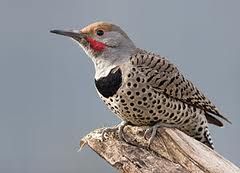
Happy Feathery Friday! Who loves woodpeckers? We do! We have a very different and special woodpecker for you today! To find this little bird, you must look down and not up! Are you ready to meet them?

MEET THE NORTHERN FLICKER!

Range/Habitat: North-Central America/ woodlands, yards, parks

Diet: Herbivore: ants, insects and berries

Length/Weight: 30-35 cm/100-175 g

Conservation Status: Common


Fun Facts:

  • Northern Flickers are members of the woodpecker family.
  • They have long slightly curved bills that they use to get their favorite food item- ants!
  • Northern flickers often feed on the ground, drilling into the ground to find ants.
  • They have long tongues to help them get insects from the ground.
  • Both male and female Northern flickers take care of the eggs and chicks.
  • In the eastern part of their range they have yellow bottoms and in the west they have red bottoms.


Nothern Flickers are really neat woodpeckers! We love that instead of pecking into trees for food they peck into the ground! Each animal finds its own niche in the food chain! What would happen if birds all ate the same food? They would run out! So they each have their own way of finding and eating tasty things like ants!


Here’s what they sound like!

http://www.allaboutbirds.org/guide/Northern_flicker/sounds


Categories: Animals, birds, Children, education, Environment, nature | Tags: , , , , , | Leave a comment

Blog at WordPress.com.