
GUESS THE ANIMAL!!
Who’s ready to Guess the Animal this week? This one is often considered creepy! Your clue: they are hairy!

WHO IS IT?
GUESS THE ANIMAL!!
Who’s ready to Guess the Animal this week? This one is often considered creepy! Your clue: they are hairy!
WHO IS IT?
SCIENCE WORD OF THE WEEK!
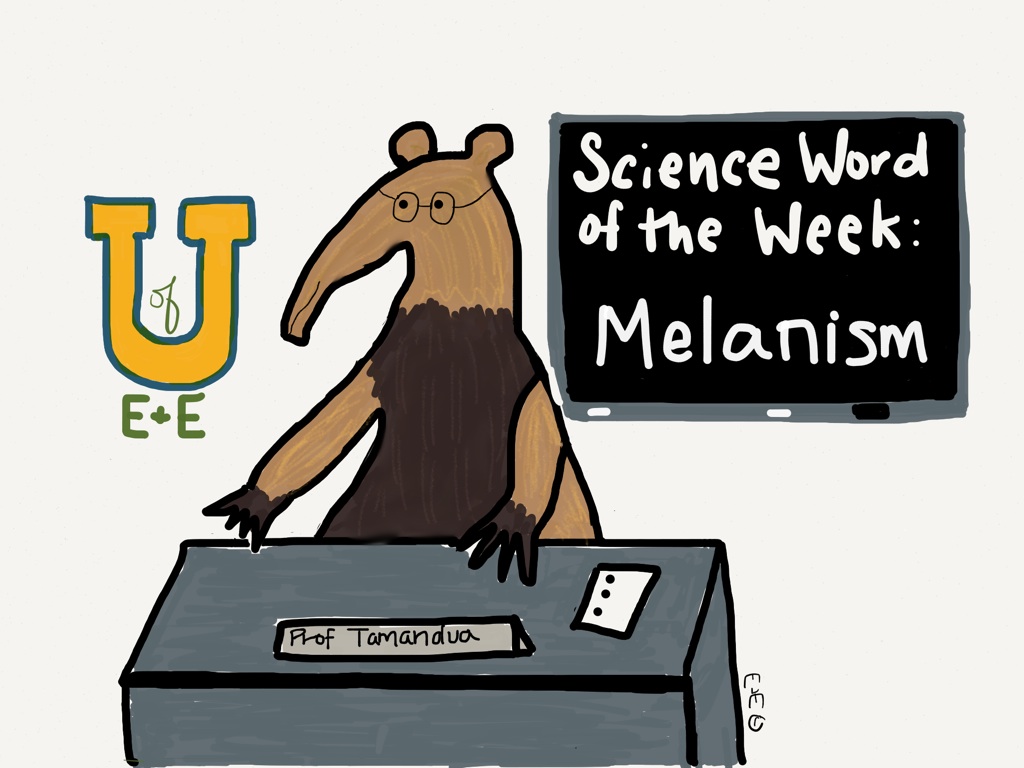
Hello everyone! We’re ready to learn here at the University and I hope you are too!
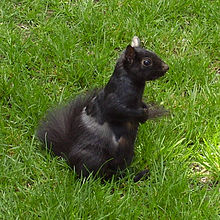
This week’s word is Melanism: an increased amount of black coloration in the fur, feathers and scales. Some melanistic animals include the black jaguar. They appear black, but you can see the famous jaguar spots if you look close enough.


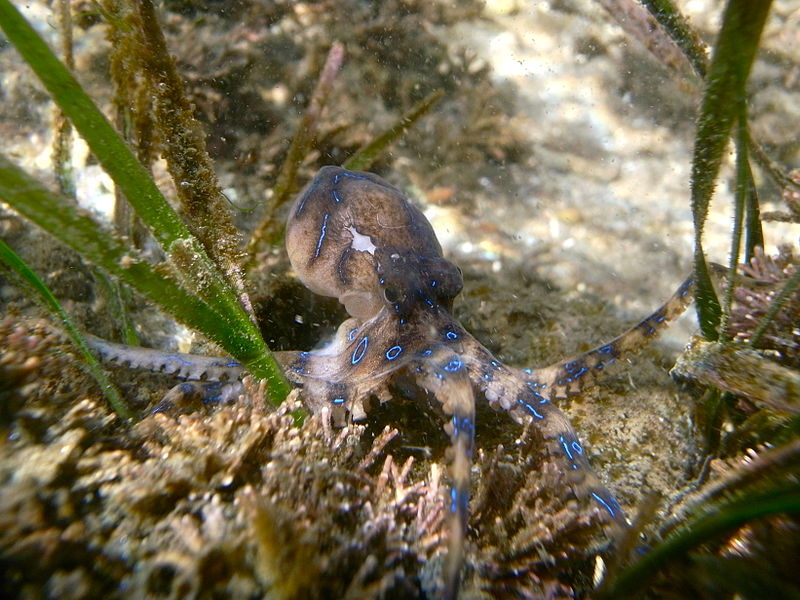
FEATURE ANIMAL: BLUE RINGED OCTOPUS!
We’ve traveled to the Western Pacific Ocean, near Australia today to meet our creepy crawly Feature Animal. Yesterday was also World Octopus Day- so we knew we had to track down this elusive creature. It wasn’t easy to spot this cephalopod, but we did!

BLUE RINGED OCTOPUS!
Range/Habitat: Marine shallows, coral reefs/Western Pacific Ocean
Diet: Carnivore: crabs, fish, mollusks
Length/Weight: 5-7 1/2″/26 g
Conservation Status: common
Fun Facts:
• Blue ringed octopuses are known to hide in caves, crevices and trash, such as bottles and cans.
• They are diurnal (hunt during the day).
•Blue ringed octopuses are shy!
• Blue ringed octopuses are extremely toxic. Their venom is more toxic than any land animal.
• They are not normally aggressive towards humans.
• They have rough wrinkly skin.
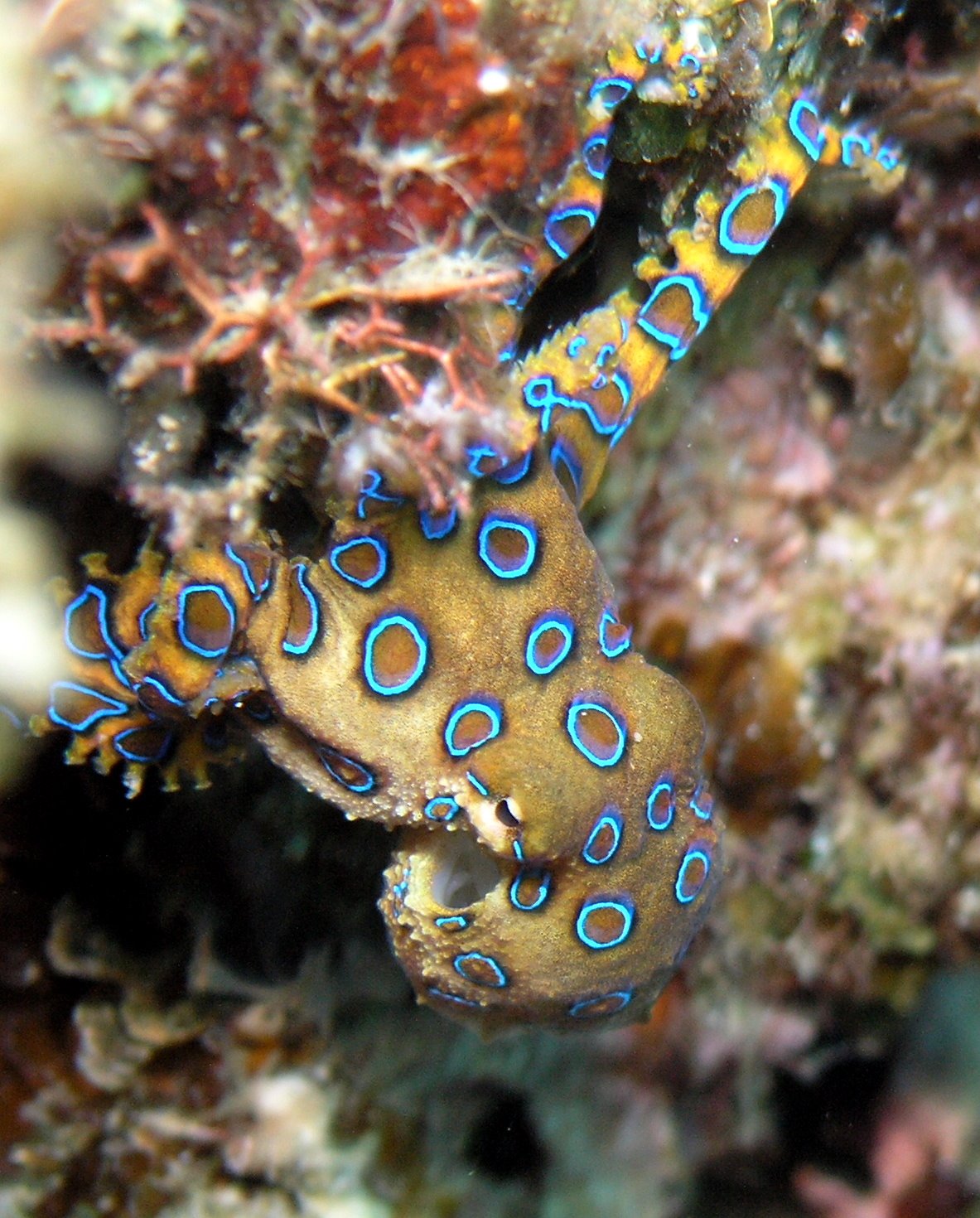
• Blue ringed octopuses display their famous blue spots when they feel threatened. This is called warning coloration.
• They are invertebrates.
• Blue ringed octopuses are considered intelligent.
 We love octopuses! They are such amazing creatures and so smart! Have you ever seen one solve a puzzle in an aquarium? Here’s a video of one opening a jar to get dinner! You humans are no match for our big brains- said all octopus :)!
GUESS THE ANIMAL!
It’s time to Guess the Animal this Week! We’ll be featuring animals who are considered creepy and crawly or who have creepy names or adaptations for the whole month of October! Do you think you know who today’s animal is? We’ll only give one clue!

WHO AM I?
SCIENCE WORD OF THE WEEK!

Hello students! I am so excited to see you this week! I hear Ellie and Edmond have some frighteningly good feature animals for you in the next few weeks, because we all know October is the month for tricks or treats! I know I”ll look forward to meeting these animals! This week for our science word, we’re talking about another genetic mutation that is similar to albino. Today’s science word is Leucistic: leucistic animals have a genetic mutation that causes them to lose some color- but not all, like in albino animals. Leucistic animals can have colored eyes or light stripes or color on parts of their body.
We have some examples of leucistic animals for you in these pictures!


FEATURED ANIMAL:
AMERICAN ALLIGATOR!
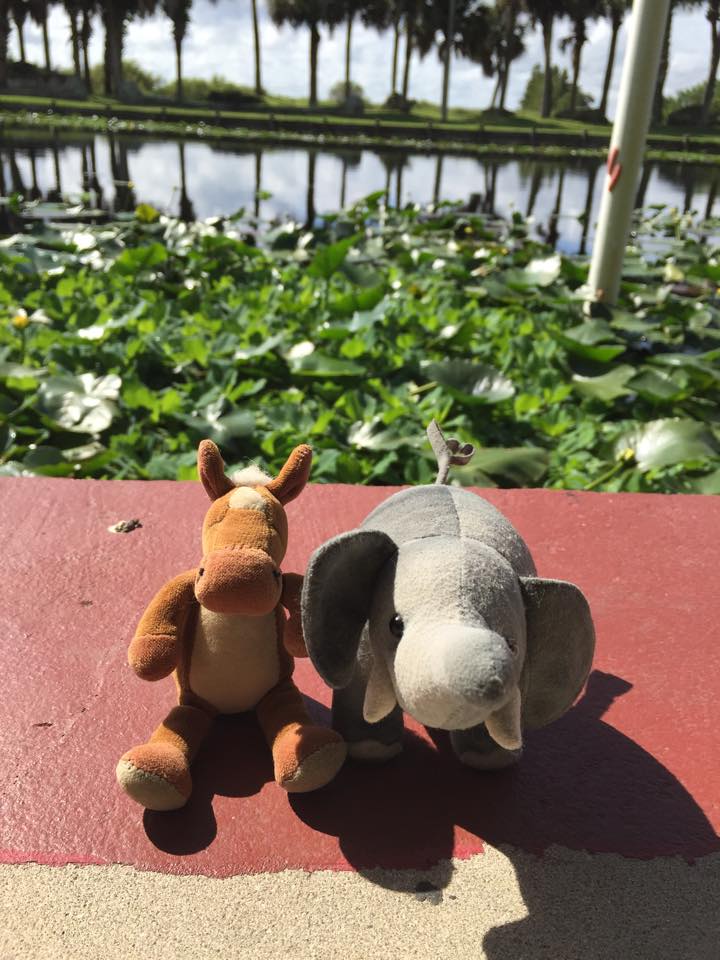
We spent the weekend in Florida and took an awesome air boat ride to see if we could find alligators and WE DID! We saw several areas where there were babies and we saw one mother alligator warming herself in the sun! Come learn about these ancient reptiles!
 Range/Habitat: Southwestern United States/ wetlands, swamps,
rivers,lakes, ponds
Diet: Carnivore: fish, deer, mammals
Length/Weight: 9 ½-16 ft/ 200-500 lbs
Conservation Status: common
Fun Facts:
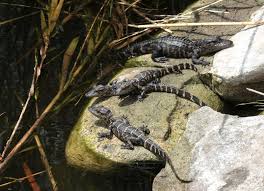

Alligators are so cool. The males can get up to 1,000 lbs. They get a bad rap, but they really want to mind their own business. Alligators were on the verge of extinction 40 years ago, but with great effort they are thriving in the Southeastern United States! We love a great conservation success story!
GUESS THE ANIMAL!!
It’s time to Guess the Animal- we’re going to just give you two clues this week! Tell us who you think it is!
WHO IS IT?
SCIENCE WORD OF THE WEEK!!

Hello students and friends! We’re excited to see everyone this week in class! Ellie and Edmond just returned from a trip to Florida where they met some baby alligators and their moms- very exciting stuff! Let’s get on with our word of the week!
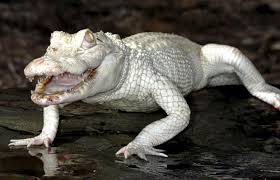
Albino- an animal that has a genetic mutation that causes them to have no pigmentation or color. Albino animals are all white and usually have pink eyes. Albino animals often do not survive well in the wild, as they lack the camouflage they need to help them survive. We have some examples of albino animals here:


SEA OTTER AWARENESS WEEK!

We’re celebrating Sea Otter Awareness Week! We know we are aware of how stinking cute otters are! These comical creatures have faced being endangered over the years, but with the help of conservationists their numbers are increasing. Come learn some fun facts about these ottertastic mammals!
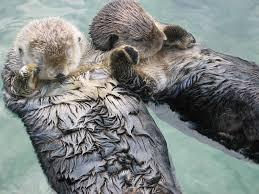

Sea Otter Fun Facts:
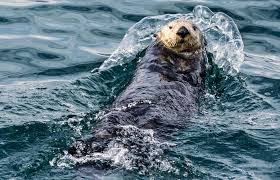
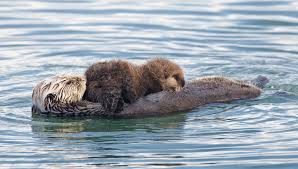

There are so many reasons to love sea otters and to protect them! There are many organizations that are working hard to make sure otters have a future in our oceans! Monterey Bay Aquarium has a great sea otter program.
What do you love about otters?
GUESS THE ANIMAL!!
Can you guess the animal? We’re giving you just one clue this week!
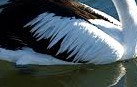
I can fit a lot of food in my bill.
WHO AM I?


 The Adventures of Ellie and Edmond