mammals

Marsupials in Our Backyard!

Marsupials in Our Backyard!

Do you ever just go out in your own backyard or to a local park and notice that there is actually quite a bit of wildlife? Professor Tamanadua’s science word of the week was marsupial and the only marsupial in North America lives right in our backyard! Are you ready to meet them?

MEET THE VIRGINIA OPOSSUM!

   Range/Habitat: North America-Central America/ woodlands, urban,

grasslands

   Diet: Omnivore: grub, eggs, fruit, carrion

   Length/Weight: 13-20”/ 4 ½-12 lbs

   Conservation Status: common

Fun Facts:

  • Virginia Opossums are the only marsupial in North America. (Marsupials are mammals that give birth to very small young. The young then develop and grow in their mother’s pouch.)
  • They are nocturnal (active at night).
  • Virginia Opossums have hairless, prehensile tails. They can hang from their tails, but for only short periods of time.
  • Virginia Opossums have opposable thumbs on their back paws.
  • They have 50 teeth, the most of any North American mammal!
  • Virginia Opossums can carry up to 13 babies in their pouches. They young leave the pouch after 70 days.
  • Their most famous trait is their ability to “play dead” when they are threatened. They lay in a coma like state and can stay that way for up to 6 hours.

opposum2   opposum


Opossums get a bad rap and we admit they aren’t the cutest thing in our back yards, but they are an essential part of the urban ecosystem! Plus, they are our only marsupial and we think that’s pretty cool!
Categories: adventure, Animals, Children, conservation, education, Environment, mammals, nature, science, wildlife | Tags: , , , , , , , , , | 1 Comment

The Devil from Down Under

The Devil from Down Under

e e woods (2)

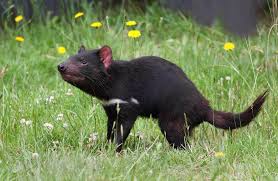
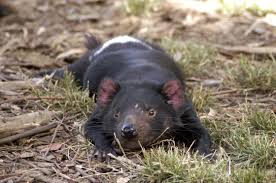
If you guessed Tasmanian Devil yesterday- you were right! We love these tenacious little marsupials and we hope you will too after learning more about them!

td3    Range/Habitat: Island of Tasmanian of coast of Australia/forest, scrub

    Diet: Carnivore: carrion

    Length/Weight: 23-26 inches/ 11-30 lbs

    Conservation Status: endangered


Fun Facts:

  • Tasmanian devils are the largest carnivorous marsupial on earth!
  • They are known for the their creepy loud screams they make when threatened. Check out a video!
  • Tasmanian devils can travel many miles to find food during the night.
  • Tasmanian devils mothers give off a foul odor when threatened!

IMG_2220

  • Tasmanian devil moms have rear facing pouches.
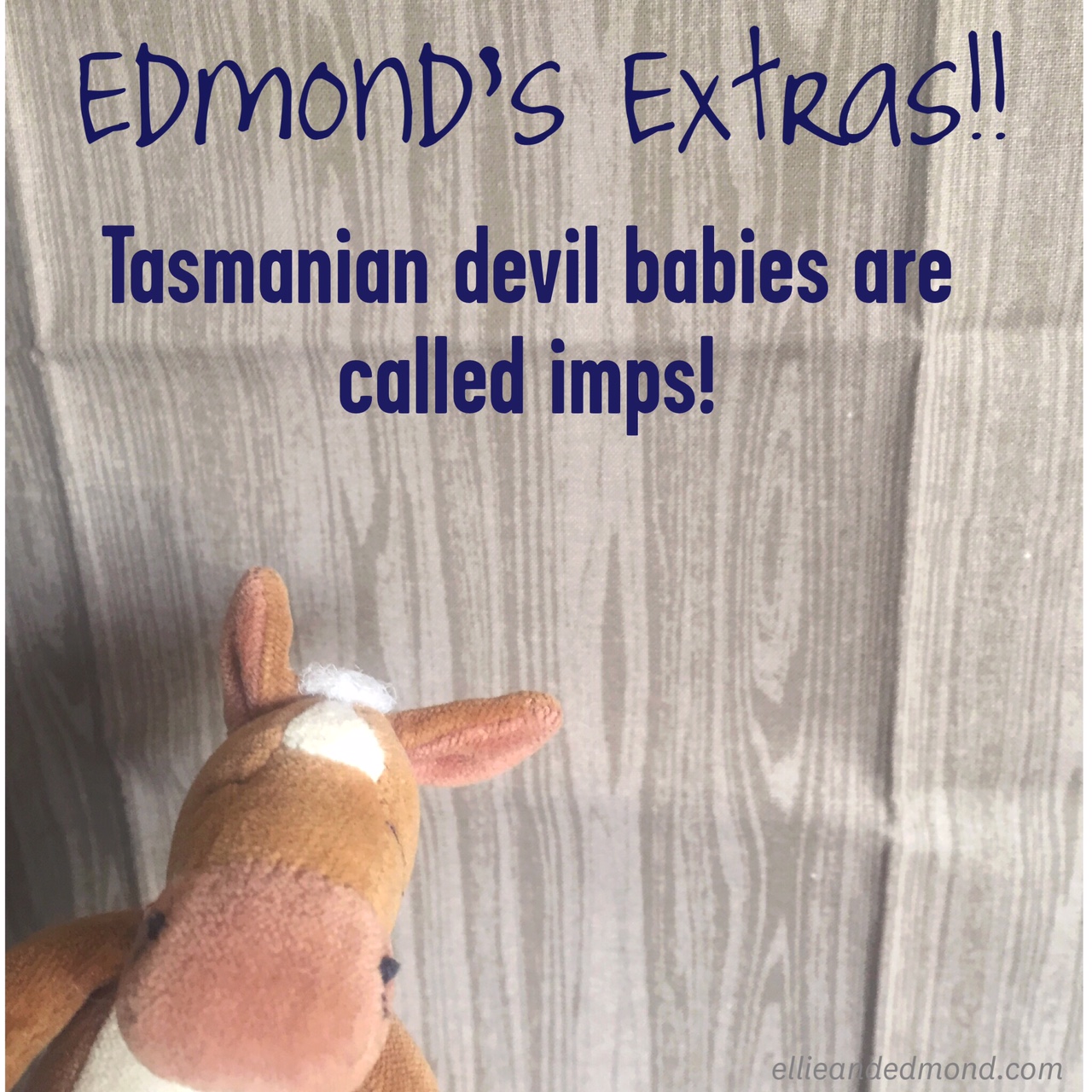
  • They give birth to up to 50 imps, but only 4 will survive.
  • Tasmanian devils have a life span of 5-8 years.
  • They are endangered, but places like the San Diego Zoo are helping protect them.

td2  td


We think these little marsupials with the bad reputation. They are amazing creatures. Do you love them as much as we do?

IMG_2221


Answer: False

Categories: adventure, Animals, Children, conservation, education, Environment, mammals, nature, science, Uncategorized, wildlife | Tags: , , , , , , , , , , | 1 Comment

WE SPY!!

WE SPY!!

FullSizeRender

Today we spy with our four little eyes a marsupial who lives in Australia. Known for their feisty dispositions these carnivores are the opposite of an angel! Guess who we spy!
tasmaninan devil

Categories: adventure, Animals, Children, conservation, education, Environment, mammals, nature, science, wildlife | Tags: , , , , , , , , , | 1 Comment

SCIENCE WORD OF THE WEEK!

SCIENCE WORD OF THE WEEK!

swow marsupial

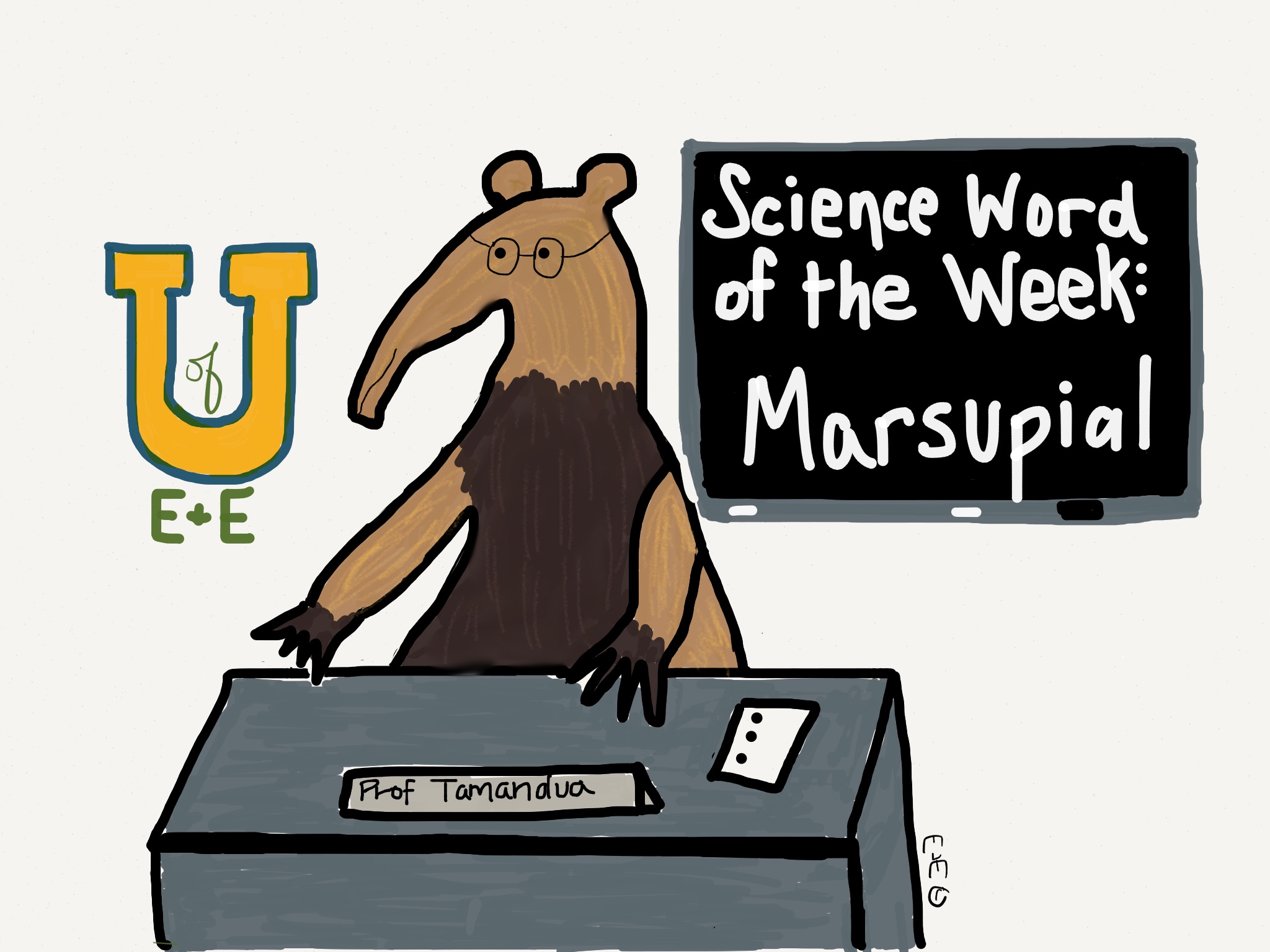
Welcome back to our summer session! I’m so glad to see everyone here in class! I had a lovely break and Ellie and Edmond had a nice weekend exploring the outdoors. I’m excited for this week’s word! Are you ready to learn today?

This week’s word is Marsupial: a marsupial is a mammal that gives live birth to very small young that climb into the mother’s pouch or marsupium to grow up in. The pouches are mostly on the outside of the mother’s pouch. Most marsupials live in Australia, except for several species of opossums- who live in North, Central and South America.

opossum

The Virginia Opossum lives in North America.

Categories: adventure, Animals, Children, conservation, education, Environment, mammals, nature, science, vocabulary, wildlife | Tags: , , , , , , , , , , | Leave a comment

BEAR NECESSITIES!

BEAR NECESSITIES!

bear

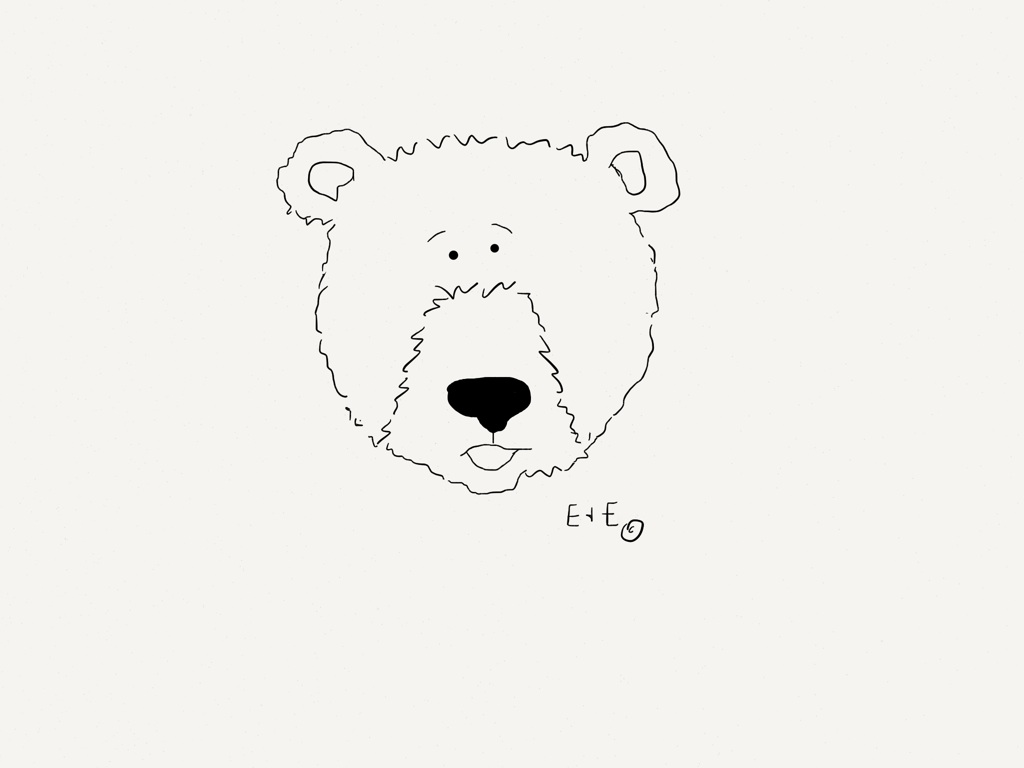
We’re still celebrating Bear Appreciation Week with some fun bear facts and a coloring sheet!

bear3

BEAR FUN FACTS:

  • Bears are highly intelligent.
  • Polar bears are considered marine mammals.
  • Bears have an excellent sense of smell.
  • Bears can see in color.

bear1bear4

  • Some territories in Canada have polar bear shaped license plates!
  • Most bears are classified as omnivores. Panda bears only eat bamboo though.
  • There are 8 species of bears.
  • There are no bear species found in Africa.
  • Bears are bowlegged.
  • Bears are related to seals!

ImageWe love bears! Each species is so different and amazing! Do you have a favorite bear species? Print our bear coloring sheet and show us your favorite!

bear coloring sheet


Categories: adventure, Animals, Children, conservation, education, Environment, mammals, nature, science, Uncategorized, wildlife | Tags: , , , , , , , , , , | 1 Comment

HERE COMES THE SUN!

HERE COMES THE SUN!

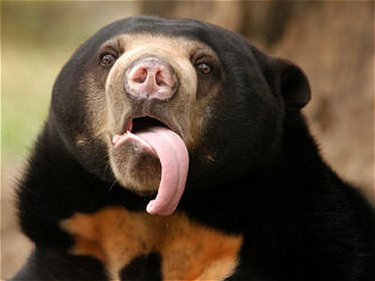
It’s Bear Appreciation Week and we thought we would spotlight this super cute bear! We’re traveling to Southeast Asia today to meet a very handsome bear with a funny long tongue! Grab your gear we’re heading into the rainforest!

e & e rainforest

MEET THE SUN BEAR!

    sun bearRange/Habitat: Southeast Asia/ rainforest

    Diet: Omnivore: fruit, shoots, eggs, honey, termites

    Length/Weight: 3 ½-4 ½ ft/ 110-145 lbs

    Conservation Status: endangered


Fun Facts:

  • Sun bears are also called the dog bear or honey bear.
  • They have sleek, smooth brown-black fur with a white-orangeish “sun” patch on their chest.
  • They have very loose skin around their neck.
  • Sun bears are the smallest member of the bear family.
  • They have very long claws for climbing and digging for insects and honey.
  • Sun bears have very long tongues that they can extend up to 10”. They use these tongues to get termites and honey.
  • Sun bears are nocturnal (active at night).
  • They spend most of their time in trees.

Sun bears are just so adorable. They are endangered mainly due to habitat loss. There are lots of things that we can do to ensure our rainforests are kept intact. We love The Rainforest Site, because all you have to do is click once a day and money goes to save habitat for great animals such as our Sun Bear pal!

sun bear2   sun bear3

Categories: adventure, Animals, Children, conservation, education, Environment, mammals, nature, science, wildlife | Tags: , , , , , , , , , , | 1 Comment

SCIENCE WORD OF THE WEEK!

SCIENCE WORD OF THE WEEK!

swow endangered

It’s time for the Science Word of the Week! Friday is Endangered Species Day so we’ll be sharing information, puzzles and some great success stories all week! We promise to have E & E’s Chicago picks up too. It was a busy week at the University and we fell a bit behind.

Today’s Word is Endangered- when an animal is on the brink of extinction. Animals that are at risk of being endangered are listed by the IUCN  as vulnerable, endangered and critically endangered.  We here at the University work hard to share how we can all help endangered species! We look forward to sharing that all week!

Categories: adventure, Animals, Children, conservation, education, endangered species, Environment, mammals, nature, science, wildlife | Tags: , , , , , , , , , | 2 Comments

WORLD BINTURONG DAY!

WORLD BINTURONG DAY!!

binturong

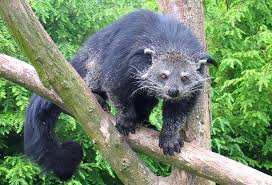
It’s the first annual World Binturong Day! Who’s excited? This horse and elephant sure are! We love these unusual mammals! We’ll share some fun facts and a few great resources for you today!

binturong3

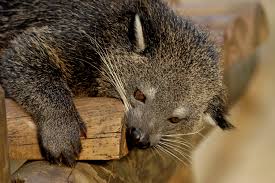
Binturong Fun Facts:

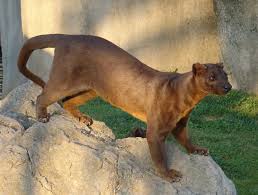
  • Binturongs are related to civets and fossas!
This is a fossa!

This is a fossa!


  • Binturongs are arboreal.                                 IMG_1817
  • Binturongs have prehensile tails.
  • They are nocturnal.
  • Binturongs keep their long shaggy coats clean by licking them like a cat does.
  • Binturongs eat insects, carrion, plant material and pretty much anything they fancy.
  • They have no natural predators.
  • They are 2-3 feet long and can weigh as much as 50 lbs.
  • Binturongs can be found in rainforests of Southeast Asia.
  • You can learn more by visiting the ABConservation website or checking out Zookeeper Rick from the San Diego Zoo!

binturong2

IMG_1818


Answer: the Bearcat

Categories: adventure, Animals, Children, conservation, education, Environment, mammals, nature, science, wildlife | Tags: , , , , , , , , , | 2 Comments

CINCO DE RHINO!

CINCO DE RHINO!

IMG_1740

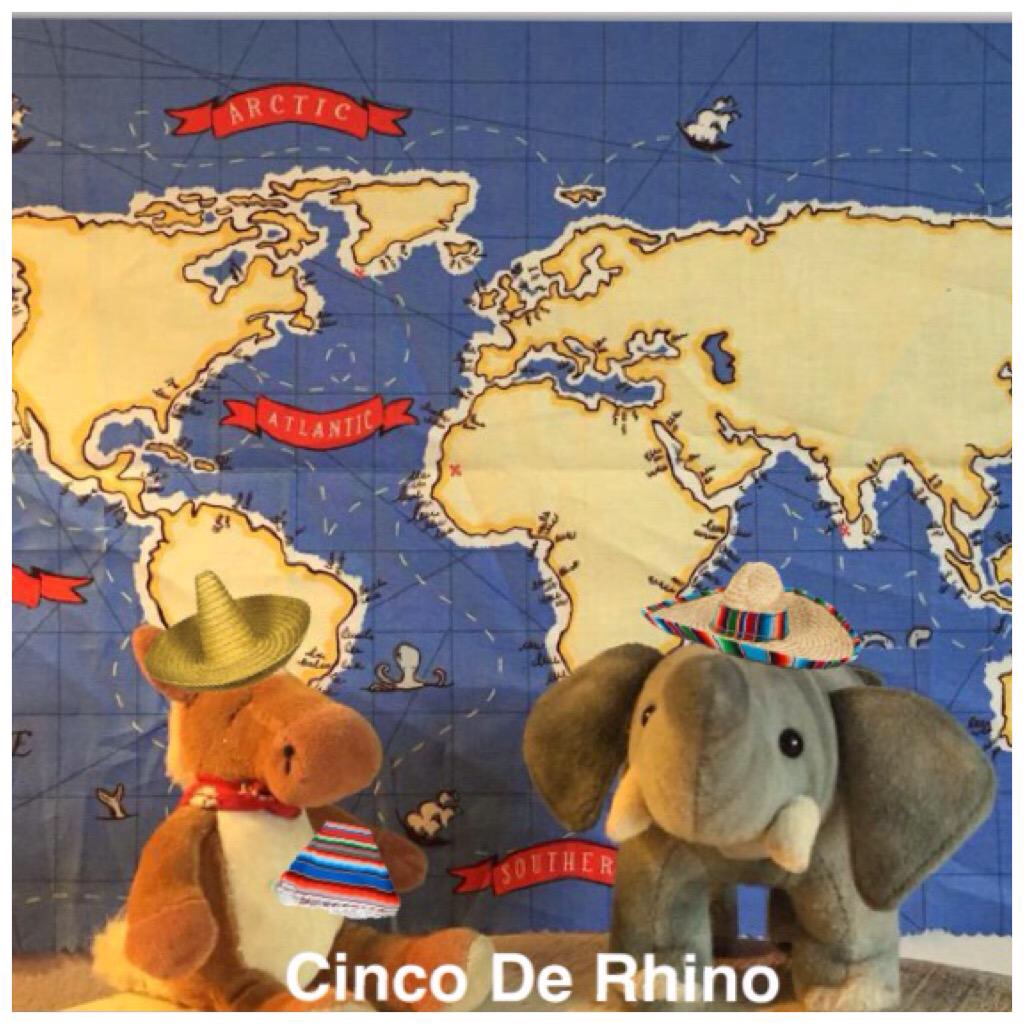
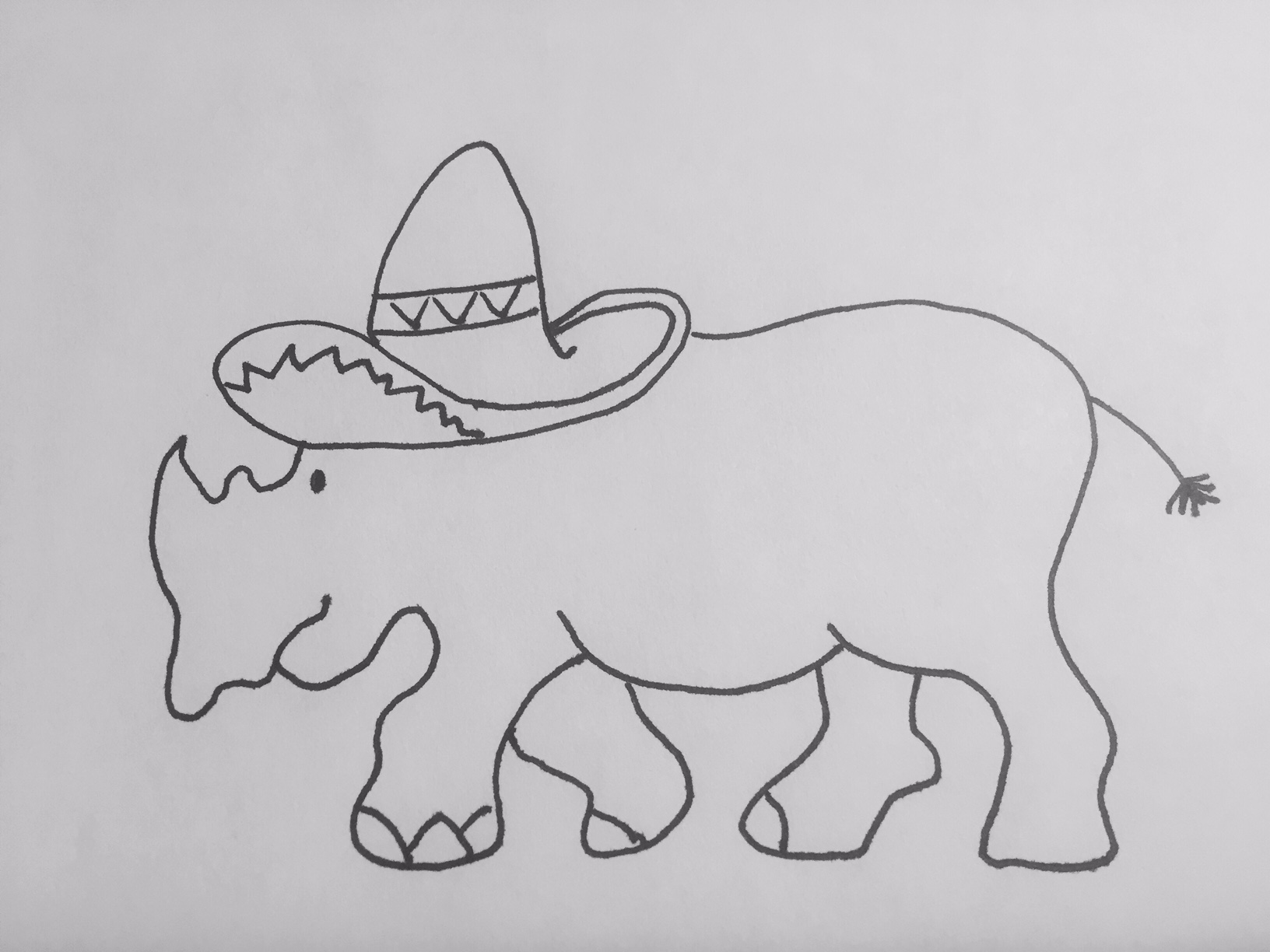
Happy May 5th, or as we like to call it- Cinco De Rhino! We’re celebrating these amazing animals today and hopefully bringing some awareness to their plight in the wild.

FullSizeRender(4)

rhino2

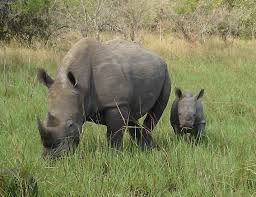
RHINO FUN FACTS:

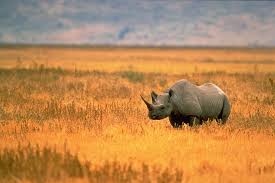
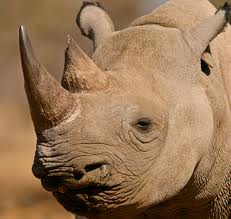
  • There are 5 species of rhinos, the Black Rhino, the White Rhino (the African species), the Northern India Rhino, the Sumatran Rhino and the Javan Rhino (the Asian species).
  • Rhinoceros is Greek for nose and horn!
  • All rhinos have poor eyesight.
  • White rhinos have a large broad mouth for grazing grass.
  • Black rhinos have a narrow prehensile lip to help them grasp leaves.

IMG_1741

  • Rhino horns are made of keratin, the same protein that makes up your hair and fingernails.
  • Rhinos’ ears can move and rotate independently of each other. This adaptation helps the rhino hear.
  • Rhinos are herbivores.

rhino3

  • The Sumatran Rhino is the smallest rhino weighing around 1,700 lbs and the White rhino is the largest weighing around 5,000 lbs.
  • A group of rhinos is called a crash!
  • All rhinos are endangered. Many organizations, like World Wildlife Fund and Saving Rhinos are working very hard to save and protect these amazing animals. Check them out and see how you can help!


IMG_1743


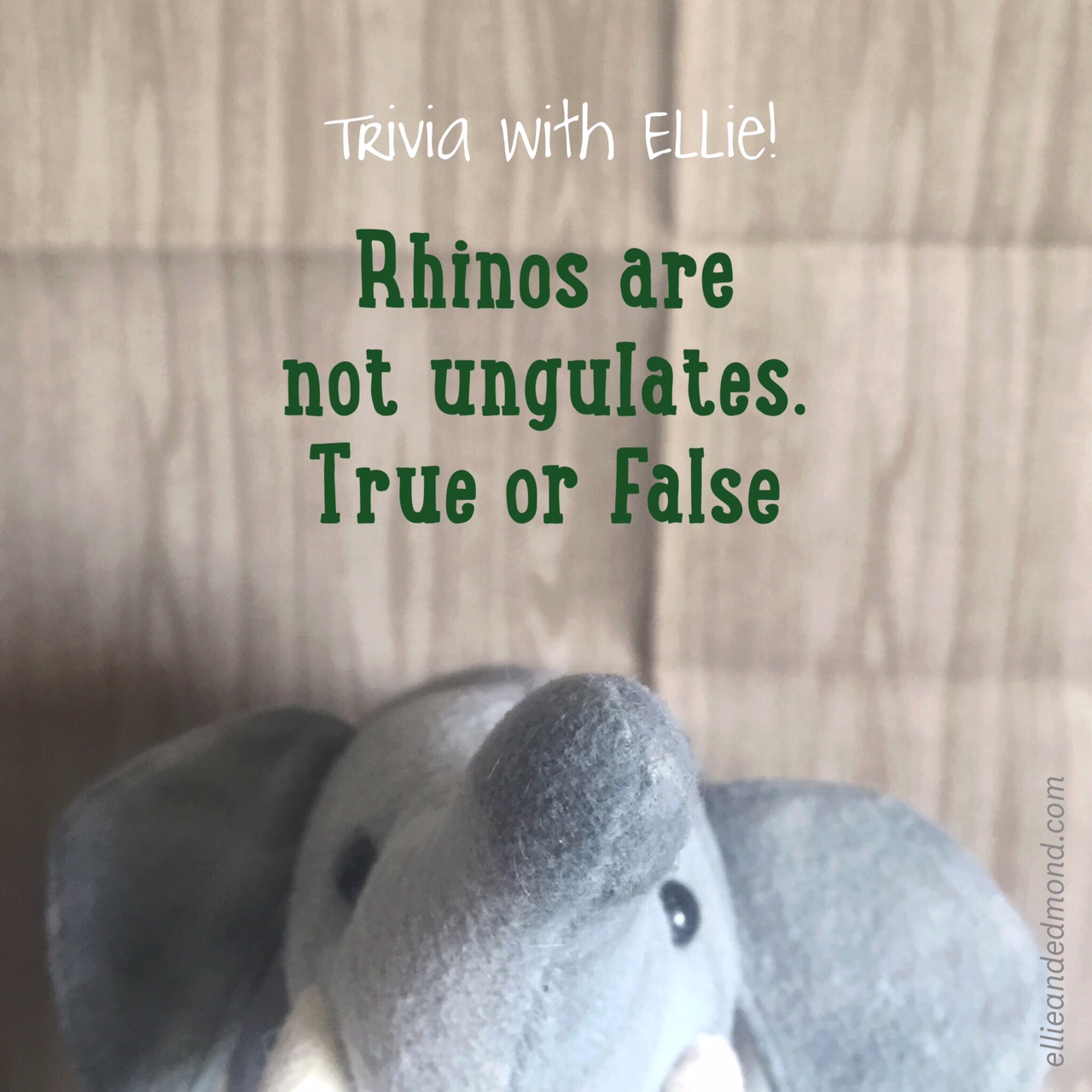
Answer: Rhinos are ungulates! That have hooves on their feet!

Categories: adventure, Animals, Children, conservation, education, Environment, mammals, nature, science, wildlife | Tags: , , , , , , , , | 2 Comments

SCIENCE WORD OF THE WEEK!

SCIENCE WORD OF THE WEEK!

swow ungulate

Welcome back to class everyone! We had a little hiatus while Ellie and Edmond took a vacation in Chicago! I heard they had a fantastic time and they’ll be posting pictures later in the week! Today let’s get to the Science Word of the Week!

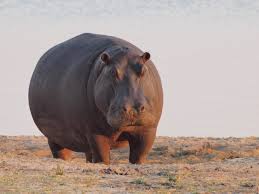
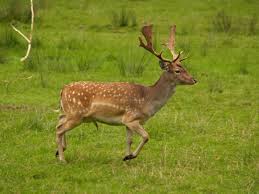
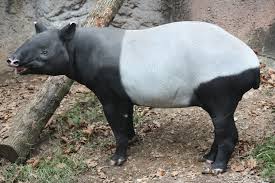
Today’s word is Ungulate: an animal with hooves. Ungulates are mammals. They often walk on the tips of their toes that are covered with a hoof. Ungulates can have one or more toes. Their are many ungulates in the world. Here are just a few, including Edmond and rhinos! Tomorrow we’ll be celebrating Cinco De Rhino!

IMG_3563rhino

tapir3hippo

giraffe

deercamel

Categories: adventure, Animals, Children, conservation, education, Environment, mammals, nature, science, vocabulary, wildlife | Tags: , , , , , , , , | 2 Comments

Blog at WordPress.com.