vocabulary

SCIENCE WORD OF THE WEEK!

SCIENCE WORD OF THE WEEK!

swow plankton

Who is excited for class today? I hope you have had a great weekend! I have a great word for you today!

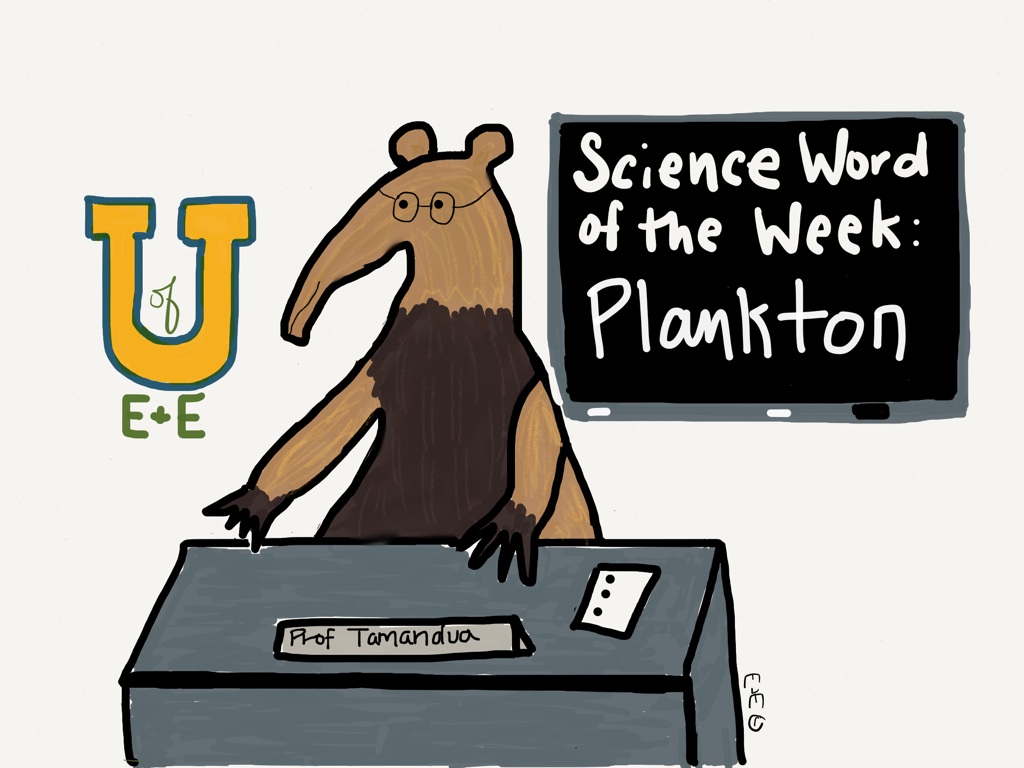
Plankton: tiny plants and animals that float in oceans and fresh water. These tiny organisms are some of the most abundant life forms on earth. Some plankton produce oxygen and some are eaten by other animals, including whales. Plankton is an important part of the food web.

swow plankton cartoon

Categories: adventure, Animals, Children, conservation, education, Environment, nature, science, vocabulary, wildlife | Tags: , , , , , , , , , | 2 Comments

SCIENCE WORD OF THE WEEK!

SCIENCE WORD OF THE WEEK!!

swow echolocationIt’s time to get down to the business of the Science Word of the Week! Who’s excited?

Today’s word is Echolocation!

Echolocation is the locating of objects by sending out sound waves and those sound waves reflecting to the animal, giving them an image of the object.  Echolocation is used by bats and dolphins to help give them a picture of their environment and to help them locate prey.

swow echolocation cartoon


Categories: adventure, Animals, Children, conservation, education, Environment, science, vocabulary, wildlife | Tags: , , , , , , , , , | Leave a comment

SCIENCE WORD OF THE WEEK!

SCIENCE WORD OF THE WEEK!

swow barbel

It’s Monday and that means it time for our Science Word of the Week! We’re celebrating Shark Week and tomorrow I hope everyone will be wearing grey tomorrow for International Elephant Day! We want to see your support for elephants! Today we’re talking about a body part that fish have for our Science Word!

Barbels: a barbel is a finger-like projection on or near the mouth or near the nostrils of  certain fish species. Barbels are sensing projections and some have taste buds. They help fish like catfish, hagfish or sturgeon.

Another fish that has barbels is the Wobbegong Shark! They use their barbels to detect prey on the bottom of the ocean floor.

swow barbel cartoon

Categories: adventure, Animals, Children, conservation, education, Environment, nature, science, vocabulary, wildlife | Tags: , , , , , , , , , | 3 Comments

SCIENCE WORD OF THE WEEK!

SCIENCE WORD OF THE WEEK!
swow baleen

Welcome back to class! Who is excited about the big art contest Ellie and Edmond are having? I am really looking forward to seeing all the great entries! This week our word is all about whales! We’re talking about baleen!

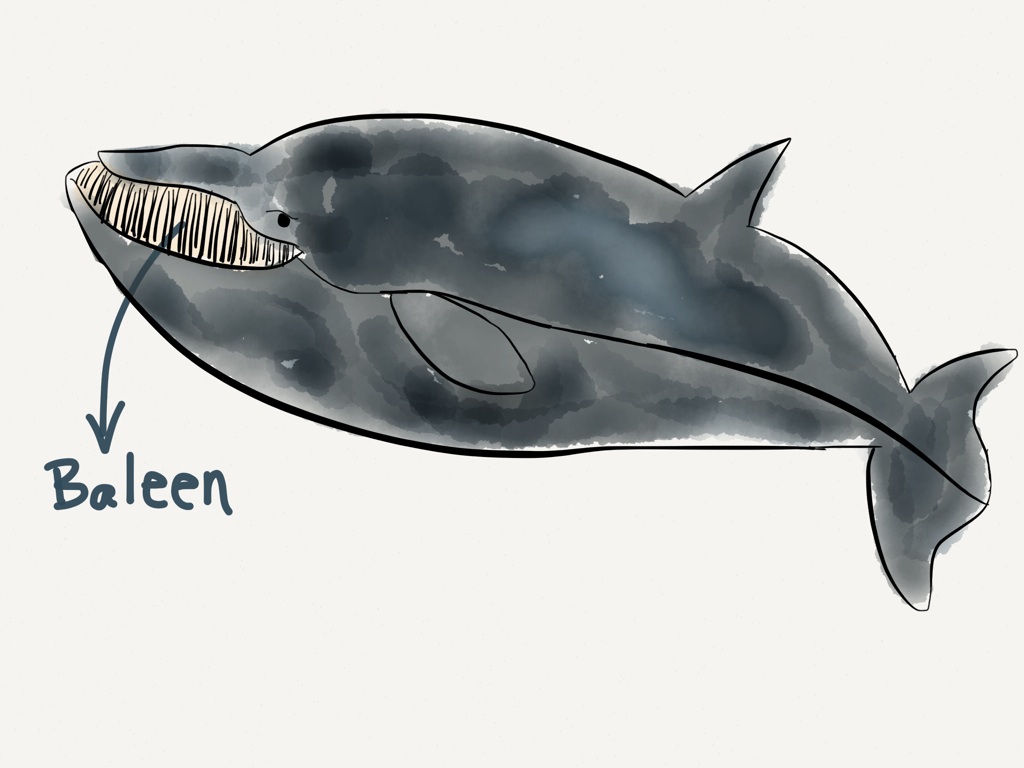
Baleen: a fibrous structure made of keratin* that grows in the upper and lower jaw of baleen whales. Baleen allows these whales to filter water out and keep their prey in. Baleen whales eat tiny animals like krill and plankton. Baleen whales include the Blue Whale, the Gray Whale, the Southern Right Whale and the Humpback Whale.

swow baleen cartoon

Categories: adventure, Animals, Children, conservation, education, Environment, nature, science, vocabulary, wildlife | Tags: , , , , , , , , , , | Leave a comment

SCIECNCE WORD OF THE WEEK!

SCIENCE WORD OF THE WEEK!

swow warning coloration

Welcome to class everyone! Ellie and Edmond are still in South America exploring the rainforest! I was so excited to see they saw a tamandua out in the wild! This week’s word is all about adaptations! It’s how some animals warn predators that they are toxic or poisonous! I warn predators with my strong odor!

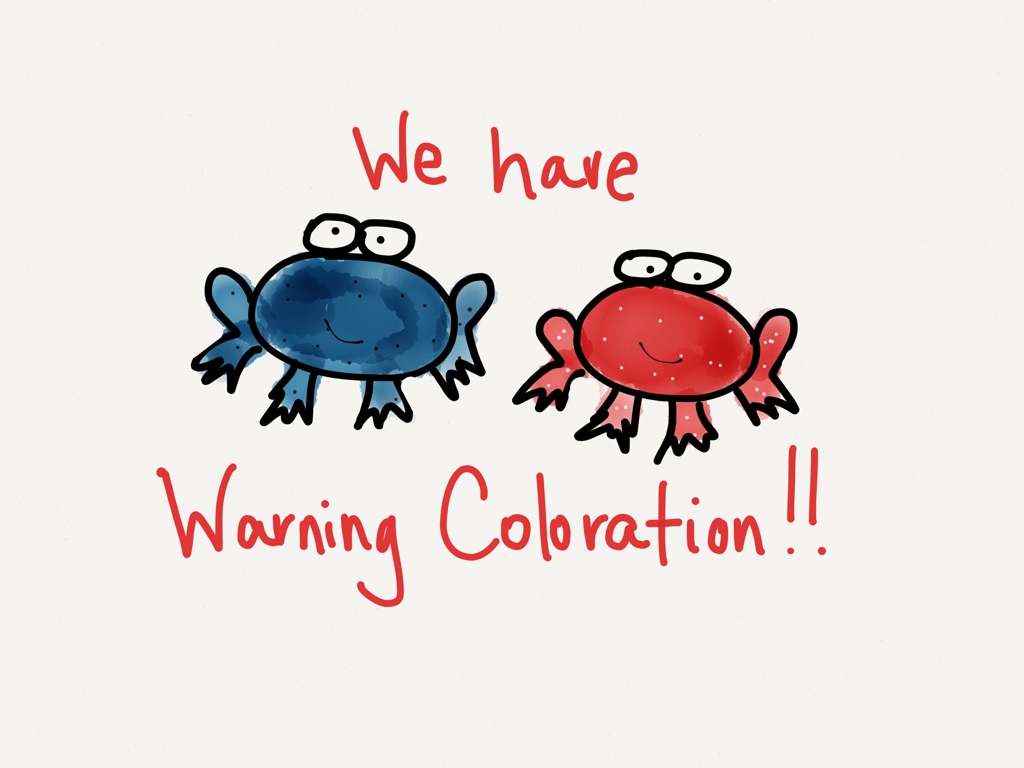
Warning Coloration: When an animal is brightly colored to warn predators that they may be toxic or poisonous. Animals such as poison dart frogs have warning coloration! Monarch butterflies also have warning coloration! This is a great defense mechanism! If you had warning coloration- what would it be?

warning coloration

Categories: adventure, Animals, Children, conservation, education, Environment, nature, science, vocabulary, wildlife | Tags: , , , , , , , , , | Leave a comment

SCIENCE WORD OF THE WEEK!

SCIENCE WORD OF THE WEEK!

swow prehensile

Hello students and welcome to class this fine Monday! I hope you have had a wonderful weekend! I hear that Ellie and Edmond are heading to South America this week! That should be so exciting! I bet they will see some animals with prehensile tails! Prehensile is our word of the week too!

Prehensile (prē-ˈhen(t)-səl, –ˈhen-ˌsī(-ə)l): the ability to grab or hold something by wrapping around it.

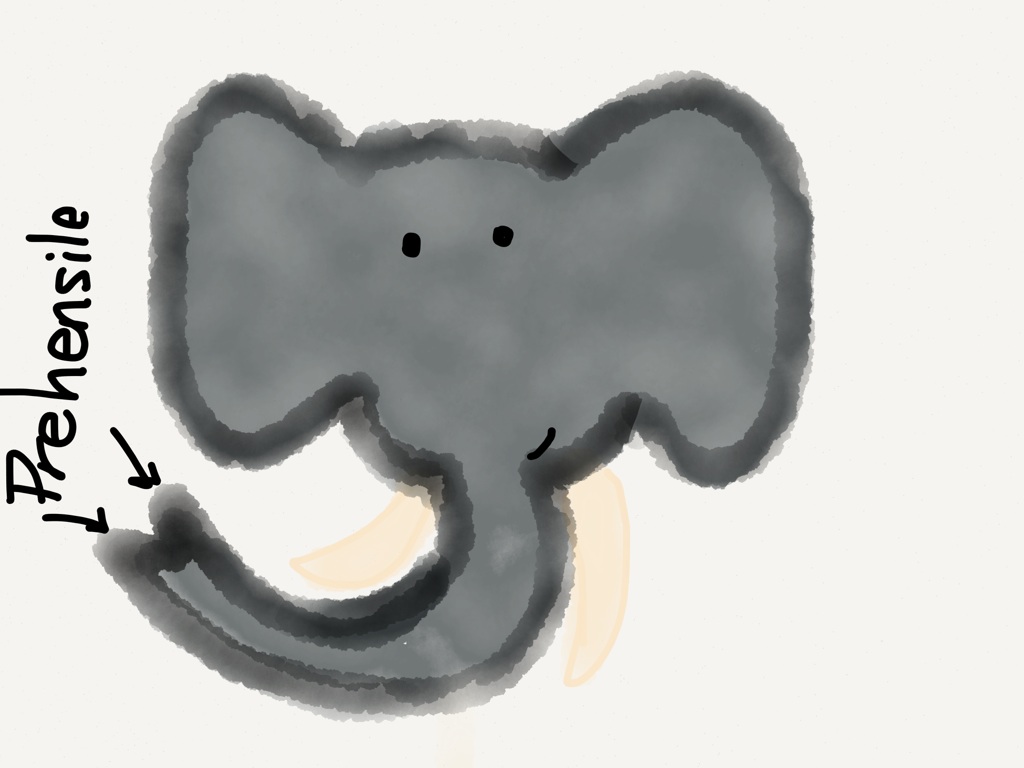
Most of us think of tails when we think of prehensile limbs- such as monkeys (only monkeys that live in Central and South America have prehensile tails). Other appendages and body parts can be prehensile too- like a giraffe’s tongue or the lip of a black rhino. One of my favorite example of prehensile body part is Ellie’s trunk! The two proboscides (the lip like projections on an elephants trunk) are prehensile; they are capable of picking up a single blade of grass! Wow- who knew! Can you think of other animals who have prehensile body parts, like the panther chameleon below?

swow prehesile cartoon

chameleon

Categories: adventure, Animals, Children, conservation, education, Environment, nature, science, vocabulary, wildlife | Tags: , , , , , , , , , | 2 Comments

SCIENCE WORD OF THE WEEK!

SCIENCE WORD OF THE WEEK!

swow hibernation

Welcome to class students! Last week we learned about the adaptation camouflage; this week we’re learning about hibernation- an adaptation that some animals have to help them survive winter when resources may be scarce.

Hibernation: a state of rest when animal’s heart rate and breathing slows and their body temperature drops. Animals like black bears hibernate during the winter because the food they eat (nuts and berries) are not present during the cold months. Bears will eat as much as they can to store fat before hibernating. They use very little energy during the period of hibernation. Some bats, fish, badgers and some rodents. Some of these animals don’t store enough fat so their hibernation is a lighter state of sleep, so they can wake up and eat.

hibernation

Categories: adventure, Animals, Children, conservation, education, Environment, nature, science, vocabulary, wildlife | Tags: , , , , , , , , , | Leave a comment

SCIENCE WORD OF THE WEEK!!

SCIENCE WORD OF THE WEEK!!

swow camouflage

We’re back from our summer break! We hope everyone had a lovely holiday weekend here in the states and a great regular one for international friends! We’re recharged and ready to learn! This week’s word is:

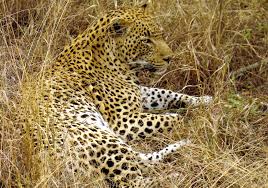
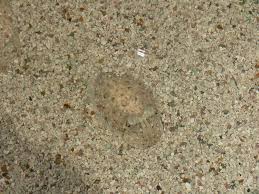
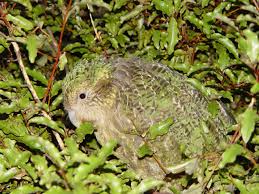
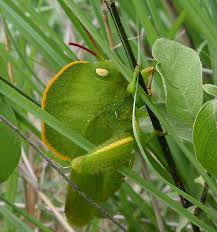
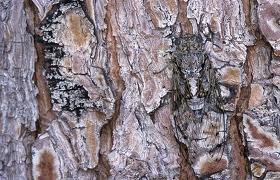
CAMOUFLAGE: an animal’s appearance allows them to blend in with their surroundings.  Camouflage can take on different forms, with size, shape, texture and most often color. Camouflage is a defense mechanism that allows animals to hide from predators. It can also be used to help conceal ambush predators while they wait for their prey! Do you have camouflage to blend in with your surroundings? See if you can spot the animals in the pictures!

camouflage5camouflage4

camouflage3

camouflage2camouflage

Categories: adventure, Animals, Children, conservation, education, Environment, nature, science, vocabulary, wildlife | Tags: , , , , , , , , , | Leave a comment

SCIENCE WORD OF THE WEEK!

SCIENCE WORD OF THE WEEK!
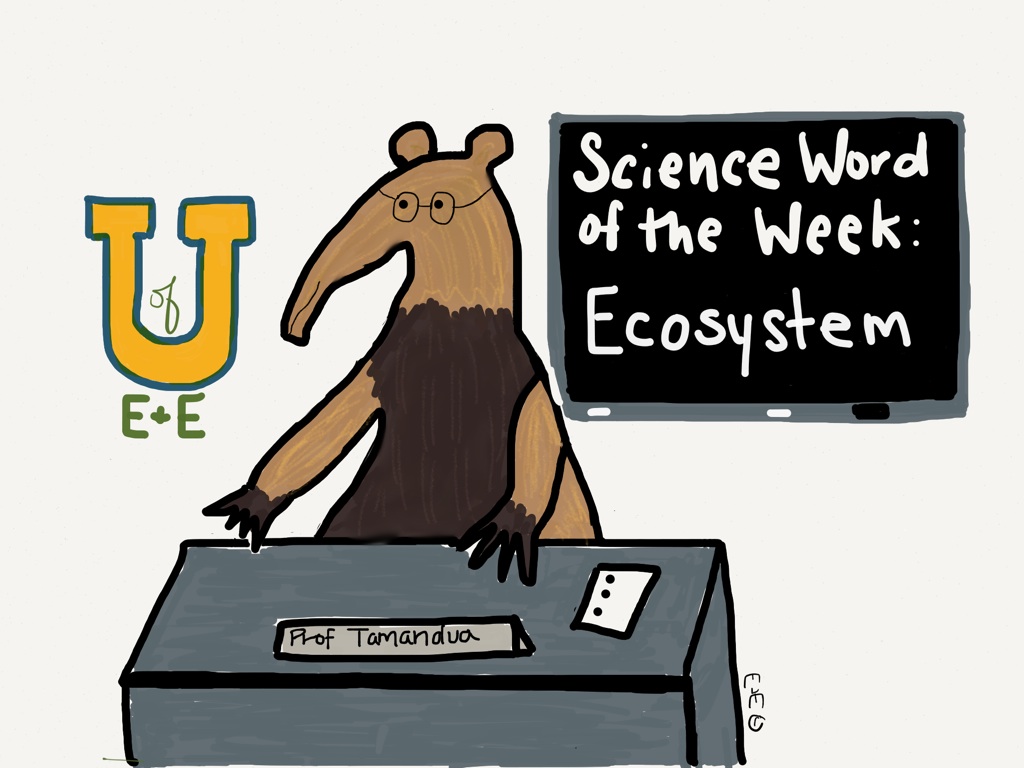
So nice to see everyone this fine Monday! Now that the computers here at the University have been fixed we can get on with the business of learning! We sure hope you enjoyed World Giraffe Day on Saturday! Those mammals know how to reach for the stars! Hahaha! So who’s ready to learn this weeks word? ME!

swow ecosystem

An Ecosystem ( ek-oh-sis-tuhm, ee-koh) is a group of living organisms (both plants and animals) that exist in one area together. Ecosystems include the soils, water and atmospheres that these organisms share.

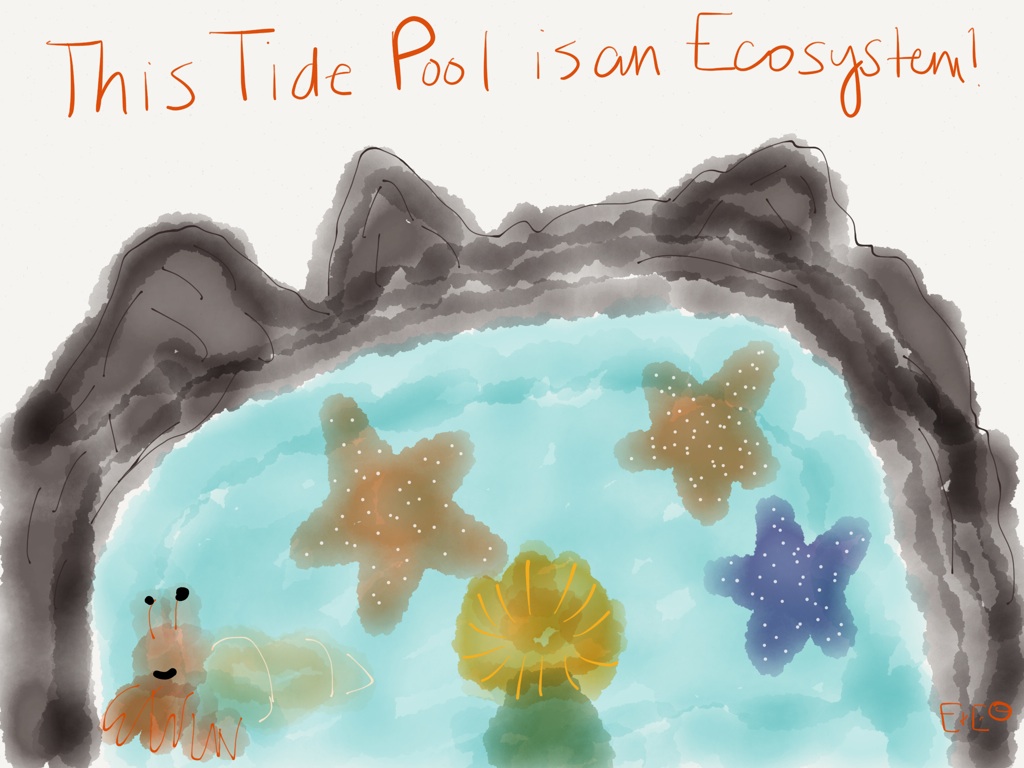
Ecosystems can be very small to vast areas, such as savannas. The organisms that exist together in an ecosystem are dependent on each other to survive. One of my favorite ecosystems are tide pools. These amazing areas are where sea water and animals and plants are trapped during low tide on rocky coast lines. Tide pools are so fun to explore during the low tide, you can find sea stars, anemones, shrimp, crabs and seaweed among other things! Have any of you been lucky enough to explore a tide pool?

ecosystem cartoon

Categories: adventure, Animals, Children, conservation, education, Environment, nature, science, vocabulary, wildlife | Tags: , , , , , , , , , , | Leave a comment

SCIENCE WORD OF THE WEEK!

SCIENCE WORD OF THE WEEK!

Welcome back to class everyone! We hope you celebrated World’s Oceans Day with Ellie and Edmond yesterday! If not, make sure you check out the post and the coloring sheet! Today’s word is a big one- so let’s get ready to learn!

swow biology

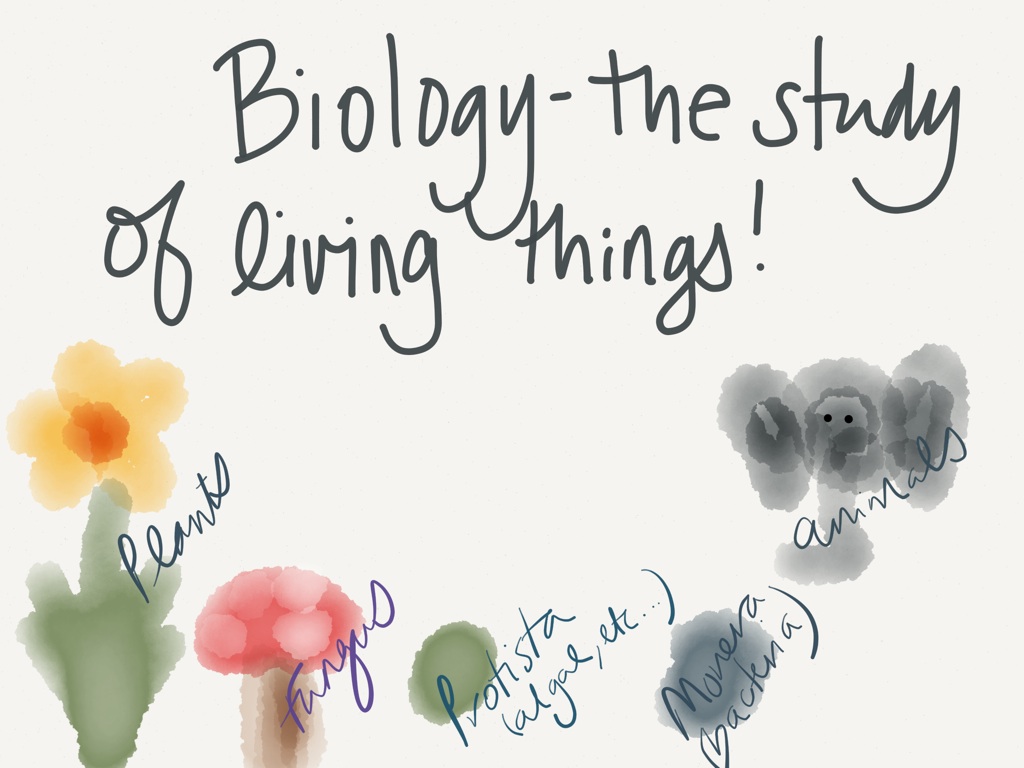
Today’s word is Biology: the study of living things. This includes all five kingdoms of living things on our planet. Those are animals, plants, fungus, protista (single and mutilcellular algae and flagella and monera (single and colonial bacteria and blue-green algae). Whew that is a mouth full. Biologists- the scientist who study living things specialize in all of these different kingdoms. Some biologist study one kind of fungus or just one species of animal, where others study whole groups! Biology is one of the best kinds of sciences out there!  Do any of our students want to be biologist?

biology cartoon

Categories: adventure, Animals, Children, conservation, education, Environment, nature, science, vocabulary, wildlife | Tags: , , , , , , , , , | 1 Comment

Blog at WordPress.com.