Posts Tagged With: birds

DAD’S WEEK DAY # 5

DAD’S WEEK DAY #5

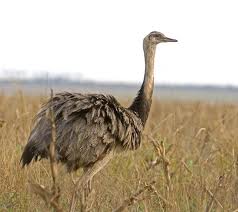
It’s the last day of dad’s week and we sure hope you’ve enjoyed meeting all of our dad friends! Today we’re going back to South America to meet a large and in charge bird dad! So shed your parka from yesterday and put on those khakis, hats and sunscreen and let’s head out to the plains of Argentina!

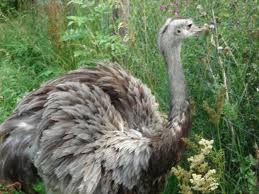
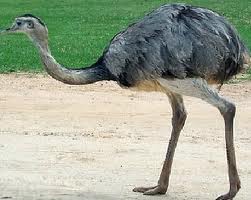
MEET THE GREATER RHEA!

   Range/Habitat: Eastern South America/ desert-grasslands

   Diet: Omnivore: fruits, seeds, lizards, insects

   Length/Weight: 3-5ft/ 33-60 lbs

   Conservation Status: common

Fun Facts:

  • The Greater Rhea is the largest bird in South America.
  • They are flightless and are related to the Ostrich and Emu.
  • Male Greater rheas attract up to 12 females with a booming call and wing display.
  • Female greater rheas (up to 12 ladies) then lay their eggs in a nest the male has dug out.
  • Male Greater rheas then take sole charge of the eggs.
  • They are highly protective of the nest and eggs and the chicks after they hatch.
  • Male Greater rheas even take care of all the chicks after they hatch!

These big old birdies sure make great dads! We wouldn’t want to mess with these dads while they’re protecting their young! Way to go Rhea dads!


Categories: Animals, birds, Children, dads, education, Environment, nature, science, wildlife | Tags: , , , , , , , | 2 Comments

DADS WEEK DAY # 4

DAD’S WEEK DAY #4

We’ve already made it to Day 4 of Dads week can you believe it? So far we’ve met some awesome dads, all of whom live in a tropical or warm habitat, but not today! We’re putting on the parkas, big boots and snow shoes to meet today’s feathery dad! Talk about enduring the elements, these South Pole residents sure live in a harsh climate! Are you ready to go?

MEET THE EMPEROR PENGUIN!

   Range/Habitat: Antarctica, coastline and oceans

   Diet: Carnivore: fish

   Length/Weight: up to 3 ½ ft/ up to 82 lbs

   Conservation Status: common


Fun Facts:

  • Emperor Penguins are the largest of all penguin species.
  • They breed in the winter.
  • Female Emperor Penguins lay their eggs and immediately give them to the males.
  • Male Emperor Penguins then carry the eggs on their feet and cover them with a pouch of skin to keep them warm.
  • Females return to the sea to eat while the males incubate the egg.
  • Male Emperor Penguins fast for around 65 days while they incubate the egg.
  • They huddle together in the harsh conditions to keep warm. The penguins rotate in the center of the huddle to get warm.

Emperor Penguins are fantastic birds! These dads go through a very harsh winter with eggs on their feet to ensure that their chicks are safe! We are very impressed by these birds! What about you?


Categories: Animals, birds, Children, dads, education, Environment, nature, oceans, penguins, science, wildlife | Tags: , , , , , , , , , , | Leave a comment

FEATHERY FRIDAY # 36

FEATHERY FRIDAY# 36

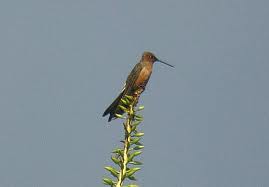
We’ve strapped on our hiking gear today to meet the world’s largest hummingbird high in the Andes Mountains! We’ll need some hiking snacks and binoculars to catch a glimpse of this bird! Are you ready to do this? Let’s go meet the…

MEET THE GIANT HUMMINGBIRD!

   Range/Habitat: Western South America/ mountains

   Diet: Herbivore: nectar

   Length/Weight: 8-9”/ 5/8-11/16 oz

   Conservation Status: Common


Fun Facts:

  • The Giant Hummingbird is the largest hummingbird on the planet.
  • They eat mostly nectar, usually from agave plants.
  • Giant Hummingbirds often glide when flying.
  • They are brownish-green and much less colorful than most other hummingbirds.
  • Giant hummingbirds often live in high altitudes.

These amazing birds live in a special habitat. They are big for hummingbirds, but only weigh a fraction of what other species of birds their sizes do! Cool!


Categories: Animals, birds, Children, education, Environment, nature, science, wildlife | Tags: , , , , , , , | 4 Comments

FEATHERY FRIDAY # 35

FEATHERY FRIDAY# 35

We haven’t featured an owl in a while, so we traveled to the grasslands of Africa to find a very cute and little owl with exceptional talons! Get your sunscreen because this little owl hunts during the day!

MEET THE PEARL SPOTTED OWL!

   Range/Habitat: Africa-South of the Sahara/ grasslands, woodlands

   Diet: Carnivore: mice, bats, insects

   Length/Weight: 6 ½-8”/ 1 ¾- 5 oz

   Conservation Status: Common


Fun Facts:

  • Pearl Spotted Owls are one of the smallest owls in Southern Africa.
  • They are mostly diurnal (active during the day).
  • Pearl spotted owls have two false eye marks on the back of their heads. These markings confuse and deter predators.
  • They have very strong talons that enable them to catch prey that is larger than them.
  • Both female and male Pearl spotted owls incubate the eggs and take care of the chicks.
  • Check out their call!


These little owls are super neat! And you thought all owls were nocturnal didn’t you? Our bird friends just never cease to amaze us with their diversity!

Categories: Animals, birds, Children, education, Environment, nature, science, wildlife | Tags: , , , , , , , , | 2 Comments

ENDANGERED SPECIES DAY!

ENDANGERED SPECIES DAY!

 Today is a day to celebrate the Endangered Species Act here in America! It was enacted in 1973 and was set up to protect animal and plant species! There are also two international organizations that work to protect animals, CITES and IUCN.

We’re celebrating Endangered Species Day, by picking a few organizations that are working to save endangered animals!


First up: The San Diego Global Wildlife Conservancy. They work in the wild and with the San Diego Zoo and Safari Park to actively protect wildlife. They’ve even reintroduced more than 30 species back into the wild! Our pal on twitter @ZooKeeperRick shared this video with us all about their efforts! They’ve had success with iguanas, pandas and California condors!

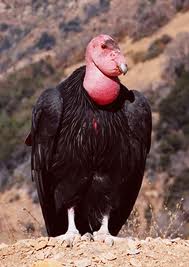


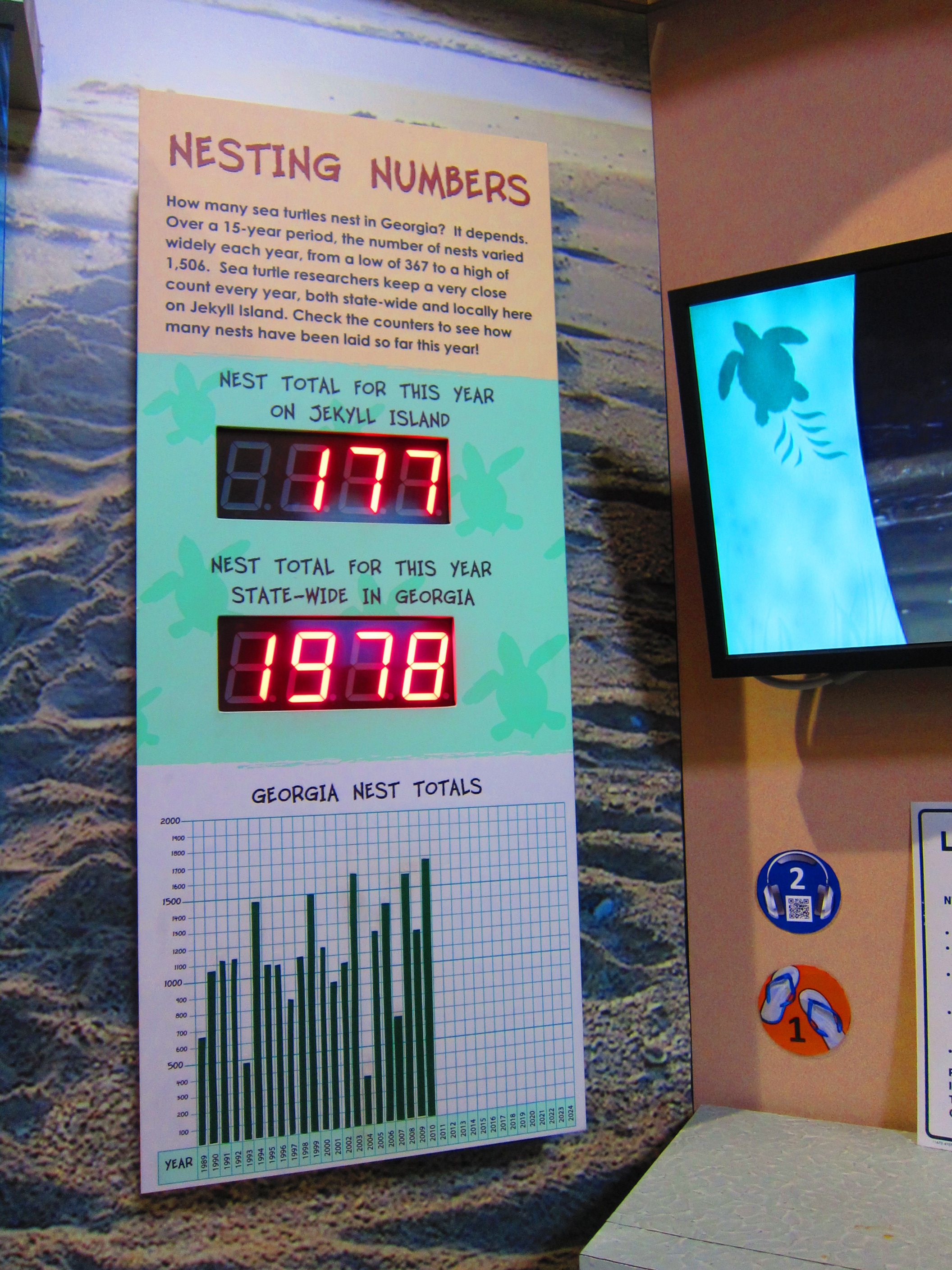
Next up: Is the Georgia Sea Turtle Center. The staff and volunteers at the center work hard to rehabilitate and reintroduce all species of sea turtles! They have a hospital and education center. They also keep track of all the sea turtle nests each season on the Georgia coast! Check out our post on when we visited!


Last up: The Kakapo Parrot! These critically endangered parrots are the largest of all parrots! They are also flightless, which is one reason they have declined in the wild. These amazing birds live in New Zealand, where rescue organizations are working very hard to save them! Check out the Kakapo Recovery website!

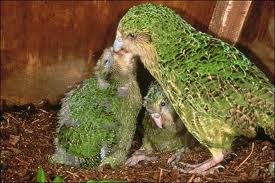
 

The National Wildlife Federation has a great page with more success stories!


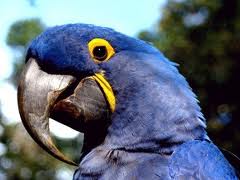
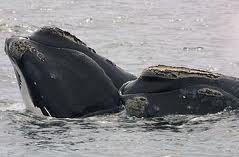
We all can work to help endangered species all around the world, even with small steps! A huge problem is habitat loss for many animals. One way to combat this is by recycling glass, paper, plastic & aluminum. You can find a local recycling center near you- here! You can also help endangered animals by educating yourself and joining organizations like the National Wildlife Federation, World Wildlife Fund or the Nature Conservancy.  You can also pay a visit to your local zoo, aquarium or nature center; often they are helping support animals in the wild and in their facilities with research and education! And one last thing you can do is to share your love of animals and wild places with others! Often your passion will spark that in other people! We’re going to leave you today with some adorable photos of some endangered species and hopefully they will inspire you to act!



Categories: Animals, apes, birds, Children, education, Environment, lizards, mammals, nature, oceans, orangutans, reptiles, science, wildlife | Tags: , , , , , , , , , , | 4 Comments

MOMS FEATHERY FRIDAY

MOMS FEATHERY FRIDAY

We’re off to the country of India to meet our last amazing animal mom! It is Feathery Friday, so that means this mom is a bird! These unusual and beautiful birds work hard with their males to make sure chicks are safe and sound. We’re going into the rainforest, so grab your bug repellant and let’s meet this mom!

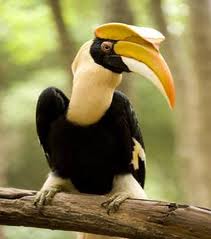
MEET THE GREAT INDIAN HORNBILL!

   Range/Habitat: Southeast Asia/ rainforest

   Diet: Omnivore: figs, reptiles, frogs

   Length/Weight: up to 5 ft/ up to 6 ½ lbs

   Conservation Status: Lower risk


Fun Facts:

  • Great Indian Hornbills live in the canopy of the rainforest.
  • They are large birds with magnificent bills and casks on top of the bills.
  • Great Indian Hornbills build nests in the hollow of a tree.
  • They seal off the opening of the nest with mud, except for a small hole.
  • Great Indian Hornbill males feed the female through the small hole.
  • She stays in the enclosed nest until the chick hatches, for about 3 months.
  • Once the chick hatches, mom breaks out and then reseals the opening for another month, feeding the chick through a small hole.


We met some amazing moms this week and now we have a bird that seals itself into a tree to incubate its egg! That is crazy! Thank goodness there is a male around to feed her nibbles while she hangs out! Way to go Great Indian Hornbills!

We hope you enjoyed our moms week and that you are able to give your mom a big hug for all that she does for you!

Categories: Animals, birds, Children, education, Environment, moms, nature, rainforests, science, wildlife | Tags: , , , , , , , , , | 2 Comments

FEATHERY FRIDAY # 33

FEATHERY FRIDAY# 33

We just love our feathery friends and there are so many birds in the world! They come in all sizes and shapes and colors. They have common names and funny names, like today’s Feathery Friday bird! We’re off to Europe and Asia to meet a cute bird with a funny name.

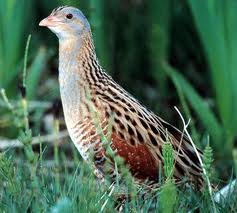
MEET THE CORNCRAKE!

   Range/Habitat: Europe-Asia

   Diet: Omnivore: invertebrates, grass, seeds

   Length/Weight: 10 ½-12”/ 4-7 oz

   Conservation Status: Common


Fun Facts:

  • Corncrakes have strong pointy bills.
  • Corncrakes are also called Landrails.
  • They are known for their loud raspy calls.
  • Corncrake’s calls can be heard from a mile away.
  • They can be heard calling up to 20,000 times in a night during the mating season.
  • Corncrakes migrate to Africa in the winter.
  • They migrate at night.
  • Corncrakes are often heard but not seen. They usually stay well hidden.

These birds are just adorable and their calls are so fun! Our Twitter pal @catchthetoucan who is a bird keeper in the UK, she sent us a corncrake call, sadly we could not download it :(. We did find it on this website: http://www.hark.com/clips/mlhhmctfdy-corncrake-call

Categories: Animals, birds, Children, education, Environment, nature, science, wildlife | Tags: , , , , , , , | 2 Comments

SUPER SURPRISE THURSDAY # 33

SUPER SURPRISE

THURSDAY# 33

It’s another Super Surprise Thursday and we’re going flying today! So let’s get our hang gliding gear on because we’ll need to go hang gliding to catch these agile birds!

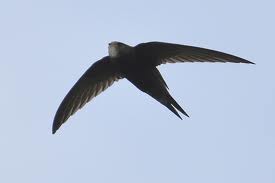
MEET THE COMMON SWIFT!

   Range/Habitat: Europe-Western Asia/ forest, grasslands
   Diet: Insectivores: Insects

   Length/Weight: 6 ½-7”/ 1- 1 ¾ oz

   Conservation Status: Common


Fun Facts:

  • Common swifts have long narrow wings.
  • They are fast and agile fliers.
  • Common swifts are small noisy birds.
  • They spend most of their lives in the air. They eat, mate and even sleep in the air.
  • Common swifts look like a boomerang when flying in the air.
  • Common swifts migrate to Africa during the winter.
  • Young swifts remain airborne for up to 3 years before landing to bread.


Common swifts are amazing birds! Can you imagine flying for up to 3 years without landing? Phew, that would be exhausting! They are such graceful birds too! We just love them!
 

Categories: Animals, birds, Children, education, Environment, nature, science, wildlife | Tags: , , , , , , , , | 2 Comments
FEATHERY FRIDAY # 32

FEATHERY FRIDAY# 32

We were in South Africa yesterday and we’re staying on the continent today to meet a Feathery friend! We’re going to the forests today to meet a lovely little bird! Grab your binoculars because we’re going birding!

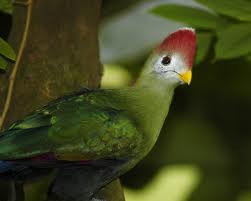
MEET THE RED CRESTED TURACO!

   Range/Habitat: Southwestern Africa/ forests

   Diet: Omnivore: fruits, leaves, snails

   Length/Weight: 16-17”/ 7-12 oz

   Conservation Status: Common


Fun Facts:

  • Red crested turacos have a special cooper pigment that is unique to the Turraco family.
  • If you stir a glass of water with a feather from the Red crested turaco, the water would turn pink!
  • Red crested turacos live in the canopy of the forests.
  • They have mobile outer toes for gripping branches.
  • They hop from branch to branch looking for food.
  • Red crested turacos are highly territorial.
  • They live in family groups or flocks.
  • Red crested turacos bond for life and both the female and male build the nest and incubate the eggs.
  • Red crested turacos disperse seeds throughout the forest through their poop!


Wow, aren’t these birds amazing with their funny crests on their heads? We could watch them hop around tree branches all day!

Categories: Animals, birds, Children, education, Environment, nature, science, wildlife | Tags: , , , , , , , | 3 Comments

WORLD PENGUIN DAY!

HAPPY WORLD PENGUIN DAY!!!!

We’ll be posting fun facts on Twitter (@EllieandEdmond) and on Facebook today https://www.facebook.com/pages/Ellie-and-Edmond/254090144618348, but we wanted to leave our blog readers with some fun picture of penguins!

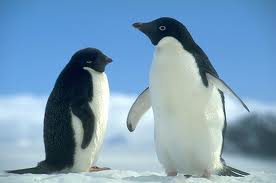
Adelie penguins


An Emperor Penguin & chick!


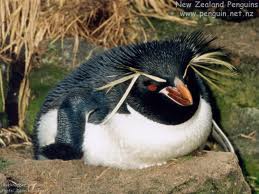
Rockhopper!


Chinstrap!

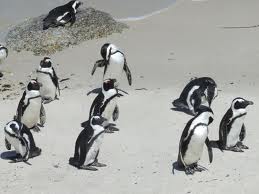
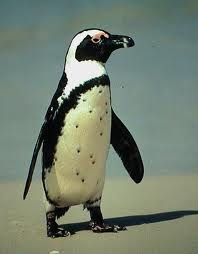
Penguins on the beach in South Africa!


Categories: Animals, birds, Children, education, Environment, nature, penguins, science, wildlife | Tags: , , , , , , , , | 3 Comments

Blog at WordPress.com.