Posts Tagged With: children

WE’RE ON A MISSION!

We’re on a Mission!

Code name: Conservation!

That’s right we’re on a mission to catch you in the act of conservation! Here at the Ellie and Edmond headquarters we talk about the small ways you can help animals, such as recycling!

Now we want to see you doing great things for the planet!

So we’re having a Photo Contest! Starting on Wednesday August 1st and ending Friday August 31st,we’re asking our fans and friends to post your pictures of you participating in conservation!

We want to see you recycling, growing a butterfly garden, going to a zoo or aquarium and reading about conservation, making your own green cleaning products, filling a bird feeder or reusing an item.

These are just some of the many things you can catch on film! Be creative and make it fun!

You can post the photos on our Facebook wall or

tweet it to us @EllieandEdmond.


We’ll pick 3 winners and announce them on Monday September 3rd

You can enter up to 3 pictures. Prizes to be determined!

We are soooo excited to see your pictures! We’ll be posting them once a week on our blog, so you can see all the fun! Please share this with all your friends and family, the more pictures we get the better!


Categories: Animals, backyard, Children, education, Environment, gardens, nature, photography, wildlife, wildlife photography | Tags: , , , , , , , | Leave a comment

FEATHERY FRIDAY # 41

FEATHERY FRIDAY# 41

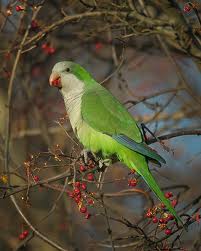
We’re off to the rainforest of Central and South America today to meet the little parakeet that could. These brightly colored birds are so adorable. Are you ready to meet them?

MEET THE MONK PARAKEET!

   Range/Habitat: Central-South America/ rainforests, grasslands, suburbs

   Diet: Herbivore: seeds, fruits, berries

   Length/Weight: 11 ½”/ 4 oz

  Conservation Status: common


Fun Facts:

  • Monk parakeets are also known as the Quaker parrot.
  • They have long green tails and gray/white faces.
  • Monk parakeets are highly intelligent and social.
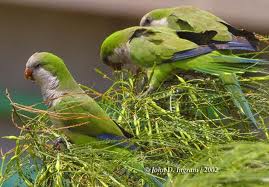
  • They build colonies of nests.
  • Monk parakeets build their nests next to or on top of each other, creating one large structure.
  • They have been introduced in many other places, where they are expanding their numbers.

Monk parakeets are adorable! They now live in the US as far as the Northeast. While they are cute, they can out-compete native birds for space and food. It’s very important for bird owners to know it is never a good idea to release their pets into the wild, because they can take over. Monk parakeets are now banned in many states because of this problem.


Categories: adventure, Animals, birds, Children, education, Environment, nature, rainforests, science, wildlife | Tags: , , , , , , , | 3 Comments

TENNESSEE AQUARIUM ROAD TRIP!

Field Trip to the Tennessee Aquarium!

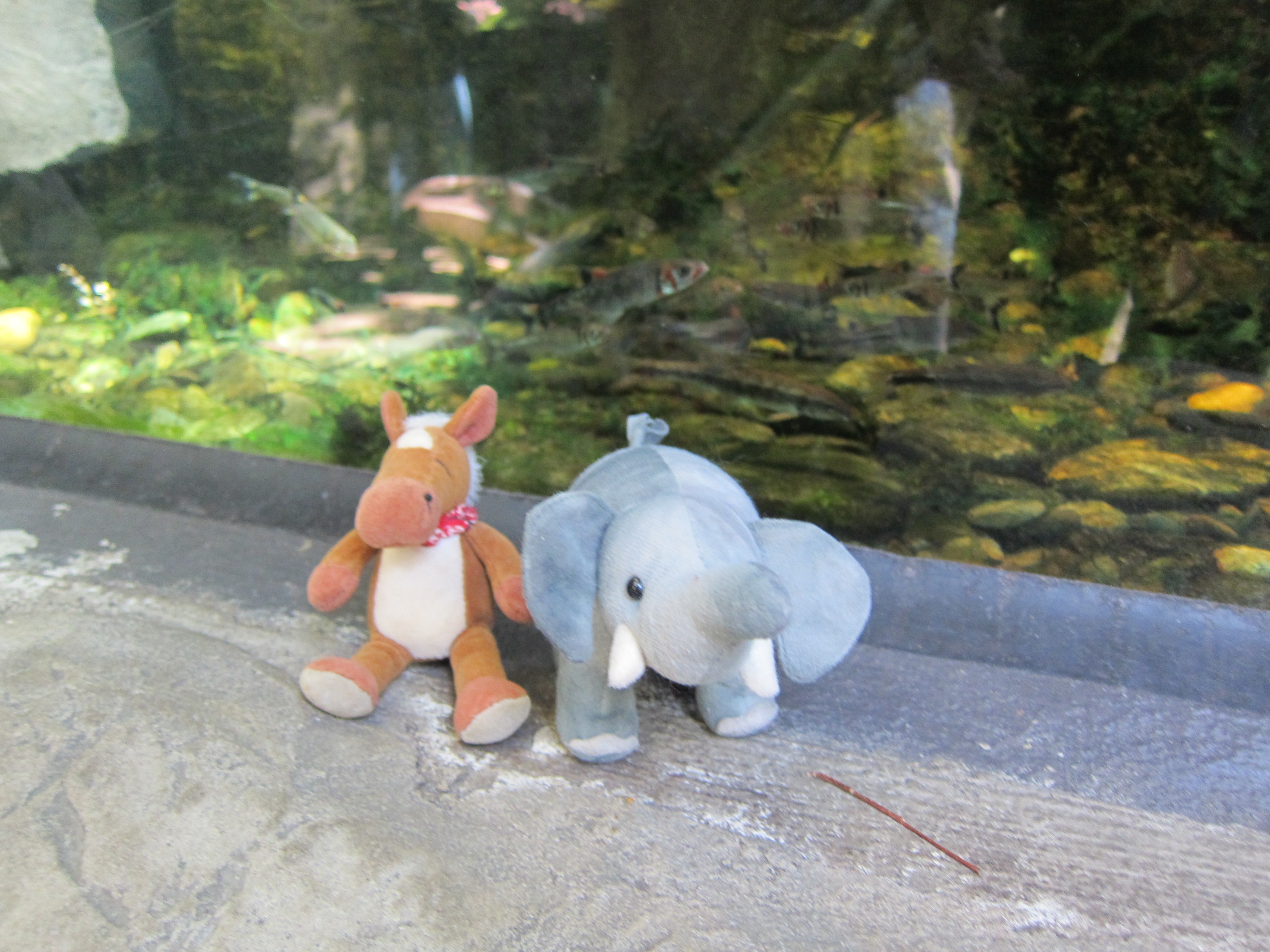
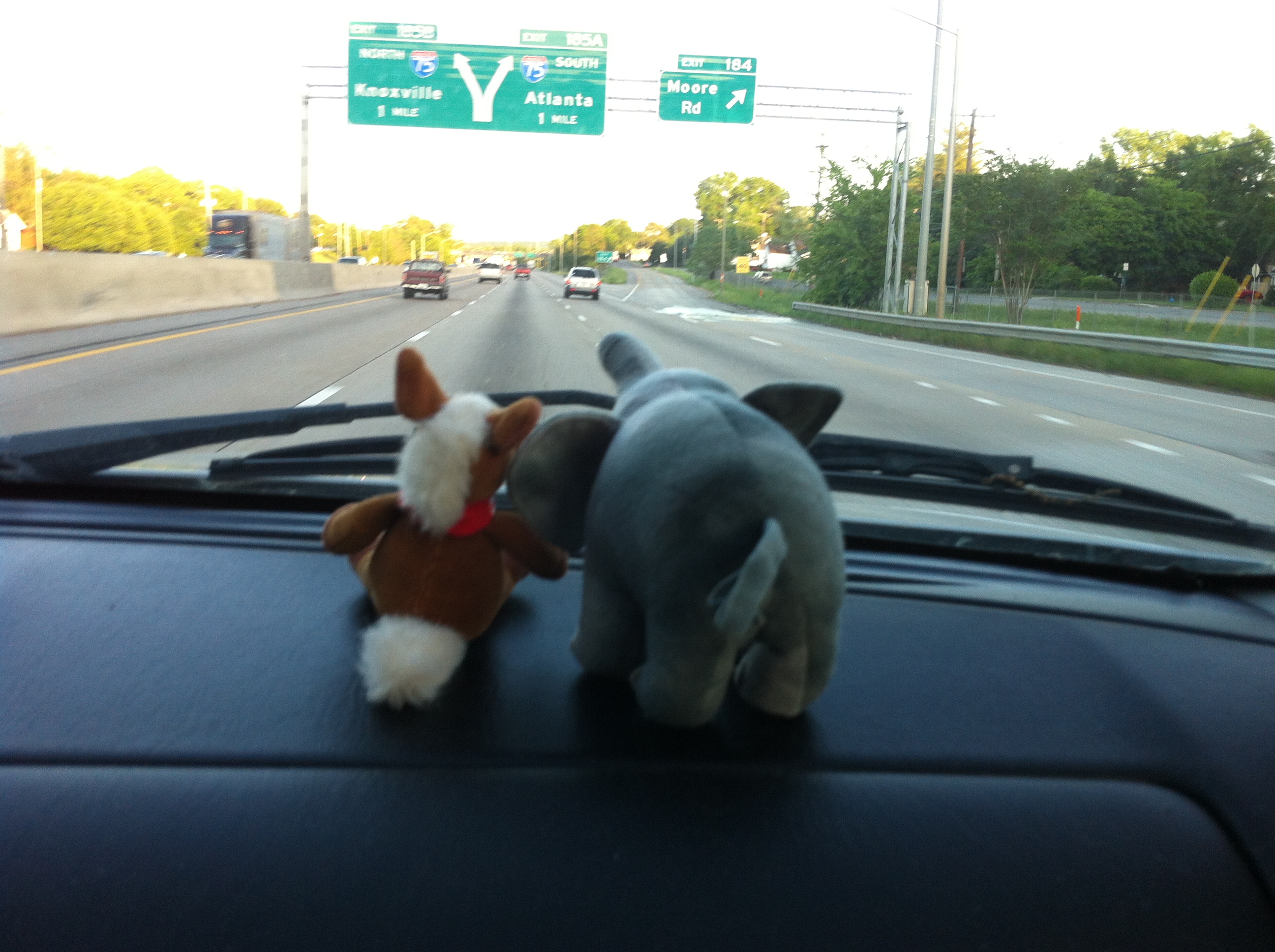
Recently we took a road trip to the Tennessee Aquarium in Chattanooga, Tennessee and man did we have a great time! The Tennessee Aquarium has not one but TWO buildings to explore! The first one is dedicated to fresh water habitats and the second building houses some of your favorite ocean dwelling animals! That’s right everyone, you can spend your day visiting animals from all over the world and that is exactly what we did!

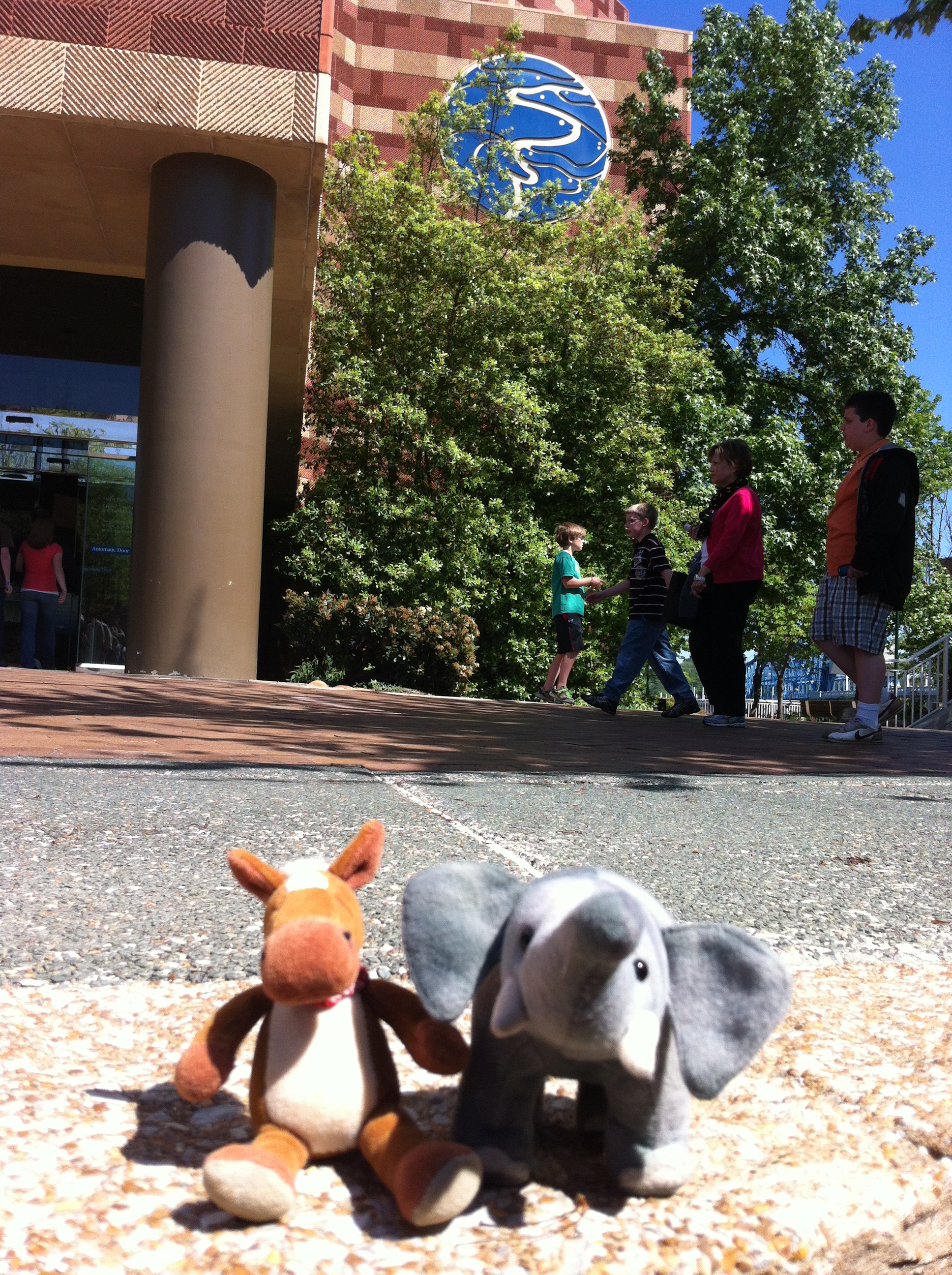
We started out hanging out in the plaza, getting the lay of the land and deciding on where we should start.

Out front of the Aquarium!

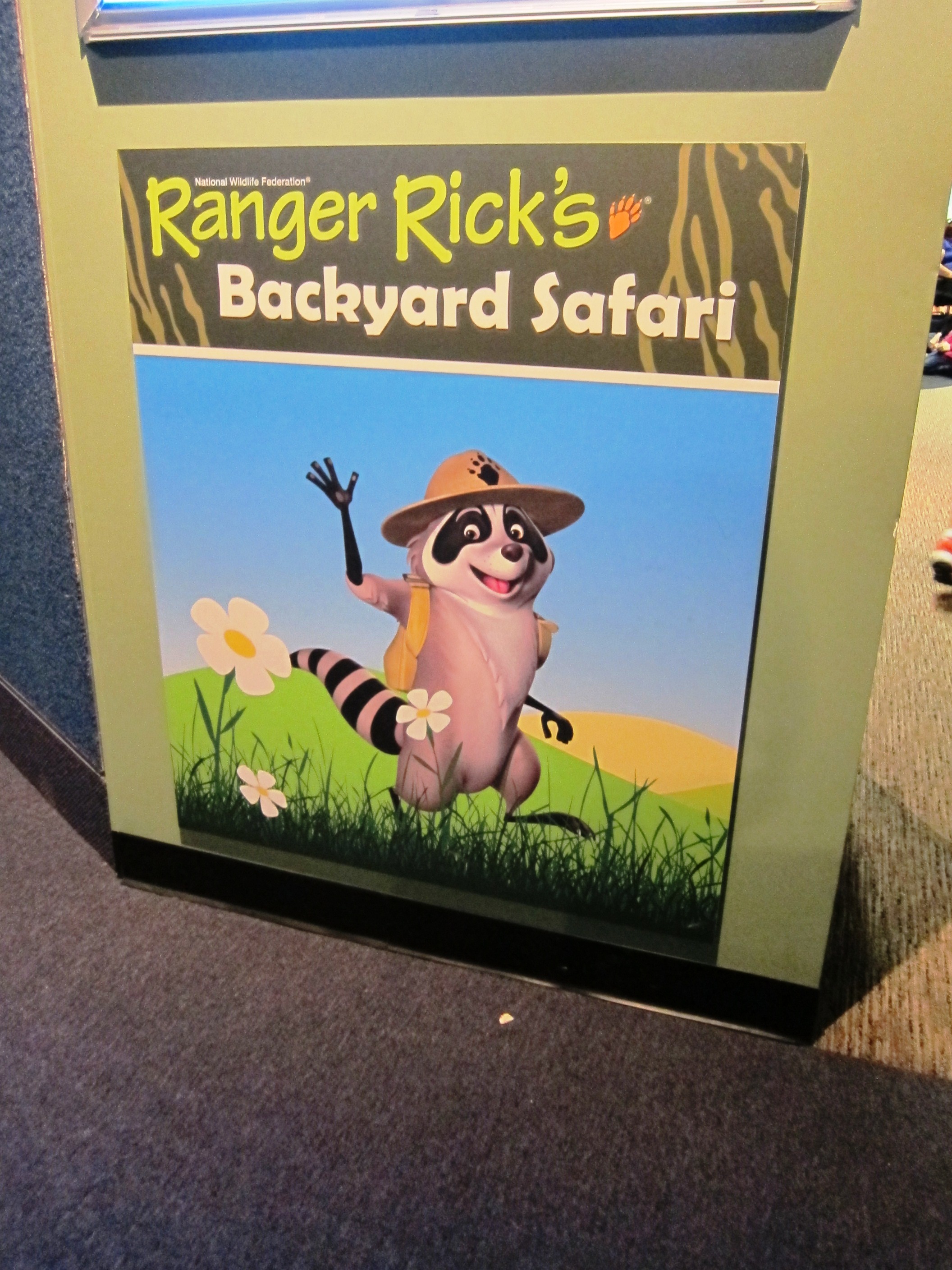
We decided to head into the Freshwater building first! There, they not only have great animal exhibits, but they have Ranger Rick’s backyard safari!

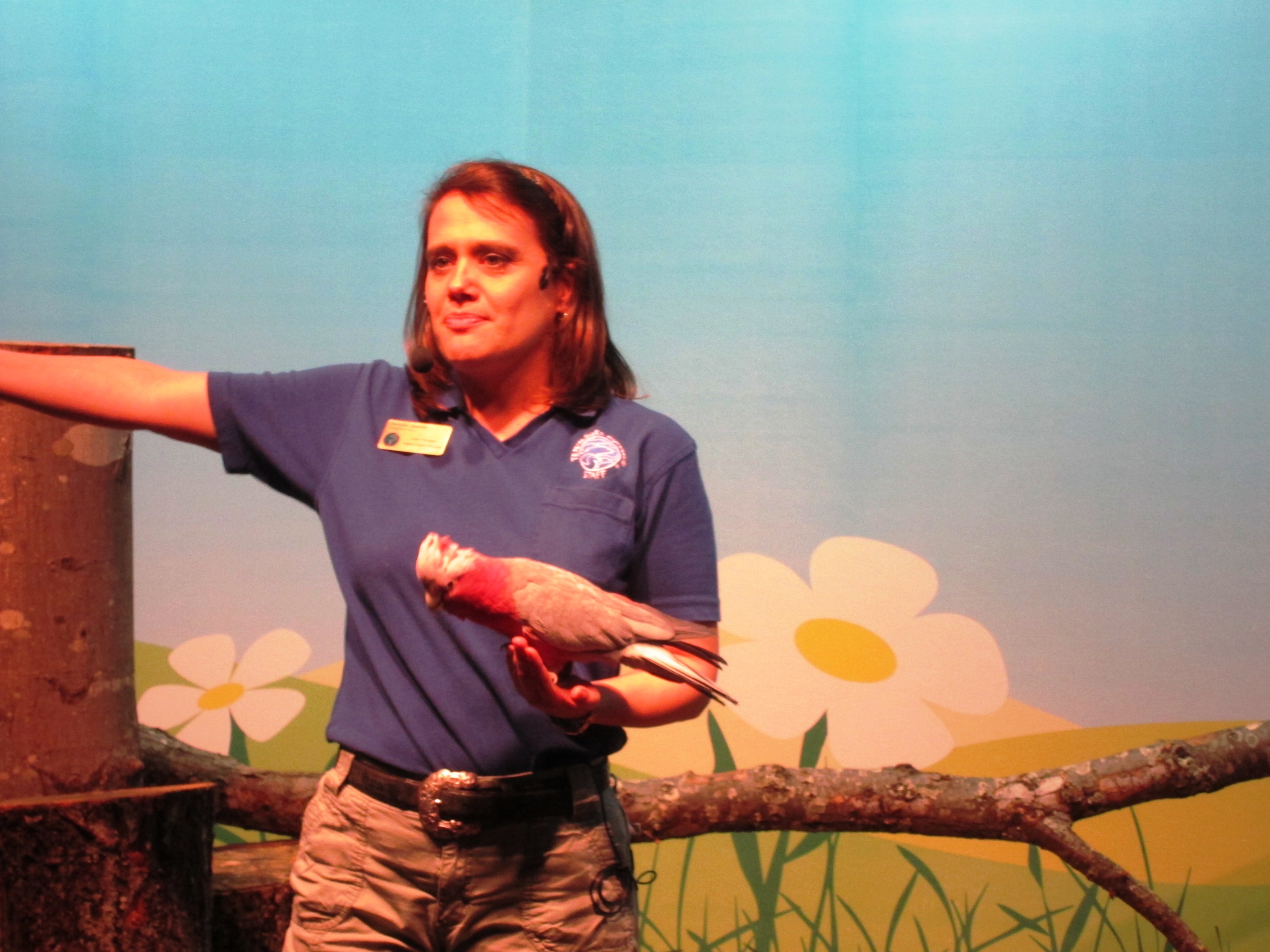
We headed down to check this area out  and catch a live animal encounter! We stayed to meet some cool birds, including the Galah.


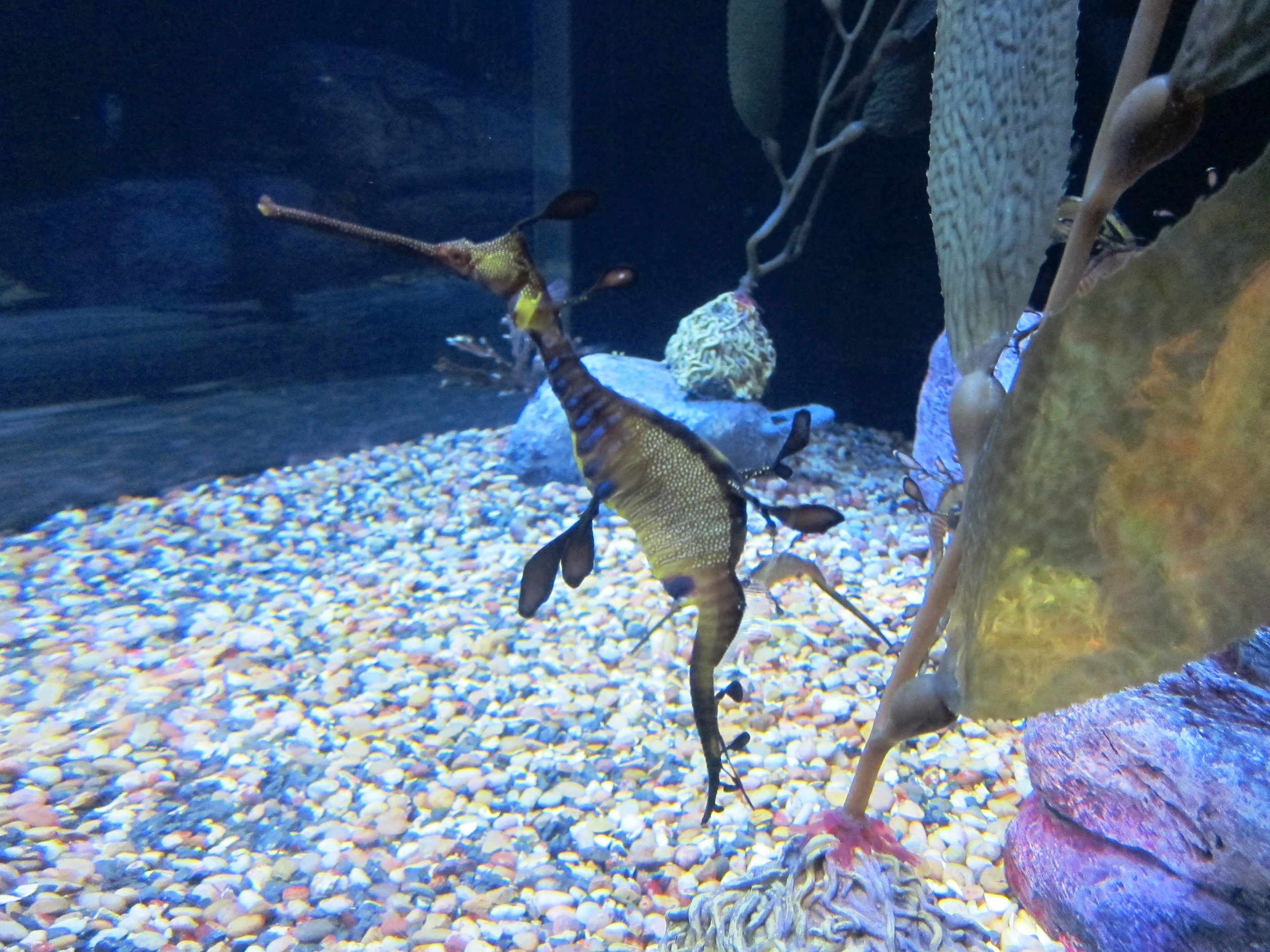
Our next stop was to check out some sea horses and their relatives! They are just so cute!
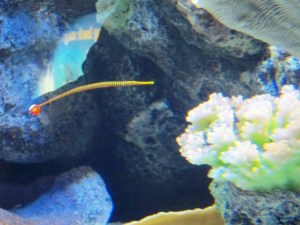
Pipefish


Piprfish


A sea dragon


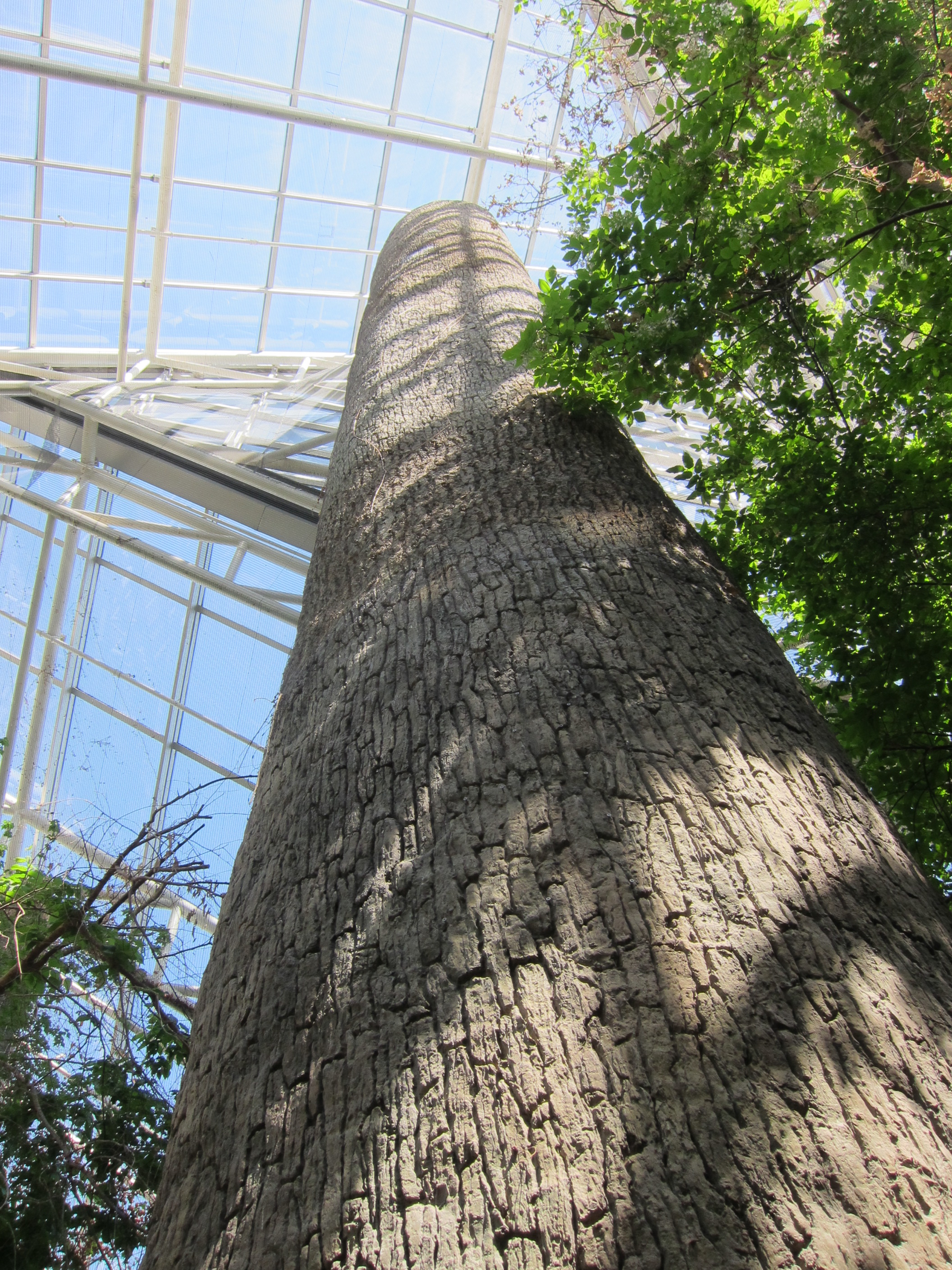
We then boarded the escalator that takes you to the top of the building, where you make your journey through cool freshwater habitats! Isn’t it neat that you start from the top and make your way down to the bottom!

A really biiig tree!

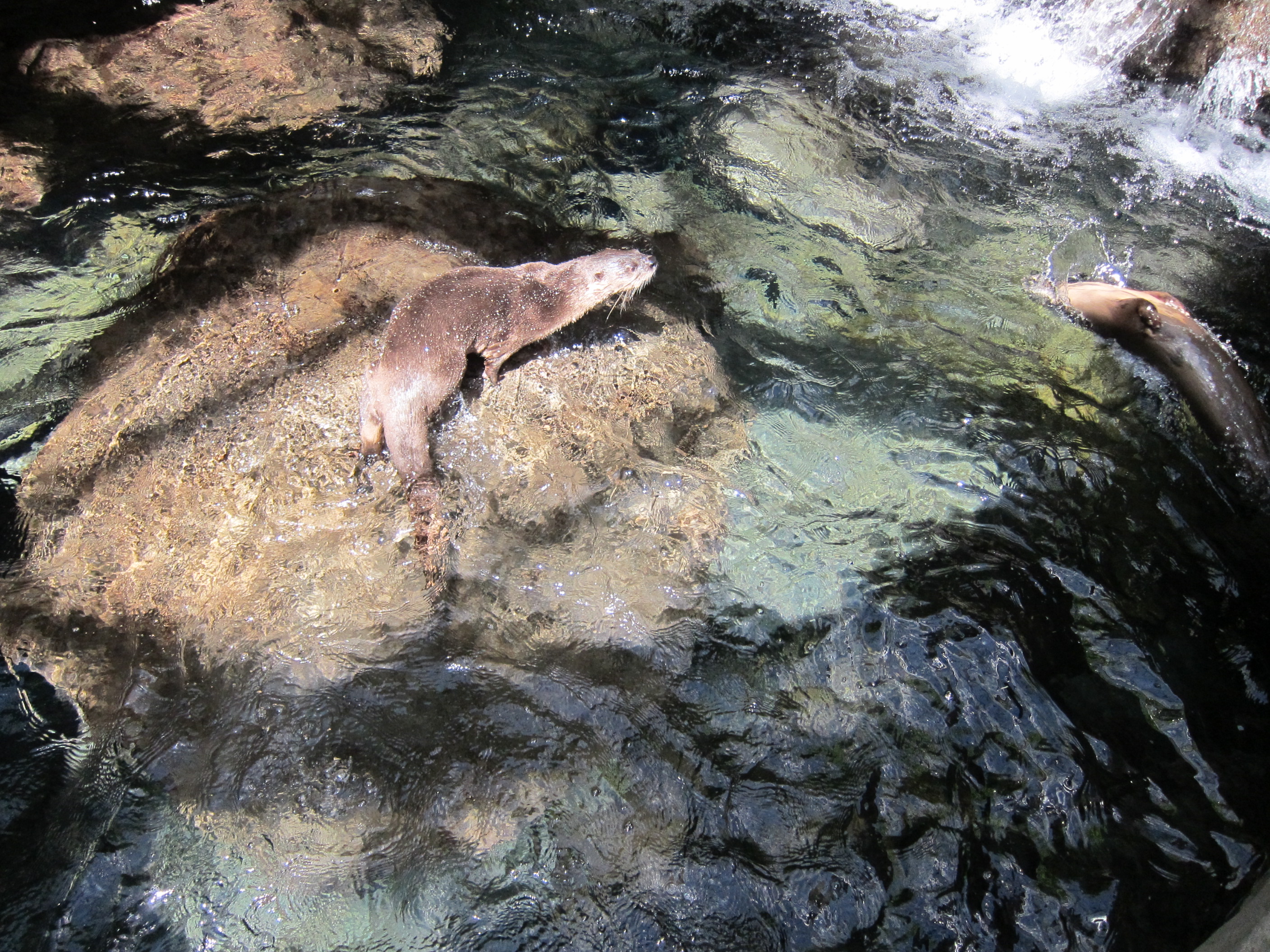
This is where we met some adorable river otters!

Otters have a good time!

These guys are so playful and graceful; we could have stayed there for hours! But alas, we had to keep going, there was much more to see! 
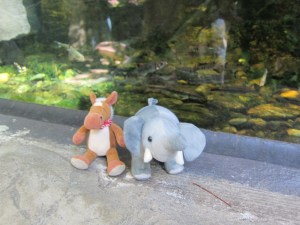


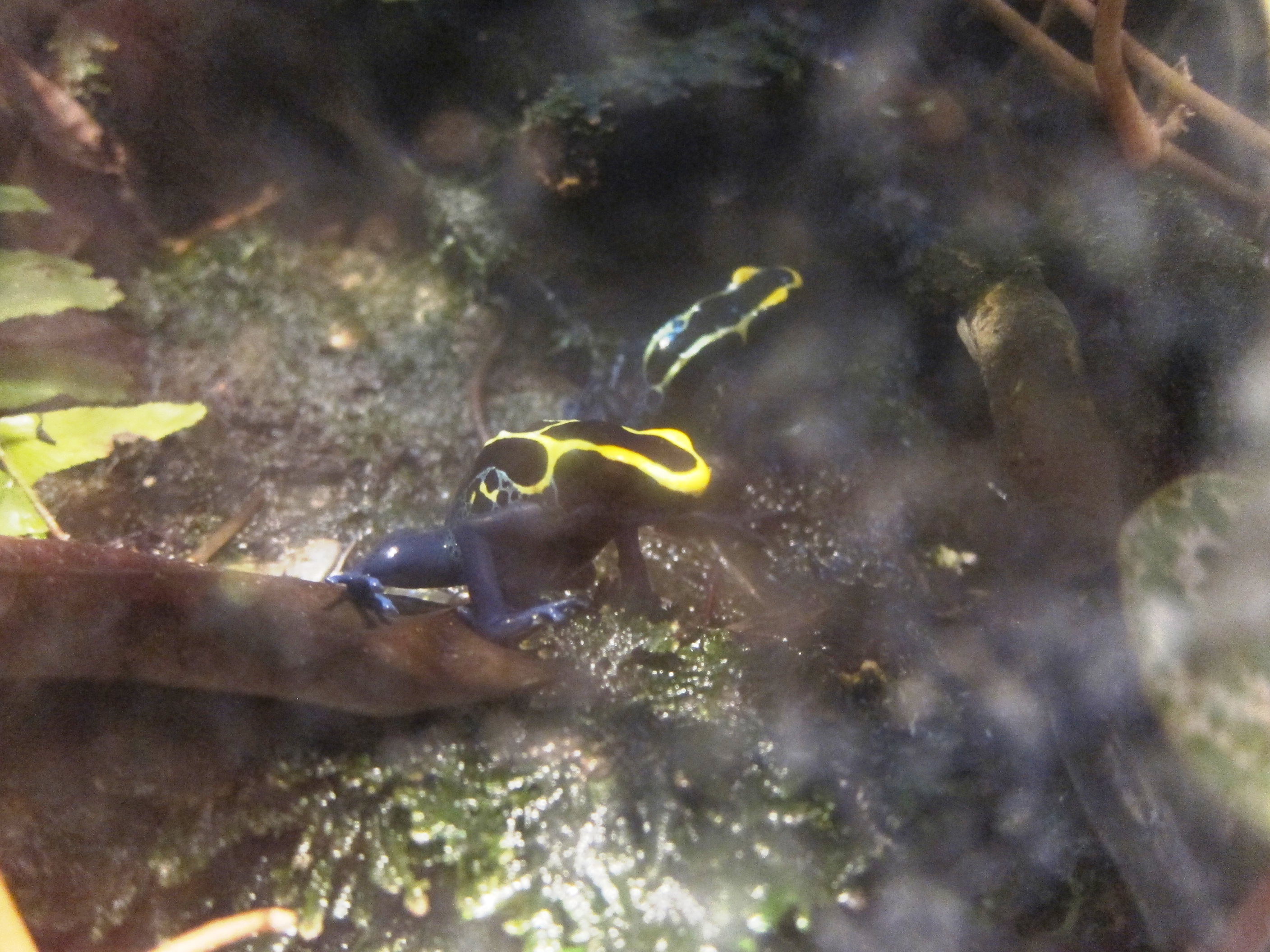
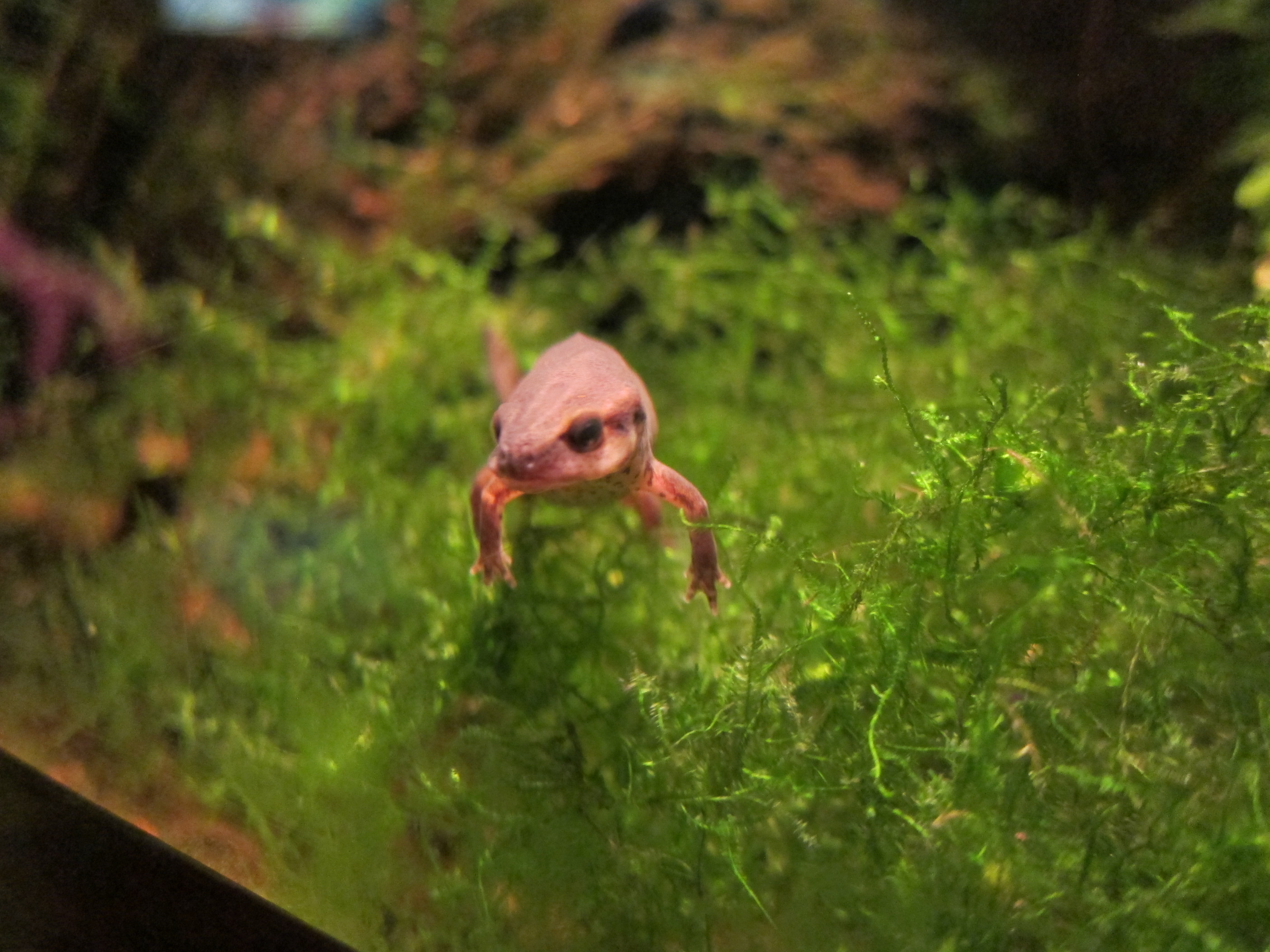
Then as we kept exploring we stumbled upon some amazing amphibians! Check out these frogs and newts!

Poison Dart Frog!

Newt!


We’re even bigger than this guy!


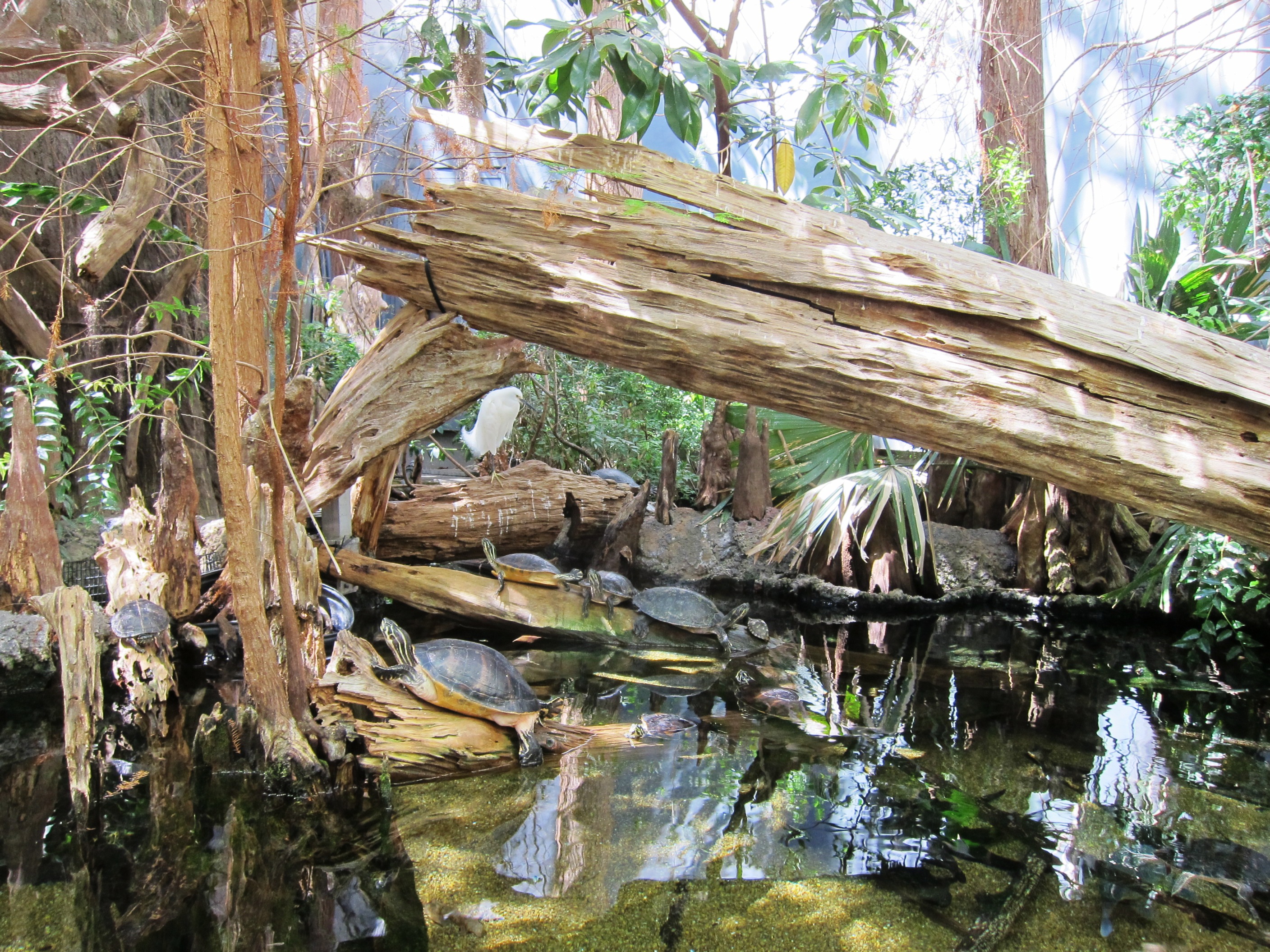
Next was a big exhibit with all kinds of reptiles, fish and birds! They all live in one habitat, because that’s how it would be in the wild. Well, the American Alligator was separated from the other animals, but that’s understandable.

Alligator tail!

Turtle party!
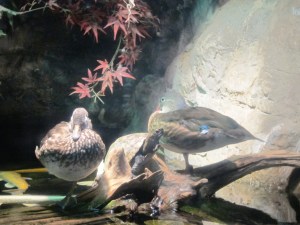


Turtle and ducks getting along!


Off we went to find turtles and tortoises! Two of our favorites in this exhibit were the Indian Star Tortoise

Indian Star Tortoise

and the Long neck turtle.
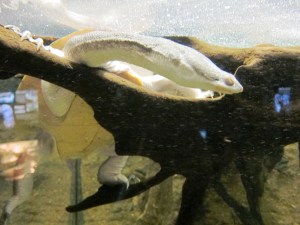
Long neck turtle!

Wow, turtles and tortoises come in so many shapes and sizes! The big exhibit in this building was shut down while we there, because the aquarium was prepping for their new exhibit River Giants! That’s ok, because it just gives us a reason to go back :)! We just love all the conservation messages that the aquarium has all around too!
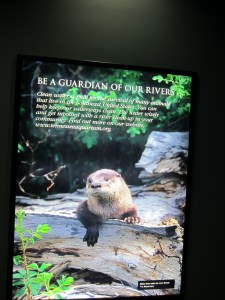
We need to protect our rivers!


We took a lunch break to refuel before heading over to the second building! We chomped on some apples and hay by the Tennessee River. As we were sitting there we watched a wild Great Blue Heron have some lunch too! He scooped up a fish from the river and swallowed it whole! YUM!

Heron! Look closely and you’ll see the fish in his throat!

Having lunch by the river!


After lunch, we were ready for our second adventure for the day! We found a lovely habitat that took us to basin of the Amazon!

Tropical!


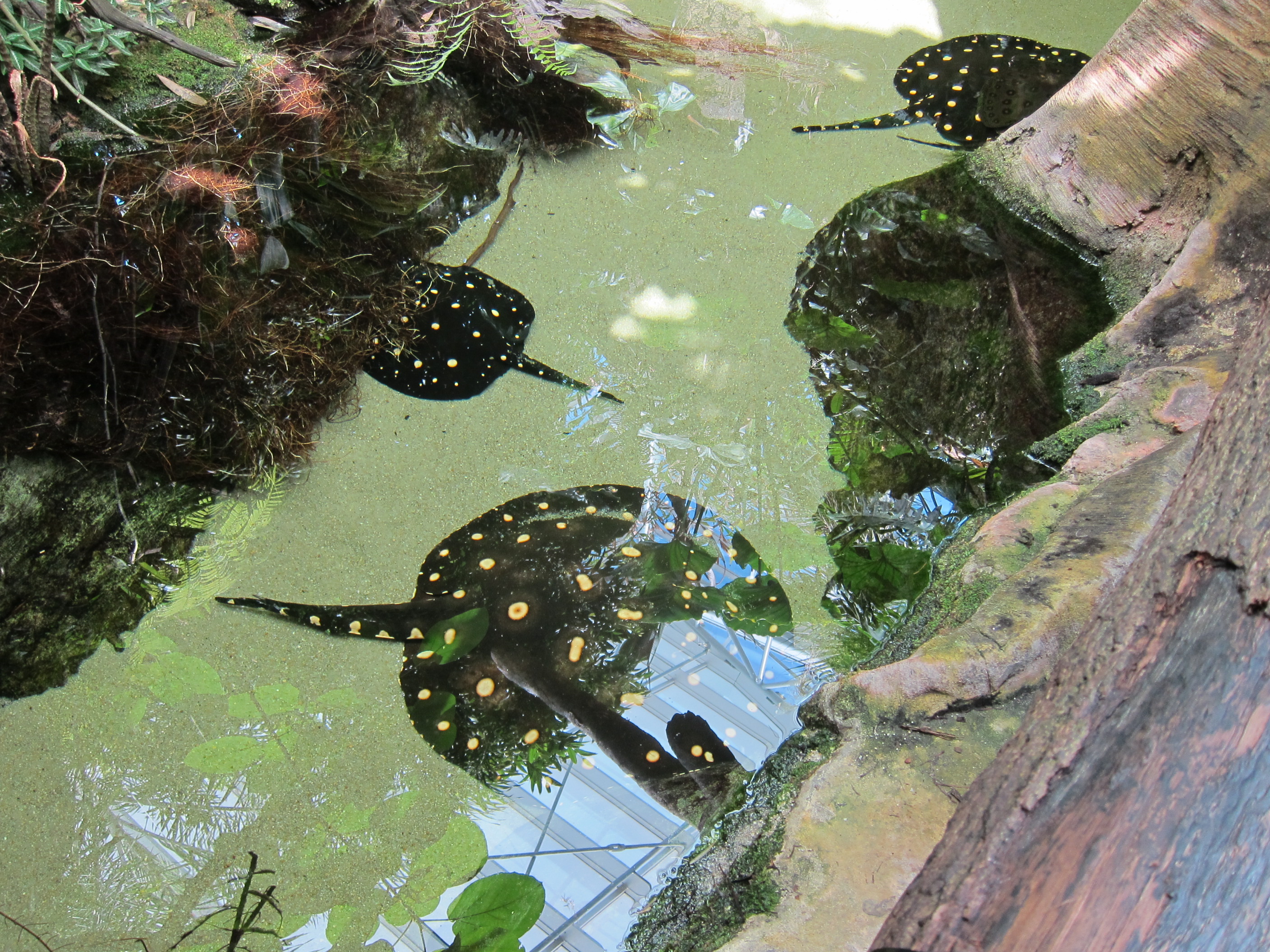
We first found some very spotty fresh water sting rays! Did you know that there are rays living in rivers? Pretty cool!

Stingrays!

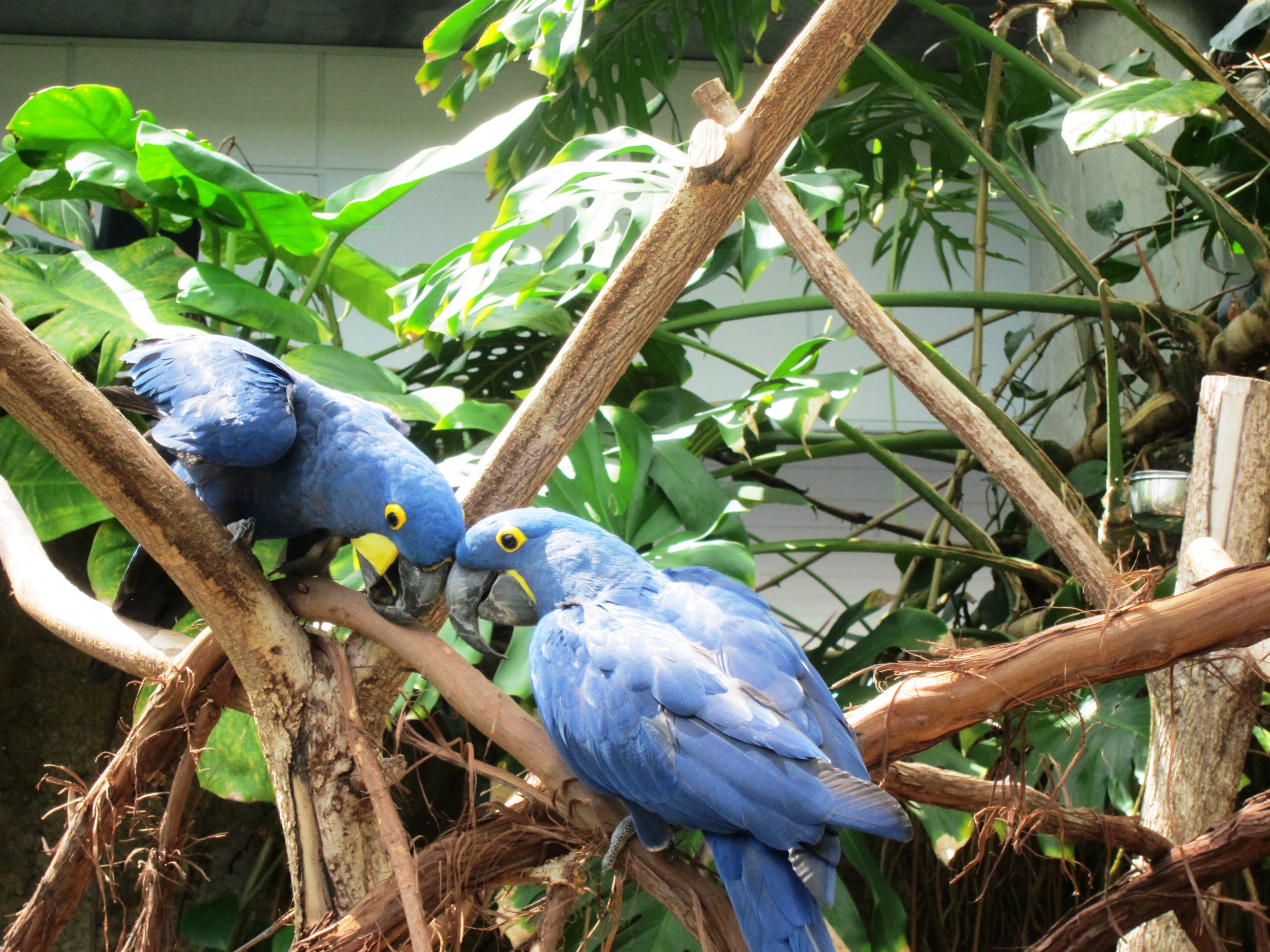
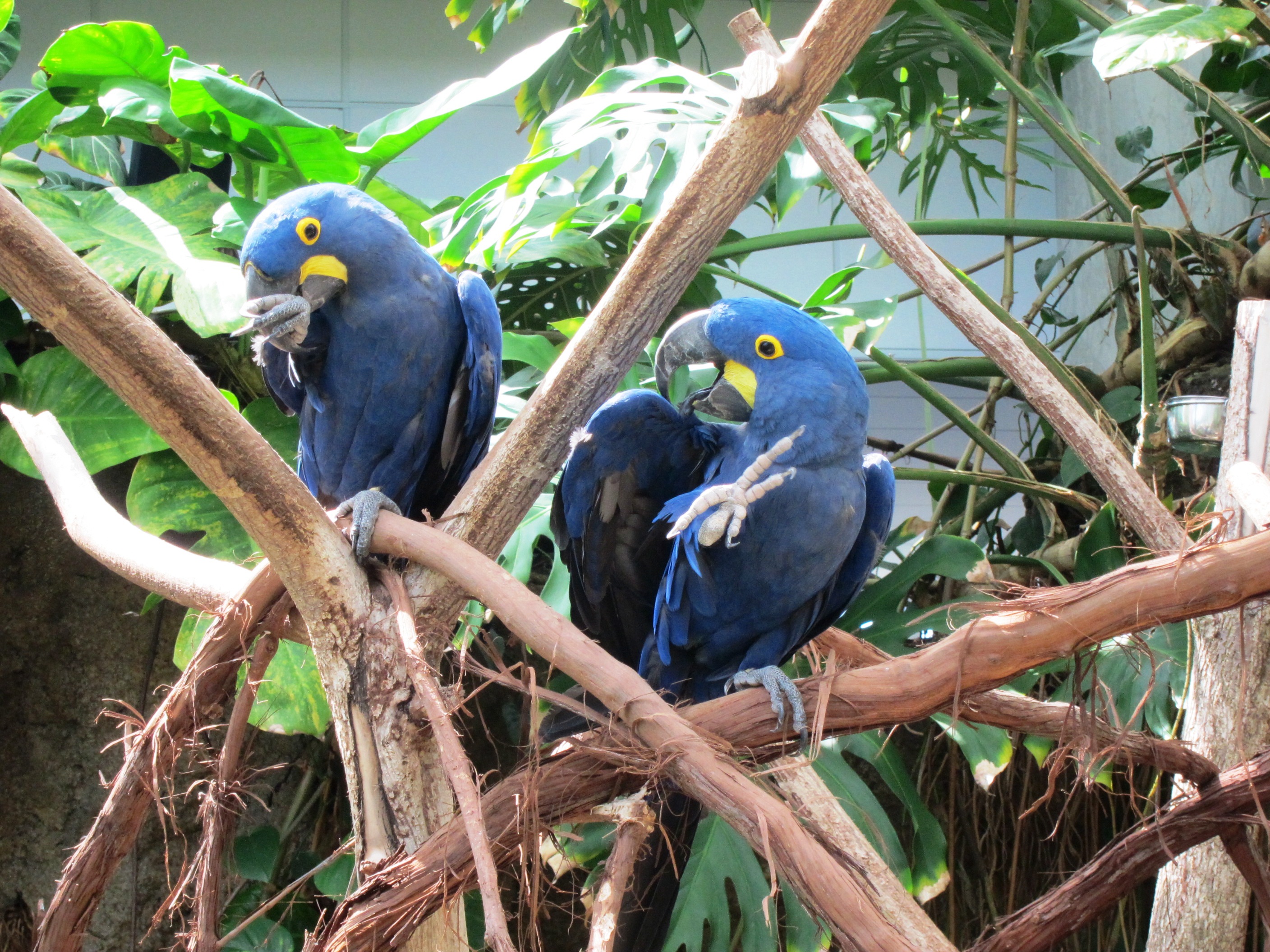
Then we found a pair of Hyacinth Macaws! These beautiful big blue birds were so much fun to watch! We stood there for a good 15 minutes or so watching their antics!

upside down!


It’s the pair!


Our favorite shot of the day! Bonk!
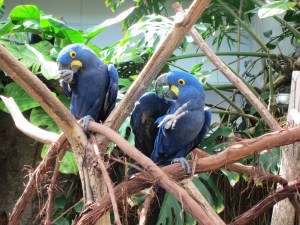
 

So pretty!


These gorgeous birds are the largest flighted parrot on the planet!

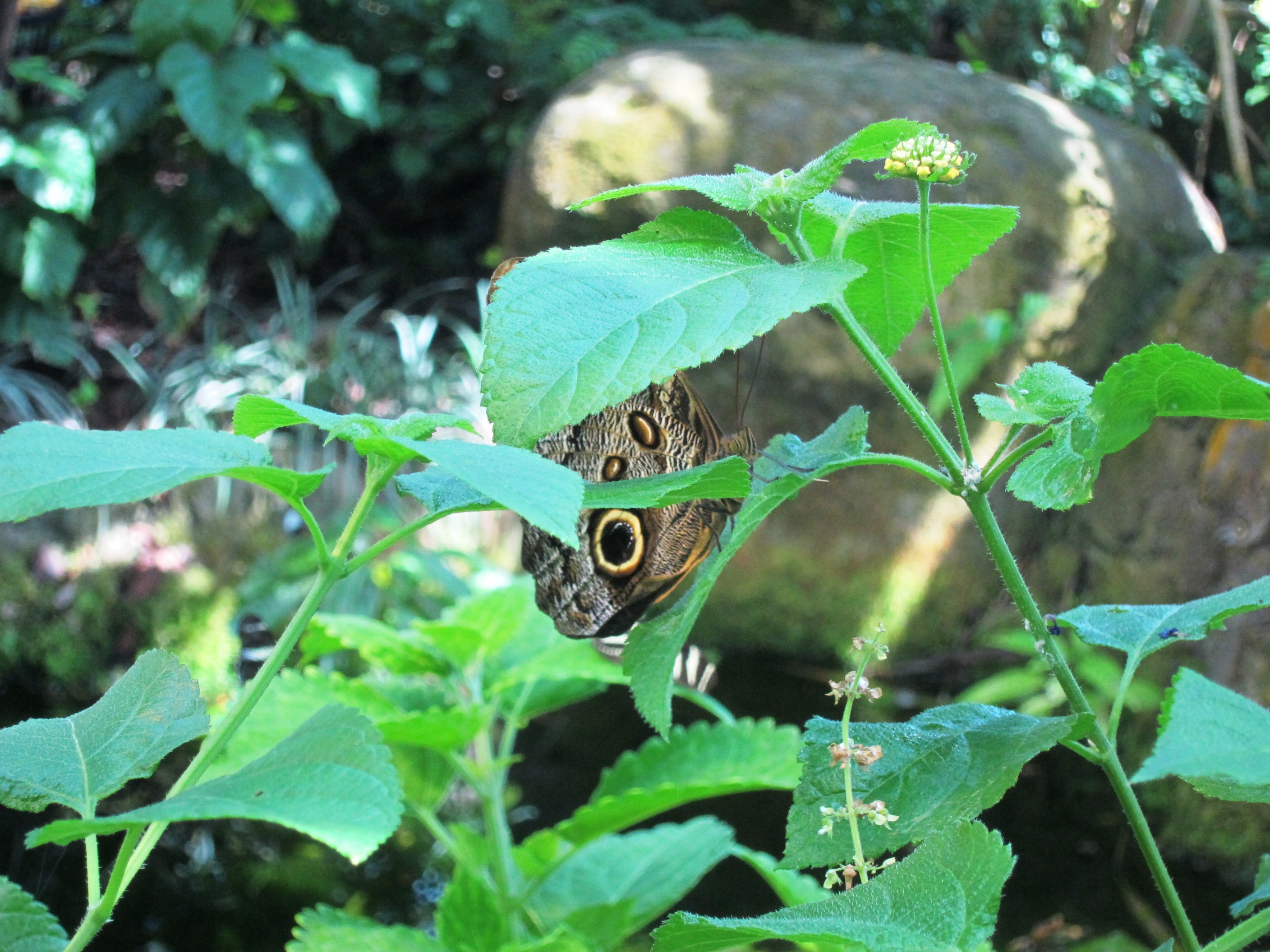
We then stumbled into the butterfly habitat! Edmond was excited because he just loooves butterflies! We had a hard time getting pictures of these insects as they fly away so very fast. But it was so fun to find them.

Do you see the butterfly?

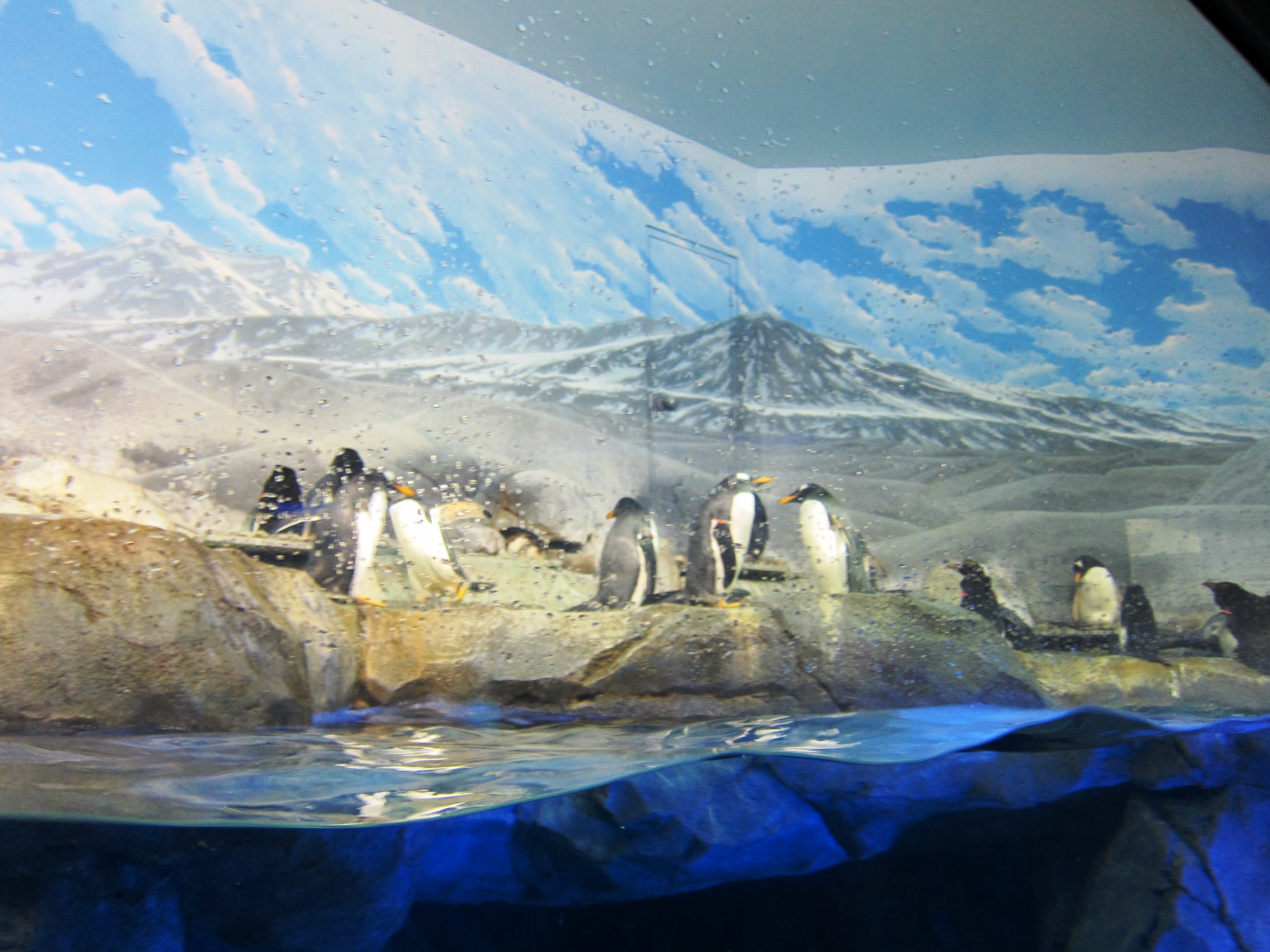
As we headed out of the warm, humid habitat that the butterflies live in, we began to get colder. Yep, we were getting close to the penguin habiat! The aquarium has gentoo and macaroni penguins and they are so cute! They were getting ready for breading season and gathering rocks to make nests. The penguins are very picky about the rocks they choose and work very hard to make the nests! Be careful though, penguins have been known to steal other penguin’s rocks!
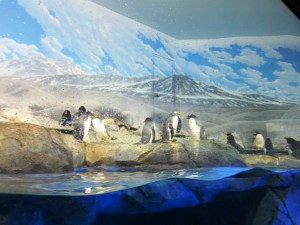
Penguins!

He’s getting a rock to build a nest!


We finally went off in search of sharks!
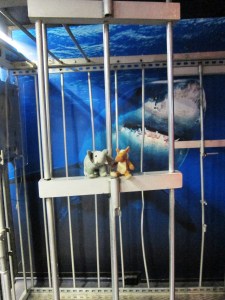
Thanks goodness we found a shark cage!

And we were in luck, because they have them at the aquarium! Too bad we couldn’t get a photo of them, but they have to keep swimming in order to breathe.

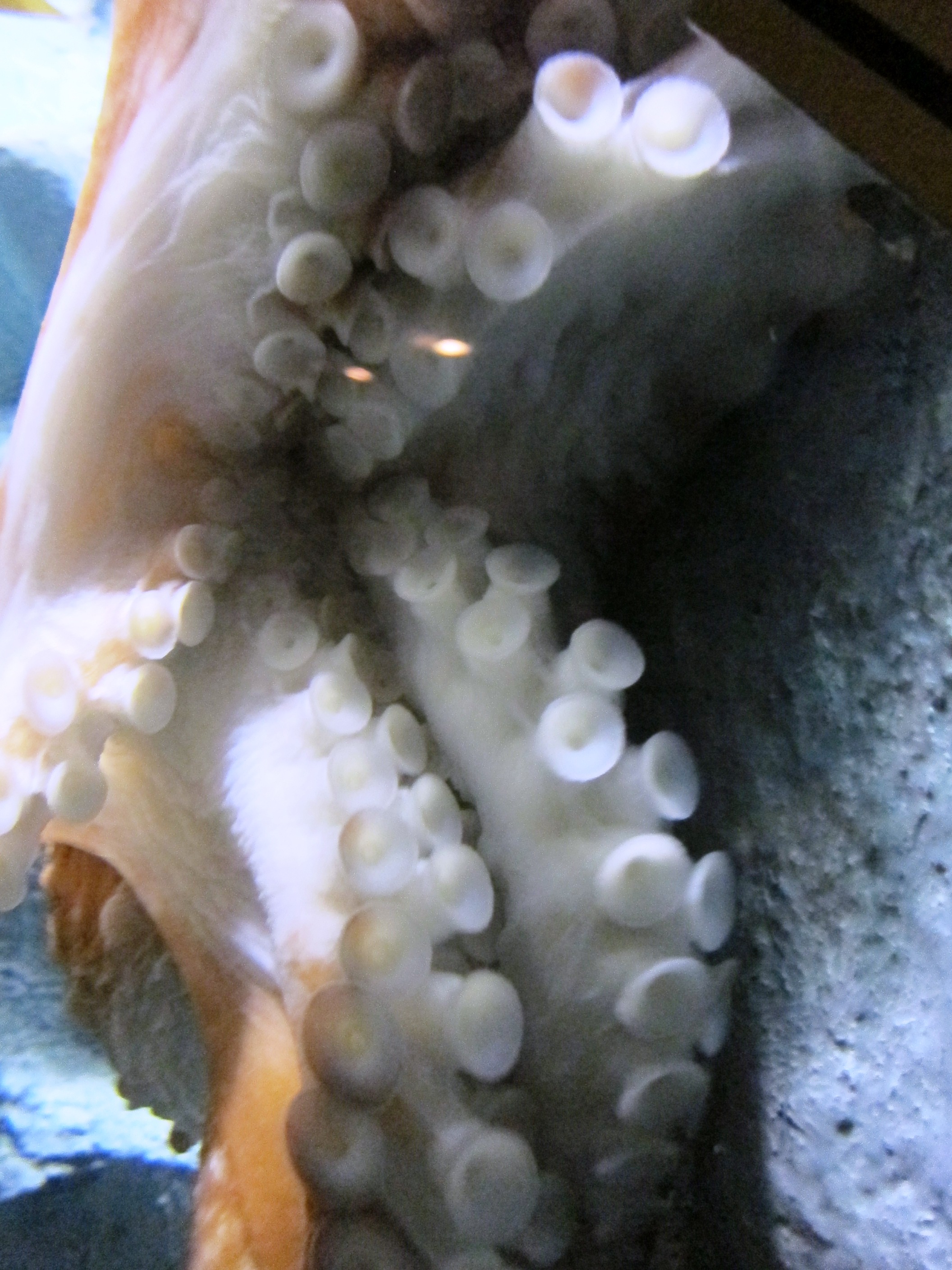
So it was off to meet some cephalopods! We chilled out and watched the octopus for a while! He was very active and just fascinating!

Octopus!


Look at those suckers!


Ooooo…


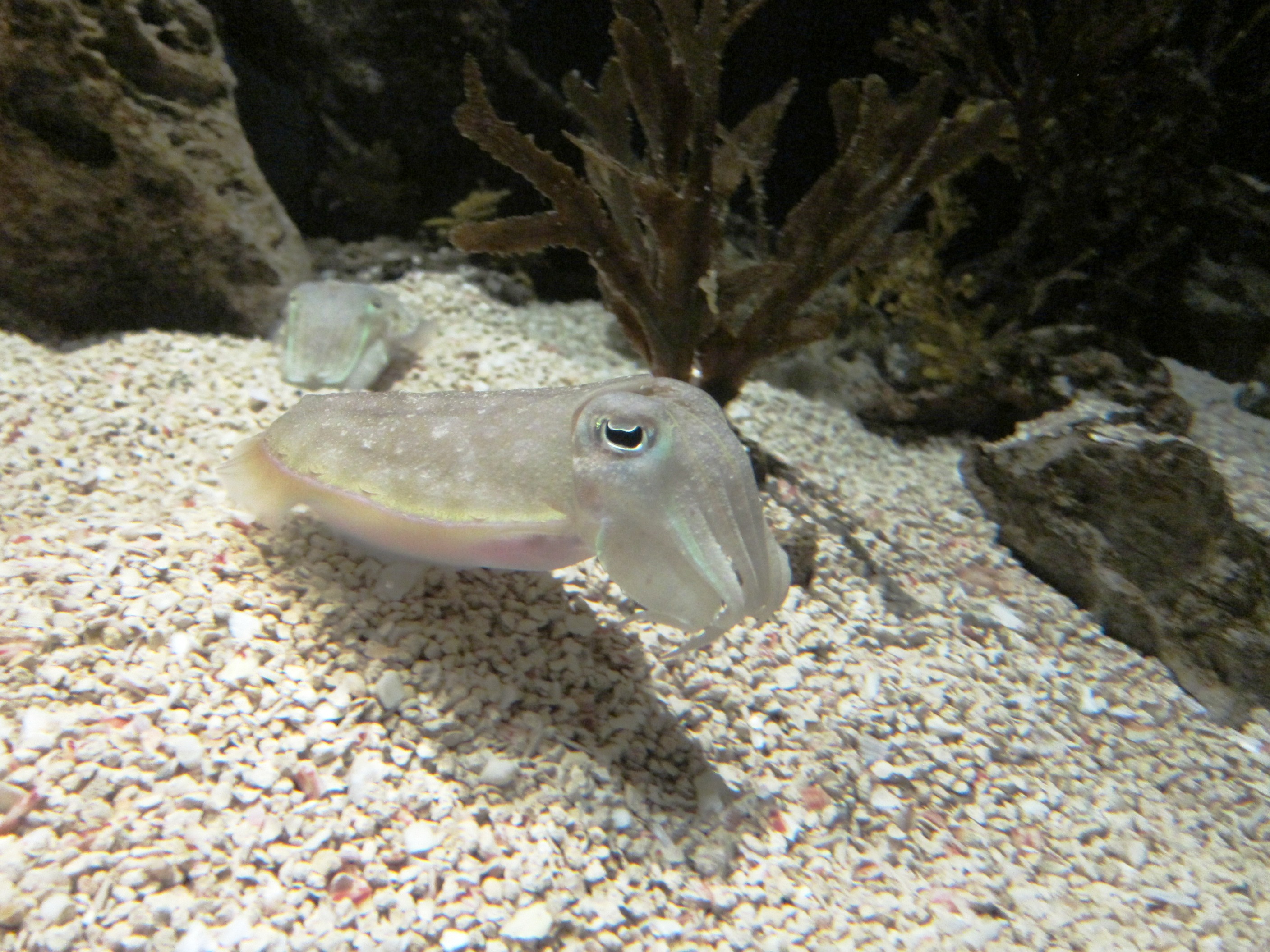
We wanted to cuddle with the cuttlefish we saw, but they weren’t up for it. Oh well, maybe next time.
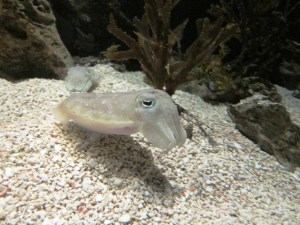
Hello cuttlefish!

As we made our way out, we stopped for a photo op!

It feels like we’re in the ocean!


Our last stop of the day was at the IMAX theater where we saw a movie about coral reefs!

Lobby of the IMAX theater! We have but one world to share!

Coral reefs are one of the most amazing habitats on the planet! It made us want to go snorkeling immediately!


We had an amazing time at the Tennessee Aquarium! If you’re ever in Chattanooga, you have to go there! They do a great job with their exhibits, their animals and their conservation message!

On our way home! We had a great day!


Categories: adventure, amphibians, Animals, Children, education, Environment, fish, Local, nature, oceans, octopus, penguins, rivers, science, turtles, wildlife | Tags: , , , , , , , , , , | 1 Comment

WATERY WEDNESDAY # 41

WATERY WEDNESDAY# 41

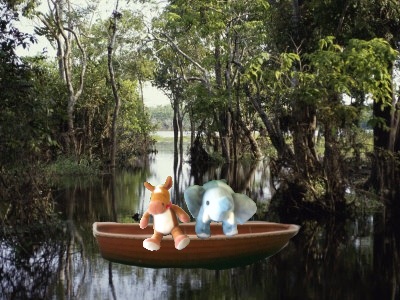
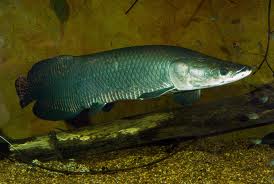
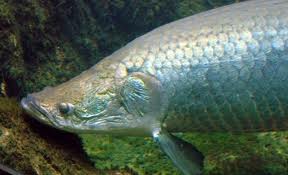
We’re off to the Amazon today to meet an ancient fish. These large fish are so unusual and amazing! Let’s all hop in the boat and go exploring!

MEET THE ARAPAIMA!

   Range/Habitat: North South America/ rivers-Amazon river

   Diet: Carnivore: fish, birds

   Length/Weight: 8 ¼-15 ft/ up to 440 lbs

   Conservation Status: unknown


Fun Facts:

  • Arapaimas are one of the largest fresh water fish in the world.
  • They have a long dorsal (top) fin near their tail.
  • Arapaimas are ambush predators.
  • They tend to stay close to the surface of the water.
  • Arapaimas are living fossils. They have been around since the Jurassic period.
  • Arapaimas have inefficient gills and therefore must also breathe air from the surface.

Wow, these fish also breathe air? That is crazy! Isn’t cool that they’ve been on the planet for so many years too?


Categories: adventure, Animals, Children, education, Environment, fish, nature, rivers, science, wildlife | Tags: , , , , , , , | Leave a comment

REPTILIAN TUESDAY # 41

REPTILIAN TUESDAY # 41

We’re staying in western Africa today to meet a brightly colored lizard! Be careful where you step though, these little reptiles like to live among the leaves of the rainforest floor! Let’s be quiet and see if we can find…

MEET THE AFRICAN FIRE SKINK

   Range/Habitat: West-Central Africa/ rainforests

   Diet: Insectivore: insects, spiders

   Length: 9-14”

   Conservation Status: common


Fun Facts:

  • African Fire Skinks are also called the fire-sided skink.
  • They have red and black bands on their body and blue and black bands on their tails.
  • African fire skinks live in the leaf litter of the rainforest floor.
  • They burrow underground.
  • African fire skinks can shed their tails.
  • They can live for 15-20 years.

These skinks are so colorful. Everyone thinks lizards are green or brown, but they can come in a huge variety of colors. Do you have a favorite lizard?

Categories: adventure, africa, Animals, Children, education, Environment, lizards, nature, rainforests, reptiles, science, wildlife | Tags: , , , , , , , , , | Leave a comment

MAMMAL MONDAY # 41

MAMMAL MONDAY # 41

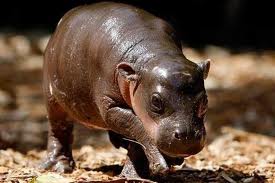
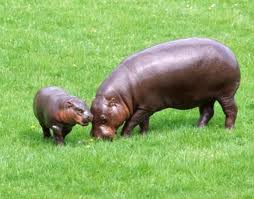
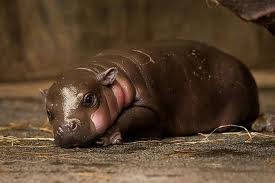
We’ve off to Western Africa to meet a rare and special species! These mammals look like a smaller version of a large and in charge animal, named the hippo! That’s right folks we’re off to the marshes to meet…

MEET THE PYGMY HIPPO!

    Range/Habitat: West Africa/ marshes, ponds

   Diet: Herbivore: grasses, shrubs, ferns

   Length/Weight: 4 ½-5 ft/ 540-600 lbs

   Conservation Status: vulnerable


Fun Facts:

  • Pygmy hippos are about 1/5 the size of the Nile Hippo.
  • They are different than their cousins though. They spend most of their time on land.
  • They only have one pair of incisors, compared to the two that large hippos have.
  • Pygmy hippos are mostly nocturnal (active at night).
  • They are solitary (spend most of their time alone).
  • Pygmy hippos have always thought to be rare.
  • They are relatively shy.
  • Pygmy hippos ooze pink fluid to protect their skin.

These round and plump relatives of the common hippo sure are cute. We wonder if we could fit one in our bathtub. Probably not… oh well.


Categories: adventure, africa, Animals, Children, education, Environment, mammals, nature, science, wildlife | Tags: , , , , , , , | 2 Comments

We Meet Sheep!

Working Sheep!

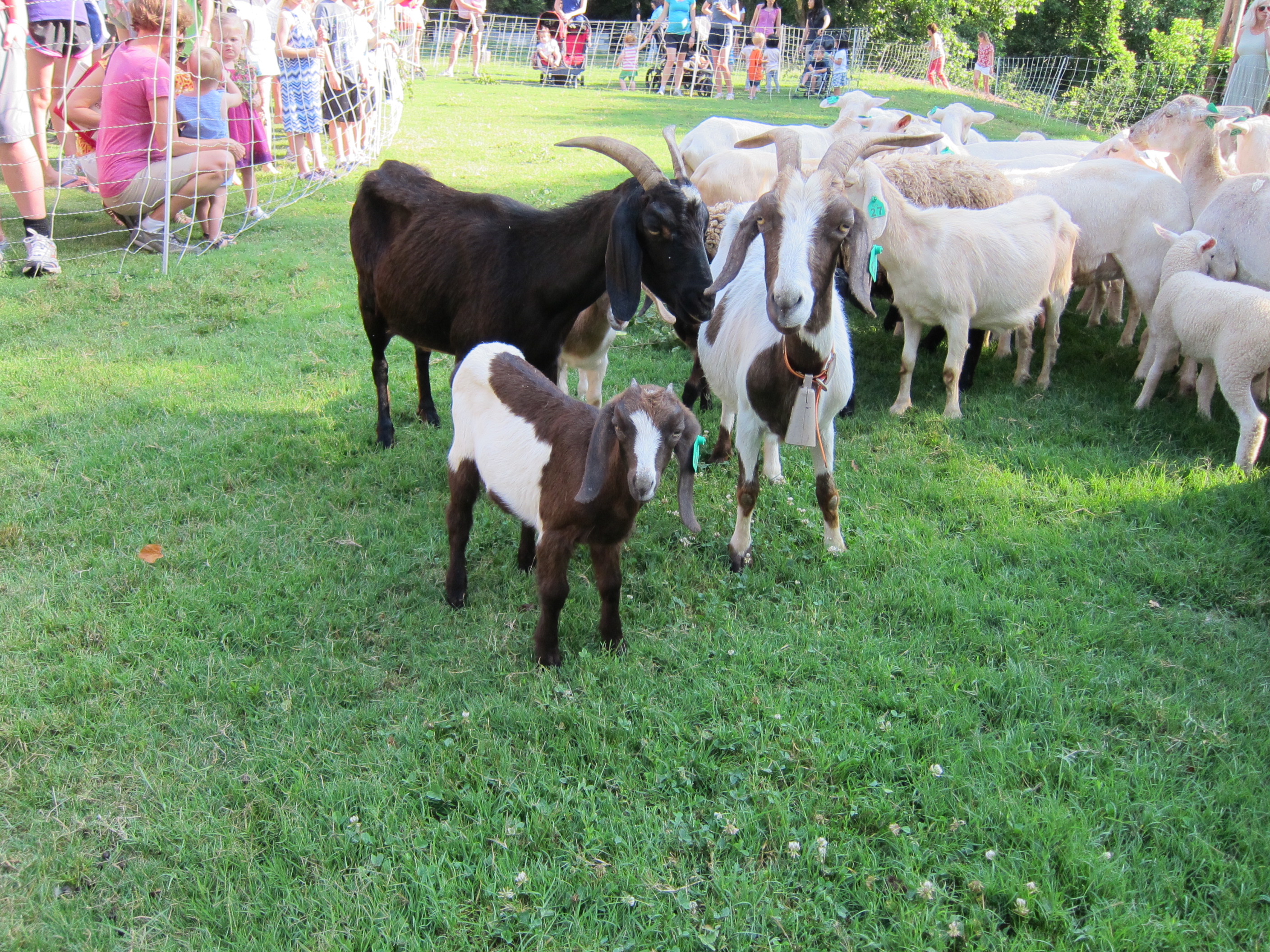
We recently went to a Chastain Park to visit a herd of sheep and goats! What were these goat and sheep doing in our local park? Well, they were there to eat and eat and eat! The herd of sheep is part of a program sponsored by Trees Atlanta to help clear local parks and areas of overgrowth and invasive plants. Chastain Park in particular had a problem with kudzu! That’s where the herd of 100 sheep and goats get to work! They spent several weeks eating the around 2 acres of kudzu, pretty easy to do when you’re a sheep that can eat up to 150 square feet of kudzu a day!

Here’s a map of the area where the sheep “worked” 🙂

The herd was hired from EWE-niversally Green! That’s right folks there are companies where you can hire sheep to eat your plants! Cool, huh?

The sheep and goats have move to A. D. Williams Park to chomp away more invasive plants! Yum! Check out the Trees Atlanta website for when and where you can visit the sheep herd again!

Check out our photos from our breakfast with sheep!

Goats & sheep of all colors!

Such cuties!


We learned all about Trees Atlanta!

Have ewe heard?


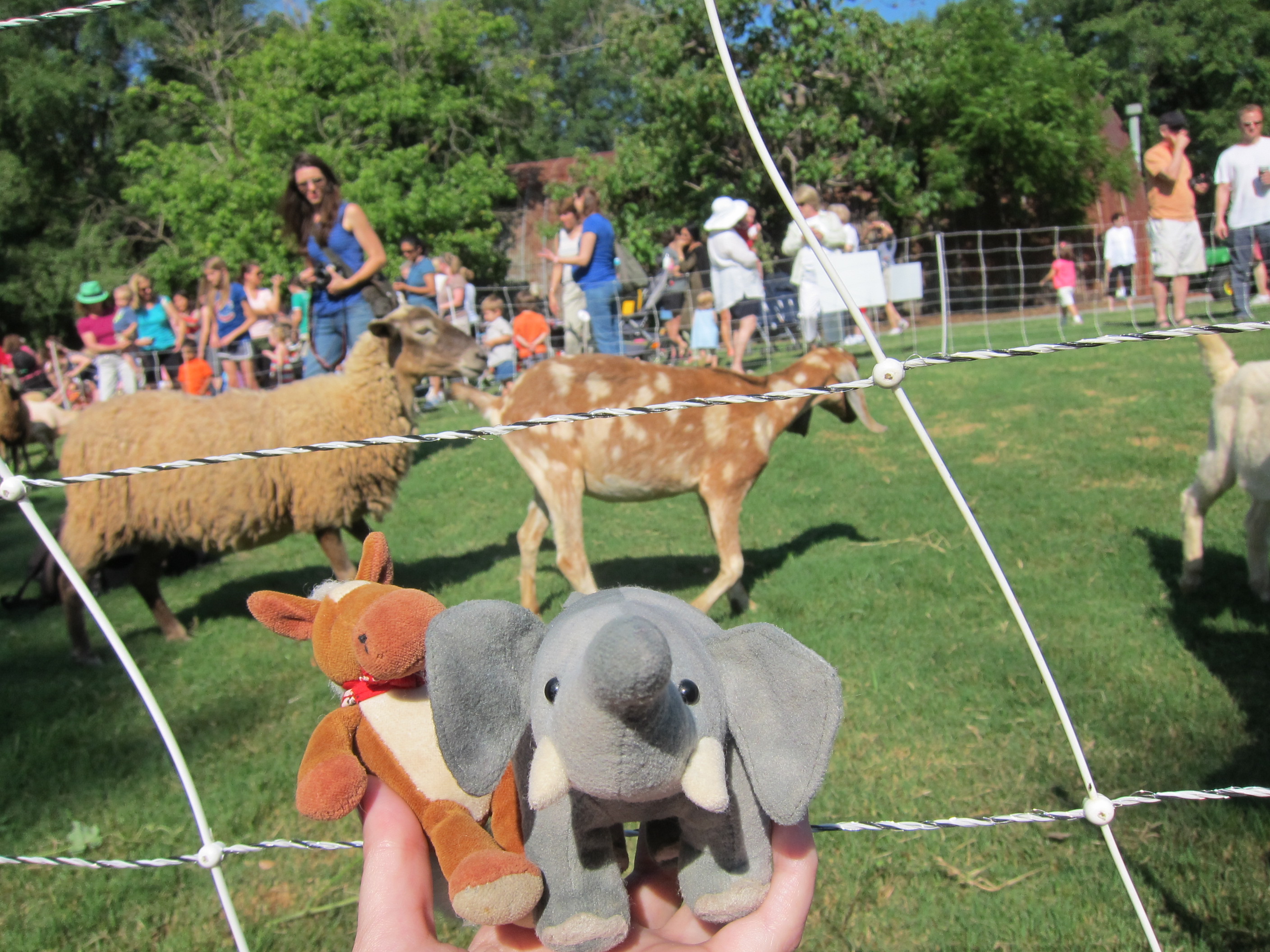
Sheep enjoying some browse! We love browse too!


This little lamb was just too adorable!

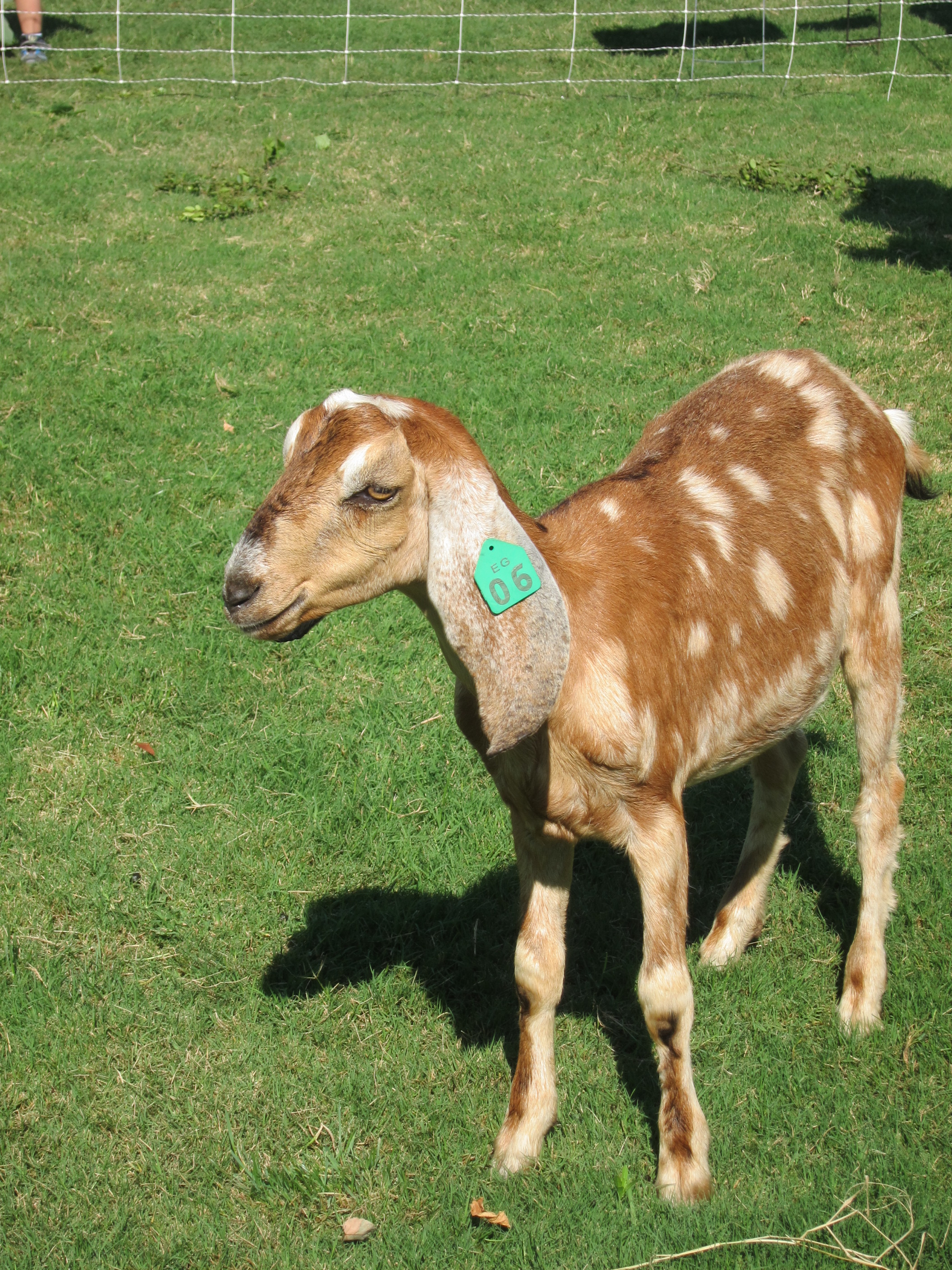
This little guy is named Brownie!


Here we are with Brownie in the back!

Who needs more cowbell?

Categories: adventure, Animals, Atlanta, backyard, education, Environment, mammals, nature, parks, plants, trees, wildlife | Tags: , , , , , , , , , , | 2 Comments

FEATHERY FRIDAY # 41

FEATHERY FRIDAY# 41

Today’s feathery friend lives all over the world in the Southern Hemisphere, so we chose to jet over to New Zealand to find them. Grab your beach blankets and sunglasses and let’s take a picnic out to meet this bird!

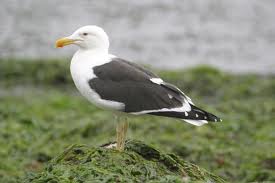
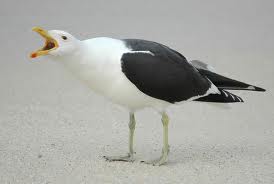
MEET THE KELP GULL!

   Range/Habitat: South America-South Africa-New Zealand-Australia/

oceans-coastlines

   Diet: Omnivore: invertebrates, birds, fish

   Length/Weight: 21 ½-26”/2- 3 ½ lbs

   Conservation Status: common


Fun Facts:

  • Kelp gulls are large coastal birds.
  • They have black backs and wings and a white body and head.
  • Kelp gulls are also known as the Dominican gull.
  • They are one of the most widespread gulls in the Southern Hemisphere.
  • Both the female and males take care of the chicks.

We think Kelp gulls are great. They are so fancy in their black and white feathers.  Do our readers ever talk to gulls at the beach?


Categories: Animals, birds, Children, education, Environment, nature, oceans, science, wildlife | Tags: , , , , , , , , | Leave a comment

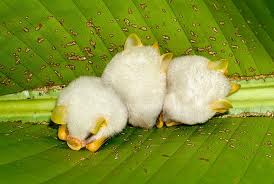
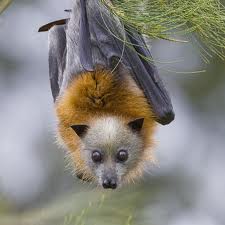
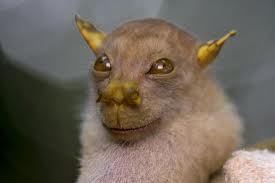
BATS!!!

BATS!!!!!!

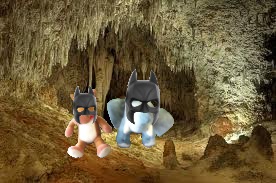
We’re going batty today and we want you to join us! In honor of the big movie about guy who dresses up as a bat, we’ve decided to celebrate these special mammals today!

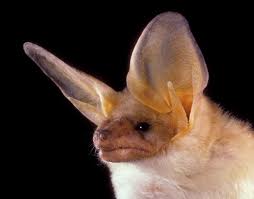
Did you know that bats are the only flying mammal on the planet?

The smallest bat is the Bumblebee Bat! They’re about the size of a dime!

There are about 1,200 species of bats on the the planet!

They make up 25 % of all mammal species!

They come in all shapes and sizes! Some are cute, some are funny looking bats. Some bats eat fruit, some eat insects and there are a few who drink blood!

So let’s celebrate these special mammals with some great photos!! Let us know what you love about BATS!

Categories: Animals, backyard, bats, Children, education, Environment, mammals, nature, science, wildlife | Tags: , , , , , , , | 2 Comments

WATERY WEDNESDAY # 41

WATERY WEDNESDAY# 41

We’re taking the submarine today, because we’re off in search of one the ocean’s top predators. There’s plenty of room everyone, so hop in and let’s see if we can find this fish with a mammal’s name! You ready?

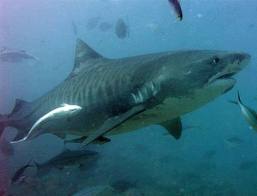
MEET THE TIGER SHARK!

   Range/Habitat: Tropical-sub tropical oceans worldwide/ coastal-

open waters

   Diet: Carnivore: fish, invertebrates, mammals, birds

   Length/Weight: 18-25 ft/ 1,900 lbs plus

   Conservation Status: near threatened


Fun Facts:

  • Tiger sharks are considered to be an aggressive shark.
  • Tiger sharks have stripes that may disappear when they are adults.
  • They are nocturnal hunters.
  • Tiger sharks have large tails used for speed!
  • They have large blunt heads.
  • Tiger sharks are known to go into brackish water (a mix of fresh and salt water) habitats, such as estuaries and river mouths.
  • They are known to eat almost eat anything.


We sure are glad we have the sub to watch these mighty predators. People are always so afraid of sharks, but they really aren’t terrible animals. Sharks are beautiful & powerful animals. They’re a very very important part of the ocean ecosystem, so let’s keep them there!


Categories: Animals, Children, education, Environment, fish, nature, oceans, science, sharks, wildlife | Tags: , , , , , , , , , | 2 Comments

Blog at WordPress.com.