Posts Tagged With: children

SUPER SURPRISE THURSDAY # 16

SUPER SURPRISE

THURSDAY# 16

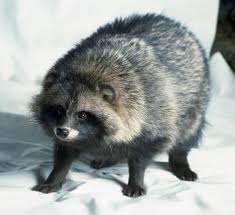
Happy Super Surprise Thursday! We’ve featuring a very special mammal and a member of the canid (dog) family. This mammal looks like a raccoon, but they’re not! So let’s get to it and meet…

MEET THE RACCOON DOG!

Range/Habitat: Europe-Central Asia-Japan/rivers, lakes, woodlands

Diet:  Omnivore: fruit, mice, crabs and fish

Length/Weight: 20-23 ½”/ 17lbs

Conservation Status: Common


Fun Facts:

  • Raccoon Dogs are members are the canid family. They are related to wolves and foxes.
  • They look like raccoons with their dark fur mask on their face.
  • Raccoon dogs live in pairs or small family groups.
  • Raccoon dogs are nocturnal (active at night).
  • They have two coats of fur in the winter, an under coat and a top coat to keep them warm in cold climates!
  • They are excellent climbers.
  • Raccoon dogs are the only members of the canid family that hibernates (a long sleep).  They can increase their body weight by 50% for winter.

Raccoon dogs are a cool mammal. They are built to live in cold weather climates with their think fur. And isn’t it cool that they hibernate! Sometimes we wish we could hibernate all winter and wake-up in time for spring! Can you name another animal that hibernates?

Categories: Animals, Children, education, Environment, mammals, nature | Tags: , , , , , | Leave a comment

WATERY WEDNESDAY # 16

WATERY WEDNESDAY# 16

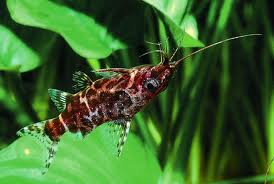
This Watery Wednesday we are looking upside down! That’s right; we’ve found a little freshwater fish that swims upside down! Isn’t the animal world just amazing? Let’s meet this little fish!

MEET THE UPSIDE DOWN CATFISH!

Range/Habitat: Central Africa/ rivers-streams

Diet: Omnivore: plants, invertebrates

Length: 3 ¾”

Conservation Status: Common


Fun Facts:

  • Upside Down Catfish swim upside down at the surface of the water.
  • They have reverse counter shading (they are lighter on the top than the bottom) so they blend in.
  • Upside down catfish are active at dusk and night.
  • Upside down catfish eat plants off the underside off logs and branches.


How cool is it that there are little fish who swim upside down? Can any of you a handstand? If you can try it and see what the world looks like upside down, just like this little catfish!


Categories: Animals, Children, education, Environment, fish, nature | Tags: , , , , , | Leave a comment

REPTILIAN TUESDAY # 16

REPTILIAN TUESDAY # 16

Well have we an odd reptile for you today! So we all know snakes have no legs right? And we all know lizards have 4 legs! But that last statement is not true! Yep folks, there are lizards out there with NO legs! What? Come meet this legless lizard!

MEET THE SLOW WORM!

Range/Habitat: Europe-Western Asia-Northern Africa/woodlands, yards

Diet: Carnivore: slugs, invertebrates

Length: 12-16”

Conservation Status: common


Fun Facts:

  • Slow worms are not worms or snakes, they are lizards without legs.
  • Slow worms are active at dawn and dusk.
  • They have long life spans; they can live up to 50 years.
  • Unlike snakes, slow worms have eyelids.
  • Young slow worms have a metallic stripe that the females keep throughout their lives.
  • They can lose their tails if caught by a predator, just like other kinds of lizards.
  • Slow worms hibernate in the winter.


Slow worms are a funny lizard. They slither around like a snake, but they aren’t snakes! Crazy! They are considered to be very beneficial to have in a garden because they eat pests that can destroy crops! How helpful of them!

Categories: Animals, Children, education, Environment, nature, reptiles | Tags: , , , , , | Leave a comment

MAMMAL MONDAY #16

MAMMAL MONDAY# 16

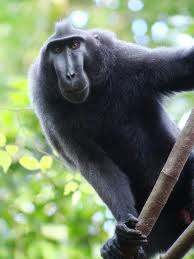
We’re back! We hope everyone had a lovely holiday! We sure did! We’re starting out this week with a primate! Don’t know what a primate is? Well if you can read this- than you’re probably a primate J! Primates include lemurs, monkeys and apes and people are apes! Neat, huh? Today’s mammal is a monkey and a pretty cute one too. Are you ready to meet them?

MEET THE CELEBES MACAQUE!

Range/Habitat: Southeast Asia-North Sulawesi/rainforest

Diet: Omnivore: fruit (up to 70% of their diet), seeds, bird eggs

Length/Weight: 20-22 ½”/up to 22lb

Conservation Status: critically endangered

Fun Facts:

  • Celebes Macaques are all black with hairless faces.
  • They have crests on their heads. They look like they have mohawks J!
  • Celebes macaques live in troupes of up to 50 individuals with 3 to 4 dominate males.
  • Celebes macaques are also called black crested macaques.
  • They spend most of their day on the ground looking for food.
  • They spend their nights in trees.

These funny looking monkeys are very curious and awesome. A photographer recently had an encounter with them in the wild where they took photos of themselves! Pretty smart!

Read all about that here:

http://www.guardian.co.uk/world/2011/jul/04/shutter-happy-monkey-photographer

Categories: Animals, Children, education, Environment, mammals, nature | Tags: , , , , , | Leave a comment

WATERY WEDNESDAY # 15

WATERY WEDNESDAY# 15

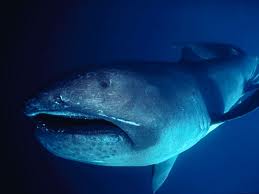
A rare and mysterious animal is the spotlight for today’s Watery Wednesday animal! This gentle giant is so elusive that its existence has only been known to people for the last 30 years! Wow! That’s one of the many great things about the world’s oceans; they’re still full of loads of mysteries! Let’s meet this big guy…

MEET THE MEGAMOUTH SHARK!

Range/Habitat: Atlantic Ocean-Pacific Ocean-Indian Ocean

Diet: Carnivore: plankton

Length/Weight: up to 18ft/ up to 2000lbs

Conservation Status: Unknown


Fun Facts:

  • Megamouth sharks were discovered in 1976!
  • Only 53 sharks have been seen since their discovery.
  • Megamouth sharks have large mouths that they use to filter tiny plankton from the water.
  • The roof of their mouth is silvery color and is thought to help attract plankton.
  • They are believed to live in deep waters. It is most likely though that they swim where the plankton is.


Wow! This large shark doesn’t have a mouth full of sharp and pointy teeth, but instead filters out tiny plankton from the water! Can you believe that they’ve been living in our oceans for a very long time, but we just found them 30 years ago? Crazy!

Categories: Animals, Children, education, Environment, fish, nature | Tags: , , , , , | Leave a comment

REPTILIAN TUESDAY # 15

REPTILIAN TUESDAY # 15

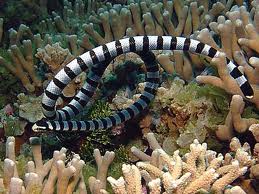
We’ve found another special reptile today! This snake could easily have been featured on Watery Wednesday too! Yep, we found a snake that calls the ocean its habitat! Neat! Come meet…

MEET THE BANDED SEA KRAIT!

Range/Habitat: Southern-South Eastern Asia/ tropical oceans-coral reefs

Diet: Carnivore: fish, eels

Length: 3 ¼-6 ½ ft

Conservation Status: Common


Fun Facts:

  • Banded Sea Kraits are members of the sea snake families. They spend most of their lives in the ocean.
  • Banded sea kraits are highly venomous. They are more deadly than most land snakes.
  • They are not harmful to humans, because they have short fangs and are very docile.
  • Banded sea kraits have paddle shaped tails that help them swim.
  • They come on shore to lay their eggs.


Sea kraits are incredible snakes! Did you know there were snakes that lived in the ocean? We saw one while we snorkeling in Indonesia! It was awesome! If you could go snorkeling what animals would you like to see?

Categories: Animals, Children, education, Environment, nature, reptiles | Tags: , , , , , | Leave a comment

MAMMAL MONDAY #15

MAMMAL MONDAY# 15

Happy Mammal Monday! We have traveled to the land down under-Australia to find today’s animal! Australia is a large continent with wild and strange animals that are found no other place on earth and today’s mammal is no exception! In fact this mammal is a rare exception to the rule, instead of giving birth to live young it lays eggs! WHAAAAT? You heard right, this mammal lays eggs! Let’s meet…

MEET THE PLATYPUS!

Range/Habitat: Eastern Australia-Tasmania/rivers-streams-rainforest

Diet: Carnivore: worms, shrimp, crayfish

Length/Weight: 16-23 ½”/ 1 ¾-5 ½ lbs

Conservation Status: common


Fun Facts:

  • Platypus are strange looking mammals, with long slender bodies, webbed feet and a duck-like bill for a mouth.
  • They have long tails that look like beaver tails.
  • Platypus are built for water. They are excellent swimmers and can dive to deep depths looking for prey.
  • They eat about 20% of their body weight a day (about 2lbs), so they can spend up to 12 hours a day feeding.
  • Platypus have no teeth!
  • Male platypus have venomous spurs in the back feet. The venom is not fatal to humans, but can be very painful.
  • Platypus can detect the electrical fields of other animals. They use this extra sense to find their prey!
  • They are one of two mammals on earth that lay eggs. Do you know the other one?
  • Platypus moms to provide milk to their offspring.


Platypus are one of our favorites, with their crazy looking bill mouths and their webbed feet! They are much loved in Australia too! You can find a platypus on the back of their 20 cent coins! Neat! Edmond wants to be on a coin! Ellie told him he’d have to learn to lay eggs first!


Categories: Animals, Children, education, Environment, mammals, nature | Tags: , , , , , | Leave a comment

FEATHERY FRIDAY #14

FEATHERY FRIDAY# 14

Happy Feathery Friday everyone! We hope you have had a wonderful week! We’re excited for you to meet today’s bird! This bird is called a creeper but they’re not creepy at all! Let’s meet this fun little bird!

MEET THE BROWN CREEPER!

Range/Habitat: Western United States-Alaska-Canada-Newfoundland/forests

Diet: Omnivore: insects, some seeds

Length: 5-5 ½”

Conservation Status: Common


Fun Facts:

  • Brown creepers are small little songbirds.
  • They climb up trees in a spiral pattern looking for insects in the bark. When they’re done with one tree they fly to the bottom of another one and climb it in a spiral!
  • Brown creepers have stiff tails to help them balance.
  • Both male and female parents rear the chicks!
  • Brown creepers are the only member of the treecreeper family in North America.

Brown creepers are cute little birds that like to climb trees! They go around and around and around looking for bugs! Birds are so diverse! Some eat on the ground, some eat at the tops of the trees and some spiral around the trunks! Neat!

Here what they sound like:

http://www.allaboutbirds.org/guide/Brown_Creeper/sounds


Categories: Animals, birds, Children, education, Environment, nature | Tags: , , , , , | Leave a comment

Walking in a Dino Winter Wonderland!

Walking in a Dino Winter Wonderland!

Have you ever dreamed about going around the world during the holidays? Wonder what it’s like in Australia during Christmas or how people in Chile decorate their homes? Well you are in luck, because without buying a plane ticket or packing a bag you can learn all about holiday traditions around the world at Fernbank Museum of Natural History’s Winter Wonderland!

We were invited to check out the 28 trees and displays and man did we have a good time! What’s a better combo than dinos and culture? Nothing! Do you know the song “Twelve Days of Christmas”? We’ve decided to tell you about our favorite trees set to the tune of our favorite carol! Forgive us now if it’s doesn’t exactly fit the song, we are just a small elephant and horse!

On the first tree at Fernbank a dino brought to us: A Troll from Norway!
A troll from Norway!

On the second tree at Fernbank a dino brought to us: A Maple leaf and a moose!

The Canadian tree! There are Canadian flags with maple leaves all over it! You have to find the moose!

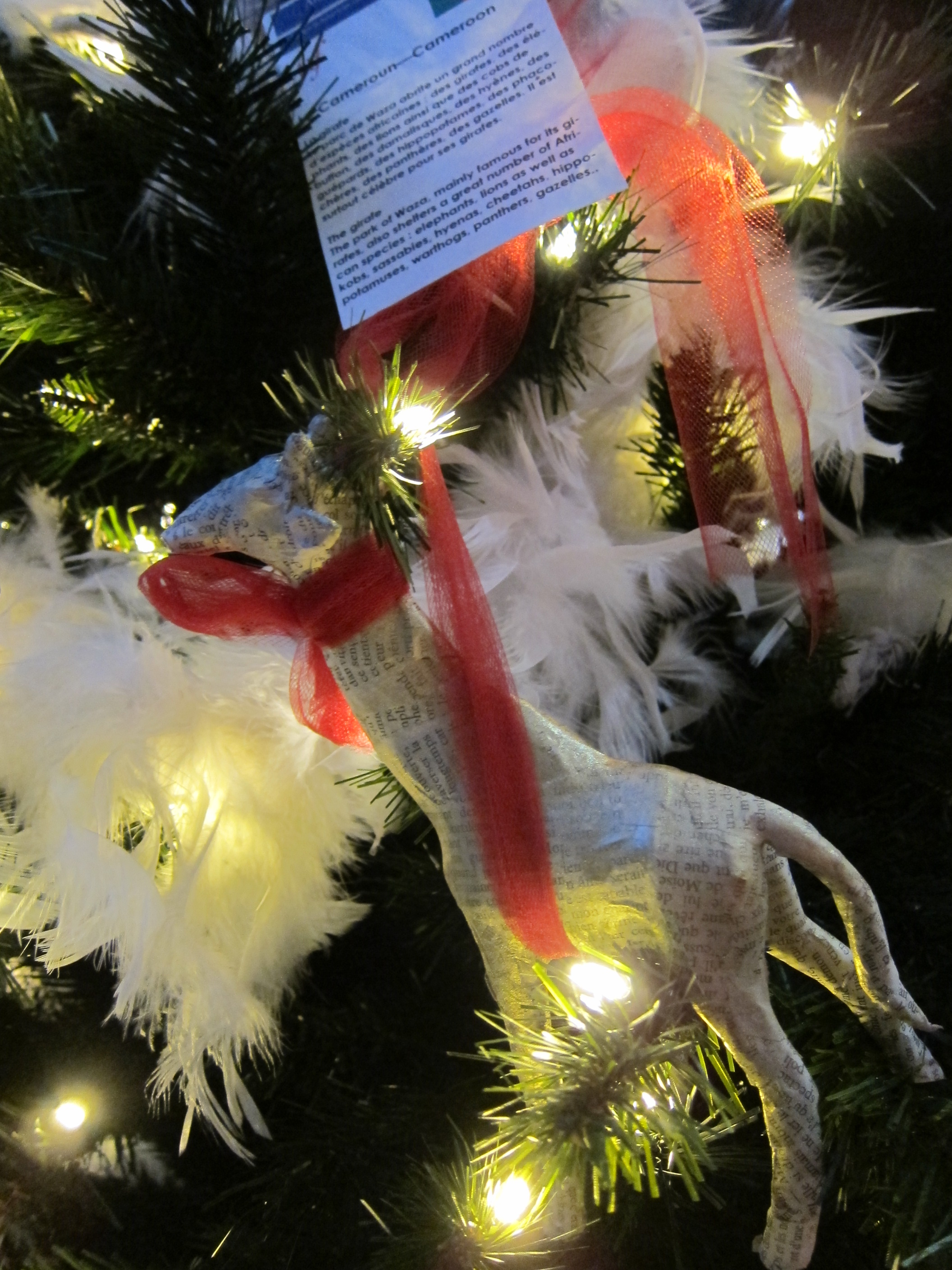
On the third tree at Fernbank a dino brought to us: Animals who speak French!

An elephant from one of the many french speaking countries!
A dragon from Vietnam (they speak french there!)

A giraffe from Cameroon
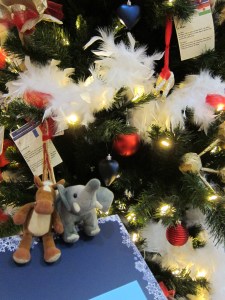
Here we are in front of the French tree with all the fun animals!

On the fourth tree at Fernbank a dino brought to us: A sweet gum and some walnuts!
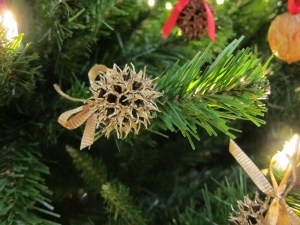
Gumballs from a sweetgum tree on the tree from Switzerland!

On the fifth tree at Fernbank a dino brought to us: A tree full of green and gold balls!

Brazil's tree had balls of green and gold to represent their flag!

On the sixth tree at Fernbank a dino brought to us: Chilean butterflies!

The tree from Chile

Edmond loves butterflies!

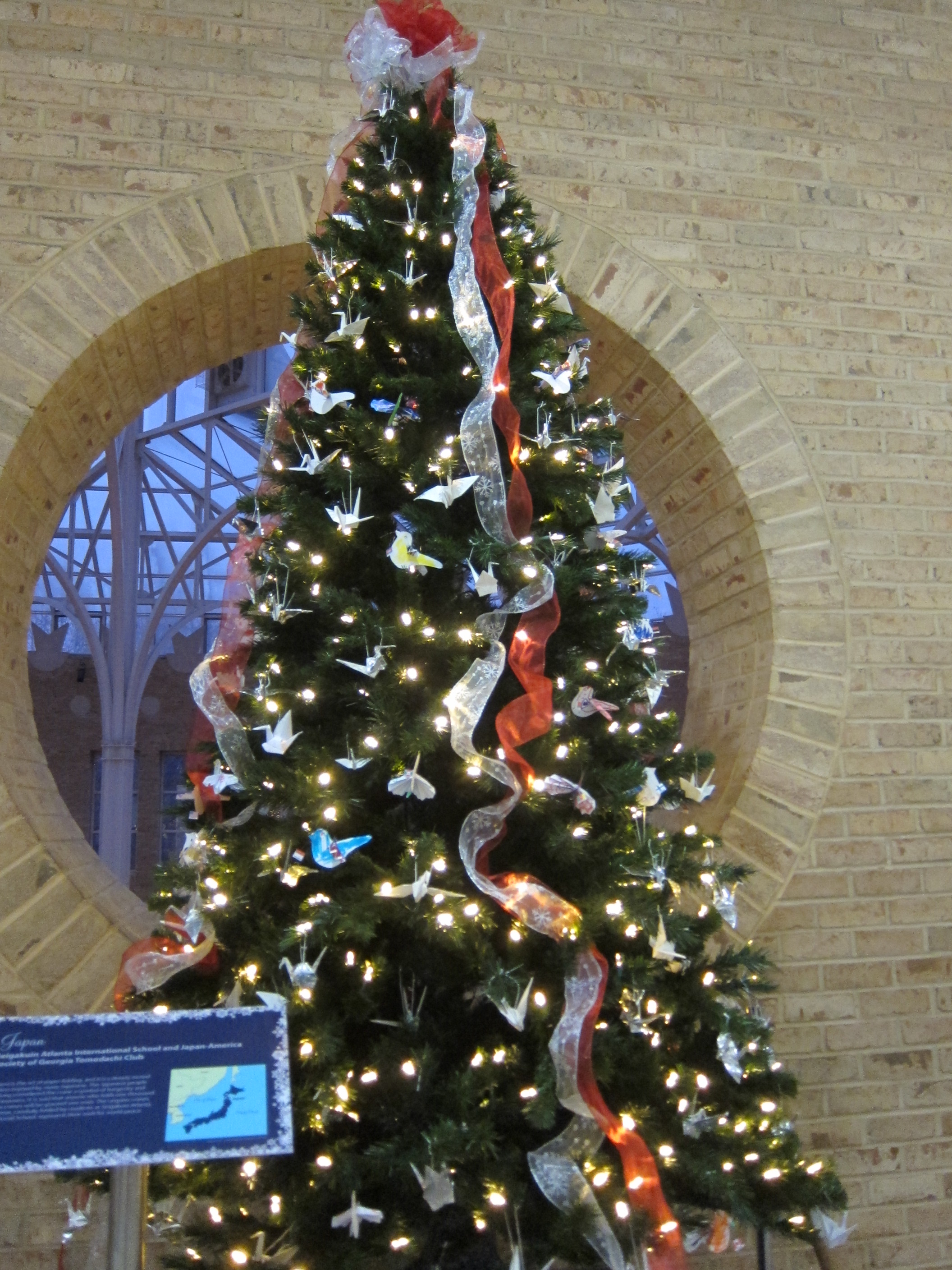
On the seventh tree at Fernbank a dino brought to us: Japanese cranes

The tree from Japan was covered in oragami cranes!

Ellie loved the cranes, especially this shiny one!

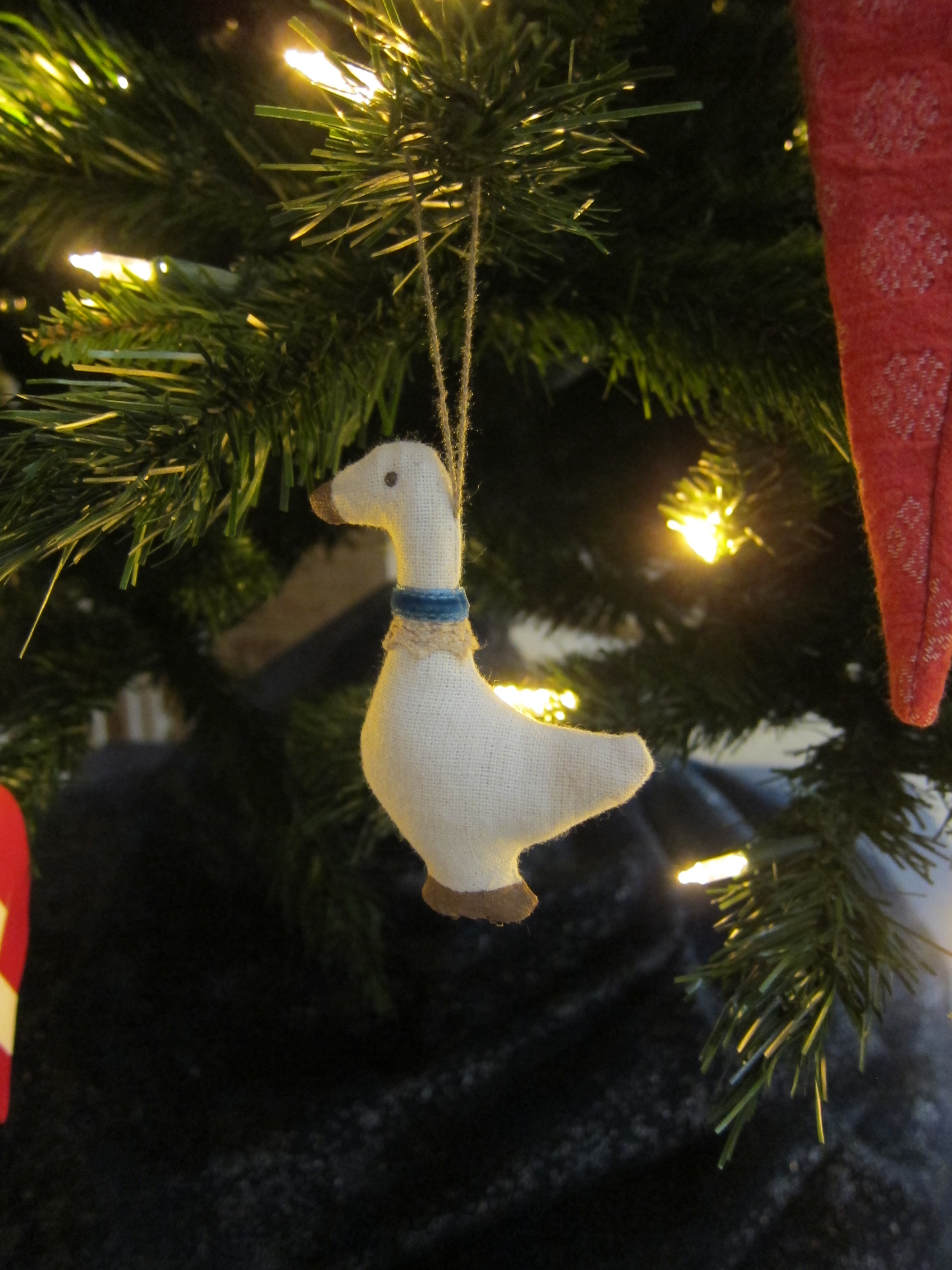
On the eighth tree at Fernbank a dino brought to us: A little goose from Denmark
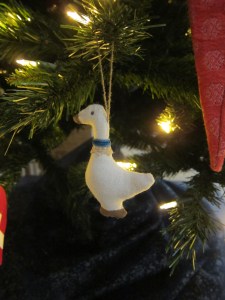
We found this little goose on the Denmark Tree

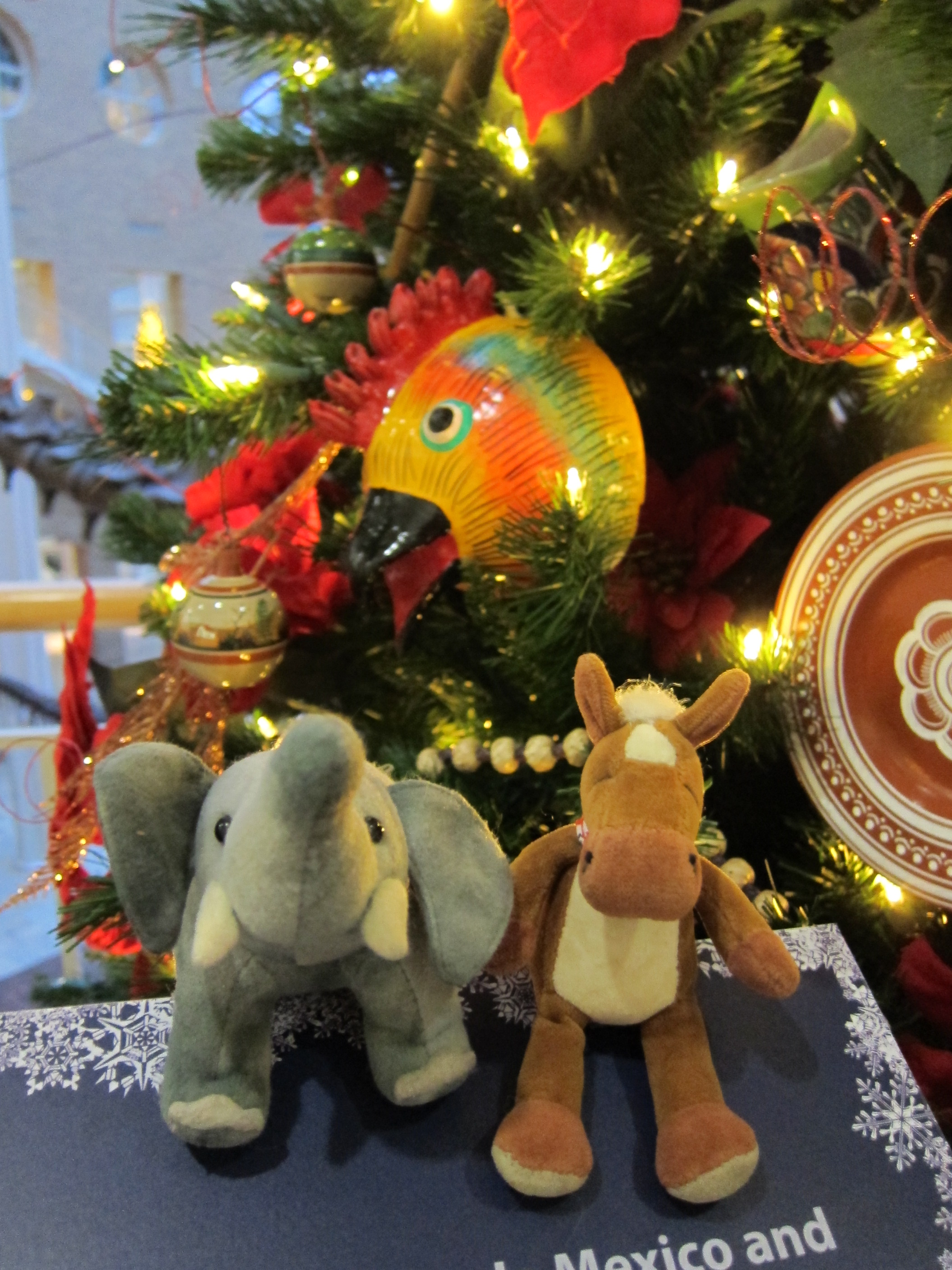
On the ninth tree at Fernbank a dino brought to us: Mexican dancing ladies

The Mexican tree has ladies dancing underneath it!

We found this brightly covered chicken on the Mexican tree!

On the tenth tree at Fernbank a dino brought to us: A festival of lights

Ellie loved Genesha, who is an elephant god in India!

On the eleventh tree at Fernbank a dino brought to us: A Hungarian hedgehog

How cute is this little hedgehog from Hungary?

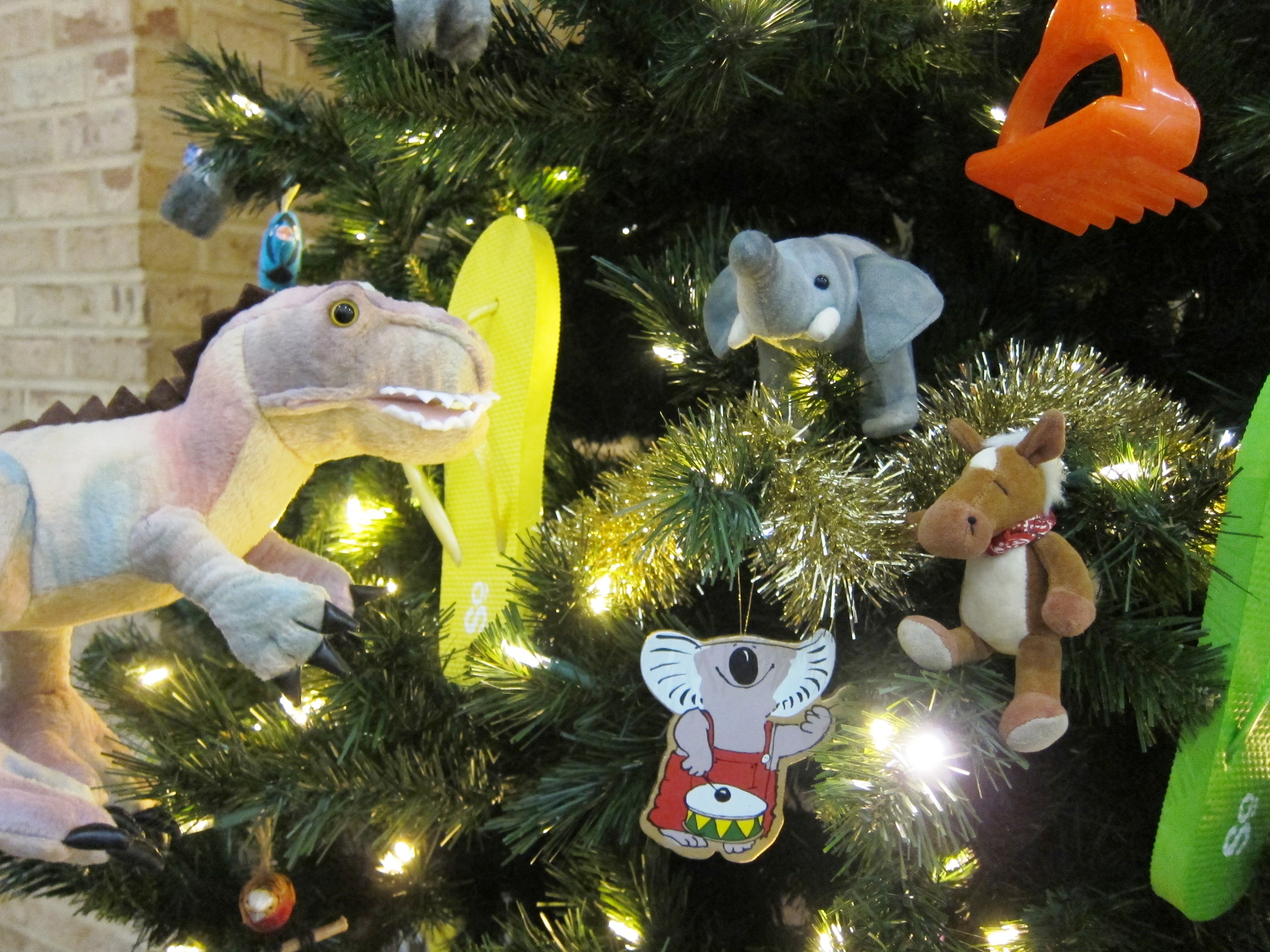
On the twelfth tree at Fernbank a dino brought to us: A koala playing the drum!
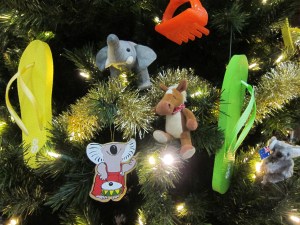
Here we are with the drum playing koala on the Australia tree!
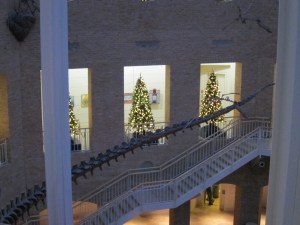
 

A dino tail and trees!

The Great Hall in the evening!

Dance party with Giggy!


All the trees were and displays were so neat! Each one was sponsored by an organization that represents the individual country and each one has a plaque that tells you all about the holiday traditions of that country! Look for all the animal ornaments, they’re our favorites!  Make sure you put Fernbank’s Winter Wonderland on your holiday to do list!


They’re having all kinds of fun holiday celebrations too! Check them out: http://www.fernbankmuseum.org/explore-exhibits/special-exhibitions/winter-wonderland/special-programming/


Categories: Atlanta, Children, education, Local | Tags: , , , , | Leave a comment

SUPER SURSPRISE THURSDAY #14

SUPER SURPRISE

THURSDAY# 14

For all our bird loving friends we have an extra bird for you this week on Super Surprise Thursday! This bird is one of our favorites! They are funny birds who spend most of their time on the ground looking for food! Are you ready to meet them…

MEET THE SOUTHERN GROUND HORNBILL!

Range/Habitat: Southern Africa/ savannas

Diet:  Omnivore: rodents, lizards, plants

Height/Weight: 30-40”/ 7 ½-10lbs

Conservation Status: Common

Fun Facts:

  • Southern Ground Hornbills are the largest of all hornbills.
  • They feed mostly on the ground but can fly.
  • Southern ground hornbills are known to collect multiple food items in their bills and lay them on the ground and eat them one by one.
  • They have black feathers with red faces. Females have bright blue wattles and males have red wattles.
  • Southern ground hornbills have long life spans, up to 40 years.
  • Southern ground hornbills live in small groups.

These beautiful birds are really neat! We met a pair at Zoo Atlanta named Zazu and Gumby. They are so fun to watch! They like to show off their food to guests!

Categories: Animals, birds, Children, education, Environment, nature | Tags: , , , , , | Leave a comment

Blog at WordPress.com.