Posts Tagged With: children

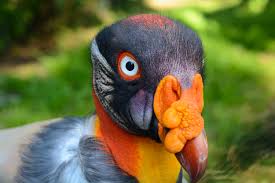
The King of Vultures!

The King of Vultures!
king-vultureimg_18522


ellie_edmund_professors-bfbooby


Date:9/7

Location: Amazon Rainforest

Observations:

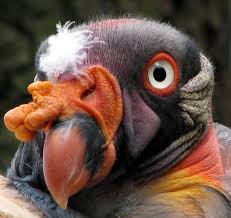
  • They are one of the most brightly colored vultures  on earth.
  • They have mostly white feathers with bright red bald heads. The bald head protects them from getting bacteria in their feathers.
  • King vultures fly high above the trees using the wind currents to glide, rarely flapping their wings.
  • They have keen eyesight and a great sense of smell. They use these to find food or spot other vultures at a carcass.
  • King vultures are the largest new world vulture.
king-vulture2

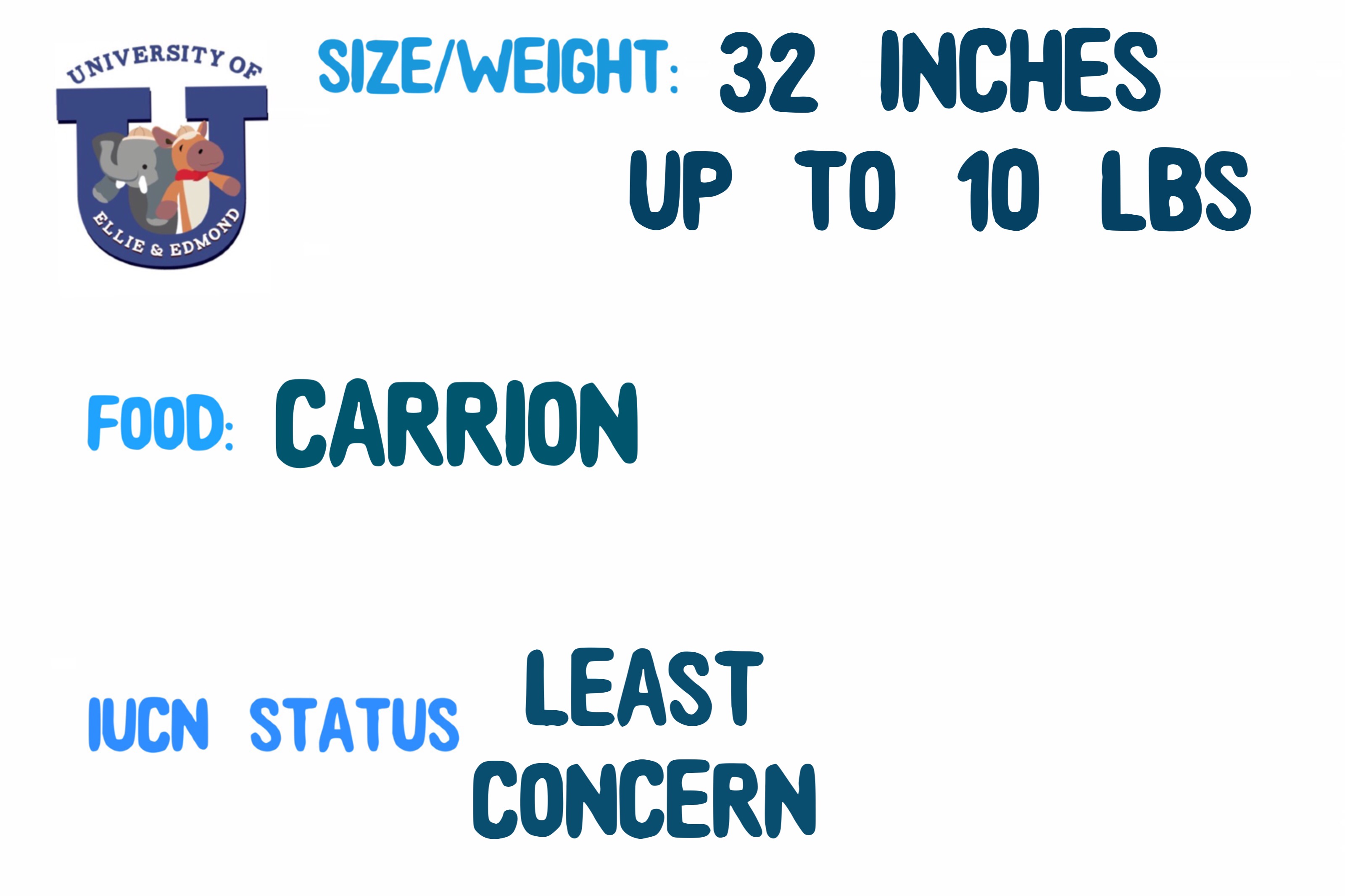
  • They let other vultures tear open carcasses first and then take over.
  • Females and males look identical.
  • Both parents incubate the egg and help raise the chick.
  • A king vulture doesn’t get it’s full plumage until it is 5 years old.

king-vulture3

img_1847

Name from old Mayan legend that the king vulture was a carrier of message between humans & the Gods

We went to same spot on the edge of the forest to see if we could spot any vultures. We saw a carcass of a large animal across the open grass field the day before and were hoping the vultures would come today. It didn’t take long before the turkey vultures showed up! And then finally a king vulture swooped in and everyone else moved out its way. They definitely are kings of the carcass! Hahahaha!

 
Categories: adventure, Animals, birds, Children, conservation, education, Environment, nature, science, Today's Post, wildlife | Tags: , , , , , , , , , | Leave a comment

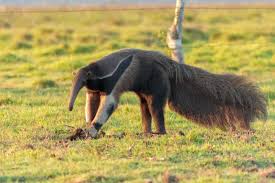
Giant in the Rainforest!

Giant in the Rainforest!

img_18512giant-anteater2


ellie_edmund_professors-bear


Date: 9/6

Location: Amazon rainforest

Observations:

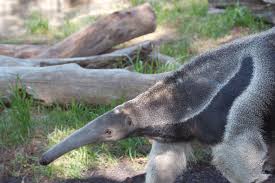
  • The giant anteater has no teeth. They have 2 foot long tongues that extract termites and ants.
  • One giant anteater can eat up to 35,000 insects a day.
  • They can flick their tongue up to 160 times per minute. Giant anteaters must be fast to avoid ant bites.
  • Giant anteaters have a keen sense of smell. They use it to find the ant mounds.

giant-anteater

  • Giant anteaters walk on their wrists. They have long sharp claws (about 4 inches) that they can not walk on.
  • Those claws are used for ripping into ant and termite mounds.
  • Giant anteaters are excellent swimmer. Their long snouts make great snorkels!
  • They can use their long sturdy tails to help them stand on two legs. They do this to look for predators or to fight off a predator!

img_1836anteater2


We had a wonderful time waiting on the edge of the forest to see a giant anteater wander up. They look so clumsy when they move, but we think they are awesome! Those claws not only help them break-in to breakfast, but they are critical in helping them protect themselves. Mother anteaters carry babies on their backs, so they use those small claws for holding on! These may be our favorite animal, but we have a whole month here in the rainforest. Time to head back to camp and figure out who we can find tomorrow!

Categories: adventure, Animals, Children, conservation, education, Environment, mammals, nature, science, Today's Post, wildlife | Tags: , , , , , , , , , | Leave a comment

Welcome Back!

Welcome Back!

FullSizeRender(81)

Hello everyone! Welcome back to another great year at the University of Ellie and Edmond! We are so excited to have all our old students return and we are super excited to meet some new ones! You may notice some changes in our site! Each professor has their own page, where you can learn some basics about mammals, reptiles and amphibians, insects, birds and fish! The post of the day, will be found under Today’s Post now too.

This year, we are going on field expeditions every month. Each month we’ll be visiting a different area. We met with Rita the Rat, our professor of geography and culture and picked our route and our stops!


IMG_1767IMG_1768FullSizeRender(80)


We picked different habitats, from deserts to rainforests to coral reefs. We’ll be starting in the Amazon rainforest then heading to the Galapagos islands in October! We hope you like our new journal type entries too. You’ll spot the professor that is works with that type of animal at the top, plus our vital information and then what we learned about our new friend! It’s all very exciting! We’re packing our bags and we’ll be in the rainforest tomorrow! Let’s get ready to do some field work and make new animal friends!

Categories: adventure, Animals, Children, conservation, education, Environment, nature, science, Today's Post, wildlife | Tags: , , , , , , , , | Leave a comment

News and Happenings!

News and Happenings!

e e map

Hello everyone! We’re here to give you an update on all things Ellie and Edmond! We’re taking a two week break from regular posts as we prepare some more content and get ready to head back to the University of E & E after Labor Day. You’ll see some new things on the site when we return and we’ll be changing the look of the daily posts! Each month the staff at the University will join us as we visit a habitat somewhere in the world! For that entire month- we’ll meet the animals of that area and learn all about them! We are so excited for the new school year and we hope you are too!

We do ask that our readers make sure they are following us on Instagram, Facebook and Twitter!

And we please ask that you share our site with friends! We’ll even send you cards to give out or buttons & stickers if you like! Just let us know!

Categories: adventure, Animals, Children, conservation, education, Environment, nature, science, wildlife | Tags: , , , , , , , , | Leave a comment

An Alligator of a Different Name

An Alligator of a Different Name

e & e river boat

We’re meeting our last Brazilian animal today! This reptile has some nice chompers and can get to be one big dude! Are you ready to meet this caiman?

caiman2

Black Caiman Fun Facts:

  • Black caiman are found in the Amazon Basin and other part of South America in rivers, lakes and marshes.
  • They can grow up to 16 feet long and weigh up to 600 lbs. They are the largest member of the alligator family in South America.
  • Black caiman are carnivores. They eat fish, mammals and other large prey.
  • Black caiman are listed as least concern by the IUCN.
  • Caiman are a subfamily of the alligator family. Black caiman are bigger than their cousins the American Alligator.
  • The black caiman is the largest predator in its habitat.

caiman

  • They are also ambush predators.
  • They have dark, almost black scales.
  • Black caiman are nocturnal.
  • Caiman have a bony ridge down their eyes to their snout.
  • Like other members of the alligator and caiman family, females protect their nests and their hatchlings.

caiman3 These relatives of the American alligator definitely look like their cousins. As apex predators we definitely will just visit from a distance!

Categories: adventure, Animals, Children, conservation, education, Environment, nature, reptiles, science, wildlife | Tags: , , , , , , , , , | Leave a comment

Who’s That Bird?

Who’s That Bird?

We have a fabulous Brazilian bird for you today! If you remember from the other day- Brazil is one of the richest bird habitats in the world. Nearly 2,000 species call Brazil home! Wow! Who knew? It’s a bird’s paradise! Today we’re meeting just one of those spectacular birds! Let’s get to it!


Toco Tucan Fun Facts:

  • Toco toucans live in Central and South America in woodlands, forests and groves.
  • They are omnivores. They eat insects, fruits and frogs.
  • Toco toucans can grow up to 23 inches and weigh up to 1 1/4 lbs.
  • They are listed as Least Concern by the IUCN.
  • Toco toucans are the largest of all toucan species.

toco3

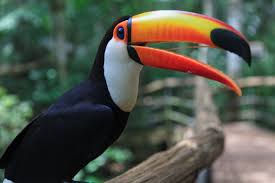
  • They have large orange bills with a black spot. The bills can get up to 7 ½” long (about the length of a pencil).
  • Toco Toucan bills are serrated (like a knife) and this helps them grasp and tear fruit.
  • Their large bills also enable the toucan to get fruit from out of reach branches.
  • Toco toucans nest in trees.
  • You can see Toco toucans in small flocks of up to 6 birds.
  • Both female and male toucans incubate the eggs.

toco

Toco Toucans are really pretty birds with their shiny black feathers and large orange beaks! And man does that beak come in handy when you’re trying to get the fruit on the end of the branch! They also have a really cool call. Take a listen here!


Categories: adventure, Animals, birds, Children, conservation, education, Environment, nature, science, wildlife | Tags: , , , , , , , , | Leave a comment

One Big Rodent!

One Big Rodent!

We’ve met the jaguar yesterday and today we’re off to find another animal that calls Brazil home! These super cuties are often called rodents of unusual size! Hahaha! Let’s meet the capybara!

capybara3

Fun Facts:

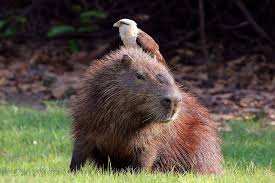
  • Capybaras can be found in Central and South America in marshes, ponds and lakes.
  • They can grow up to 4 feet long and weigh up to 150 lbs.
  • Capybaras are herbivores. They eat grasses, plants and fruit. They eat up to 8lbs of vegetation a day.
  • They are listed as least concern by the IUCN.
  • Capybaras are the largest rodent in the world.
  • They have webbed feet.
  • They are excellent is swimmers and often spend most of their time in water.

capybara

  • A capybara’s eyes, nose and ears are on top of their head. This allows them to just have those body parts above the water while their bodies are underwater.
  • Their teeth grow throughout their lifetime.
  • Capybaras chew their food from side to side.
  • Capybaras live in small groups.
  • They are very vocal.
  • Capybaras got their name from the Tupi people of Brazil, an old native tribe of Brazil. The name means “grass eater”.

capybara2

These furry little rodent pigs are so fun to watch! Who doesn’t love them? We know we do!!

Categories: adventure, Animals, Children, conservation, education, Environment, mammals, nature, science, Uncategorized, wildlife | Tags: , , , , , , , , , , | Leave a comment

There’s a Big Cat in the Jungle!

There’s a Big Cat in the Jungle!

e & e river boat

This week we are featuring animals native to Brazil, where the Olympics are continuing this week. Brazil is an amazing place, with savannas to rainforests. It is home to the largest part of the Amazonian rainforest, that houses 10% of world’s known species. Brazil ranks number 3 in the number of species of birds that call it home! Wow! This place is definitely amazing!

Today we are going to meet one of Brazil’s felines! This big cat is an icon known around the world- let’s meet the jaguar!

jaguar

Fun Facts:

  • Jaguars are found in Central and South America in rainforests, savannas and swamps.
  • They can reach up to 6 feet long and weigh up to 200 lbs.
  • Jaguars are carnivores. They eat deer, caiman, tapirs and other animals.
  • Jaguars are listed as near threatened.
  • Jaguars are the largest big cat in the Americas.
  • They are excellent climbers and excellent swimmers.
  • Jaguars have spots with spots in those. Those spots are called rosettes because of their rose appearance.

jaguar3

  • Jaguars are efficient predators and kill their prey with a bite to the head of their prey.
  • They are solitary and territorial.
  • There are occasional jaguars with melanism. They have all black fur. In light you can see their spots.
  • Jaguars are revered in their native lands. Their was even a jaguar god who ruled the underworld.
  • The name jaguar comes from a Native American word that means “he who kills with one leap”.

jaguar2

These gorgeous cats are amazing! They have it all, good looks, great athleticism and those classic cat whiskers! Hehehehe!


Categories: adventure, Animals, Children, conservation, education, Environment, mammals, nature, science, wildlife | Tags: , , , , , , , , , , | Leave a comment

WORLD ELEPHANT DAY!

WORLD ELEPHANT DAY!

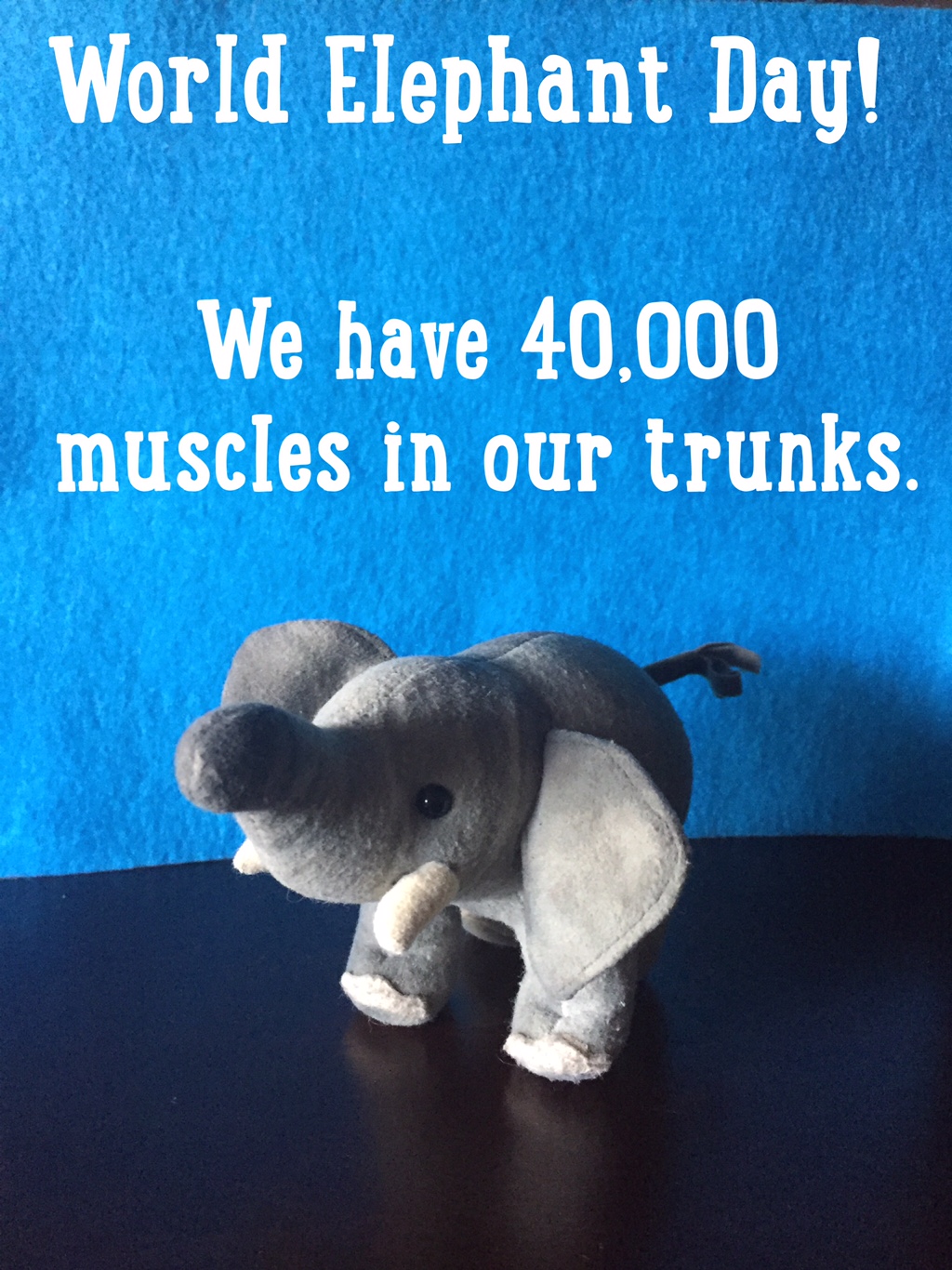
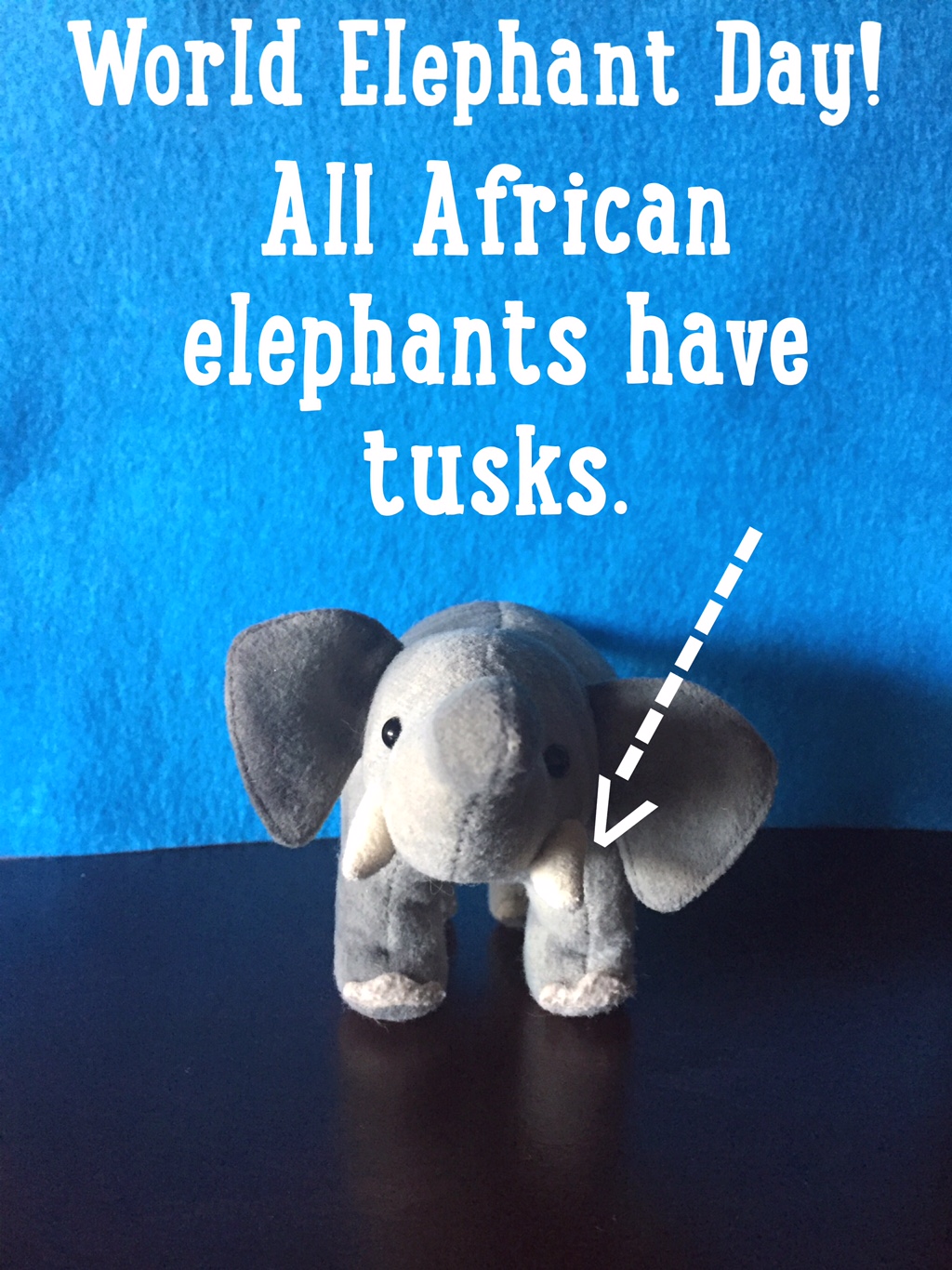
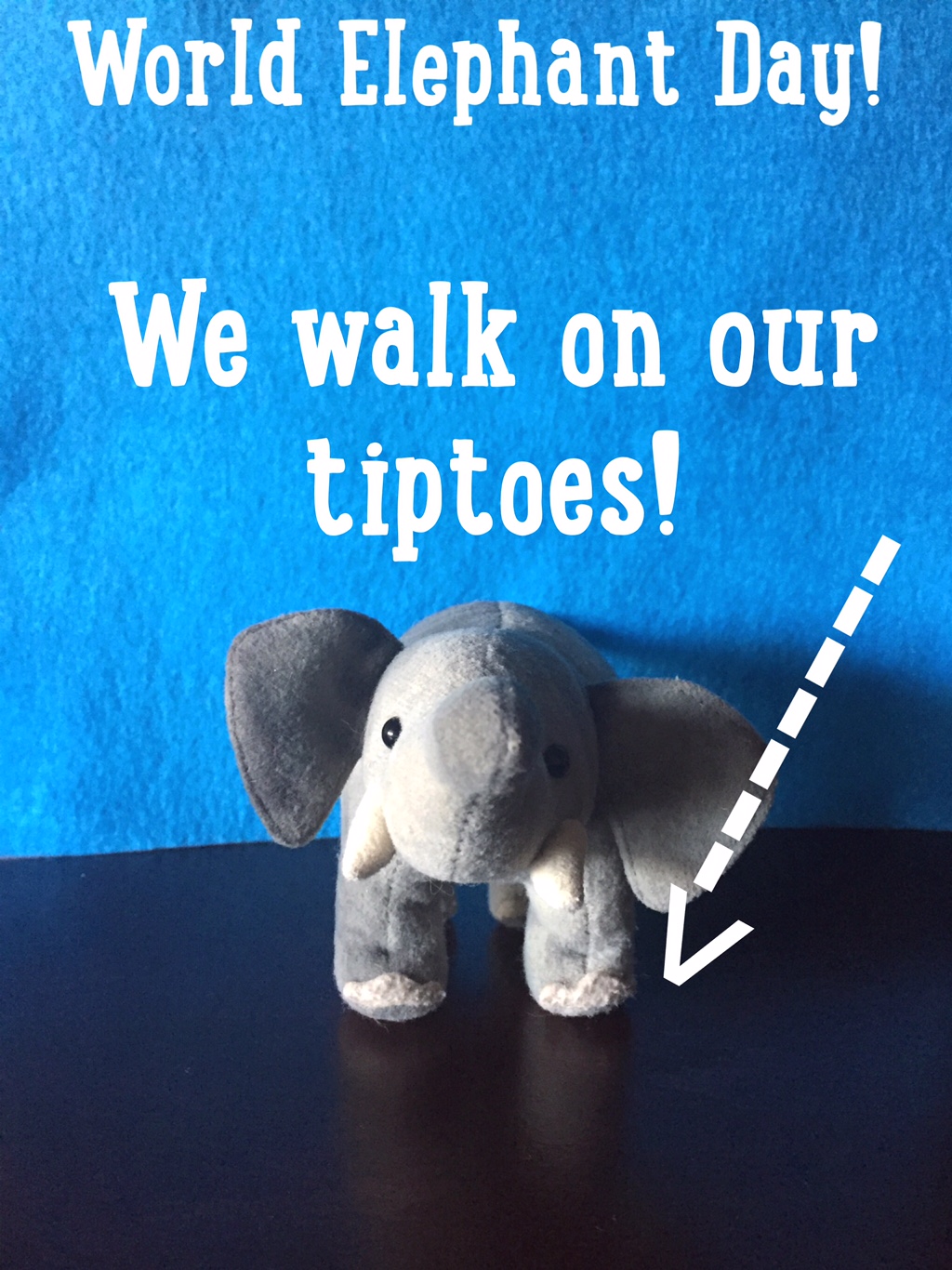
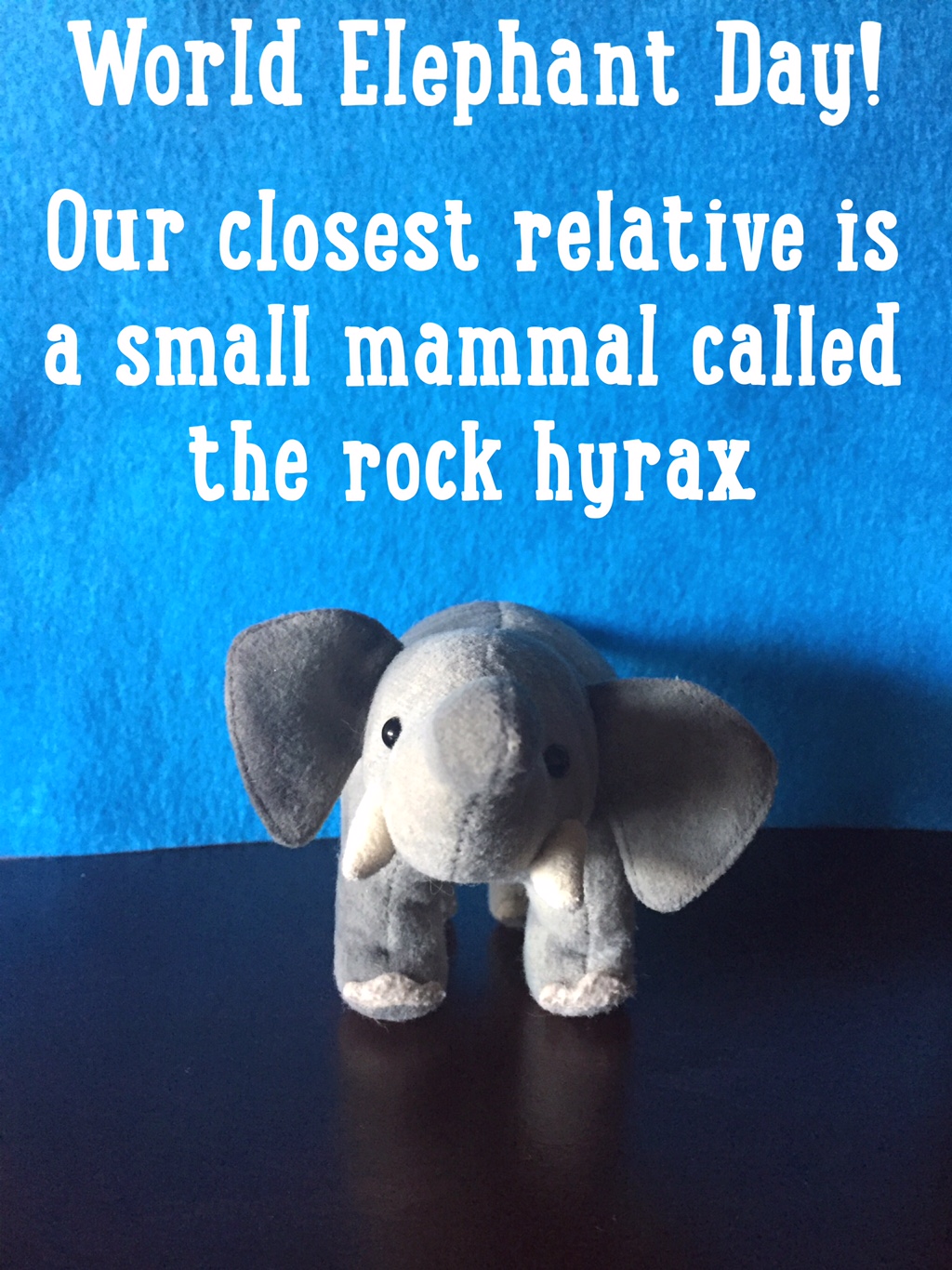
It’s World Elephant Day and Ellie is sharing just a few of the reasons elephants are so awesome! She’ll also be sharing some reasons why they need your help!

IMG_1275

IMG_1287

IMG_1283

IMG_1286

IMG_1276

IMG_1290

IMG_1277

IMG_1278

IMG_1279

IMG_1284

IMG_1288We lose an elephant to poachers every 15 minutes. That’s 96 elephants every day!

IMG_1291IMG_1291IMG_1291IMG_1291

IMG_1291IMG_1291IMG_1291IMG_1291

IMG_1291FullSizeRender(77)

These magnificent creatures are killed for their tusks! Tusks that are used to make trinkets, carvings and jewelry. We must all work to stop this! There are ways you can help!

Educate others! Donate to David Sheldrick Wildlife Trust.

Get involved- make your voice heard! Check out 96 elephants to learn more about wildlife crime and how you can help stop it! Together we can protect elephants!

Categories: adventure, Animals, Children, conservation, education, elephants, endangered species, Environment, mammals, nature, science, wildlife | Tags: , , , , , , , , , , , | Leave a comment

Going the Distance

Going the Distance!

Today we’re showing you humans that the marathon is a walk in the park for these gold medal distance animals! These amazing creatures travel thousands of miles each year! Let’s give them a round of applause as they take the stand for top distance!

IMG_1226

Arctic terns make the longest migration of any animal on earth. They travel from one pole to the other, around 44,000 miles a year.

arctic tern

Gray whales travel the world’s oceans and migrate from Arctic waters that are rich with food to warmer waters to mate and give birth. They travel on average 12,000 miles per year.

gray whale

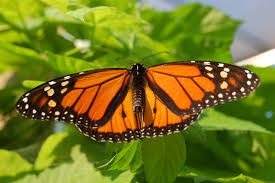
We all know the famous monarch butterfly! Those beautiful insects travel 2,000 miles from Canada to Mexico. No one butterfly completes the migration, it is done by several generations. 

monarch

Sooty Shearwaters travel 40,000 miles per year. Just losing out to the gold medal in distance to the Arctic tern. Sooty terns start their journey in Ne Zealand and head to the northern hemisphere.

sooty shearwater

Salmon migrate upstream- against the current. Some species like the chinook salmon travel nearly 2,000 miles during this challenging swim.

salmon

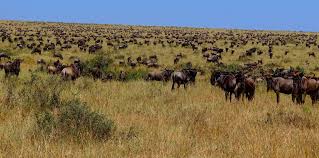
Gnus or wildebeest make a 1000 mile migration across the Serengeti in giant herds. They leave the dry plains to find food and water. 

wildebeast

Red crabs of Christmas Island travel from the inland forests to the beach to breed. They migrate in huge groups and go up 3 miles during their journey.  

red crab

Categories: adventure, Animals, Children, conservation, education, Environment, nature, science, wildlife | Tags: , , , , , , , , | Leave a comment

Blog at WordPress.com.