Posts Tagged With: children

CREEPY CRAWLY WEEK DAY #2

CREEPY CRAWLY WEEK DAY #2

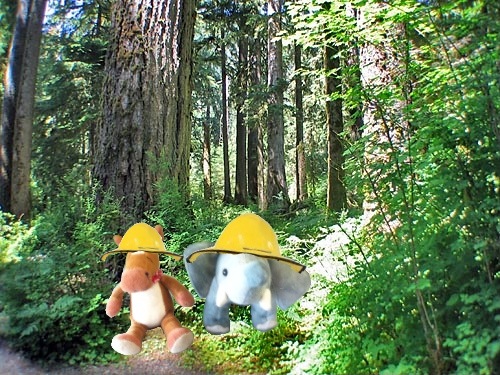
We’re going to the coast of Mexico to find today’s creepy crawly creature! This one in particular is creepy to Ellie! She may end up staying in the truck! Gather your courage and head out on this adventure! Are you ready to meet this creepy crawly creature?
e & e rainforest

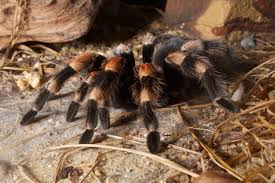
MEET THE RED KNEED TARANTULA!

   Range/Habitat: West coast of Mexico/tropical forests

   Diet: Carnivore: insects, frogs, mice

   Length/Weight: 4 ½”/15 grams

   Conservation Status: Near threatened


Fun Facts:

  • Red Kneed Tarantulas are nocturnal (active at night).
  • Like other spiders they have 8 legs and an exoskeleton.
  • Red kneed tarantulas have hair all over their bodies. They rub their back legs together if threaten. The hairs can cause a rash or even blindness if release in the eyes.
  • Red kneed tarantulas are venomous. They bite their prey with fangs and then inject the venom.
  • They burrow in the ground.
  • They don’t have a backbone like you instead they have a hard exoskeleton on the outside of their bodies. Because they have an exoskeleton they must molt 2-3 times a year as they grow.
  • Red kneed tarantulas can live up 20-30 years old.

Ellie is afraid of spiders, but learning about them helps her not to be afraid! Red kneed tarantulas are not harmful to humans or elephants ! We definitely think they’re kind of pretty with their bright colors!

red kneed tarantula   red kneed tarantula2

Categories: adventure, Animals, Children, conservation, education, Environment, Halloween, insects, nature, science, wildlife | Tags: , , , , , , , , , | 2 Comments

CREEPY ANIMALS WEEK!

CREEPY ANIMALS WEEK!!

We’re featuring animals this week that are considered creepy or scary in honor of Halloween. People often get so scared of our animal friends and they get a bad reputation.  Sometimes they may even be a little scary, but we love all animals! Sometimes we just love them from a distance! Today’s animal is a bat with sharp pointy teeth and a really bad reputation! Let’s meet them! And by the way they’re not monsters!

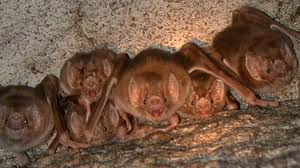
MEET THE COMMON VAMPIRE BAT!

   Range/Habitat: Mexico-South America/roost in caves, mines, trees

   Diet: Hematophagy: blood of mammals such as cattle, pigs and tapirs

   Length/Weight: 2 ¾”-3 ¾”/ around 1 oz

   Conservation Status: common


Fun Facts:

  • Common Vampire Bats are one of three bats that’s only source of food is the blood of other animals.
  • They have sharp thin-pointed teeth they use to bite animals.
  • Their teeth are so sharp that often the animals do not feel the bite.
  • Common vampire bats are strong fliers.
  • They have strong forelimbs and legs that help them get around on the ground. In fact they are very agile and speedy.
  • Common vampire bats have heat seeking receptors in their nose to help them locate veins closest to the skin.
  • Common vampire bats are nocturnal (active at night).
  • Common vampire bats live in large groups of usually several hundred individuals. They are known to have strong family bonds. There is even evidence of females adopting young bats that are orphaned.

We’ll admit these bats are a little creepy. But all animals have a place in this world. So we respect them all, again from a distance!

vampire bat   vampire bat2

Categories: adventure, Animals, Children, conservation, education, Environment, mammals, nature, science, wildlife | Tags: , , , , , , , , , , | Leave a comment

FEATHERY FRIDAY #84

FEATHERY FRIDAY #84

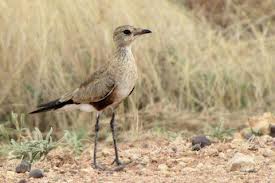
We are super excited for today’s Feathery Friday! We’re heading to the land down under to meet today’s bird! So grab some snacks, binoculars and your passport and let’s head out on today’s birding adventure!

e & e wetlands

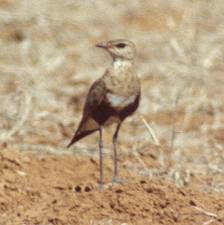
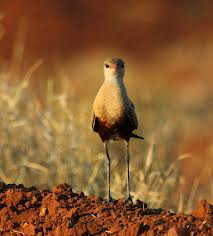
MEET THE AUSTRALIAN PRATINCOLE!

australina pratincole   Range/Habitat: Australia-Southeast Asia/ grasslands, ponds

   Diet: Carnivore: insects

   Length/Weight: 8 ½-9 ½”/ 2 1/8-2 ½ oz

   Conservation Status: common


Fun Facts:

  •          Australian pratincoles have long legs and wings.
  •          They are a cinnamon color.
  •          Australian practincoles have a red and black bill.  
  •          Australian practincoles are very fast runners.
  •          They spend most of their time on the ground, but form flying flocks also to feed.

Australian practincole are really cute little birds! They are just another great bird that calls Australia home!

australina pratincole2   australina pratincole3

Categories: adventure, Animals, birds, Children, conservation, education, Environment, nature, science, wildlife | Tags: , , , , , , , , , | Leave a comment

SUPER SURPRISE THURSDAY #84

SUPER SURPRISE THURSDAY #84

It’s time to guess the animal! You guys know how this works! You ready, set, go!!!

mountain gorilla

  • I live in the mountains of East Africa.
  • I am a large ape.
  • I am endangered.

WHO AM I?

Categories: adventure, Animals, Children, conservation, education, Environment, mammals, nature, science, wildlife | Tags: , , , , , , , , , | 1 Comment

WATERY WEDNESDAY # 84

WATERY WEDNESDAY # 84

 It’s time to get aboard the E & E submarine and go looking for little sharks! These little sharks might be aglow with bioluminescence so keep an eye out! It’s time for another fun adventure!  

e e deep sea

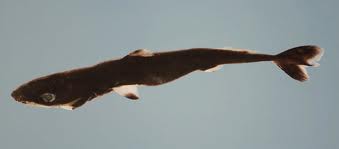
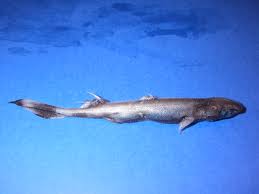
MEET THE PYGMY SHARK!

pygmy sharks   Range/Habitat: North Atlantic, W. Indian Ocean, West Pacific

   Diet: Carnivore: fish

   Length/Weight:  up to 10”

   Conservation Status: common


Fun Facts:

  •          Pygmy sharks are one of the smallest species of sharks.
  •          They have a single dorsal spine.
  •          A pygmy shark’s mouth is on the underside.
  •          Pygmy sharks have light producing organs on their undersides. These are thought to protect them from predators.
  •          Female pygmy sharks have about 8 pups a year.

Pygmy sharks are amazing little creatures. They look so alien and strange with their glowing cells. The ocean always amazes us!

pygmy sharks3

Categories: adventure, Animals, Children, conservation, education, Environment, fish, nature, science, wildlife | Tags: , , , , , , , , , , | Leave a comment

REPTILIAN TUESDAY #84

REPTILIAN TUESDAY # 84

We’re going to Baja. California today to meet a cute little reptile! They look like a lizard that we know well. These little lizards hide under vegetation and rocks, so we’ll have to use our best observation skills. We’re excited to take a road trip and find a new friend! Who is ready to join us?

e e park

MEET THE PINK TAILED SKINK!

pink tailed skink    Range/Habitat: Mexico-Baja California/ forests, suburbs

    Diet: Carnivore: insects, spiders

    Length: 6 ½-8”

    Conservation Status: common


Fun Facts:

  •          Pink tailed skinks are also known as the San Lucas skink.
  •          They have a bright pink tails as juveniles. The tails dull in color as they get older.
  •          Pink tailed skinks are brown with cream stripes on their backs.
  •          Pink tailed skinks can lose their tail if caught by a predator.
  •          Female pink tailed skinks lay eggs and stay with them until the babies hatch.

Pink tailed skinks look very much like the blue tailed skinks that live in our area. They are very fast little reptiles! We love trying to find them basking in the sun! Do you have any small lizards living in your neighborhood?

(We could one get one picture of this little guy)

Categories: adventure, Animals, Children, conservation, education, Environment, nature, reptiles, science, wildlife | Tags: , , , , , , , , , | Leave a comment

BACKYARD BINGO!!

BACKYARD BINGO!!

e e picnic

Fall is here and that means cooler weather, turning leaves and fun decorations. It also is a great time of year to get outside and enjoy the beauty of nature! We’ve created a great game to take with you on your hikes, picnics and outings! You print out the bingo cards and see if you can get bingo by finding amazing things in your local park or backyard!

Click on the link and off you go!!!


Backyard bingo-1

Categories: adventure, Animals, Children, conservation, education, Environment, nature, science, wildlife | Tags: , , , , , , , , | Leave a comment

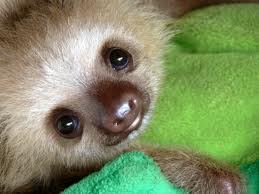
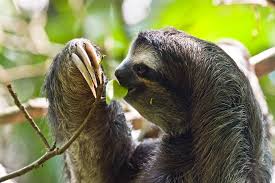
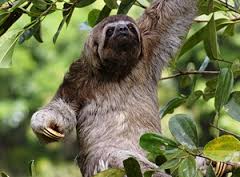
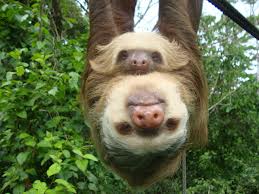
INTERNATIONAL SLOTH DAY!

INTERNATIONAL SLOTH DAY!!!

sloth

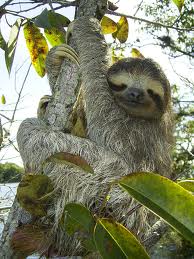
Happy International Sloth Day! It’s a great day to celebrate these super special animals! Come learn some fun facts and check out these super cute sloth faces!

  • Sloths sleep up to 20 hours a day.
  • Sloths live in the rainforests of South and Central America.
  • Sloths are related to armadillos and anteaters.
  • Sloths have algae that grow on their fur; it helps them camouflage in the trees.
  • There are two main species- two toed and three toed sloths.
  • They are herbivores.
  • Sloths only go on the ground about once a week and they do that to poop and pee.
  • Sloths are great swimmers!


Check out the Sloth Sanctuary of Costa Rica for more information about these amazing animals and how you can help!


sloth6  sloth5


sloth4

sloth3   sloth2


sloth8

Categories: adventure, Animals, Children, conservation, education, Environment, mammals, nature, science, Uncategorized, wildlife | Tags: , , , , , , , , , | 4 Comments

GUESS THE ANIMAL WEEK- DAY #5

GUESS THE ANIMAL WEEK- DAY #5

It’s the last day of our Guess the Animal week- we sure hope you’ve had fun trying to figure out who are animals are! You have one more chance to figure out who this is! Let’s see how smart you are!

giraffe

  • I have spots.
  • My tongue is black.
  • I have ossicones.

WHO AM I?

Categories: adventure, Animals, Children, conservation, education, Environment, nature, science, wildlife | Tags: , , , , , , , | 2 Comments

GUESS THE ANIMAL WEEK- DAY #4

GUESS THE ANIMAL WEEK- DAY #4

Do you have on your thinking caps today? Get them on and check out the picture and tell us who you think the animal is!!

male lion

  • I am a large cat.
  • I live in social groups.
  • I live in Africa.

WHO AM I?

Categories: adventure, Animals, Children, conservation, education, Environment, nature, science, wildlife | Tags: , , , , , , , , | Leave a comment

Blog at WordPress.com.