Posts Tagged With: environment

INTERNATIONAL RHINO DAY!!

INTERNATIONAL RHINO DAY!!!
e e savanna

Happy International Rhino Day (it’s actually tomorrow- but that is World Red Panda Day too- so we will have a post for that too)! We’re celebrating Edmond’s distant relatives the rhino today! These stout creatures are in danger and desperately need our help! So make sure you check out how you can help!
rhino

rhino5

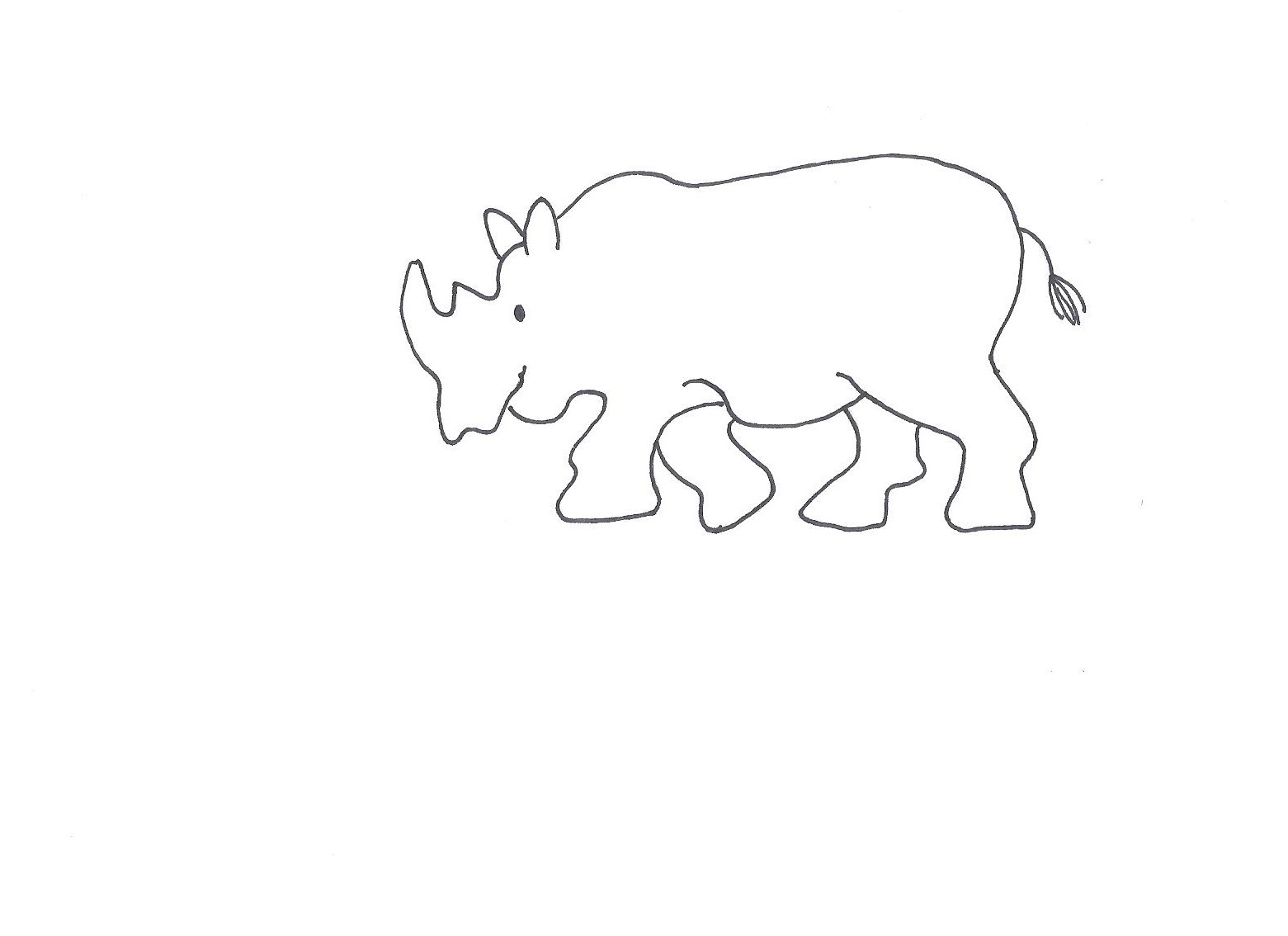
We’re going to give you some fun rhino facts, a coloring sheet and some great resources to help our friends!

rhino3

RHINO FUN FACTS:

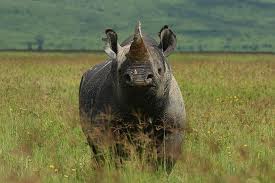
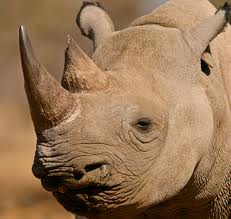
  • There are 5 species of rhinos, the Black Rhino, the White Rhino (the African species), the Northern India Rhino, the Sumatran Rhino and the Javan Rhino (the Asian species).
  • Rhinoceros is Greek for nose and horn!
  • All rhinos have poor eyesight.
  • White rhinos have a large broad mouth for grazing grass.
  • Black rhinos have a narrow prehensile lip to help them grasp leaves.
  • Rhino horns are made of keratin, the same protein that makes up your hair and fingernails.
  • Rhinos’ ears can move and rotate independently of each other. This adaptation helps the rhino hear.
  • Rhinos are herbivores.
  • Rhinos are related to horses, tapirs and zebras! Woohoo!
  • The Sumatran Rhino is the smallest rhino weighing around 1,700 lbs and the White rhino is the largest weighing around 5,000 lbs.
  • A group of rhinos is called a crash!
  • All rhinos are endangered. Many organizations, like World Wildlife Fund and Saving Rhinos are working very hard to save and protect these amazing animals. Check them out and see how you can help!


Image

Categories: adventure, Animals, Children, conservation, education, Environment, mammals, nature, science, wildlife | Tags: , , , , , , , , , | Leave a comment

ART CONTEST WINNERS!!

ART CONTEST WINNERS!!

We have our contest winners! Come check out these fantastic artists! The calendars should be ready to order in early October. We’ll announce when they are ready for purchase! 100% of the proceeds from the calendar sales will go to the David Sheldrick Wildlife Trust- so please support this worthy cause and buy a calendar for your wall, office, locker, etc…

From our pal Michelle!

From our pal Michelle!

From our pal Samantha

From our pal Samantha

From our pal Tourguide Ted

From our pal Tourguide Ted

From our pals Mocha and George

From our pals Mocha and George

From our pal Matt

From our pal Matt

From our pals the Koosas

From our pals the Koosas

From our pal Kirsty

From our pal Kirsty

From our pal Katy

From our pal Katy

From our pal Fuzzy Bear

From our pal Fuzzy Bear

From our pal Annie!

From our pal Annie!

From our pal Anne!

From our pal Anne!

We hope you love these as much as we do and we hope that you purchase a calendar when they are ready! Thanks again to all who entered- you guys rock!

Categories: adventure, Animals, Children, conservation, education, Environment, nature, science, wildlife | Tags: , , , , , , , | 6 Comments

GUESS THE ANIMAL!!

GUESS THE ANIMAL!!

We’re still working to announce the calendar art winners. We’re hoping to announce them tomorrow or Wednesday! Today it’s Guess the Animal! Can you figure it out?

aardvark

  • I’m known as the earth pig.
  • I live in Africa.
  • I love to eat termites and ants.

WHO IS IT?

Categories: adventure, Animals, Children, conservation, education, Environment, nature, science, wildlife | Tags: , , , , , , , , | 1 Comment

SCIENCE WORD OF THE WEEK!

SCIENCE WORD OF THE WEEK!

swow poisonous

Welcome back to class everyone! Who’s excited to learn a new word? Ellie and Edmond have told me that they will announce the art contest winners this week! I know I am excited about that! Now let’s get on with the word of the week!

Poisonous/Poison: a toxic substance that is administered through touch or being ingested.  Animals that are poisonous use it as a defense mechanism. Animals that poisonous include poison dart frogs and puffer fish. Some poison dart frogs can kill their predators, including humans with one single touch of their skin. Puffer fish tissue is full of toxins that will kill predators.

pufferfish swow

Categories: adventure, Animals, Children, conservation, education, Environment, nature, science, vocabulary, wildlife | Tags: , , , , , , , , , | 1 Comment

GUESS THE ANIMAL!

GUESS THE ANIMAL!!

We’ve learned all about animal smarties this week! So now it’s time to see how smart you apes are- hahahaha! Can you guess the animal?

dolphin

  • These mammals are highly social.
  • They are very intelligent
  • They are very vocal.

WHO IS IT?

Categories: adventure, Animals, Children, conservation, education, Environment, nature, science, wildlife | Tags: , , , , , , , , | Leave a comment

ANIMAL INTELLIGENCE STARS- AFRICAN GREY PARROT

ANIMAL INTELLIGENCE STARS- AFRICAN GREY PARROT

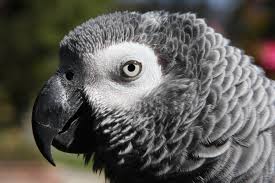
We just love this smarty! African Grey Parrots are amazing; they have been known to learn colors, numbers and other tasks. They are long lived and highly social! Come learn more about them!

e e u graphicAFRICAN GREY PARROT STATS:

Range/Habitat: West-Central Africa/lowland rainforest and farmland
Diet: Herbivore: fruit, nuts, leaves
Length/Weight: 13”/14 oz
Conservation Status: Vulnerable

african grey parrot3

Fun Facts:
• African Grey Parrots are highly social birds that live in flocks.
• There are two subspecies (types) of African grey parrots: the Congo, who is larger and has a bright red tail and the Timneh, who is smaller and darker and has a maroon tail.
• When flying in large flocks African greys call to each other and communicate by flashing their bright red tails.
• They have a long life span. They can live up to 60+ years.
• They are highly intelligent and have been compared to human toddlers.
• African greys are highly vocal and are amazing at mimicking sounds and language!

african grey parrot2african grey parrot


African grey parrots are very special birds! They’re very smart and social, a great combination! If you could teach a parrot to say one thing, what would it be? Ellie would teach him to trumpet like her! Alex the African Grey was a very famous parrot who could things we never thought parrots could do! Check out this short video! Unfortunately, Alex passed away, but The Alex Foundation continues research to show how smart parrots really are!

Categories: adventure, Animals, birds, conservation, education, Environment, nature, science, wildlife | Tags: , , , , , , , , , | 1 Comment

ANIMAL INTELLIGENCE STARS- CROWS!

ANIMAL INTELLIGENCE STARS- CROWS!

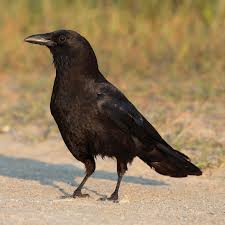
Let us tell you, crows and their kin are some smart birds! They can do things you couldn’t even imagine! These clever birds are thought of as a bit scary at times, even in a group they are called a murder! We have a professor the University that is a crow- and he is a smart one, but so far not scary at all! Whew!

e e u graphic

CROW STATS:

Range/Habitat: Worldwide/ farmland, parks, woodlands, suburbs
Diet: Omnivore: insects, carrion, seeds, eggs
Length/Weight: 16-21”/11-22 oz
Conservation Status: Common

crows3

Fun Facts:
• New Caledonian Crows use tools. They have also been known to make tools.
• One group of crows has learned to place nuts in the street and have cars crush open the nuts. They wait til the red light appears and then get their prize.
• They hide and store food and must remember where they stored it.
• Crows have a variety of calls and vocalizations. These calls vary by the region that the crows live in.
• Crows have been known to answer the calls of other species of birds.
• They can recognize human faces and remember them years later.
• Crows almost always live near humans.
• They can be very sneaky. One group of crows will even pull up fishing lines left by ice fishermen.

crows2crows


Crows are super smart! We can’t believe that they even recognize human faces, check out the study here! Not only could these birds remember the researchers, they eventually taught other crows that those researchers posed a threat! Wow! Remind us not to make any crows in our neighborhood mad! Here’s a video of the crows in Japan using cars to crack nuts! That is one smart cookie!

Categories: adventure, Animals, birds, Children, conservation, education, Environment, nature, science, wildlife | Tags: , , , , , , , , , | 1 Comment

ANIMAL INTELLIGENCE STARS!!

ANIMAL INTELLIGENCE STARS!! 

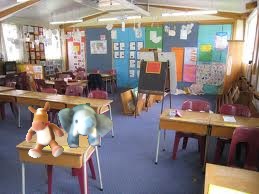
As children all over are heading back to school to learn and grow, we here at University of E&E  want to celebrate amazingly intelligent animal friends! And you humans thought you were smart! Scientists all over the world are realizing that animals can learn language, use tools and even recognize themselves in a mirror. We’re off to the rainforests of West Africa to meet our first smarty and human kinds’ closet living relative!

e e classroom

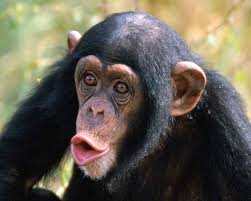
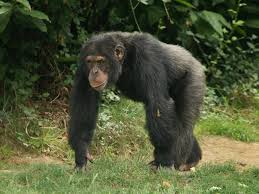
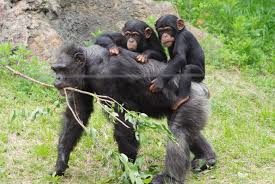
CHIMP STATS:
Range/Habitat: West-Central Africa/ rainforest
Diet: Omnivore: invertebrates, fruits, nuts
Length/Weight: 25-35”/ 60-130 lbs
Conservation Status: critically endangered

chimp
Fun Facts:
• Chimpanzees are highly social and live in complex social groups.
• They can make 30 plus different kinds of calls and vocalizations.
• Chimpanzees have a wide variety of facial expressions.
• Chimpanzees are tool users and tool makers. They make tools from sticks and extract termites or ants with the stick. They also use things like rocks to crack open nuts.
• They build nests to sleep in at night. They build a new one every night.
• Chimpanzees learn tool making/using behavior from their mothers and other chimps.
• They use cooperative and complex hunting skills to capture live prey.
• Chimpanzees have been known to learn sign language.
• They can recognize themselves in a mirror.

chimp2  chimp3


We could go on and on about these amazing apes! We still have so much to learn from them. There is even a Bonobo chimp who has learned complex language named Kanzi, read more about him here. Sadly, these apes are very endangered and it critically important that we all work to ensure their future. Jane Goodall, one of our personal heroes, has been studying and working with chimpanzees for many years. The Jane Goodall Institute is great place to learn more about how to help the apes!

Categories: adventure, Animals, Children, conservation, education, Environment, nature, science, wildlife | Tags: , , , , , , , , , | 1 Comment

INTERNATIONAL VULTURE AWARENESS DAY 2014!

HAPPY INTERNATIONAL VULTURE AWARENESS DAY 2014!

vulture4

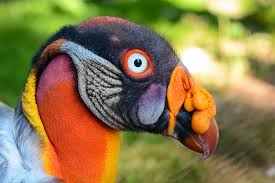
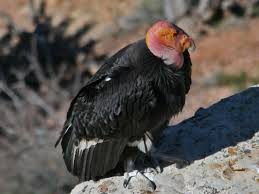
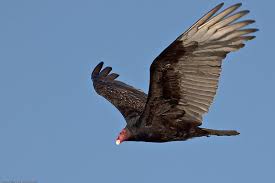
We’re celebrating vultures today! We bet you aren’t ready for your International Vulture Day party are you? Well, we have you covered! We’ve got pictures, fun facts and even some recipes for vulture snacks! Let’s get this party started!

This is our pal Vinnie!

This is our pal Vinnie!

FUN VULTURE FACTS:
• There are 23 species of vultures in the world. Fourteen of them are listed as endangered.
• Vultures are classified as Old world (Europe, Asia, Africa) and New world (Americas).
• Recent DNA shows that Old world and New world vultures are not related and probably have different ancestors.
• Vultures eat carrion (dead animals). We like to call them the garbage birds of the world as they can eat things no other animal can.

vulturesvulture6


• Vultures are social animals.
• A flock of vultures is called a kettle. We wonder if they drink a lot of tea?
• Vultures have an excellent sense of smell and sight!
• Vultures have featherless heads. This keeps them free of bacteria and parasites!
• Vultures also urinate on their legs to keep them cool and free of bacteria. Eeeeewwww!
• The Andean Condor is the largest species of vulture. They have a 9-10 foot wingspan!

vulture3vulture2


• The Hooded condor is the smallest species of vulture. They are about the size of a crow.
• When threatened vultures throw up! Double eeeeeeeewww!!!


vulture

You can learn more about these amazing creatures and conservation efforts to protect them at the official International Vulture Awareness Day website! Many of these amazing birds are threatened or are facing extinction. The magnificent California Condor was brought back from the brink of extinction by concerted efforts of people! YAY!!

Categories: adventure, Animals, birds, Children, conservation, education, Environment, nature, science, wildlife | Tags: , , , , , , , , , | 2 Comments

We Are Fanimaly!

WE ARE FANIMALY!

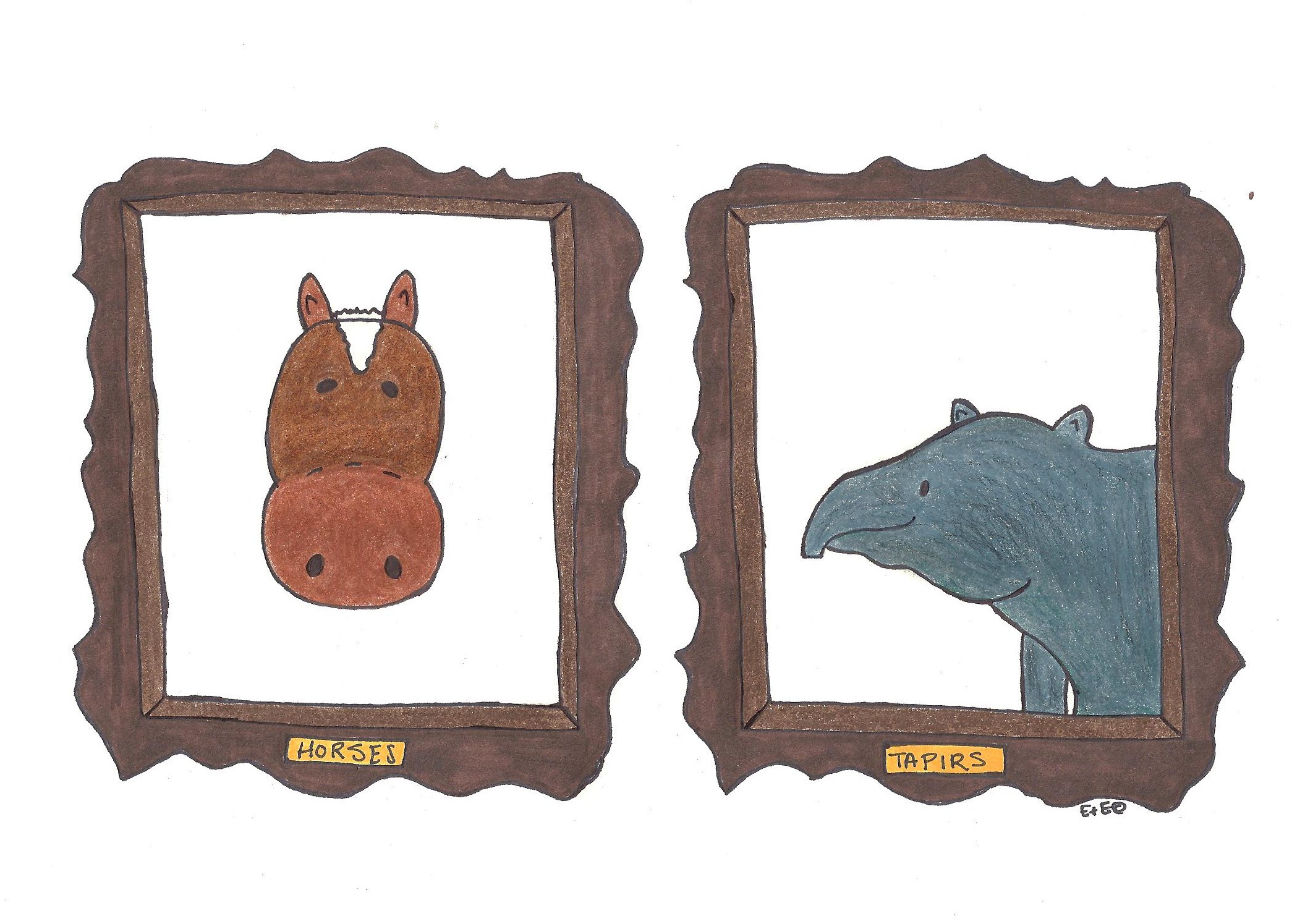
It’s the last of our greatest hits from We Are Fanimaly! Look for new posts very soon in the series!

Image

Horse Fun Facts:

  • Horses have the largest eye of any land mammal!
  • Horses have 36-40 teeth.
  • Horse hooves are made up of keratin.
  • Horses are herbivores.
  • Horses can see nearly 360 degrees around them.
  • Horses only sleep 2-3 hours a day.

Tapir Fun Facts:

  • Tapirs have been around for millions of years.
  • Tapirs have an extended lip and nose that makes a mini prehensile trunk.
  • Tapirs are herbivores.
  • Tapirs are excellent swimmers.
  • Tapirs have an odd number of toes.
  • Tapir toes are splayed to help them walk on muddy river banks.

Wow! Who knew Edmond’s family tree included tapirs? Baby tapirs are spotted and quiet cute! We had some friends say they look like watermelons with legs :)!

Categories: adventure, Animals, Children, conservation, education, Environment, nature, science, wildlife | Tags: , , , , , , , , | Leave a comment

Blog at WordPress.com.