Posts Tagged With: environment

SCIENCE WORD OF THE WEEK

SCIENCE WORD OF THE WEEK!!

swow carnivore

WE’RE BACK! We are so happy to be back after our much needed spring break! Don’t forget to enter Spring Photo Contest– the deadline has been extended til April 13th.

We are so happy to have students back here in class at the University of E&E! It’s my favorite day of the week where we learn a new science word and today’s word is:

Carnivore \ˈkär-nə-ˌvr\– a carnivore is an animal that eats meat. There are many different animals that eat meat as the primary source of their diet. There are even plants that are carnivores!

How many carnivores can you name?

carnivore cartoon

Categories: adventure, Animals, Children, conservation, education, Environment, nature, science, Uncategorized, vocabulary, wildlife | Tags: , , , , , , , , | 5 Comments

TRIVIA!

TRIVIA!

Did you know that we do trivia everyday on our Facebook, Twitter and Google+ pages? No?

Stop by at 2pm (EST) every Monday- Friday and play!

Here are some of the latest trivia questions!

trivia5

trivia4

trivia3trivia2

trivia

Do you know the answers? Stop by and play!

Categories: adventure, Animals, Children, conservation, education, Environment, nature, science, wildlife | Tags: , , , , , , , , | 2 Comments

MANATEE APPRECIATION DAY!

MANATEE APPRECIATION DAY!!

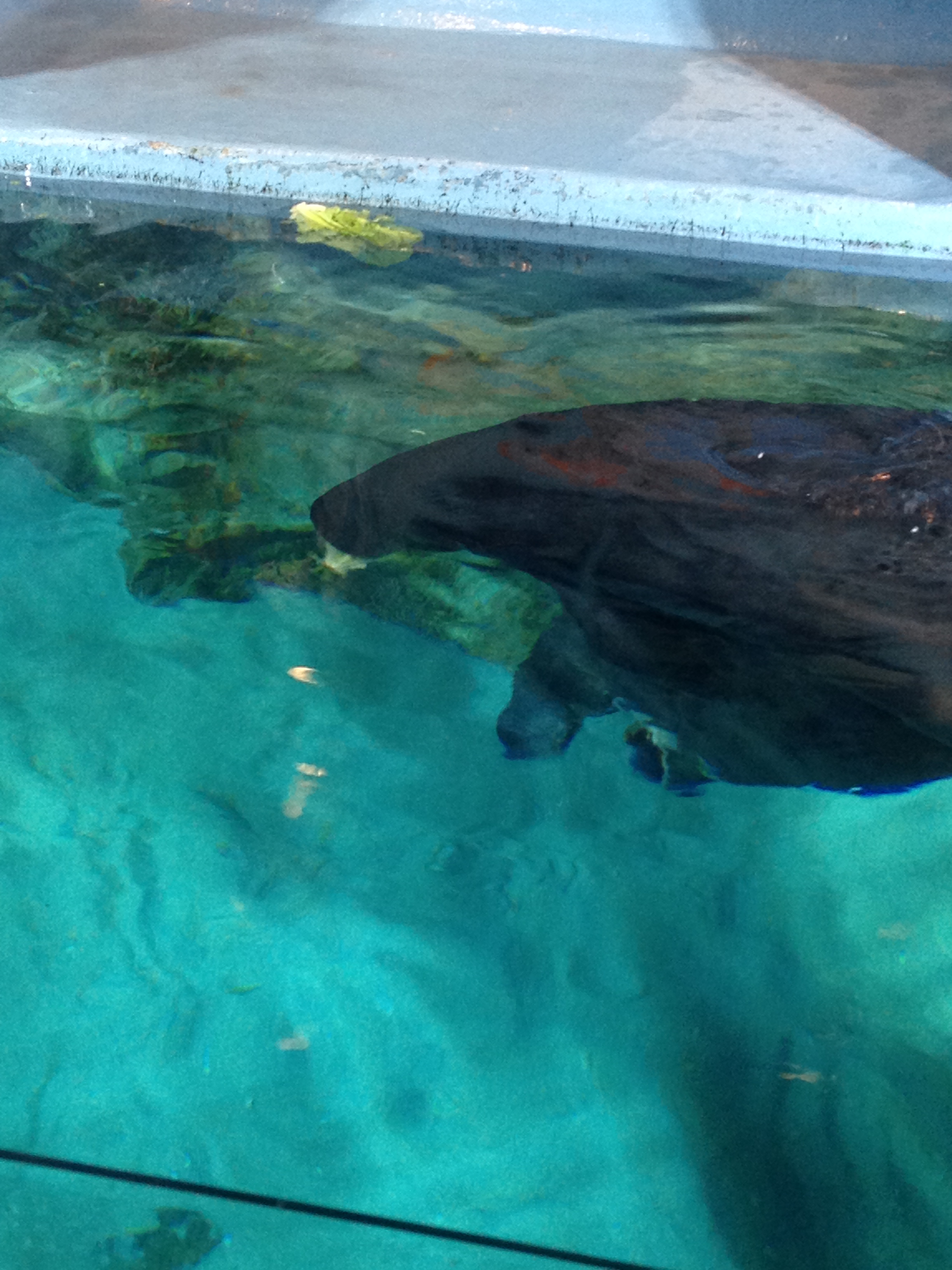
It’s Manatee Appreciation Day! We love these gentle marine mammals! We have visited them in places in Florida before. We’re going to share some fun facts about the fabulous animals and a great craft you can make too!

IMG_6623

  • Manatees are also called sea cows.
  • They live in coastal waters and rivers.
  • They have strong flat tails.
  • Their nostrils sit on top to help them breathe air.
  • Manatees are herbivores. They eat algae and grasses.
  • They can eat 1/10th of their weight in a day.
  • Manatees are slow moving.
  • They can weigh up to 1,300 lbs.
  • Manatees are endangered.

manatees    manatee2


Manatees are endangered due to things like boat strikes and pollution (they get caught in fishing nets). Many people are working to protect these beautiful gentle giants. A great way to help them- Never put trash in the ocean or rivers! Human’s pollution is devastating on our wild animal friends. Also check out Save the Manatee Club– they work very hard to protect manatees!

You can also make our great manatee bookmark and share your love of these animals with your friends! The more we understand and love a species the more we will work to save them!


Categories: adventure, Animals, Children, conservation, education, Environment, mammals, nature, science, wildlife | Tags: , , , , , , , , , , | 5 Comments

Day #31- Guess the Animal

Day #31 (3/25/14) – Guess the Animal
We decided we hadn’t been to the rainforest in a while, so we hopped a plane to the South America and headed out for the day to bird watch! Can you guess who we saw?

toucan

• They have large, colorful beaks.
• They love fruits.
• They live in the canopy of the rainforest.
Who is it?

-Ellie and Edmond


Categories: adventure, Animals, Children, conservation, education, Environment, nature, science, wildlife | Tags: , , , , , , , , | 2 Comments

SCIENCE WORD OF THE WEEK!

SCIENCE WORD OF THE WEEK!!

swow endoskeleton

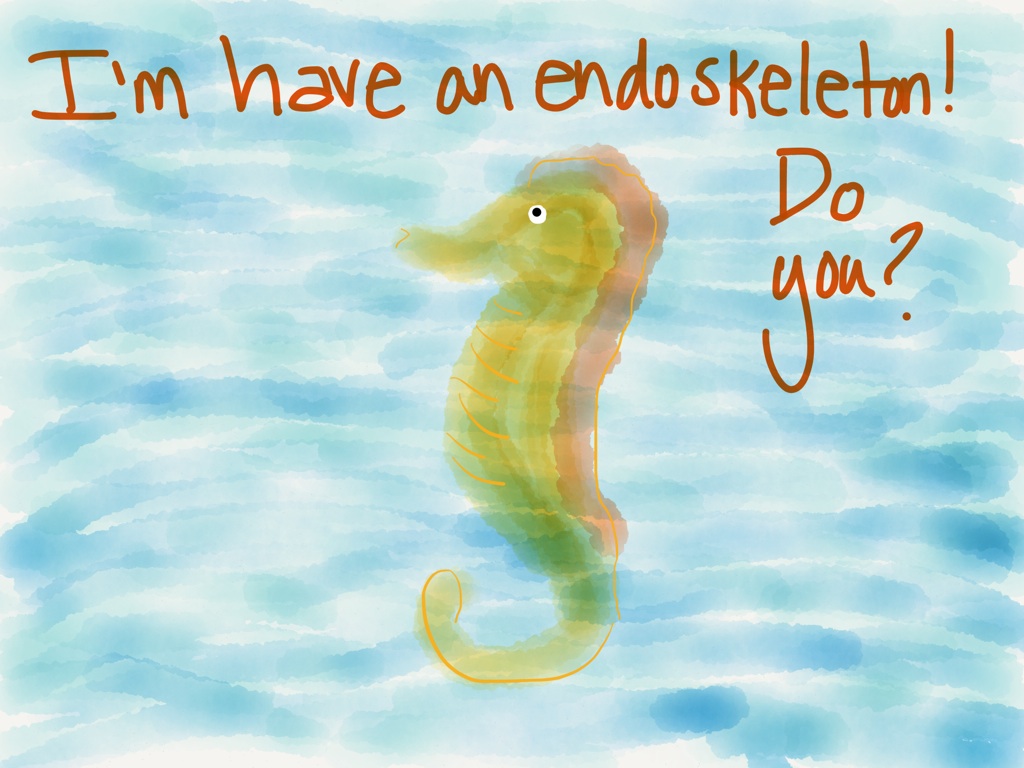
It’s my favorite time of the week! It’s time for  the Science Word of the Week! Last week we learned about animals with exoskeleton and this week our word is Endoskeleton!

An Endoskeleton is an internal skeleton of an animal. Vertebrates, animals with a backbone usually have an endoskeleton and that includes mammals, reptiles and fish!

sea horse cartoon

Categories: adventure, Animals, Children, conservation, education, Environment, nature, science, vocabulary, wildlife | Tags: , , , , , , , , | 2 Comments

World Frog Day!

World Frog Day!!

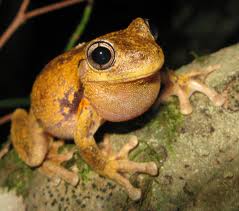
Somehow we missed World Frog Day yesterday, so we’re celebrating this amazing amphibians today! Frogs come in all colors and sizes.  Let’s tell you why we love frogs!

eefrog

  • Frogs are amphibians
  • They live on all continents except Antarctica.
  • The Goliath Frog is the larges species of frog in the world.
  • Wood frogs can “freeze” solid and survive the winter.
  • The Golden Dart Frog is the most toxic frog in the world.

frog

  • Bullfrog tadpoles are toxic.
  • Frogs are cold blooded.
  • There are about 4,900 species of frogs in the world.
  • A group of frogs is called an army. A group of toads is called a knot.
  • Frogs do have ears! They are located right behind their eyes.
  • Frogs have been around for 200 million years.

frog4

frog3   frog2


Last year we interviewed a frog scientist from the Atlanta Botanical Gardens! Read that interview here! Tell us what you love about frogs!

Categories: adventure, amphibians, Animals, Children, conservation, education, Environment, nature, science, Uncategorized, wildlife | Tags: , , , , , , , , , , | Leave a comment

Day 30- Guess the Animal

Day #30 (3/20/14) – Guess the Animal

We had a great time in the desert on Tuesday looking for lizards! We headed out to the savanna today to find a special animal! We watched for hours and finally caught one of these amazing creatures! Can you guess who it is?

 cheetah

·        They live in Africa.

·        They are fast.

·        They have spots.

Who is it?

Ellie and Edmond


Categories: adventure, Animals, Children, conservation, education, Environment, nature, science, wildlife | Tags: , , , , , , , , | 4 Comments

GET THOSE ENTRIES IN!!

SPRING PHOTO CONTEST!

We don’t know about you guys, but it seems that winter has dragged on in the Northern Hemisphere! So to inspire spring to hurry up we decided to have a Spring Photo Contest! We want to see your best photos of spring! That can be flowers, baby animals, blooms, color or anything that you think of as spring!

ellie flower

Rules:

  • All pictures must be taken by the person who enters the photo.
  • You may enter up to 3 photos per person.
  • You can submit photos on our Facebook page, Tweet it to us or post it to our Google Plus page!
  • Deadline for entries is April 6th, 2014!
  • There will be a 1st, 2nd and 3rd place prize!

Get out those cameras, get outside and share those photos!

Categories: adventure, Animals, Children, conservation, education, Environment, nature, photography, science, wildlife | Tags: , , , , , , , , , | Leave a comment

Day 29- Web Footed Gecko

Day #29 (3/18/2014) Web Footed Gecko

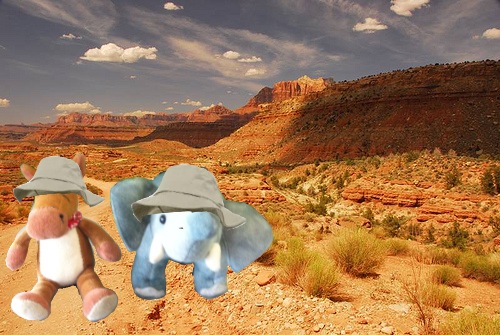
      We decided to head to Africa for the week! We headed to the Sahara desert on our first day to find a special little reptile. After settling in to camp and making sure all our stuff was bagged up to keep it sand free. We grab our hats, mud sunscreen and binoculars and headed out on today’s adventure! It took us a while to find the Web Footed Gecko, but we did find it!

e e desert

       Their range/habitat: Western Southern Africa/desert

      Their length/weight: 4 ¾ -5 ½”  Conservation Status: common

      Their diet: Carnivore: insects

web footed gecko

  • Web Footed Geckos are pink with dark markings.
  • They have webbed feet that helps them run across the sand.
  • Web Footed Geckos have large eyes.
  • They dig long tunnels in the sand for shelter.
  • They drink water that condenses on their skin overnight.
  • Web footed geckos have wide range of vocalizations.

web footed gecko2

These teeny little geckos were hard to spot! They blend right in to their desert homes! They have such amazing adaptations for living in a harsh habitat. We sure were tired after spending the day in the hot desert. We were happy that we bought plenty of water and hay snacks.

-Ellie  and Edmond

Categories: adventure, Animals, Children, conservation, education, Environment, nature, reptiles, science, wildlife | Tags: , , , , , , , , , | 2 Comments

SCIENCE WORD OF THE WEEK!!

SCIENCE WORD OF THE WEEK!

Welcome to class this week! We’re going to learn about the covering that invertebrates have. Do you remember what an invertebrate is? It’s animals with no skeleton!

exoskeleton swow

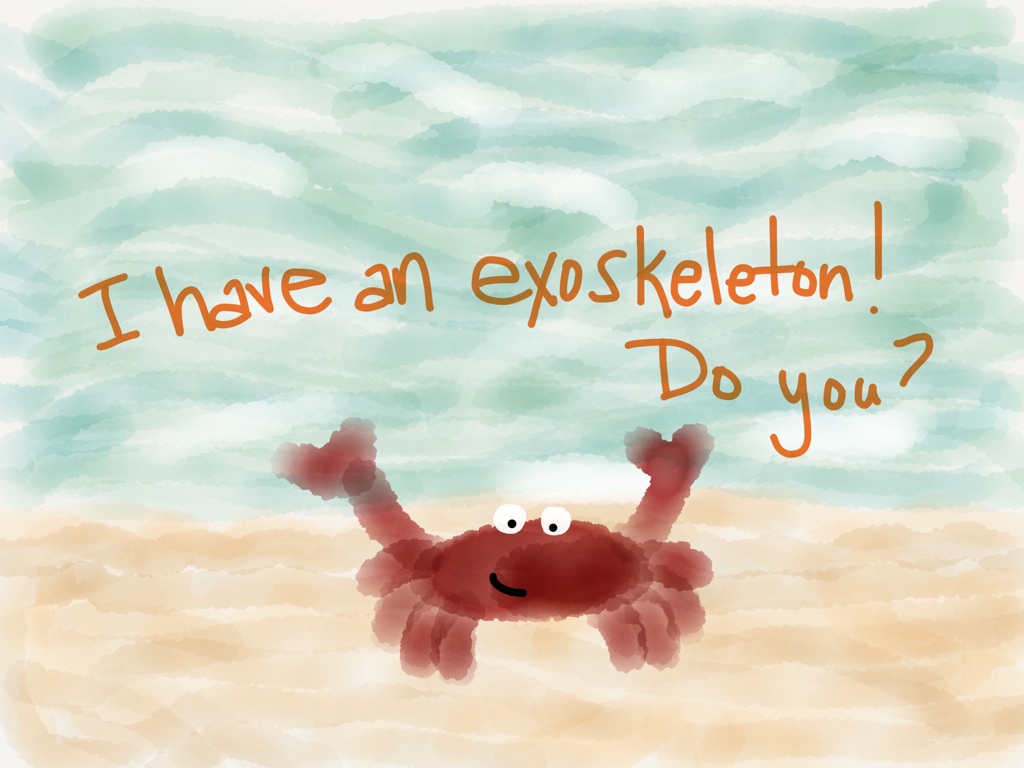
An exoskeleton is the hard outer covering or external skeleton of an animal. Animals such as arthropods, insects and crustaceans have exoskeletons. Exoskeletons help protect the soft bodies of these animals. Shells are considered exoskeletons.

exoskeleton

Categories: adventure, Animals, Children, conservation, education, Environment, nature, science, vocabulary, wildlife | Tags: , , , , , , , , | 2 Comments

Blog at WordPress.com.