
ELLIE AND EDMOND VALENTINES!
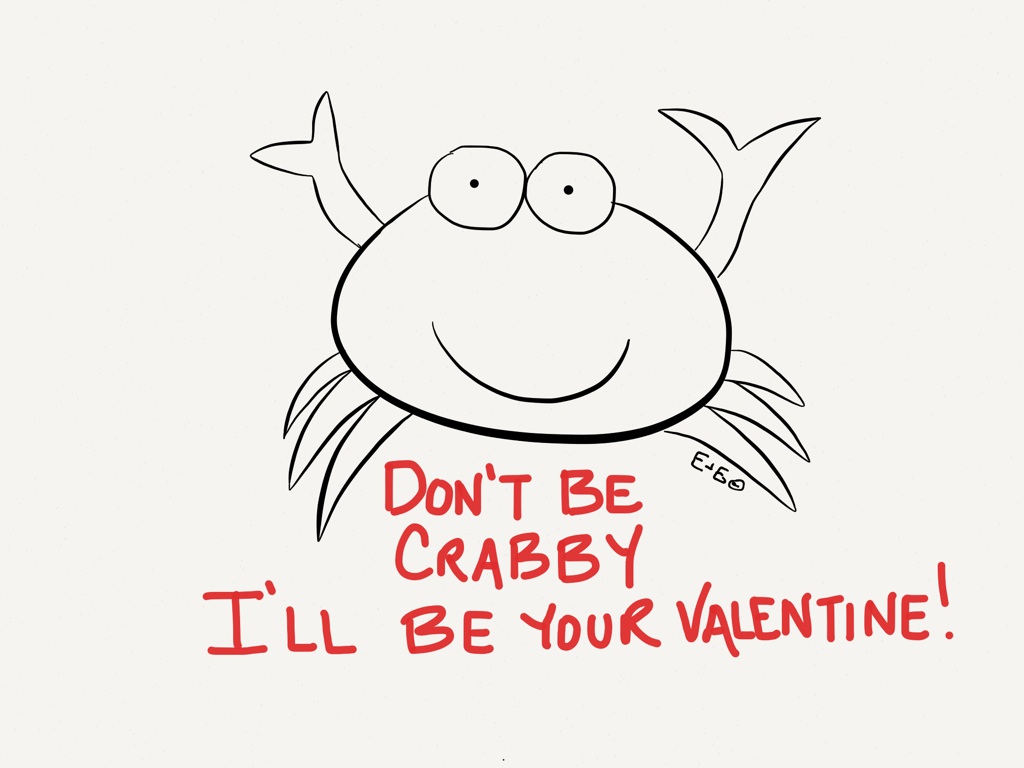
It’s almost Valentine’s Day and we’ve got our color you own Ellie and Edmond Valentine’s just in time to color and share! As always- show us your artwork!


ELLIE AND EDMOND VALENTINES!
It’s almost Valentine’s Day and we’ve got our color you own Ellie and Edmond Valentine’s just in time to color and share! As always- show us your artwork!
BIRDS OF A FEATHER WEEK- DAY 2
We loved those Birds of Paradise videos so much that we wanted to know if other birds have mating dances! The first bird that came to mind was one of our most favorite birds ever! Come check out these fun mating dances!
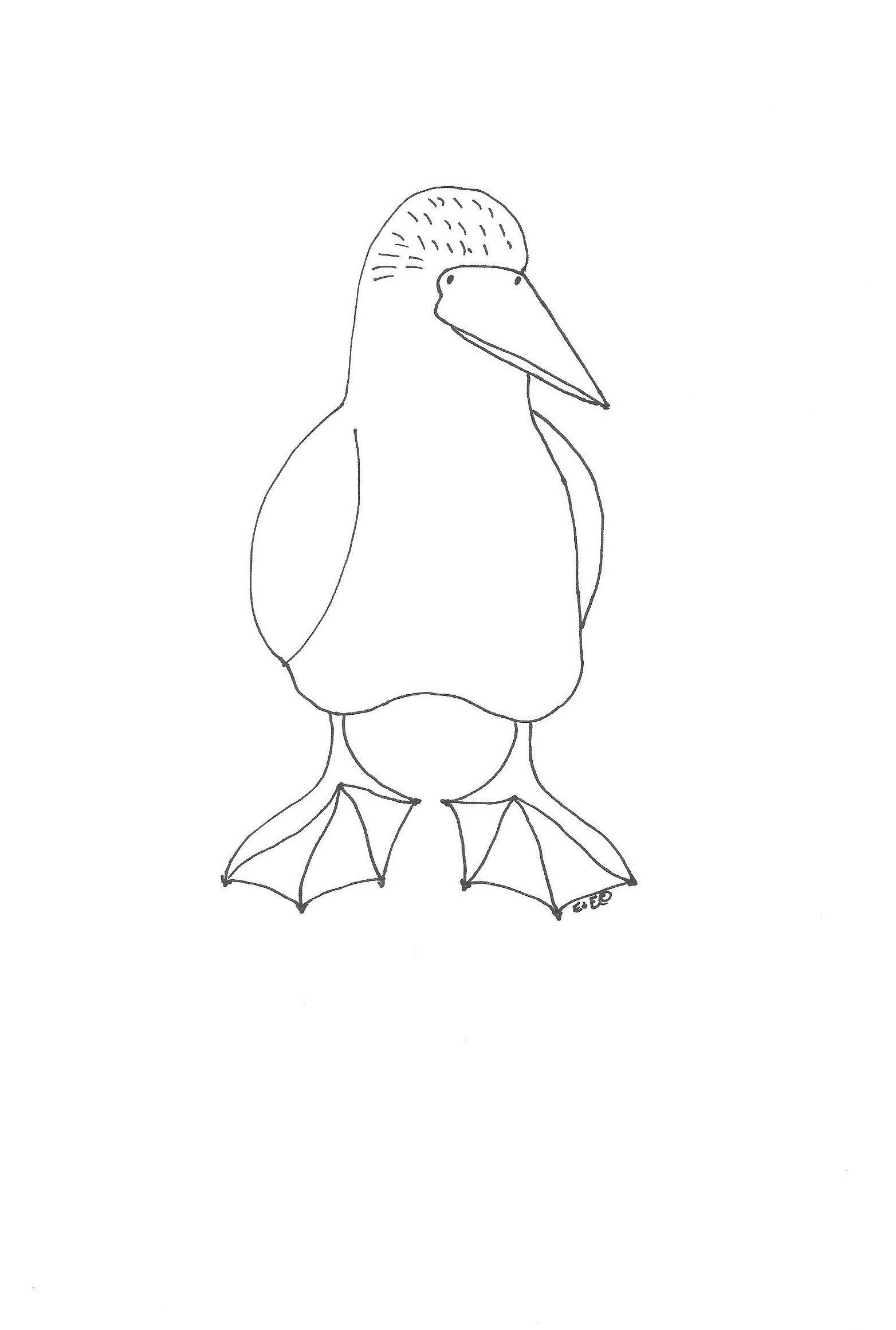
First up: The Blue Footed Booby! We have a fun Blue Footed Booby coloring sheet below!
Next up: The moon walking Manakin Bird!
Last up: The Andean Flamingo who does a group dance!
BIRDS OF A FEATHER WEEK!
This week during our travels we’re celebrating Valentine’s week with Birds of a Feather. We’re off to find birds with elaborate mating rituals and those that mate for life. We’re also going to have our popular color your valentine cards! First up- Birds of Paradise. These amazing birds live in the untouched rainforests of Papua New Guinea. They are amazing looking birds come in all colors, shapes and sizes. Birds of Paradise are most famous for their mating dances and rituals which are extremely elaborate and complicated! The Cornell Lab of Ornithology has done some great field work with these birds! We can’t top these videos so we’re posting some of our favorites! Anyone out there want to try their hand at the Bird of Paradise dance?
Project Introduction- Learn about this cool project!
Here’s the Greater Bird of Paradise!
SCIENCE WORD OF THE WEEK!
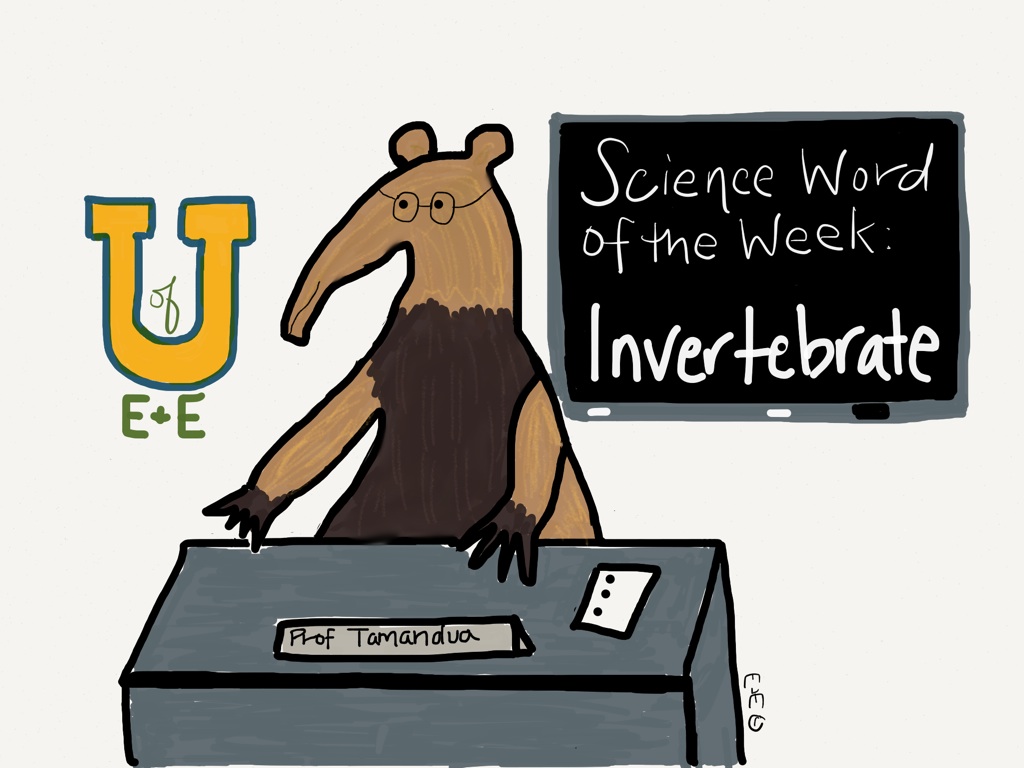
Welcome students! This week’s class in on a Saturday because Ellie and Edmond are going to see a puppet show about weather and report back tomorrow! Science and weather are so fun to learn about!
Now on to this week’s work: Invertebrate
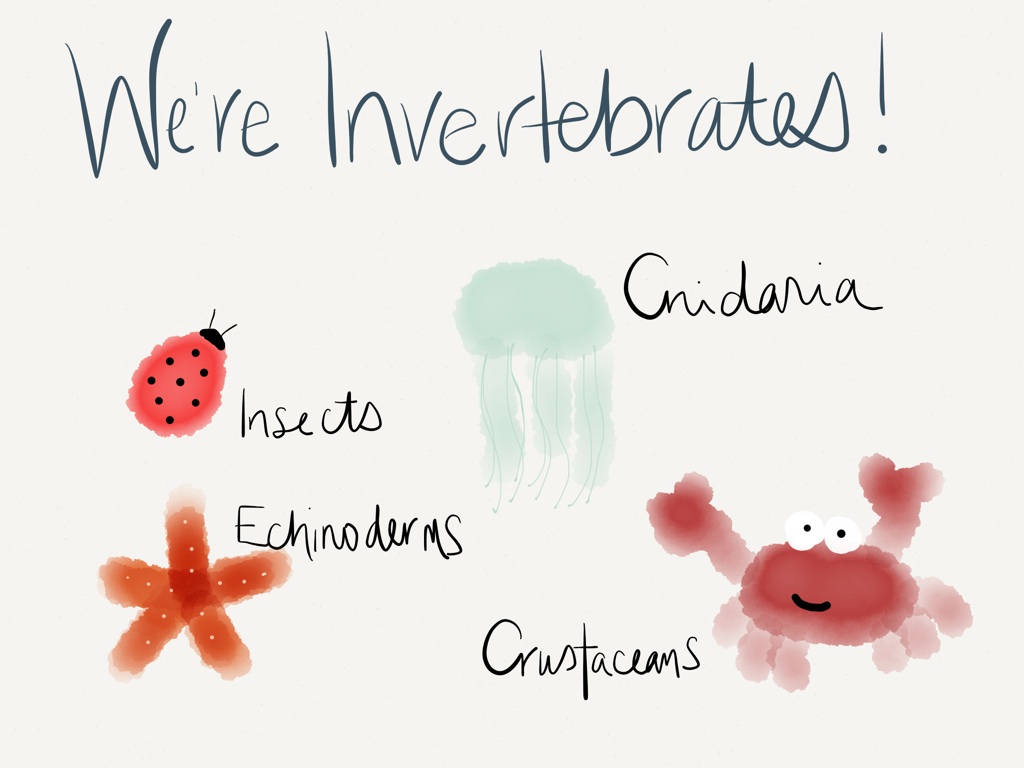
An Invertebrate is an animal without a backbone. There are more invertebrates than vertebrates on the planet. Invertebrates are cold-blooded. Sometimes they have an exoskeleton, sometimes they don’t. They include insects, cnidarians (jellies, coral), cephalopods (octopus, squid) and sponges. Whew! Those invertebrates sure come in all shapes and sizes! Amazing!! Do you have a favorite invertebrate?
Day #19 (2/7/2014) Heading towards home
We decided to head back to North America after having some trouble with our internet and computer. We set out to spend the day birding. The bird we were looking for lives in North and South America. They live on water, but they’re not ducks. We brought our favorite blanket, some hay snacks, a camera and our binoculars and spent the day watching the Pied Billed Grebe.
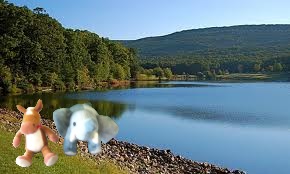
Their range and habitat: North America-South America/ lakes, rivers
Their length/weight: 12-15”/9-21 oz Their status: common
They are carnivores. (fish, crayfish, insects)


We had such a lovely day watching these interesting birds. We had to bundle up as cold weather has taken over much of North America. Some populations of pied billed grebes migrate to brackish waters in the winter; we think they should keep flying til they get to the beaches of Central America! Hahaha!
-Ellie and Edmond
Day #18 (2/6/14) – Guess the Animal
We hopefully have fixed our technical difficulties that have plagued us this trip as we have missed two posts! We head to the plains of South America to find today’s guess the animal! This animal is one of our favorites! See if you know who it is!
Who is it?
–Ellie and Edmond
Day #17 (2/4/2014) Off to meet a bat…
After a day of technical difficulties at HQs, we made it out to today’s destination. Being world travelers can be full of many troubles and trials. We took to the E&E plane to South America to meet a little member of that flying mammal family- bats! We trekked through the rainforest to find some amazing bats with long noses. It was hot and humid during the walk, but we had such fun trying to spot the Proboscus bat.
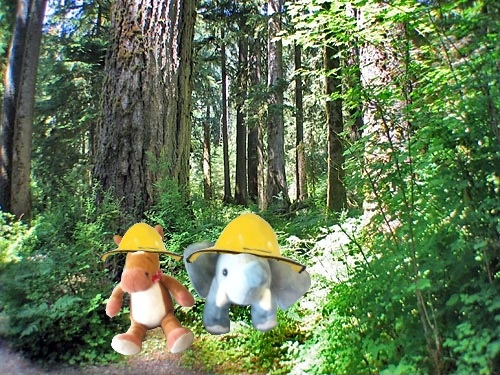
Their range and habitat: Mexico-Central South America/ rainforest
Their length/weight: 1 ½-2”/ 1/8- 7/32 oz Their status: common
They are insectivores (insects)


We are sitting in camp for the night. It was so cool to find these little bats all line to line in the trees. We wanted to stay and watch them leave for the night, but we had to head back before dark. The rainforest is full of many predators at night.
-Ellieand Edmond
HAPPY GROUNDHOG DAY!!!

It’s the day where groundhogs all around the United States predict the weather! This tradition goes back many years, so today I’m going to share some fun facts about these rodents!

Groundhogs are great little creatures! Who knew they were related to squirrels? Do you have a famous groundhog where you live? We hope you enjoyed this week’s lesson! Get out your crayons and pencils class and enjoy this groundhog coloring sheet! -Professor Tamandua!

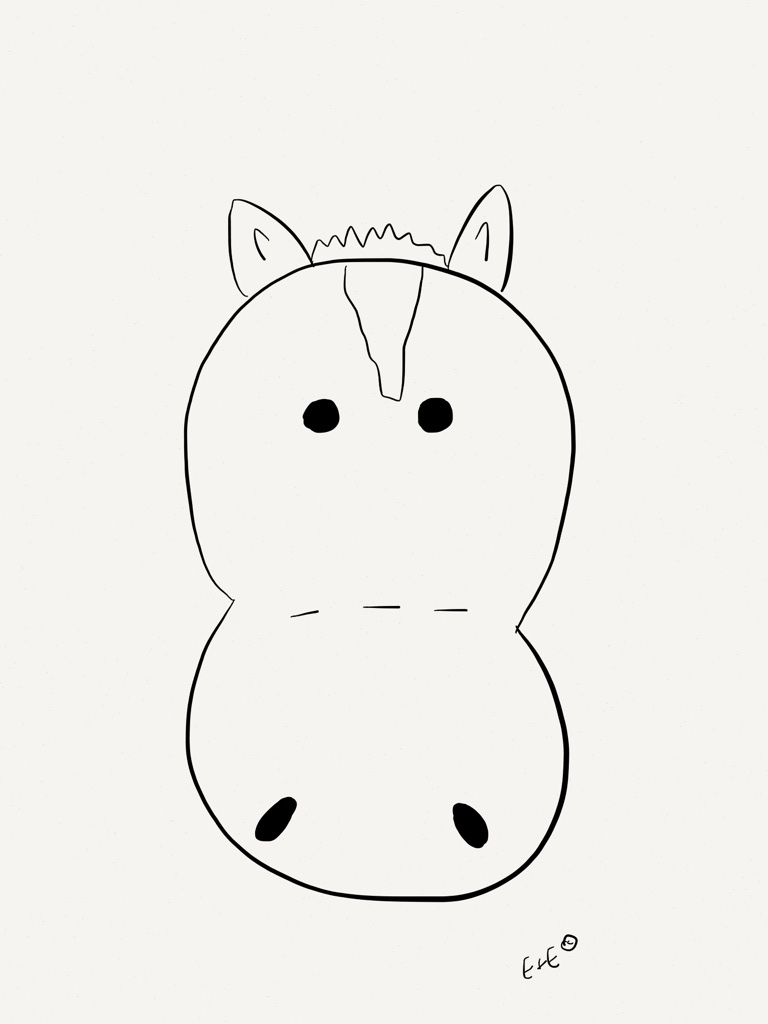
HAPPY YEAR OF THE HORSE!!!
Come color your very own Edmond and share your artwork with us!!!
Day #16 (1/31/2014) Year of the Horse- Przewalski’s Horse
We headed out of HQs after a few snowy days. We decided to head to DC and the National Zoo to meet this horse as there are only around 400 in the wild. We had a great time watching these beautys and learning about the last true wild horses on earth.

Their range and habitat: Mongolia (East Asia)/ grasslands
Their length/weight: 7 ½-8 ½ ft/ 440-600 lbs Their status: critically endangered
They are herbivores (grasses, scrubs)

Theses last wild relatives are so gorgeous! I really hope I am able to meet them in wild some day! Today zoos like the National Zoo are helping protect that population with research and breeding programs! We learned all about their efforts and they are amazing! Check them out here! Look for a special color your own me tomorrow!!


-Edmond


 The Adventures of Ellie and Edmond