Posts Tagged With: mammals

INTERNATIONAL RHINO DAY!!

INTERNATIONAL RHINO DAY!!!
e e savanna

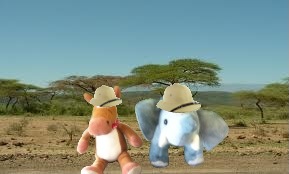
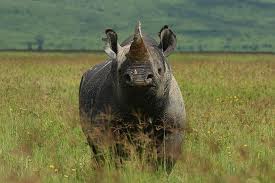
Happy International Rhino Day (it’s actually tomorrow- but that is World Red Panda Day too- so we will have a post for that too)! We’re celebrating Edmond’s distant relatives the rhino today! These stout creatures are in danger and desperately need our help! So make sure you check out how you can help!
rhino

rhino5

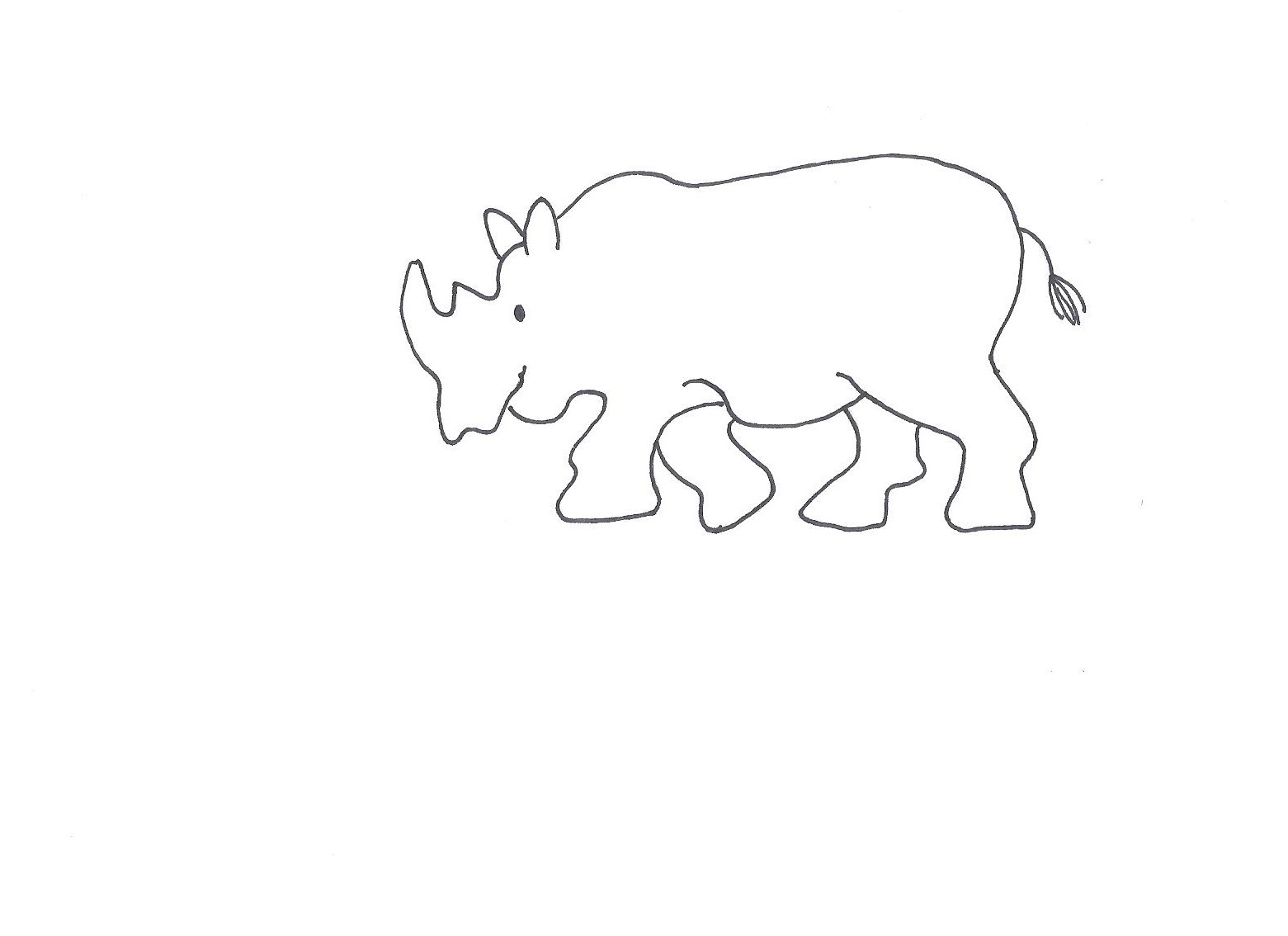
We’re going to give you some fun rhino facts, a coloring sheet and some great resources to help our friends!

rhino3

RHINO FUN FACTS:

  • There are 5 species of rhinos, the Black Rhino, the White Rhino (the African species), the Northern India Rhino, the Sumatran Rhino and the Javan Rhino (the Asian species).
  • Rhinoceros is Greek for nose and horn!
  • All rhinos have poor eyesight.
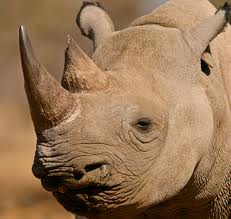
  • White rhinos have a large broad mouth for grazing grass.
  • Black rhinos have a narrow prehensile lip to help them grasp leaves.
  • Rhino horns are made of keratin, the same protein that makes up your hair and fingernails.
  • Rhinos’ ears can move and rotate independently of each other. This adaptation helps the rhino hear.
  • Rhinos are herbivores.
  • Rhinos are related to horses, tapirs and zebras! Woohoo!
  • The Sumatran Rhino is the smallest rhino weighing around 1,700 lbs and the White rhino is the largest weighing around 5,000 lbs.
  • A group of rhinos is called a crash!
  • All rhinos are endangered. Many organizations, like World Wildlife Fund and Saving Rhinos are working very hard to save and protect these amazing animals. Check them out and see how you can help!


Image

Categories: adventure, Animals, Children, conservation, education, Environment, mammals, nature, science, wildlife | Tags: , , , , , , , , , | Leave a comment

ANIMAL INTELLIGENCE STARS!!

ANIMAL INTELLIGENCE STARS!! 

As children all over are heading back to school to learn and grow, we here at University of E&E  want to celebrate amazingly intelligent animal friends! And you humans thought you were smart! Scientists all over the world are realizing that animals can learn language, use tools and even recognize themselves in a mirror. We’re off to the rainforests of West Africa to meet our first smarty and human kinds’ closet living relative!

e e classroom

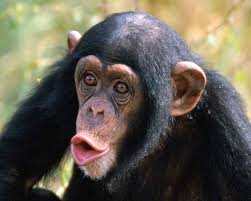
CHIMP STATS:
Range/Habitat: West-Central Africa/ rainforest
Diet: Omnivore: invertebrates, fruits, nuts
Length/Weight: 25-35”/ 60-130 lbs
Conservation Status: critically endangered

chimp
Fun Facts:
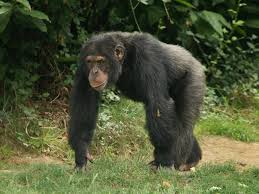
• Chimpanzees are highly social and live in complex social groups.
• They can make 30 plus different kinds of calls and vocalizations.
• Chimpanzees have a wide variety of facial expressions.
• Chimpanzees are tool users and tool makers. They make tools from sticks and extract termites or ants with the stick. They also use things like rocks to crack open nuts.
• They build nests to sleep in at night. They build a new one every night.
• Chimpanzees learn tool making/using behavior from their mothers and other chimps.
• They use cooperative and complex hunting skills to capture live prey.
• Chimpanzees have been known to learn sign language.
• They can recognize themselves in a mirror.

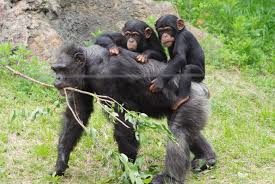
chimp2  chimp3


We could go on and on about these amazing apes! We still have so much to learn from them. There is even a Bonobo chimp who has learned complex language named Kanzi, read more about him here. Sadly, these apes are very endangered and it critically important that we all work to ensure their future. Jane Goodall, one of our personal heroes, has been studying and working with chimpanzees for many years. The Jane Goodall Institute is great place to learn more about how to help the apes!

Categories: adventure, Animals, Children, conservation, education, Environment, nature, science, wildlife | Tags: , , , , , , , , , | 1 Comment

GUESS THE ANIMAL!!

GUESS THE ANIMAL!!

It’s time to Guess the Animal this week! Make sure you read the clues with this one :)!

beaver

  • It’s a rodent.
  • They are one of the most destructive animals on the planet.
  • Their young are called kits.

WHO IS IT?

Categories: adventure, Animals, Children, conservation, education, Environment, nature, science, wildlife | Tags: , , , , , , , , , | 5 Comments

WORLD ORANGUTAN DAY!!

WORLD ORANGUTAN DAY!!!

orangutan4

We’re celebrating some orange apes today! These amazing great apes call Asia home. They are amazingly intelligent and have culture! These special creatures that we share the planet with are losing their homes at an alarming rate! We’re going to tell you why you should love them and how you can help!

Some of the food orangutans eat!

Some of the food orangutans eat!

  • Orangutans are great apes.
  • There are two species, the Bornean and the Sumantran.
  • Orangutans are solitary in the wild.
  • Orangutans are arboreal (spend most of their lives in trees.)
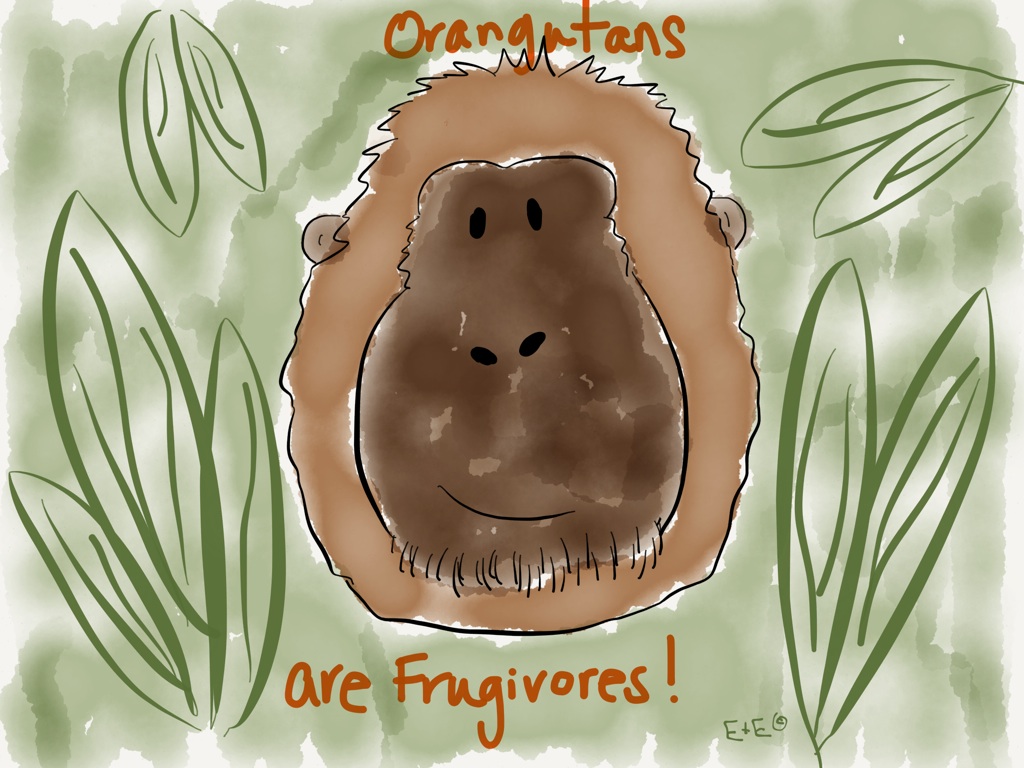
  • They are frugivores.
  • Orangutans are highly intelligent.
  • Baby orangutans stay with their mothers for around 8 years, the longest of any primate.
  • Orangutans have extremely long arm spans, up to 7 feet from finger tips to finger tips.
  • Orangutans’ feet are built just like hands and help them climb in the trees.

orangutan   orangutan2


orangutan swow

We love those faces. Orangutans are losing their precious forest homes due to palm oil plantations. Palm oil is used in many products and food. It is very hard to avoid totally. Cheyenne Mountain Zoo has a wonderful resource for consumers to use. They have a list of products that use palm oil that is produced in a sustainable manner and is not taking over orangutans homes. This resource is a great tool to help orangs! Visiting your local zoo and learning more about these apes is a great way to help! Our local zoo, Zoo Atlanta does some fantastic research with orangutans. They are learning to use computers!

Check out the Cheyenne Mountain Zoo website. They even have a nifty app you can take with you when you are shopping!

Learn more about Zoo Atlanta’s Orangutan Learning Tree Project! They are doing some amazing work! We’ll be participating in the Redhead Run here in Atlanta to support orangutans too!

Categories: adventure, Animals, Children, conservation, education, Environment, nature, science, wildlife | Tags: , , , , , , , , , | 1 Comment

GUESS THE ANIMAL!!

GUESS THE ANIMAL!!

Can you guess this weeks animal? No clues this time! Remember to post in the comments what animal you think it is!

???????????????????????????????

Categories: adventure, Animals, Children, conservation, education, Environment, nature, science, wildlife | Tags: , , , , , , , , , | 1 Comment

WORLD LION DAY!!

WORLD LION DAY!!

Happy World Lion Day! We love these big cats and we’re not lion :)! Hahaha!

lion

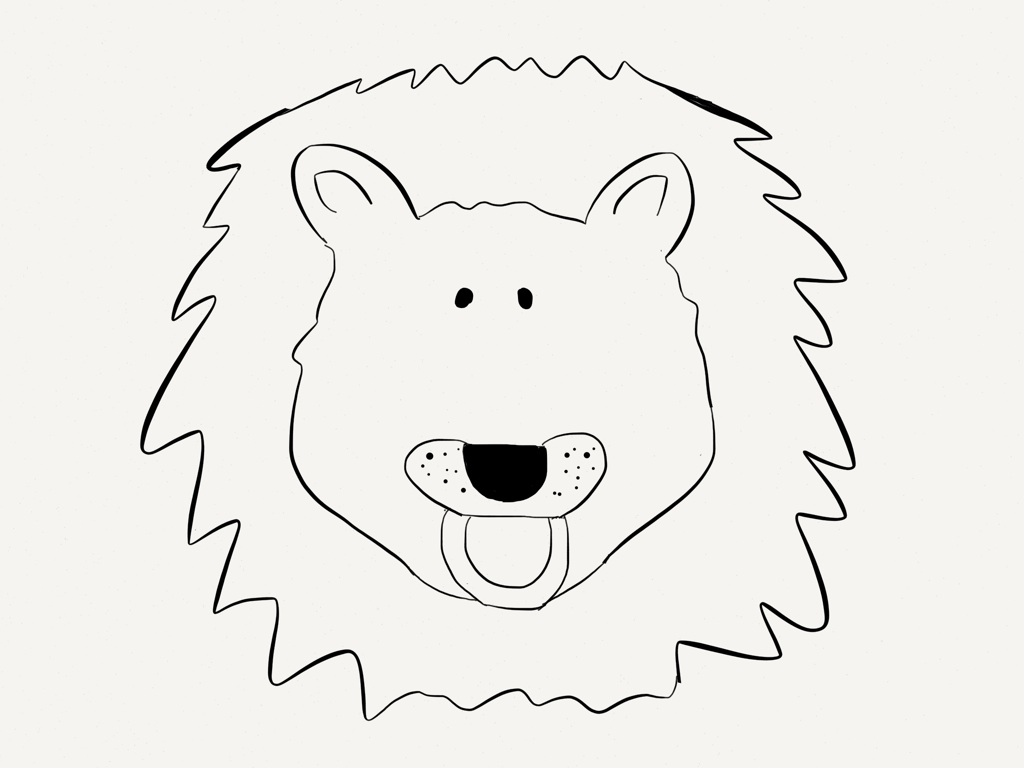
We’re celebrating these gorgeous social cats with a coloring sheet!

lion coloring sheet

Categories: adventure, Animals, Children, conservation, education, Environment, mammals, nature, science, wildlife | Tags: , , , , , , , , , | Leave a comment

GUESS THE ANIMAL!!

 GUESS THE ANIMAL!!

Who’s ready to guess the animal today? We’ve got an animal that lives in our neck of the woods! Be sure to tell us who you think it is!

bear (2)

  • They are omnivores.
  • They live all over North America.
  • They are related to seals.

WHO IS IT?

Categories: adventure, Animals, Children, conservation, education, Environment, nature, science, wildlife | Tags: , , , , , , , , , | 11 Comments

SCIENCE WORD OF THE WEEK!

SCIENCE WORD OF THE WEEK!
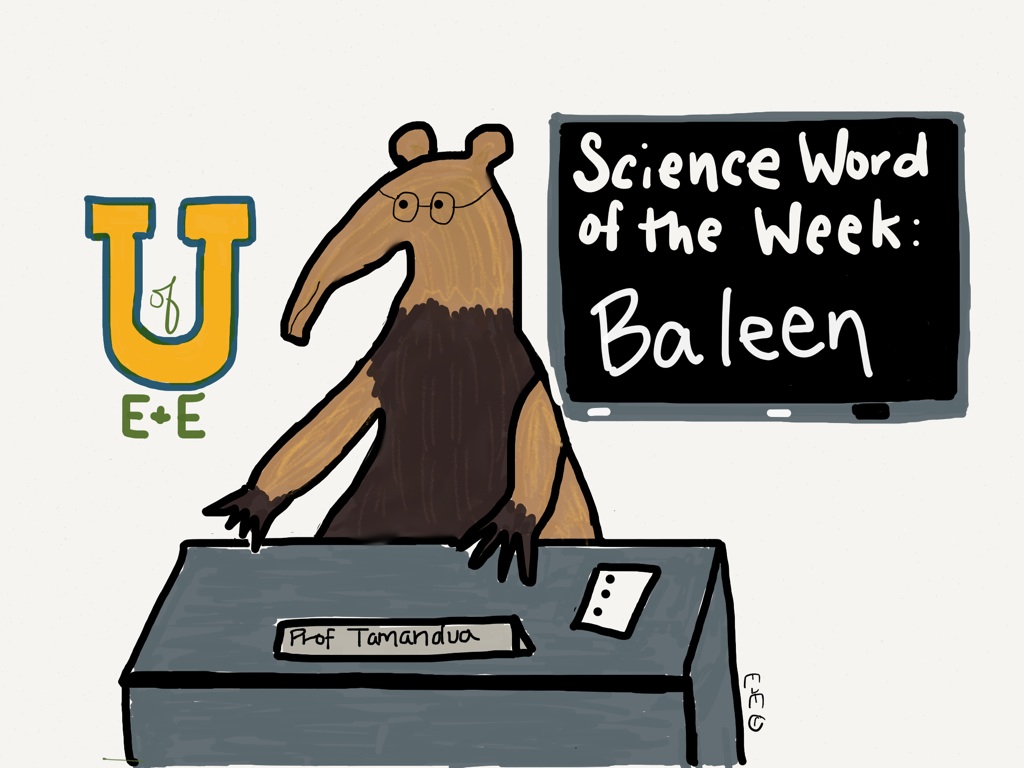
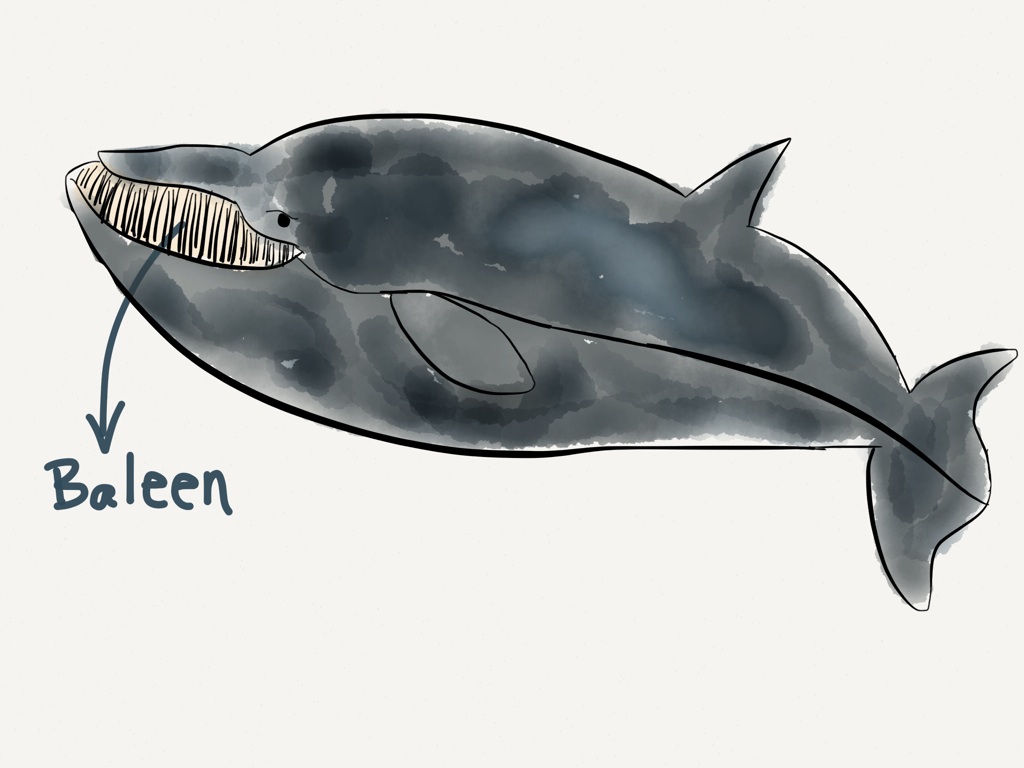
swow baleen

Welcome back to class! Who is excited about the big art contest Ellie and Edmond are having? I am really looking forward to seeing all the great entries! This week our word is all about whales! We’re talking about baleen!

Baleen: a fibrous structure made of keratin* that grows in the upper and lower jaw of baleen whales. Baleen allows these whales to filter water out and keep their prey in. Baleen whales eat tiny animals like krill and plankton. Baleen whales include the Blue Whale, the Gray Whale, the Southern Right Whale and the Humpback Whale.

swow baleen cartoon

Categories: adventure, Animals, Children, conservation, education, Environment, nature, science, vocabulary, wildlife | Tags: , , , , , , , , , , | Leave a comment

WORLD TIGER DAY!

WORLD TIGER DAY!

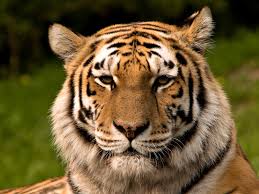
tiger

Happy World Tiger Day! We’re ready to celebrate these gorgeous striped cats! There are so many things to love about tigers, so we’ll just name a few! These majestic big cats are endangered though. We’ll tell you about a few places where you can help!
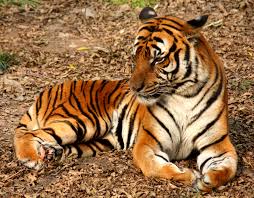
tiger2

  • All tigers live in Asia.
  • There are 6 subspecies of tigers; Bengal, Siberian (Amur), Sumatran, Indo-Chinese, Malayan and South China.
  • Tigers are the largest of all living cats.
  • Tigers are carnivores.
  • Those famous stripe pattern goes all the way to their skin.
  • Adult tigers have 30 teeth!
  • Tigers range in size from about 4 1/2 feet to 9 feet.
  • Tigers are solitary.

tiger adaptations

We just love tigers! There numbers are dropping drastically in the wild! There are only a few thousand left! It’s important on this World Tiger Day that we learn how we can help conserve tigers! You can “adopt” a tiger from World Wildlife Fund or Defenders of Wildlife. Another great organization that rescues tigers who are kept as pets or used in circuses is Big Cat Rescue in Florida! Check them out and see all the work they do help!

tiger3

Categories: adventure, Animals, Children, conservation, education, Environment, mammals, nature, science, wildlife | Tags: , , , , , , , , , | 1 Comment

Day 43… Golden Lion Tamarin

Day 43… Golden Lion Tamarin

We had a great day at watching tamanduas. We took a day to travel over to Brazil to meet another amazing animal that calls the rainforest home! We donned our rain gear and headed in to the forest. These small and agile tree dwelling monkeys aren’t easy to spot, so we had to be patient. We sat for several hours. We could hardly contain our excitement when we spotted a family of the Golden Lion Tamarins we’d been looking for!

e & e rainforest

   Range/Habitat: Eastern South America-Brazil/ rainforest

   Diet: Omnivore: fruit, grubs, insects  Length/Weight: 8-10”/ 14-29 oz

   Conservation Status: critically endangered

golden lion tamarin


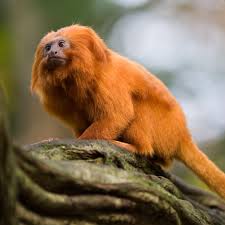
  • Golden Lion Tamarins have beautiful golden coats and fluffy manes around their faces.
  • They are diurnal (active during the day) and arboreal (live in the trees).
  • Golden Lion Tamarins live in small family groups led by a female-male breeding pair.
  • Mother Golden lion tamarins give birth to 1 or 2 offspring.
  • Father Golden lion tamarins take care of the babies and carry them on their backs. They give them to their mom when it’s time for feeding.
  • They have many different warning calls for predators. One call warns of predators on the ground and another warns of predators in the air.

golden lion tamarin3   golden lion tamarin2


These tamarins are critically endangered, but zoos  across the country are working very hard to save them. Read about the program here.  We were so lucky to see these amazing monkeys in wild!

Categories: adventure, Animals, Children, conservation, education, Environment, mammals, nature, science, wildlife | Tags: , , , , , , , , | 1 Comment

Blog at WordPress.com.