Posts Tagged With: mammals

MAMMAL MONDAY # 49

MAMMAL MONDAY #49

Pack your bags, because we’re going to South America today to find a resident of the rainforest! Keep your binoculars and tree climbing gear ready because this primate lives in the trees. Let’s head out on today’s animal adventure!
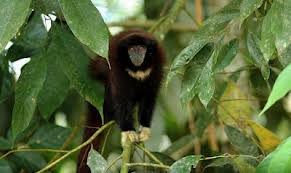
MEET THE YELLOW-HANDED TITI MONKEY!
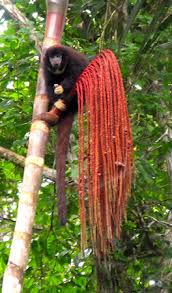
   Range/Habitat: Northwest South America/ rainforest

   Diet: Omnivore: fruit, seeds, insects

   Length/Weight: 12-18”/ 2 ¼- 3 ¼ lbs

   Conservation Status: common


Fun Facts:

  • Yellow-handed titi monkeys have stocky bodies covered with thick black fur.
  • They have a white fur collar around their neck and bright yellow hands.
  • Yellow-handed titi monkeys have long bushy tails.
  • They are arboreal.
  • They live in small family groups.
  • Yellow-handed titi monkeys pair bond for life.
  • Male yellow-handed titi monkeys help carry the young.

These fluffy little glove wearing monkeys are so cute! Ok, they don’t really wear gloves, but their little yellow hands are great!
Categories: adventure, Animals, Children, conservation, education, Environment, mammals, nature, rainforests, science, wildlife | Tags: , , , , , , , , , | 1 Comment

MAMMAL MONDAY #48

MAMMAL MONDAY #48!

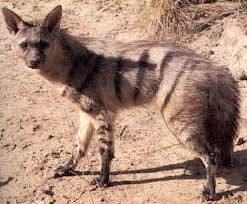
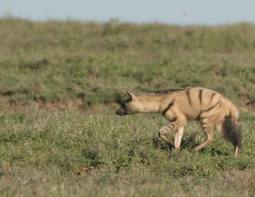
Grab your safari hats and night vision goggles and let’s head off to Africa today to meet a relative of the hyena! These bug loving mammals may look like their relatives, but they are very different! Are you ready? Let’s go!

MEET THE AARDWOLF!

   Range/Habitat: Eastern South Africa/ desert-scrub

   Diet: Insectivore: termites, insects

   Length/Weight: 26”/ 20 lbs

   Conservation Status: common


Fun Facts:

  • Aardwolves have longer front legs than back legs.
  • They have 3 stripes on each side.
  • Aardwolves have a crest of fur down their backs. They puff the fur up when they are threatened to look bigger.
  • Aardwolves are nocturnal (active at night) and solitary.
  • They have sticky tongues that they use to eat insects!
  • Aardwolves can eat up to 200,000 termites a night!

Aardwolves are really cool. Unlike their hyena cousins who eat carrion or kill their prey, these guys eat bugs and lots of them! If you could pick, which would you be a carnivore or an insectivore?


Categories: adventure, africa, Animals, Children, conservation, education, Environment, mammals, nature, science, wildlife | Tags: , , , , , , , , , | Leave a comment

MAMMAL MONDAY # 47

MAMMAL MONDAY #47!

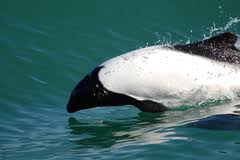
This Mammal Monday we’re going a boat to South America to find one amazing and beautiful marine mammal! What’s black and white and swims? Let’s go find out!

MEET THE COMMERSON’S DOLPHIN!

   Range/Habitat: Tip of South America/ Indian Ocean/ oceans-coastlines

   Diet: Carnivore: sea stars, fish, crabs

   Length/Weight: 4 ½-5 ½ ft

   Conservation Status: common


Fun Facts:

  • Commerson’s Dolphins are black and white and look like small killer whales.
  • Commerson’s Dolphins calves are gray and develop their coloration as adults.
  • They live in schools of around 10 individuals.
  • Commerson’s Dolphins are also called the Panda Dolphin.
  • They are very acrobatic swimmers.
  • Commerson’s Dolphins are known to swim upside down to find their prey on the ocean floor.

Wow, these fast and graceful dolphins are gorgeous! They really do look like mini orcas! Did you know that Orcas are the largest members of the dolphin family? Neat!


Categories: adventure, Animals, Children, conservation, education, Environment, mammals, nature, oceans, science, wildlife | Tags: , , , , , , , , , , , | 2 Comments

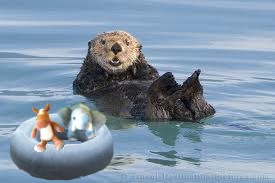
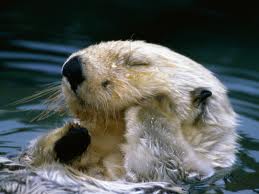
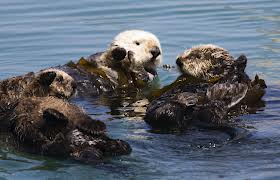
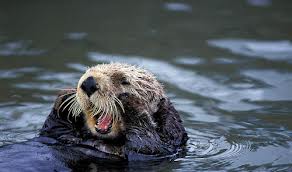
SEA OTTER AWARENESS WEEK!

SEA OTTER AWARENESS WEEK!

We’re celebrating the largest member of the otter family all this week! That’s right we’re giving a shout out to those adorable marine mammals the Sea Otter!

We’re sharing some cute photos, fun facts and resources to celebrate these fur balls!

  • Sea Otters are members of the weasel family!
  • Sea Otters live in the Pacific ocean along the North American shore and the Northern Asian shore.
  • Sea Otters spend most of their time in water. They will occasionally come ashore to rest.
  • Sea Otters’ fur is water repellant and very thick. They can have up to 1 million furs per square inch.
  • Sea Otters role in order to trap air bubbles in their fur. The air bubbles help keep them warm.
  • Sea Otters are often found floating on the surface of kelp forests. They will even wrap the kelp around themselves to keep anchored while sleeping
  • Sea Otters groom themselves constantly. This helps keep their fur clean and waterproof. 
  • Sea Otters use rocks to break some of their prey, including crabs and sea urchins.
  • Sea Otters help keep the balance in a kelp forest. One of their favorite prey, sea urchins eat kelp; and without the otters to keep the urchin population in check, the kelp would be gone!

There are so many reasons to love sea otters and to protect them! There are many organizations that are working hard to make sure otters have a future in our oceans! Monterey Bay Aquarium has a great sea otter program. There is a new movie going around the country called Otter 501 all about the rescue of an orphaned otter! We are hoping to see it this week!


Tell us what you love about Sea Otters!

Categories: adventure, Animals, Children, conservation, education, Environment, mammals, nature, oceans, science, sea otters, wildlife | Tags: , , , , , , , , , , | Leave a comment

INTERNATIONAL RHINO DAY!

INTERNATIONAL RHINO DAY!

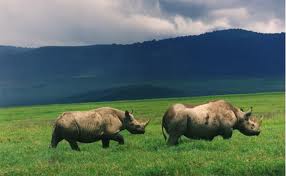
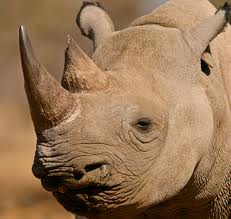
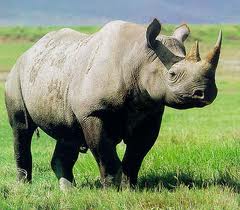
We’re celebrating our friends the rhinoceros today! These magnificent animals are one of our very favorites, with their large bodies, hairy ears and fabulous horns!

We’re going to give you some fun rhino facts, a coloring sheet and some great resources to help our friends!

RHINO FUN FACTS:

  • There are 5 species of rhinos, the Black Rhino, the White Rhino (the African species), the Northern India Rhino, the Sumatran Rhino and the Javan Rhino (the Asian species).
  • Rhinoceros is Greek for nose and horn!
  • All rhinos have poor eyesight.
  • White rhinos have a large broad mouth for grazing grass.
  • Black rhinos have a narrow prehensile lip to help them grasp leaves.
  • Rhino horns are made of keratin, the same protein that makes up your hair and fingernails.
  • Rhinos’ ears can move and rotate independently of each other. This adaptation helps the rhino hear.
  • Rhinos are herbivores.
  • Rhinos are related to horses, tapirs and zebras! Woohoo!
  • The Sumatran Rhino is the smallest rhino weighing around 1,700 lbs and the White rhino is the largest weighing around 5,000 lbs.
  • A group of rhinos is called a crash!
  • All rhinos are endangered. Many organizations, like World Wildlife Fund and Saving Rhinos are working very hard to save and protect these amazing animals. Check them out and see how you can help!


We have a cute rhino for you to color! As always, remember to share your pictures when you color them!


Categories: adventure, africa, Animals, Children, conservation, education, Environment, mammals, nature, rhinos, science, wildlife | Tags: , , , , , , , , , | 3 Comments

MAMMAL MONDAY # 45

MAMMAL MONDAY #45!

We’re off to the rainforests of Central Africa to meet one cute rodent! That’s right folks, we said cute rodent! Grab your gear and let’s head out!

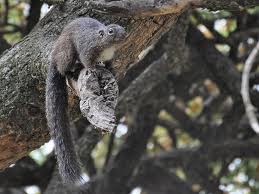
MEET THE GAMBIAN SUN SQUIRREL!

   Range/Habitat: Central Africa/ rainforest, grasslands

   Diet: Omnivore: eggs, insects, seeds

   Length/Weight: 6-8”/ 9-13 oz

   Conservation Status: common


Fun Facts:

  • Gambian Sun Squirrels have olive-brown-yellow banded fur.
  • They have 14 rings down their tail.
  • Gambian Sun Squirrels bask in the sun (that’s where they get their name).
  • Gambian sun squirrels are primarily arboreal (spend most of their time in the trees.
  • They reline their nests with new leaves each night.

Gambian sun squirrels are adorable. We love that they spend their time basking in the sun to keep warm! We wonder if they use sunscreen.


Categories: adventure, africa, Animals, Children, conservation, education, Environment, mammals, nature, science, wildlife | Tags: , , , , , , , , | Leave a comment

MAMMAL MONDAY # 44

MAMMAL MONDAY #44!

We hope you enjoyed learning about some of smarties of the animal kingdom last week! We sure had fun! It’s back to our regular scheduled programming and that means it is Mammal Monday and we’re off to the rainforests of South America to meet one cute little primate! So grab your binoculars and let’s do this!

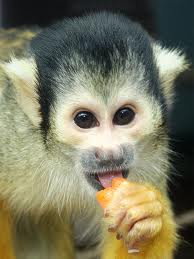
MEET THE BOLIVIAN SQUIRREL MONKEY!

   Range/Habitat: West-Central South America/ rainforest

   Diet: Omnivore: insects, fruits, seeds

  Length/Weight: 10 ½-12 ½”/ 34 oz

  Conservation Status: common


Fun Facts:

  • Bolivian Squirrel Monkeys live in large troops, with up to 40-50 individuals.
  • The troops have sub groups, males, females and juveniles.
  • They are very social and vocal.
  • Bolivian squirrel monkeys’ tails are longer than their bodies and heads combined.
  • Bolivian squirrel monkeys are arboreal (spend most of their lives in trees).
  • They spend half of their days foraging for insects.

Goodness these Bolivian squirrel monkeys adorable. Can you imagine hearing a whole troop of these monkeys in the trees? That would be so fun!


Categories: adventure, Animals, Children, conservation, education, Environment, mammals, nature, rainforests, science, wildlife | Tags: , , , , , , , , | Leave a comment

ANIMAL INTELLIGENCE DAY #2

ANIMAL INTELLIGENCE DAY #2

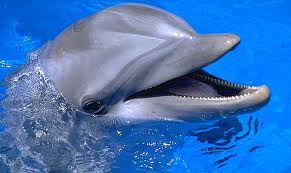
We’re going for a dip in the big blue ocean to meet today’s intelligent animal. These sleek, fast and smart mammals have adapted big brains that scientists are just beginning to understand. Just how smart these mammals are is still undetermined, but what we know about them now is pretty cool! Grab your goggles and let’s go!

MEET THE BOTTLENOSE DOLPHIN!

   Range/Habitat: Oceans worldwide, except for the polar regions

   Diet: Carnivore: fish, mollusks, crustaceans

   Length/Weight: 6 ¼- 13 ft/ up to 1,110 lbs

   Conservation Status: common


Fun Facts:

  • Bottlenose dolphins are very social and live in complex groups.
  • They make many different whistles and clicks to communicate with each other. These vocalizations are still be studied and understood by scientists.
  • Each dolphin has a signature or individual whistle that identifies them, like we have names.
  • They use tools. One group of dolphins has been seen using sponges to protect their noses from stingrays and stonefish as they look for prey.
  • Bottlenose dolphins are able to recognize themselves in a mirror.
  • They learn behaviors from their mothers and other dolphins.
  • Bottlenose dolphins have been taught to understand sign language.
  • They also use many different cooperative hunting techniques.

Bottlenose dolphins have earned a reputation for being cute show animals, but they are so much more than that. Researchers are really just beginning to understand the depths of their intelligence, both in institutions and in the wild. One dolphin Kelly, is amazing researchers at the Institute for Marine Mammal Studies, check them out!  Too bad we don’t know how to speak dolphin! Squeak, click, whistle!


Categories: adventure, Animals, Children, conservation, education, Environment, mammals, nature, oceans, science, wildlife | Tags: , , , , , , , , , | Leave a comment

FISHING FOR ANTS CRAFT!!

SEPTEMBER CRAFT/ACTIVITY!!

We’re celebrating Back to School this week and we’re featuring some super smart animals, including chimpanzees! Chimps are known to take sticks and use them to fish out termites or ants for a nice protein rich snack! So we thought it would be fun to make a craft so you can pretend to be a chimpanzee! Are you ready?


Materials:


  • Empty clean 1 Liter soda bottle
  • Scissors
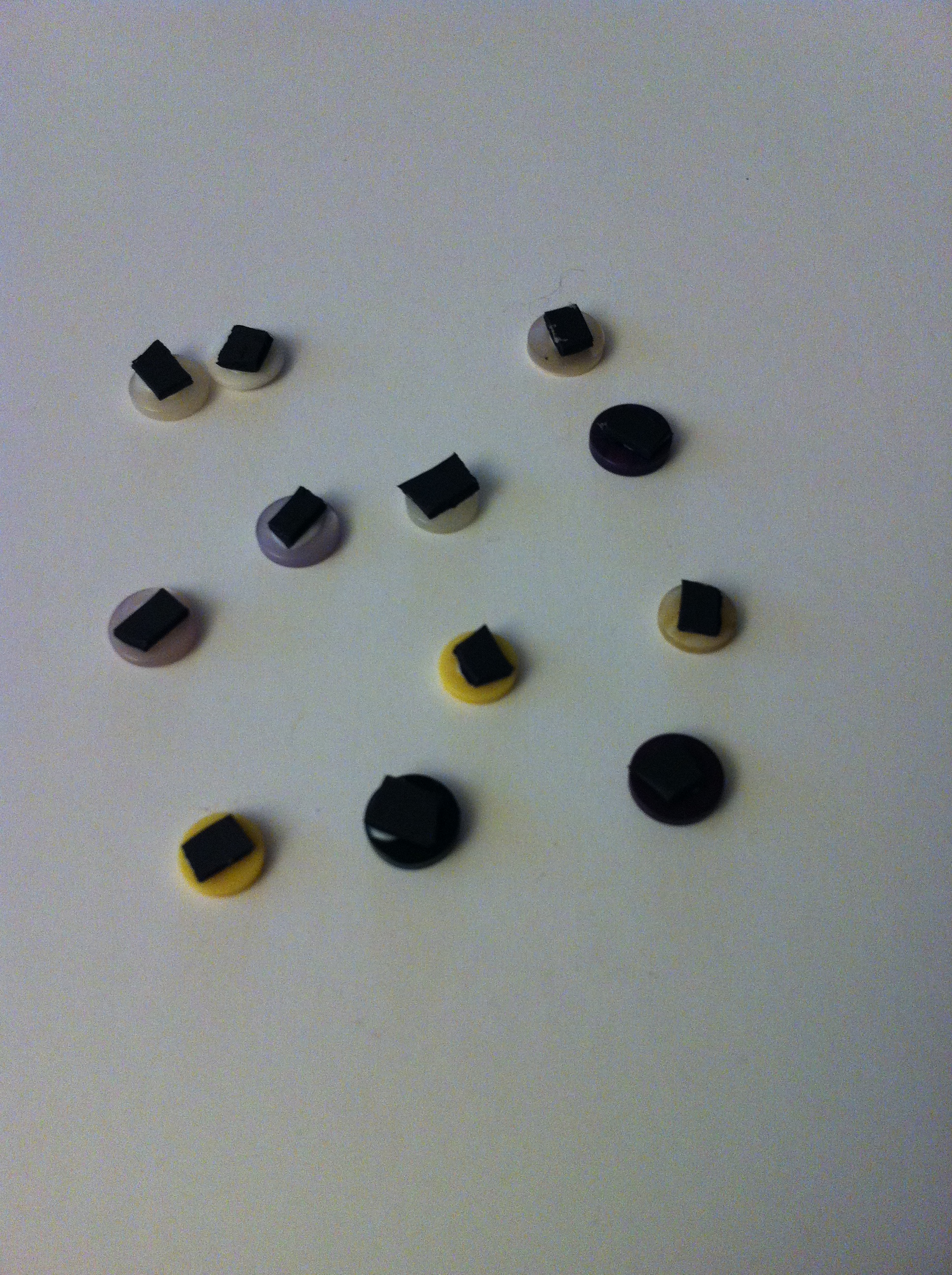
  • 12 small buttons
  • One strip of magnet (we found ours at Michael’s)
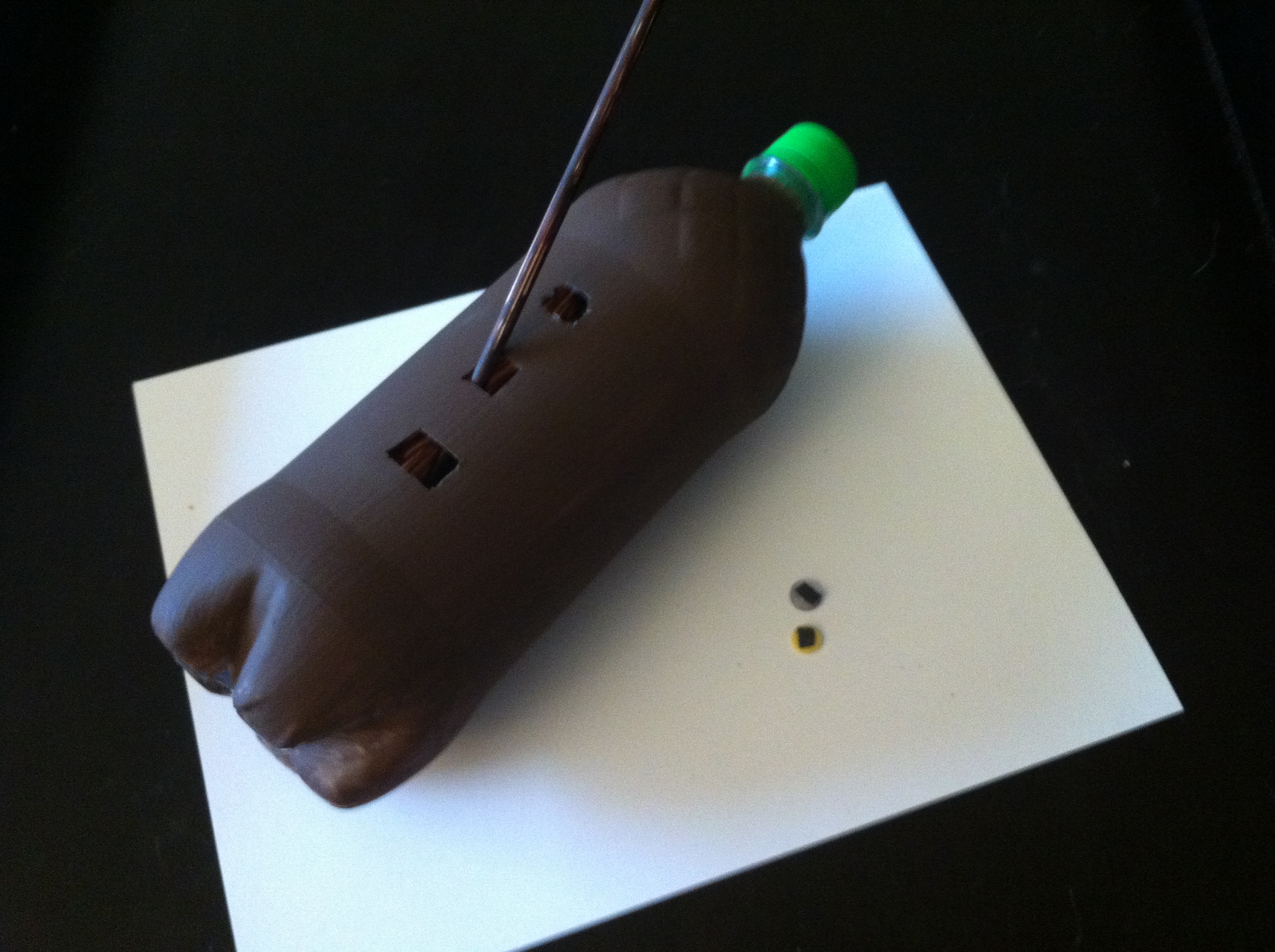
  • Small dowel or chopstick
  • Tacky glue
  • Brown or green marker
  • Brown or green paint & brush
  • Exacto or craft knife (to be used by an adult)

Instructions:

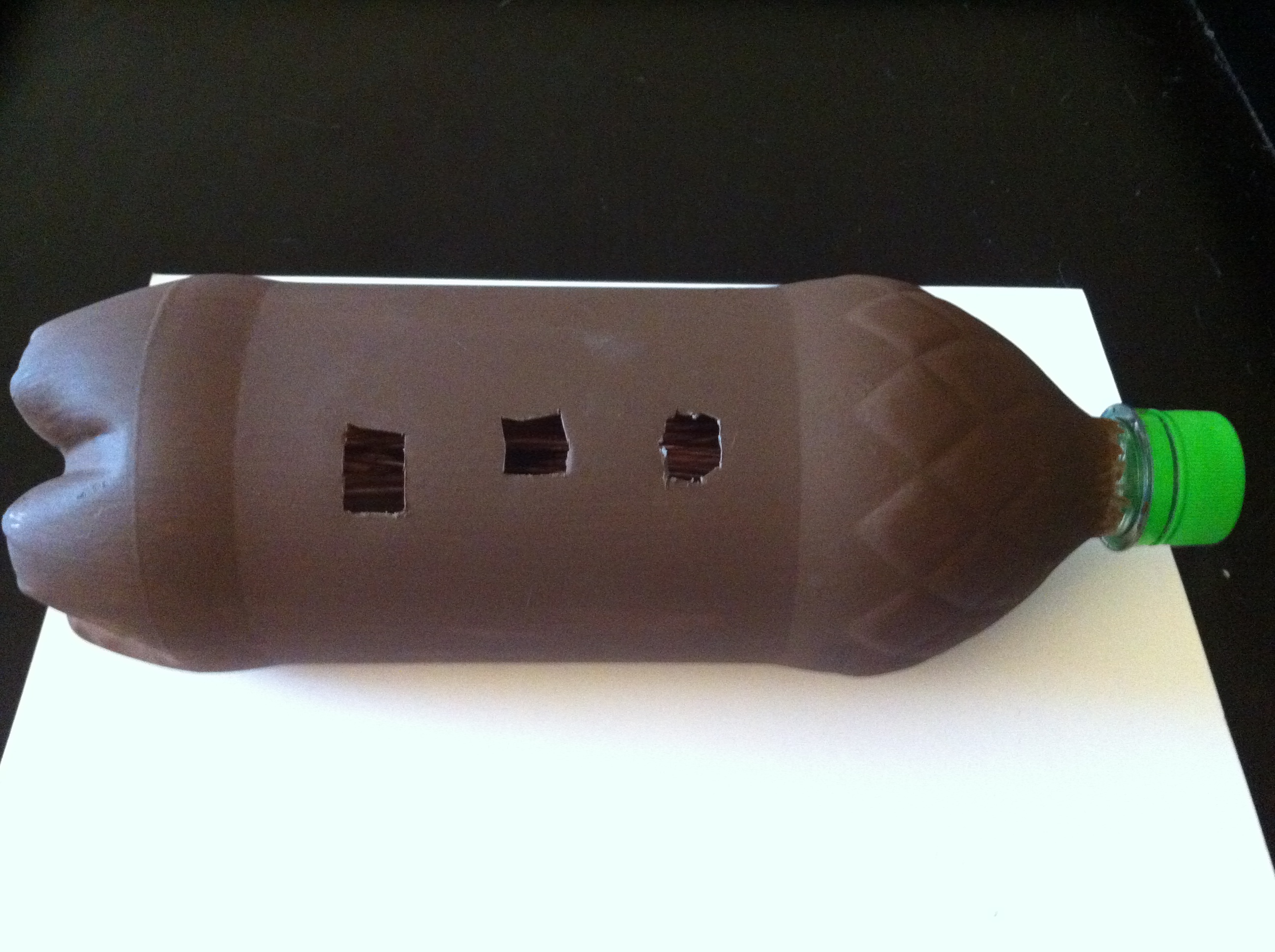
1. Paint your bottle with two coats of paint. You will have wait for the first coat to dry completely before starting the second one. (The bottle is your ant mound)


2. While the paint dries color your dowel with the marker.


3.Then cut your strip of magnet in to small pieces that will fit on the back your buttons and one piece to put on the end of your dowel

4. Glue the magnet pieces to the backs of the buttons and to the end of the dowel.


5. Once the second coat of paint has dried (this make take a while), have an adult take the craft knife and cut 3 holes in the bottle.


Now you are ready to practice using your stick tool to get ants! Just drop your buttons in and start fishing for button ants!


Categories: adventure, Animals, Children, conservation, crafts, education, Environment, mammals, nature, science, wildlife | Tags: , , , , , , , , , | Leave a comment

ANIMAL INTELLIGENCE WEEK!

ANIMAL INTELLIGENCE WEEK!

As children all over are heading back to school to learn and grow, we here at Ellie and Edmond headquarters want to celebrate amazingly intelligent animal friends! And you humans thought you were smart! Scientists all over the world are realizing that animals can learn language, use tools and even recognize themselves in a mirror. We’re off to the rainforests of West Africa to meet our first smarty and human kinds’ closet living relative! Let’s head out on this adventure!

MEET THE COMMON CHIMPANZEE!

   Range/Habitat: West-Central Africa/ rainforest

   Diet: Omnivore: invertebrates, fruits, nuts

   Length/Weight: 25-35”/ 60-130 lbs

   Conservation Status: critically endangered


Fun Facts:

  • Chimpanzees are highly social and live in complex social groups.
  • They can make 30 plus different kinds of calls and vocalizations.
  • Chimpanzees have a wide variety of facial expressions.
  • Chimpanzees are tool users and tool makers. They make tools from sticks and extract termites or ants with the stick. They also use things like rocks to crack open nuts.
  • They build nests to sleep in at night. They build a new one every night.
  • Chimpanzees learn tool making/using behavior from their mothers and other chimps.
  • They use cooperative and complex hunting skills to capture live prey.
  • Chimpanzees have been known to learn sign language.
  • They can recognize themselves in a mirror.

We could go on and on about these amazing apes! We still have so much to learn from them. There is even a Bonobo chimp who has learned complex language named Kanzi, read more about him here. Sadly, these apes are very endangered and it critically important that we all work to ensure their future. Jane Goodall, one of our personal heroes, has been studying and working with chimpanzees for many years. The Jane Goodall Institute is great place to learn more about how to help the apes! Also check out the movie Chimpanzee, you will love it!


Categories: adventure, Animals, apes, Children, conservation, education, Environment, mammals, nature, rainforests, science, wildlife | Tags: , , , , , , , , , | 1 Comment

Blog at WordPress.com.