Posts Tagged With: oceans

SHAAAAARKS!!

SHAAAAARKS!!!

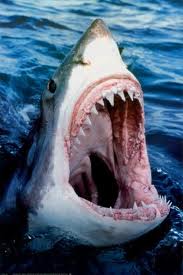
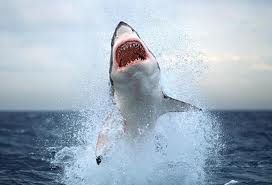
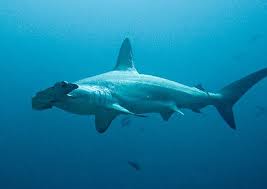
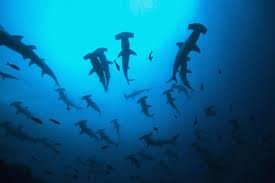
This Watery Wednesday we’re celebrating Sharks, the ocean’s top predators! These amazing animals are often feared, which is sad because they do not deserve such a terrible reputation. They come in all shapes and sizes and eat everything from large mammals to tiny plankton!

SHARK FUN FACTS:

1) Sharks have been on the planet for 400 million years.

2) Some species of sharks have not changed much in the last 64 million years!

3) There are over 400 species of sharks and they are found in every ocean on earth!

4) Sharks can smell 1 drop of blood in a million drops of water!

5) A shark skeleton is made of cartilage, the same tissue that makes up your ears and nose!

6) Whale sharks are the largest species of shark!

7) Some sharks will use thousands of teeth in a lifetime.

8) Bull sharks can live in fresh water habitats.

9) Sharks are covered in dermal denticles. They are enamel covered plates.

10) Sharks have a lateral line that is made up of jelly filled canals. This helps them detect movement or prey.

Sharks are seriously cool! They are also in serious trouble and it’s up to us to help them out! One great way to adopt a shark! No, we don’t mean bring one home!

Check out the for ways to help!


Categories: adventure, Animals, Children, conservation, education, Environment, fish, nature, oceans, science, sharks, wildlife | Tags: , , , , , , , , , , | Leave a comment

MAMMAL MONDAY # 43

MAMMAL MONDAY #43!

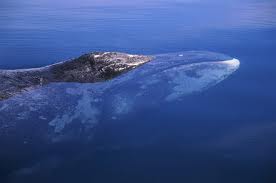
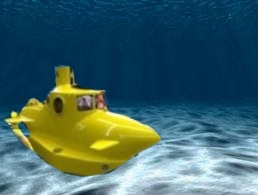
We’re taking the E & E sub to the chilly Arctic Ocean to meet a magnificent and large mammal! Thank goodness they eat very tiny animals! We’ve got room in the sub for everyone, as well as some hot apple cider!

MEET THE BOWHEAD WHALE!

   Range/Habitat: Arctic- sub-arctic ocean

   Diet: Carnivore: plankton

   Length/Weight: 45-59 ft/ 55-66 tons

   Conservation Status: common


Fun Facts:

  • Bowhead whales are baleen whales and they have the longest baleen of any whale on earth!
  • Bowhead whales have no dorsal fin!
  • They have a massive head. It makes up a third of their body weight!
  • Bowhead whales use echolocation to navigate through the ice flows.
  • They have a bow shaped mouth.
  • Bowhead whales have a very thick layer of blubber to keep them warm.
  • They can live up to 100 years!

WOW, Bowheads are some big mammals! Can you believe that they live for almost a hundred years? That is so crazy!


Categories: adventure, Animals, Children, conservation, education, Environment, mammals, nature, oceans, science, wildlife | Tags: , , , , , , , , | 3 Comments

WATERY WEDNESDAY # 42

WATERY WENESDAY # 42

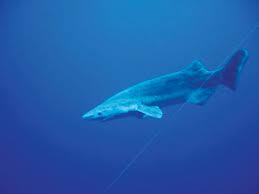
We’re taking the E & E sub down to the bottom of the ocean floor to find a strange and rare member of the shark family! These sharks are harmless to humans, but their skin definitely makes them not snuggly! Come on aboard and let’s go!

MEET THE BRAMBLE SHARK!

   Range/Habitat: Indo-Pacific & W Atlantic/ deep water ocean

   Diet: Carnivore: sharks, fish, rays

   Length/Weight: up to 13 ft/ up t 490 lbs

   Conservation Status: unknown


Fun Facts:

  • Bramble sharks are deep water, bottom dwelling sharks.
  • They are considered rare.
  • Bramble sharks have thorny denticles all over there body.
  • They get their name because the thorny denticles resemble the thorns on bramble bushes.
  • Bramble sharks are a purplish-brown color.
  • Bramble sharks are slow moving.

Wow! These sharks are amazing! We really think they are kind of creepy and cool! The ocean floor has so much for us to explore and see!

Categories: adventure, Animals, Children, conservation, education, Environment, fish, oceans, science, sharks, wildlife | Tags: , , , , , , , , | Leave a comment

OLYMPIC ANIMALS DAY # 5

OLYMPIC ANIMALS DAY #5

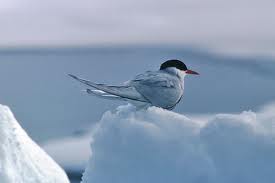
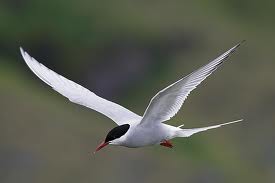
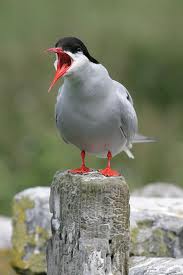
It’s the last day of our Olympic Animals Week and we’re off to the Arctic to meet a bird who knows how to fly! We’ll need a plane to keep up with these birds, because they migrate from one end of the earth to the other! Whew! Are you ready?

MEET THE ARCTIC TERN!

   Range/Habitat: Arctic-Antarctica/ oceans

   Diet: Carnivore: fish, crustaceans

   Length/Weight: 13-14”/ 3 3/8- 4 oz

   Conservation Status: common

Fun Facts:

  • Arctic terns have one of the longest migrations of any bird on the planet.
  • They can fly 10,000-12,000 miles twice a year.
  • Arctic terns spend most of their lives in daylight.
  • They nest in Antarctica in the summer.
  • Arctic terns dive for their food.
  • When they are molting, they cannot fly.
  • They can live up to 20-30 years.

Wowzers! We get tired just thinking about all the flying these amazing birds do in a year! Can you imagine? Arctic terns definitely deserve the gold medal in long distance flying! We hope you’ve enjoyed Olympic Animals Week! Please tell your friends and family about our blog :)!


Categories: adventure, Animals, birds, Children, education, Environment, nature, oceans, Olympics, science, wildlife | Tags: , , , , , , , , | 1 Comment

OLYMPIC ANIMALS WEEK DAY #2

OLYMPIC ANIMALS DAY #2

We’re taking the Ellie and Edmond sub down to depths of the ocean to meet one amazing reptile! These turtles can dive deep and swim great distances! There’s plenty of room in the sub for everyone to meet these big reptiles! Let’s go!

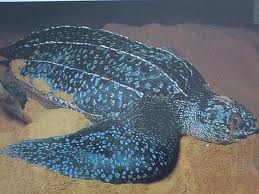
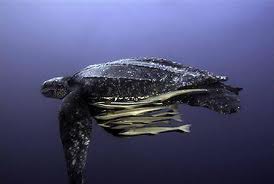
MEET THE LEATHERBACK TURTLES!

   Range/Habitat: Tropical-Subtropical-temperate oceans worldwide

   Diet: Carnivore: jellies, fish

   Length/Weight: 4 ½-6ft/ up to 2000lbs

   Conservation Status: critically endangered


Fun Facts:

  • Leatherback turtles are the largest of all marine turtles.
  • They have the longest migration of any marine turtle, up to 3,700 miles one way!
  • Leatherback turtles can dive down to depths of 1,300 ft!
  • They can hold their breath for up 80 minutes!
  • Leatherback turtles do not have hard carapaces (top shells); instead they have leathery ones.
  • They have large flippers to help them swim.
  • Relatives of the leatherback turtle date back 100 million years!

Wow! We love leatherback turtles! Can you believe that they swim 3,700 miles to get to their feeding & breeding grounds? You thought the 800 meter relay was hard! These turtles can do that in a blink!


Categories: adventure, Animals, Children, education, Environment, nature, oceans, Olympics, reptiles, science, wildlife | Tags: , , , , , , , , | Leave a comment

TENNESSEE AQUARIUM ROAD TRIP!

Field Trip to the Tennessee Aquarium!

Recently we took a road trip to the Tennessee Aquarium in Chattanooga, Tennessee and man did we have a great time! The Tennessee Aquarium has not one but TWO buildings to explore! The first one is dedicated to fresh water habitats and the second building houses some of your favorite ocean dwelling animals! That’s right everyone, you can spend your day visiting animals from all over the world and that is exactly what we did!

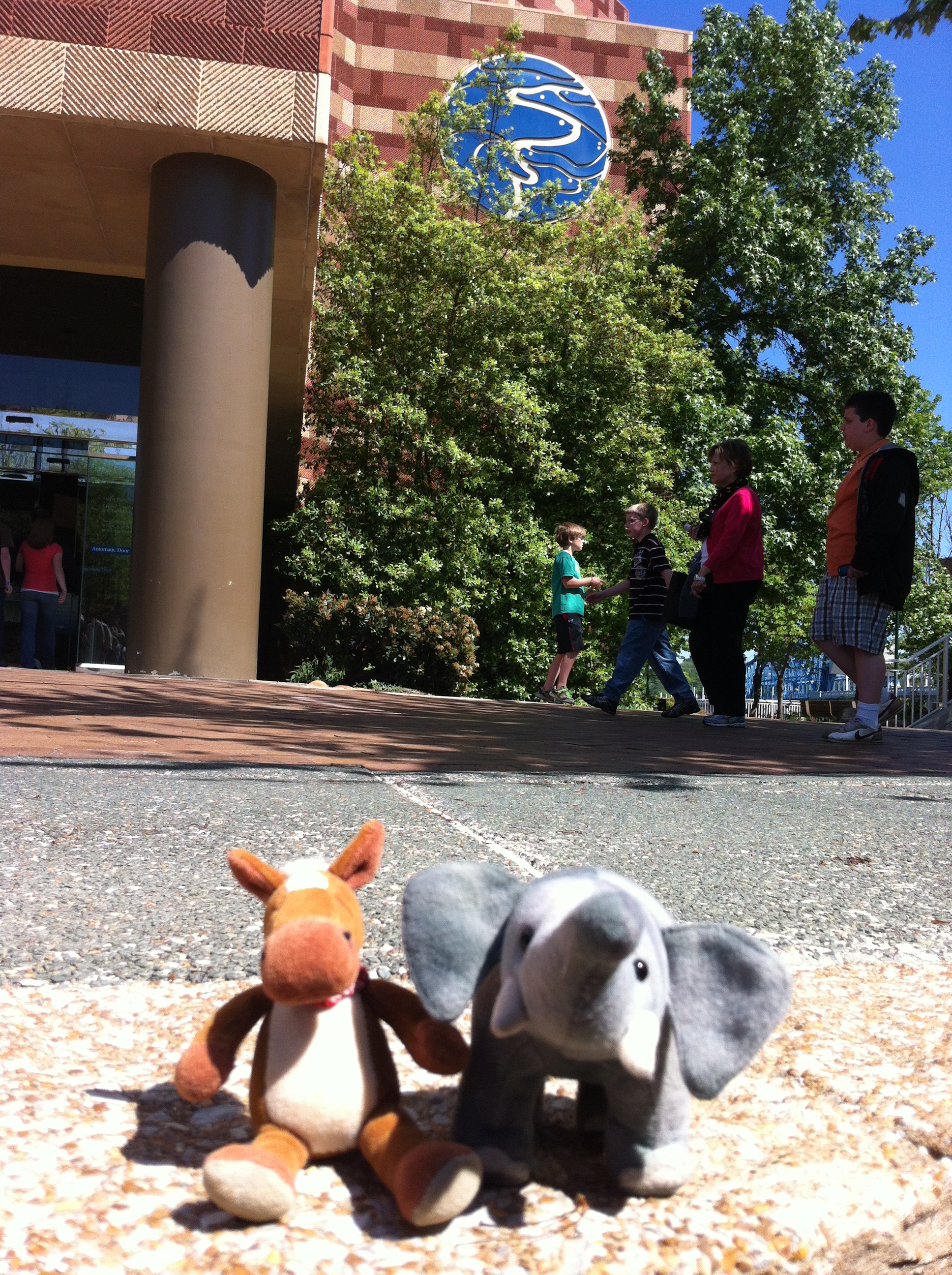
We started out hanging out in the plaza, getting the lay of the land and deciding on where we should start.

Out front of the Aquarium!

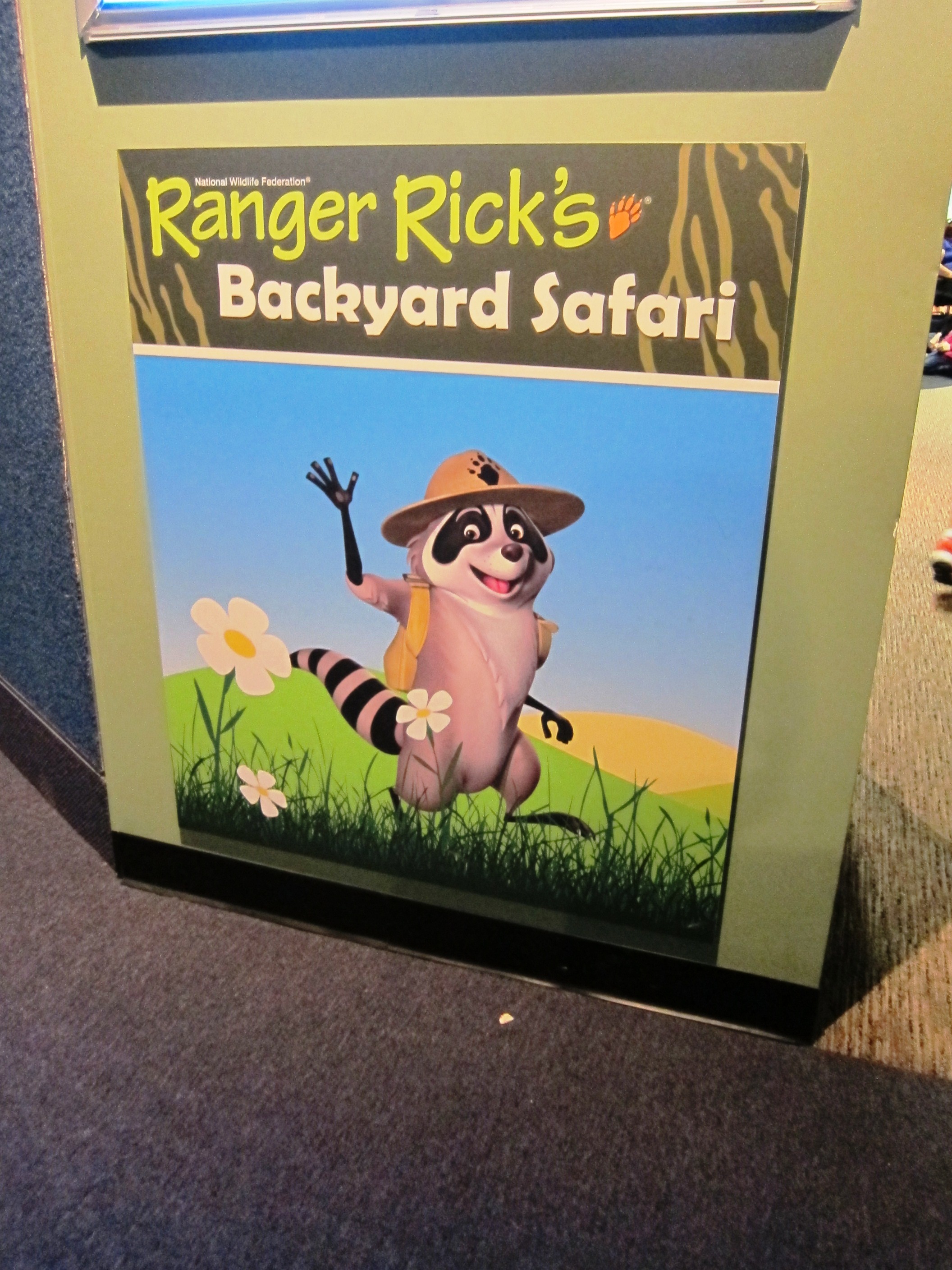
We decided to head into the Freshwater building first! There, they not only have great animal exhibits, but they have Ranger Rick’s backyard safari!

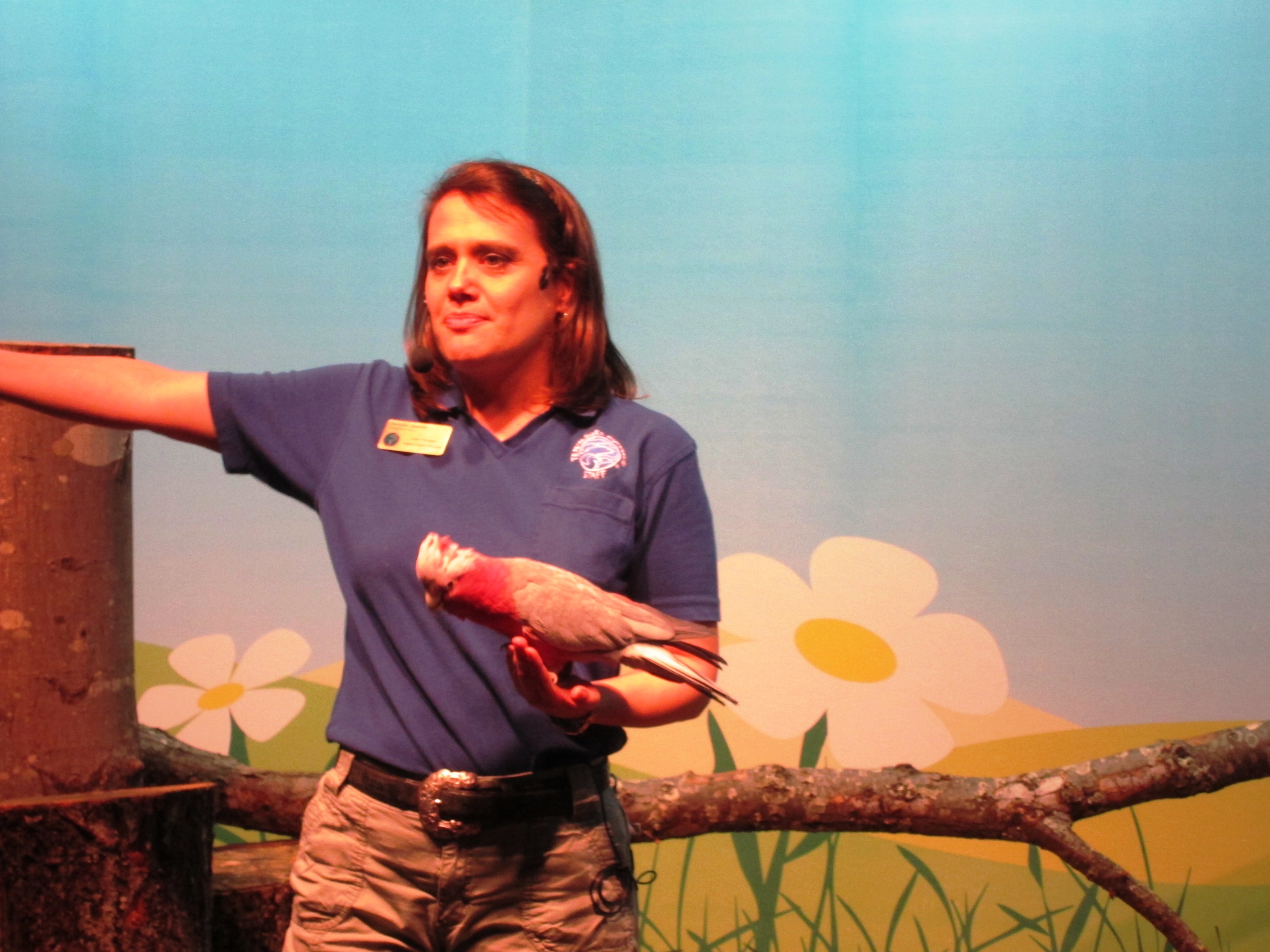
We headed down to check this area out  and catch a live animal encounter! We stayed to meet some cool birds, including the Galah.


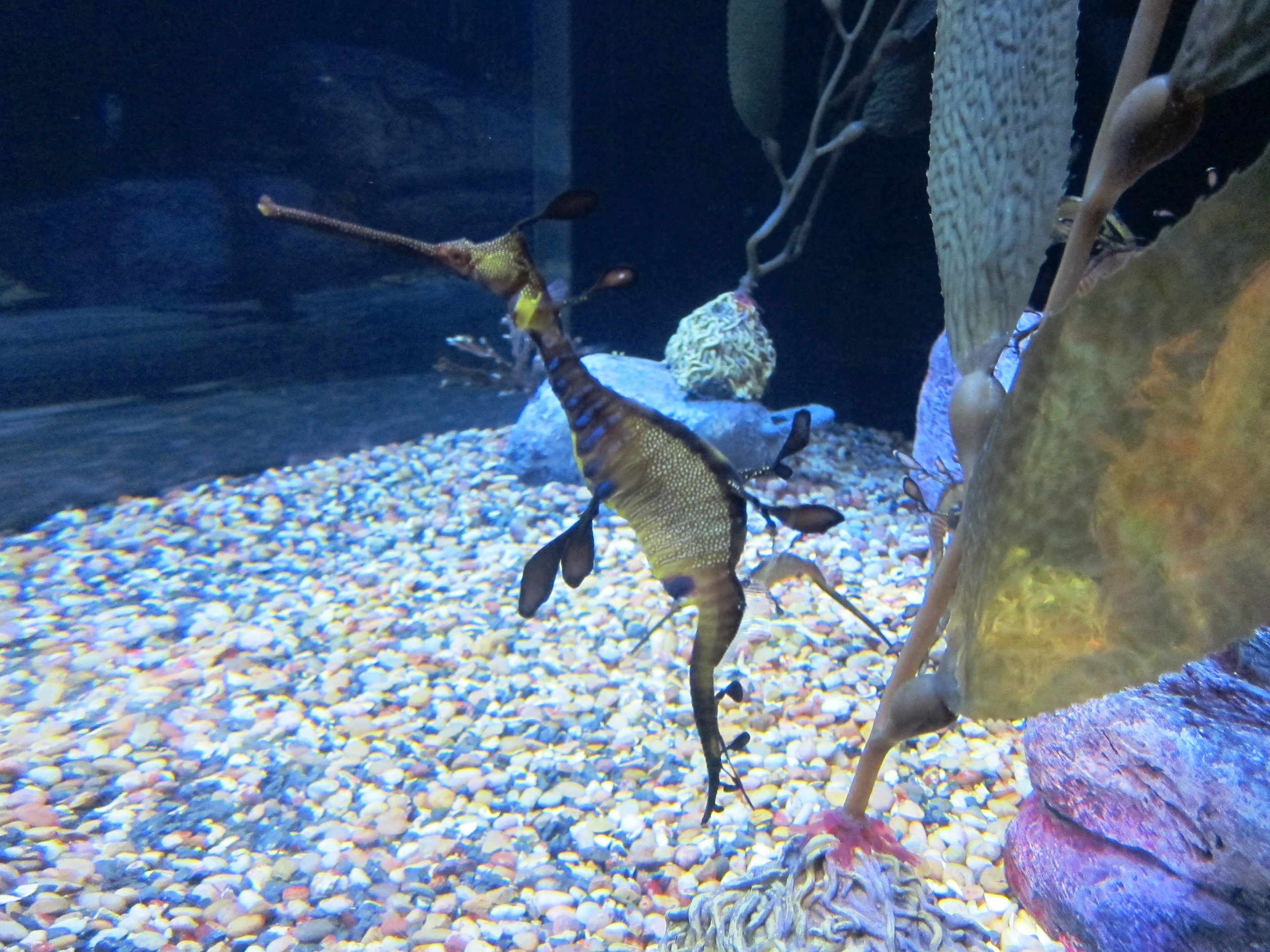
Our next stop was to check out some sea horses and their relatives! They are just so cute!
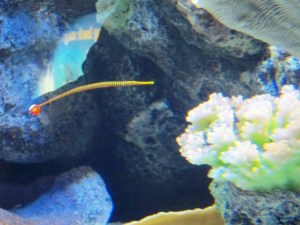
Pipefish


Piprfish


A sea dragon


We then boarded the escalator that takes you to the top of the building, where you make your journey through cool freshwater habitats! Isn’t it neat that you start from the top and make your way down to the bottom!

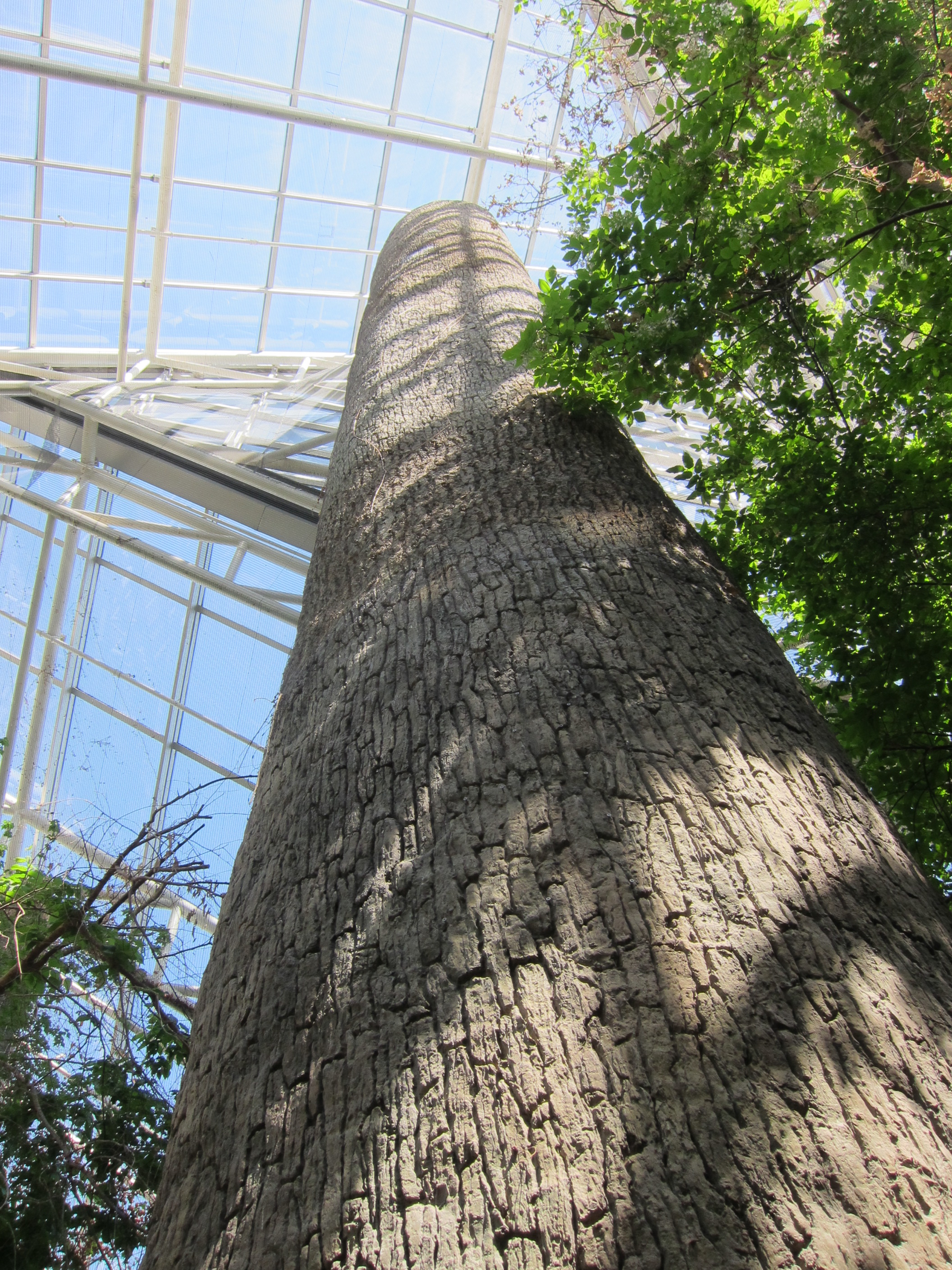
A really biiig tree!

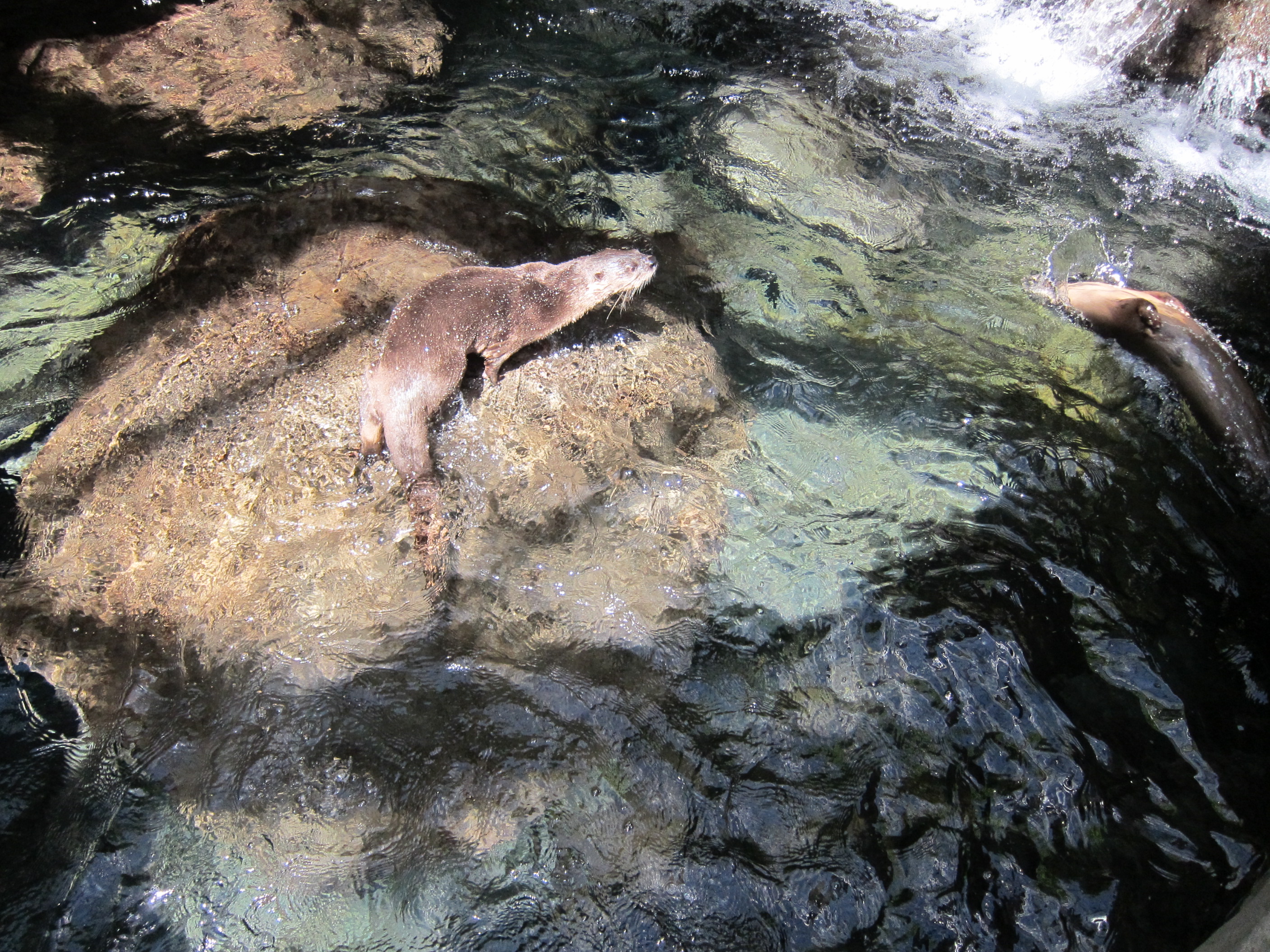
This is where we met some adorable river otters!

Otters have a good time!

These guys are so playful and graceful; we could have stayed there for hours! But alas, we had to keep going, there was much more to see! 
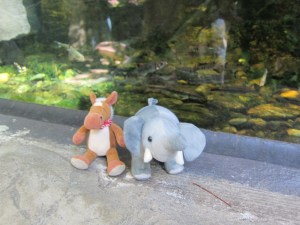


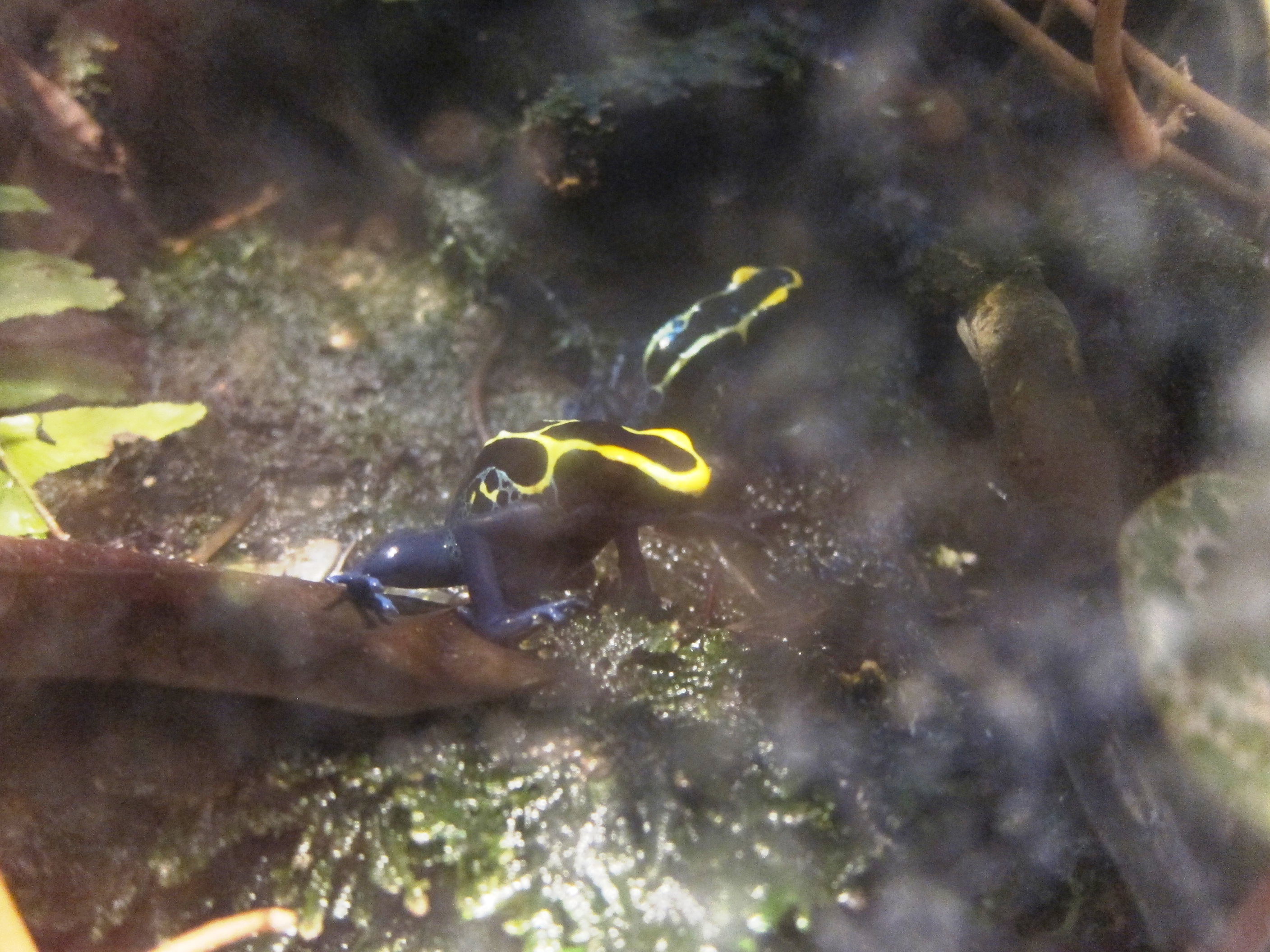
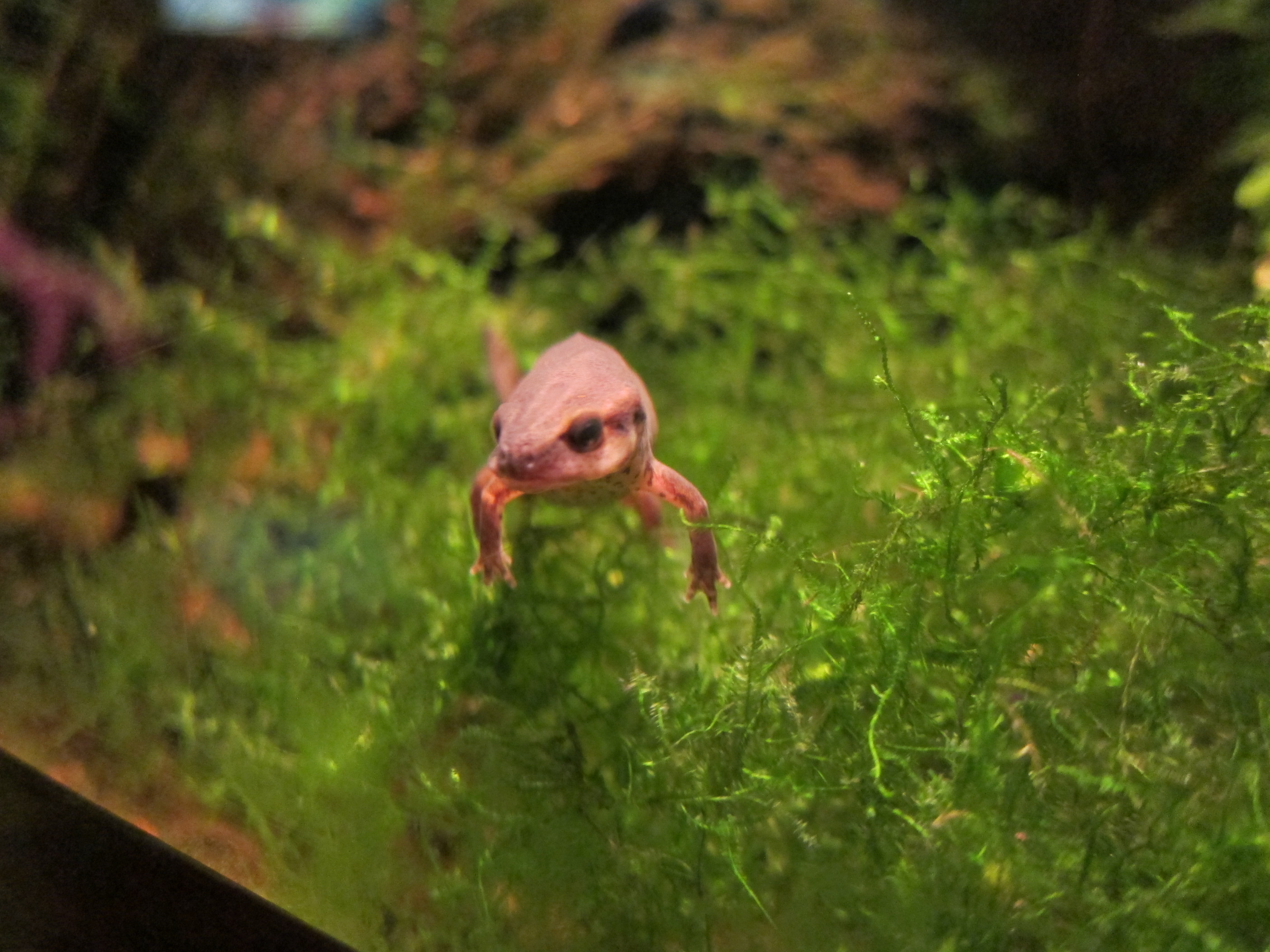
Then as we kept exploring we stumbled upon some amazing amphibians! Check out these frogs and newts!

Poison Dart Frog!

Newt!


We’re even bigger than this guy!


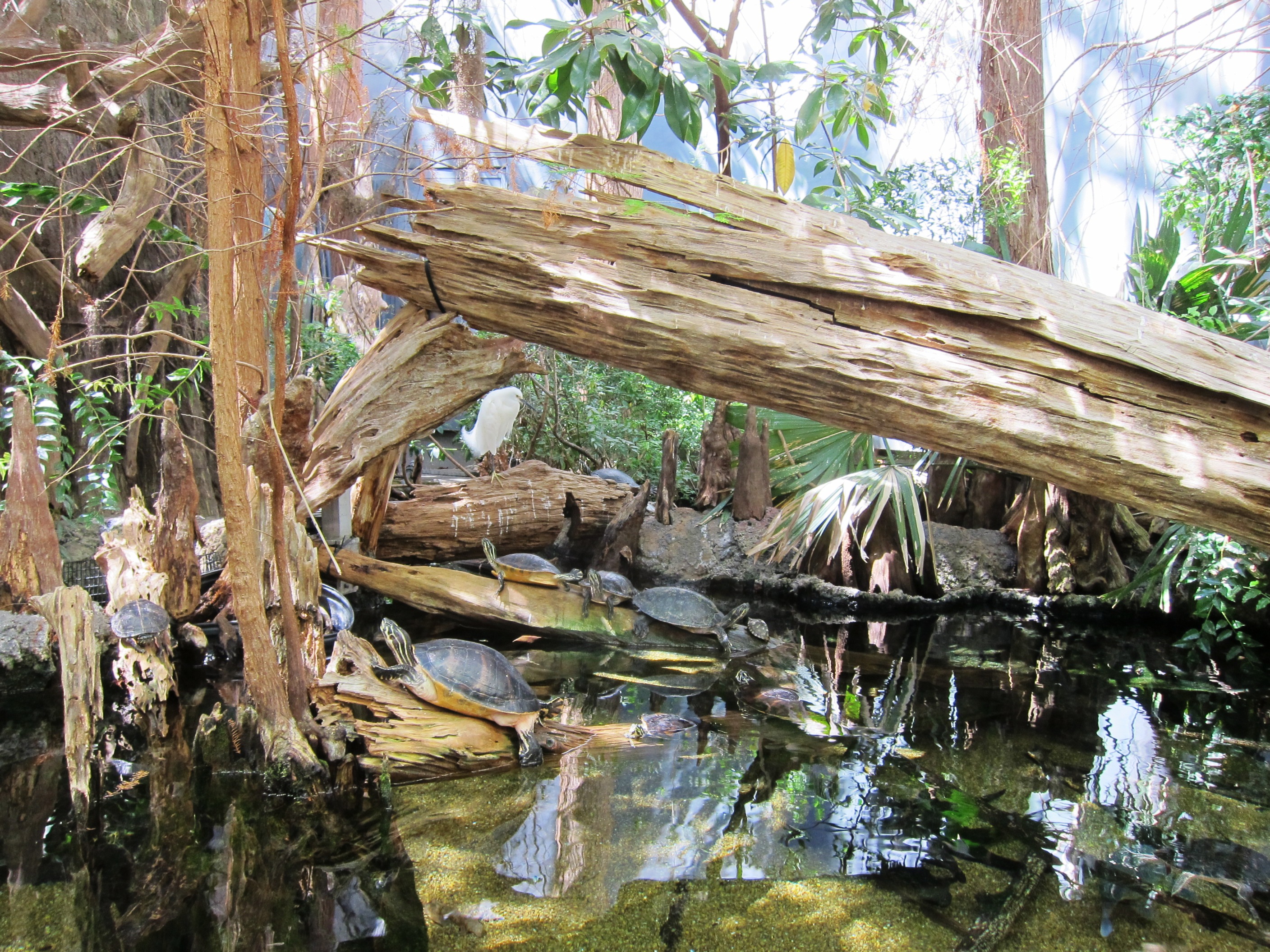
Next was a big exhibit with all kinds of reptiles, fish and birds! They all live in one habitat, because that’s how it would be in the wild. Well, the American Alligator was separated from the other animals, but that’s understandable.

Alligator tail!

Turtle party!
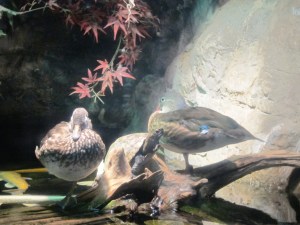


Turtle and ducks getting along!


Off we went to find turtles and tortoises! Two of our favorites in this exhibit were the Indian Star Tortoise

Indian Star Tortoise

and the Long neck turtle.
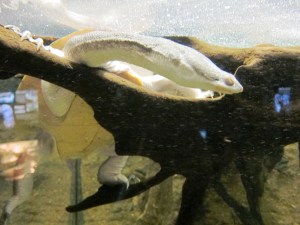
Long neck turtle!

Wow, turtles and tortoises come in so many shapes and sizes! The big exhibit in this building was shut down while we there, because the aquarium was prepping for their new exhibit River Giants! That’s ok, because it just gives us a reason to go back :)! We just love all the conservation messages that the aquarium has all around too!
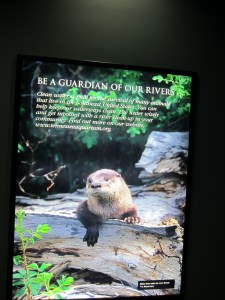
We need to protect our rivers!


We took a lunch break to refuel before heading over to the second building! We chomped on some apples and hay by the Tennessee River. As we were sitting there we watched a wild Great Blue Heron have some lunch too! He scooped up a fish from the river and swallowed it whole! YUM!

Heron! Look closely and you’ll see the fish in his throat!

Having lunch by the river!


After lunch, we were ready for our second adventure for the day! We found a lovely habitat that took us to basin of the Amazon!

Tropical!


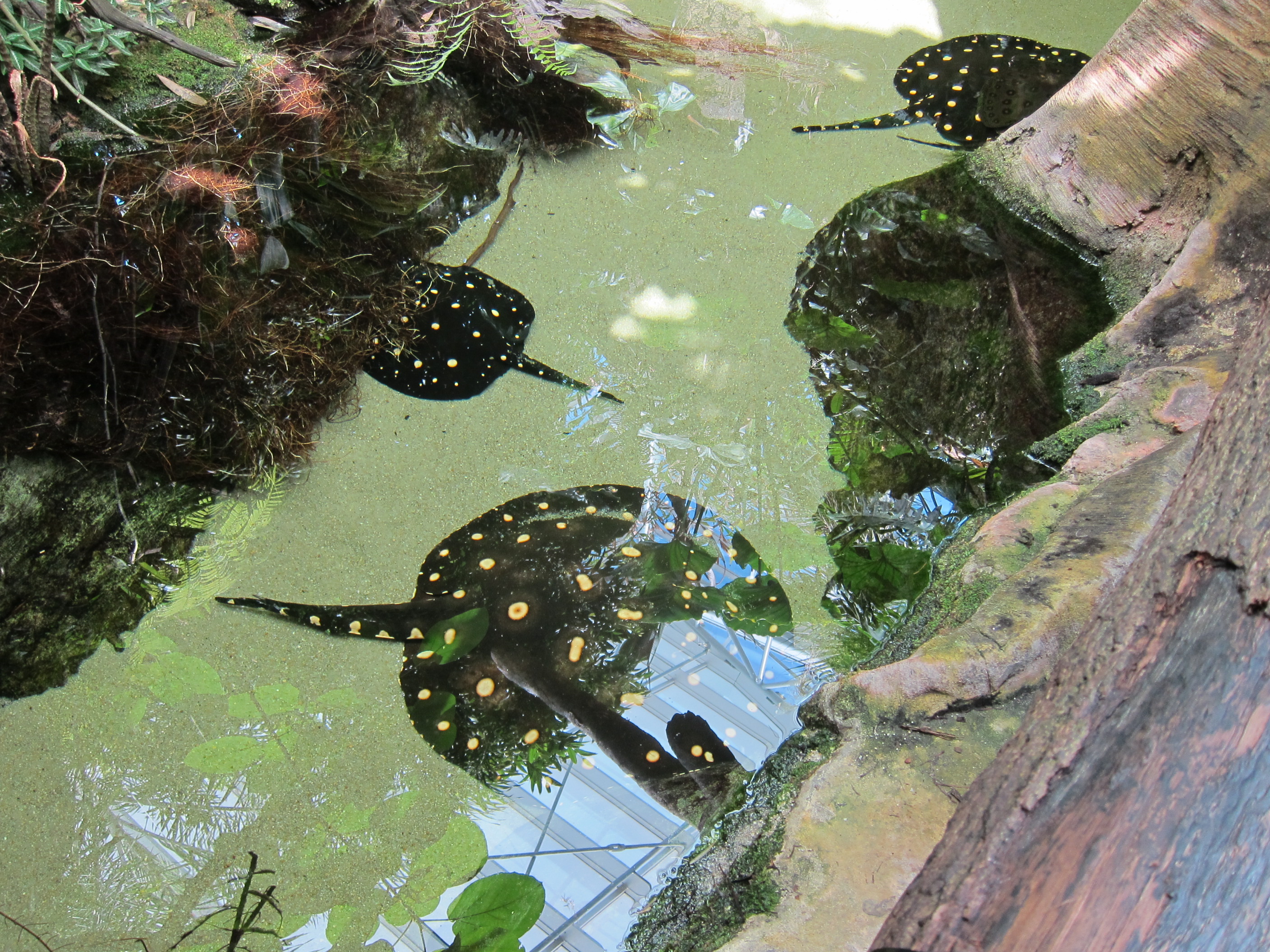
We first found some very spotty fresh water sting rays! Did you know that there are rays living in rivers? Pretty cool!

Stingrays!

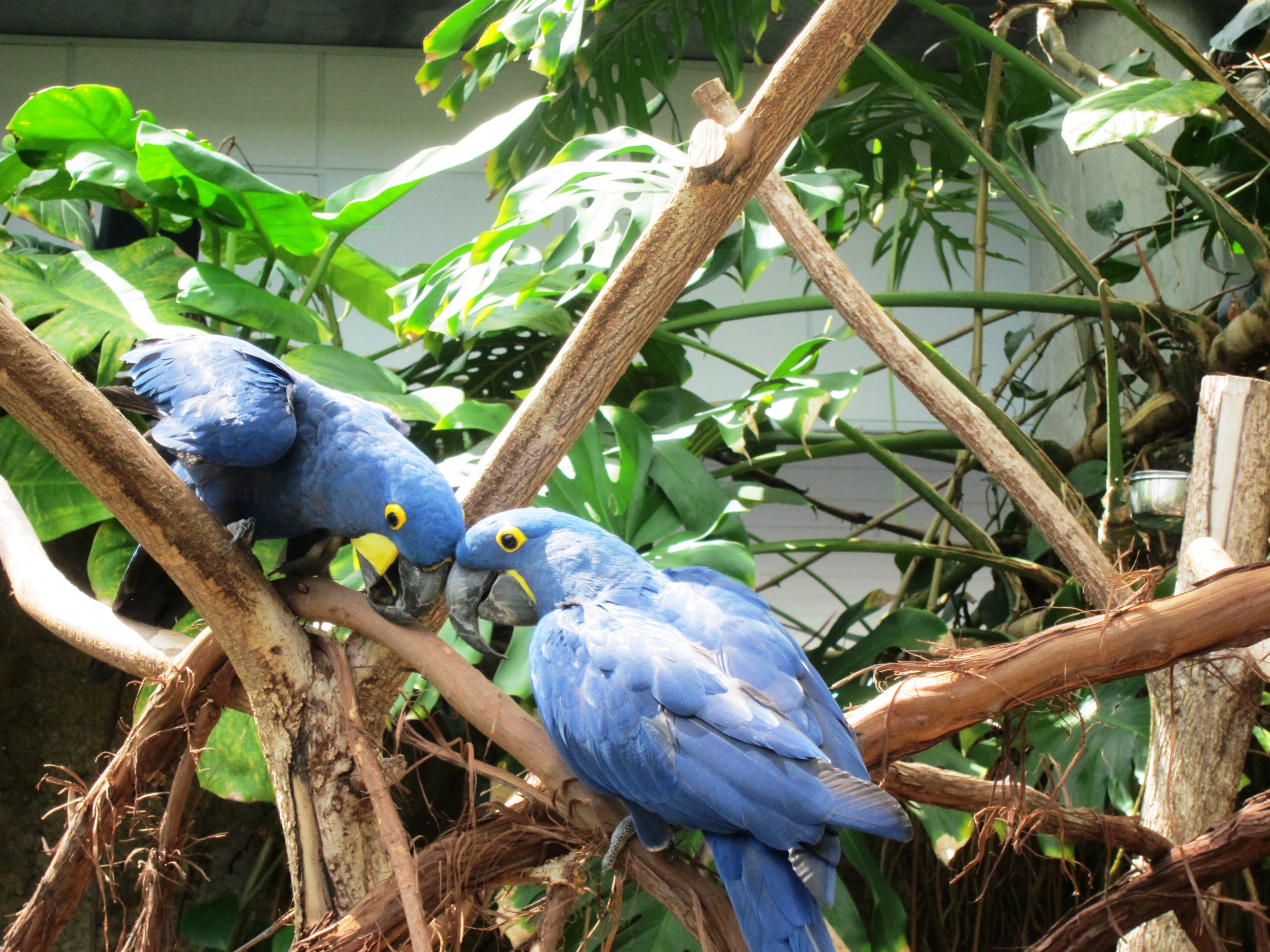
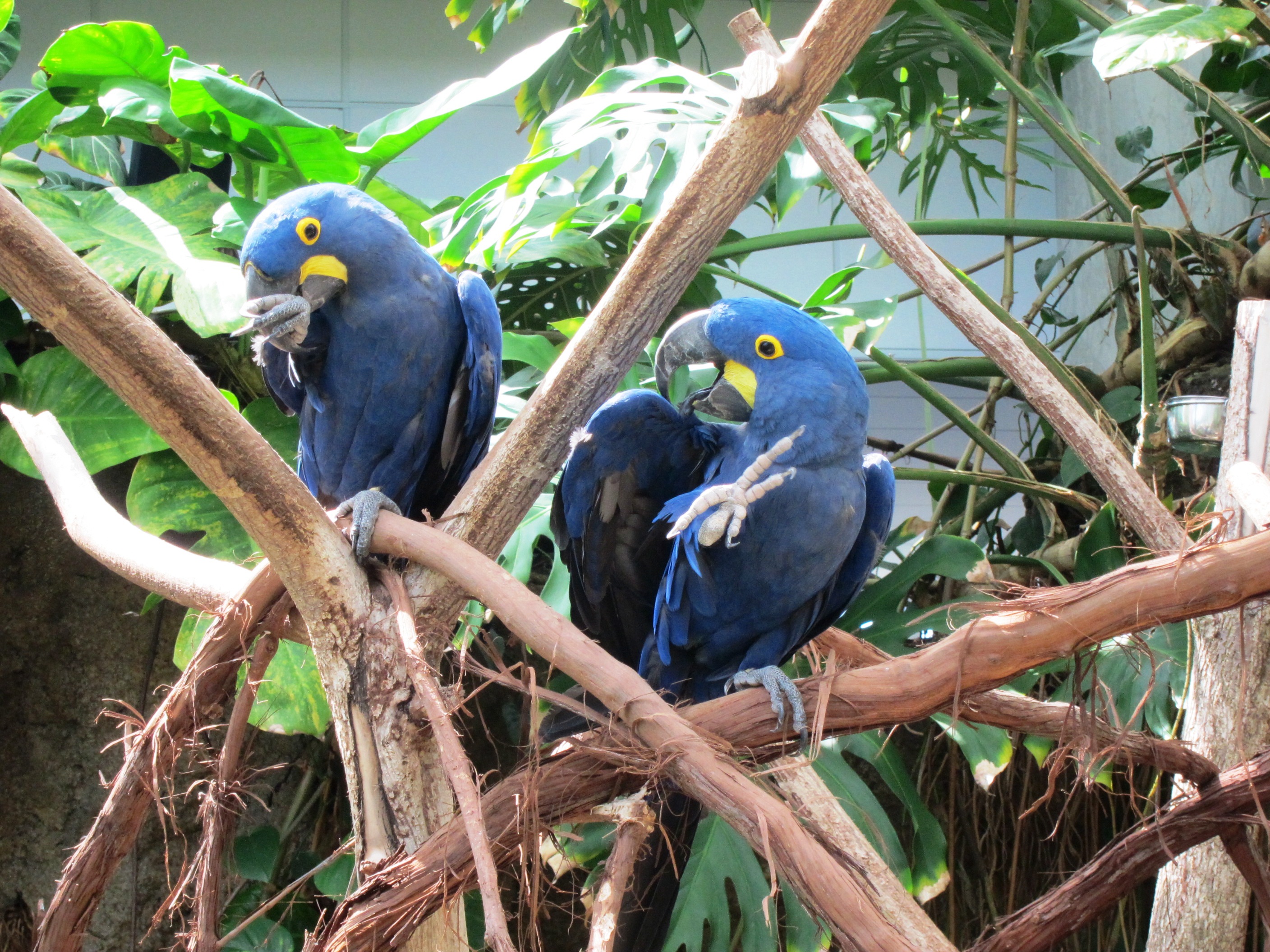
Then we found a pair of Hyacinth Macaws! These beautiful big blue birds were so much fun to watch! We stood there for a good 15 minutes or so watching their antics!

upside down!


It’s the pair!


Our favorite shot of the day! Bonk!
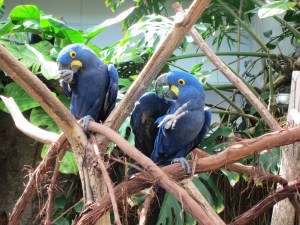
 

So pretty!


These gorgeous birds are the largest flighted parrot on the planet!

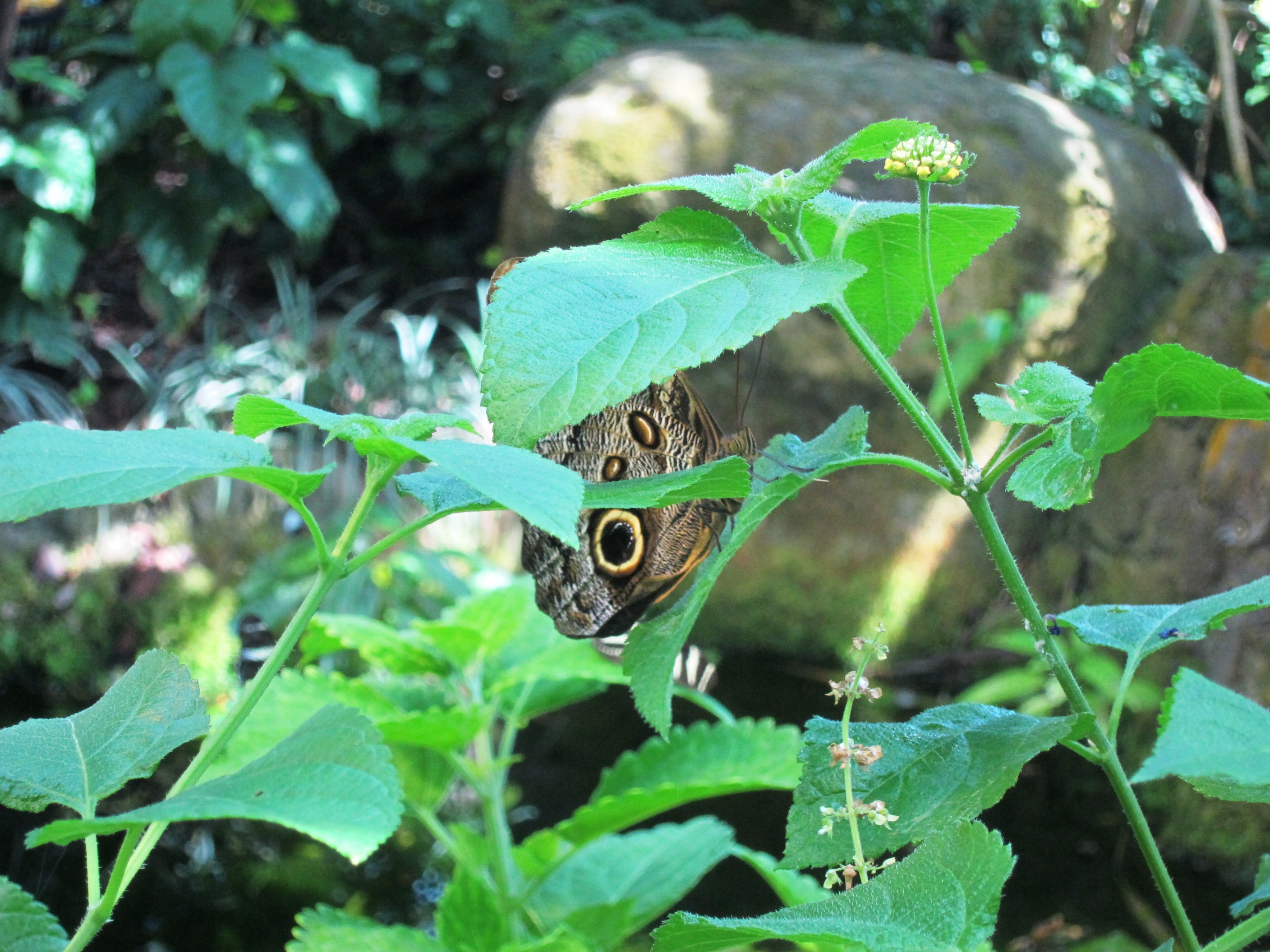
We then stumbled into the butterfly habitat! Edmond was excited because he just loooves butterflies! We had a hard time getting pictures of these insects as they fly away so very fast. But it was so fun to find them.

Do you see the butterfly?

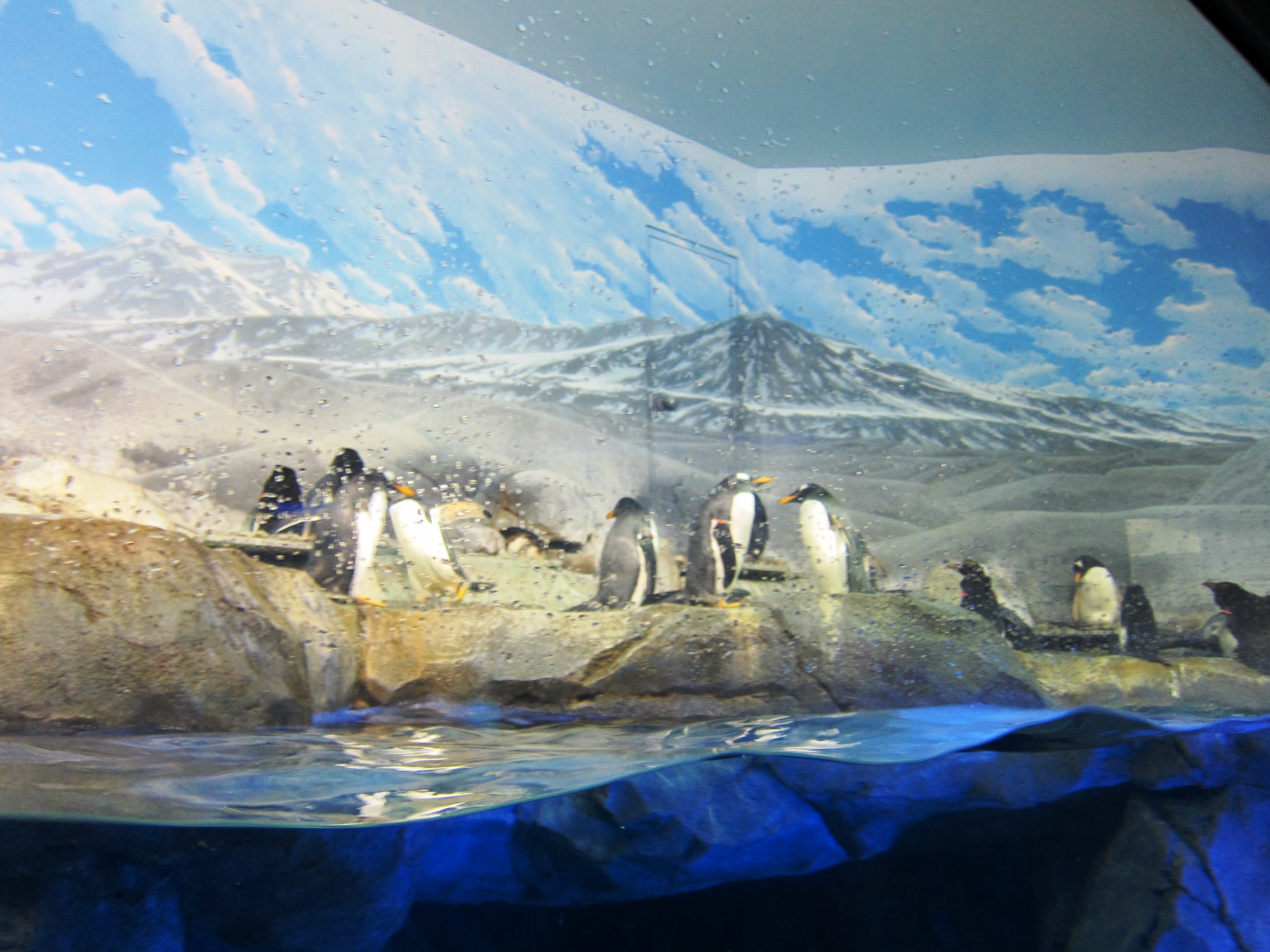
As we headed out of the warm, humid habitat that the butterflies live in, we began to get colder. Yep, we were getting close to the penguin habiat! The aquarium has gentoo and macaroni penguins and they are so cute! They were getting ready for breading season and gathering rocks to make nests. The penguins are very picky about the rocks they choose and work very hard to make the nests! Be careful though, penguins have been known to steal other penguin’s rocks!
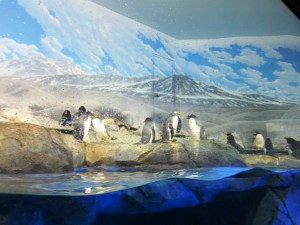
Penguins!

He’s getting a rock to build a nest!


We finally went off in search of sharks!
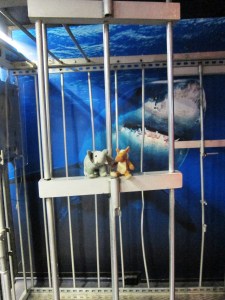
Thanks goodness we found a shark cage!

And we were in luck, because they have them at the aquarium! Too bad we couldn’t get a photo of them, but they have to keep swimming in order to breathe.

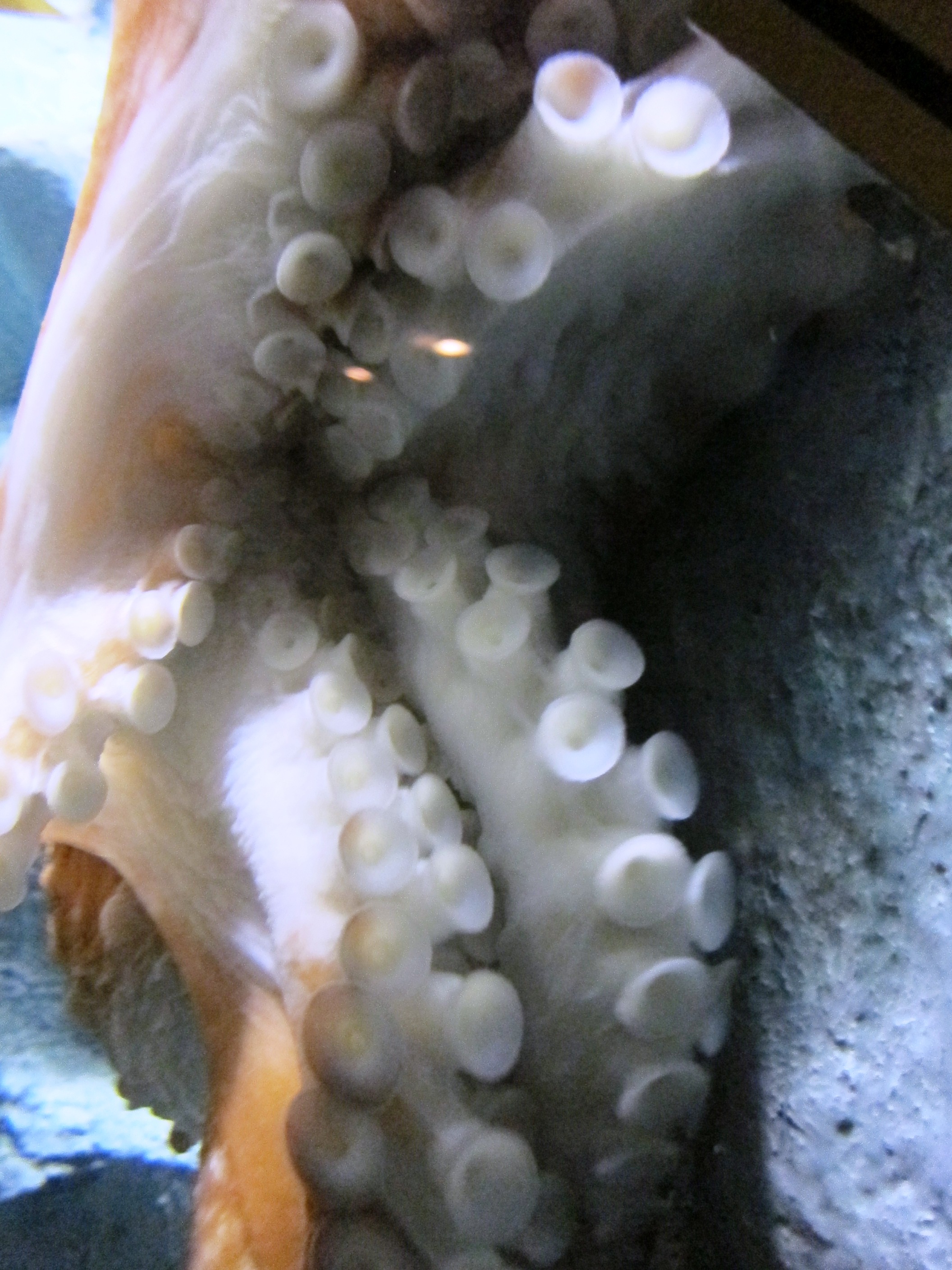
So it was off to meet some cephalopods! We chilled out and watched the octopus for a while! He was very active and just fascinating!

Octopus!


Look at those suckers!


Ooooo…


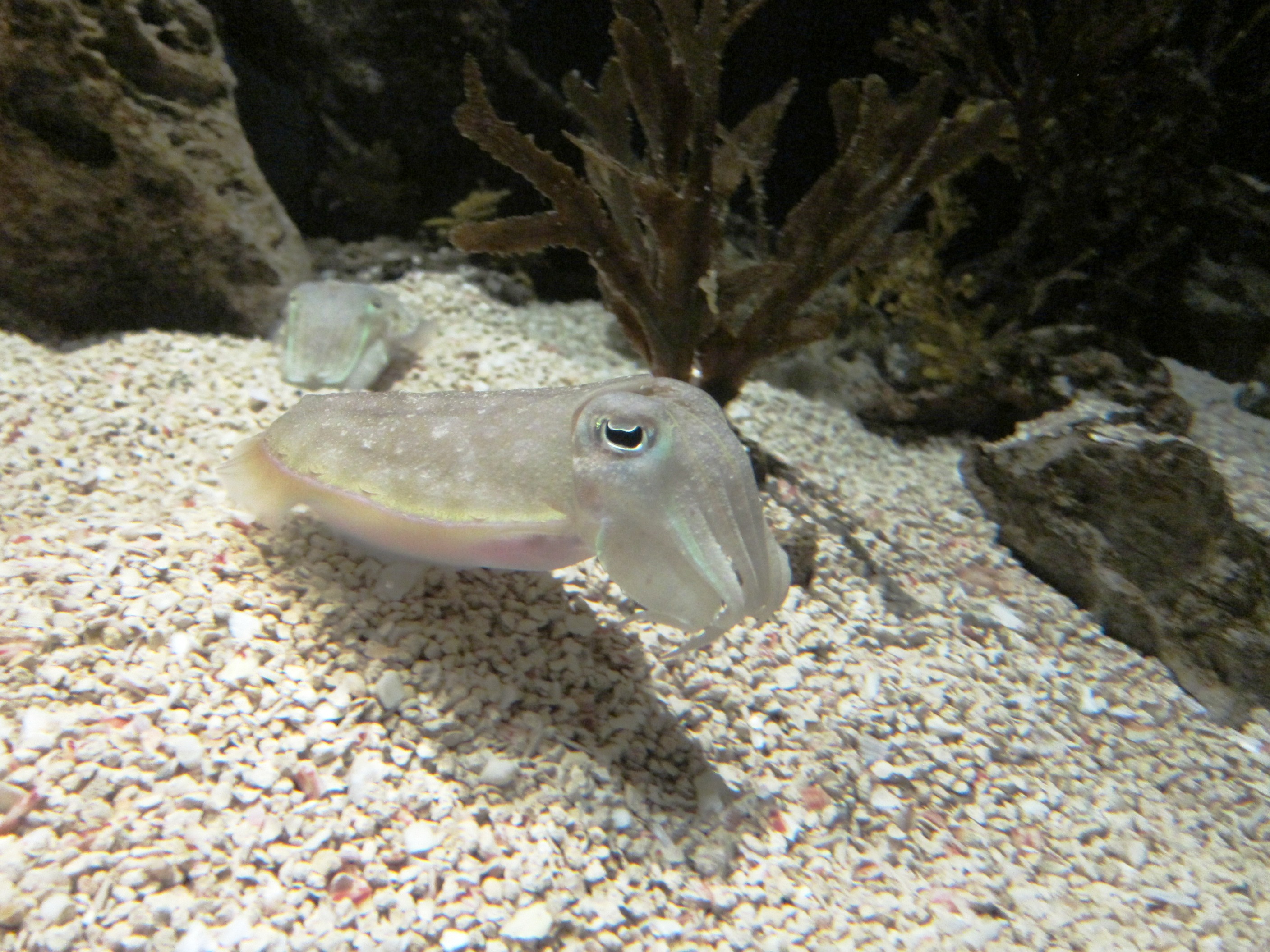
We wanted to cuddle with the cuttlefish we saw, but they weren’t up for it. Oh well, maybe next time.
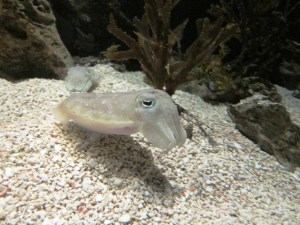
Hello cuttlefish!

As we made our way out, we stopped for a photo op!

It feels like we’re in the ocean!


Our last stop of the day was at the IMAX theater where we saw a movie about coral reefs!

Lobby of the IMAX theater! We have but one world to share!

Coral reefs are one of the most amazing habitats on the planet! It made us want to go snorkeling immediately!


We had an amazing time at the Tennessee Aquarium! If you’re ever in Chattanooga, you have to go there! They do a great job with their exhibits, their animals and their conservation message!

On our way home! We had a great day!


Categories: adventure, amphibians, Animals, Children, education, Environment, fish, Local, nature, oceans, octopus, penguins, rivers, science, turtles, wildlife | Tags: , , , , , , , , , , | 1 Comment

FEATHERY FRIDAY # 41

FEATHERY FRIDAY# 41

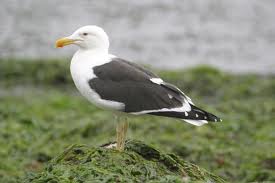
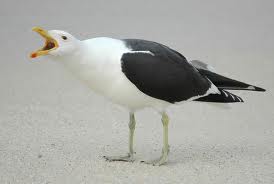
Today’s feathery friend lives all over the world in the Southern Hemisphere, so we chose to jet over to New Zealand to find them. Grab your beach blankets and sunglasses and let’s take a picnic out to meet this bird!

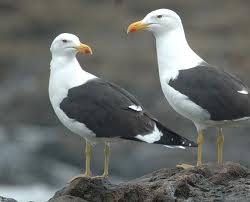
MEET THE KELP GULL!

   Range/Habitat: South America-South Africa-New Zealand-Australia/

oceans-coastlines

   Diet: Omnivore: invertebrates, birds, fish

   Length/Weight: 21 ½-26”/2- 3 ½ lbs

   Conservation Status: common


Fun Facts:

  • Kelp gulls are large coastal birds.
  • They have black backs and wings and a white body and head.
  • Kelp gulls are also known as the Dominican gull.
  • They are one of the most widespread gulls in the Southern Hemisphere.
  • Both the female and males take care of the chicks.

We think Kelp gulls are great. They are so fancy in their black and white feathers.  Do our readers ever talk to gulls at the beach?


Categories: Animals, birds, Children, education, Environment, nature, oceans, science, wildlife | Tags: , , , , , , , , | Leave a comment

WATERY WEDNESDAY # 41

WATERY WEDNESDAY# 41

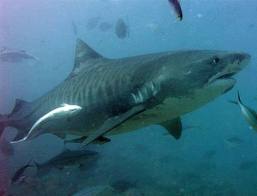
We’re taking the submarine today, because we’re off in search of one the ocean’s top predators. There’s plenty of room everyone, so hop in and let’s see if we can find this fish with a mammal’s name! You ready?

MEET THE TIGER SHARK!

   Range/Habitat: Tropical-sub tropical oceans worldwide/ coastal-

open waters

   Diet: Carnivore: fish, invertebrates, mammals, birds

   Length/Weight: 18-25 ft/ 1,900 lbs plus

   Conservation Status: near threatened


Fun Facts:

  • Tiger sharks are considered to be an aggressive shark.
  • Tiger sharks have stripes that may disappear when they are adults.
  • They are nocturnal hunters.
  • Tiger sharks have large tails used for speed!
  • They have large blunt heads.
  • Tiger sharks are known to go into brackish water (a mix of fresh and salt water) habitats, such as estuaries and river mouths.
  • They are known to eat almost eat anything.


We sure are glad we have the sub to watch these mighty predators. People are always so afraid of sharks, but they really aren’t terrible animals. Sharks are beautiful & powerful animals. They’re a very very important part of the ocean ecosystem, so let’s keep them there!
 

Categories: Animals, Children, education, Environment, fish, nature, oceans, science, sharks, wildlife | Tags: , , , , , , , , , | 2 Comments

WATERY WENESDAY # 40

WATERY WEDNESDAY# 40

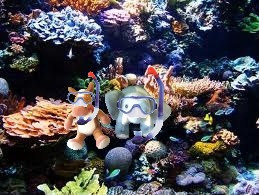
We’ve got on our snorkeling gear and we’re taking a dip in the Western Pacific to find a brightly colored fish, who has a great relationship with another sea creature! Do you have on your wetsuit? Let’s dive in!
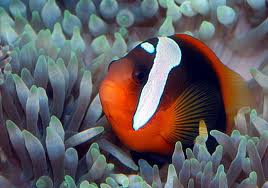
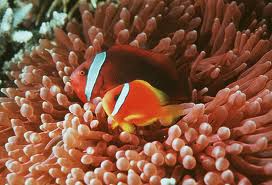
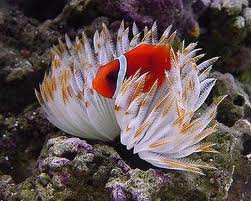
MEET THE TOMATO CLOWNFISH!

   Range/Habitat: Western Pacific/coral reefs

   Diet: Herbivore: plankton, algae

   Length: 3- 5 ½”

   Conservation Status: Common


Fun Facts:

  • Tomato clownfish are also known as bridled or red clownfish.
  • They among an anemone.
  • Tomato clownfish are immune to the stings of the anemone because of mucus they produce.
  • Usually a family of tomato clownfish occupies an anemone.
  • If the tomato clownfish leaves its anemone it must reestablish its immunity with brief contact.
  • They usually prefer purple anemones.
  • Female tomato clownfish are usually larger than the males.

We bet you didn’t know there were other kinds of clownfish in the world did you? It’s all about Nemo… Well these little tomato clownfish deserve some love too!


Categories: Animals, Children, education, Environment, nature, oceans, science, wildlife | Tags: , , , , , , , , | Leave a comment

AMERICAN ANIMALS DAY # 4

AMERICAN ANIMALS WEEK DAY # 4

We hope everyone had a lovely holiday yesterday and for those of you in other countries, we hope you had a nice WednesdayJ! We’re taking the RV to the California coast to meet a vocal and social mammal today! Grab your wetsuits because the water is cold!

MEET THE CALIFORNIA SEA LION!

   Range/Habitat: Western US-Galapagos islands/ oceans-coastlines

   Diet: Carnivore: fish, squid

   Length/Weight: up to 7 ¾ ft/ 610-860 lbs

   Conservation Status: common


Fun Facts:

  • California Sea lions are large and have a thick layer of blubber.
  • They live in large groups with a dominate male and numerous females.
  • California sea lions are very social and very vocal.
  • They are faster than any other member of the seal or sea lion family and can swim up to 25 mph.
  • California sea lions can rotate their rear flippers.
  • California sea lions can stay under water for up to 10 minutes.
  • Male California sea lions are larger and dark brown, whereas the females and juveniles are tan.
  • They can live up to 30 years.

We just love California Sea lions! They are so full of personality and smarts! We even met a one who knew to stick out his tongue! Do you love sea lions too? Here’s a great video of some divers swimming with them!


Categories: american, Animals, Children, education, Environment, mammals, nature, oceans, science, wildlife | Tags: , , , , , , , , , | 2 Comments

Blog at WordPress.com.