
SUPER SURPRISE THURSDAY # 61
Read the clues, Guess the Animal and Share your Answer!
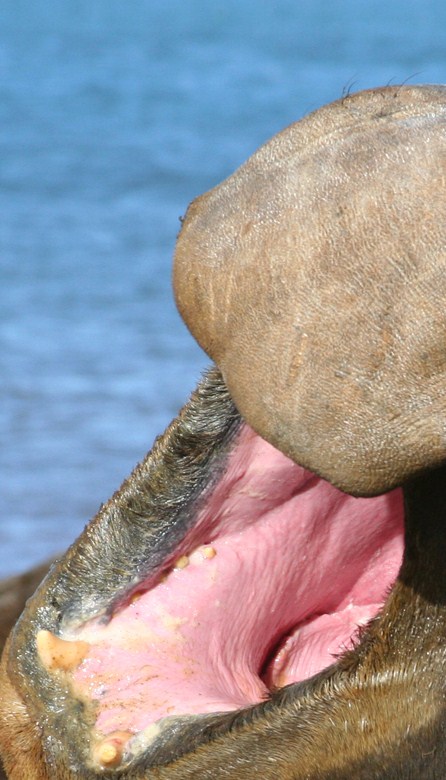
- I live near Antartica.
- I live in a colony.
- I have a large nose and it gives me my name!
Who Am I?
SUPER SURPRISE THURSDAY # 61
Read the clues, Guess the Animal and Share your Answer!
Who Am I?
INTERNATIONAL POLAR BEAR DAY!
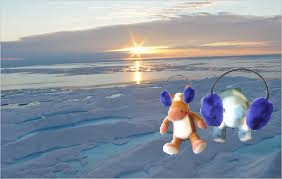
We’re celebrating one of favorite marine mammals on this very special day! These majestic bears call the icy arctic their home. We’re going to share some photos and fun facts about polar bears, as well as some great resources to help these bears as their snowy home disappears.

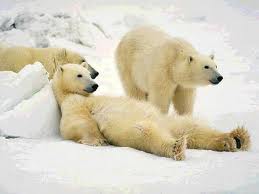
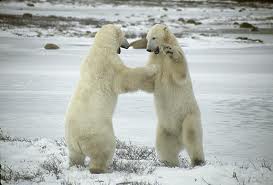

Polar bears are endangered, mainly from habitat loss, as the arctic ice is melting. We can help these fabulous bears! You can adopt a bear (they won’t live at your house), you can donate to organizations that work with polar bears or you can learn what you can do at home to help. Check out Polar Bears International and One World One Ocean.
We love polar bears and we’ll definitely be working to make sure they are around for long time to come!
HAPPY INTERNATIONAL POLAR BEAR DAY!

AMPHIBIAN TUESDAY # 61
Road Trip! It’s that special Tuesday when meet an amphibian instead of a reptile! So we’re off to the Northeastern United States today to meet this super cool animal! Are you ready?
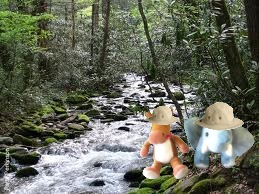
MEET THE MUDPUPPY!
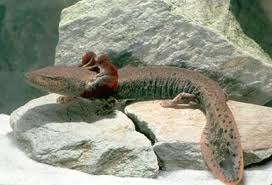 Range/Habitat: South Canada-Eastern USA/ wetlands, rivers
Diet: Carnivore: aquatic animals
Length: 11 ½-19 ½”
Conservation Status: common
Fun Facts:
Mudpuppies are such crazy looking animals with their funny looking gills. Amphibians are so amazing and they come in all sizes and shapes!


MAMMAL MONDAY #61
Are you ready for a new adventure today? We’re going to Africa today to meet a small, cute but stinky little mammal! Grab your safari gear and let’s head out!
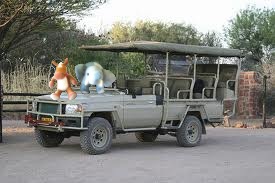
MEET THE AFRICAN STRIPED WEASEL!
 Range/Habitat: Central-South Africa/grasslands
Diet: Carnivore: mice, rodents
Length/Weight: 10-14”/8-13 oz
Conservation Status: common
Fun Facts:
These weasels look like the African version of the skunk! We’ll admire them from a distance in order to not catch a whiff of their defensive spray!

FEATHERY FRIDAY #60
It’s Feathery Friday and we’re heading to Utah to meet bird who is a real hoot! Haha! You won’t need your night goggles to meet this owl because they come out during the day!

MEET THE SHORT EARED OWL!
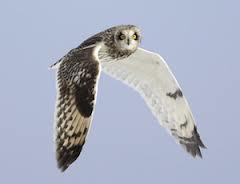 Range/Habitat: North America-South America-Europe-Asia-Africa/
wetlands, grasslands
Diet: Carnivore: mice, voles
Length/Weight: 14 ½”/ 7-18 oz
Conservation Status: common
Fun Facts:
It is so awesome to see an owl out during the day! Often we only hear owls at night and we don’t see them, so it’s a real treat to see one! Whoooo doesn’t love owls day or night?


SUPER SURPRISE THURSDAY # 60
Are you ready to guess the animal?

WHO AM I?
REPTILIAN TUESDAY # 60
It’s that most wonder day where we meet a reptile and we’re going to Southeast Asia to meet a small and cute lizard! Who’s ready to meet….?

MEET THE GARDEN LIZARD!
 Range/Habitat: Western-Eastern South Asia/ farmland, urban
Diet: Omnivore: insects, small animals
Length: 12-14”
Conservation Status: common
Fun Facts:
We sure wouldn’t mind having these little Garden lizards in our garden! They really can help keep the insect population in check and that can be good for your plants!
MAMMAL MONDAY #60
We are off to meet a mammal who lives in a watery habitat in South America! So hop aboard our boat as we float down a river to find one cool mammal!

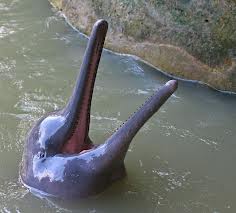
MEET THE GREY RIVER DOLPHIN!
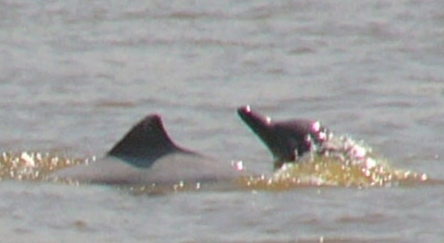 Range/Habitat: Central America-Northern South America/rivers,
estuaries, coasts
Diet: Carnivore: fish, squid
Length/Weight: 4 ½-6 ½ ft/ 77-88 lb
Conservation Status: data deficient
Fun Facts:
Grey river dolphins are amazing animals! Did you know that there were dolphins that live in rivers? We had no idea! We continue to be surprised by all the different animals on our planet!

FEATHERY FRIDAY #59
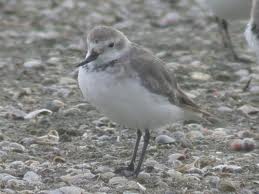
We’re jumping on a plane and heading to New Zealand to meet a one of kind bird on this fine Feathery Friday! Are you ready for an adventure down under?
MEET THE WRYBILL!
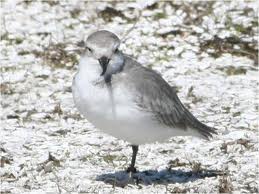 Range/Habitat: New Zealand/rivers-estuaries
Diet: Carnivore: insects, insect larva
Length/Weight: 7.9-8.3”/ 1.5-2.5 oz
Conservation Status: vulnerable
Fun Facts:
These funny little birds are so neat! You must get up close to see their unusual sideway bent beaks! We sure do love meeting such amazing birds!

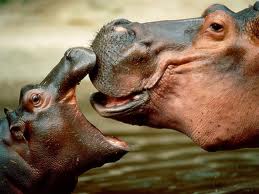
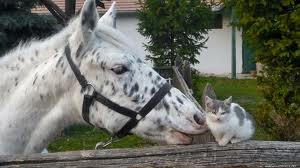
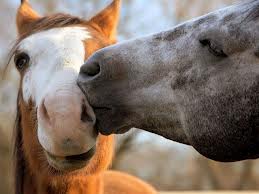
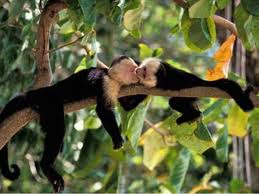
HAPPY VALENTINE’S DAY EVERYONE!
Today we are sharing some love- the love of animals with you! Have a great day!










 The Adventures of Ellie and Edmond