Posts Tagged With: science

THREE CHEERS FOR TAMANDUAS!

THREE CHEERS FOR TAMANDUAS!

tamandua

We love Tamanduas yes we do! We love Tamanduas- how bout you? For World Tamandua/Anteater! We’re celebrating our Professor Tamandua with a cheer! Edmond got his pom poms out and he’s cheering on tamanduas!

IMG_5727

GIVE US A T!

Tamanduas live in South America.

IMG_5724

GIVE A US AN A!

Anteaters- tamanduas are also called lesser anteaters.

IMG_5726

GIVE ME A M!

Mounds- tamanduas love termites! They use their large claws to dig in to termite mounds!

IMG_5724

GIVE ME AN A!

A tamandua has a sturdy prehensile tail.

IMG_5725

GIVE ME A N!

NO TEETH- Tamanduas have no teeth. They have a 16″ long tongue they use to eat ants and termites!

IMG_5728

GIVE ME D!

DARK- Tamanduas are nocturnal.

IMG_5729

GIVE ME A U!

UP IN THE TREES- Tamanduas are arboreal! They live in trees, but forage for food on the ground.

IMG_5724

GIVE ME AN A!

A STINKER- Tamanduas have a strong odor to help protect them from predators! They are called the stinkers of the forest!

What’s that spell? TAMANDUA! We love our dear professor and we hope you love tamanduas as much as we do!
Categories: adventure, Animals, Children, conservation, education, Environment, mammals, nature, science, wildlife | Tags: , , , , , , , , , | Leave a comment

GIVE THANKS TO MANATEES!

GIVE THANKS TO MANATEES!

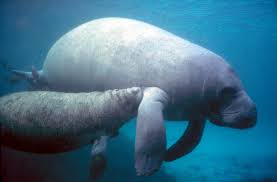
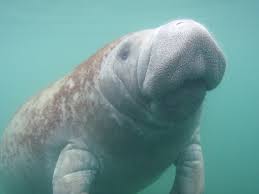
November is Manatee Appreciation Month and we’re giving thanks to these gentle creatures today with fun fact and pictures! Who else wants to smooch those sweet faces?

manatee3

  • Manatees are also called sea cows. These sea cows are distance relatives of Ellie’s!
  • They live in coastal waters and rivers in Southern Coastal United States, South America and Western Africa. There are 3 species of manatees.

IMG_0218

  • They have strong flat tails they use to swim!
  • Their nostrils sit on top to help them breathe air.
  • Manatees are herbivores. They eat algae and grasses.
  • They can eat 1/10th of their weight in a day.

IMG_5615

  • They can weigh up to 1,300 lbs.
  • These slow swimmers have very little blubber to keep them warm. They must stay in waters above 68 degrees to survive.
  • Manatees are endangered, due to pollution- getting caught in trash, hunting and boating accidents.

manateemanatee2


We know we appreciate manatees and we sure hope you do too! Let’s give thanks by keeping our oceans and waterways clean!

Categories: adventure, Animals, Children, conservation, education, Environment, mammals, nature, oceans, science, wildlife | Tags: , , , , , , , , , , | 2 Comments

HOLIDAY DONATION DRIVE!

HOLIDAY DONATION DRIVE!

IMG_5608

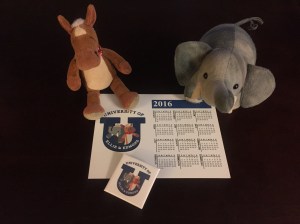
Hello everyone! We are so excited to announce our Holiday Donation Drive! Last year we sold calendars with the proceeds going to the David Sheldrick Wildlife Foundation!

This year we have magnetic mini calendars, buttons and bookmarks and we’ve added a second charity!

Yesterday, the San Diego Zoo announced that Nola, one of the last 4 northern white rhinos passed away, leaving 3 left in the world! The San Diego Zoo Global Wildlife Conservancy is working to save rhinos and they are building a sanctuary in Africa.

Front of the bookmark

Front of the bookmark

Back of Bookmark

Back of Bookmark


So here’s how it works:

If you donate $10 to either organization you will get two bookmarks and a button.

If you donate $15 to either organization you will get a calendar.

If you donate $20 to either organization you will get a calendar, button and one bookmark.

You can take a screen shot of your donation or emailed receipt and tweet it to us and email to us at ellandedmond@gmail.com!

Once you do that- we’ll mail you your goodies! Let’s help our orphan elephants and rhinos!

Categories: adventure, Animals, Children, conservation, education, Environment, mammals, nature, science, wildlife | Tags: , , , , , , , , | Leave a comment

A WHALE OF A TRIP!

A WHALE OF A TRIP!

e e boat

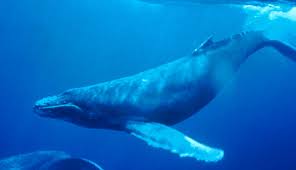
We headed to Monterey California in October and went on a whale watching trip! We spotted the famous Humpback whale! These gorgeous giants make the longest migration of any mammal on earth! Some populations travel farther than others, so let’s all learn more about these cetaceans!

 IMG_0884

  • Humpback whales live in oceans all over the world.

IMG_0194

  • Humpback whales are baleen whales. They eat small prey like krill, plankton and small fish.
  • They are listed as least concern by the IUCN. Some populations like the one we saw in Monterey Bay had been decimated at one time!
  • They are 48-63 feet long and can weigh up to 40 tons.
  • Male humpback whales sing songs! These can be heard over great distances and can go on for hours! These haunting sounds make us wish we could speak whale!
  • Some populations head to waters near the poles where food is abundant in the summer and then migrate to warmer waters to calve. This migration can be as long as 1
  • Humpback whales are thought to live around 80 years.

IMG_5538

  • Humpback whales have two v-shaped blowholes on top of their head.
  • Females tend to be bigger than males.
  • Humpback whales have long pectoral flippers that are 1/3 of their body length.
  • Humpback whales have tubricales (bumps) on their head. These are unique to them and contain hair that may act like whiskers on a cat!

humpback2humpback


Humpback whales are amazing gentle giants! We had such fun looking for their tale-tail spouts when they came to the surface to breath! We saw some pectoral flipper slaps and several flukes!

Categories: adventure, Animals, Children, conservation, education, Environment, mammals, nature, oceans, science, wildlife | Tags: , , , , , , , , , , | 1 Comment

GOING THE DISTANCE!

GOING THE DISTANCE

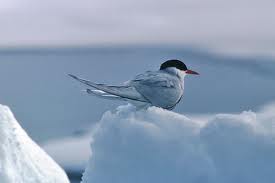
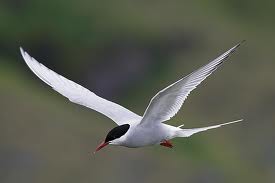
We’re off to the Arctic circle to meet one of the most amazing birds on the planet! These birds have one of the longest migrations on earth! Grab your coat and let’s meet this long distance flyer!

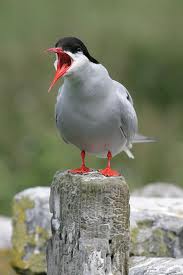
MEET THE ARCTIC TERN!


Fun Facts:

  • Arctic terns have one of the longest migrations of any bird on the planet.
  • Arctic terns are listed as common by the IUCN. They live in the Arctic and Antarctica near or over the oceans.

IMG_0213

  • They can fly 10,000-12,000 miles twice a year.
  • They are 13-14″ long and weigh 3-4 oz.
  • Arctic terns spend most of their lives in daylight.
  • They nest in Antarctica in the summer.

IMG_5531

  • Arctic terns dive for their food, fish and crustaceans.
  • They can live up to 20-30 years.

Wowzers! We get tired just thinking about all the flying these amazing birds do in a year! Can you imagine? Our legs are tired just thinking about it!


Categories: adventure, Animals, birds, Children, conservation, education, Environment, nature, science, wildlife | Tags: , , , , , , , , , | Leave a comment

WE SPY!!

WE SPY!!

FullSizeRender

We Spy with our four little eyes an animal who lives in the ocean and migrates to cold waters to feed and then travels for 4 months to breed in warm waters. These large mammals are bigger than you can imagine! Who do we spy?

wespy

Categories: adventure, Animals, Children, conservation, education, Environment, nature, science, wildlife | Tags: , , , , , , , , , | Leave a comment

SCIENCE WORD OF THE WEEK!

SCIENCE WORD OF THE WEEK!

swow migration

Hello and welcome to another fabulous class on this fine Monday! I have a great word for today and Ellie and Edmond will be meeting some great animals this week!

Today’s word is Migration: movement of an animal from one location to another location far away. Migrations usually take place seasonally and can depend on weather, resources such as food or mating. Migration much take place annually or seasonally.  Mammals, insects, birds, fish, reptiles and amphibians all migrate.

Categories: adventure, Animals, Children, conservation, education, Environment, nature, science, vocabulary, wildlife | Tags: , , , , , , , , , | Leave a comment

WE SPY!!

WE SPY!

FullSizeRender

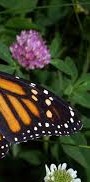
We Spy with our four little eyes a little insect that loves nectar! They are famous for their migration!

we spy

Categories: adventure, Animals, Children, conservation, education, Environment, nature, science, wildlife | Tags: , , , , , , , , | Leave a comment

SCIENCE WORD OF THE WEEK!

SCIENCE WORD OF THE WEEK!
swow nectarivore

Hello students! Welcome to class everyone! Who’s ready to learn today’s word? I have a great one for you!

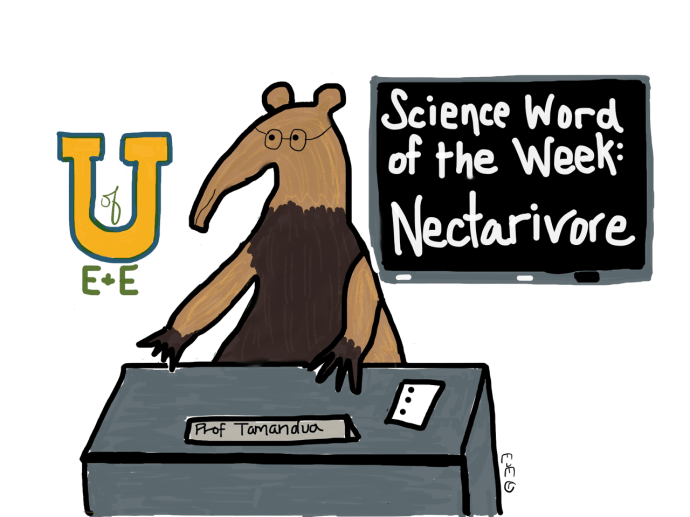
Today’s word is: Nectarivore is a animal whose diet primarily consists of nectar. Nectarivores include mammals like bats, insects like butterflies and birds like hummingbirds.  Ellie and Edmond are going to meet some nectarivores this week, so stay tuned!

Categories: adventure, Animals, Children, conservation, education, Environment, nature, science, vocabulary, wildlife | Tags: , , , , , , , , , | Leave a comment

LEMUR MANIA- PART 2

LEMUR MANIA- PART 2

We’re super excited for Lemur Mania- Part 2!!

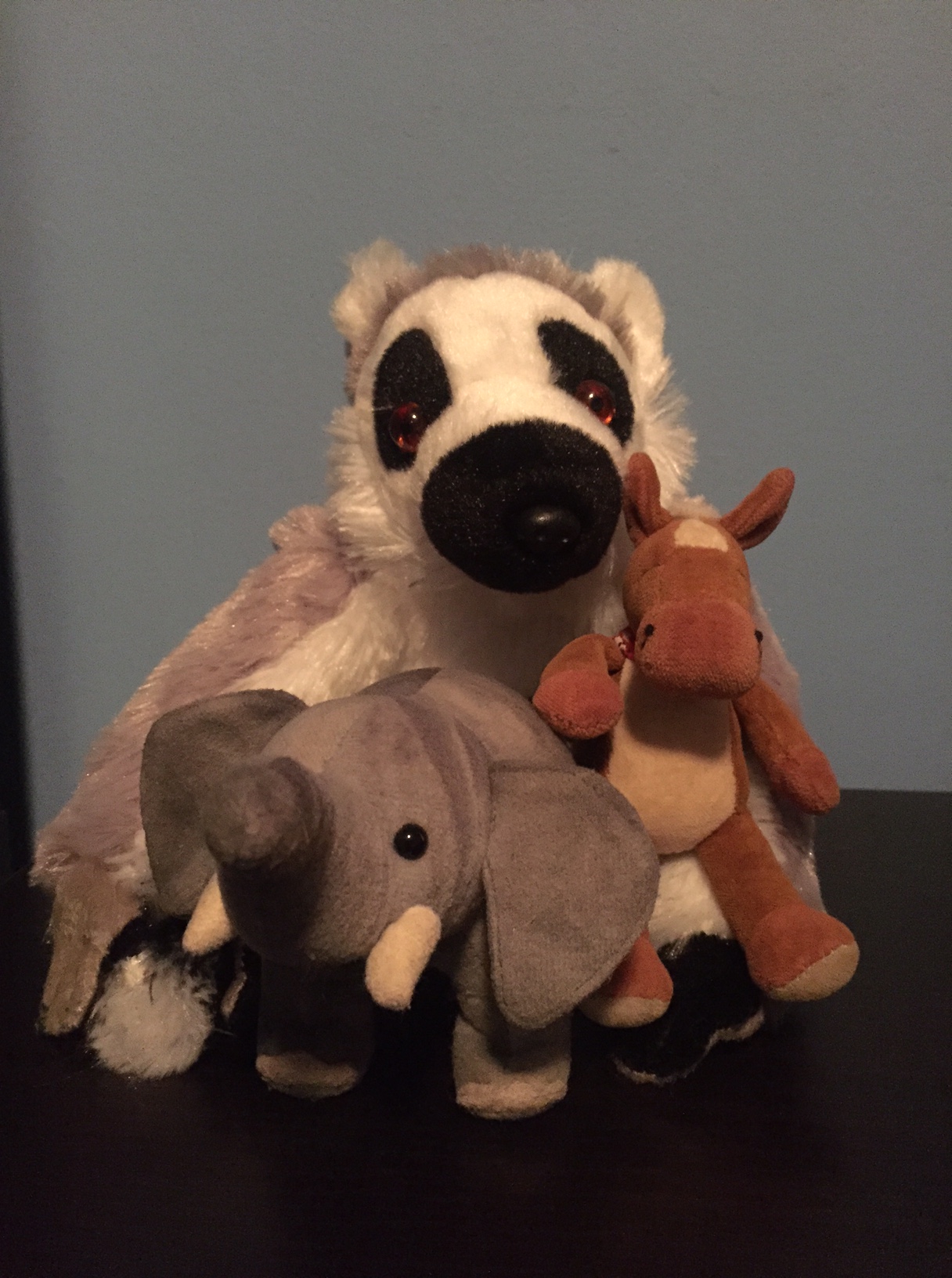
IMG_5365This is our pal Less the Ring Tailed Lemur!

lemur8All lemurs, like this Diademed Sifaka live on the island of Madagascar on the east coast of Africa.

indriThe Indri is the largest species of lemur!

crowned lemurEach species of lemurs occupy a different niche of Madagascar. This crowned lemur lives in the dry deciduous forest.

collard brown lemurThe Brown collared brown lemur is a frugivore.

black lemurThis is a female black lemur, the male is all black.  Not all species of lemurs have females and males that look different.

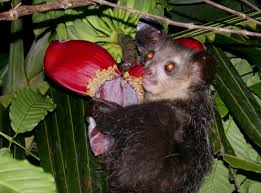
aye ayeThe Aye-Aye is one of the strangest looking lemurs. They are nocturnal and have long skinny fingers they use to get grubs out of the holes of trees!

Wow! The more we learn about lemurs the more amazed we are by them! From the cute to the bizarre looking, each species is special!

Categories: adventure, Animals, Children, conservation, education, Environment, mammals, nature, science, wildlife | Tags: , , , , , , , , , | Leave a comment

Blog at WordPress.com.