Posts Tagged With: science

SCIENCE WORD OF THE WEEK!

SCIENCE WORD OF THE WEEK!

swow herpetology

Happy Monday and welcome to the University today! We hope you are having a great day! I’m excited to share this week’s word with you! We’re learning another field of study word! Are you ready? Let’s do this!

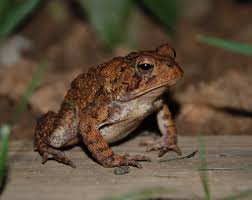
Today’s word is Herpetology: herpetology is the branch of biology that studies amphibians and reptiles. A herpetologists can study all of these or just amphibians or just reptiles. There area around 6,500 species of amphibians on earth and 9,500 species of reptiles! That makes for a huge amount of animals that can be studied! If you were a herpetologist what animal would you study?

turtletortoise

toad

snakesalamander

frog

Categories: adventure, amphibians, Animals, Children, conservation, education, Environment, nature, reptiles, science, wildlife | Tags: , , , , , , , , , , | 4 Comments

LEARN ABOUT BUTTERFLIES DAY!

LEARN ABOUT BUTTERFLIES!

butterfly2

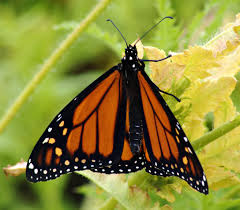
Today is Learn about Butterflies day! So who wants to learn about these amazing insects? We know we love them!

butterfly3

  • Butterflies are insects.
  • They have six legs, two antenna and a segmented body.

butterfly body parts

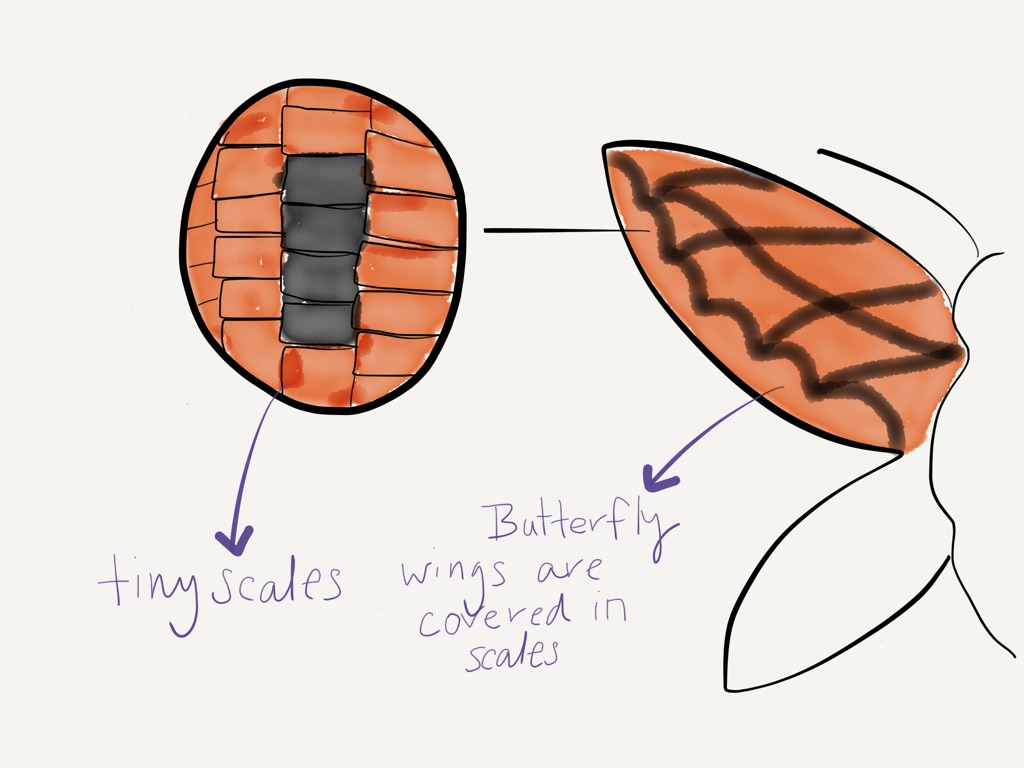
  • They have 4 wings. Those wings are covered in tiny scales.

butterfly scales

  • Butterflies have a 4 stage life cycle; egg, larva (caterpillars), pupa (chrysalis) and adult.
  • Female butterflies lay their eggs on plants.
  • Most caterpillars are herbivores, where as their adult form the butterfly is a nectar eater.
  • Butterflies use proboscis to eat the nectar.
  • There are around 20,000 species of butterflies.
  • Butterflies are found on all continents except Antarctica.

IMG_0703    IMG_0699


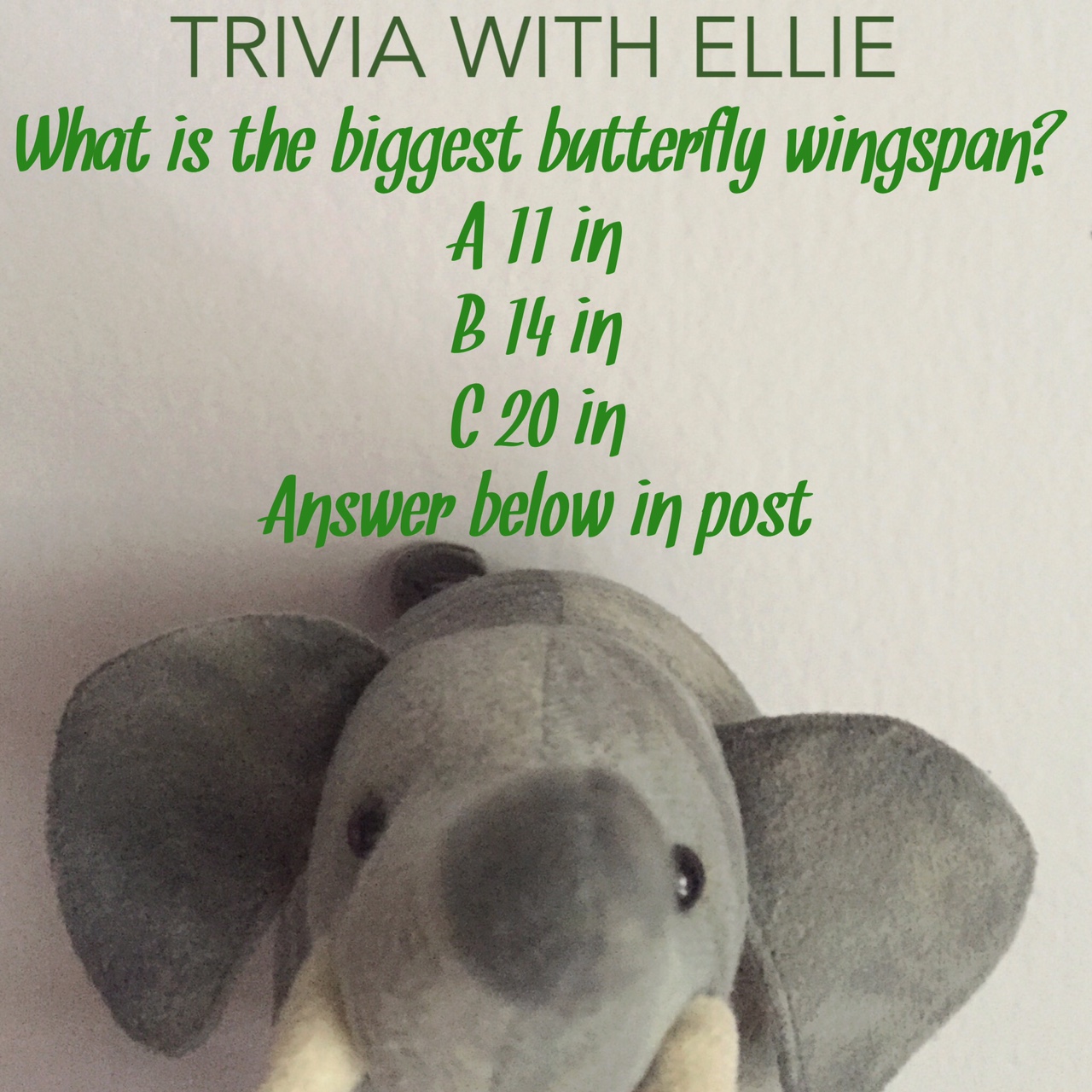
Trivia answer: 11 inches

Categories: adventure, Animals, butterflies, Children, conservation, education, Environment, nature, science, wildlife | Tags: , , , , , , , , | 4 Comments

LADYBUGS WE LOVE YOU! LADYBUGS WE LOVE YOU!

LADYBUGS WE LOVE YOU! LADYBUGS WE LOVE YOU!

ladybug3

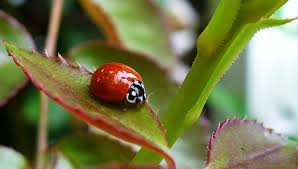
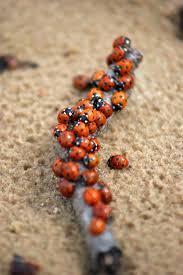
We love ladybugs, ladybirds or lady beetles as they are often called! Those brightly colored insects are so great to find in a  garden or on a window sill! But how well do you know ladybugs? Come learn some fun facts about them today!

ladybug2

Ladybug Fun Facts:

  • Ladybugs eat aphids! Aphids eat plants, so gardeners love to have ladybugs around!
  • There are around 5,000 species of ladybugs.
  • Ladybug bright colors ward off predators.
  • They secret a fluid from their knees that makes them taste bad to predators!
  • Ladybugs can consume thousands of aphids in a lifetime!
  • They can fly.
  • The number of spots on a ladybug’s back does not reflect it’s age.
  • Ladybugs are the official insect of 7 states in the US.
  • They are popular in books, graphics and logos.
  • Ladybugs are thought to be good luck!

7-Spotted Ladybug - Coccinella septempunctata

Ladybugs are so fascinating! Do you love these brightly colored insects as much as we do? Tell us why you like them!

Categories: adventure, Animals, Children, conservation, education, Environment, nature, science, wildlife | Tags: , , , , , , , , | 4 Comments

WE SPY!!

WE SPY!!

FullSizeRender

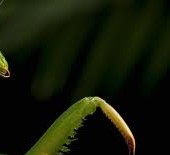
We spy with our four little eyes an insect! Can you guess which green predator we found?

guess

Categories: adventure, Animals, Children, conservation, education, Environment, nature, science, wildlife | Tags: , , , , , , , , | 4 Comments

SCIENCE WORD OF THE WEEK!

SCIENCE WORD OF THE WEEK!

swow entomology

Welcome to class today! I am so excited to share today’s word with you! Who’s ready to learn?

Today’s word is Entomology: entomology is the study of insects. An entomologist is a scientist who studies insects. There are over 900,000 insect species on the planet. They represent 80% of all species on earth. Wow! Insects do truly rule the earth and that means loads of creatures for an entomologist to study! If you were an entomologist what insect would you pick to study? I myself love butterflies!

Ellie and Edmond will be introducing us to some insects this week! Anyone you would like to meet?

bug4bug3

bug5

bug2bug

Categories: adventure, Animals, Children, conservation, education, Environment, nature, science, wildlife | Tags: , , , , , , , , | Leave a comment

NARWHALS! NARWHALS!

NARWHALS! NARWHALS!

narwhal ee

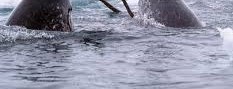
We visited our local aquarium the other day and we reminded how much we love the unicorns of the sea! These amazing creatures are often thought of as mythical creatures, but trust us they are not! Come learn all about them with us!


MEET THE NARWHAL!

   Range/Habitat: Arctic/Arctic Ocean

   Diet:  Carnivore: cod, mollusks, crustaceans

   Length/Weight: 13-20 ft/ 2000-3,500 lbs

   Conservation Status: Near Threatened


Fun facts:

  • The Narwhal is often called the unicorn of the sea.
  • They have the most northerly range of any mammal on the planet.
  • Narwhals have a modified upper incisor tooth that grows up to 9ft long.
  • This tooth looks like a horn. It grows through the upper mouth and is seen mostly in male Narwhals, but females can have small tusks.  Scientists aren’t completely sure what the purpose of the tusk is, but think it might be for attracting females.
  • The long tusk is made of ivory, just like an elephants tusks! Tusks are spiraled.
  • Narwhals have a thick layer of blubber, like other arctic animals that help keep them warm in the cold water.
  • Narwhals swim in groups called pods. Pods can include as many as 1000 individuals.
  • Narwhals are very communicative and use a wide range sounds, including clicks and whistles.
  • They suck food through their powerful lips and tongue.

Narwhals are amazing animals! They survive in very cold waters and grow this awesome long tusk that makes them look unique!  If you could pick a crazy adaptation like tusks what would it be? We’re still deciding on what we would like! Look for our narwhal Christmas ornament craft later this week too!

narwhal  narwhal2

Categories: adventure, Animals, Children, conservation, education, Environment, mammals, nature, science, wildlife | Tags: , , , , , , , , , | 2 Comments

WE SPY!!

FullSizeRender

We’re ready to share the animal we spy this week! We’re just leaving you the picture with no clue! Can you guess who we spy?

guess

Categories: adventure, Animals, Children, conservation, education, Environment, mammals, nature, science, wildlife | Tags: , , , , , , , , , | Leave a comment

WORLD WILDLIFE DAY!!

WORLD WILDLIFE DAY!

???????????????????????????????

Today is a day that has been designated to take stand for wildlife all over the planet! We here at Ellie and Edmond are committed to standing for elephants! You can take the pledge to stand for elephants at www.iworry.org .

This earth belongs to all of us and we must protect natural habitats and those that live there!

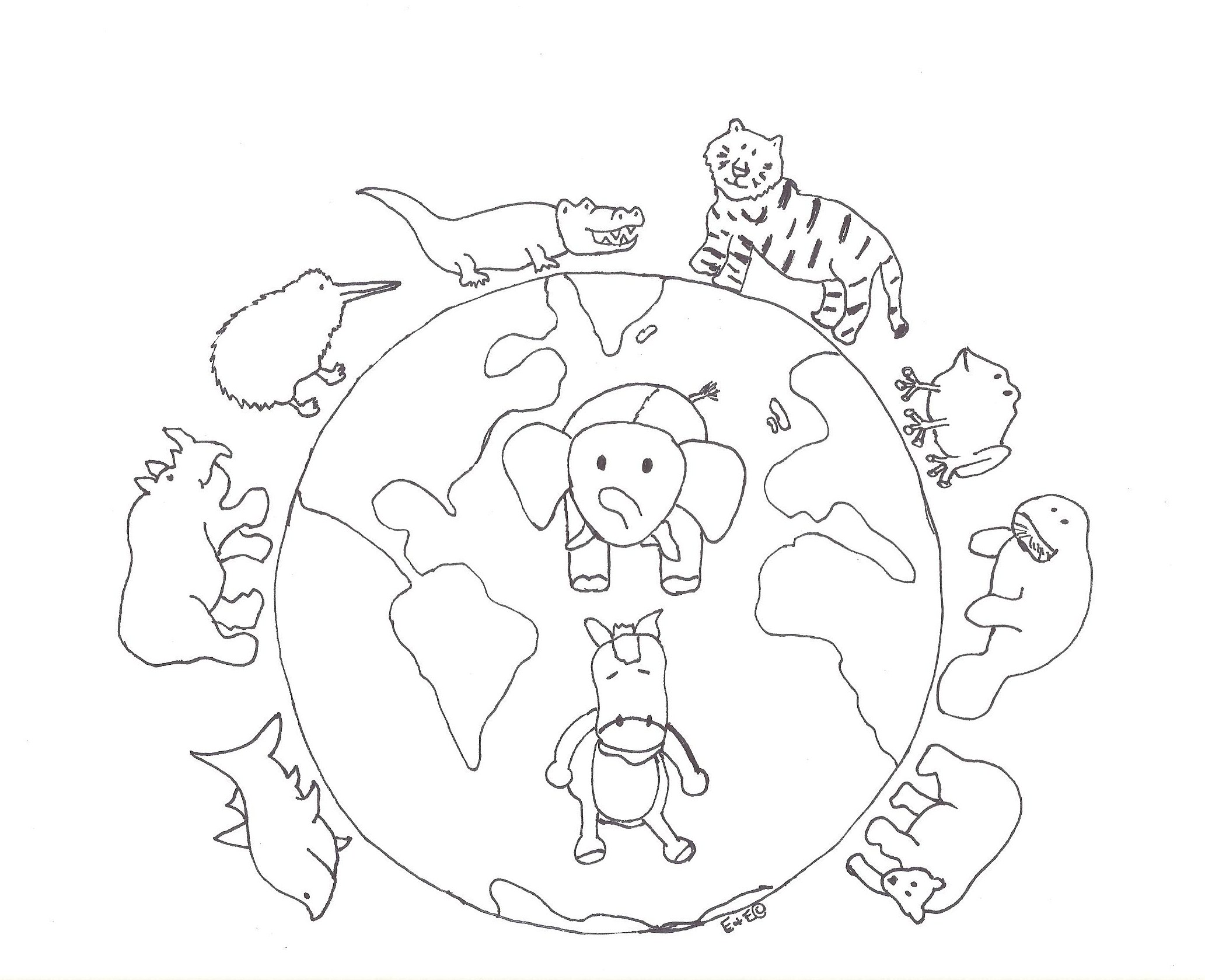
Join us in helping wildlife! Recycle all the materials you can! Reuse items like t-shirts for cleaning rags! Reduce the amount of waste you create! Every little bit helps! Read all about how these National Geographic Explorers are helping wildlife! Enjoy our coloring sheet and tell us how you are taking a stand for wildlife!

Remember: Tusks belong to elephants, horns belong on rhinos and fins belong to sharks!

Image

Categories: adventure, Animals, Children, conservation, education, Environment, nature, science, wildlife | Tags: , , , , , , , , | 1 Comment

SCIENCE WORD OF THE WEEK!

SCIENCE WORD OF THE WEEK!

swow conservation

Welcome to class everyone!! We’ve got a big week planned here at the University and today we’re starting off with a great science word for the week!

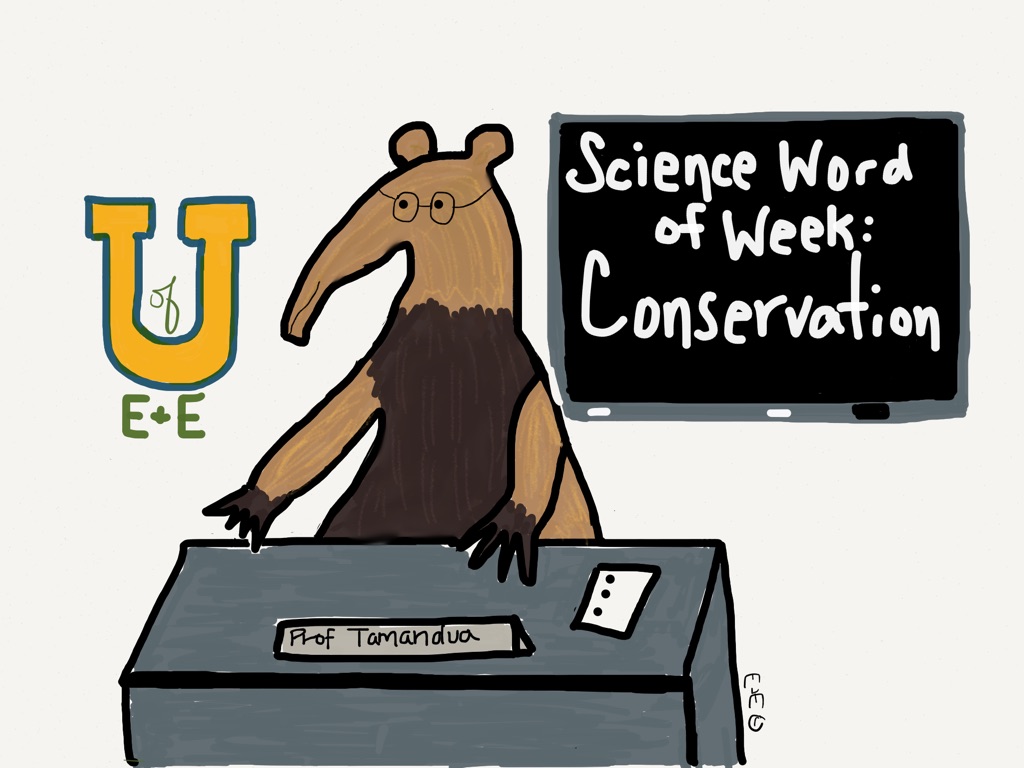
Today’s word is Conservation: protection of animals, habitats and the earth. Conservation includes setting aside land to keep it in a natural state, conserving resources like fresh water and protection animals from poachers. Conservation includes many issues and activities. Ellie and Edmond work very hard to conserve animals and their habitats!

Tomorrow they will be participating in World Animal Day and talking about protecting African elephants!

Categories: adventure, Animals, Children, conservation, education, Environment, nature, science, vocabulary, wildlife | Tags: , , , , , , , , , | Leave a comment

SNOW! SNOW! SNOW!

SNOW! SNOW! SNOW!

IMG_0459

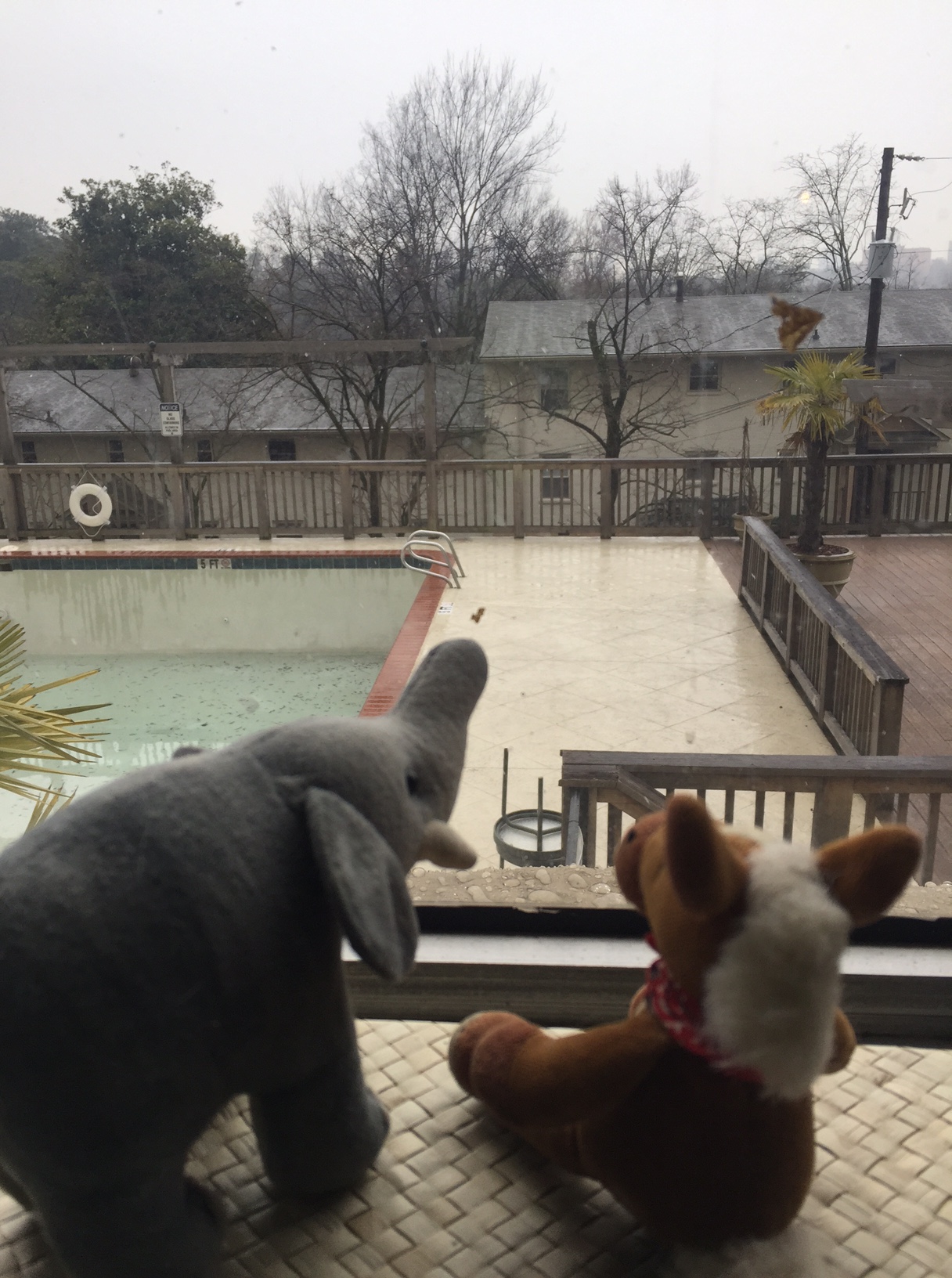
We were hoping to get a few inches of snow here at HQs, but instead we just got cold rain! So while we watched the rain waiting for it turn to snow, we decided to look up animals with snow in their names! We’ll share who we found!

Snowy Owl!

Snowy Owl!


The snowy owl lives in North America and summers in the arctic circle!

Snowy owls hunt during the day!

One of their favorite prey is lemmings.

Snowy owls can weigh up to 4 lbs, most of that weight is from their thick feathers!


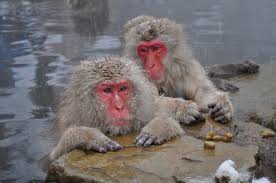
snow monkeys

Snow Monkeys or Japanese Macaques


Snow monkeys live in northern Japan.

They are very intelligent monkeys.

Snow monkeys are famous for sitting in hot springs to keep warm.

They are omnivores.
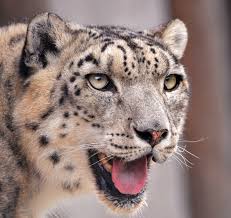


snow leopard

Snow leopard


Snow leopards live in the mountains of Central and South Asia.

They have a thick coats of fur, up to 5 inches thick.

Snow leopards are crepuscular, active at dawn and dusk.

They are highly endangered.


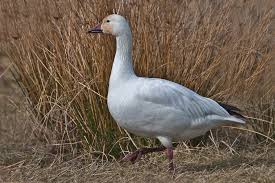
snow goose

Snow Goose


Snow geese live in North America.

Snow geese live in flocks, up to thousands of birds.

They are herbivores.

Snow geese are strong fliers and swimmers.


These amazing snow animals sure are cool! Did you notice they all have whitish coloration? That adaptation helps them blend in with their surroundings! Snow leopards are especially known for their ability to camouflage! Here! Here to our snowy habitat loving friends!



Categories: adventure, Animals, Children, conservation, education, Environment, nature, science, wildlife | Tags: , , , , , , , , | Leave a comment

Blog at WordPress.com.