Posts Tagged With: science

Day 34- Pigeon Guillemot

Day #34 (4/11/2014) Pigeon Guillemot
We might just be in love with the coastline of the Pacific Northwest! There are so many animals to see and observe! We noticed these cute little black birds on the cliffs where we spent the day looking at tide pools. Turns out these birds are related to puffins and we love puffins!

e e coast
Their range/habitat: Alaska to California/rocky coasts
Their length/weight: 13 ½”/ 1 lb Conservation Status: common
Their diet: Carnivore: fish and invertebrates
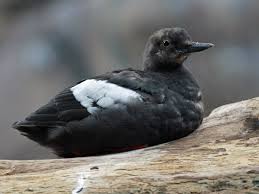
pigeon gall3


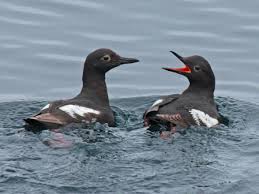
• Pigeon Guillemots have bright red/orange feet.
• Pigeon guillemots dive to catch their phones.
• They have bright/orange coloration inside their mouths too.
• Both male and females incubate the eggs.
• Pigeon guillemots have long straight bills.
• They have a white patch on their side.
• Pigeon guillemots have webbed feet with claws.

pigeon gall2    pigeon gall


We had the best time learning about the animals of the coasts here! We really enjoyed watching these birds dive for their meals. Whosh! Splash! Yum!

-Ellie and Edmond
 

Categories: adventure, Animals, birds, Children, conservation, education, Environment, nature, science, wildlife | Tags: , , , , , , , , , | 2 Comments

Day 33- Giant California Sea Cucumber

Day #33 (4/10/2014) Giant California Sea Cucumber

e e galapagos
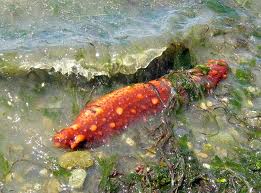
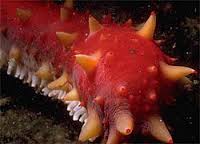
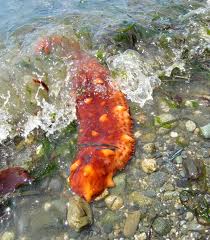
We had a great time watching the sea lions yesterday. We noticed as we sitting on the cliffs though, these great little tide pools! We decided to go and explore them. These pools were full of amazing creatures, sea stars, anemones and sea cucumbers! We were especially fascinated by the sea cucumber we saw!

sea cucumber3
Their range/habitat: Gulf of Alaska to Southern California/coast- intertidal zones
Their length: up to 19 ½”   Conservation Status: common
Their diet: Omnivore: plankton


sea cucumber2

• Giant California sea cucumbers are echinoderms.
• They do have an exoskeleton below their skin.
• Giant California sea cucumbers have tube feet on the bottom of their body.
• Giant California sea cucumbers have tentacles around their mouth to help them bring in food.
• They are nocturnal.
• Giant California sea cucumbers can regenerate all parts of their bodies.
• They expel the contents of their stomachs when threatened.


sea cucumber

Echinoderms are just crazy and amazing animals. We must learn much more about them. Their regenerative abilities are out of this world. It’s like a super power! What animal super power do you wish you had?

-Ellie and Edmond


Categories: adventure, Animals, Children, conservation, education, Environment, nature, science, wildlife | Tags: , , , , , , , , , | 3 Comments

Guess the Animal!!

Day #32 (4/9/14) – Guess the Animal
We’ve headed out to the Pacific Northwest Region of North America for a few days to explore the coastline. We spotted so many amazing animals! Let’s see if you can guess who we spotted today! We are looking for a specific species name :)!

sea lion

• They have external ears.
• They are marine mammals.
• They have a state in their name.

Who is it?

-Ellie and Edmond
Categories: adventure, Animals, Children, conservation, education, Environment, mammals, nature, science, wildlife | Tags: , , , , , , , , , | 2 Comments

Who’s the star? Sea stars are!

WHO’S THE STAR? SEA STARS ARE!

sea star

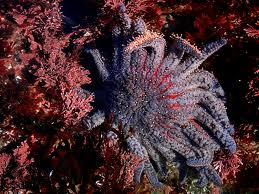
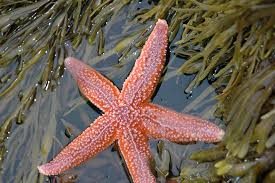
Over our spring break we were checking out some great facts about one of our favorite animals the Sea Star! The crazy looking echinoderms come in all shapes, sizes and colors! We thought you might like to learn more about these stars of the sea too! Make sure you scroll down to the bottom- because you can make your very own sea star!

sea star2

SEA STAR FUN FACTS:

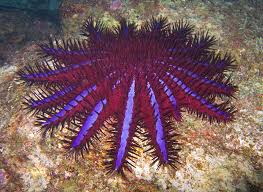
  • Sea stars are not fish, they are related to sea urchins and sand dollars! (Yes sand dollars are animals!)
  • Some sea stars can live up to 35 years.
  • Sea stars are invertebrates.
  • They are carnivores.
  • Sea stars have no brain and no blood.
  • They have simple eyes on the end of each of their arms.
  • There are around 2,000 species of sea stars.
  • Some sea stars have up to 40 arms.
  • Sea stars can regenerate limbs and some can regenerate their entire body.
  • Sea stars push their stomachs outside their body to digest their food.
  • They have tube feet on the bottom of their bodies they use to move and to pry open clams and oysters.

sea star7      sea star6


sea star4

Want you very own sea star? Make our sea star bean bag!

Categories: adventure, Animals, Children, conservation, education, Environment, nature, oceans, science, wildlife | Tags: , , , , , , , , , , | 2 Comments

SCIENCE WORD OF THE WEEK

SCIENCE WORD OF THE WEEK!!

swow carnivore

WE’RE BACK! We are so happy to be back after our much needed spring break! Don’t forget to enter Spring Photo Contest– the deadline has been extended til April 13th.

We are so happy to have students back here in class at the University of E&E! It’s my favorite day of the week where we learn a new science word and today’s word is:

Carnivore \ˈkär-nə-ˌvr\– a carnivore is an animal that eats meat. There are many different animals that eat meat as the primary source of their diet. There are even plants that are carnivores!

How many carnivores can you name?

carnivore cartoon

Categories: adventure, Animals, Children, conservation, education, Environment, nature, science, Uncategorized, vocabulary, wildlife | Tags: , , , , , , , , | 5 Comments

TRIVIA!

TRIVIA!

Did you know that we do trivia everyday on our Facebook, Twitter and Google+ pages? No?

Stop by at 2pm (EST) every Monday- Friday and play!

Here are some of the latest trivia questions!

trivia5

trivia4

trivia3trivia2

trivia

Do you know the answers? Stop by and play!

Categories: adventure, Animals, Children, conservation, education, Environment, nature, science, wildlife | Tags: , , , , , , , , | 2 Comments

MANATEE APPRECIATION DAY!

MANATEE APPRECIATION DAY!!

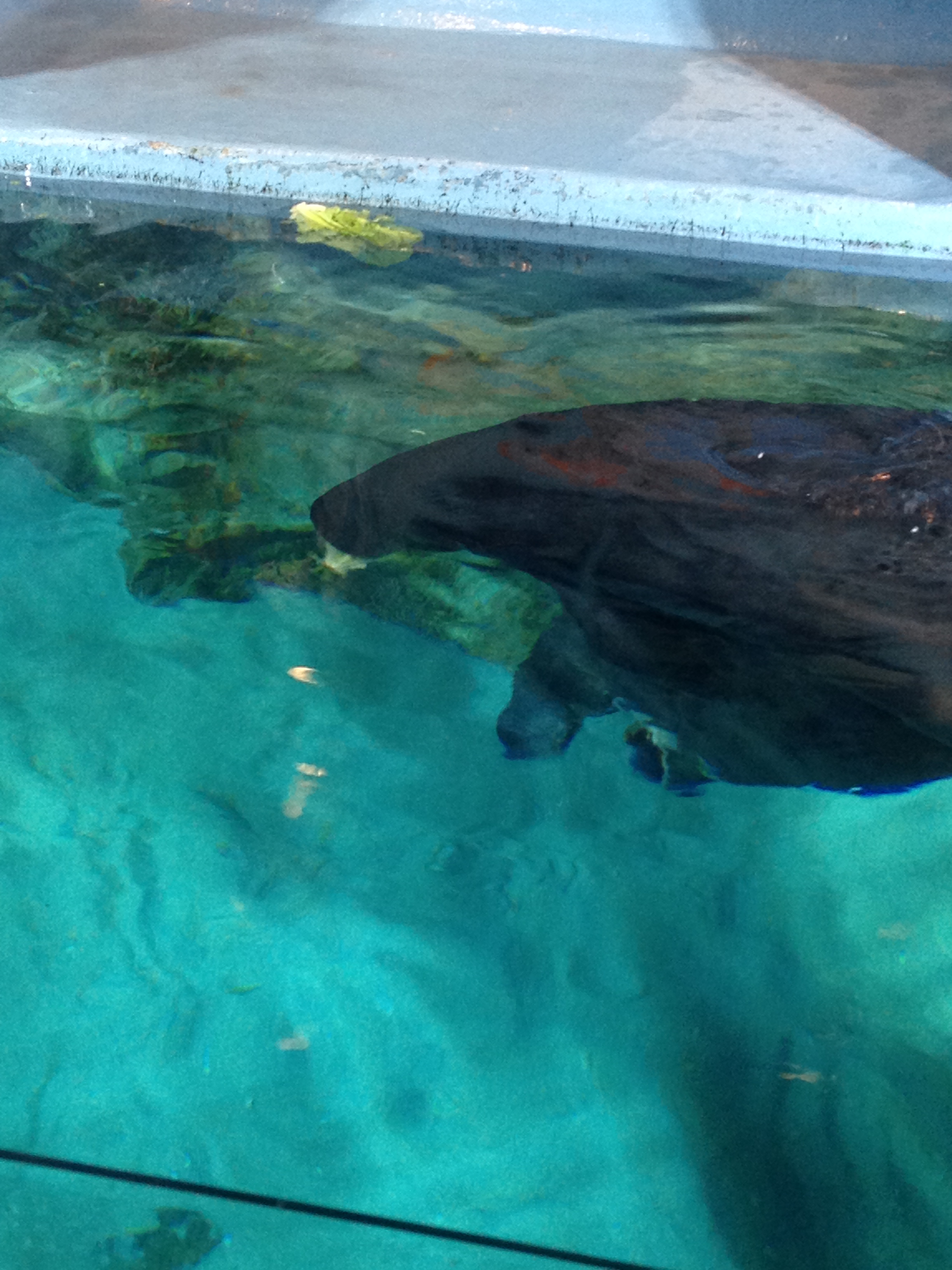
It’s Manatee Appreciation Day! We love these gentle marine mammals! We have visited them in places in Florida before. We’re going to share some fun facts about the fabulous animals and a great craft you can make too!

IMG_6623

  • Manatees are also called sea cows.
  • They live in coastal waters and rivers.
  • They have strong flat tails.
  • Their nostrils sit on top to help them breathe air.
  • Manatees are herbivores. They eat algae and grasses.
  • They can eat 1/10th of their weight in a day.
  • Manatees are slow moving.
  • They can weigh up to 1,300 lbs.
  • Manatees are endangered.

manatees    manatee2


Manatees are endangered due to things like boat strikes and pollution (they get caught in fishing nets). Many people are working to protect these beautiful gentle giants. A great way to help them- Never put trash in the ocean or rivers! Human’s pollution is devastating on our wild animal friends. Also check out Save the Manatee Club– they work very hard to protect manatees!

You can also make our great manatee bookmark and share your love of these animals with your friends! The more we understand and love a species the more we will work to save them!


Categories: adventure, Animals, Children, conservation, education, Environment, mammals, nature, science, wildlife | Tags: , , , , , , , , , , | 5 Comments

Day #31- Guess the Animal

Day #31 (3/25/14) – Guess the Animal
We decided we hadn’t been to the rainforest in a while, so we hopped a plane to the South America and headed out for the day to bird watch! Can you guess who we saw?

toucan

• They have large, colorful beaks.
• They love fruits.
• They live in the canopy of the rainforest.
Who is it?

-Ellie and Edmond
 

Categories: adventure, Animals, Children, conservation, education, Environment, nature, science, wildlife | Tags: , , , , , , , , | 2 Comments

SCIENCE WORD OF THE WEEK!

SCIENCE WORD OF THE WEEK!!

swow endoskeleton

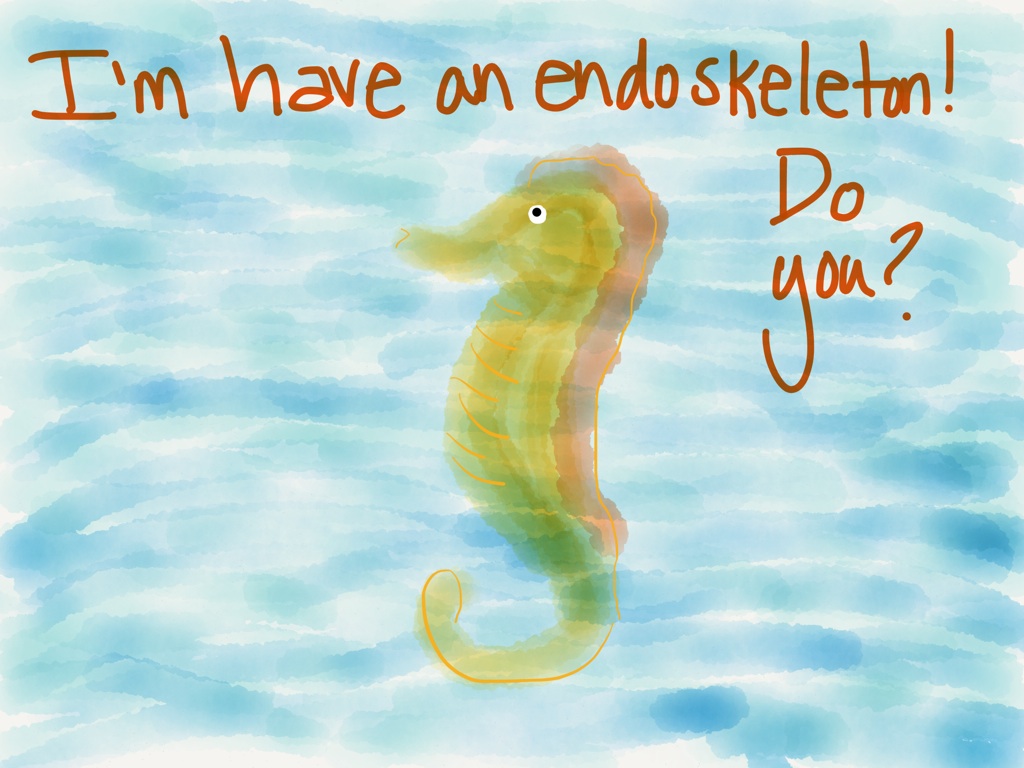
It’s my favorite time of the week! It’s time for  the Science Word of the Week! Last week we learned about animals with exoskeleton and this week our word is Endoskeleton!

An Endoskeleton is an internal skeleton of an animal. Vertebrates, animals with a backbone usually have an endoskeleton and that includes mammals, reptiles and fish!

sea horse cartoon

Categories: adventure, Animals, Children, conservation, education, Environment, nature, science, vocabulary, wildlife | Tags: , , , , , , , , | 2 Comments

World Frog Day!

World Frog Day!!

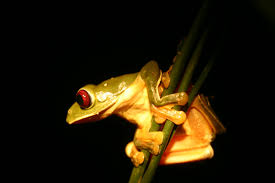
Somehow we missed World Frog Day yesterday, so we’re celebrating this amazing amphibians today! Frogs come in all colors and sizes.  Let’s tell you why we love frogs!

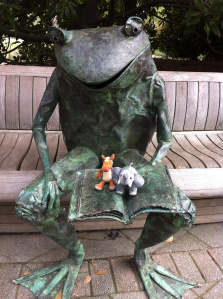
eefrog

  • Frogs are amphibians
  • They live on all continents except Antarctica.
  • The Goliath Frog is the larges species of frog in the world.
  • Wood frogs can “freeze” solid and survive the winter.
  • The Golden Dart Frog is the most toxic frog in the world.

frog

  • Bullfrog tadpoles are toxic.
  • Frogs are cold blooded.
  • There are about 4,900 species of frogs in the world.
  • A group of frogs is called an army. A group of toads is called a knot.
  • Frogs do have ears! They are located right behind their eyes.
  • Frogs have been around for 200 million years.

frog4

frog3   frog2


Last year we interviewed a frog scientist from the Atlanta Botanical Gardens! Read that interview here! Tell us what you love about frogs!

Categories: adventure, amphibians, Animals, Children, conservation, education, Environment, nature, science, Uncategorized, wildlife | Tags: , , , , , , , , , , | Leave a comment

Blog at WordPress.com.