WORLD PENGUIN DAY!
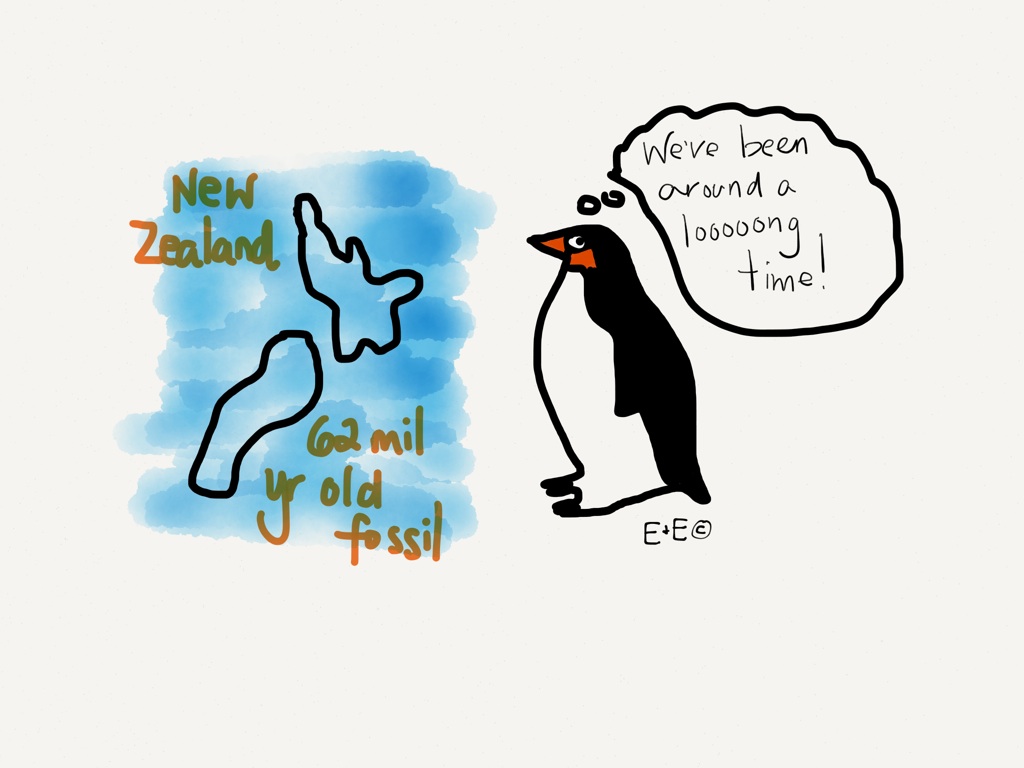
Happy World Penguin Day! We’re celebrating our favorite flightless ocean going birds today with some great fun facts!
WORLD PENGUIN DAY!
Happy World Penguin Day! We’re celebrating our favorite flightless ocean going birds today with some great fun facts!
GUESS THE ANIMAL!!
It’s been a busy week here at HQs! We’re ready for World Penguin Day tomorrow and Save the Frogs Day on Saturday. While we get to working, today is Guess the Animal! You guys know how this works. Check out the picture, read the clues and tell us who you think the animal is!
WHO IS IT?
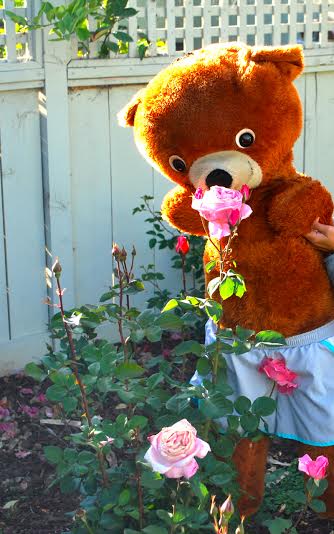
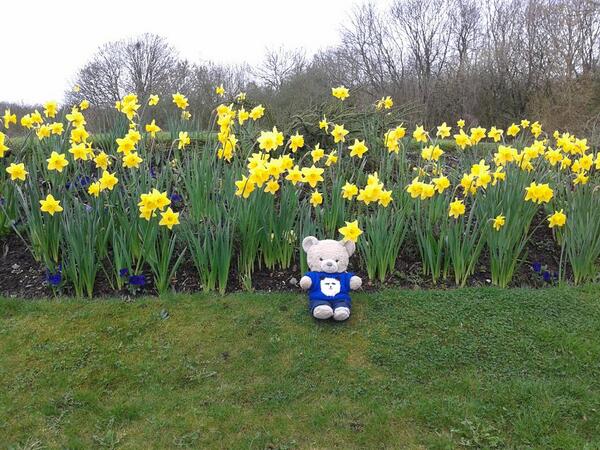
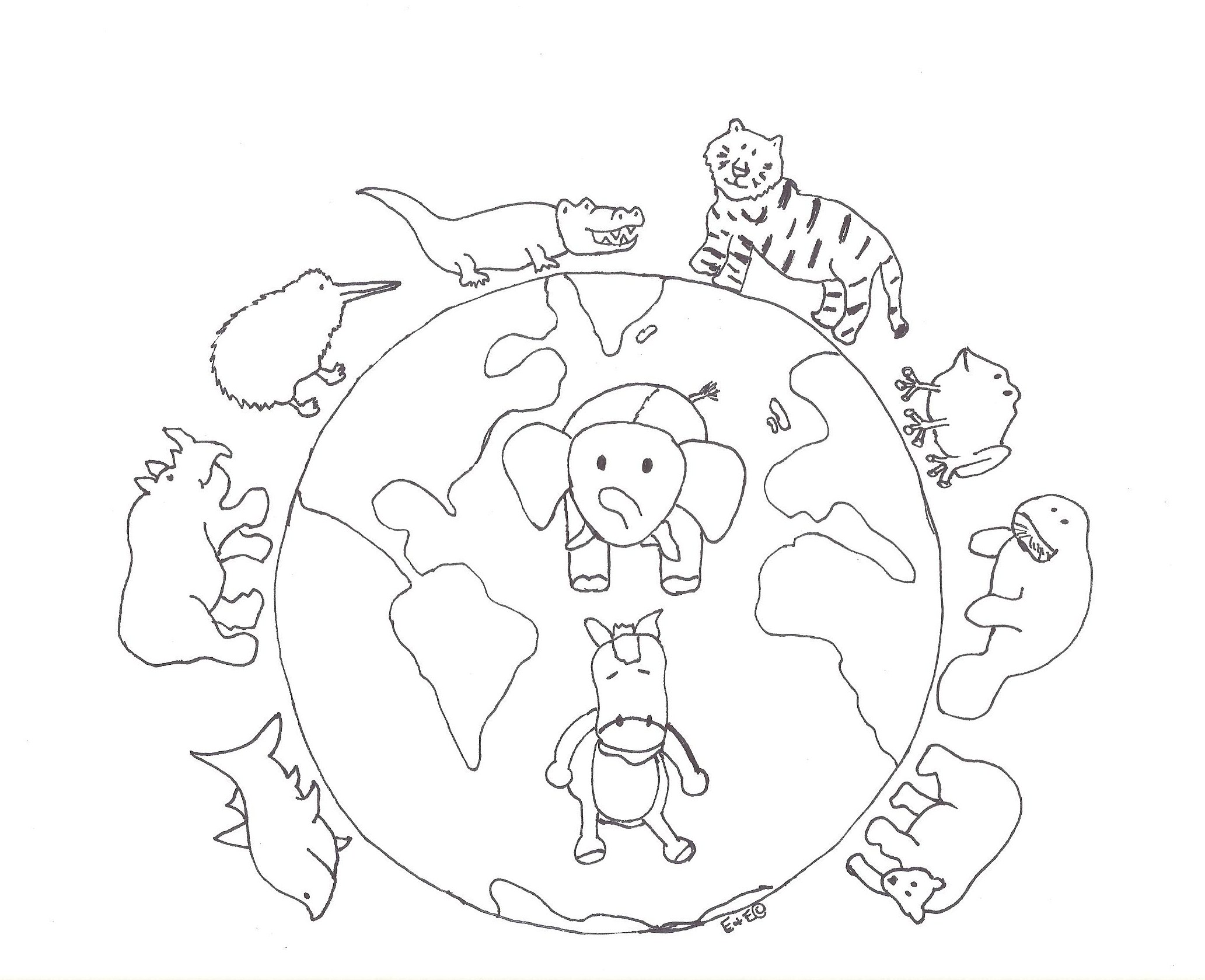
HAPPY EARTH DAY EVERYONE! WE’RE CELEBRATING BY ANNOUNCING OUR SPRING PHOTO CONTEST WINNERS AND SHARING A COLORING SHEET!
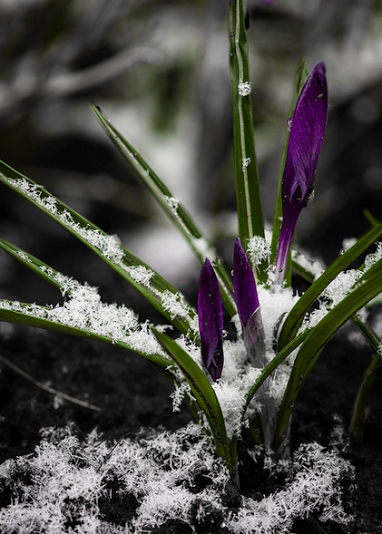
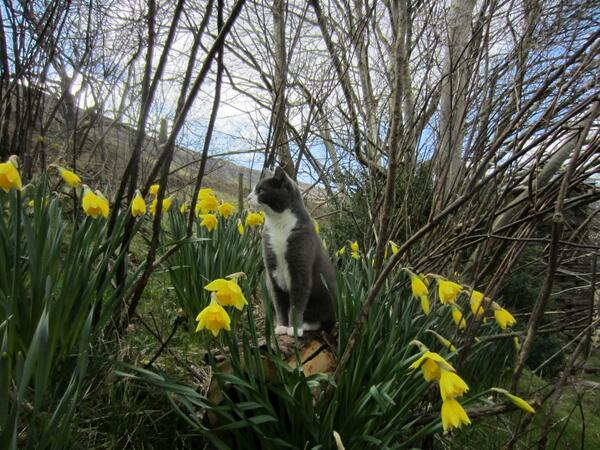
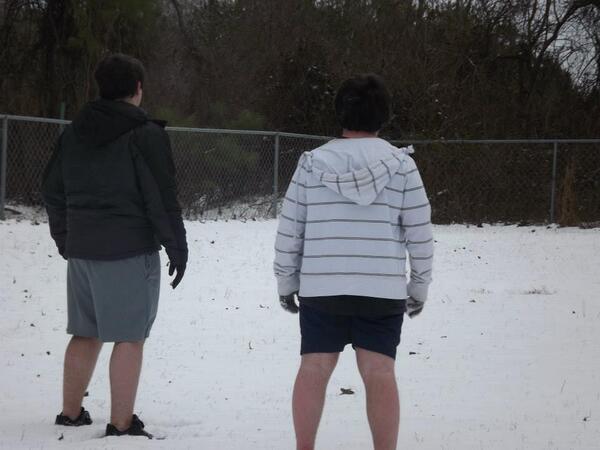
We had so many great entries in our contest! An independent judge choose our 3 winners and he had a very hard time. Each winner will get an Ellie and Edmond prize pack! Thanks everyone for entering!
AND THE WINNERS ARE (in no order)….
WE HAVE TWO HONORABLE MENTIONS WHO WILL GET A STICKERS AND A CERTIFICATE!
Again Thank You for Entering! You are all winners to us!
HAPPY EARTH DAY EVERYONE!
SCIENCE WORD OF THE WEEK!
We were suppose to have our Spring Photo Contest winners today- but we had difficulty with the internet this weekend at the University- so we will announce our winners tomorrow!
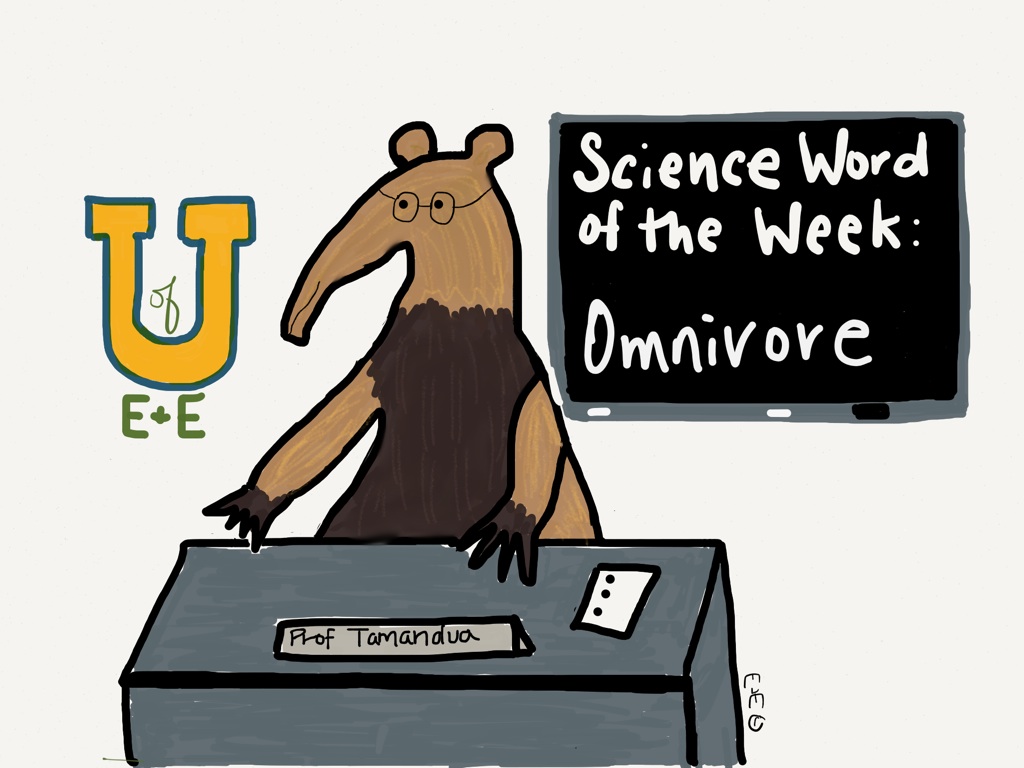
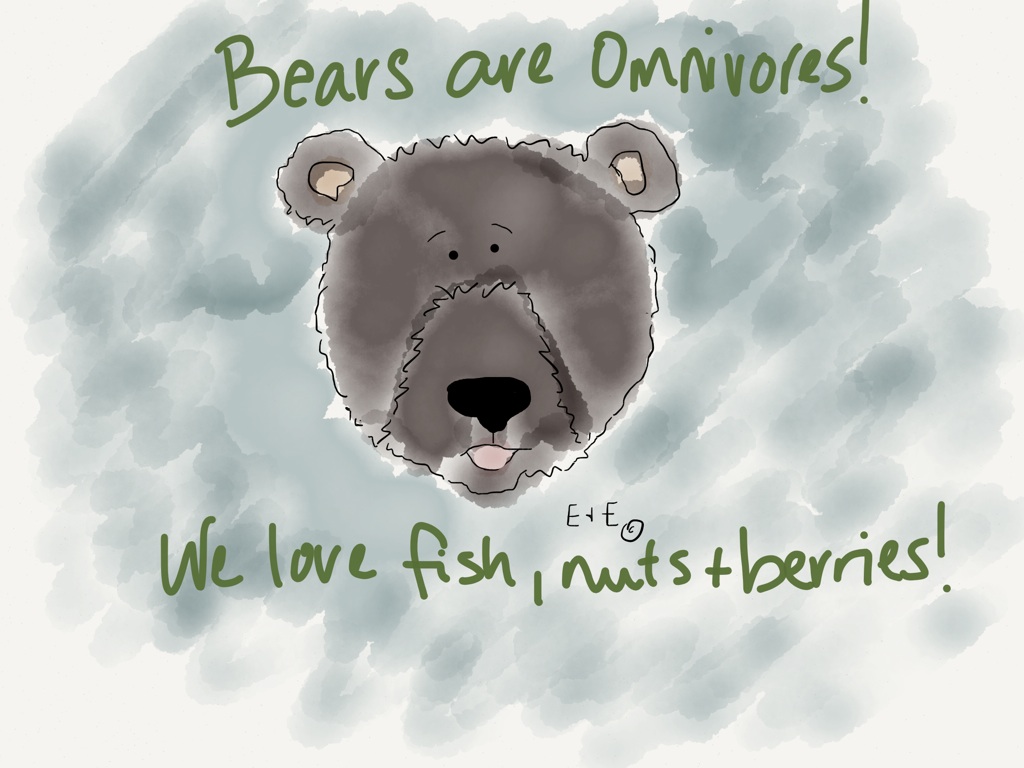
It’s Monday and that means it’s time to get back to class and talk about the science word of the week! We’ve learned about animals that are carnivores, herbivores and today’s word is Omnivore!
Omnivore: is an animal that eats both plants and animals. Omnivores are a very diverse group of animals, that include raccoons, crows, pigs, some monkeys and some species of fish! One of the most famous omnivores around is the brown bear! They eat a variety of fish, plants, nuts and berries!
Day #34- Sand dollars
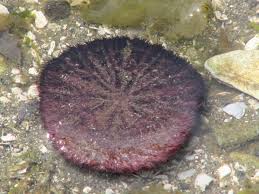
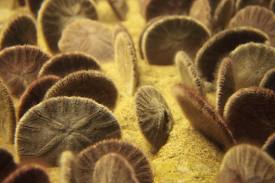
We decided go snorkeling after spending the day at the sea shore. We wanted to see if we could find sand dollars in the ocean and not just their exoskeletons on the beach! And goodness, we were so excited to see real live sand dollars! We bet most people don’t know that they’re animals even! We learned so much about these invertebrates!
Their range and habitat: sandy floors, oceans in the Northern Hemisphere
Their length: up to 3″ Their status: Common
They are omnivores- crustaceans, copepods, algae
We found this great video (it’s not in English) of a sand dollar eating copepods! You can see the little feet push food towards it mouth! Did you know that a sand dollar’s bum in on the top? How cool is that? Remember when you visit the beach that it’s better to leave the live sand dollars there. If you find a white exoskeleton, then consider yourself lucky! 
Day #34 (4/15/14) – Guess the Animal
We decided to spend a few days at the seashore. We love to sit on the beach and watch for birds and crabs. We took a long walk to search for sand dollars and sea shells. We always leave them where we find them. We must learn more about shells and the creatures that live in them. We laughed watching today’s guess the animal run around on the sand and chase the waves!

• They live by seashores.
• They have long thing beaks.
• They are many different species of these birds.
Who is it?
-Ellie and Edmond
Down by the Seashore
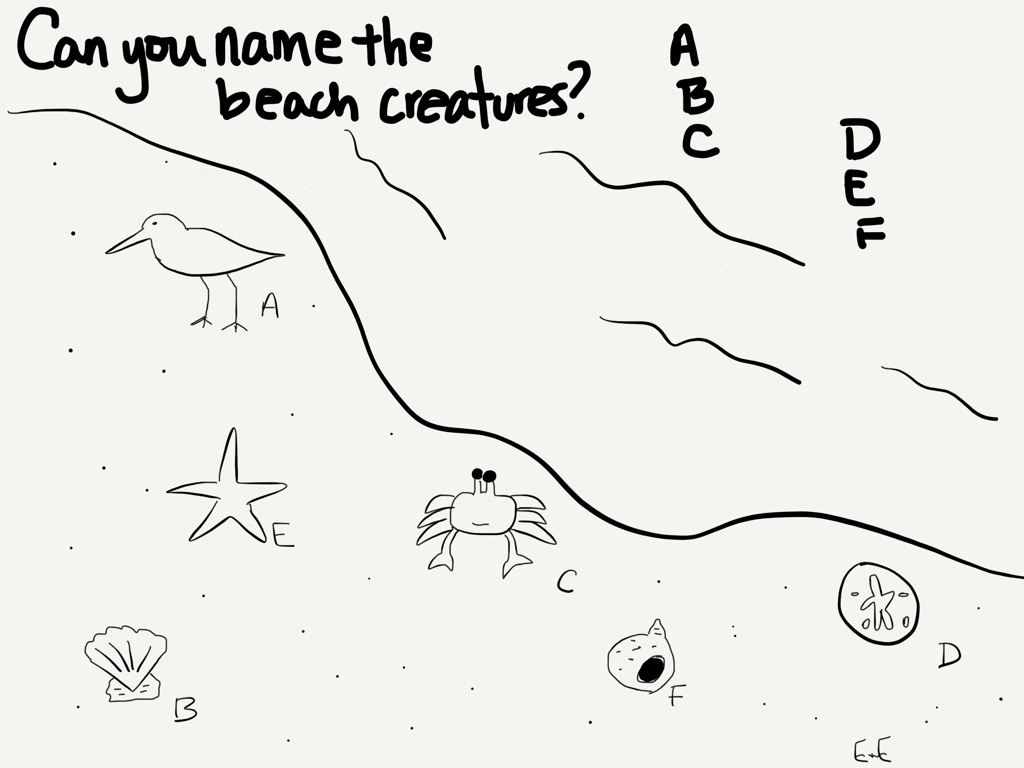
We were so excited to spend a few days down by sea shore! We saw so many wonderful creatures on the beach and swimming in the water! We drew this coloring sheet for you! Can you tell us who the creatures are? (answers below)
(a. sandpiper, b.scallop shell, c. ghost crab, d. sand dollar, e. chestnut turban)
We’ll be spotlighting some of these creatures in the next few days! Do you like to look for animals on the beach? What’s your favorite seashore animal?
SCIENCE WORD OF THE WEEK!
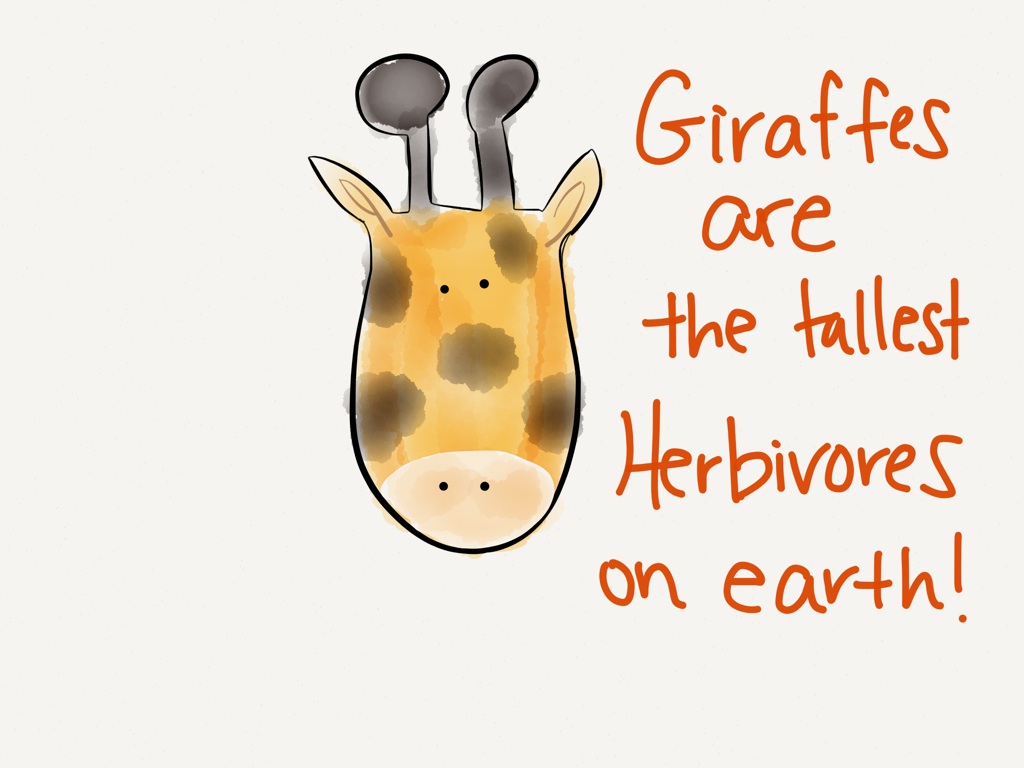
It’s time for class again! We learned what carnivore is last week and today we’re talking Herbivores!
An Herbivore is an animal that only eats vegetation and or plant material. Ellie and Edmond are both herbivores! Herbivores come in all shapes and sizes! They can eat everything from grass, roots, bark, seeds, flowers and fruits. Which herbivore is your favorite? I like giraffes! They have long tongues and necks that help them reach the leaves that no other animal can eat! Neat!
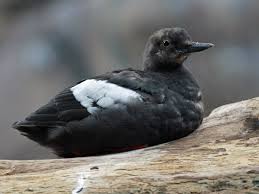
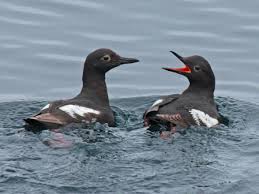
Day #34 (4/11/2014) Pigeon Guillemot
We might just be in love with the coastline of the Pacific Northwest! There are so many animals to see and observe! We noticed these cute little black birds on the cliffs where we spent the day looking at tide pools. Turns out these birds are related to puffins and we love puffins!

Their range/habitat: Alaska to California/rocky coasts
Their length/weight: 13 ½”/ 1 lb Conservation Status: common
Their diet: Carnivore: fish and invertebrates
• Pigeon Guillemots have bright red/orange feet.
• Pigeon guillemots dive to catch their phones.
• They have bright/orange coloration inside their mouths too.
• Both male and females incubate the eggs.
• Pigeon guillemots have long straight bills.
• They have a white patch on their side.
• Pigeon guillemots have webbed feet with claws.
We had the best time learning about the animals of the coasts here! We really enjoyed watching these birds dive for their meals. Whosh! Splash! Yum!
-Ellie and Edmond
Day #33 (4/10/2014) Giant California Sea Cucumber
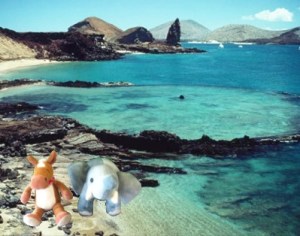
We had a great time watching the sea lions yesterday. We noticed as we sitting on the cliffs though, these great little tide pools! We decided to go and explore them. These pools were full of amazing creatures, sea stars, anemones and sea cucumbers! We were especially fascinated by the sea cucumber we saw!
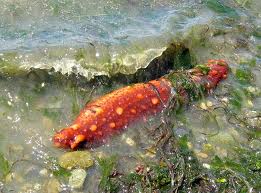
Their range/habitat: Gulf of Alaska to Southern California/coast- intertidal zones
Their length: up to 19 ½” Conservation Status: common
Their diet: Omnivore: plankton
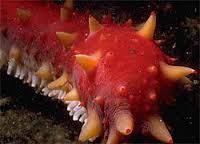
• Giant California sea cucumbers are echinoderms.
• They do have an exoskeleton below their skin.
• Giant California sea cucumbers have tube feet on the bottom of their body.
• Giant California sea cucumbers have tentacles around their mouth to help them bring in food.
• They are nocturnal.
• Giant California sea cucumbers can regenerate all parts of their bodies.
• They expel the contents of their stomachs when threatened.
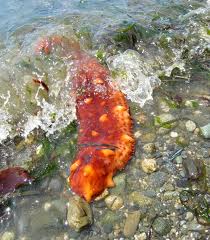
Echinoderms are just crazy and amazing animals. We must learn much more about them. Their regenerative abilities are out of this world. It’s like a super power! What animal super power do you wish you had?
-Ellie and Edmond